
Fort Delaware brings Civil War history to life through immersive reenactments, costumed interpreters, and hands-on demonstrations inside a massive 19th-century fortress. After a short ferry ride to Pea Patch Island, visitors can explore the fort, interact with soldiers and tradespeople, and experience daily life as it would have been in 1864.
Beyond its historical appeal, the island also offers excellent wildlife viewing and scenic surroundings. Keep reading to learn what to see, how to plan your visit, and why Fort Delaware remains one of Delaware’s most unique attractions.
Getting There: The Ferry Ride from Delaware City
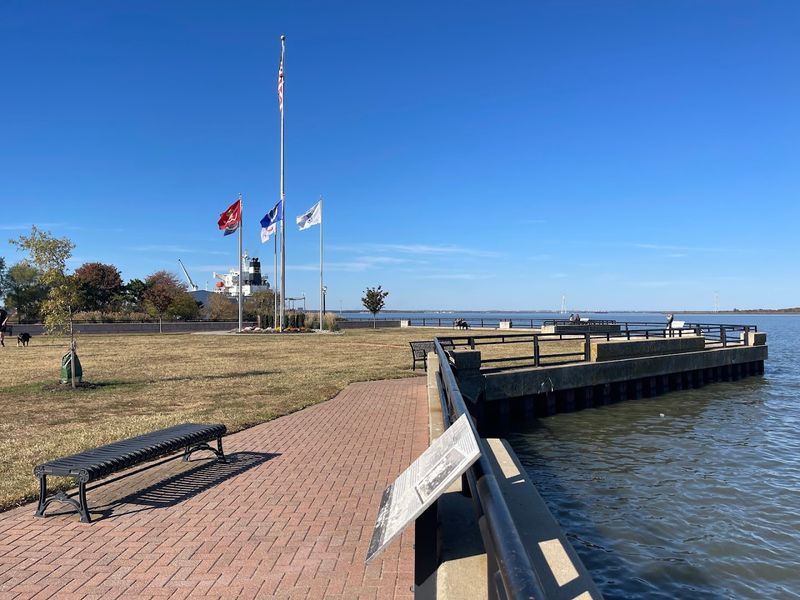
The adventure starts well before you ever set foot inside the fort. The ferry departs from 55 Clinton St, Delaware City, DE 19706, and the ride across the Delaware River takes roughly ten minutes each way.
That short half-mile crossing actually sets the mood perfectly. The water stretches out around you, the island grows larger as you approach, and by the time the dock comes into view, you already feel like you are heading somewhere genuinely different from the rest of your day.
Ferry tickets need to be purchased in advance, and the boat runs approximately every thirty minutes during operating hours. The park is open Saturdays and Sundays from 9 AM to 4 PM, so plan accordingly.
Parking is available at 45 Clinton St, Delaware City, and the phone number for the park is (302) 834-7941. Arriving early gives you the most time to explore before the last ferry heads back.
The Fortress That Took Decades to Build

Few people realize just how long it took to bring this fortress to life. Construction began in the 1820s, but the current brick and concrete structure that visitors explore today was not substantially completed until 1859, making it a project that spanned more than three decades of engineering effort.
The result is genuinely impressive. The walls are thick, the archways are tall, and the overall scale of the place makes you feel small in the best possible way.
It was designed to defend the ports of Wilmington, Delaware, and Philadelphia, Pennsylvania, and looking at the construction, you can believe it was built to last forever.
A tram meets visitors at the island dock and carries them right up to the fortress entrance, which is a welcome touch after the ferry ride. The ground floor is handicap accessible, making the main areas reachable for most visitors.
What waits inside those walls, though, is where the real story begins.
33,000 Prisoners and a Story That Demands to Be Told

During the Civil War, Fort Delaware became one of the Union’s most significant prison camps. An estimated 33,000 Confederate prisoners passed through its walls, including many soldiers captured at the Battle of Gettysburg in 1863.
At its most crowded, the fort held over 10,000 prisoners at one time. That number is hard to wrap your head around when you are standing in the courtyard, but the scale of the space starts to tell the story on its own.
More than 2,400 prisoners did not survive their time here, and many were buried at Finns Point National Cemetery across the river in New Jersey.
The park does not shy away from this difficult history. Interpreters discuss conditions, daily routines, and the human reality of what life looked like inside these walls during that era.
It is sobering, educational, and handled with real care. History this significant deserves exactly that kind of honest, respectful treatment.
Costumed Interpreters Who Never Break Character

One of the things that genuinely sets this park apart is the quality of its living history program. The costumed interpreters recreate daily life in the summer of 1864, and they do it with commitment that is hard to match anywhere else.
Ask one of them a question and they will answer as if it is actually 1864. They stay in character, they know their history cold, and many bring a dry humor that makes the whole experience entertaining as well as educational.
It never feels stiff or rehearsed.
You might encounter a blacksmith at the forge, a laundress working through a pile of fabric, or a soldier explaining the duties of his post. Each interpreter represents a different slice of fort life, so wandering from one to the next feels like flipping through chapters of a living textbook.
Children especially love the interaction, and the freedom to explore at your own pace makes every visit feel personal and unscripted.
The Cannon Firing That Rattles Your Chest
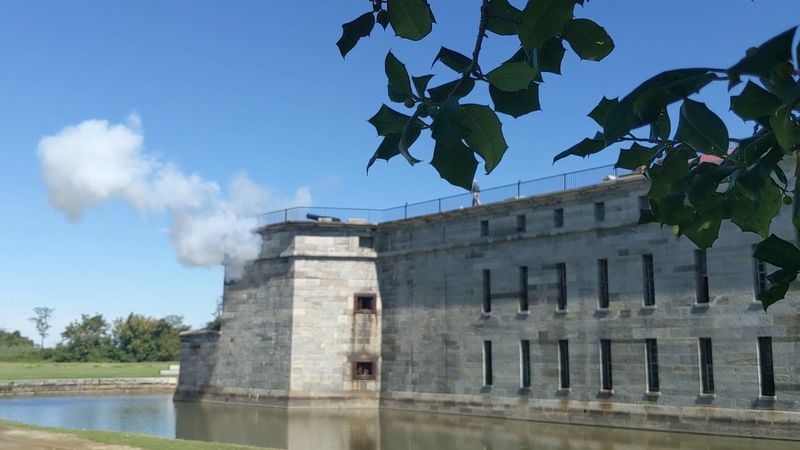
Nothing quite prepares you for the moment an 8-inch Columbiad cannon goes off. The sound hits before you fully process what happened, and the smoke rolls out in a way that makes the whole scene feel pulled from a history documentary rather than a Saturday afternoon outing.
The cannon firing demonstration is one of the most popular moments of any visit, and for good reason. The interpreters explain the loading process, the purpose of this particular weapon, and what it would have meant in a real military engagement.
Then they fire it, and the crowd goes very quiet for exactly one second before everyone starts talking at once.
It is the kind of moment that sticks with you long after you have taken the ferry back to the mainland. Kids often talk about it for days.
The demonstration is included with the price of admission, and the timing varies, so asking the staff when the next one is scheduled is always a smart first move after arrival.
Wildlife on Pea Patch Island That Will Surprise You
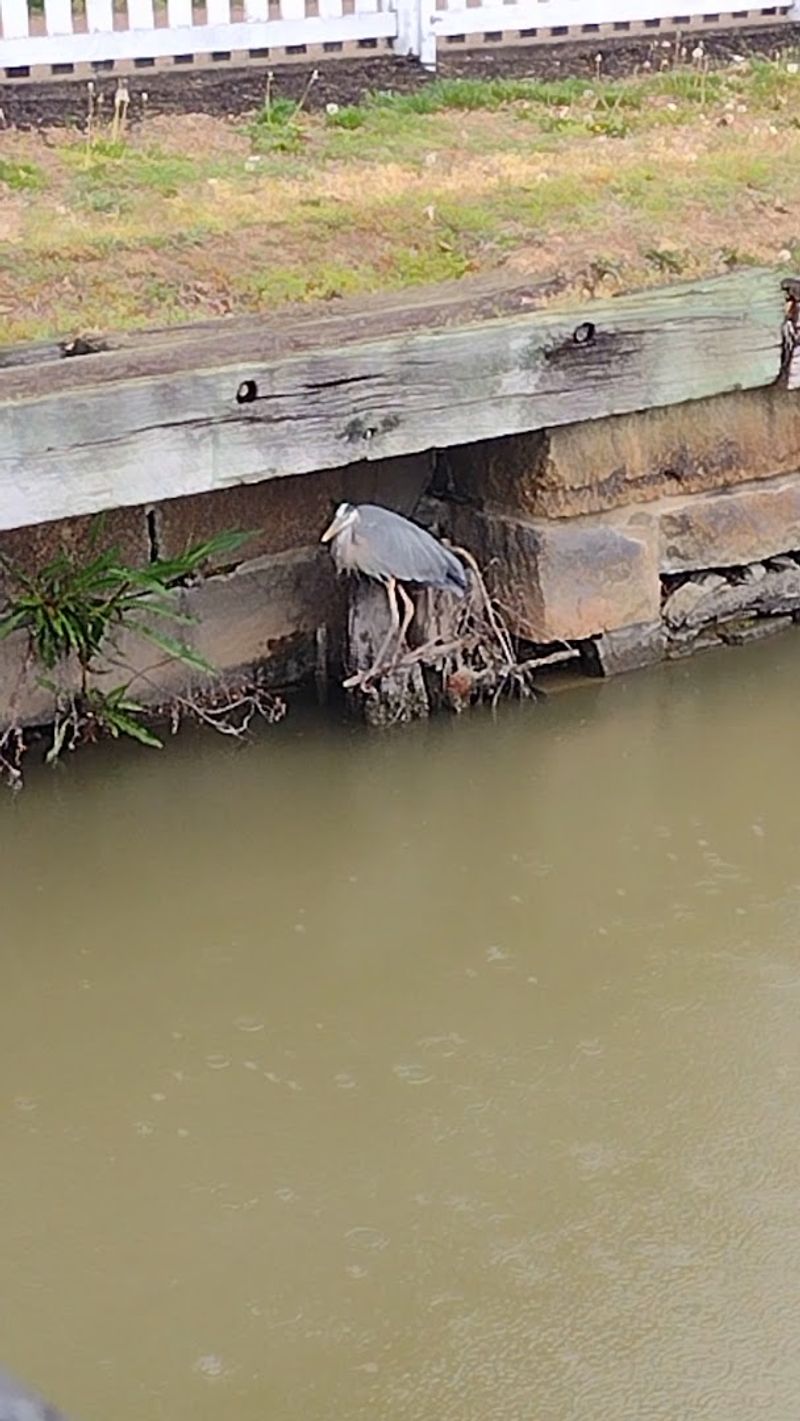
Most people come for the fort and leave surprised by the birds. Pea Patch Island hosts one of the largest Atlantic Coast nesting colonies for herons, egrets, and ibises, and the activity around the tree canopy during nesting season is genuinely spectacular.
A hiking trail winds through part of the island and leads to an observation platform designed specifically for watching the colony. Bring binoculars if you have them, because the detail you can pick up from the platform is worth the short walk.
The sounds alone, a constant mix of calls and wing beats, give the island a wild, living energy that feels completely separate from the fort experience.
The island also serves as a hibernation site for several bat species native to Delaware, which adds another layer of ecological importance to the place. It is a reminder that Pea Patch Island is not just a historical artifact but an active, thriving natural environment that has been quietly doing its own thing for centuries.
The Bat Tours That Turn the Fort Eerie After Dark
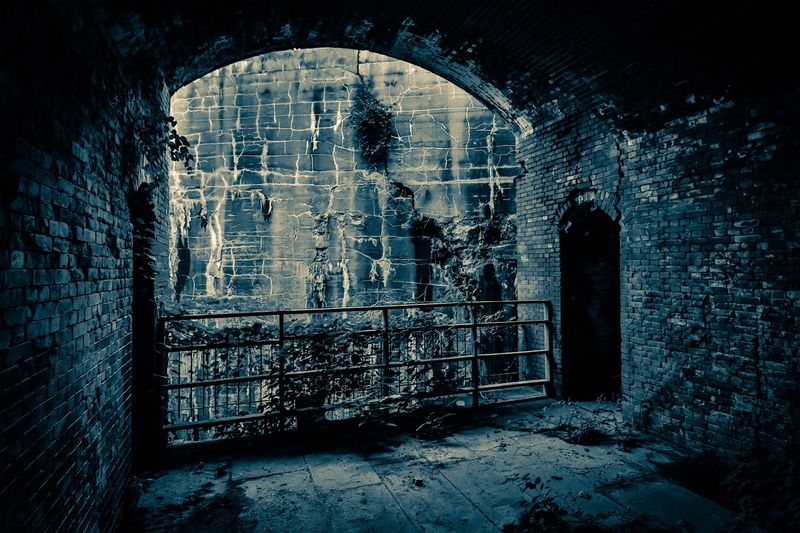
Here is a detail that surprises most first-time visitors: part of Fort Delaware is set aside specifically as a bat habitat, and the park runs dedicated bat tours that take you into those sections of the fortress.
Delaware bats use the fort as a hibernation site, and the park takes that responsibility seriously. Before entering certain areas, visitors walk across wet biomats designed to prevent the spread of White-Nose Syndrome, a fungal disease that has been devastating bat populations across North America.
It is a small step that makes a real difference.
In the fall, paranormal tours are also available, which lean into the fort’s layered history in a way that is atmospheric and entertaining without being disrespectful. The combination of bat tours, paranormal evenings, and the general sense that this place holds more stories than any single visit can uncover makes Fort Delaware worth returning to more than once.
The next section explains what else to expect once you are inside the walls.
What to Expect Inside the Fort’s Walls

The inside of the fort is larger than it looks from the ferry. The ground floor opens into a courtyard surrounded by thick arched corridors, and the various rooms and stations are spread out enough that you genuinely need a couple of hours to see everything properly.
A snack and souvenir shop is tucked inside the fort, which is handy if you did not pack food. Picnic tables are available outside the walls for those who bring their own meals, and grills are provided as well.
Just remember that there are no trash cans on the island, so whatever you bring in, you carry out.
The upper floors of the fort are accessible by stairs and offer views of the Delaware River that are worth the climb. The ground floor is fully accessible for visitors with mobility needs, and the staff is consistently friendly and helpful in directing you toward the demonstrations and activities that match your interests.
Closed-toe shoes and bug spray are both strongly recommended before you go.
Practical Tips That Will Save Your Visit
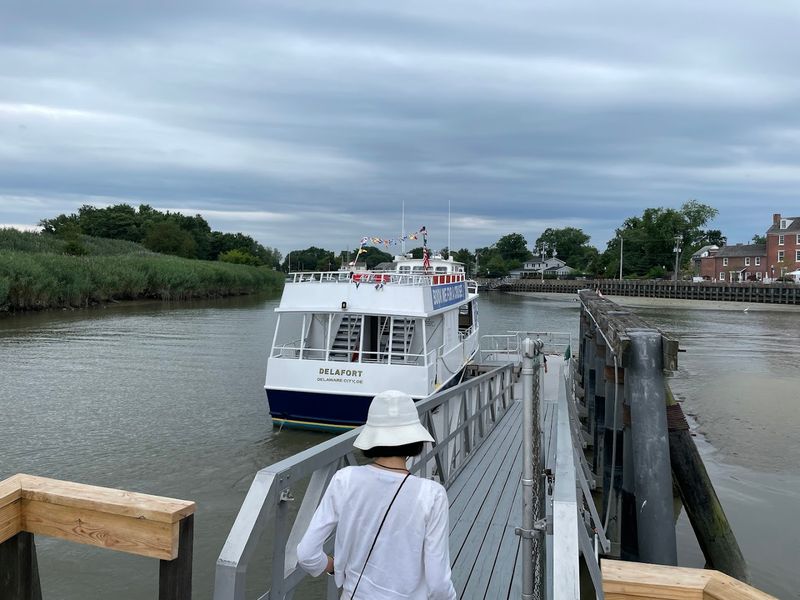
A few practical details can make the difference between a smooth trip and a frustrating one. Ferry tickets should be purchased in advance, especially on weekends during peak season, because spots fill up faster than most people expect.
The park is open Saturdays and Sundays from 9 AM to 4 PM, and the ferry runs roughly every thirty minutes. Budget at least two hours on the island, though many visitors end up staying longer once they get caught up in the demonstrations and the walking trail.
Wear closed-toe shoes because the terrain around the fort and island trail is uneven in places. Bug spray is not optional during warmer months; the biting flies are persistent and they will find you.
Sunscreen matters too, especially on the open ferry deck and the exposed upper areas of the fort. Pets are not permitted on the island, so make arrangements before you leave home.
Snacks and drinks are available for purchase inside the fort if you forget to pack your own.
A Perfect Destination for Families and School Groups

Fort Delaware has a rare quality that most history sites struggle to achieve: it holds the attention of kids and adults at the same time, but for completely different reasons. Children are drawn to the cannon, the reenactors, the ferry ride, and the freedom to wander.
Adults tend to get absorbed in the historical depth of the place.
The hands-on nature of the experience makes it ideal for school-age visitors. Nothing here is behind a velvet rope or locked in a display case.
You can walk through the same corridors that soldiers and prisoners walked, ask questions of people dressed and acting as if they belong to that era, and watch a working blacksmith shape metal at a forge.
Families who have already done the typical tourist circuit in Philadelphia often make Fort Delaware their next stop, and it consistently earns a spot as the favorite part of the trip for younger visitors. That reaction says everything about how well the park delivers on its promise.
The Views from the Top of the Fort
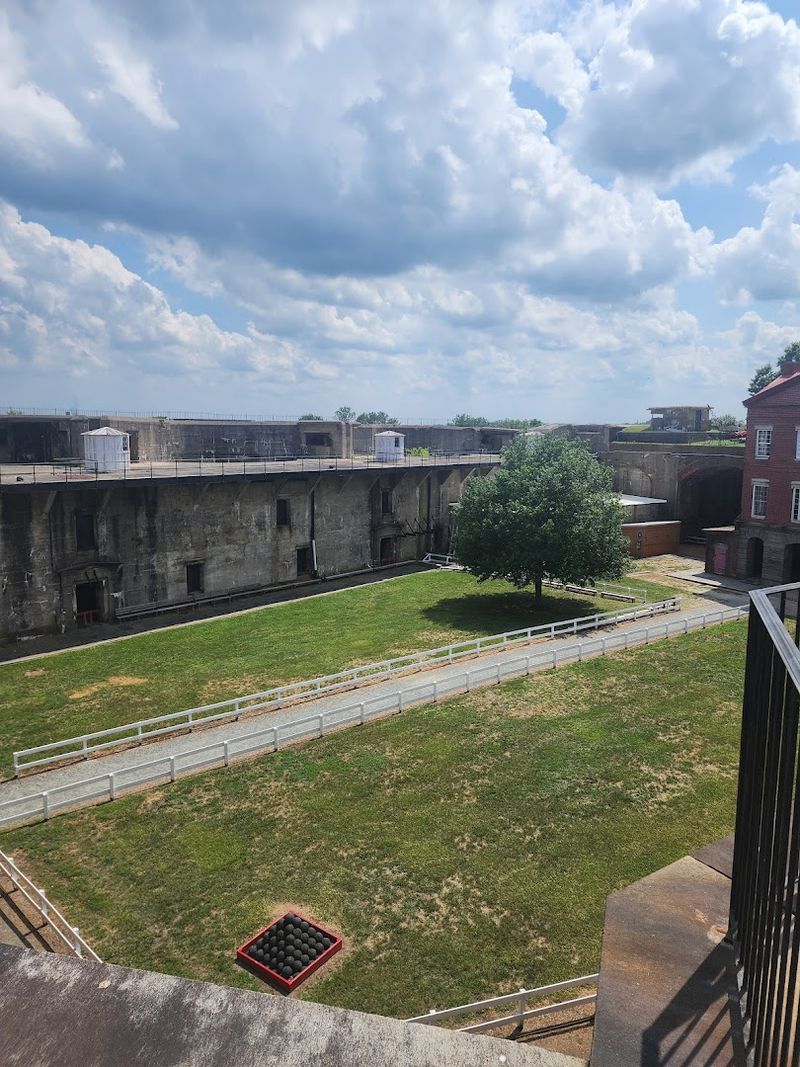
Climbing to the upper level of Fort Delaware rewards you with something unexpected: a wide, open view of the Delaware River that stretches in both directions and puts the entire geography of the place into perspective.
You can see the New Jersey shoreline, trace the path the ferry took to bring you here, and get a sense of why this particular island was chosen as a defensive position in the first place. The river is wide at this point, and controlling it from this location would have given the fort real strategic reach.
The brick battlements along the upper level are photogenic in a way that feels authentic rather than staged. There are no guardrails designed for Instagram backdrops here, just honest military architecture doing what it was built to do.
Standing up there with the wind off the river and the birds circling overhead, it is easy to understand why this place leaves such a lasting impression on nearly everyone who makes the trip.
Why Fort Delaware Deserves More Visitors Than It Gets

For a place with this much history, this level of programming, and this kind of natural setting, Fort Delaware is genuinely undervisited. The ferry requirement puts some people off, but that short ride is actually part of what makes the experience special.
The island arrival creates a sense of departure from everyday life that a roadside attraction simply cannot replicate.
The park holds a 4.6-star rating across hundreds of reviews, and the consistent thread through almost all of them is surprise: people did not expect it to be this good. The combination of serious Civil War history, committed living history interpreters, wildlife, bat tours, paranormal events, and river views creates a layered destination that offers something new on every visit.
Fort Delaware is the kind of place that earns a spot on your list not because it is famous, but because it is genuinely excellent. Once you have crossed that river and passed through those walls, you will already be thinking about when you can come back.
Share this story