Bolivia is emerging as one of South America’s most exciting food destinations. From the streets of La Paz to the landscapes of Uyuni, the country offers a diverse dining scene built around unique native ingredients, traditional recipes, and innovative chefs.
Whether internationally acclaimed or beloved by locals, these restaurants and cafes showcase the rich flavors of Bolivian cuisine. Each offers a memorable dining experience that’s well worth adding to your travel itinerary.
1. Gustu, La Paz, La Paz Department
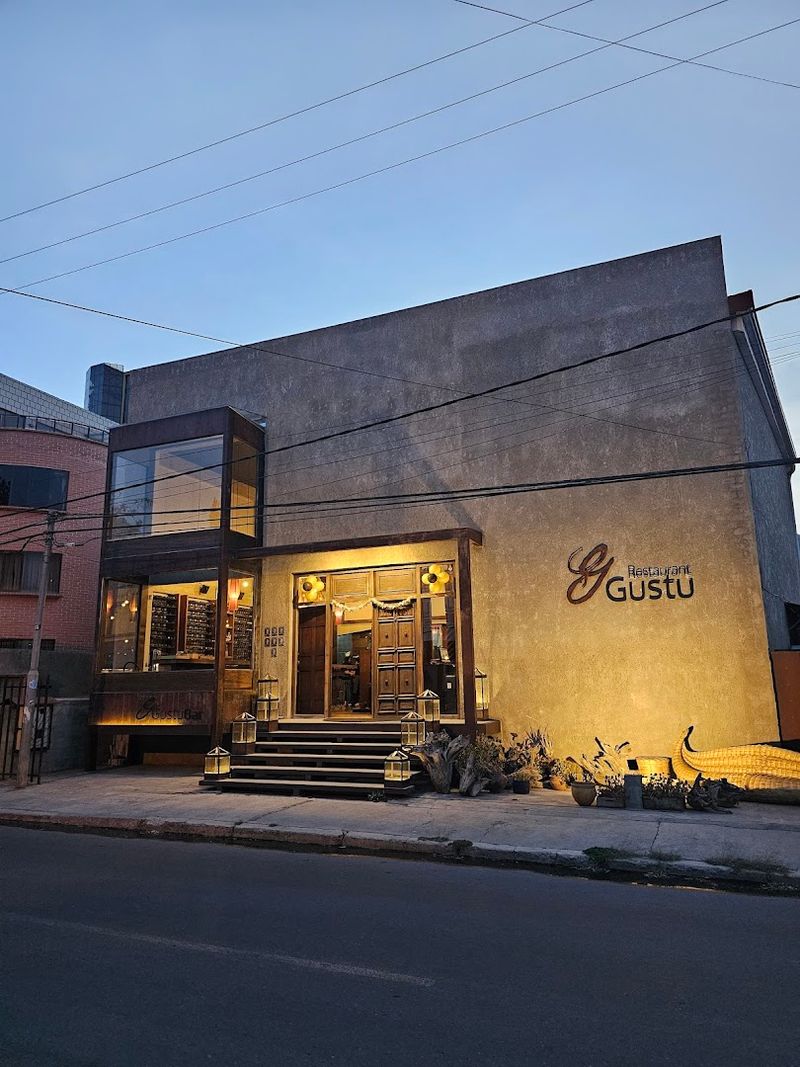
Founded in 2012 by Danish food entrepreneur Claus Meyer, Gustu was built around a single bold idea: Bolivia has extraordinary ingredients, and the world should know about it.
The restaurant operates on a “Kilometre Cero” principle, meaning every ingredient on the plate comes directly from Bolivian farmers and producers. Menus rotate with the seasons, featuring items like Amazon fish, native Andean tubers, llama, and tumbo, a local fruit related to passion fruit.
Bolivian chefs Kenzo Hirose and Jairo Michel now lead the kitchen, bringing their own creative approach to the country’s diverse pantry. Gustu also runs a culinary school that trains young Bolivians for careers in hospitality, making it a social enterprise as much as a restaurant.
Tasting menus start around $81, and reservations are strongly recommended, especially on weekends.
2. Ali Pacha, La Paz, La Paz Department
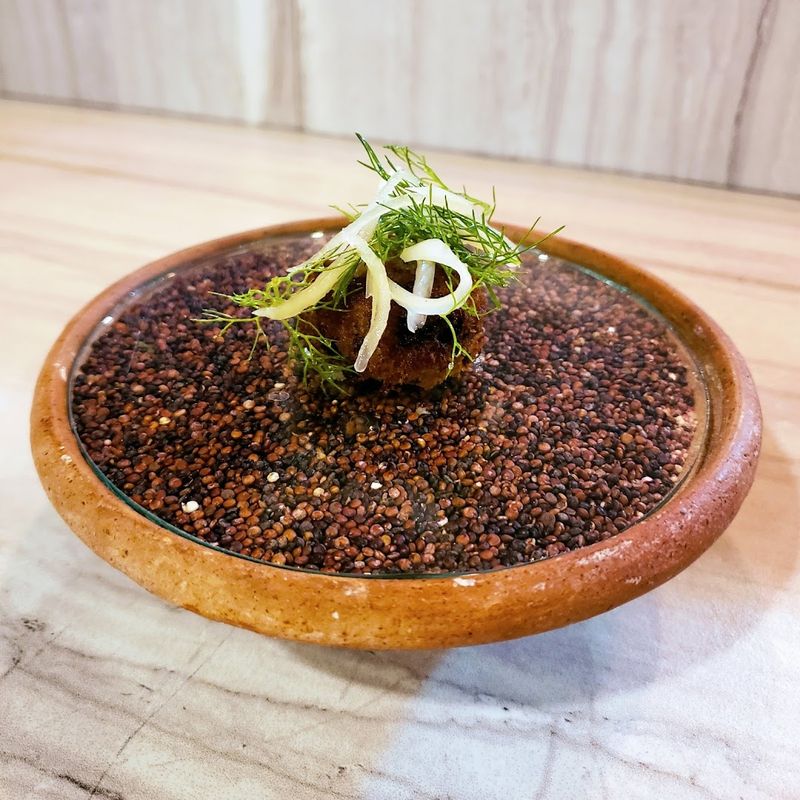
The name means “plant universe” in Aymara, and Ali Pacha lives up to that title in every course it serves.
Bolivia’s first fine-dining vegan restaurant was opened by Chef Sebastian Quiroga, a Gustu graduate who decided to build an entirely plant-based tasting menu using only Bolivian products. Lunch offers a three-course format, while dinner expands to five or seven courses, with the full menu changing daily based on seasonal availability.
Quiroga uses traditional quinoa to create unexpected ingredients like plant-based milk and a mozzarella-style cheese, bringing genuine variety to each plate. The decor is contemporary and minimal, creating a calm setting that contrasts nicely with the city’s busy streets.
Even guests who regularly eat meat tend to leave with a new appreciation for what Bolivian plants can do. Reservations are advised, and a coffee cafe operates upstairs.
3. Popular Cocina Boliviana, La Paz, La Paz Department
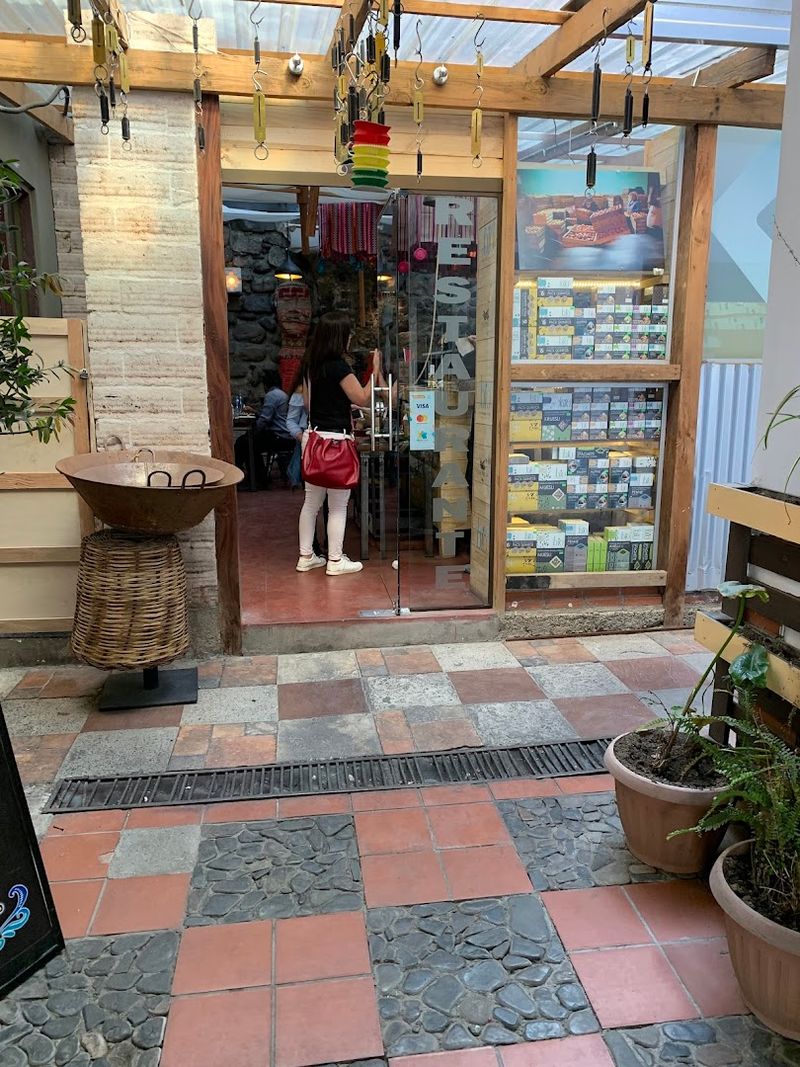
There is a waiting list at the door most days, and that alone tells you everything you need to know about Popular Cocina Boliviana.
Opened in October 2017 by Diego Lionel Rodas Zurita and Juan Pablo Reyes Aguilar, the restaurant takes classic Bolivian recipes and gives them a careful, modern makeover without losing what made them special in the first place. The format is a weekly-changing set lunch menu with options for starters, mains, and desserts, including vegetarian choices throughout.
Service runs Monday through Saturday with two sittings beginning at 12:30 PM, and the restaurant does not take advance reservations. Arriving early is genuinely the best strategy. The venue is tucked inside a heritage courtyard, which adds charm to an already well-priced meal.
It has earned a spot on the Latin America’s 50 Best extended list, recognized for creative presentation and exceptional value.
4. Mercado Lanza, La Paz, La Paz Department
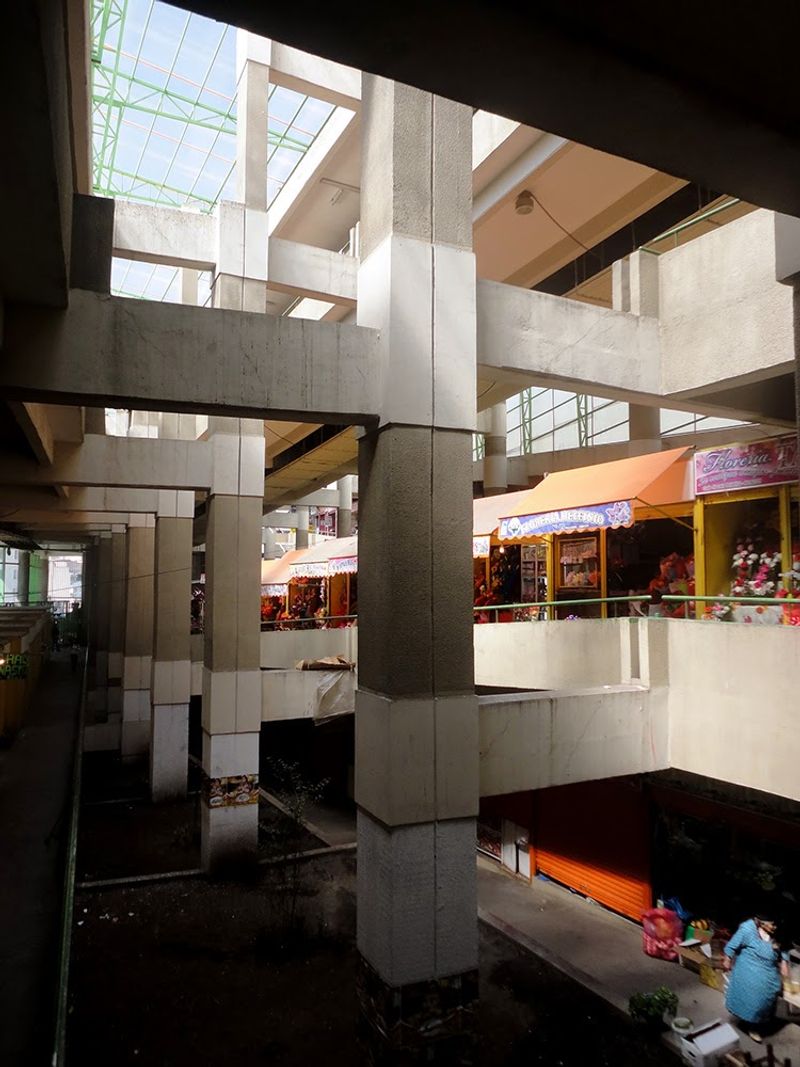
Mercado Lanza is not just a market. It is a working portrait of daily life in La Paz, spread across four floors of organized stalls and counters.
Completed in 2010, the market organizes its vendors by category, with the upper floor reserved for food. Visitors can find traditional soups, salteñas, generous lunch plates, sandwiches, fresh fruit juices, and even ice cream, all at prices that make eating out feel completely stress-free.
One particularly popular counter belongs to Dona Elvira Goita, known locally for her choripan. The lunch crowd fills up fast, and the energy on the food floor reflects how central this market is to the neighborhood’s daily rhythm.
For travelers who want to eat the way locals actually eat, rather than how guidebooks imagine locals eat, Mercado Lanza is one of the most honest and satisfying stops in the city.
5. El Huerto, Sucre, Chuquisaca Department
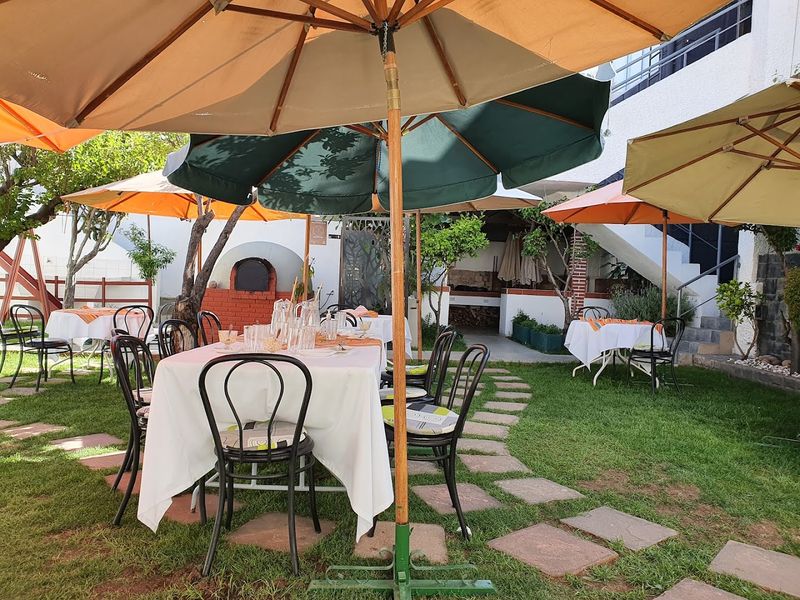
Sucre has no shortage of pleasant places to eat, but El Huerto earns its reputation by combining a peaceful garden setting with a menu that genuinely surprises you.
The kitchen blends regional Bolivian specialties with international dishes, offering everything from picante de lengua and mondongo to filet mignon and Argentine bife ancho. The standout specialty is the Paella Andina, prepared with quinoa and seafood, which has become a signature dish worth ordering ahead of time.
Some ingredients are sourced directly from the restaurant’s own garden, and the commitment to locally produced organic products is evident in the quality of each plate. A salad bar with raw and cooked vegetables, quinoa, and whipped spreadable cheese rounds out the options nicely.
Both indoor and shaded outdoor seating are available, making El Huerto a smart choice for a relaxed lunch or dinner after a day spent navigating Sucre’s colonial streets.
6. Salteñería El Patio, Sucre, Chuquisaca Department
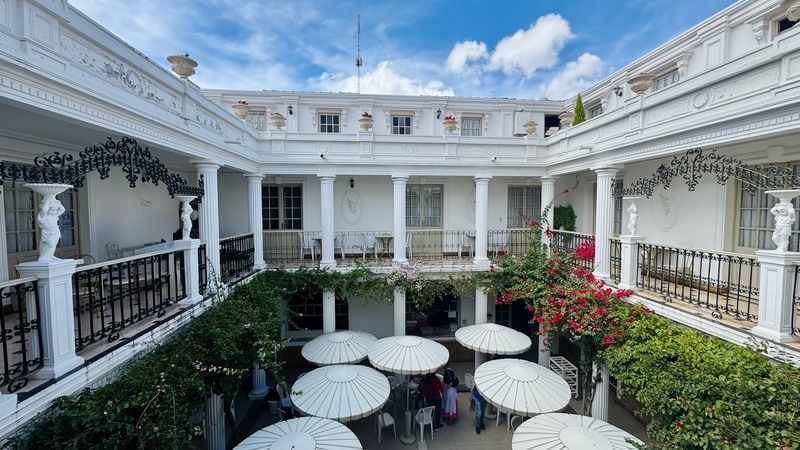
Around 1,000 salteñas leave the kitchen at El Patio every single morning, and most days they are gone before the clock hits noon.
Founded in 1983 by Olga Molina, this Sucre institution has spent over four decades perfecting its recipe. The salteñas come filled with beef and broth, chicken and broth, vegetables, or the specialty Santa Clara version, all wrapped in a semi-sweet, flaky pastry that is lightly dusted with sugar and packed with a notably juicy filling.
Takeout is available until 1 PM, but the experience is better enjoyed in the courtyard, which offers umbrella-shaded tables and a calm pace that makes it easy to linger over breakfast. Fresh juices, including strawberry, peach, and almond horchata, round out the morning menu.
Arriving before 12:30 PM is strongly recommended if you want to guarantee a full order. This is not a place that waits for late risers.
7. Mercado Central, Sucre, Chuquisaca Department
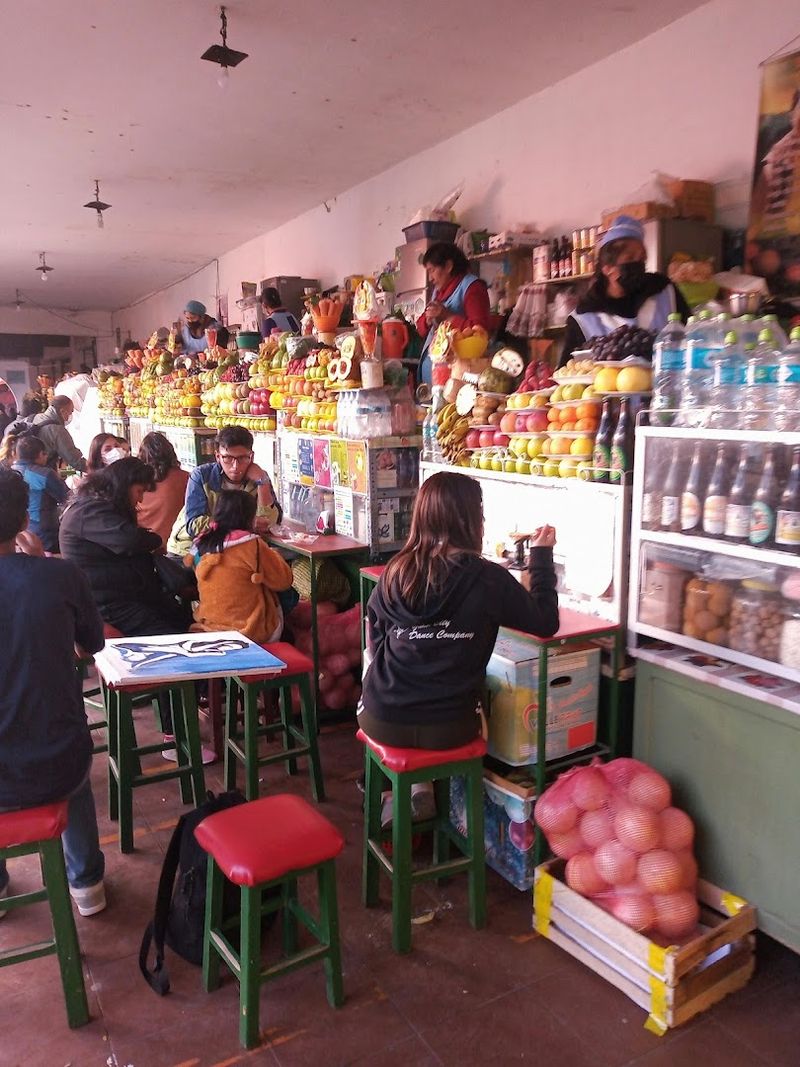
Mercado Central is where Sucre does its actual grocery shopping, meal planning, and weekday lunching, all under one roof.
Spread across two levels, the market’s ground floor handles fresh meat, a wide range of vegetables including multiple potato varieties, and dry goods. The upper level is where the food stalls set up, serving freshly prepared soups, chicken-and-rice dishes, baked goods, and regional snacks at prices that keep the tables full throughout the day.
The fruit juice counters deserve special mention. Large glasses of fresh juice, including some made from fruits that rarely appear on international menus, are a routine part of the Mercado Central experience and worth the visit on their own.
The market opens daily at 6 AM and runs until early afternoon on Sundays, making it one of the most accessible and affordable ways to sample what Sucre’s food culture actually looks like on a regular Tuesday.
8. Paprika, Cochabamba, Cochabamba Department
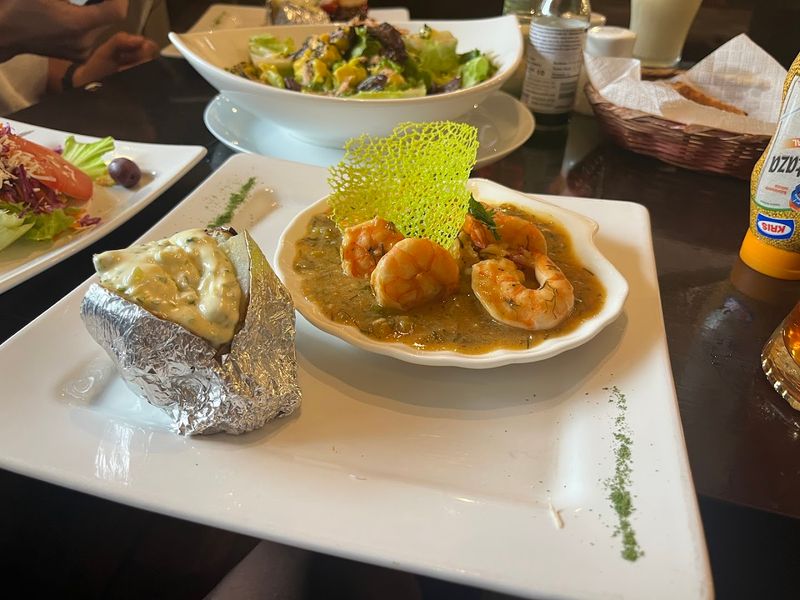
Cochabamba has a strong claim to being Bolivia’s food capital, and Paprika is one of the restaurants that makes that argument hard to dispute.
The menu moves confidently between traditional Bolivian ingredients and international cooking techniques, pulling in European and Asian influences without losing its local identity. Fresh llama meat and various quinoa varieties appear regularly, and portion sizes are generous enough that the slightly higher-than-average price point tends to feel justified by the end of the meal.
The setting combines modern design with comfortable touches, making it work equally well for a casual lunch or a more formal dinner. Attentive service and thoughtful plating have earned Paprika consistently strong reviews on major travel platforms.
It has become a benchmark for modern gastronomy in the city, the kind of restaurant that respects its culinary heritage while staying genuinely curious about what comes next.
9. La Cancha, Cochabamba, Cochabamba Department
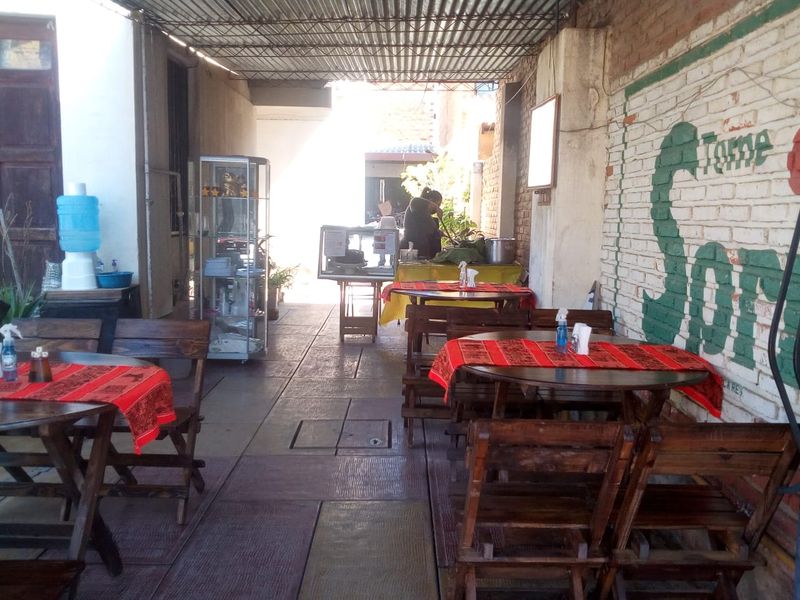
La Cancha is not just one of South America’s largest open-air markets. On a busy Thursday or Sunday, it genuinely feels like a small city that decided to go into the retail business.
Tens of thousands of stalls spread across kilometers of streets, selling everything from second-hand electronics and ritual herbs to cooking equipment and household staples. For food seekers, the market delivers: traditional lunches, baked goods, exotic tropical fruits, and local snacks are all available from vendors scattered throughout the aisles.
The environment is dense, fast-moving, and occasionally chaotic, which is part of what makes it so memorable. Locals rely on La Cancha for its affordability and the sheer variety of what is on offer, and that everyday energy is exactly what gives the market its character.
Wandering through it without a specific shopping list is a completely valid strategy, and often the most rewarding one.
10. BlackSoul Café Brewing Lab, Cochabamba, Cochabamba Department
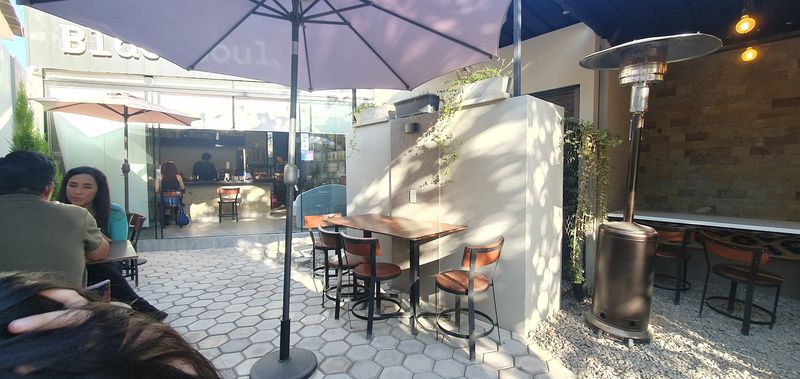
BlackSoul Cafe Brewing Lab opened in September 2022 with a clear purpose: to tell the story of Bolivian coffee one carefully brewed cup at a time.
The menu covers espresso-based drinks, teas, and a rotating selection of pastries, but the real draw is the precision behind each preparation. Baristas approach espresso with a level of care that regulars notice immediately, and pour-over options featuring single-origin Bolivian beans rotate based on availability and season.
The atmosphere is relaxed and unpretentious, which has helped build a loyal base of daily visitors who treat it more like a neighborhood staple than a specialty destination. There is no performance here, just good coffee made by people who clearly know what they are doing.
For anyone who wants to understand what Bolivian coffee can actually taste like when handled with skill, this Cochabamba lab is one of the most direct answers available.
11. Casa del Camba, Santa Cruz de la Sierra, Santa Cruz Department
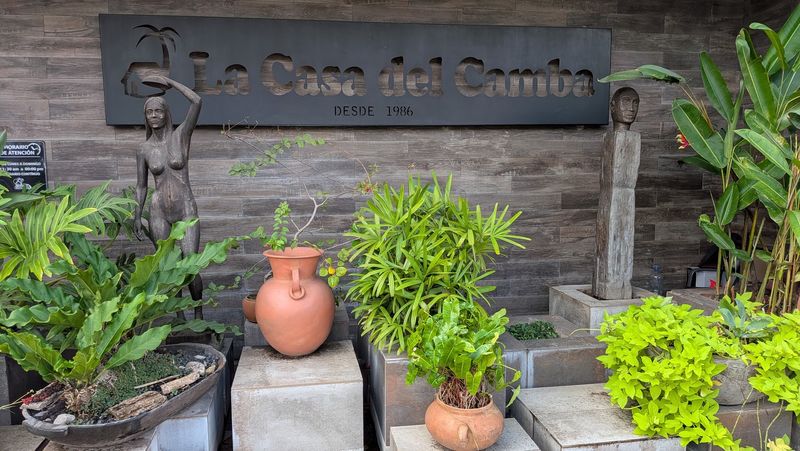
Eastern Bolivian cuisine is a different conversation from the Andean highlands, and Casa del Camba has been making that case for decades.
The restaurant focuses on regional specialties from the Santa Cruz area, a culinary tradition shaped by tropical lowland ingredients, generous preparation styles, and an emphasis on communal eating. Portions are substantial, and the spacious garden setting gives the whole experience a relaxed, unhurried quality that suits the local pace of life.
It has functioned as a gathering place for both locals and visitors for many years, which is one of the clearest signs that a restaurant is doing something right. The menu introduces guests to flavors and dishes that rarely appear elsewhere on the standard tourist trail.
For anyone traveling through Santa Cruz and wondering what the region actually eats, Casa del Camba provides one of the most direct and satisfying answers on the menu.
12. Restaurante El Arriero, Santa Cruz de la Sierra, Santa Cruz Department
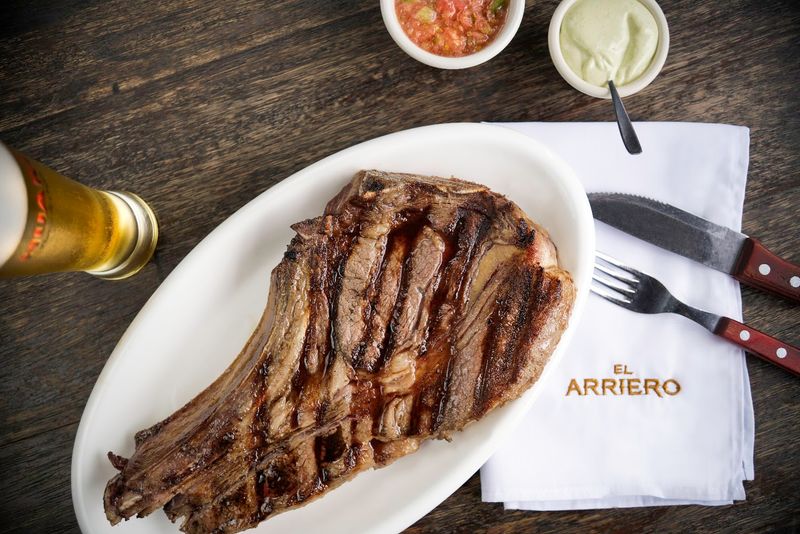
El Arriero has been in the grilling business since before many of its current regulars were born, and the track record shows.
The restaurant started operations in La Paz before relocating to Santa Cruz de la Sierra in 1989, bringing with it a menu built around expertly prepared cuts and traditional barbecue. Options include bife de chorizo, ojo de bife, churrasco de filet, and colita de cuadril, alongside pork ribs and stuffed chicken for those who want variety.
Starters like empanadas, chorizo, morcilla, grilled kidneys, sweetbreads, and provolone cheese give the meal a proper opening act before the main event arrives. Service is attentive and the setting is lively without being overwhelming.
The kitchen runs from 11:30 AM to 11 PM on weekdays and Saturdays, with slightly shorter hours on Sundays. Reservations are a good idea for larger groups, especially on weekend evenings.
13. Minuteman Revolutionary Pizza, Uyuni, Potosí Department
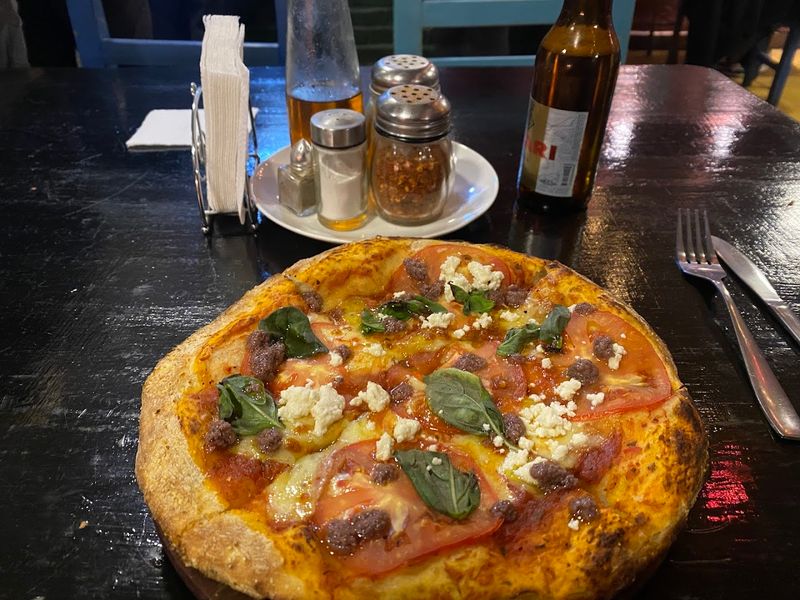
At 3,660 meters above sea level, baking a proper pizza is a genuine technical challenge, and Minuteman Revolutionary Pizza has figured it out.
The restaurant produces Neo-Neapolitan pies using a long-fermented dough baked at approximately 380 degrees Celsius, resulting in a base that sits between classic Neapolitan and New York styles in structure and flexibility. Customer favorites include “The Works,” loaded with mozzarella, salami, mushrooms, onions, and roasted bell pepper, and “Spicy Llama,” which features spicy llama meat, pesto, and garlic.
Vegetarian and vegan guests are well accommodated, with options like “Pesto Primavera” and a homemade cashew-based vegan cheese available as a topping or substitute. Gluten-free crust is offered for an additional charge. Breakfast items including waffles and homemade bread are also on the menu.
Owner Chris runs the place with a welcoming attitude, and the restaurant has become a reliable meeting point for international travelers comparing salt flat stories.
14. Restaurante La Cúpula, Copacabana, La Paz Department
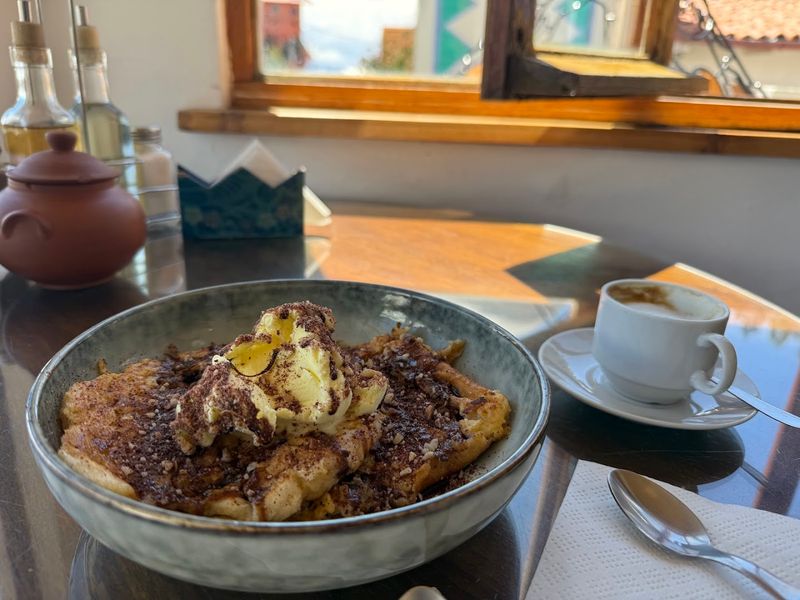
There are not many restaurants in the world where you can order fresh trout pulled from one of the highest navigable lakes on Earth, but Restaurante La Cupula is one of them.
Housed in a distinctive lighthouse-inspired building next to Hotel La Cupula, the restaurant overlooks Lake Titicaca and offers both a tranquil garden and a sunny terrace for outdoor dining. The menu blends Bolivian, Peruvian, and international dishes, with fresh lake trout as the standout specialty. “Trucha criolla” is a large local variety worth ordering if available.
Other featured dishes include kingfish with quinoa salad, trout fondue, beetroot tortilla, and papa a la huancaina. Vegan options like stir fry and veggie lasagna are also on the menu, and guests can reportedly request background music of their own choosing.
As a final stop on a culinary tour of Bolivia, it offers a fittingly scenic and satisfying conclusion to the journey.
Share this story