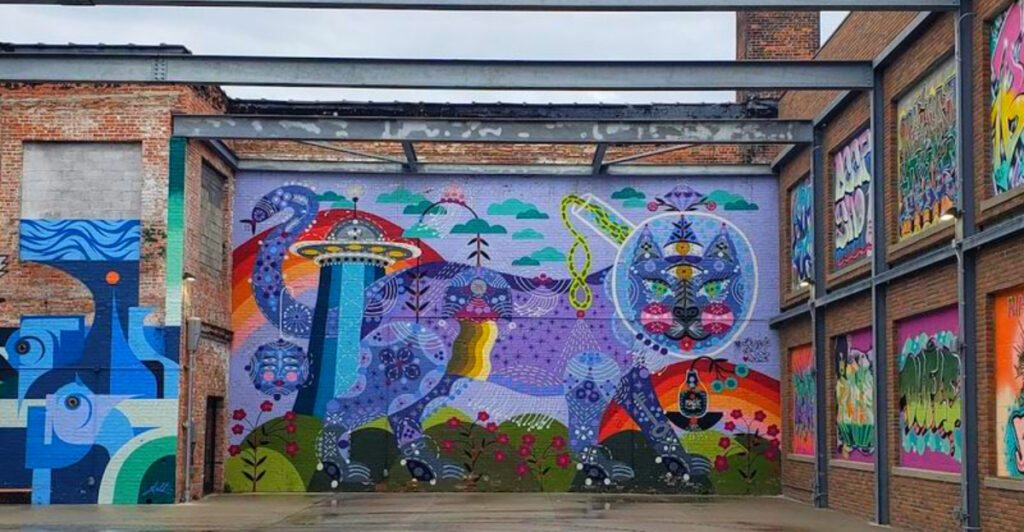
A Detroit outdoor art space has turned a once-abandoned lot into one of the city’s most talked-about creative spots. What started as a cleanup effort is now a large-scale graffiti park filled with murals, sculptures, and constantly changing artwork.
Instead of traditional exhibits, the art here covers fences, bridges, and repurposed materials scattered across the site. Photographers, cyclists, and local artists treat it as both a destination and a canvas, which keeps the space evolving.
It’s not a typical museum experience. The mix of street art, open access, and community involvement is what makes it stand out and keeps people coming back.
Where the Park Actually Lives: Address, Location, and First Impressions
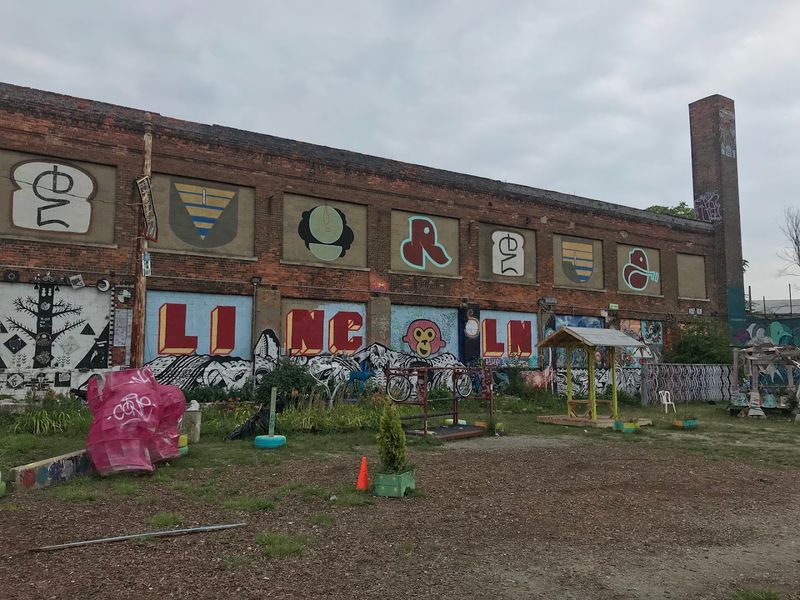
The address is 5926 Lincoln St, Detroit, MI 48208, tucked inside the Northwest Goldberg neighborhood on the city’s west side. Right next to the Recycle Here! drop-off facility, the park sits on what used to be a vacant industrial lot that collected more junk than foot traffic for years.
The neighborhood around it is a mix of residential blocks, light industry, and the kind of raw urban texture that Detroit does better than almost any other American city. There are no grand gates or ticket booths here.
You simply arrive, and the art starts speaking immediately.
Colorful murals stretch across surfaces in every direction, and repurposed sculptures made from salvaged materials fill the open ground. The park carries a 4.7-star rating from nearly 600 reviews, which tells you this is not some overlooked secret.
It is a destination that has earned its reputation one painted wall at a time.
From Industrial Wasteland to Outdoor Canvas: The Origin Story
Back in 2011, a group of community members decided they had stared at a trash-filled vacant lot long enough. The transformation began not with a city grant or a corporate sponsor, but with people showing up, cleaning up, and then picking up spray cans and welding tools.
The park grew organically from that initial effort, with artists adding murals, sculptures, and installations over time, each one made largely from salvaged and recycled materials found in and around Detroit. That commitment to reuse gives the whole space a wonderfully gritty authenticity that no amount of careful curation could manufacture.
By turning industrial leftovers into artistic statements, the founders created something that feels deeply rooted in Detroit’s identity as a city that has always found creative ways to rebuild. The origin story here is not just background information.
It is the entire point, woven into every surface and structure you encounter as you explore the grounds.
The Graffiti Wall Experience That Changes How You See Street Art
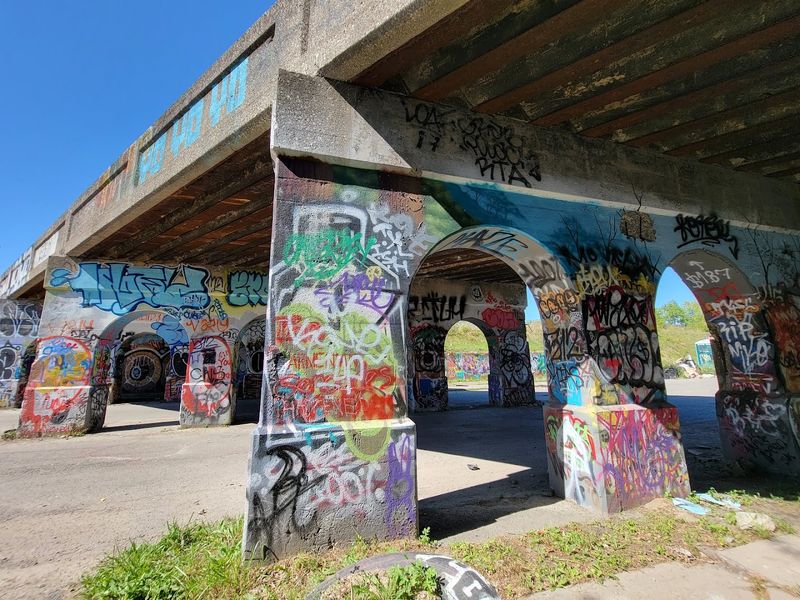
Most people think of graffiti as something done in the dark, quickly, without permission. Here, it is celebrated as a legitimate art form, and the walls prove exactly why that argument holds up.
The murals range from high-concept pieces with intricate layering and sharp detail to raw, expressive tags that feel like pure energy frozen in spray paint.
What makes the wall art here different from a typical mural festival is the density of it. There are no blank spaces waiting to be filled.
Every surface has a story, and many of those stories overlap, creating a visual conversation between artists who may have never met each other.
Photographers tend to spend a long time here, circling back through the same corridors and finding angles they missed the first time. One visitor reportedly spent over 45 minutes just going in circles trying to capture as many images as possible.
That kind of magnetic pull is hard to manufacture, and this place has it naturally.
Sculptures Built From Salvage: Art That Tells Detroit’s Industrial Story
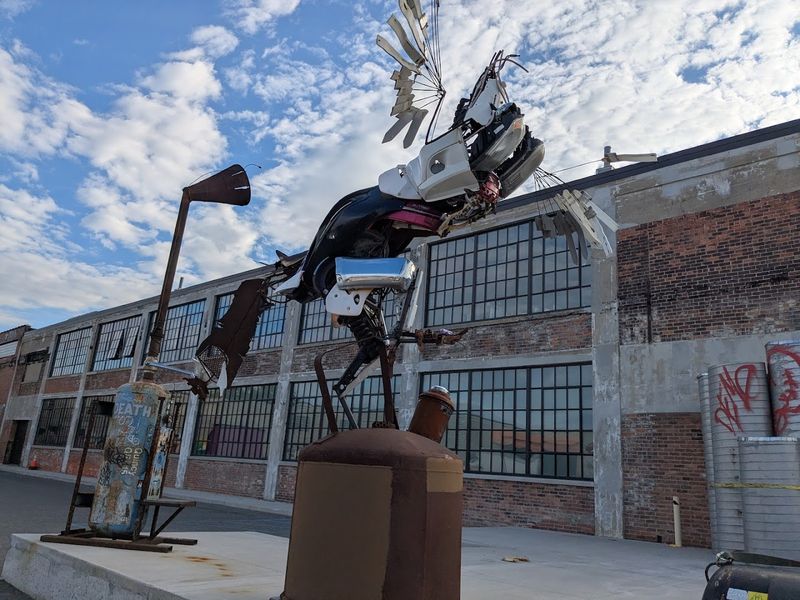
The sculptures scattered across the grounds are not the kind you find cast in bronze outside a city hall. These are assemblages of old machine parts, reclaimed wood, discarded metal, and found objects that have been wrestled into shapes that make you stop and think twice.
There is a hobbit house tucked in one corner that visitors consistently mention as a favorite surprise. Tires have been transformed into structural elements.
Train track areas near the park feature their own layer of art, making the entire surrounding landscape feel like an extension of the gallery.
The use of salvaged materials is not just a stylistic choice. It is a philosophical one.
Detroit has always been a city that knows how to strip something down and rebuild it into something unexpected, and these sculptures embody that spirit in a way that feels honest rather than sentimental. What looks rough at first glance turns out to be remarkably intentional on closer inspection.
The Train Bridge Walk That Most Visitors Almost Miss
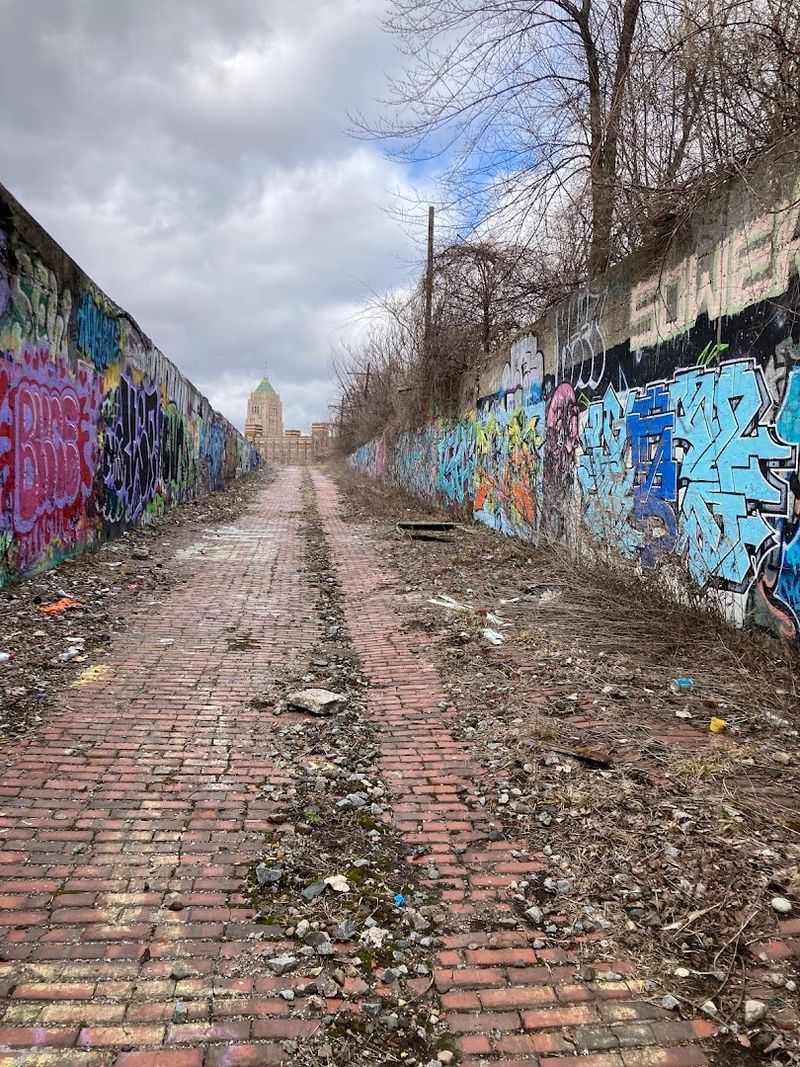
Here is a tip that separates a good visit from a great one: walk up to the train tracks. Many first-time visitors focus on the main park area and never make it to the railroad bridge nearby, which is a genuine shame because that stretch of track and the brick road cuts flanking it are covered in some of the most striking art on the property.
The bridge area has a different atmosphere from the main park. It feels rawer, less curated, and more like stumbling onto something you were not supposed to find.
The art here has a layered quality, with older pieces visible beneath newer ones, creating an accidental archive of the park’s creative history.
Going with someone makes the exploration more fun, since having a companion to point things out doubles the number of details you notice. The train bridge section alone is worth the trip, and the fact that so many visitors overlook it means you often get the whole stretch to yourself.
Full Moon Parties and Events That Bring the Park to Life After Hours
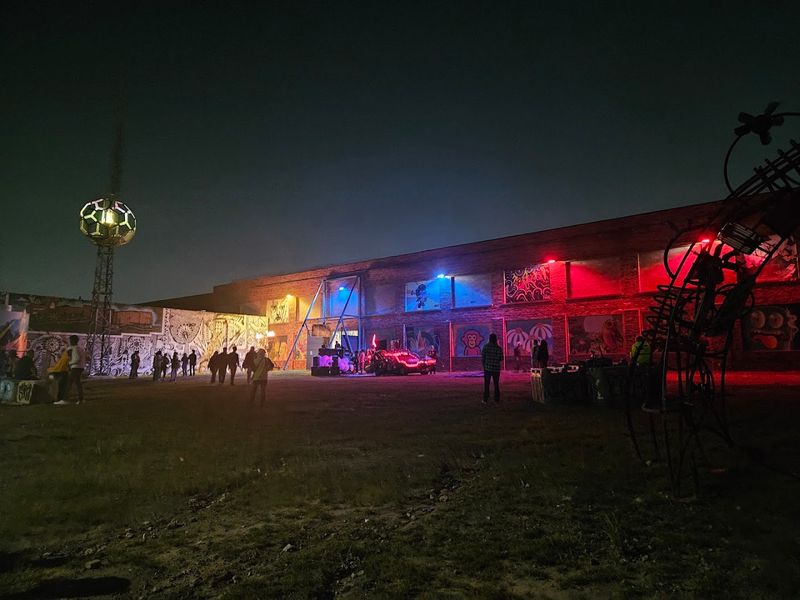
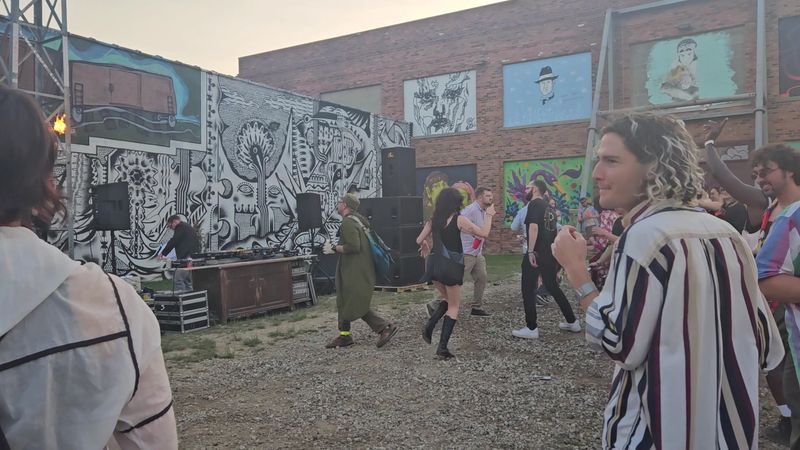
The park is open 24 hours a day, every day of the week, which already makes it unusual. But the monthly Full Moon parties take the experience into a completely different register.
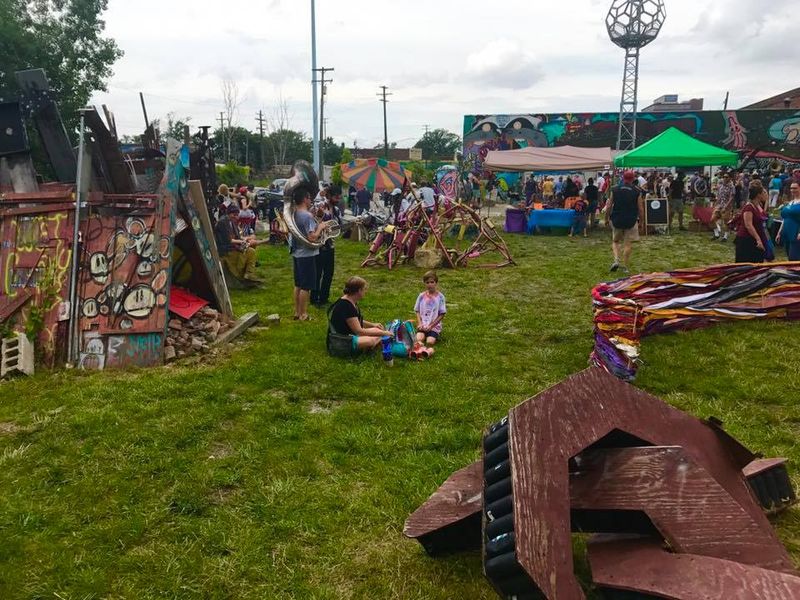
These community events have been a fixture of the park’s culture since its early years, bringing together artists, neighbors, musicians, and curious newcomers under the open sky.
The combination of outdoor art, nighttime atmosphere, and community energy creates something that feels genuinely festive without being commercial. Events at the park have also included bike polo matches, photo shoots, and informal gatherings that spring up organically around the space’s creative energy.
The park has even hosted a barber shop and a pizza spot on the property at various points, making it more of a micro-neighborhood than a simple green space. That layered, living quality is what keeps people coming back rather than treating it as a one-time stop.
There is always something new happening here, and the calendar rewards repeat visitors generously.
The Dreamtroit Project: What the Future Holds for This Creative Space
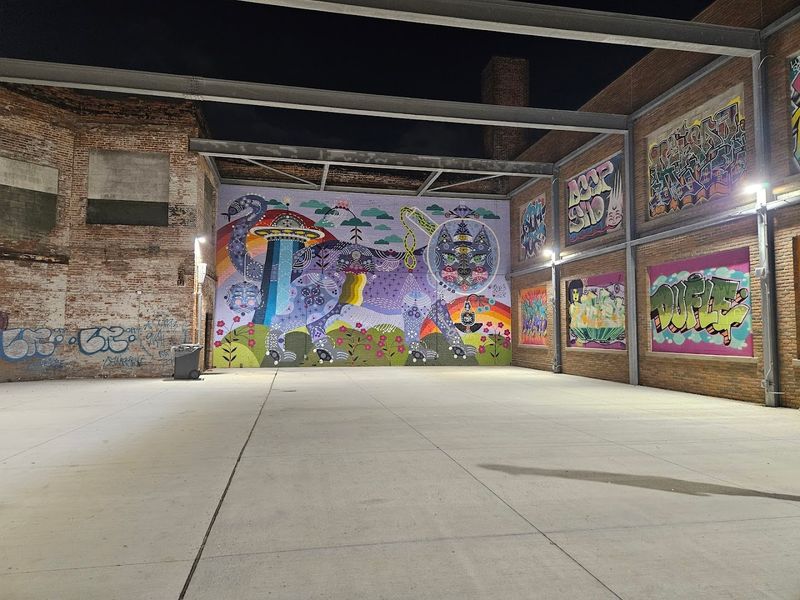
The park’s story is not standing still. The Dreamtroit project, a mixed-use affordable living complex being developed on the property, is designed to provide affordable housing specifically for artists and makers.
It is an ambitious plan that aims to turn the park’s creative energy into a permanent, sustainable community.
The park went through a significant remodeling and redesign phase starting in 2020, with a reopening in July 2023. That refresh brought new energy to the space while preserving the raw, community-built character that made it special in the first place.
For a city like Detroit, which has seen so many creative spaces disappear under development pressure, Dreamtroit represents something worth paying attention to. The goal is not to gentrify the art park but to deepen its roots, giving the artists who built it a permanent stake in its future.
Whether you visit now or after the project is complete, the underlying mission remains the same: keep creativity alive and accessible here.
Photography Heaven: Why Cameras and Creative Minds Love This Place
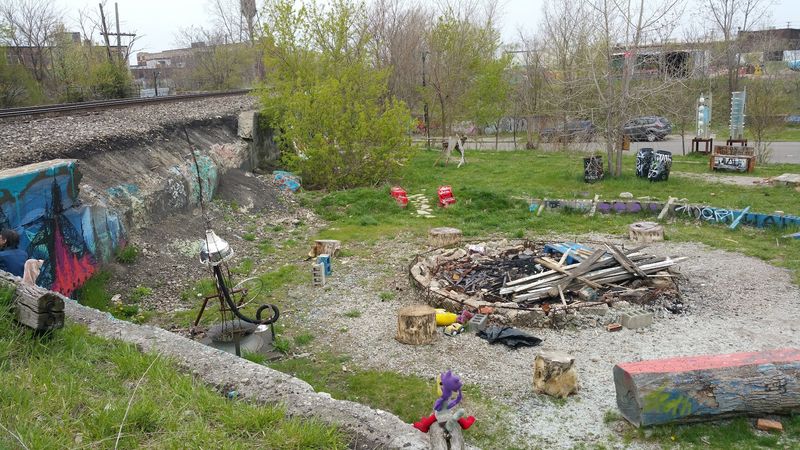
Few places in Detroit offer the kind of visual variety per square foot that this park delivers. Around every corner there is a new color combination, an unexpected texture, or a sculptural element that catches the light differently depending on the time of day.
Photographers, both professional and casual, consistently rate it as one of the best spots in the city for creative shooting.
The park’s open-air format means natural light plays a huge role in how the art looks, and visiting at different times reveals genuinely different versions of the same space. Morning light brings out the warm tones in the murals, while overcast days make the colors pop with an almost electric intensity.
One visitor noted that winter visits might actually offer the most dramatic backdrops, with white snow creating a stark contrast against the saturated colors of the walls. That observation stuck with me, and it is the kind of insider detail that makes return visits feel worthwhile rather than repetitive.
The park rewards anyone who keeps coming back with fresh eyes.
The Art That Carries Emotional Weight: Memorial Pieces and Personal Messages
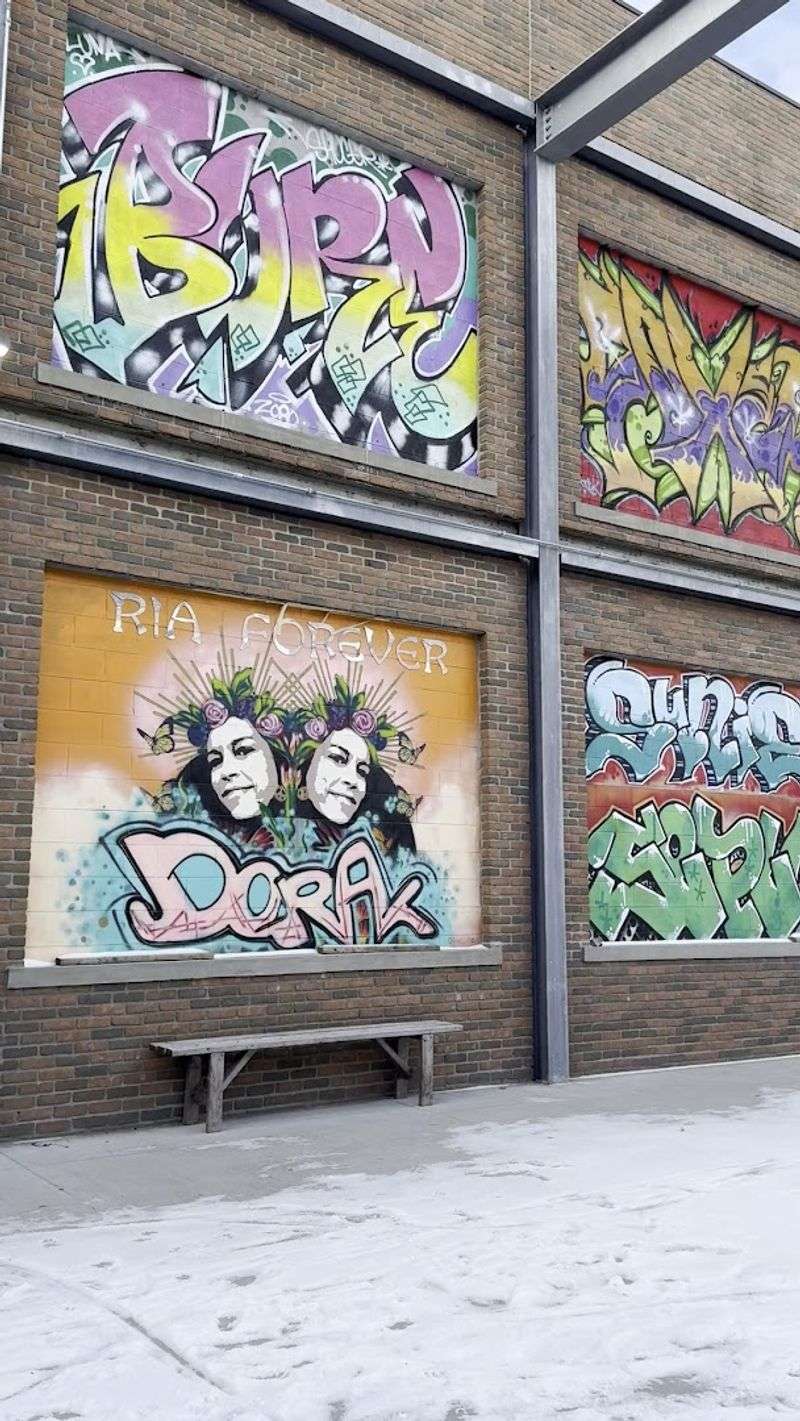
Not everything here is purely decorative. Some of the most powerful pieces in the park are deeply personal, including memorial art dedicated to people who have passed, letters painted directly onto walls, and tributes that turn the park into something closer to a community bulletin board than a traditional gallery.
One piece that visitors consistently mention is a painted letter addressed to a father, full of raw emotion and honest language that stops you in your tracks. That kind of art does not need a museum label to explain its significance.
You feel it immediately.
The presence of memorial art alongside playful murals and abstract installations creates a tonal range that feels true to life. Not every visit to this park is lighthearted, and that is actually one of its strengths.
A space that can hold grief and joy side by side without either canceling the other out is doing something genuinely rare. That emotional depth is part of what keeps this park feeling human rather than just decorative.
Practical Tips for Getting the Most Out of Your Visit
The park is open around the clock, every single day, so timing your visit comes down to personal preference rather than operating hours. Daytime visits are generally recommended for first-timers since the art is easier to see and photograph in natural light, and the surroundings feel more comfortable when you can take your time exploring.
Parking in the area requires a bit of patience. Street parking exists nearby, but it can be tight, so building a few extra minutes into your arrival plan is a smart move.
Comfortable walking shoes matter more than you might expect, since the terrain includes gravel, uneven ground, and the occasional rail track surface.
Bringing a friend makes the experience richer, both for safety and for the simple pleasure of having someone to share reactions with as you discover each new piece. The park is free to enter and always accessible, which makes it an easy addition to any Detroit itinerary.
There is genuinely no reason not to stop by at least once.
How the Local Community Shapes and Sustains the Park’s Identity
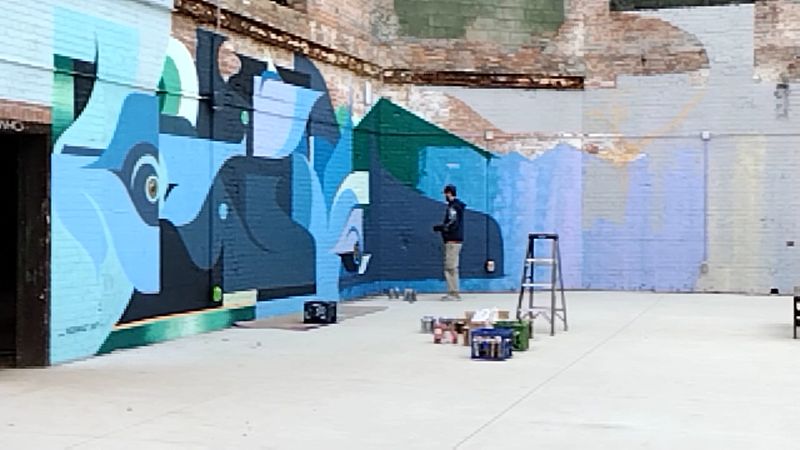
The park did not arrive fully formed from some outside institution. It grew from the ground up through the labor, creativity, and commitment of Detroit residents who decided a vacant lot deserved better.
That community ownership is visible in every corner of the space, from the hand-built sculptures to the layers of paint that document years of artistic conversation.
Local artists continue to add to and update the park’s visual landscape, meaning the space genuinely evolves over time. A piece that was there on your first visit may look different or be accompanied by something entirely new on your second.
That living quality is rare in public art spaces, where permanence is usually the goal.
The park also draws visitors who end up becoming contributors, inspired by what they see to add their own mark to the walls. That cycle of inspiration and creation is what keeps the community dimension of the park feeling authentic rather than performed.
Detroit’s creative identity runs deep here, and the park is one of its most honest expressions.
Why Lincoln Street Art Park Belongs on Every Detroit Itinerary
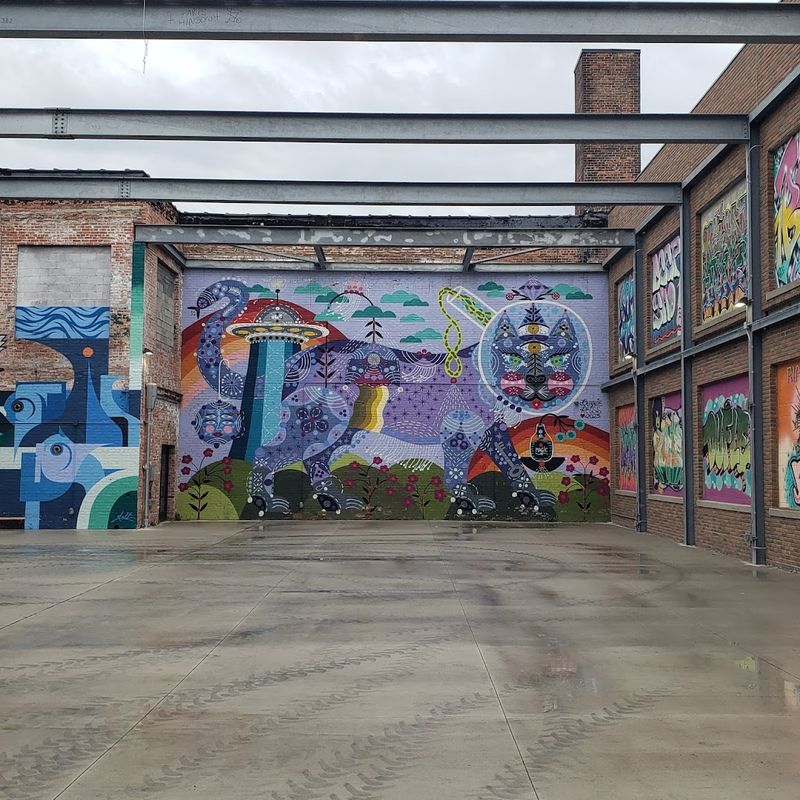
Detroit has no shortage of things worth seeing, but very few places combine history, community, creativity, and raw urban energy the way this park does. It is not a polished attraction designed for tourists.
It is a real, breathing creative space that happens to welcome everyone who shows up with genuine curiosity.
The park’s 4.7-star rating from nearly 600 visitors reflects something consistent: people leave here feeling like they found something real. That reaction is harder to manufacture than any marketing campaign, and the park earns it honestly through the quality and authenticity of what it offers.
Whether you are a lifelong Detroit resident who has somehow never made it here, or a first-time visitor trying to understand what makes this city tick creatively, Lincoln Street Art Park delivers a clear and compelling answer. The art is bold, the history is meaningful, and the community spirit that built this place is still very much alive in every painted surface and salvaged sculpture on the grounds.
Share this story