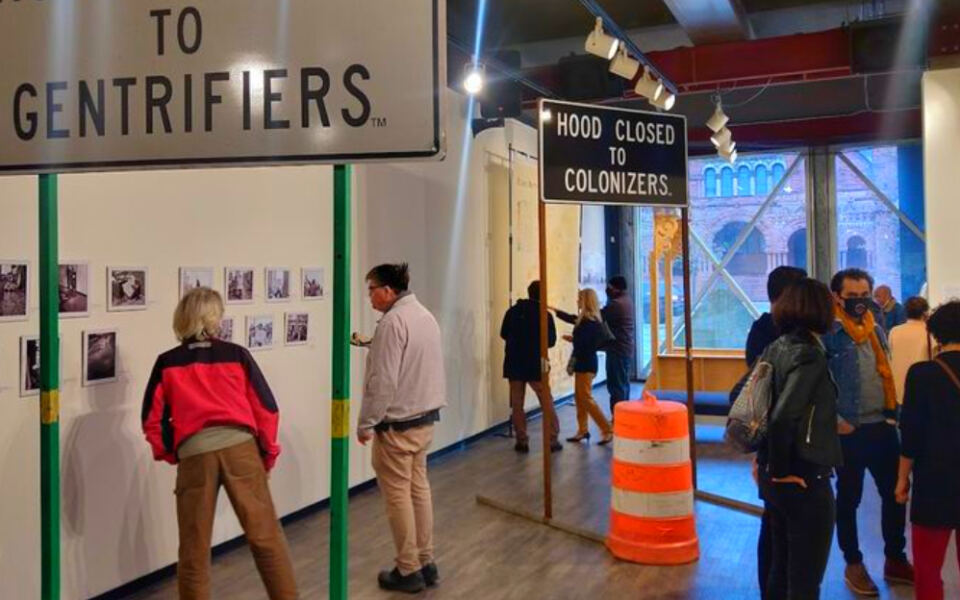
In Midtown Detroit, a nonprofit gallery has been supporting working artists since the Great Depression and is still active today. Founded to give creators a real platform to exhibit and sell their work, it has remained artist-run while much of the art world has shifted around it.
What makes it stand out is its longevity and purpose. The space consistently features local artists, hosts rotating exhibitions, and operates with a model built to directly support the people creating the work.
It is one of the longest-running artist cooperatives in the country, and its impact on Detroit’s creative community is easy to see once you step inside.
A Gallery Born From Hard Times at 4719 Woodward Ave
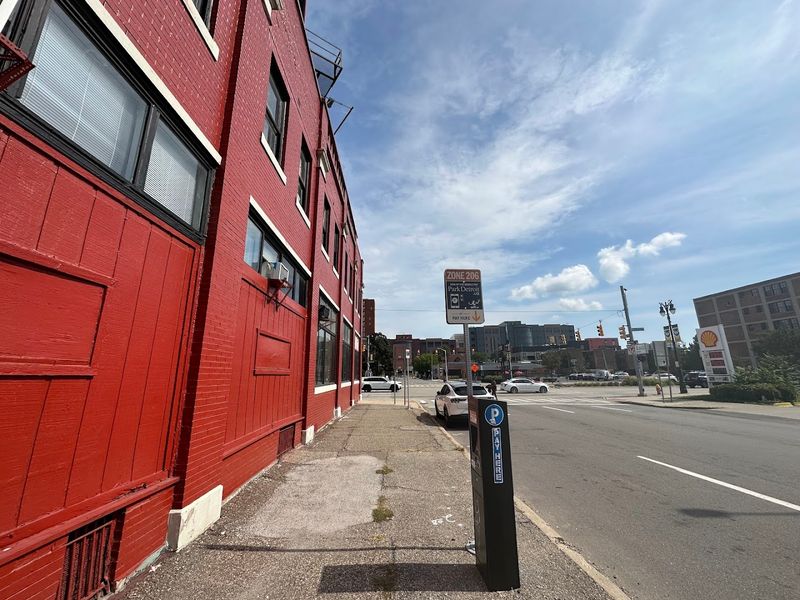
The Detroit Artists Market sits at 4719 Woodward Avenue in Detroit, Michigan 48201, right in the heart of the Midtown neighborhood, steps away from the Detroit Institute of Arts and Wayne State University.
What makes its origin story so striking is the timing. The gallery was founded in 1932, smack in the middle of the Great Depression, when money was scarce and the future felt uncertain for everyone, especially artists.
A group of local art patrons, led by Mrs. H. Lee Simpson, decided that young Detroit artists needed somewhere to show and sell their work.
The gallery was originally called the Detroit Young Artists Market and focused on creators under the age of 30.
That founding decision to put artists first, both creatively and financially, set a standard that the gallery has carried forward ever since. The address alone has become a landmark in Detroit’s cultural geography.
How a Name Change in 1936 Opened the Doors Wider
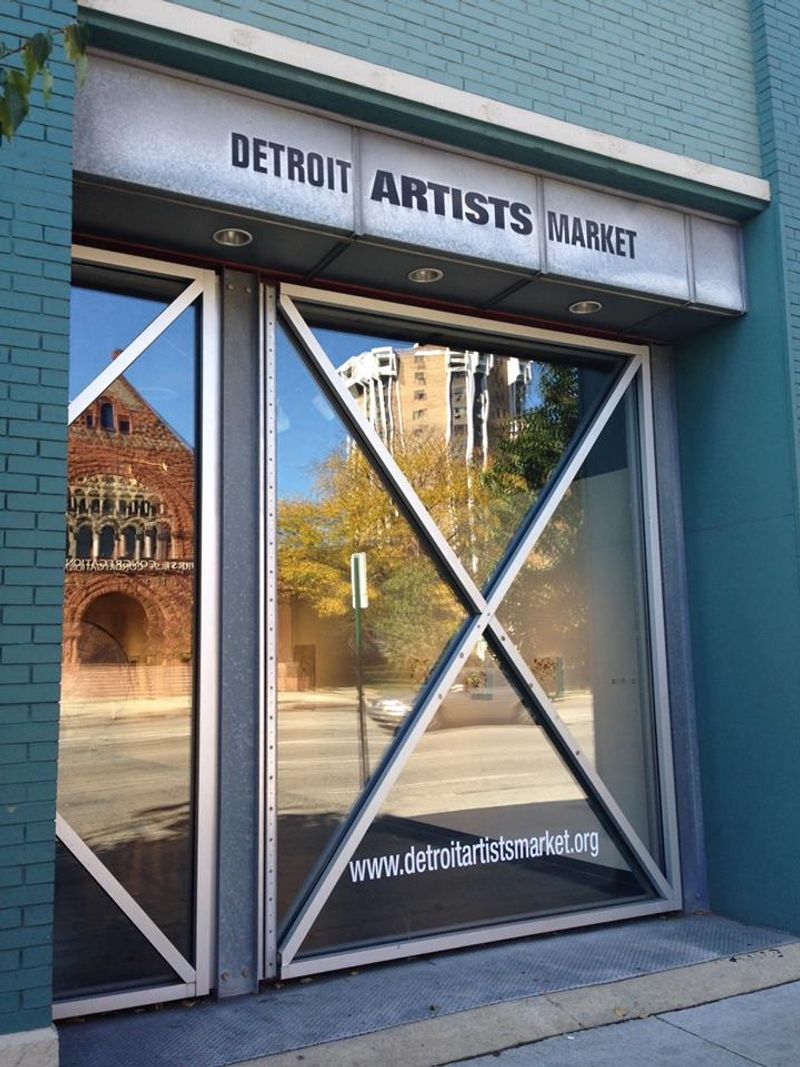
Four years after its founding, the gallery made a quiet but significant decision that would shape its identity for decades to come. In 1936, the name changed from Detroit Young Artists Market to simply the Detroit Artists Market, and that shift meant a lot more than just dropping one word.
The new name reflected a broader mission. Instead of limiting exhibitions to artists under 30, the gallery committed to showing the work of both emerging and established Detroit artists of all ages.
That expansion was a bold move for the time, because it acknowledged that artistic talent does not have an expiration date. A painter in their sixties deserved the same platform as a sculptor fresh out of art school.
The decision to widen the scope helped DAM build a community rather than just a showcase, and that community-first thinking is still visible in everything the gallery does today. The ripple effects of that 1936 choice are still felt on every wall inside.
What Nearly 500 Artists a Year Actually Looks Like
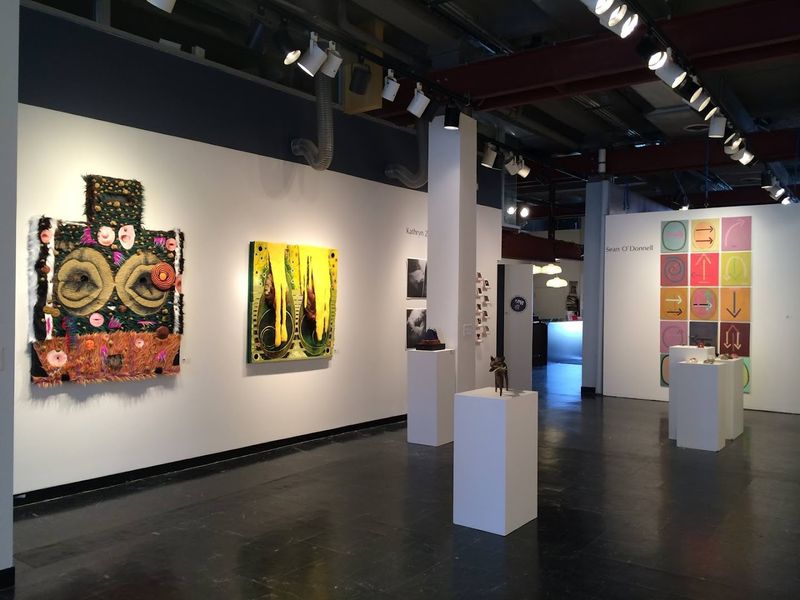
Numbers can feel abstract until you actually stand inside a space and feel the scale of what they represent. Each year, the Detroit Artists Market showcases the work of nearly 500 artists living and working in Metro Detroit, and that figure becomes very real the moment you start moving through the exhibitions.
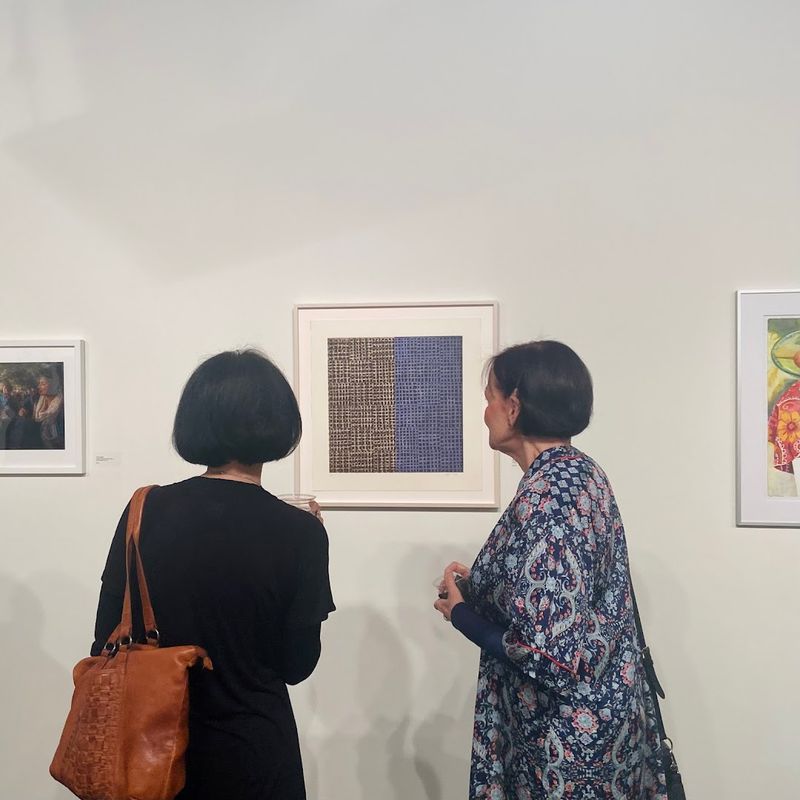
The variety is genuinely impressive. Paintings, ceramics, jewelry, photography, mixed media, and sculptural work all share the same roof, and the range of styles means there is almost always something that stops you mid-step.
What strikes me most is that this is not a curated collection owned by a single collector or institution. These are living, working Detroit artists who have submitted their work and earned their place on these walls.
The gallery rotates its exhibitions regularly, so repeat visits almost always reveal something new. With nearly 500 artists cycling through annually, the energy inside DAM feels constantly fresh rather than settled or static.
The Financial Model That Actually Supports Artists
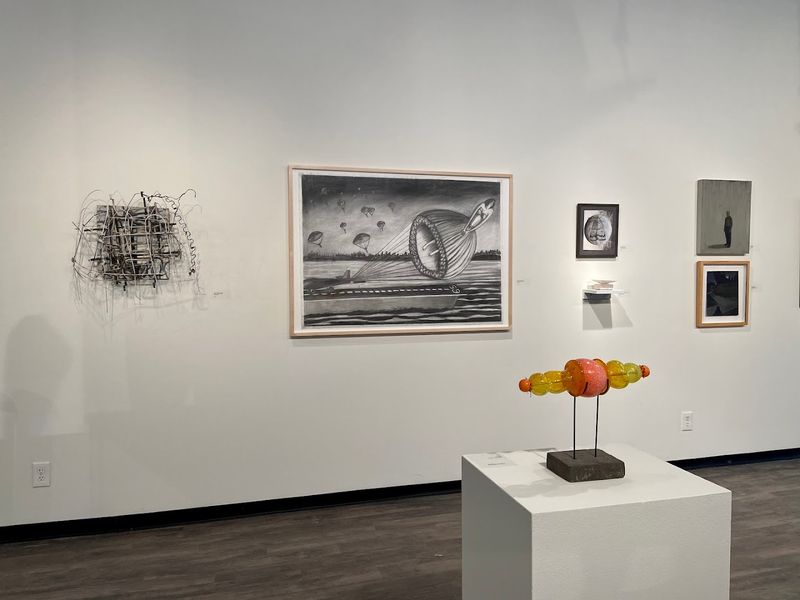
Most galleries take a significant cut when they sell an artist’s work, and that cut can make the difference between an artist continuing to create or needing a second job. DAM operates differently, and that difference matters enormously to the people it serves.
Artists who exhibit and sell through the Detroit Artists Market receive two-thirds of the sale price as their commission. That is a notably generous split compared to commercial gallery standards, where the house often takes 50 percent or more.
For an artist selling a ceramic bowl or a large painting, that extra percentage can mean the difference between covering studio costs or not. The model reflects the gallery’s nonprofit mission, which has always prioritized the financial wellbeing of artists alongside their creative visibility.
It also creates loyalty. Artists who have been supported by DAM tend to come back year after year, and many describe the gallery as a genuine career foundation rather than just an exhibition opportunity.
That kind of trust is hard to put a price on.
Free and Open to Everyone, No Ticket Required
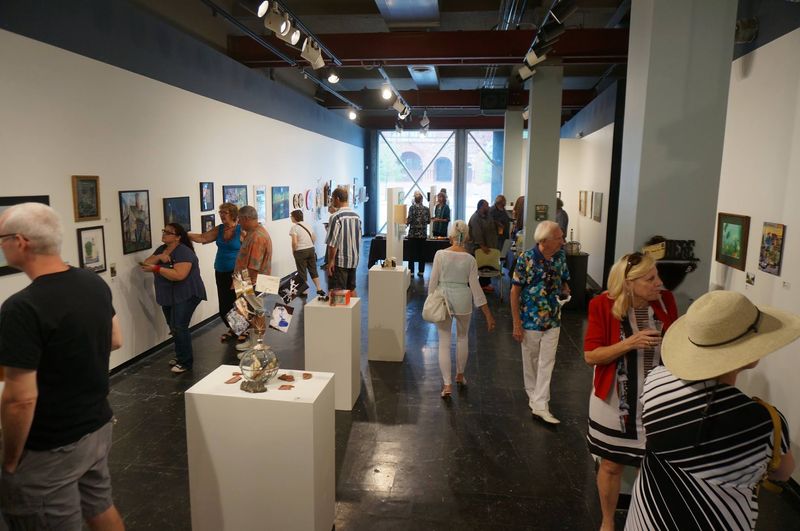
There is something quietly radical about a gallery that refuses to charge admission. At the Detroit Artists Market, all exhibitions are free and open to the public, which means anyone curious enough to walk through the door is welcome, no matter their budget.
That open-door policy is not just a marketing choice. It reflects the gallery’s founding belief that art should belong to the community, not just to those who can afford a ticket or a membership fee.
I noticed families with young kids, solo visitors taking their time in front of individual pieces, and groups of students sketching in notebooks, all sharing the same space without any financial barrier separating them.
Free admission also lowers the stakes for first-time visitors who might feel intimidated by the idea of walking into a gallery. You can come in, look around, leave without buying anything, and return the next week.
That kind of accessibility builds a genuinely loyal audience over time.
The Midtown Neighborhood Context That Makes It Richer
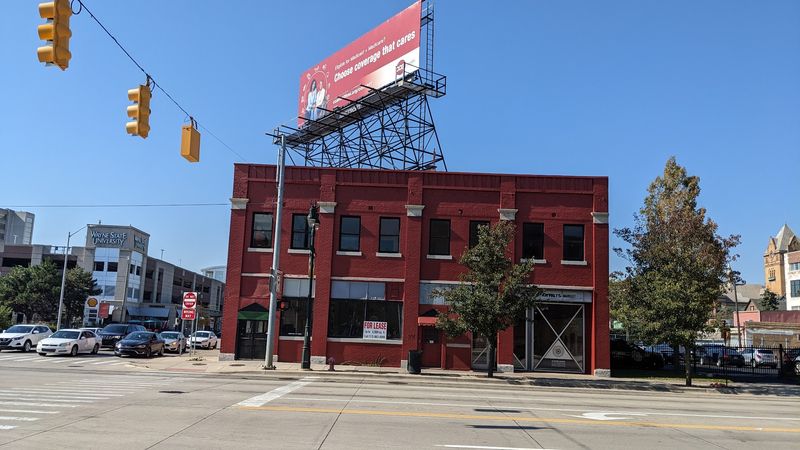
Geography shapes experience, and the Detroit Artists Market benefits enormously from its position in Midtown Detroit. The gallery sits on Woodward Avenue, one of the city’s most storied corridors, surrounded by institutions that collectively make this neighborhood one of the most culturally dense areas in the Midwest.
The Detroit Institute of Arts is just down the street, and Wayne State University is nearby, which means the area draws students, professors, museum-goers, and curious visitors on a regular basis.
That foot traffic matters. It means DAM is not an isolated destination that requires a special trip.
You can fold it into a longer afternoon that includes the DIA, a walk through the neighborhood, and a stop at one of the area’s many independent businesses.
The proximity to Wayne State is also significant because, as of 2025, the entire DAM staff is made up of alumni from Wayne State’s art and design department, creating a direct pipeline between university training and professional gallery work.
A Gift Shop That Outperforms Its Square Footage
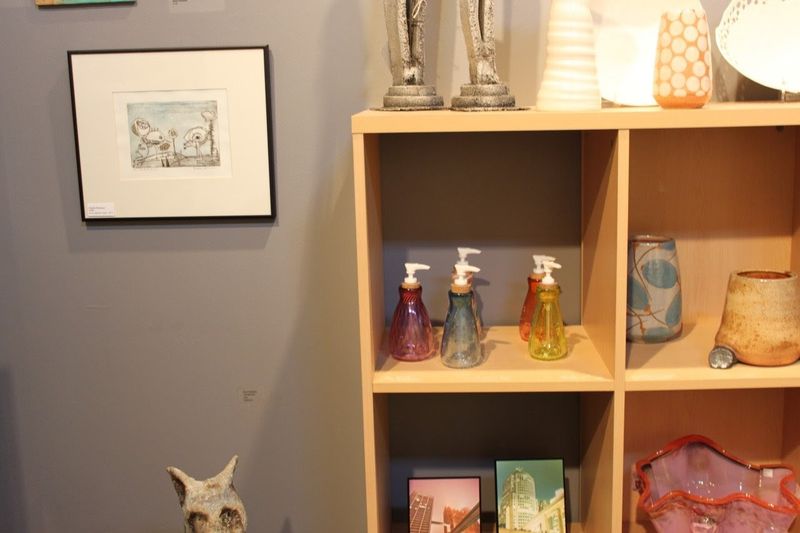
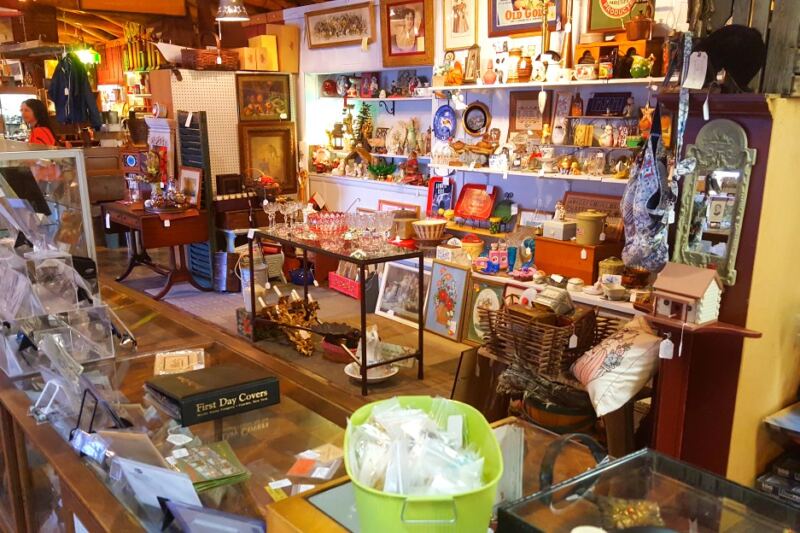
Not every gallery gift shop deserves its own section, but the Elements Gallery inside DAM absolutely earns the attention. This compact retail space carries handmade jewelry, ceramics, cards, small prints, and other artist-made objects at prices that actually make sense for real people.
I have been to plenty of gallery shops where the smallest item costs more than my monthly grocery bill. The Elements Gallery feels different.
A 12-year-old with birthday money can find something genuinely special here, and so can someone shopping for a thoughtful housewarming gift.
The selection rotates along with the main exhibitions, so the shop never feels stale. On one visit you might find delicate silver earrings sitting next to hand-thrown mugs; on another, there are ornaments, woven pieces, and small framed works that would look good in almost any home.
It is the kind of shop that makes you wish you had brought a larger bag, because leaving empty-handed feels almost impossible once you start browsing the shelves.
The Creative Entrepreneurship Initiative Changing Artist Careers
Making great art and running a sustainable creative career are two very different skill sets, and DAM has taken that reality seriously. The gallery launched a Creative Entrepreneurship Initiative designed to equip visual artists with practical business knowledge they rarely get from art school alone.
The program is supported by the Community Foundation for Southeast Michigan, which adds institutional credibility and funding stability to what could otherwise be a short-lived effort.
Artists who go through the initiative learn things like pricing their work, managing contracts, building an audience, and understanding the financial side of running a creative practice. These are not glamorous topics, but they are the difference between a sustainable career and a frustrating one.
What I find compelling about this initiative is that it treats artists as professionals rather than hobbyists. The underlying message is that creative talent deserves business support, not just wall space.
That combination of artistic platform and professional development is relatively rare in the nonprofit gallery world.
Noel Night and the Annual Events That Draw Crowds
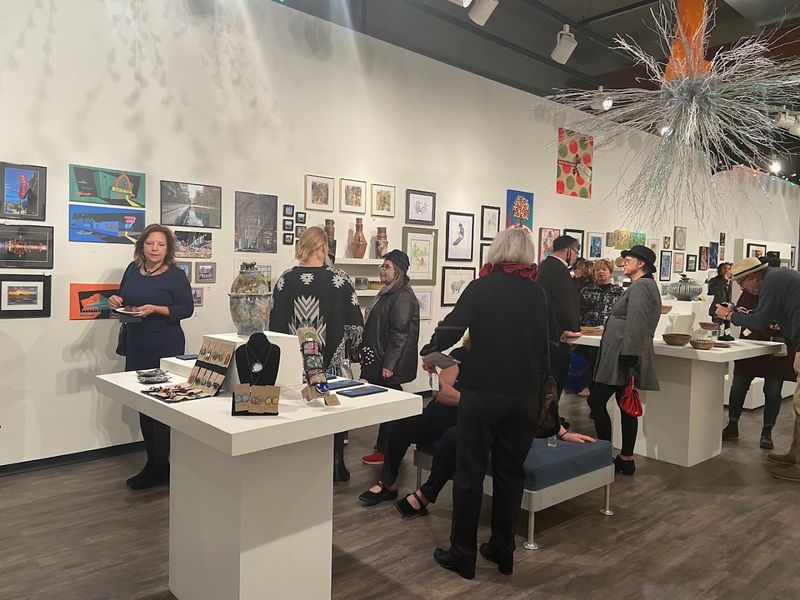
Some galleries feel most alive during their special events, and DAM is no exception. Noel Night, an annual holiday celebration in Midtown Detroit, consistently draws large crowds to the gallery, and for good reason.
During the holiday season, the space fills with ornaments, handmade crafts, seasonal artwork, and gift items that feel genuinely personal rather than mass-produced. The atmosphere shifts from a typical gallery visit into something closer to a community gathering, with a warmth that is hard to manufacture.
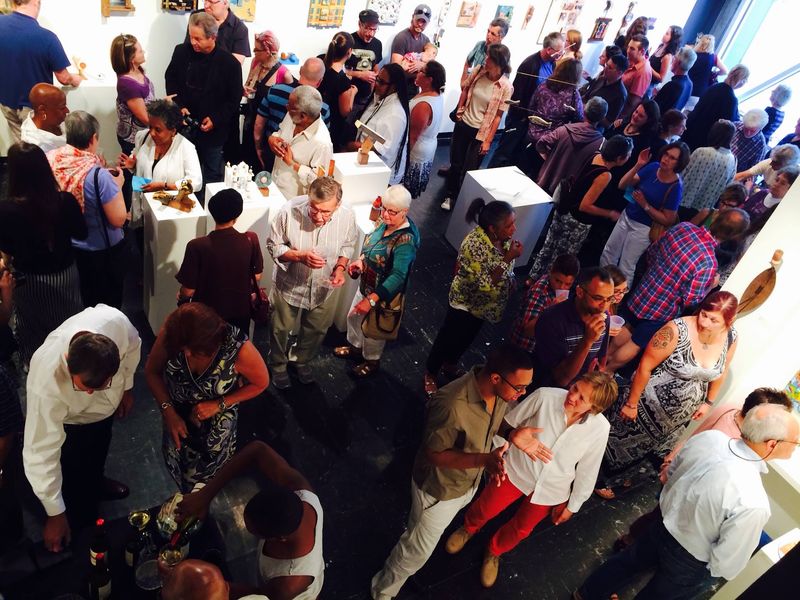
The gallery also hosts art openings throughout the year, where visitors can meet the artists whose work is on display. Those evenings have a social energy that transforms the space, making it feel less like a formal institution and more like a neighborhood living room where everyone is welcome.
Regular exhibitions change throughout the year, keeping the calendar interesting for repeat visitors. If you have only been once, you have genuinely only seen one version of what DAM can be.
What the Wayne State Connection Means for DAM’s Future
By 2025, every single staff member at the Detroit Artists Market is a graduate of Wayne State University’s James Pearson Duffy Department of Art, Art History, and Design. That is not a coincidence.
It is the result of a deliberate relationship between two institutions that share the same Midtown zip code and the same belief in Detroit’s creative potential.
For Wayne State graduates, working at DAM represents a direct bridge between academic training and professional gallery practice. It is the kind of real-world experience that a resume cannot fake and a classroom cannot fully replicate.
For the gallery itself, the connection ensures a staff that is deeply invested in the local art community, not just professionally but personally. These are people who studied art in Detroit, built friendships in Detroit, and chose to stay and build careers here.
That kind of institutional loyalty tends to produce genuine care for the work being done, and visitors can feel the difference between a staff that is present and one that is truly engaged.
Practical Visiting Tips Worth Knowing Before You Go
Before making the trip, a few practical details are worth having on hand. The Detroit Artists Market is open Tuesday through Saturday from 11 AM to 6 PM, and it is closed on Sundays and Mondays.
Admission is always free, so there is no need to budget for entry.
Parking behind the building is available but limited, so arriving a few minutes early or planning for a short walk from a nearby street is a smart move. The gallery’s phone number is 313-832-8540 if you want to confirm current exhibition details before visiting.
The gallery website at detroitartistsmarket.org keeps an updated calendar of current and upcoming shows, which is genuinely useful for planning a visit around a specific exhibition or opening event.
One personal tip: give yourself more time than you think you need. The main gallery and the Elements shop together can easily fill an hour, especially if you find yourself in a conversation with one of the staff members about the work on display.
Why DAM Remains One of Detroit’s Most Important Creative Institutions
Nearly a century of continuous operation is not something that happens by accident. The Detroit Artists Market has survived the Great Depression, multiple economic cycles, and the long, complicated story of Detroit itself, and it has done so without losing its original purpose.
That purpose, giving local artists a real platform and a fair financial deal, is as relevant today as it was in 1932. If anything, the pressures on working artists have intensified, making spaces like DAM more necessary rather than less.
The gallery’s combination of free access, generous artist commissions, professional development programs, and deep community roots adds up to something that is difficult to replicate. There are older galleries and larger galleries, but few that have maintained this particular balance of mission and longevity.
Detroit has always produced remarkable creative talent, and DAM has been the quiet constant behind generations of that output. That is not a small thing, and it is exactly why this gallery deserves far more recognition than it currently receives.
Share this story