There is a hillside in Ohio where you can pick up a rock, turn it over, and find the remains of a sea creature that lived 450 million years ago. No ticket required.
No permit needed. You just show up, start looking, and take home whatever you find.
That kind of experience sounds like something reserved for professional scientists or expensive guided tours, but this one is completely free and open every single day of the week.
What Trammel Fossil Park Actually Is
Most people drive past it without a second glance. From the road, the area around Trammel Fossil Park looks like an ordinary industrial neighborhood, and that contrast makes the discovery even more surprising once you arrive.
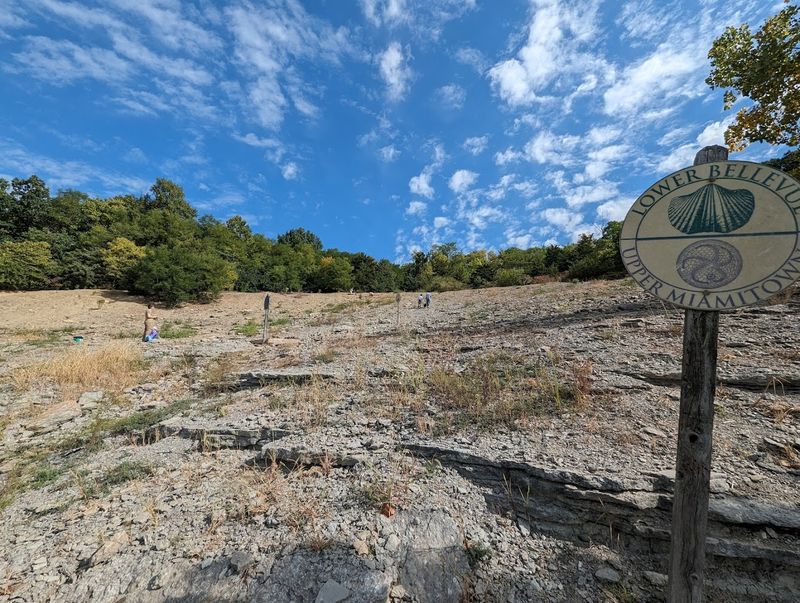
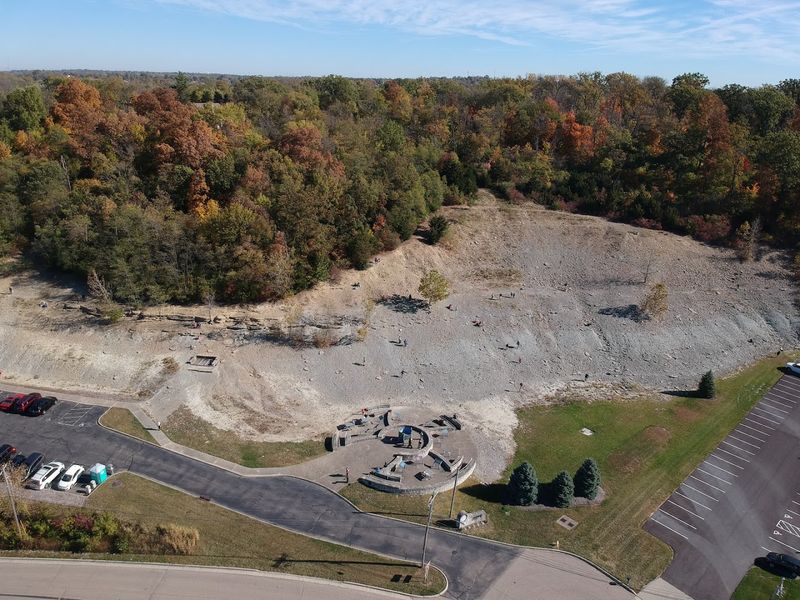
Trammel Fossil Park is located at 12000 Tramway Dr, Sharonville, OH 45241, and it is maintained by the City of Sharonville. The park sits on a limestone hillside that was once covered by a shallow inland sea during the Ordovician period, roughly 450 million years ago.
When that sea receded, it left behind an extraordinary record of marine life locked in stone. Today, that record is accessible to anyone willing to walk up a hill and pay attention to what is beneath their feet.
The park is open daily from 6 AM to 10 PM, and admission is completely free.
The Ancient Sea That Once Covered Ohio
Around 450 million years ago, the land that is now Ohio sat near the equator, submerged beneath a warm, shallow sea teeming with life. Trilobites crawled along the seafloor.
Brachiopods filtered water through their shells. Crinoids swayed in the current like underwater ferns.
When these creatures passed away, their remains settled into the sediment and slowly mineralized over millions of years. The limestone layers that formed from that process are now exposed on the hillside at Trammel Fossil Park, making it one of the most fossil-rich accessible sites in the entire Midwest.
What makes this especially remarkable is that you are not looking at reconstructions or museum replicas. These are actual organisms from nearly half a billion years ago, sitting right there in the open rock.
That kind of direct connection to deep geological time is genuinely rare and worth appreciating.
The Fossils You Can Actually Find Here
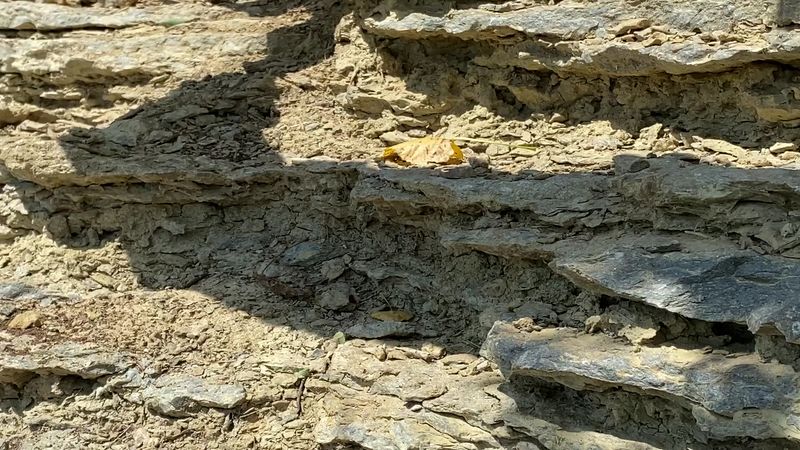
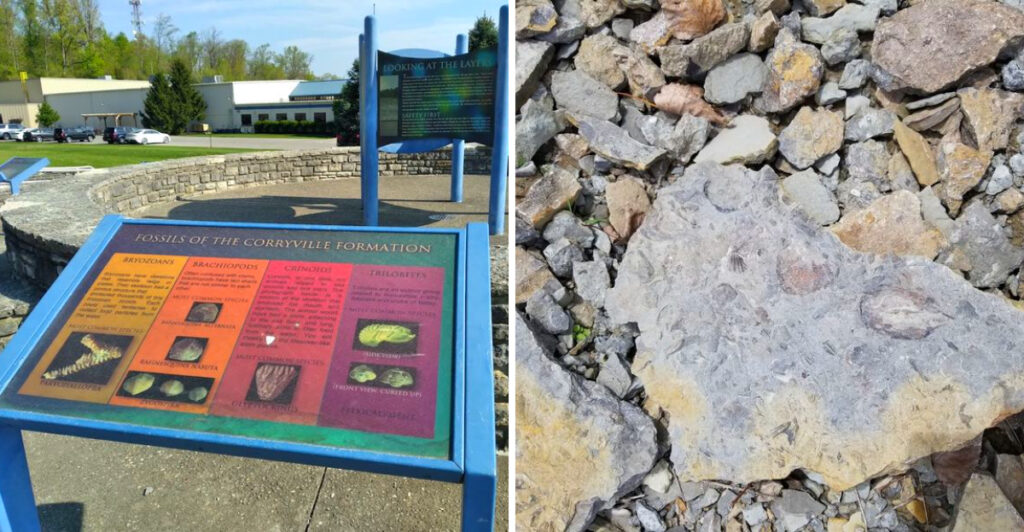
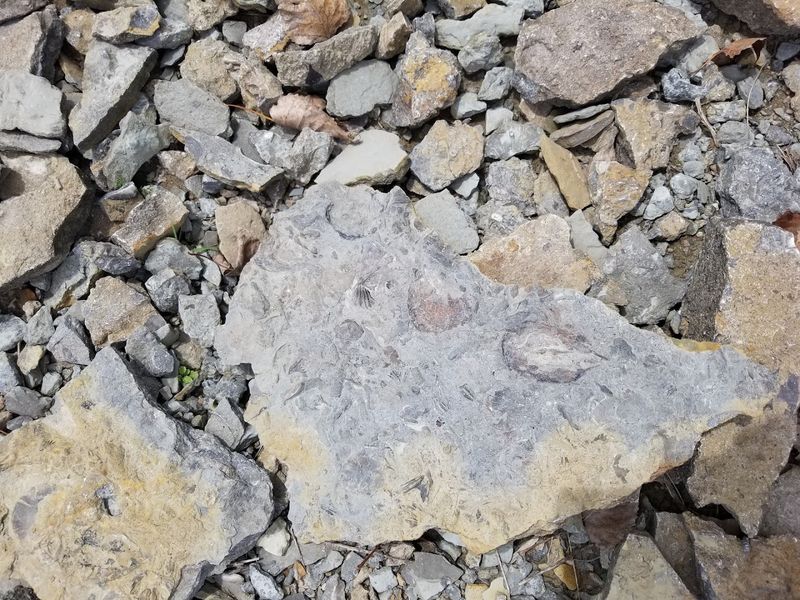
The most common finds at the park are brachiopods, which look like small ribbed shells, and bryozoans, which appear as lacy or branching colonies pressed into the rock surface. Crinoid stems, horn corals, and gastropods also turn up regularly across the hillside.
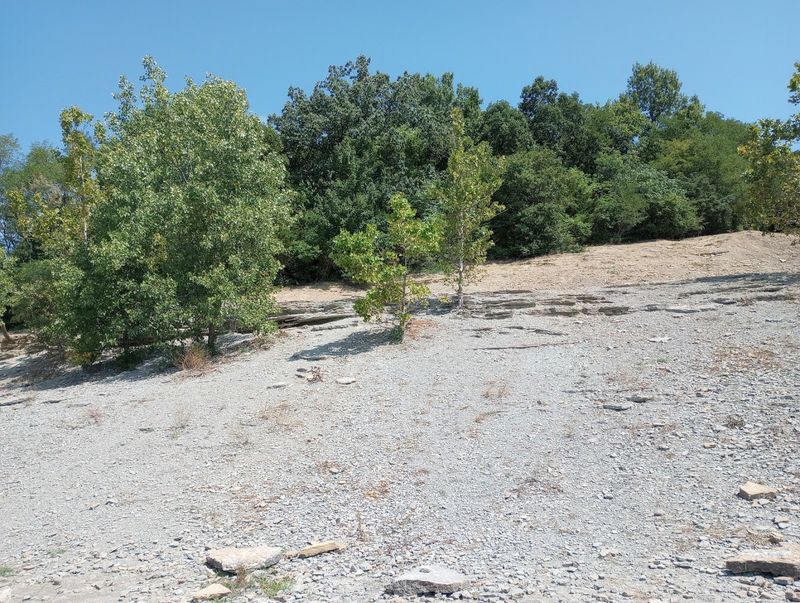
Many fossils are already loose in the gravel and smaller rock fragments scattered around the slope, so you do not always need tools to find something worth keeping. A sharp eye is often the most useful thing you can bring.
After a rain, the hillside gets washed clean and fresh fossils become newly visible on exposed surfaces.
Visitors are allowed to take one fossil or rock home with them, which makes every find feel like a personal keepsake from the Ordovician period. That one-piece rule keeps the site sustainable so future visitors can enjoy the same experience for years to come.
How to Search the Hillside Like a Pro
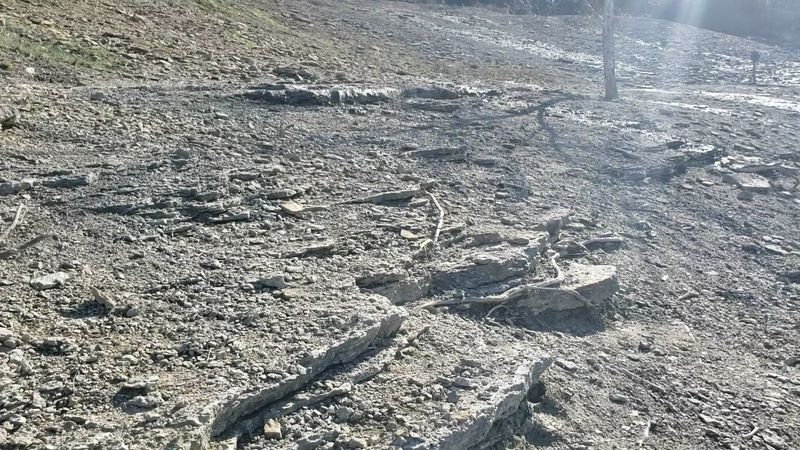
The hillside at Trammel Fossil Park is steeper than it looks from the parking area, and some sections can be slippery, especially after rain. Good footwear matters here.
Hiking boots or sturdy sneakers with grip are a smart choice, and if you plan to visit after wet weather, bring an extra pair of shoes and a change of clothes.
Most fossils are embedded in the loose rock and gravel spread across the slope, so scanning the ground as you walk is often more productive than digging aggressively. A small trowel or brush can help you clear debris away from a promising rock surface, but plenty of visitors find excellent specimens using nothing but their hands and patience.
Working your way slowly up the hill and flipping over smaller rocks tends to yield the best results. The fossils are genuinely everywhere once you start looking with intention.
What to Bring for the Best Visit
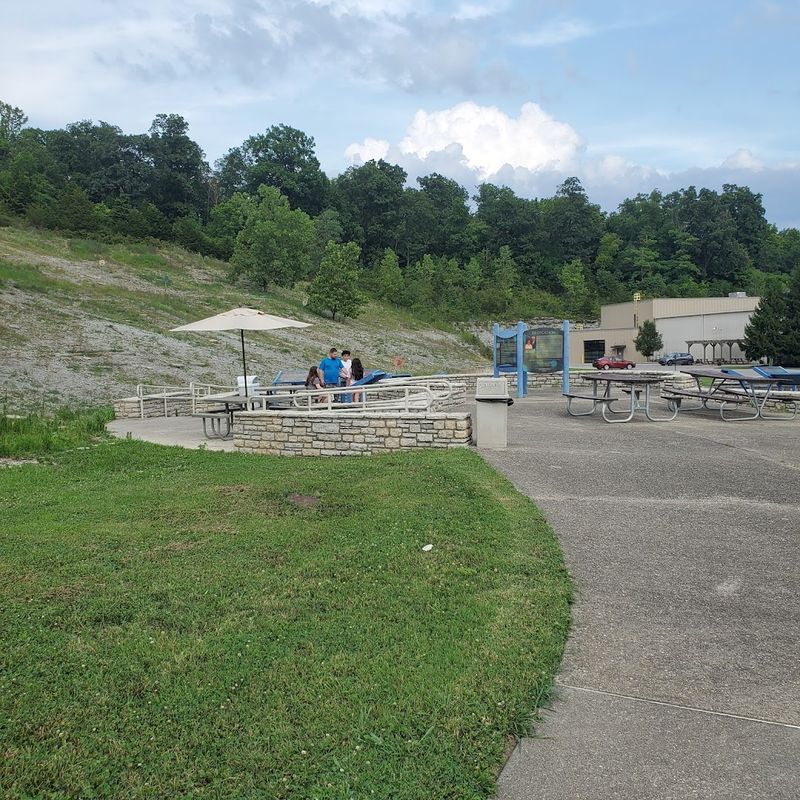
A little preparation goes a long way at Trammel Fossil Park. Sunscreen is a must because the hillside has minimal shade, and the exposed rock surface reflects heat on warm days.
Bringing plenty of water is equally important, especially if you plan to spend more than thirty minutes exploring.
A small bucket or zip-lock bag is useful for collecting rocks you want to examine more closely before choosing your one keeper. A soft brush helps you clean off loose dirt to get a better look at what you have found.
Some visitors pick up inexpensive hand trowels before arriving, though many report that the best finds were already sitting loose on the surface.
The park has portable restrooms and a hand-washing station on site, which is a welcome convenience given how dusty and muddy things can get. Pack light but pack smart, and the experience becomes much more enjoyable.
The View from the Top of the Hill
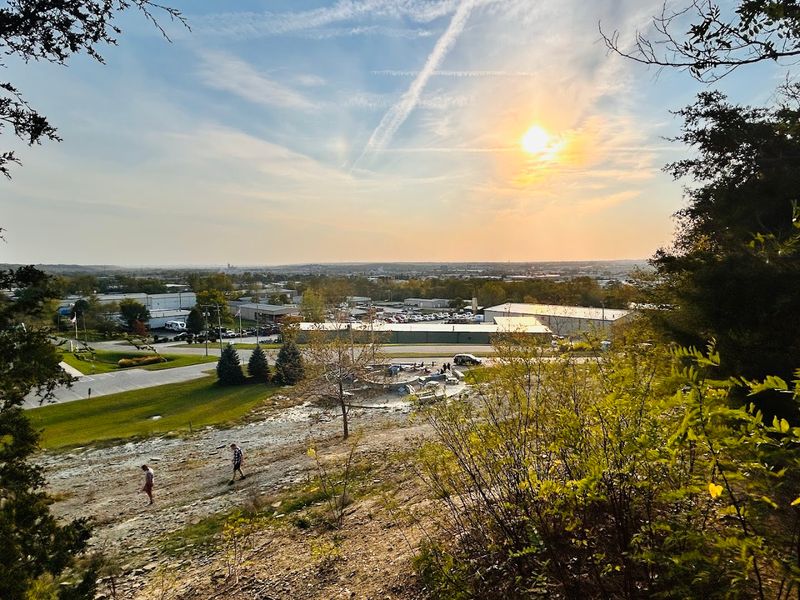
Climbing to the top of the fossil hill rewards you with something unexpected: a genuinely impressive view of the surrounding area, including a visible stretch of the Cincinnati skyline in the distance. Most visitors come for the fossils and leave pleasantly surprised by the scenery waiting at the summit.
The top of the hill also connects to a short trail that runs along the ridge. One side of the trail leads toward a less steep descent back to the far end of the parking lot, which is a helpful route to know if the direct climb down the rocky face feels too challenging on the way back.
Golden hour at the park is particularly beautiful. The warm light catches the texture of the limestone and makes the whole hillside glow in a way that feels completely different from the midday experience.
Photographers and casual walkers alike tend to enjoy this part of the visit.
The Trail at the Top and Remnants Worth Noticing
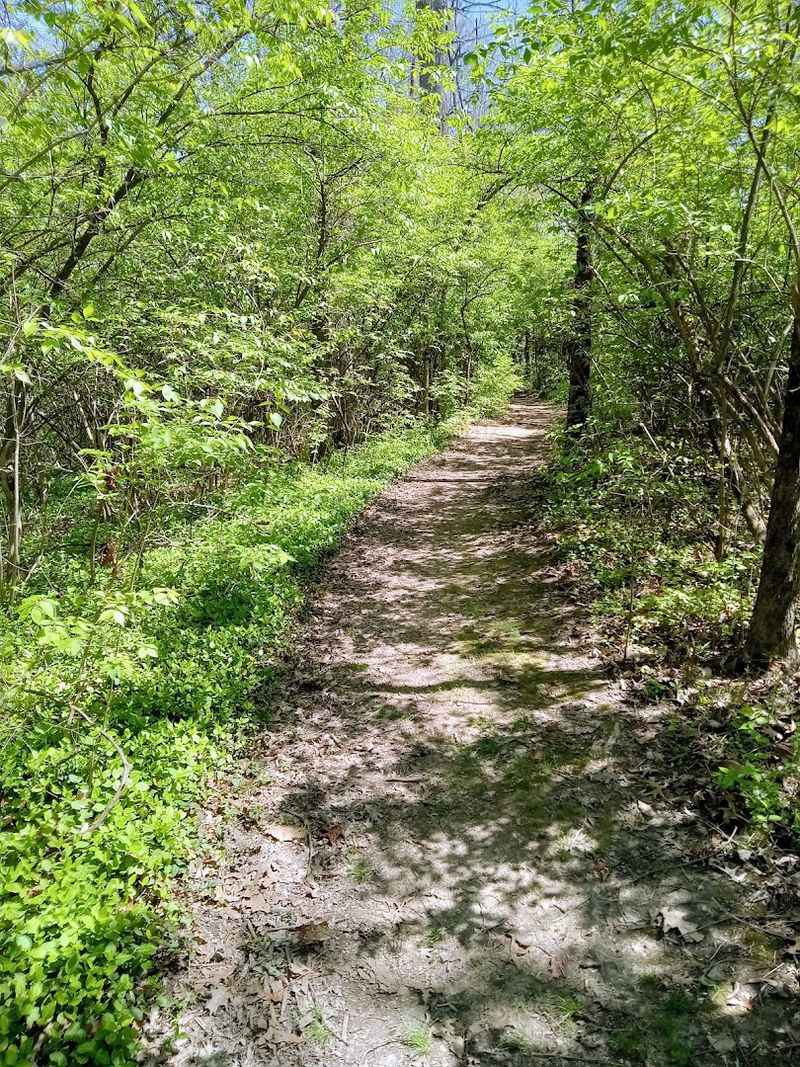
Beyond the fossil-hunting area, the trail that runs along the top of the hill holds its own quiet surprises. Several visitors have noted the presence of old structural remnants scattered through the vegetation near the ridgeline, the kinds of stone foundations and fragments that hint at a different chapter in the land’s history.
These remnants are not labeled or officially interpreted, but they add an extra layer of curiosity to the upper trail portion of the park. Walking through that section feels more like exploration than a typical park visit, which adds to the overall sense of discovery the whole place delivers.
The upper trail also provides a cooler, shadier alternative to the open hillside below, making it a good option for visitors who want a break from the sun while still staying within the park. It is a small but genuine bonus that many first-time visitors overlook entirely.
Why After a Rain Is the Best Time to Visit
Timing your visit after a rainfall might be the single best tip for anyone serious about finding fossils at this park. Rain washes away the loose dust and sediment that typically coats the rock surfaces, revealing fossil impressions that were invisible just hours before.
The tradeoff is that the slope becomes significantly more slippery when wet, so footwear with solid grip becomes even more critical in those conditions. Bringing an extra pair of shoes and a plastic bag for muddy boots is a practical move that experienced visitors recommend consistently.
The freshly washed rocks also photograph beautifully, with fossil details showing up clearly against the clean gray limestone background. If you enjoy nature photography alongside fossil hunting, a post-rain visit gives you the best of both worlds.
The park tends to be quieter during and just after wet weather, which adds to the appeal of that timing.
A Free Experience That Rivals Paid Attractions
There are paid fossil-hunting experiences across the country that charge significant fees for access to sites with far fewer finds than what Trammel Fossil Park offers for free. That contrast is hard to ignore once you realize what this park actually delivers.
The combination of genuine scientific significance, hands-on discovery, and zero cost makes it an unusually strong value for families, curious adults, and anyone who enjoys spending time outdoors with a purpose. Kids who might normally resist a nature outing tend to get completely absorbed once they realize they are holding something that is older than the dinosaurs.
The park also connects meaningfully to broader educational content. The Cincinnati Museum Center’s natural history exhibits reference the same Ordovician fossil beds that the park sits on, so a visit to the park pairs naturally with a museum trip for a fuller picture of what these fossils represent scientifically.
The Informational Signs Around the Park
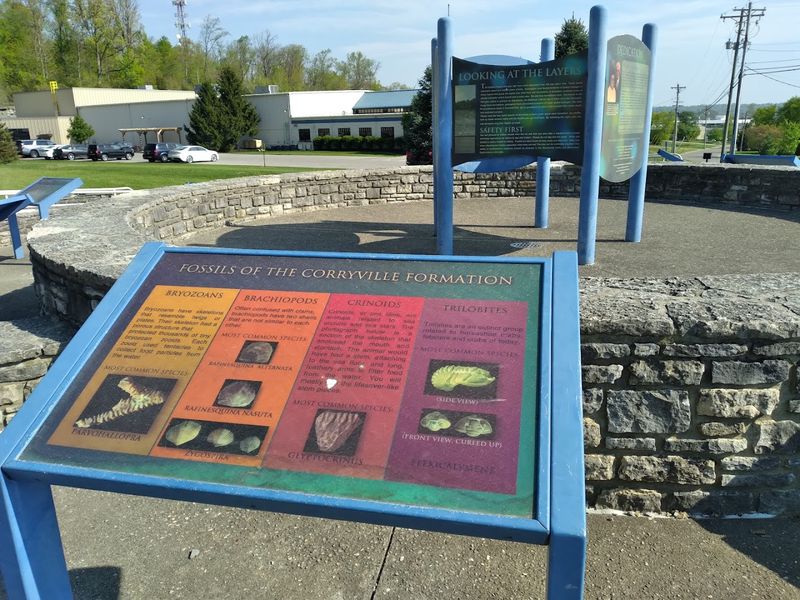
Scattered throughout the park are informational signs that explain the geological history of the site, identify common fossil types, and provide context for what visitors are finding. These signs turn a casual rock-hunting trip into something with genuine educational depth, which is especially useful for families with younger children.
Some of the signs have weathered over time and are harder to read than they once were, but the ones that remain legible offer concise and interesting explanations that most visitors find worth pausing to read. The fossil identification guides in particular help people understand exactly what they are looking at when they find a shell impression or coral fragment.
One of the signs also tells the story of the couple behind the creation of the park, which adds a personal and human dimension to the experience. That backstory makes the whole place feel more meaningful than a simple open hillside ever could on its own.
Practical Details Every First-Time Visitor Should Know
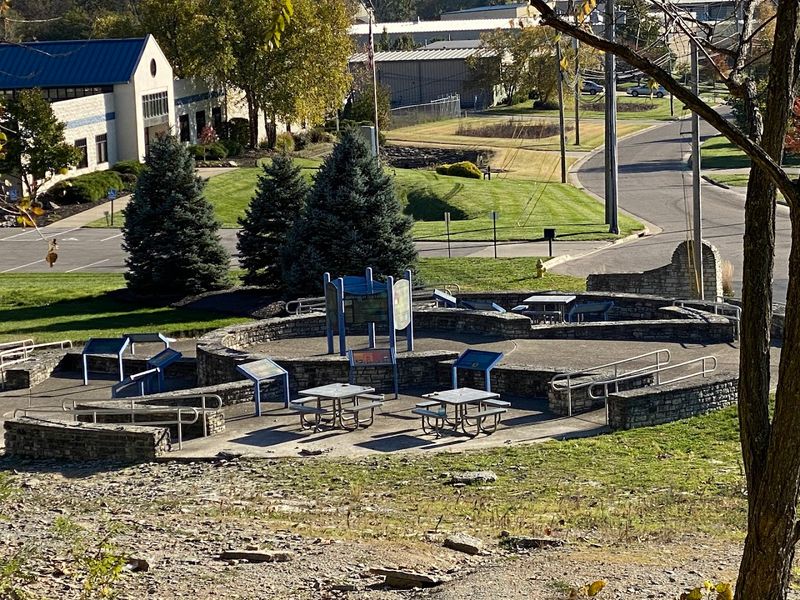
The parking lot adjacent to the park is spacious and free, which eliminates one of the usual friction points of visiting a public attraction. The lot is easy to access and sits right at the base of the fossil hillside, so you are essentially steps away from the search area as soon as you park.
The park is open every day of the week from 6 AM to 10 PM, giving visitors plenty of flexibility in timing their trip. Early morning visits tend to be quieter and cooler, while late afternoon arrivals get the benefit of softer light and a less crowded hillside.
There is no formal entrance gate or check-in process. You simply walk in and start exploring.
The one-fossil-per-visitor rule is posted on signage at the site and operates on the honor system, which most visitors respect without issue.
Why This Park Deserves More Attention Than It Gets
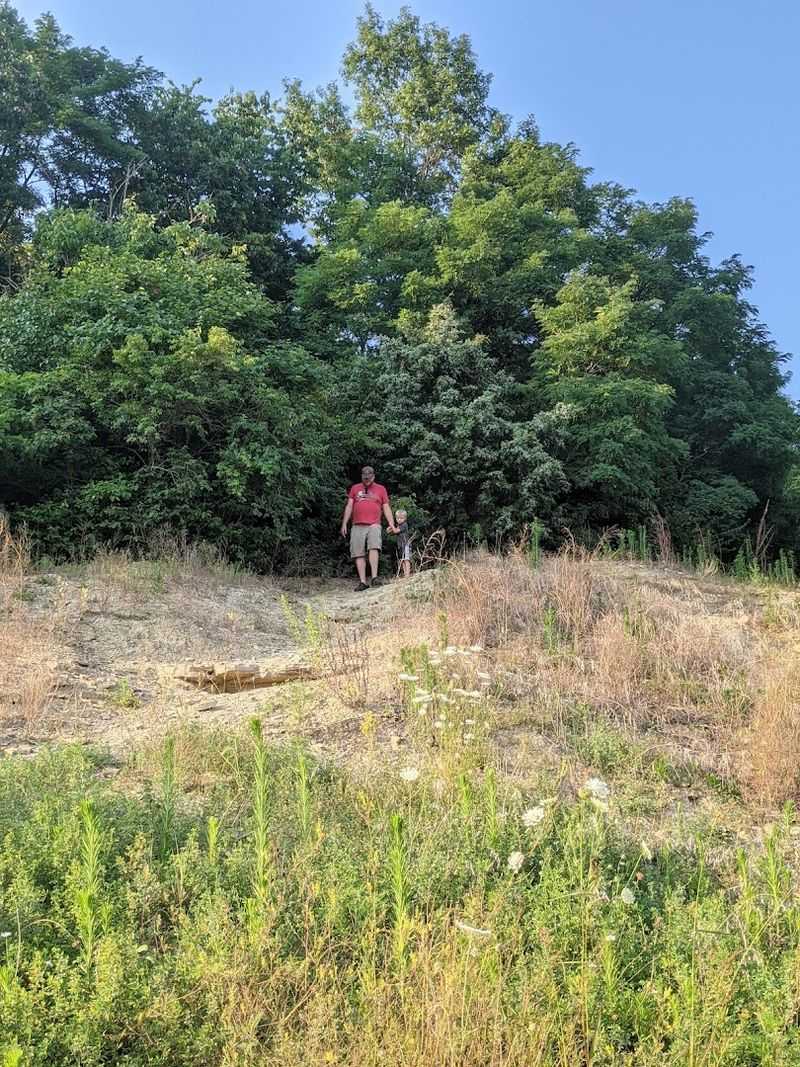
For a site with genuine scientific significance and a visitor experience that genuinely surprises most people who show up, Trammel Fossil Park remains remarkably low-profile. Many locals in the greater Cincinnati area have never heard of it, even though it sits within the city of Sharonville and is maintained as a public park.
Part of what makes it feel underappreciated is the location itself. The surrounding area looks industrial, and nothing about the approach signals that you are about to walk onto a hillside packed with half-billion-year-old marine life.
That mismatch between expectation and reality is exactly what makes the first visit so memorable.
Word is slowly spreading through social media and travel communities, but the park still sees far less traffic than it deserves. If you are anywhere near Cincinnati and have an afternoon free, this is the kind of stop that stays with you long after you drive home.
Share this story