 Unearth The Voyage
America is packed with jaw-dropping landscapes, from towering mountain peaks to turquoise coastlines that seem almost too beautiful to be real. Whether you’re a seasoned road-tripper or planning your very first big adventure, this country has something that will leave you completely speechless.
Each destination on this list offers its own kind of magic — wild, peaceful, dramatic, or dreamy. Get ready to add some serious stops to your bucket list.
Grand Canyon National Park — Arizona
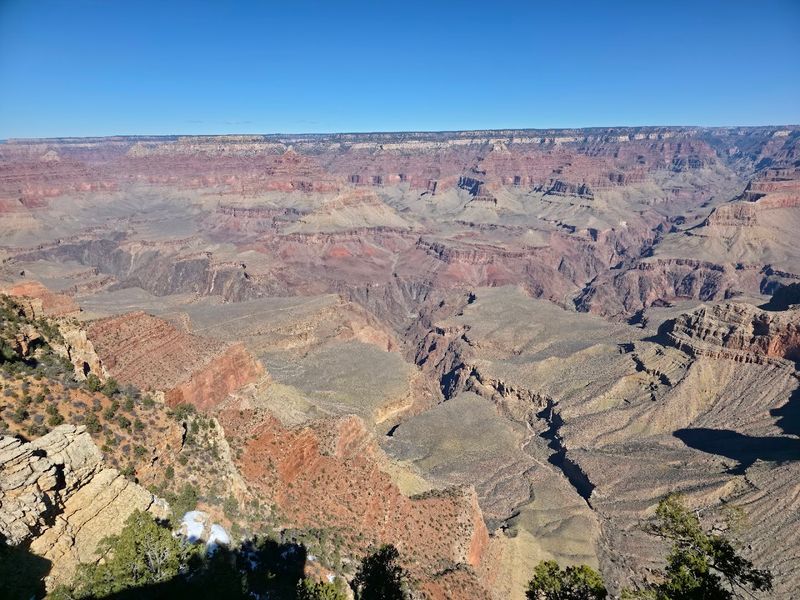
Standing at the rim of the Grand Canyon for the first time feels like the ground beneath your feet just decided to disappear. This colossal gorge stretches 277 miles long and plunges over a mile deep — carved entirely by the Colorado River over millions of years.
The layered red, orange, and purple rock walls read like pages of Earth’s own history book.
Sunrise here is something else entirely. Soft light floods the canyon and turns every cliff face into a glowing painting.
Photographers, hikers, and casual visitors all tend to go quiet at the same moment — because words honestly don’t cut it.
Hiking the Bright Angel Trail rewards you with up-close views of ancient rock formations and desert wildlife. Rafting through the canyon’s whitewater rapids is a bucket-list experience on its own.
Whether you visit the South Rim, North Rim, or both, the Grand Canyon delivers a sense of scale that no photo can fully prepare you for. Pack sunscreen, bring plenty of water, and give yourself at least two days to soak it all in properly.
Yosemite National Park — California
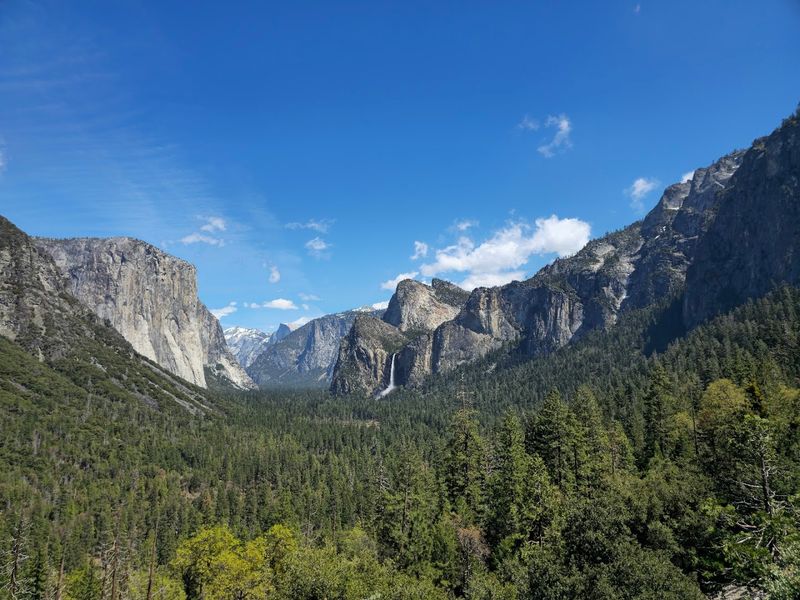
Few places on Earth can make a grown adult stop mid-sentence and just stare. Yosemite Valley does exactly that, framing Half Dome and El Capitan between walls of ancient granite like a painting that nature spent millions of years perfecting.
The sheer size of these rock monoliths is genuinely hard to process until you’re standing right in front of them.
Spring is peak waterfall season, when snowmelt sends Yosemite Falls and Bridalveil Fall roaring to life. The meadows fill with wildflowers, and the whole valley smells like pine and fresh mountain air.
Tunnel View — a famous overlook near the valley entrance — gives you one of the most photographed vistas in all of American wilderness.
Beyond the valley, Mariposa Grove shelters hundreds of giant sequoias, some over 2,000 years old. Hiking the Mist Trail to Vernal Fall is a crowd favorite that rewards effort with up-close waterfall views.
Yosemite gets busy in summer, so booking accommodations months in advance is a smart move. Arriving early in the morning helps you beat crowds and catch the valley in its most peaceful, golden-hour glory.
Arches National Park — Utah
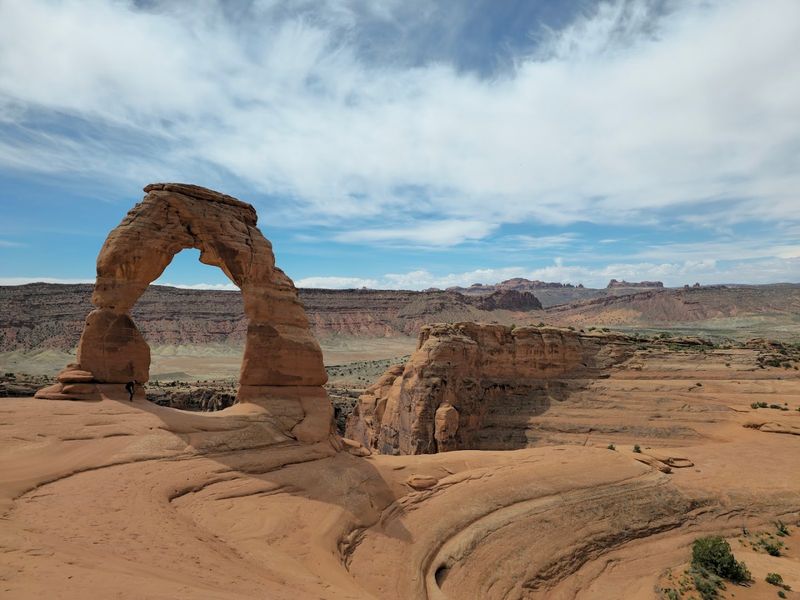
Over 2,000 natural stone arches scattered across a single park — Utah’s Arches National Park sounds like something out of a science fiction novel, but it’s 100% real. The landscape is so bizarre and beautiful that first-time visitors often wonder if they’ve accidentally wandered onto another planet.
Red sandstone towers, balanced rocks, and soaring fins of rock create a scene that feels genuinely surreal.
Delicate Arch is the superstar of the park, and for good reason. Perched dramatically at the edge of a sandstone bowl with the La Sal Mountains glowing in the background, it’s the kind of view that earns its own postcard.
The 3-mile round-trip hike to reach it is moderately challenging but absolutely worth every step.
Sunset and sunrise are the magic hours here, when the red rock absorbs warm light and practically ignites. The Windows Section offers multiple arches within easy walking distance, making it great for families.
Summer temperatures can spike dangerously high, so plan hikes for early morning and always carry more water than you think you’ll need. Stargazing after dark is an unexpected bonus — the park’s remote location makes for stunning, light-pollution-free night skies.
Denali National Park — Alaska
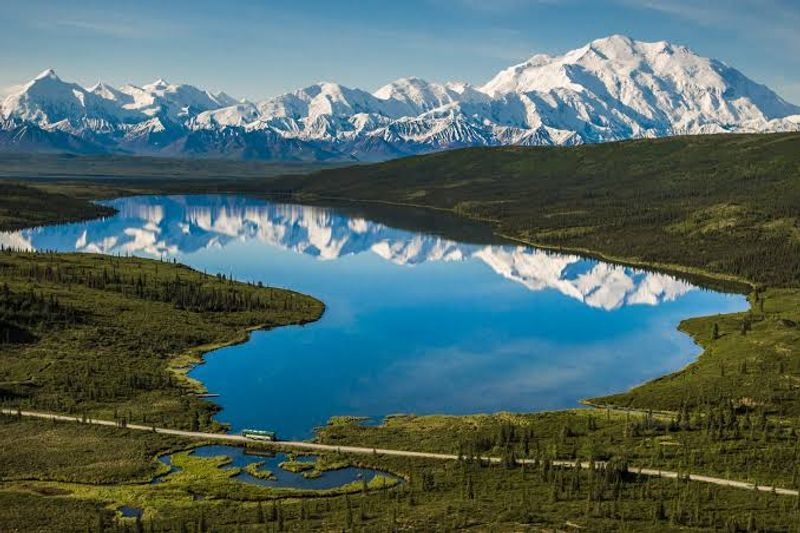
At 20,310 feet above sea level, Denali is the tallest mountain in North America — and standing anywhere near its base, you feel every inch of that height pressing down on you in the most humbling way possible. Alaska’s crown jewel sits inside a park larger than the entire state of New Hampshire, which gives you a sense of just how wild and untouched this place really is.
Only one road cuts through the park, and private vehicles can only drive the first 15 miles. Beyond that, park buses carry visitors deeper into a wilderness where wolves, grizzly bears, moose, and caribou roam freely.
Spotting wildlife here isn’t a lucky bonus — it’s practically part of the daily schedule.
Flightseeing tours offer jaw-dropping aerial views of glaciers, tundra, and the mountain itself. On clear days — which aren’t guaranteed, so celebrate when they happen — Denali’s summit reflects sunlight like a beacon.
Hiking is mostly off-trail, which makes the experience feel genuinely adventurous. Summer brings nearly 24 hours of daylight, which is both thrilling and slightly disorienting.
Plan for cool temperatures even in July and pack layers no matter what the forecast says.
Yellowstone National Park — Wyoming/Montana/Idaho
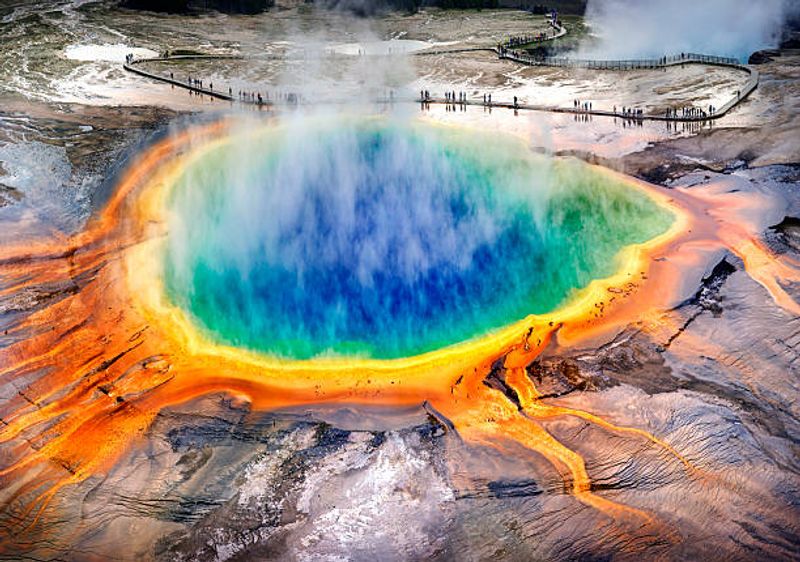
Yellowstone isn’t just a national park — it’s basically a supervolcano that decided to become a tourist attraction, and honestly, that’s the most American thing imaginable. Established in 1872 as America’s first national park, it sits atop one of the world’s largest volcanic hotspots, which explains why the ground bubbles, hisses, and occasionally shoots boiling water 180 feet into the air.
Old Faithful is the park’s most famous geyser, erupting roughly every 90 minutes like a reliable, steaming alarm clock. But the real showstopper might be the Grand Prismatic Spring — a massive hot spring that glows in rings of vivid blue, green, yellow, and orange, best appreciated from an overlook trail above it.
Wildlife watching here is extraordinary. Bison wander freely across roads, wolves have been reintroduced and thrive in Lamar Valley, and grizzly bears are spotted regularly.
The Grand Canyon of the Yellowstone, a lesser-known gem, features a dramatic waterfall and vivid yellow canyon walls. Yellowstone spans three states, so allow at least three to four days to cover its highlights.
Book lodging inside the park early — it fills up fast, especially in summer.
Maui — Hawaii
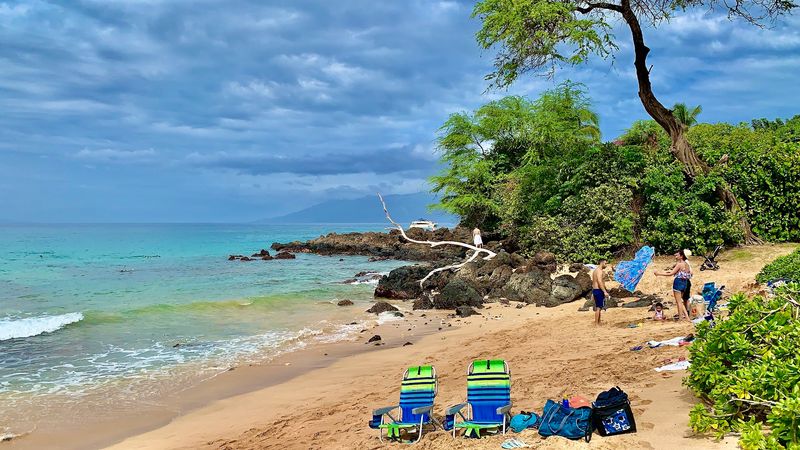
Maui has a reputation for being paradise, and after five minutes on its shores, you’ll stop questioning whether that reputation is deserved. The island packs an almost unfair variety of landscapes into a single destination — volcanic craters, bamboo forests, black sand beaches, coral reefs, and some of the clearest blue water you’ll ever swim in.
The Road to Hana is one of America’s most scenic drives, winding 64 miles along the island’s northeastern coast. Along the way, roadside waterfalls appear around nearly every curve, and lush jungle canopies create a tunnel of green above the narrow road.
Pulling over at Wai’anapanapa State Park reveals a black sand beach that looks like it belongs in a fantasy novel.
Sunrise from the summit of Haleakala volcano is a bucket-list experience that requires a 3 a.m. wake-up call — and every bleary-eyed visitor agrees it’s worth it. Snorkeling at Molokini Crater offers incredible underwater visibility and colorful marine life.
Whale watching season runs from December through April, when humpbacks migrate to Maui’s warm waters. For a slower pace, the old whaling town of Lahaina offers great food, history, and beachside charm that’s hard to leave.
Glacier National Park — Montana
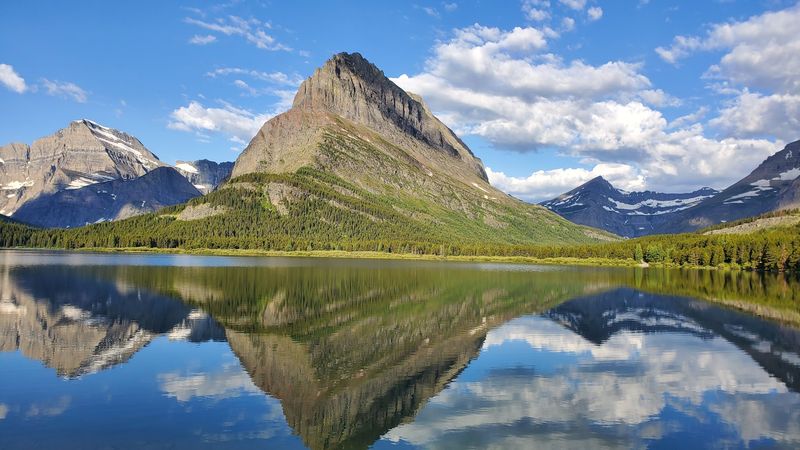
“The Crown of the Continent” is a nickname Glacier National Park wears without apology. Jagged peaks, ancient glaciers, and lakes so clear they look like mirrors reflecting the sky above — this Montana wilderness delivers scenery that photographers travel thousands of miles to capture.
The park contains over 700 miles of hiking trails, which means there’s always another breathtaking view waiting just around the next ridge.
Going-to-the-Sun Road is the park’s most iconic feature — a 50-mile mountain highway that crosses the Continental Divide and offers some of the most dramatic roadside scenery in North America. Completed in 1932, it’s an engineering marvel that hugs sheer cliff faces and rewards drivers with views that feel almost too grand to be real.
Lake McDonald, with its rainbow-colored pebbles on the shoreline, is a photographer’s dream in calm morning light. Grinnell Glacier Trail is a challenging but spectacular hike that takes you face-to-face with one of the park’s remaining glaciers.
Sadly, climate change has reduced glacier numbers significantly — visiting now means witnessing something that future generations may not get to see. Plan your trip between July and September when roads and trails are fully accessible and wildlife is most active.
Kauai — Hawaii
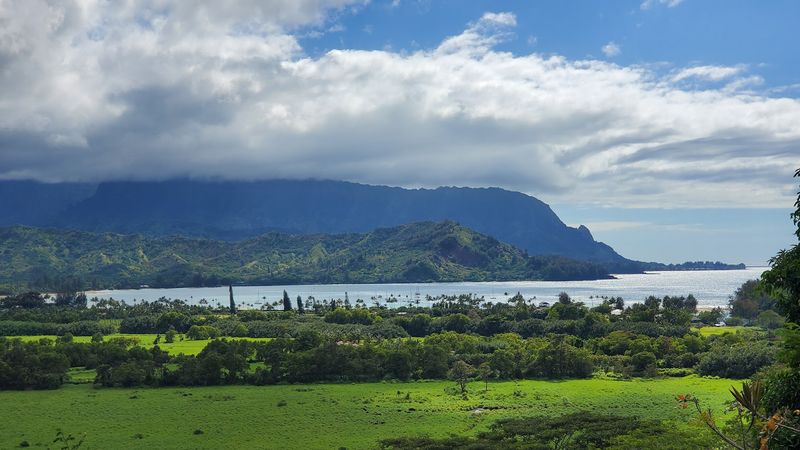
Kauai is the kind of island that makes you want to cancel your return flight. Known as the Garden Isle, it’s the oldest and most dramatically lush of the Hawaiian islands, covered in emerald ridges, hidden valleys, and waterfalls that appear out of nowhere on rainy afternoons — which is often, because parts of Kauai are among the wettest places on Earth.
The Na Pali Coast is the island’s showpiece — a 17-mile stretch of towering sea cliffs that can only be reached by boat, kayak, or a grueling but unforgettable hiking trail. Seeing those cliffs from a sunset cruise is the kind of experience people describe for years afterward.
Waimea Canyon, nicknamed the “Grand Canyon of the Pacific,” carves through the island’s interior with vivid red and green walls stretching 14 miles long.
Hanalei Bay on the north shore is a crescent of golden sand backed by green mountain peaks that has appeared in multiple Hollywood films. Snorkeling along the south shore at Poipu Beach offers calm, clear water with sea turtles as regular visitors.
Kauai moves at a slower pace than Maui or Oahu, which is exactly the point. Rent a car, explore the backroads, and let the island surprise you.
Blue Ridge Parkway — Virginia/North Carolina
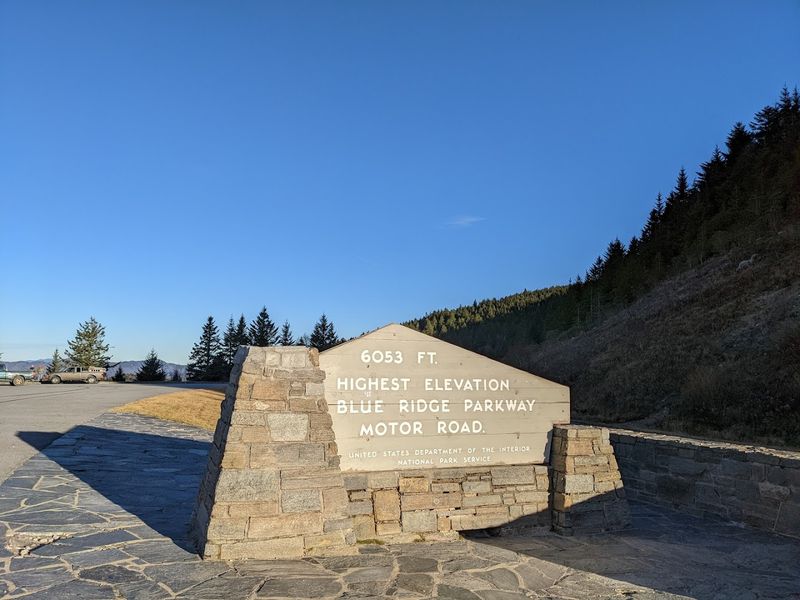
Stretching 469 miles through the heart of the Appalachian Mountains, the Blue Ridge Parkway is widely considered one of the most scenic drives in the entire United States. No traffic lights, no billboards, no commercial trucks — just winding road, layered mountain ridges, and an endless procession of overlooks that make you want to pull over every five minutes.
Fall is when the parkway becomes absolutely legendary. From mid-October through early November, the hardwood forests explode in shades of crimson, gold, amber, and burnt orange.
Photographers line the overlooks before sunrise, hoping to catch morning mist rolling through the valleys below. It’s one of those seasonal spectacles that lives up to every single photo you’ve seen of it.
Spring brings its own rewards — wildflowers carpet the meadows and rhododendrons burst into pink and purple bloom along the ridges. Hiking trails branch off the road at regular intervals, ranging from easy nature walks to serious ridge-top treks.
The town of Asheville, North Carolina sits near the parkway’s southern end and offers excellent food, art, and music scenes as a great base. Driving the full length takes about three days at a leisurely pace, and every mile is worth it.
Siesta Key — Florida
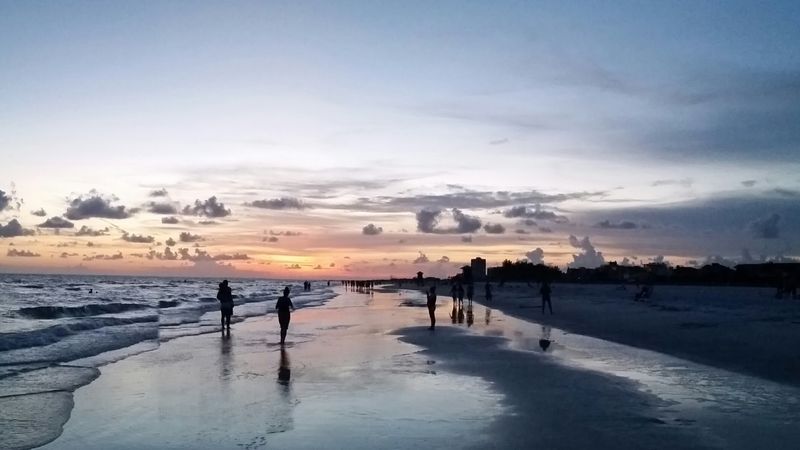
Siesta Key Beach has been ranked the number one beach in the United States multiple times, and the sand alone explains why. Made almost entirely of quartz crystal, it stays cool under bare feet even on the hottest summer days — a small miracle on a Florida beach in July.
The grains are so fine and white they practically squeak when you walk across them.
The Gulf Coast water here is shallow, warm, and calm enough for young swimmers. That turquoise color isn’t a filter — it’s just what the water genuinely looks like on a clear afternoon.
Siesta Key Village, just a short walk from the beach, is lined with casual restaurants, ice cream shops, and boutiques that give the area a relaxed, small-town beach charm.
Sunset watching here is a nightly event that draws crowds to the shore. The sky turns vivid shades of pink and orange as the sun drops over the Gulf, and people actually applaud when it disappears below the horizon.
Kayaking, paddleboarding, and dolphin-watching boat tours are popular activities nearby. The key is connected to the mainland by two bridges, making it easy to access while still feeling like a true island getaway.
Book accommodations well in advance during peak winter season.
Watkins Glen State Park — New York
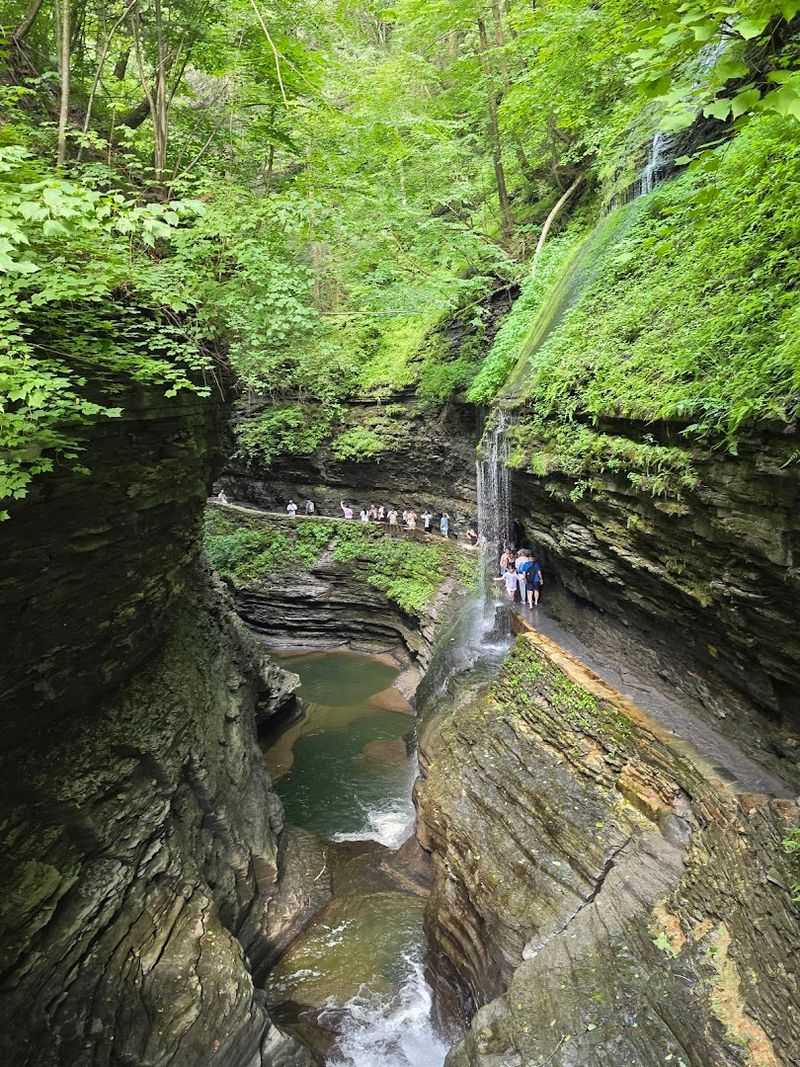
Tucked into the Finger Lakes region of upstate New York, Watkins Glen State Park looks like someone transplanted a European fairy tale into the American countryside. The park’s centerpiece is a dramatic two-mile gorge carved by Glen Creek, featuring 19 waterfalls, ancient stone bridges, and walls of moss-covered limestone that rise up to 200 feet on either side of the trail.
The Gorge Trail winds through tunnels carved directly into the rock, behind curtains of falling water, and along narrow ledges above rushing streams. It’s the kind of hike where you stop every few minutes just to make sure what you’re seeing is actually real.
The whole trail is only about 1.5 miles one way, making it accessible for most fitness levels, though the stone steps can be slippery when wet.
Visiting in late spring or early summer brings the waterfalls to their most powerful state, when snowmelt keeps the creek running full and loud. The park is popular but rarely feels overcrowded compared to western national parks.
Nearby Watkins Glen village sits at the southern tip of Seneca Lake and offers wineries, casual dining, and a charming small-town atmosphere. Combining the gorge hike with a Finger Lakes wine trail tour makes for a nearly perfect upstate New York weekend.
Badlands National Park — South Dakota
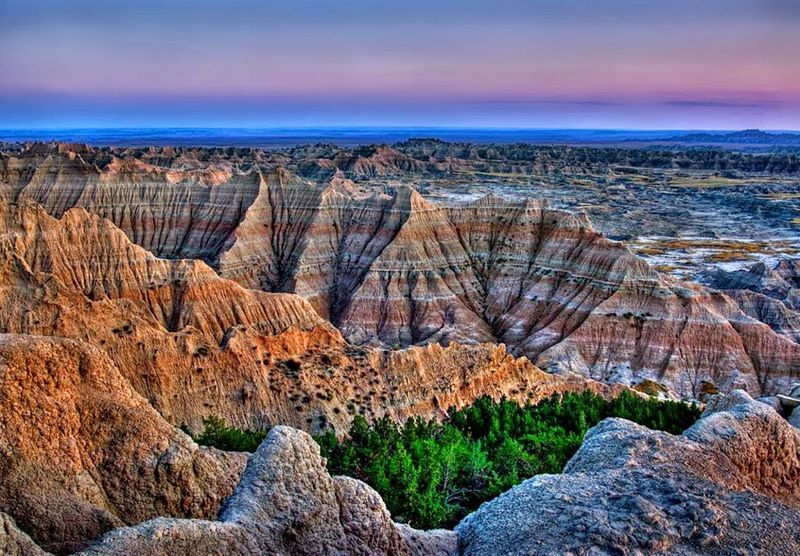
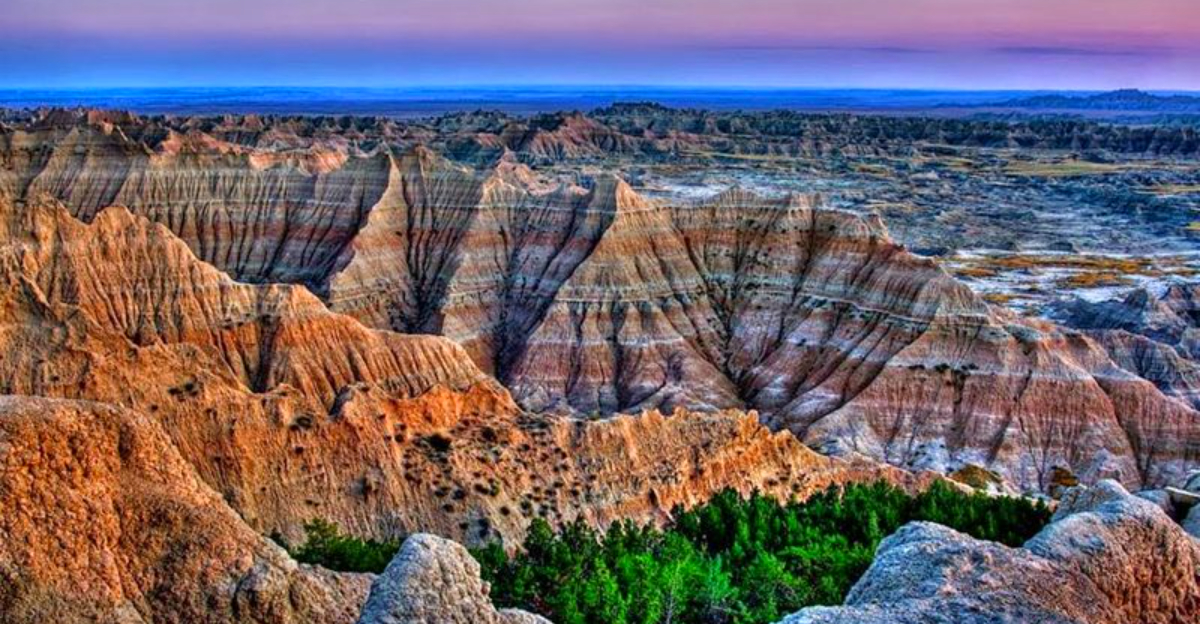
The Badlands look like they were designed by someone who wanted to make geologists weep with joy. Jagged spires, layered canyon walls, and eroded buttes stretch across the South Dakota prairie in a landscape so alien it has served as a filming location for multiple sci-fi movies.
Yet somehow, it’s entirely natural — shaped by millions of years of volcanic ash deposits and erosion by wind and water.
Sunrise and sunset are the park’s power hours. Warm light rakes across the formations at low angles, turning every pinnacle and ridge into something that glows like a coal in a fire.
The colors shift from deep purple at dawn through orange and amber as the sun climbs, giving photographers a constantly changing canvas.
The park is also a world-class fossil site. Prehistoric creatures including saber-toothed cats, three-toed horses, and ancient rhinos once roamed here, and their bones still emerge from eroding hillsides regularly.
The Ben Reifel Visitor Center has excellent exhibits explaining the park’s fossil history. Bison, bighorn sheep, and prairie dogs are common wildlife sightings today.
The Badlands Loop Road covers most of the park’s major viewpoints in about an hour of driving, making it easy to explore even on a tight schedule.
Antelope Canyon — Arizona
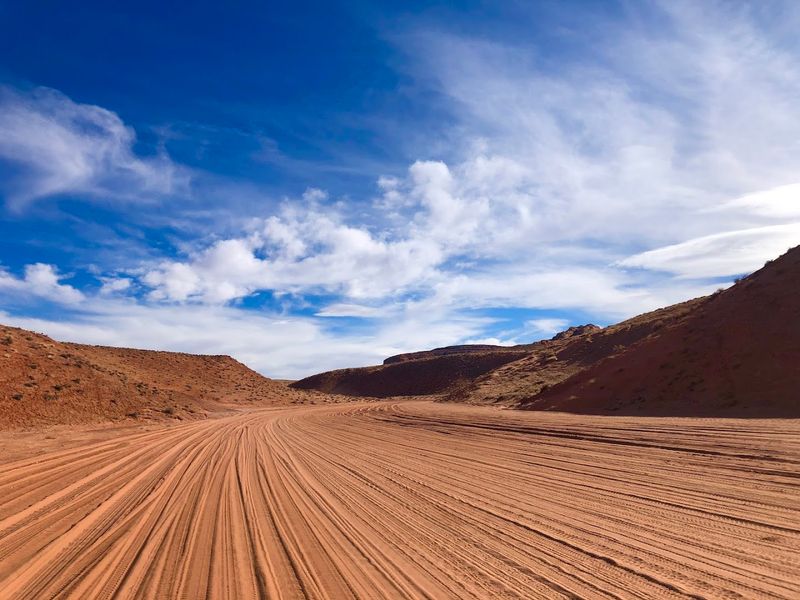
Light behaves differently inside Antelope Canyon — it bends, scatters, and pools in ways that make the narrow sandstone walls glow like something out of a dream. This slot canyon on Navajo Nation land near Page, Arizona was carved by flash floods cutting through Navajo sandstone over thousands of years, creating smooth, wave-like walls that ripple with color when sunlight hits them at just the right angle.
There are two sections: Upper Antelope Canyon, which is the most visited and easiest to access, and Lower Antelope Canyon, which requires navigating metal staircases but offers a slightly more adventurous experience. Midday visits between 11 a.m. and 1 p.m. produce the famous light beams that photographers travel from around the world to capture.
Tours are required to enter — the canyon is located on Navajo land and guided visits are mandatory. Prices vary depending on the tour type, with photography tours offering more time inside for those who want to seriously work the angles.
The canyon is relatively short, so most visits last about an hour. Nearby Horseshoe Bend — a stunning Colorado River overlook — is just a 10-minute drive away and makes a perfect pairing for a full day of Arizona canyon scenery that will genuinely leave you speechless.
Napa Valley — California
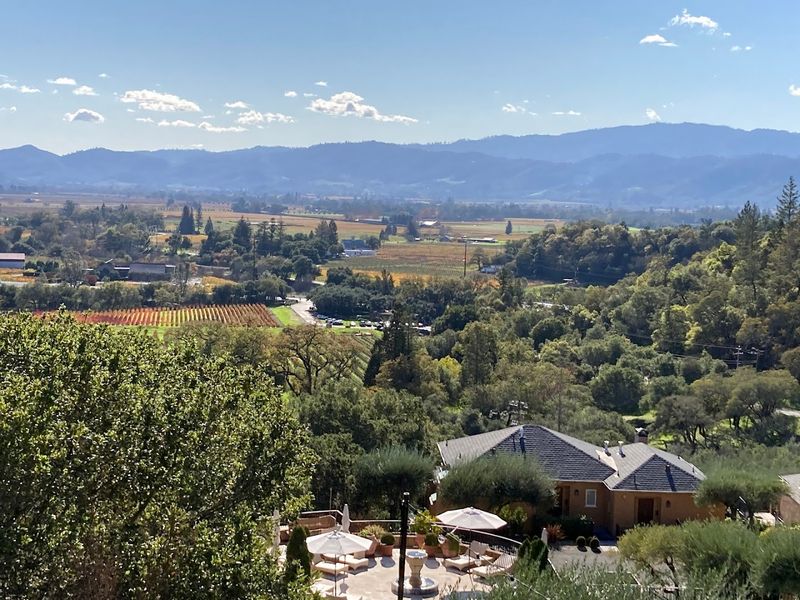
Rolling hills covered in perfectly ordered rows of grapevines, charming stone wineries tucked between oak trees, and a food scene that makes every meal feel like a special occasion — Napa Valley earns its reputation as one of California’s most beautiful destinations with very little effort. It’s the kind of place where the scenery pairs as well with dinner as the wine does.
Hot air balloon rides launched at sunrise are one of Napa’s signature experiences. Floating above the valley as morning mist burns off the vineyards below is genuinely spectacular, and most flights end with a champagne toast that feels entirely appropriate.
The valley floor is dotted with over 400 wineries, ranging from grand estate tasting rooms to small family operations hidden down gravel roads.
The Silverado Trail runs parallel to Highway 29 and offers a quieter, more scenic alternative for driving between wineries. Towns like Yountville have earned national reputations for culinary excellence — it has more Michelin stars per capita than almost anywhere in America.
Visiting in September and October during harvest season adds an extra layer of energy to the valley, when grapes are picked and the air smells of fermenting juice. A weekend here moves at exactly the right pace — unhurried, delicious, and beautiful at every turn.
White Mountains — New Hampshire
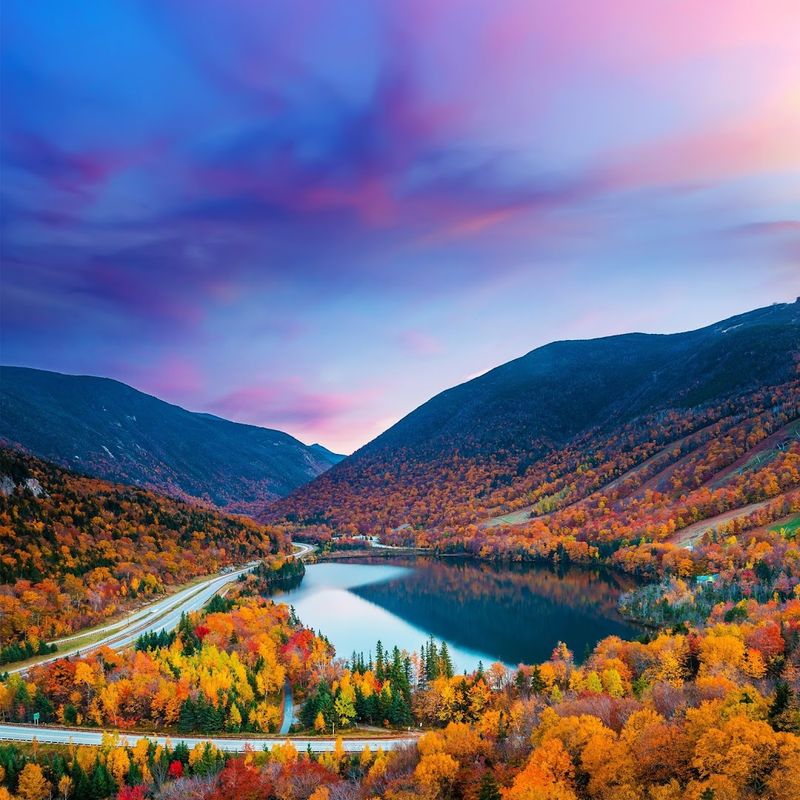
New Hampshire’s White Mountains pack more dramatic scenery per square mile than most people expect from the Northeast. The region is anchored by Mount Washington — at 6,288 feet, the highest peak in the northeastern United States and famously home to some of the most extreme weather ever recorded on Earth’s surface.
Wind speeds here once hit 231 miles per hour, which is either terrifying or impressive depending on your perspective.
The Kancamagus Highway is the region’s crown jewel for fall foliage seekers. This 34-mile scenic byway cuts through the White Mountain National Forest without a single traffic light or commercial development, offering uninterrupted views of autumn color that peak beautifully in early to mid-October.
Roadside pullouts reveal covered bridges, mountain streams, and forested ridgelines that look straight out of a New England postcard.
Hikers will find hundreds of trail options, from leisurely forest walks to serious summit climbs along the famous Appalachian Trail. Franconia Notch State Park offers the Flume Gorge, a narrow granite canyon similar in feel to Watkins Glen but with a distinctly New England personality.
Skiing and snowshoeing make the mountains a year-round destination. The charming town of North Conway serves as a popular base with plenty of lodging, local restaurants, and outlet shopping for days when the weather turns less cooperative.



