 Unearth The Voyage
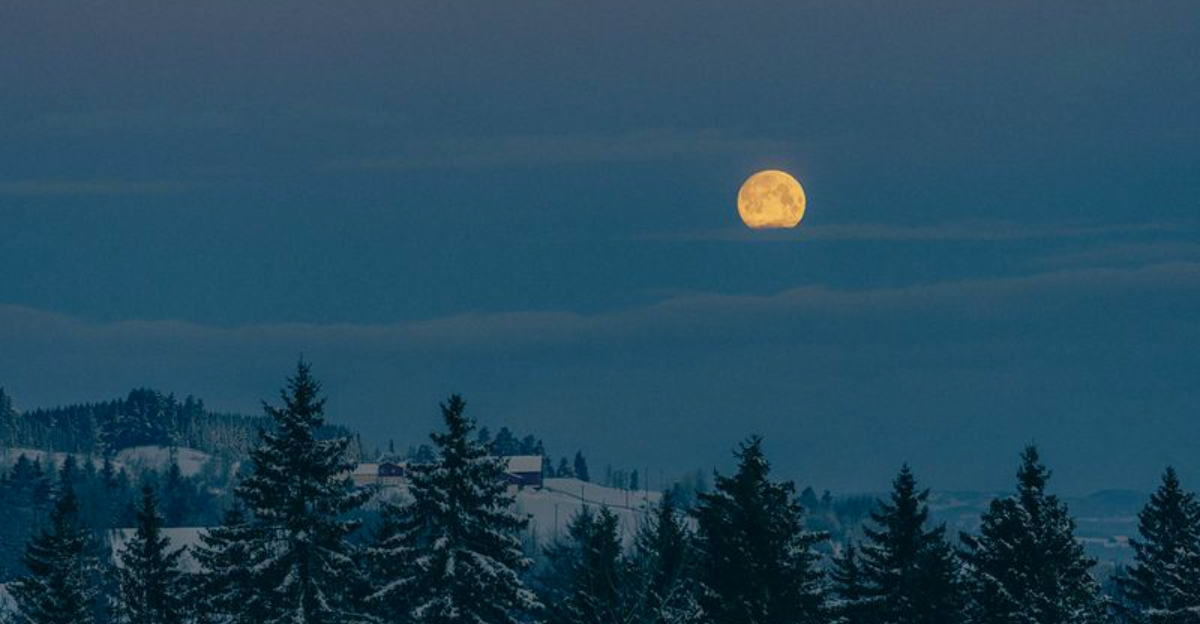
The night sky is about to deliver a stunning performance in early February 2026, and you won’t want to miss it. The Snow Moon, February’s full moon, will light up the heavens with a brilliance that pairs beautifully with a rare celestial alignment involving star clusters and a disappearing star.
Whether you’re a seasoned stargazer or just someone who loves looking up at the night, this event promises moments you’ll remember for years to come.
What Is the Snow Moon and When to See It
February’s full moon carries a name rooted deep in tradition. Native American tribes and early colonists dubbed it the Snow Moon because this month often brings the heaviest snowfall across the Northern Hemisphere.
In 2026, the Snow Moon reaches its brightest moment on Sunday, February 1, at approximately 5:09 p.m. EST.
Timing works in your favor this year. As twilight fades and the moon climbs toward the eastern horizon, you’ll witness the lunar surface bathed in sunlight, fully illuminated and glowing against the darkening sky.
The moon appears full not just on February 1 but also the nights before and after, thanks to how our eyes perceive the gradual changes in lunar phases.
While 2026’s Snow Moon won’t qualify as a supermoon, it remains a spectacular sight worth your attention. Winter constellations frame the moon beautifully, and photographers often seize this chance to capture crisp images of the cratered surface.
Skywatchers enjoy tracking the moon’s rise, watching it ascend through familiar star patterns and paint the winter night with soft, silvery light.
A Rare Celestial Pairing: Beehive Cluster and Regulus Occultation
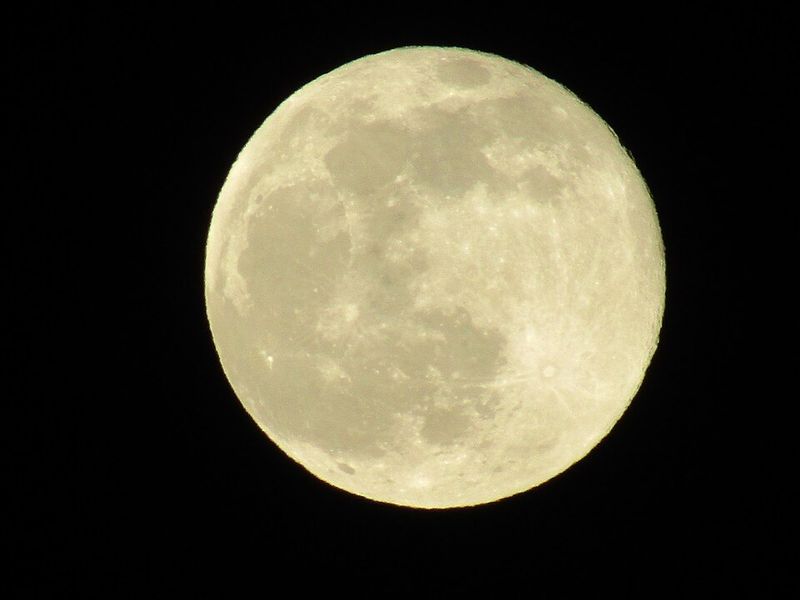
Beauty alone doesn’t define the 2026 Snow Moon. Around January 31 through February 2, something extraordinary unfolds in the sky above.
The nearly full moon will rise just beneath the Beehive Cluster, also known as M44, a sparkling collection of stars visible even without optical aids under dark skies.
Then comes the main act. On February 2, observers across parts of North America may witness the moon pass directly in front of Regulus, the brightest star in Leo.
This phenomenon, called a lunar occultation, temporarily hides the star from view as the moon glides across our line of sight.
Astronomers note that this particular hide-and-seek moment with Regulus won’t happen again until the late 2030s. That makes this event genuinely rare, a chance to see cosmic choreography that unfolds only once in a decade or more.
Casual observers and dedicated enthusiasts alike can enjoy this spectacle without expensive equipment, making it accessible to anyone with clear skies and curiosity about the universe overhead.
Cultural and Scientific Significance of the Snow Moon
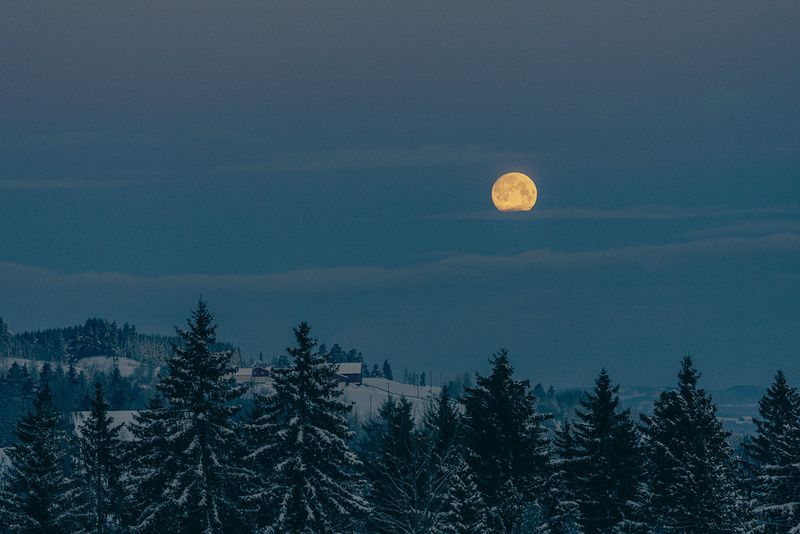
Full moons have guided human cultures for millennia, and the Snow Moon holds special meaning across traditions. Many Indigenous tribes in North America named February’s moon after the thick blankets of snow covering the land during this harsh season.
Some communities called it the Hunger Moon, reflecting the scarcity of food, while others used names like Bear Moon or Storm Moon depending on regional patterns.
Science offers its own perspective on this monthly event. A full moon happens when Earth positions itself between the Sun and Moon, allowing sunlight to fully illuminate the lunar face from our viewpoint.
This alignment repeats roughly every 29.5 days, creating the predictable cycle that has anchored calendars and timekeeping for centuries.
The 2026 Snow Moon gains extra appeal because of its proximity to notable celestial objects. Astronomers and hobbyists alike use these opportunities to deepen their understanding of lunar motion, track stellar positions, and observe how the night sky shifts with the seasons throughout the year.
How to Watch and Photograph the Snow Moon
You don’t need fancy gear to enjoy this celestial show. On February 1, simply find a spot with a clear view toward the east around sunset.
As darkness settles, the Snow Moon will rise, casting brilliant light across the winter landscape and offering a stunning visual experience.
Binoculars or a modest telescope can enhance your viewing, especially if you want to explore the Beehive Cluster nearby. Keep in mind that the moon’s brightness can overwhelm fainter stars, so seeking out darker skies away from city lights helps reveal more detail in surrounding celestial objects.
For those eager to catch the Regulus occultation on February 2, check local astronomical forecasts for precise timing in your location. These events depend on where you’re standing on Earth, so exact times vary by latitude and longitude.
If clouds roll in, don’t worry—the Snow Moon appears full for several nights around its peak, giving you multiple chances to step outside and connect with the cosmos above.



