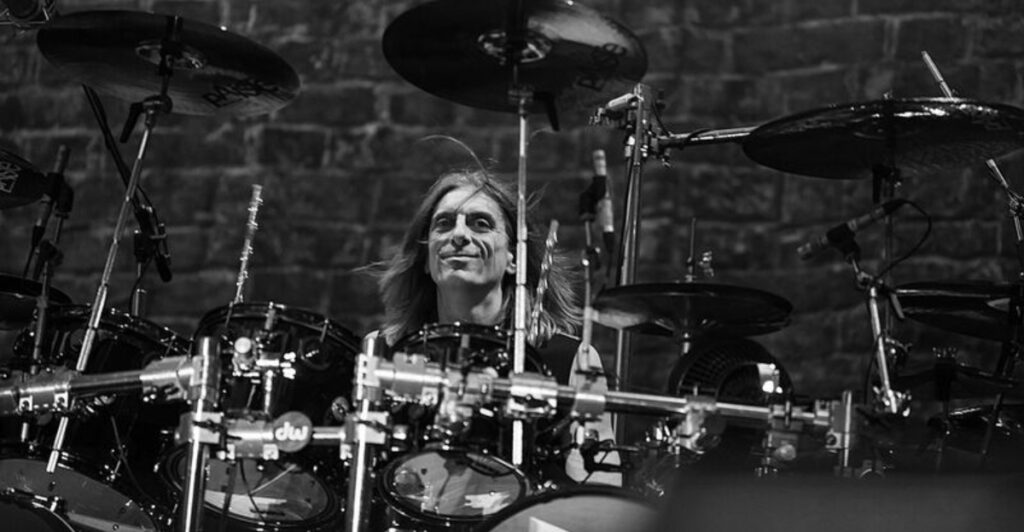
Rock music has always been driven by rhythm, and sometimes a single drum fill is all it takes to rewrite the rules. From the early 1960s through the grunge explosion of the 1990s, certain moments behind the kit stopped listeners cold and permanently changed how drummers thought about their instrument.
These fills did not just accent a song; they became the song, turning brief transitions into cultural landmarks. Whether you are a drummer yourself or simply someone who appreciates great music, this list covers the performances that shaped rock history, one fill at a time.
1. In the Air Tonight – Phil Collins (1981)
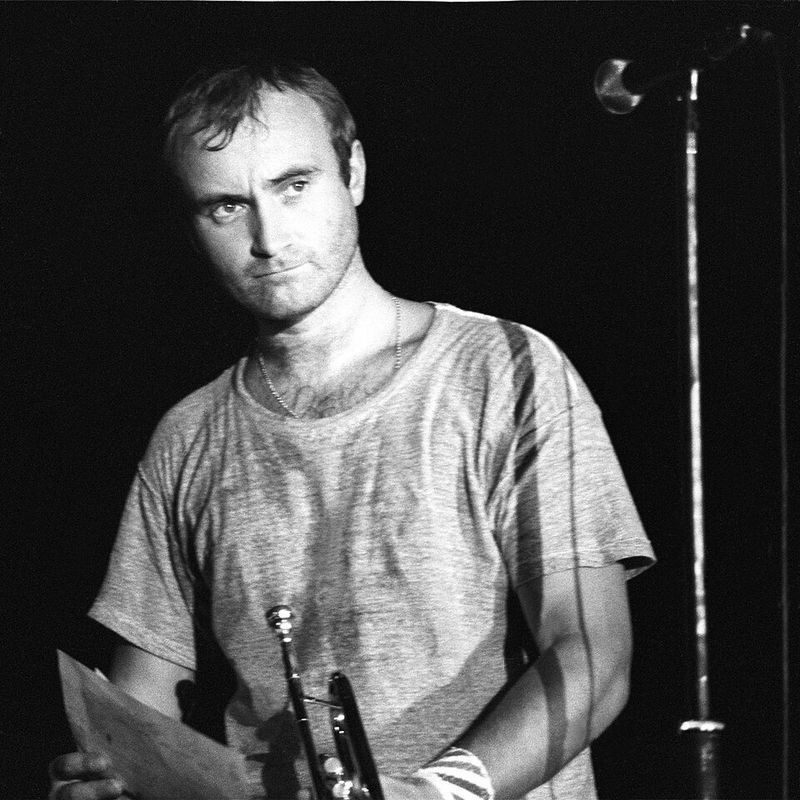
Few moments in pop and rock history carry the weight of anticipation the way this one does. Phil Collins recorded “In the Air Tonight” for his debut solo album, “Face Value,” and the drum fill that arrives around the 3:16 mark was not originally planned as a centerpiece.
Collins played the entire track on a gated reverb drum kit, a production technique that gave the snare an explosive, almost unnatural punch. When that fill finally crashes in after more than three minutes of restrained synth and vocals, it lands like a reset button.
Radio DJs in the early 1980s noticed listeners calling in just to talk about that moment. The fill became one of the most air-drummed passages in music history and helped establish gated reverb as a defining sound of the decade.
2. Smells Like Teen Spirit – Nirvana (1991)
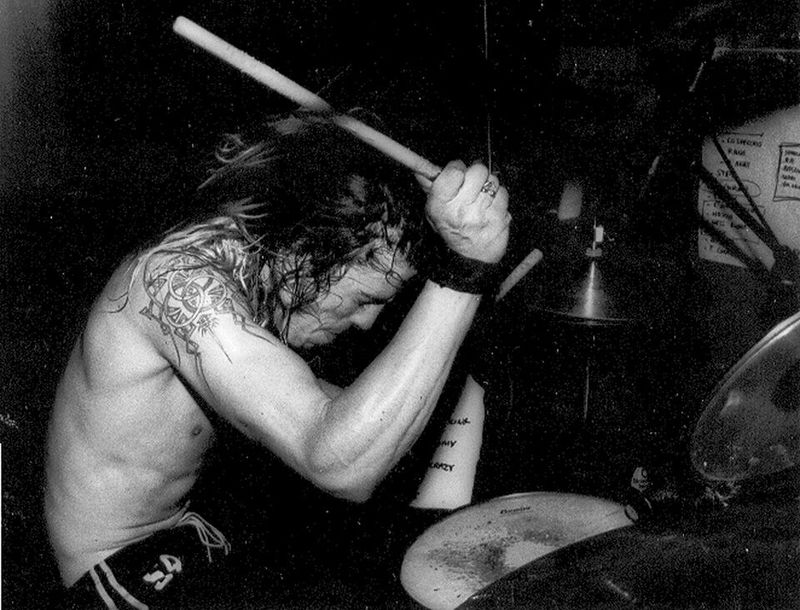
Dave Grohl was 22 years old when he walked into Sound City Studios in Van Nuys, California, and recorded what would become the soundtrack to a generational shift. The fill leading into the first chorus of “Smells Like Teen Spirit” is not technically complex, but it carries a raw, forward-moving force that few fills have matched.
Grohl plays with a combination of full-arm power and loose, almost reckless timing that suited the grunge aesthetic perfectly. The fill acts as a signal, telling the listener that the song is about to change gears completely.
When the single dropped in September 1991, alternative rock crossed into mainstream radio in a way it never had before. Grohl’s drumming on that record set a new standard for how rock drummers could balance aggression with groove.
3. Tom Sawyer – Rush (1981)
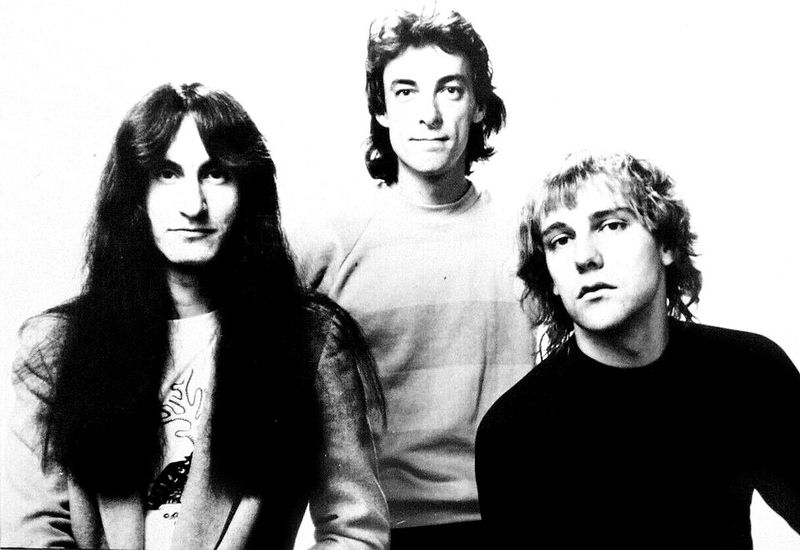
Neil Peart joined Rush in 1974 and spent the next several years building one of the most technically demanding drum setups in rock. By the time “Tom Sawyer” was recorded for the “Moving Pictures” album in 1981, his approach to fills had become compositional rather than decorative.
The polyrhythmic fill around the 2:35 mark is the most studied passage on the track. Peart shifts between time signatures mid-fill without losing the pulse, a move that required listeners to recalibrate their sense of where the beat was landing.
Drum instructors began using “Tom Sawyer” as a teaching tool almost immediately after its release. The song demonstrated that fills could carry structural weight inside a composition rather than simply marking transitions between sections.
4. Rosanna – Toto (1982)
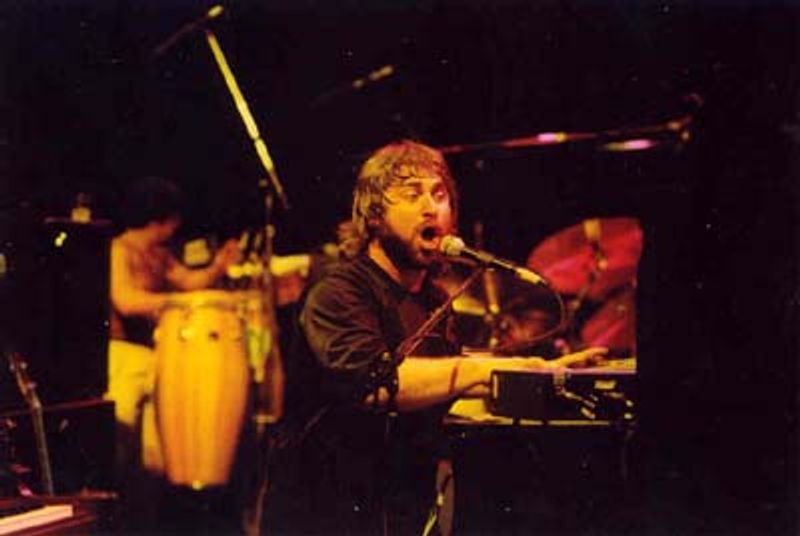
Jeff Porcaro was already one of the most sought-after session drummers in Los Angeles when Toto recorded “Rosanna” in 1982. His fills throughout the song are built on what became known as the “Rosanna Shuffle,” a half-time feel groove that combined elements of swing and straight rock.
The fills Porcaro places between sections are precise without sounding mechanical. Each transition reinforces the song’s momentum while leaving space for the melody to breathe, a balance that many drummers spend entire careers trying to find.
Music schools began including Porcaro’s work on “Rosanna” in their curricula within years of the album’s release. The performance earned a Grammy for Best Pop Performance by a Duo or Group with Vocal in 1983 and remains a benchmark for studio drumming craft.
5. Good Times Bad Times – Led Zeppelin (1969)
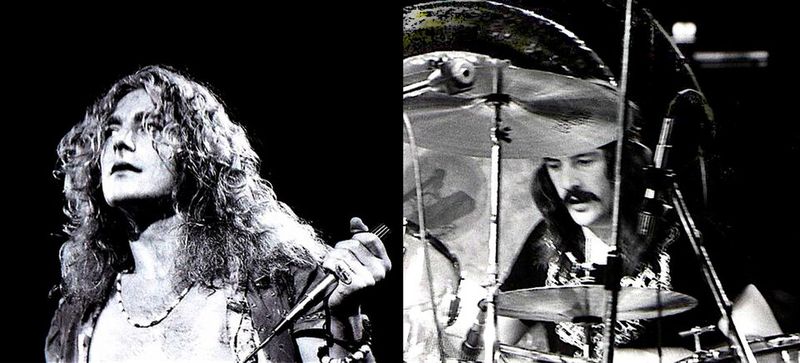
Led Zeppelin’s debut album arrived in January 1969, and the opening track announced a new kind of rock drummer. John Bonham was 21 years old, and his bass drum work on “Good Times Bad Times” was unlike anything mainstream rock audiences had heard on a studio recording.
The rapid-fire triplet pattern Bonham plays on the bass drum during the fills was typically reserved for jazz or orchestral percussion. Applying it to hard rock gave the song a momentum that felt almost mechanical in its precision yet completely alive in its feel.
Guitar-focused rock had dominated the 1960s, but Bonham’s performance shifted attention to what a drummer could do as a lead voice. Hard rock and heavy metal drummers in the 1970s and beyond consistently cited this track as a turning point in how they approached the instrument.
6. Won’t Get Fooled Again – The Who (1971)
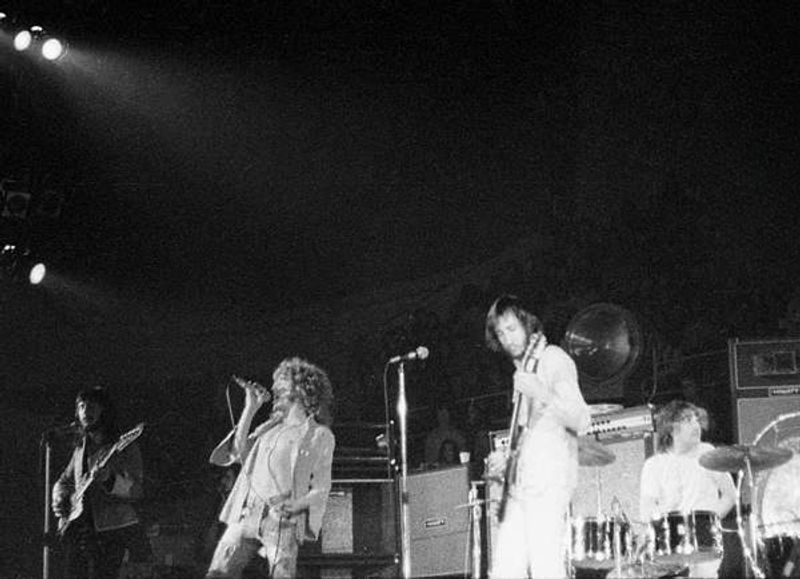
Keith Moon approached drumming as a full-contact sport. On “Won’t Get Fooled Again,” recorded for “Who’s Next” in 1971, his fills are not ornamental; they are structural forces that hold together a song built around synthesizer loops and Roger Daltrey’s vocal performance.
The fill that begins at approximately the 7:31 mark in the extended version is particularly studied. Moon moves across his entire kit in rapid succession, building tension before the song resolves into its final section and Daltrey’s iconic scream.
Moon’s style rejected the idea that fills should be economical. He treated every transition as a chance to say something new, and that philosophy influenced generations of rock drummers who wanted more than timekeeping from their instrument.
His approach remains one of the most imitated and least successfully copied in rock history.
7. Aja – Steely Dan (1977)
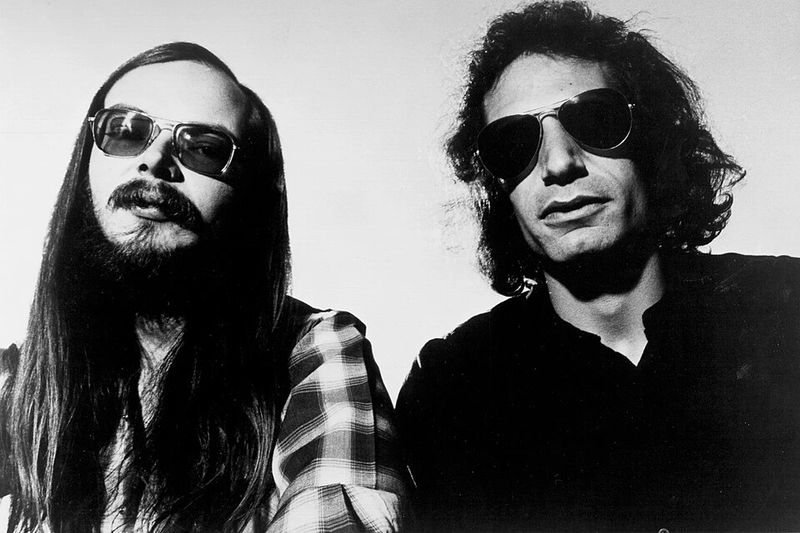
Steely Dan was known for hiring the best session musicians available, and for the title track of “Aja” in 1977, they brought in Steve Gadd. The drum solo and fills Gadd plays across the song’s seven-minute runtime are consistently ranked among the most sophisticated ever committed to tape.
Gadd’s phrasing is rooted in jazz and military snare technique, and he applies both to a rock context without making the track feel academic or cold. His fills respond to the music around them rather than imposing a fixed pattern.
“Aja” won the Grammy for Best Engineered Recording in 1978, and Gadd’s contribution was central to that distinction. Drummers who study his performance often note that his fills feel inevitable, as though no other choice would have fit the song as naturally.
8. Hot for Teacher – Van Halen (1984)
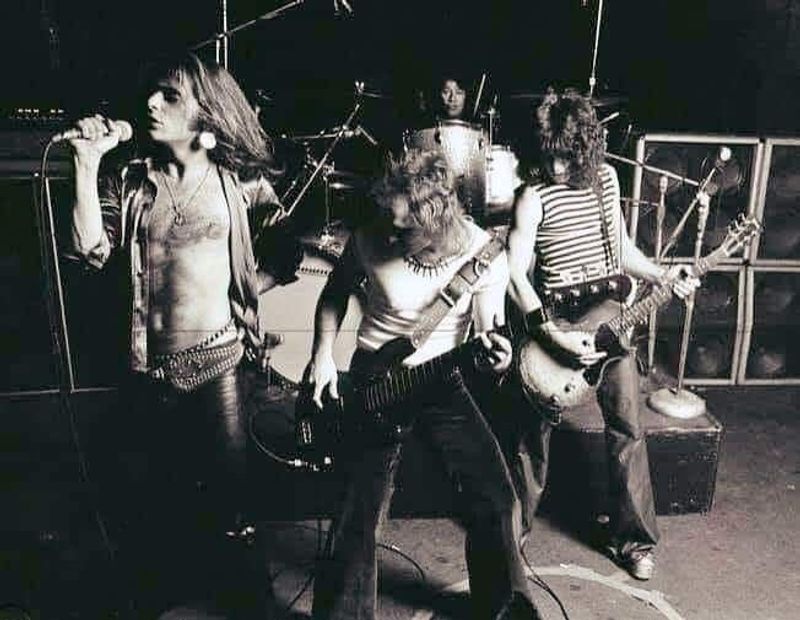
The opening of “Hot for Teacher” does not build gradually; it announces itself immediately. Alex Van Halen launches into a series of lightning-fast fills before the guitar even enters, setting an expectation for the entire song that the rest of the band has to match.
Recorded for Van Halen’s “1984” album, the track showcased Alex’s ability to play at high speed without sacrificing clarity. Each stroke lands where it should, even at tempos that pushed the limits of what most drummers could execute cleanly.
Arena rock in the mid-1980s placed a premium on spectacle, and Alex Van Halen delivered both technically and visually. His performance on “Hot for Teacher” raised the bar for showmanship in rock drumming and influenced a wave of drummers who grew up watching Van Halen fill stadiums throughout the decade.
9. Back in Black – AC/DC (1980)
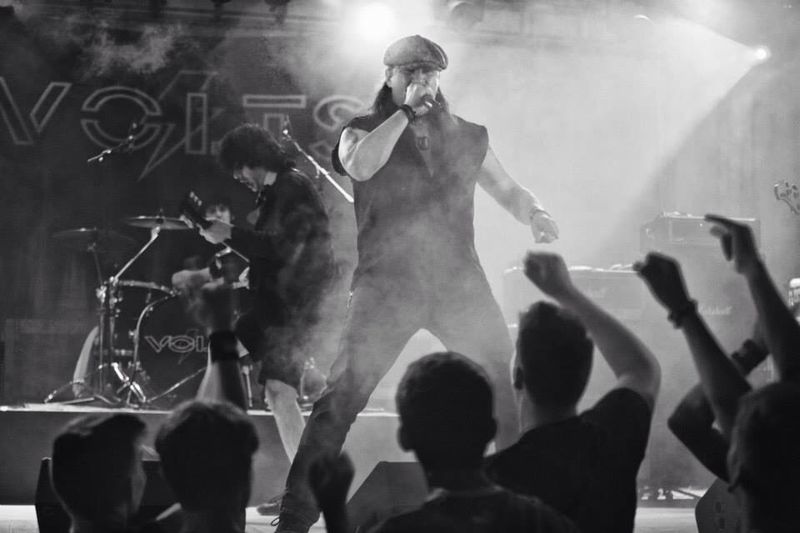
Restraint is one of the hardest things to teach a drummer, and Phil Rudd makes it look effortless. The fill that opens “Back in Black” consists of just a few strokes, but its placement and timing are so precise that the moment has become one of the most recognizable in rock history.
Recorded in the Bahamas at Compass Point Studios in 1980, the track was AC/DC’s first with vocalist Brian Johnson. Rudd’s approach throughout the album favors simplicity and groove over complexity, and “Back in Black” captures that philosophy at its peak.
10. Sunday Bloody Sunday – U2 (1983)
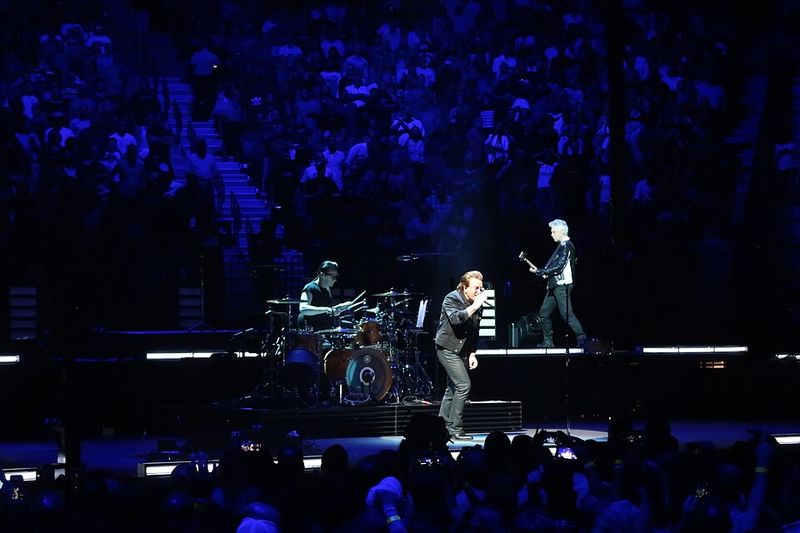
Larry Mullen Jr. wrote the drum part for “Sunday Bloody Sunday” before the rest of U2 had finished building the song around it. The military-style snare pattern that opens the track immediately establishes a tone of urgency and discipline that carries through the entire performance.
Mullen’s fills throughout the song are tight and deliberate, avoiding the flamboyance common in early 1980s rock production. Each transition reinforces the song’s forward drive without pulling focus from Bono’s vocal or the Edge’s guitar work.
11. My Generation – The Who (1965)
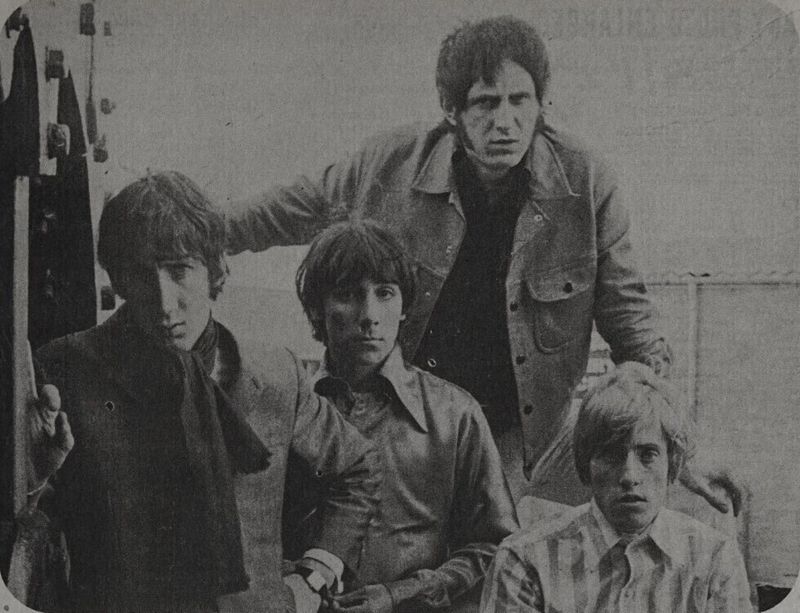
Keith Moon was 19 years old when The Who recorded “My Generation” in 1965, and his drumming on that track bore almost no resemblance to what other British Invasion bands were putting on record. While most drummers of the era kept fills brief and functional, Moon scattered them throughout the song with deliberate unpredictability.
His approach broke from the verse-chorus structure that governed most pop drumming at the time. Fills appeared where listeners did not expect them, turning the rhythm section into something closer to a lead instrument.
12. When the Levee Breaks – Led Zeppelin (1971)
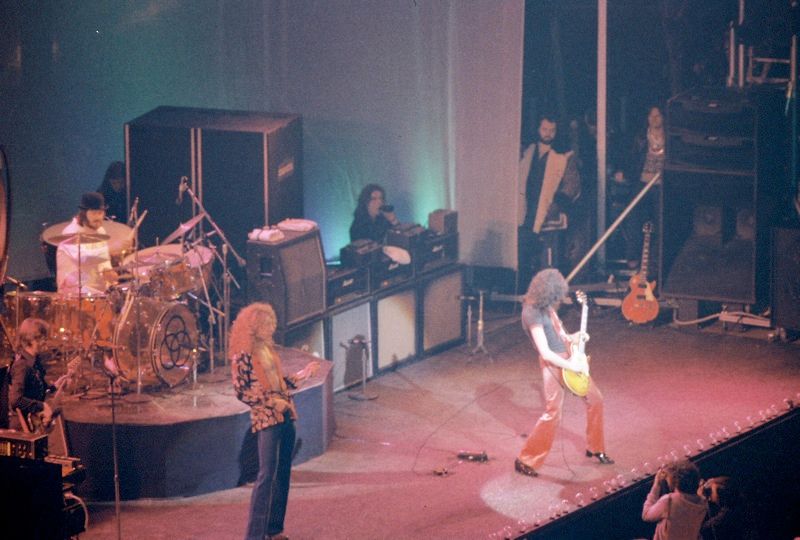
The drum sound on “When the Levee Breaks” was not created in a conventional recording booth. John Bonham set up his kit at the bottom of a stairwell at Headley Grange, a country house in Hampshire, England, and engineer Andy Johns placed microphones at the top of the staircase to capture the natural room sound.
The result was a massive, slow-rolling tone that made Bonham’s fills sound larger than anything previously recorded in rock. The track has been sampled extensively across hip-hop, electronic, and rock productions since the 1980s.
Producers including Rick Rubin and the Beastie Boys have referenced the drum sound as a benchmark for recorded percussion. The fills Bonham plays throughout the track are deliberate and unhurried, which makes their weight feel even more pronounced against the slow tempo.
13. 50 Ways to Leave Your Lover – Paul Simon (1975)
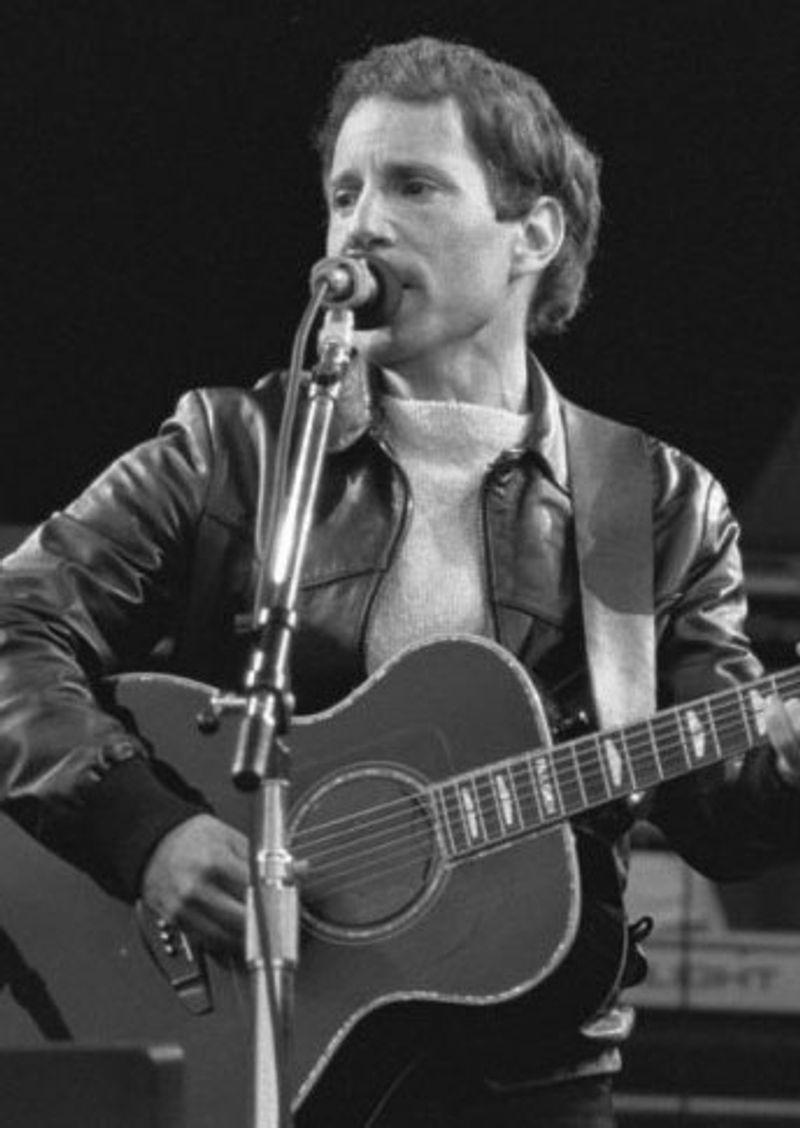
Paul Simon brought Steve Gadd into the studio for “50 Ways to Leave Your Lover” and gave him significant creative latitude over the drum arrangement. What Gadd produced was a military-style groove built around a complex snare pattern that opened the track and carried it from start to finish.
The fills Gadd inserts between sections are subtle but technically demanding. They maintain the song’s unusual rhythmic feel without disrupting the pop accessibility that made the track a commercial success, reaching number one on the Billboard Hot 100 in February 1976.
Drummers who transcribe the performance often find details they missed on earlier listens, a sign of how much Gadd packed into what sounds like a straightforward groove.
14. Painkiller – Judas Priest (1990)
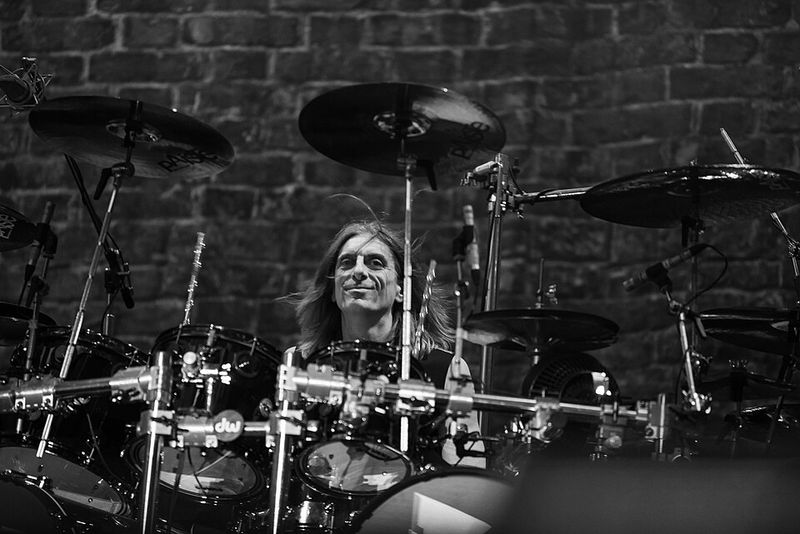
Scott Travis joined Judas Priest in 1989, replacing Dave Holland, and his first major recorded contribution to the band was the title track of the “Painkiller” album. The song opens with a solo drum passage that runs for nearly 20 seconds before the guitars enter, an unusual structural choice that placed the drums front and center from the first moment.
Travis plays double bass at a speed and consistency that set a new benchmark for heavy metal drumming in 1990. The fills he executes during the solo passage are not random bursts of activity; they follow a logical progression that builds intensity without losing rhythmic coherence.
“Painkiller” is frequently cited as one of the finest heavy metal albums of its era, and Travis’s drumming was a central reason critics responded so strongly.
15. YYZ – Rush (1981)
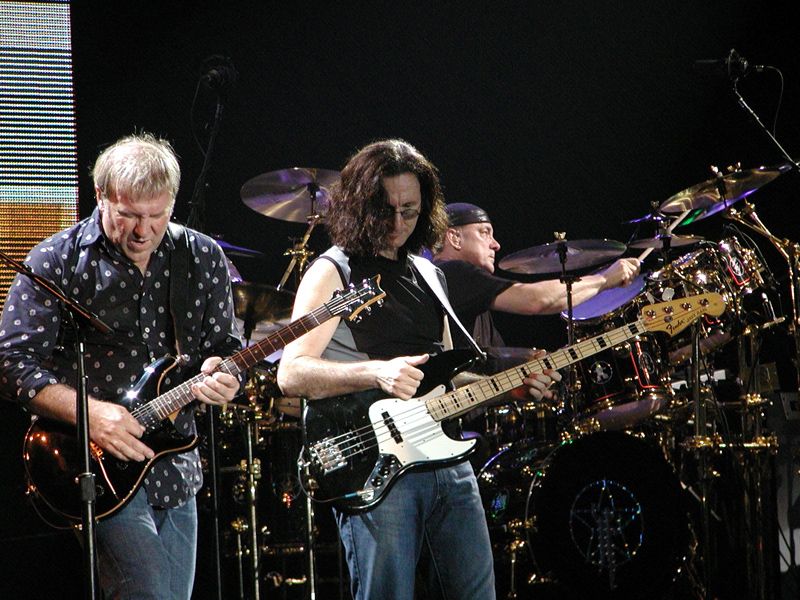
“YYZ” is the airport code for Toronto Pearson International Airport, and Rush encoded the letters in Morse code to create the rhythmic signature that opens the track. Neil Peart then built an instrumental showcase around that signature, filling the song with some of the most intricate drum passages on the “Moving Pictures” album.
The fills throughout “YYZ” shift between time signatures with a fluency that makes the technical difficulty easy to miss on a casual listen. Peart treats each fill as a compositional element, not a display of speed for its own sake.
16. A Day in the Life – The Beatles (1967)
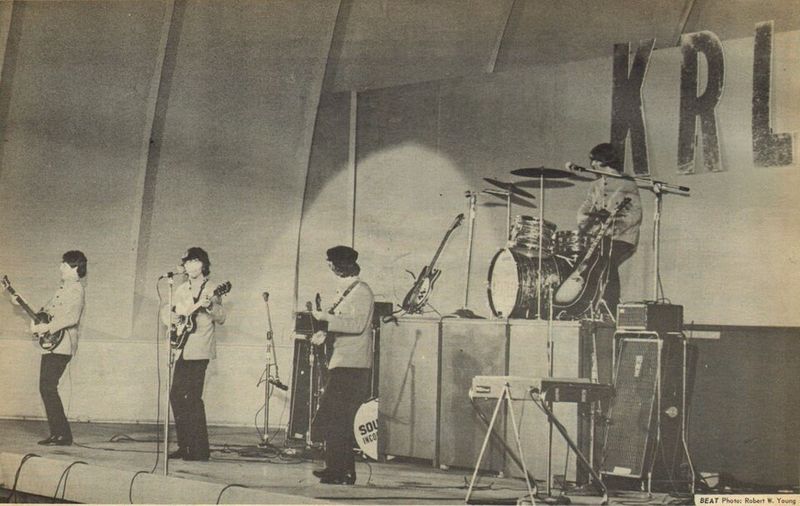
“A Day in the Life” closes “Sgt. Pepper’s Lonely Hearts Club Band,” and Ringo Starr’s drumming across its five-minute runtime is a study in how restraint shapes a recording.
Rather than filling every available space, Starr chooses his moments carefully, each transition serving the song’s dramatic architecture.
The fills he plays as the song moves between John Lennon’s verses and Paul McCartney’s middle section are economical and perfectly timed. Producer George Martin’s orchestral arrangements surround Starr’s kit, and his fills navigate those arrangements without competing with them.
17. Fool in the Rain – Led Zeppelin (1979)
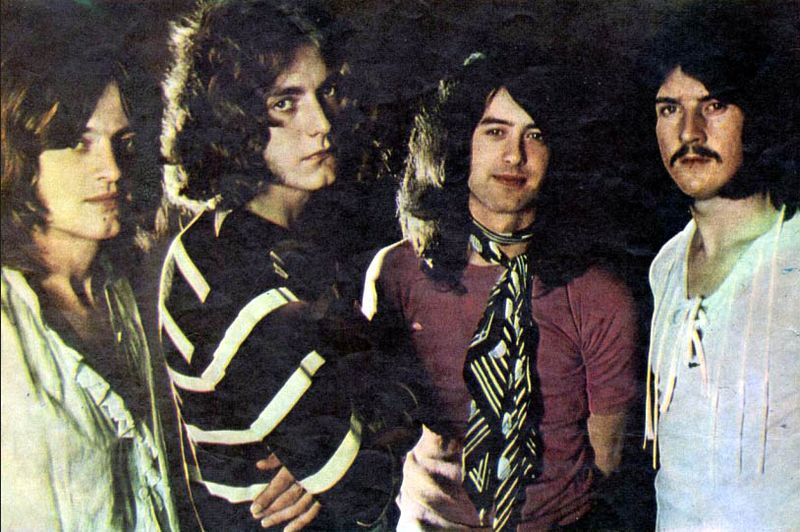
By 1979, John Bonham had already cemented his reputation as the most influential drummer in rock. “Fool in the Rain,” from Led Zeppelin’s “In Through the Out Door” album, showed a different dimension of his playing, one built around a sophisticated half-time shuffle that required precise coordination between his hands and feet.
The fills Bonham places throughout the track complement the song’s Latin percussion section and its more conventional rock passages with equal comfort. He moves between rhythmic feels without signaling the transition, which gives the song an organic quality that is difficult to replicate.
Share this story