Most people can name the lead singer or guitarist of their favorite band, but the drummer? That name usually stays a mystery.
Yet drummers are the engine behind nearly every great recording, and some of the most influential ones never received the credit they deserved. From the session studios of 1960s Los Angeles to the funky clubs of New Orleans, these rhythm architects quietly built the foundation of modern music.
The 15 drummers featured here changed how beats were played, recorded, and heard across pop, rock, jazz, soul, and hip-hop. Their stories are worth knowing, and their contributions are long overdue for recognition.
1. Hal Blaine
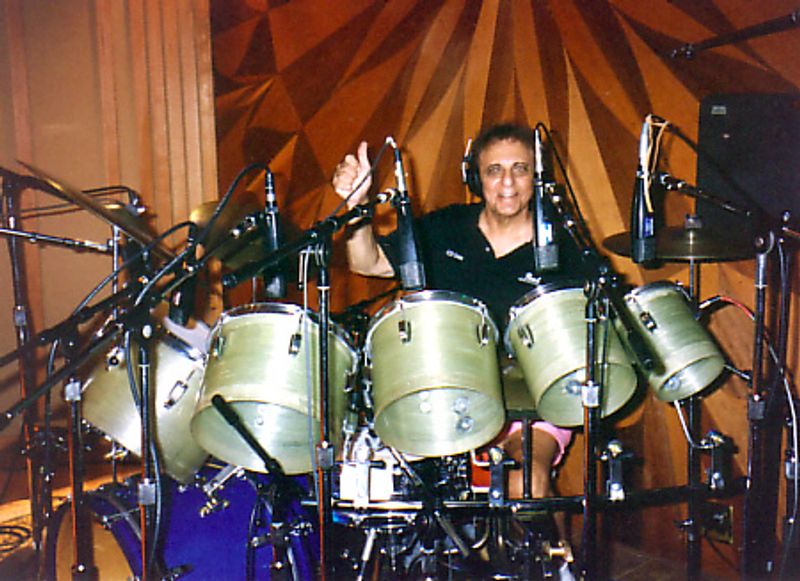
Somewhere behind every massive pop hit of the 1960s, one man was sitting at the drum kit. Hal Blaine was the most-recorded session musician in history, appearing on an estimated 35,000 to 40,000 recordings between the 1950s and 1980s.
As a core member of the Wrecking Crew, he played on records for The Beach Boys, Simon and Garfunkel, The Mamas and the Papas, and Frank Sinatra. That iconic drum intro on “Be My Baby” by The Ronettes?
That was Blaine.
His ability to adapt to any style made him indispensable in the studio era of American pop music.
2. Jim Keltner
Among professional musicians, Jim Keltner’s name carries enormous weight. He became one of the most requested session drummers of the 1970s and 1980s, working alongside Bob Dylan, George Harrison, John Lennon, Ry Cooder, and Randy Newman.
What set Keltner apart was his restraint. He played exactly what each song needed, never overwhelming the track with unnecessary fills or flashy technique.
That philosophy earned him deep respect in the industry.
His collaborations spanned genres from rock to country to folk, and his steady presence on so many landmark albums makes him one of the most quietly important drummers of his generation.
3. Earl Palmer
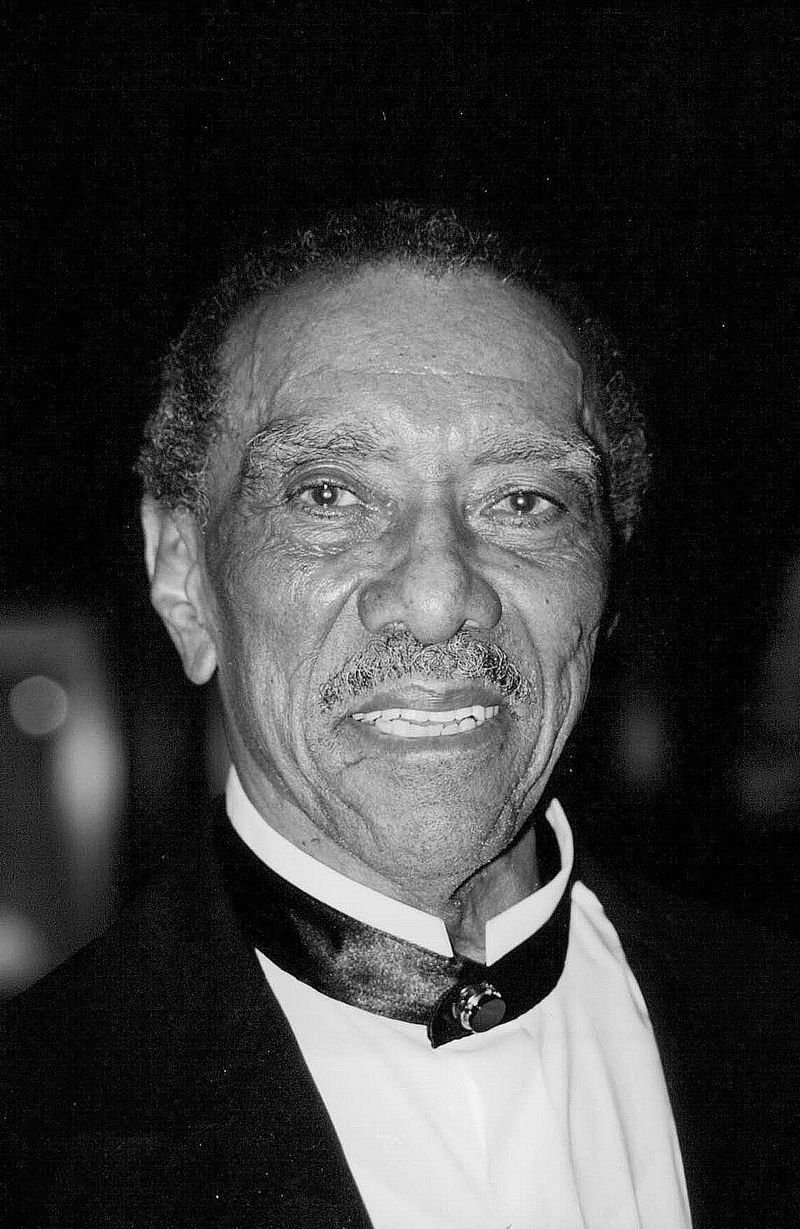
Before rock and roll had a rulebook, Earl Palmer was already writing it. Working out of New Orleans in the early 1950s, Palmer played on foundational recordings for Little Richard, Fats Domino, and Lloyd Price that would define the genre’s rhythmic DNA.
His innovation of applying jazz shuffle patterns to a backbeat helped transform rhythm and blues into something louder, faster, and more electrifying. He later moved to Los Angeles and became one of the busiest session drummers in the country.
Historians frequently credit him as one of the first true rock and roll drummers, even if his name rarely appears in mainstream accounts.
4. Bernard Purdie
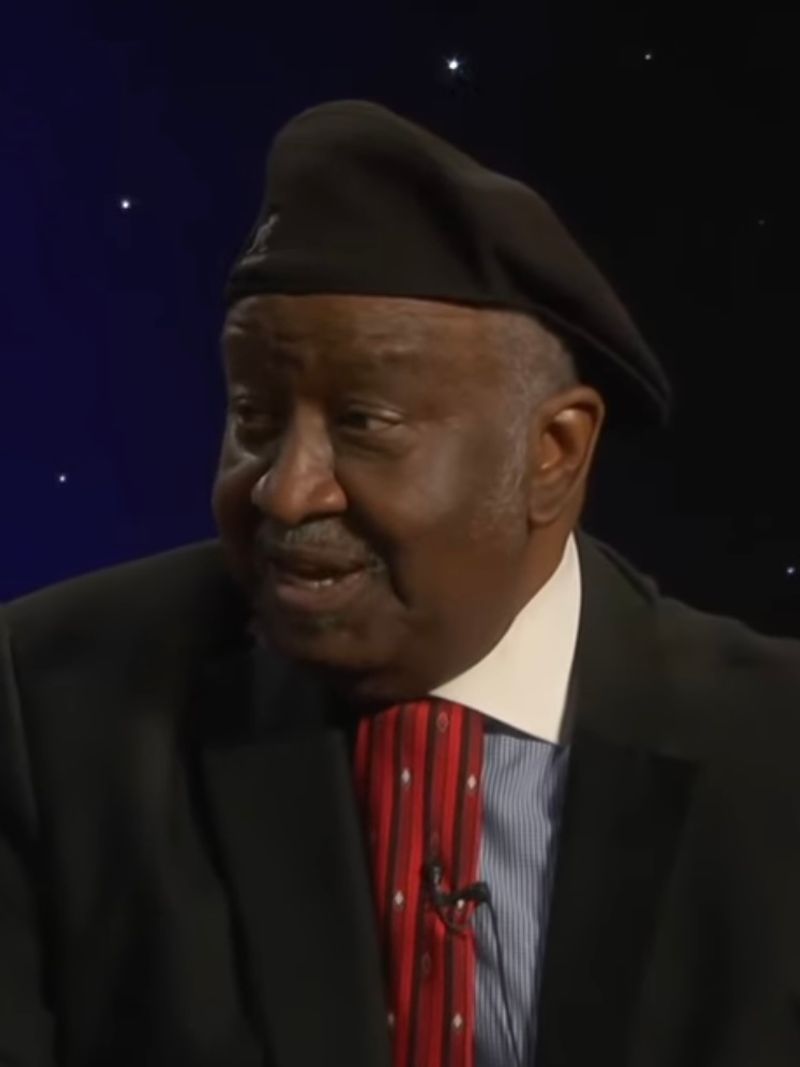
The Purdie Shuffle is one of the most studied and imitated drum patterns in music history, and Bernard Purdie invented it. Built on a half-time feel with a swinging ghost note pattern, it became a cornerstone of soul, funk, and R&B production.
Purdie played on hundreds of recordings across his career, contributing to albums by Aretha Franklin, Steely Dan, and James Brown. His groove was so distinctive that even non-drummers could feel the difference when he was behind the kit.
Producers actively sought him out because his playing elevated the material around him without drawing attention away from the song itself.
5. Al Jackson Jr.
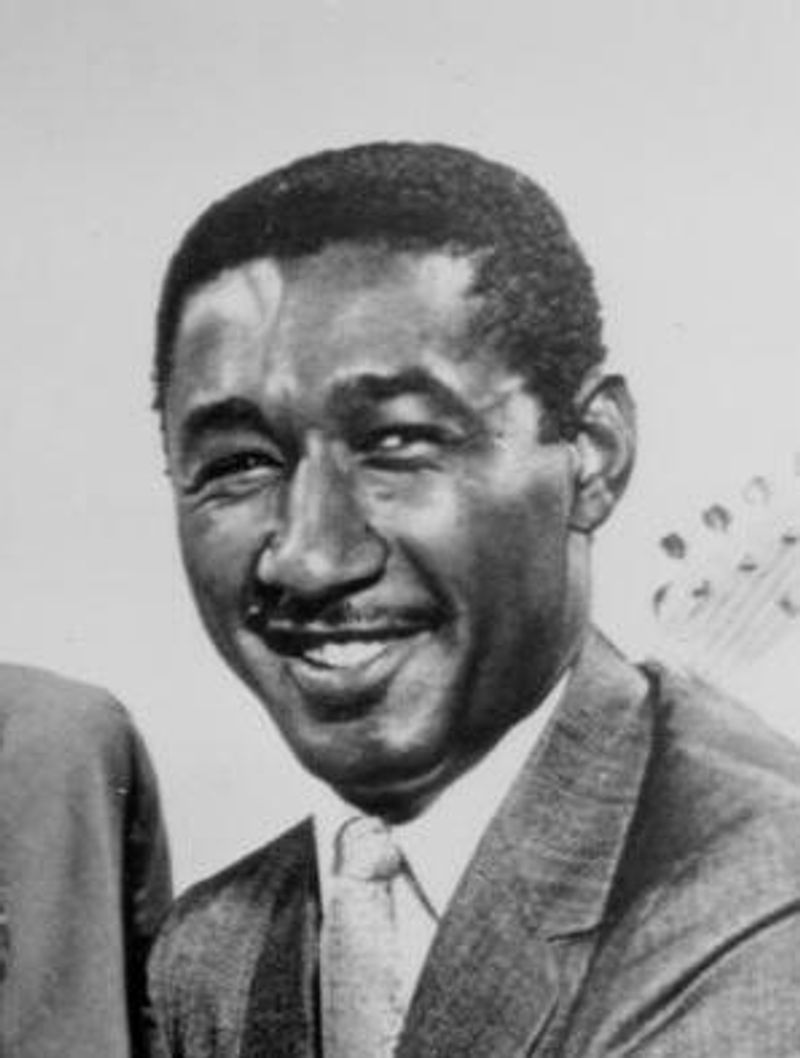
Precision was Al Jackson Jr.’s defining quality, and Stax Records built an entire sonic identity around it. As the house drummer for the legendary Memphis label, he anchored recordings for Otis Redding, Sam and Dave, and Booker T. and the M.G.’s throughout the 1960s.
Where other drummers leaned into volume and aggression, Jackson chose control. His playing was tight, minimal, and perfectly placed, giving Southern soul its signature feeling of tension and release.
Fellow musicians consistently described his timekeeping as almost mechanical in its accuracy. His influence on groove-based drumming extended far beyond Memphis and continues to shape how session drummers approach restraint today.
6. Clyde Stubblefield
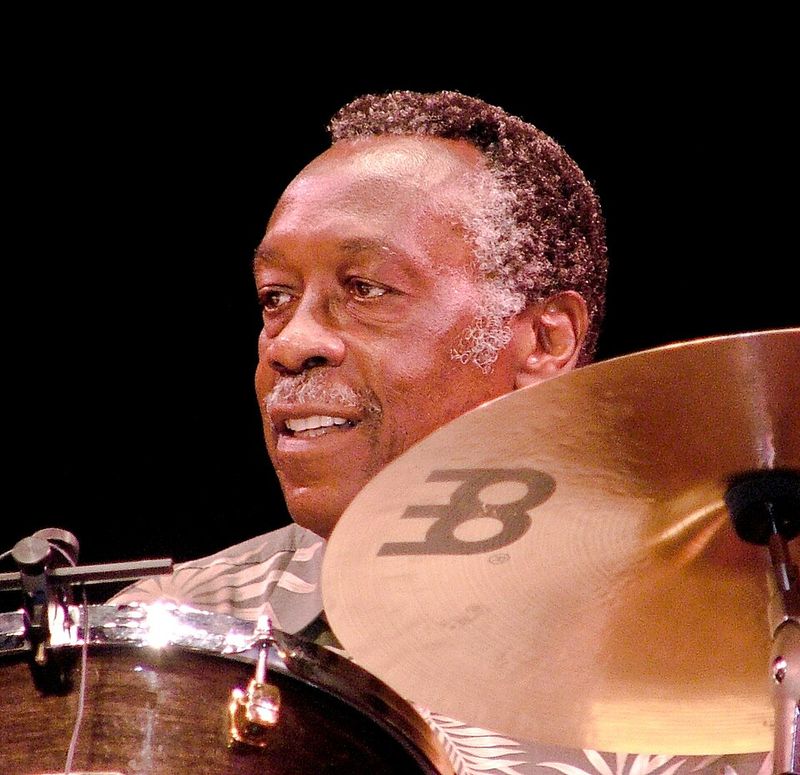
One drum break recorded in 1970 became the rhythmic backbone of an entirely different genre decades later. Clyde Stubblefield’s performance on James Brown’s “Funky Drummer” has been sampled over 1,300 times, appearing in recordings by Public Enemy, Run-DMC, LL Cool J, and hundreds of other hip-hop artists.
Stubblefield played with James Brown throughout the late 1960s and developed a groove style that felt simultaneously loose and locked-in. That combination was extremely difficult to replicate, which is why producers kept reaching for the original recording.
Despite creating one of the most used drum tracks in recorded music, Stubblefield spent much of his later life in relative obscurity, a fact that music historians have rightly called attention to.
7. Zigaboo Modeliste
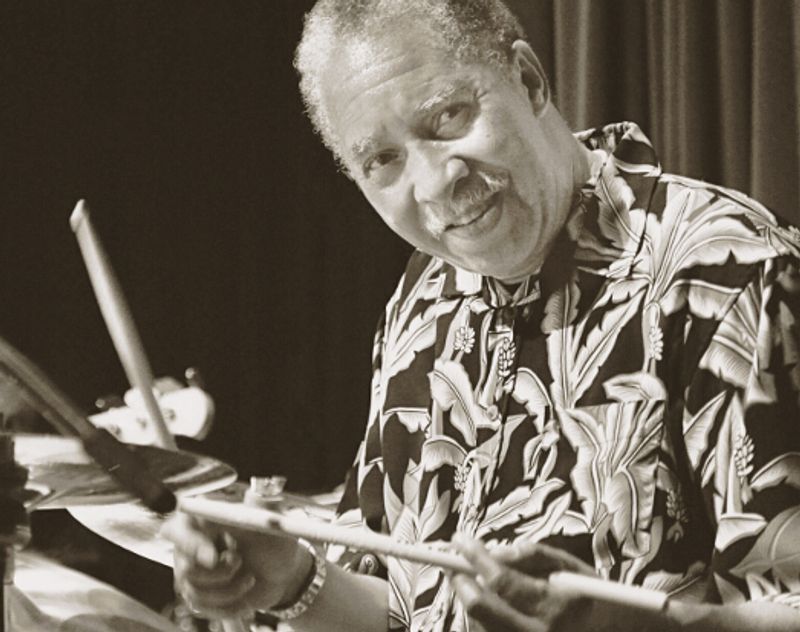
New Orleans has always had its own relationship with rhythm, and Zigaboo Modeliste captured that relationship better than almost anyone. As the drummer for The Meters from the late 1960s onward, he developed a syncopated, second-line-influenced style that became the template for New Orleans funk.
His grooves were unpredictable in the best possible way. Where the beat landed often surprised listeners, yet everything felt completely natural and musical.
That quality made his recordings endlessly replayable.
Artists including Dr. John, Robert Palmer, and Paul McCartney have drawn on The Meters’ rhythmic vocabulary. Modeliste’s drumming remains a serious area of study for any drummer interested in understanding funk at its deepest level.
8. Levon Helm
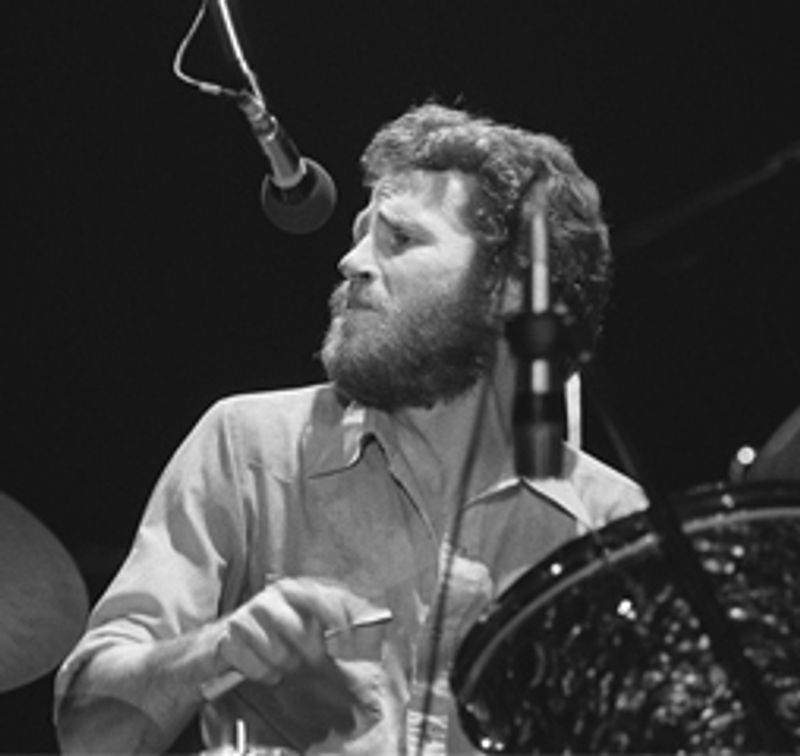
Playing drums while singing lead vocals is genuinely difficult, and Levon Helm made it look effortless. As the drummer and one of the primary vocalists for The Band, he brought a roots-music sensibility to rock drumming that stood in sharp contrast to the flashier styles popular in the late 1960s.
His playing drew from country, gospel, and old-time Southern music, resulting in a feel that was earthy and song-centered rather than technically showy. Tracks like “The Weight” and “Up on Cripple Creek” showcased how his drumming and singing worked as a single unified expression.
Rock musicians across multiple generations have pointed to Helm as proof that serving the song is the highest form of drumming.
9. Kenny Clarke
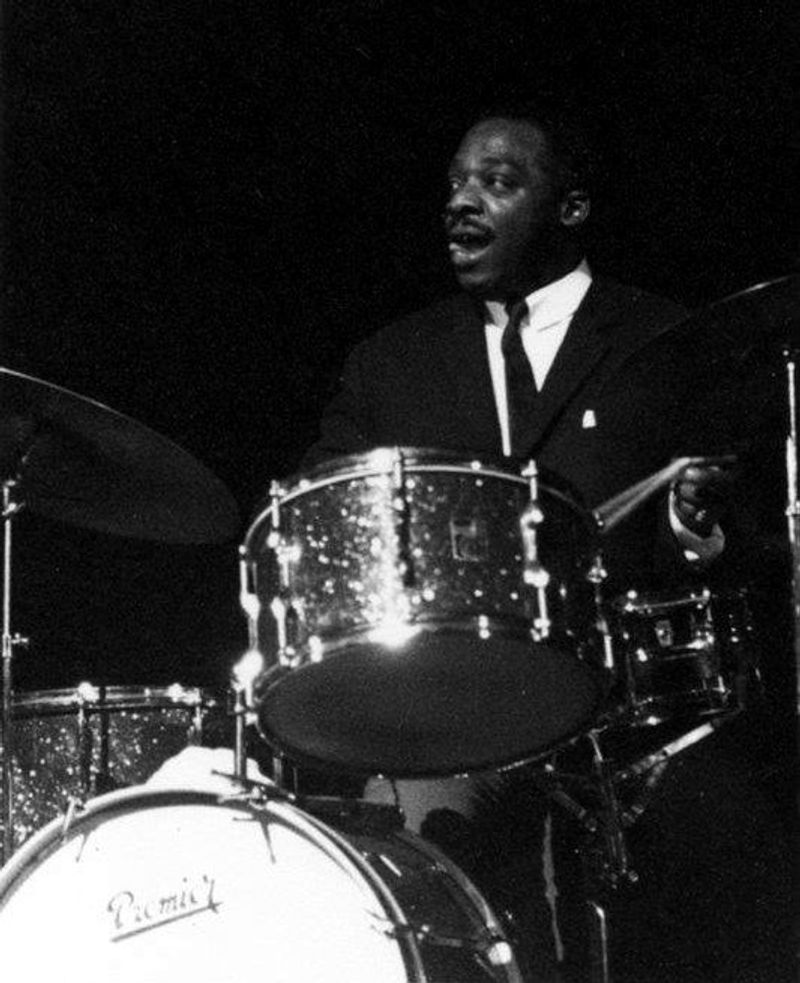
Jazz drumming before Kenny Clarke looked very different from what it became after him. Clarke was one of the architects of bebop in the early 1940s, and his most significant contribution was moving the primary timekeeping role from the bass drum to the ride cymbal.
That shift gave jazz a more open, fluid rhythmic foundation and allowed for far greater interaction between musicians. The bass drum became a tool for accents rather than steady beats, transforming how the entire rhythm section functioned.
Clarke co-led the Kenny Clarke-Francy Boland Big Band in Europe for many years and remained an active performer well into the 1970s. His structural innovations are still the starting point for anyone studying jazz drumming today.
10. Joe Morello
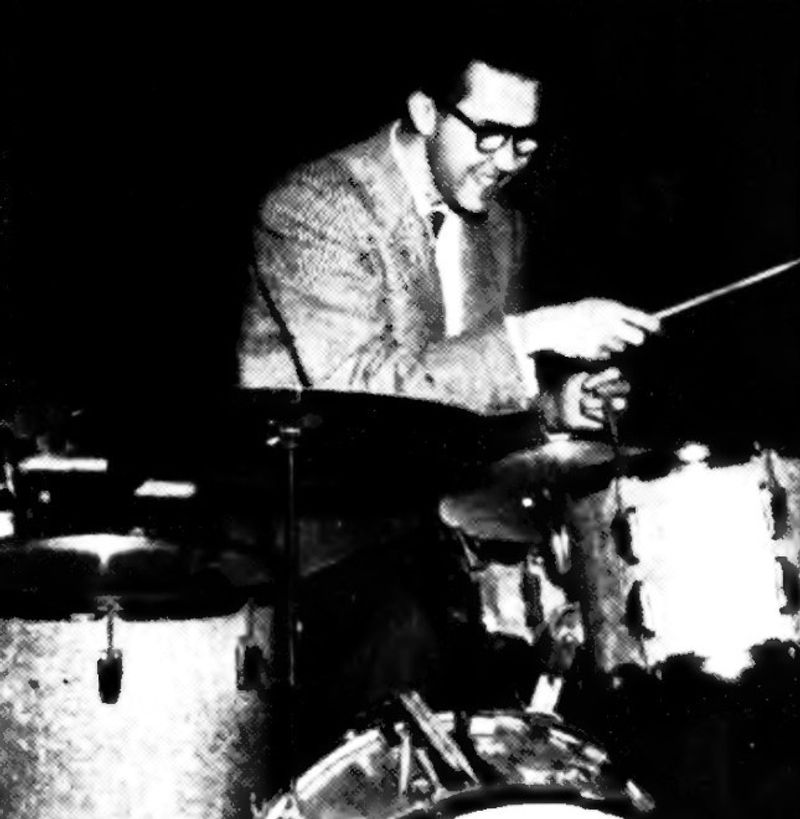
Most pop and rock music uses 4/4 time, which makes it immediately familiar to most listeners. Joe Morello helped prove that odd time signatures could be just as accessible and even commercially successful.
His work with the Dave Brubeck Quartet, particularly on the 1959 album “Time Out,” brought unusual meters like 5/4 and 9/8 to mainstream audiences. “Take Five,” recorded in 5/4, became one of the best-selling jazz singles of all time, and Morello’s drumming was central to its appeal.
Beyond his work with Brubeck, Morello was a dedicated educator whose instructional books influenced thousands of drummers. His technical precision was widely considered among the finest in jazz history.
11. Steve Gadd
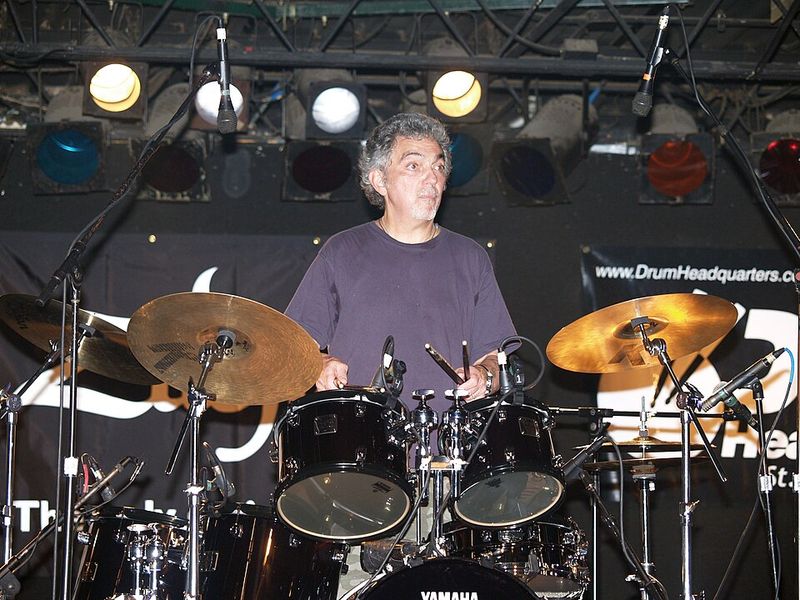
Studio musicians rarely become legends outside of professional circles, but Steve Gadd is a genuine exception. His groove on Paul Simon’s “50 Ways to Leave Your Lover” from 1975 is one of the most analyzed drum parts in recorded music, built on a military snare pattern that felt completely fresh in a pop context.
Gadd also played on Steely Dan’s “Aja,” widely considered one of the finest studio albums ever made, and contributed to recordings by Eric Clapton, Chick Corea, and James Taylor. His consistency across wildly different musical settings made him the gold standard for session drumming.
Fellow professionals frequently describe his playing as the benchmark against which other studio drummers measure themselves.
12. Mel Lewis
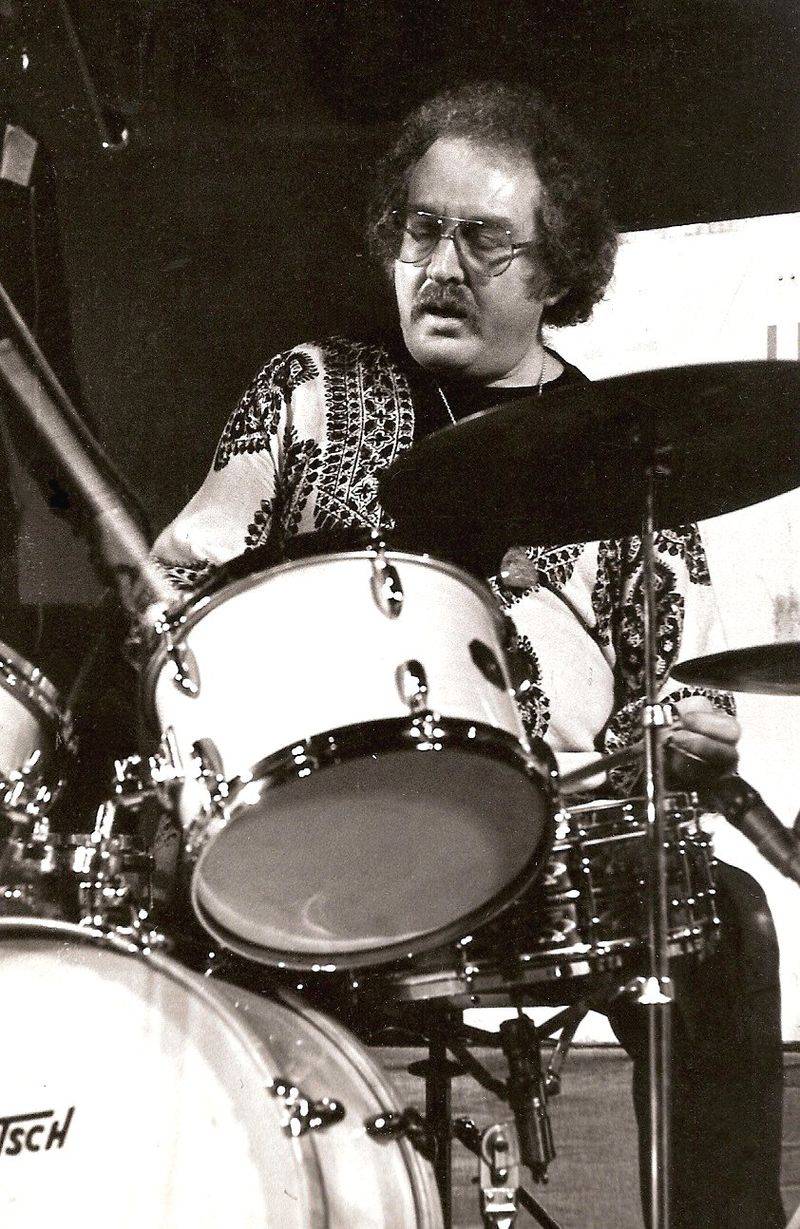
Big band drumming demands something different from a drummer than smaller jazz settings do. The challenge is to swing an entire orchestra without overpowering it, and Mel Lewis spent decades mastering that balance.
He co-founded the Thad Jones and Mel Lewis Orchestra in New York City in 1965, and the ensemble performed every Monday night at the Village Vanguard for years, becoming one of the most respected jazz institutions in the country. Lewis continued leading the band after Jones departed, eventually renaming it the Vanguard Jazz Orchestra.
His brushwork and ride cymbal technique were studied by jazz educators as models of how to support large groups without sacrificing groove. His legacy remains central to how big-band drumming is taught today.
13. Idris Muhammad
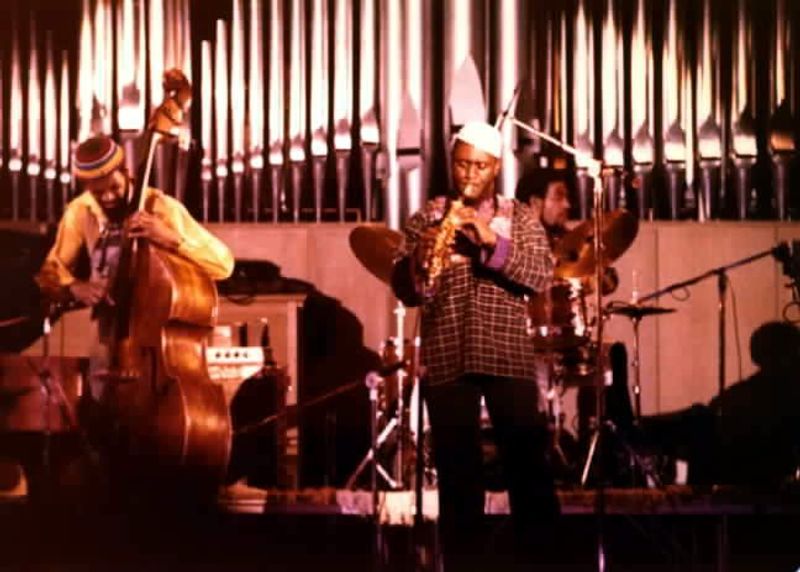
Born Leo Morris in New Orleans, Idris Muhammad built a career that bridged the gap between jazz tradition and modern funk with uncommon elegance. He played with Lou Donaldson, Pharoah Sanders, and Ahmad Jamal across a career spanning several decades.
His 1977 solo album “Power of Soul” became a favorite among record collectors and was sampled extensively in hip-hop, introducing his playing to a completely new generation of listeners who had never heard his name. That crossover between jazz and hip-hop culture became a recurring pattern in his posthumous reputation.
Muhammad’s drumming had a directness and physicality that felt simultaneously rooted in New Orleans tradition and completely contemporary, a combination that kept his recordings sounding fresh long after they were made.
14. Jeff Porcaro
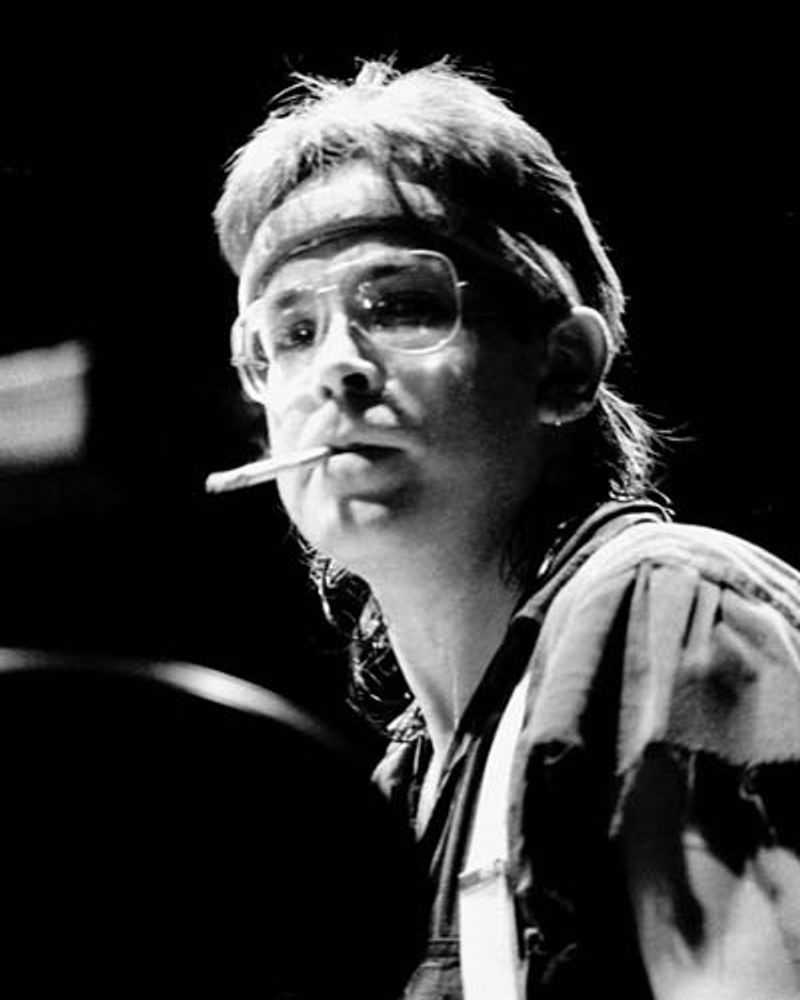
The half-time shuffle groove Jeff Porcaro played on Toto’s “Rosanna” in 1982 has been studied, transcribed, and debated by drummers ever since it was recorded. What made it so compelling was the combination of a swinging feel with precise ghost notes that gave the pattern an almost breathing quality.
Beyond Toto, Porcaro was one of the most active session drummers of his era, contributing to recordings by Steely Dan, Michael Jackson, Paul McCartney, and Boz Scaggs. His session credits spanned pop, rock, jazz, and R&B, demonstrating a versatility that few drummers could match.
Musicians who worked with him consistently described his preparation and professionalism as exceptional, qualities that made him a reliable presence on some of the most technically demanding recording projects of the 1980s.
15. Richie Hayward
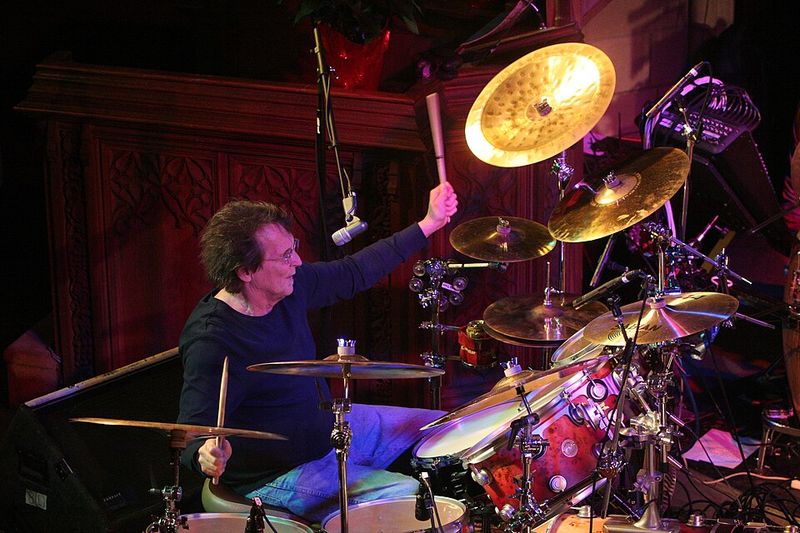
Few bands in rock history blended as many American musical traditions as Little Feat, and Richie Hayward was the drummer holding all of those influences together. His style drew from New Orleans second-line rhythms, funk, country, and rock simultaneously, creating something that defied easy categorization.
Hayward played with Little Feat from their formation in 1969 through most of their active years, and his drumming on albums like “Dixie Chicken” and “Feats Don’t Fail Me” became touchstones for musicians interested in roots-based American music.
Fellow drummers frequently cite his ability to shift between different rhythmic feels within a single song as a hallmark of his musicianship. His work quietly influenced the Americana and jam-band genres that emerged in the decades that followed.
Share this story