 Unearth The Voyage
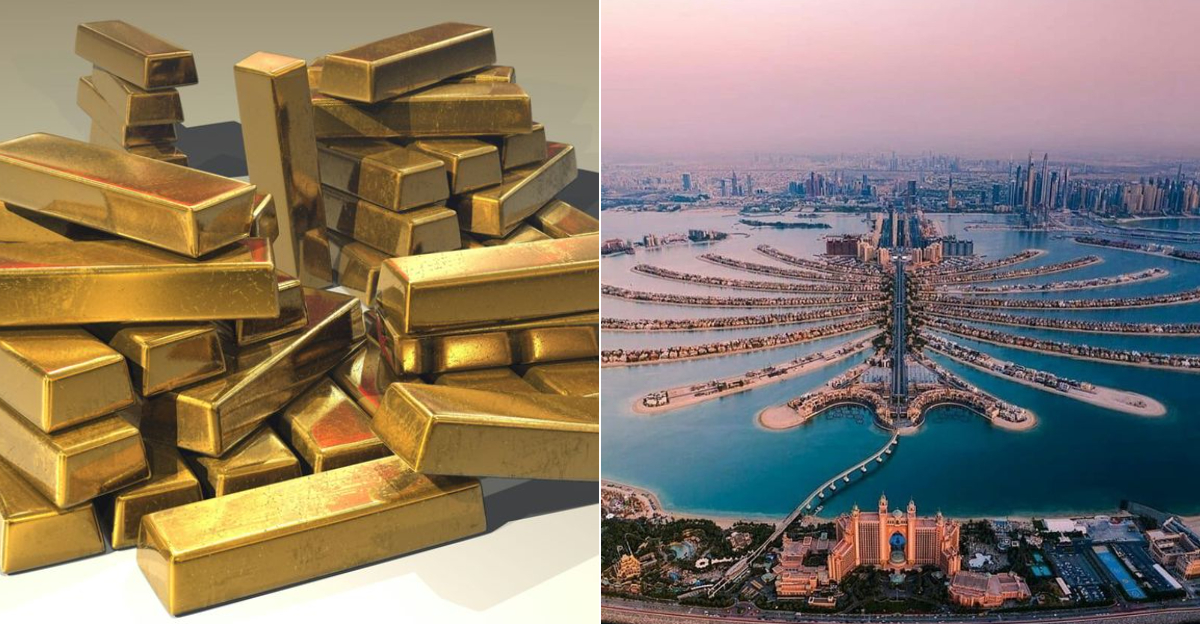
Dubai loves a headline, but this one hits different. A new project is set to turn an ordinary walk into something far more surreal, and people online can’t stop debating whether it’s brilliant, excessive, or both.
If you’ve ever watched Dubai unveil a bold new idea and thought, “Surely they won’t actually do it,” this is one of those moments. Officials say the plan is real, and it’s connected to a major new gold-focused district planned for the Deira area.
The twist is that the most important specifics are still being kept quiet, which only fuels the hype.
So what does “a street made with gold” really mean in practice? How much of it will be used, what will it look like, and how soon could visitors experience it for themselves?
Here’s what’s been confirmed so far, what’s still a mystery, and why this announcement is already dominating conversations worldwide.
1. It’s Officially Tied to the Dubai Gold District
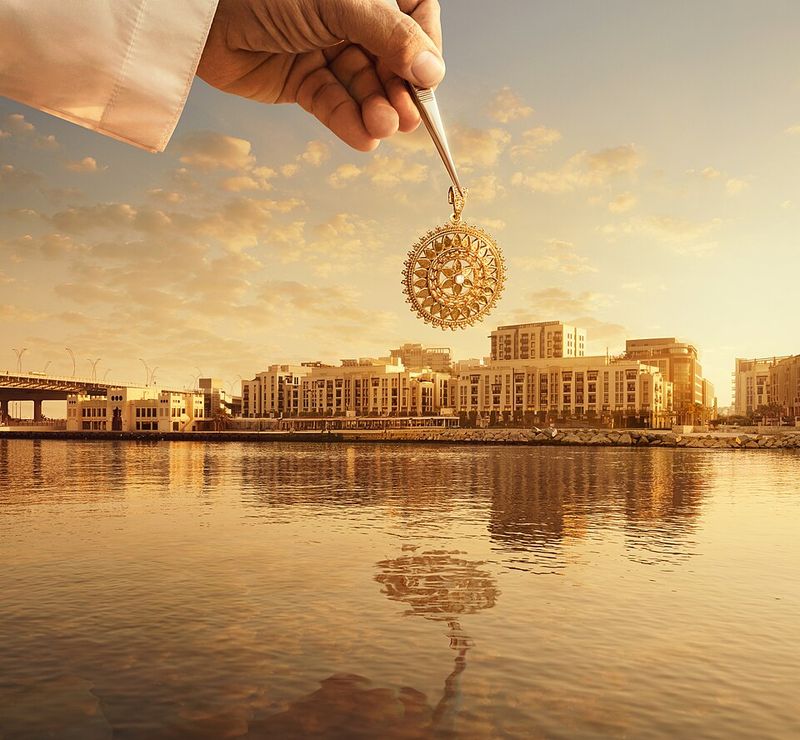
Gold Street isn’t some random Instagram-bait project that’ll disappear after the first sandstorm. It’s actually the centerpiece of a much bigger vision called the Dubai Gold District.
Think of it as the flagship attraction that ties together shopping, tourism, and the entire gold trade ecosystem into one glittering destination.
I visited Dubai’s Gold Souk last year, and even without a dedicated gold street, the place was already packed with tourists snapping photos and locals haggling over chains. Now imagine that energy amplified with an entire district built around it.
The goal is to create a complete experience where you can shop, stay in luxury hotels, grab dinner, and yes, walk on a street that somehow incorporates actual gold.
What makes this different from typical luxury projects is the focus on creating a functioning trade hub, not just a tourist trap. The district is meant to strengthen Dubai’s position as a global gold trading center while also giving visitors something they can’t experience anywhere else.
It’s ambitious, flashy, and very on-brand for a city that built the world’s tallest building just because it could.
2. The Location: Deira, Next to the Famous Gold Souk Area
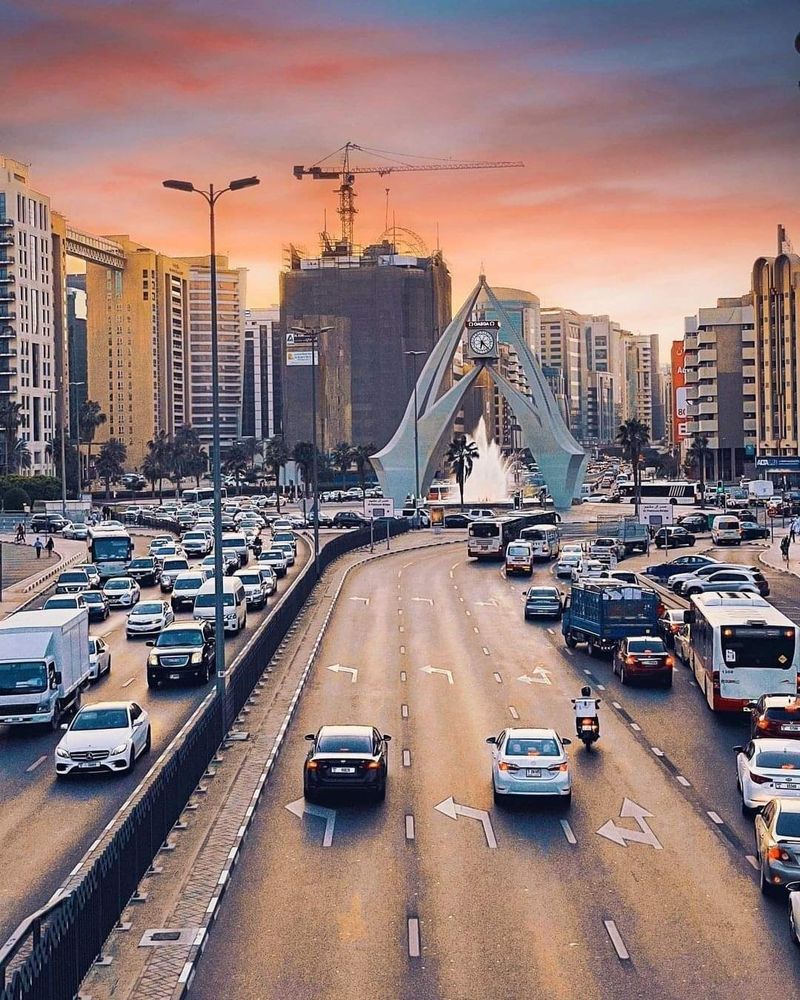
Deira isn’t some empty plot of desert where Dubai decided to start fresh. This is happening right next to the existing Gold Souk, which has been the city’s jewelry heartbeat for decades.
The area already gets massive foot traffic from tourists and serious buyers alike, so they’re basically doubling down on what already works.
Smart move, honestly. Instead of trying to convince people to trek out to a brand-new location, they’re enhancing an area that’s already synonymous with gold in the region.
The Gold Souk has hundreds of shops crammed into narrow alleys, and on any given day, you’ll see everyone from honeymooners picking out wedding bands to investors buying gold bars by the kilo.
The existing infrastructure means Gold Street won’t be starting from zero. There’s already hotels nearby, metro access, and a neighborhood that knows how to handle the specific needs of gold retail like security, storage, and international payment systems.
By building in Deira, they’re creating a mega gold destination rather than competing with their own established market. It’s expansion, not reinvention, which probably makes the whole thing more realistic than if they’d picked some random spot.
3. The Big Claim Is Constructed Using Gold
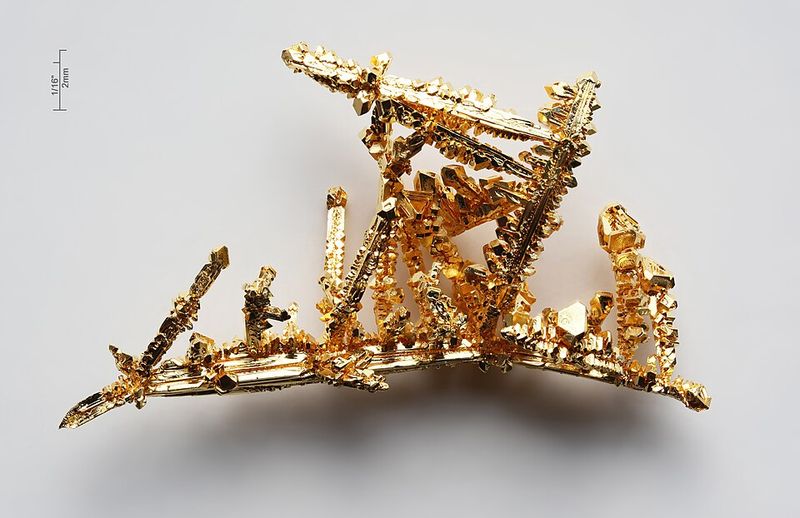
Here’s where things get interesting and also frustratingly vague. Dubai’s official language says Gold Street will be “constructed using gold,” but they haven’t released any engineering details yet.
That phrase could mean a million different things, from gold-plated tiles to actual gold inlays to decorative architectural elements that incorporate the metal.
The lack of specifics has everyone speculating wildly online. Some people imagine a solid gold pathway, which would be insane from both a cost and practicality standpoint.
Others figure it’ll be more like gold leaf or gold-infused materials mixed into the surface. The truth is probably somewhere in the middle, designed to look spectacular while still being functional enough to handle thousands of daily visitors.
What we do know is that Dubai loves a good reveal strategy. They’re planning to announce details in phases, which keeps the hype train rolling and gives them flexibility to adjust the plan as they go.
My guess? The gold will be visible and impressive enough to justify the name, but engineered in a way that’s durable and secure.
They’re not building this thing just to watch it get scuffed up in a month.
4. Nobody Has Confirmed How Much Gold Will Be Used
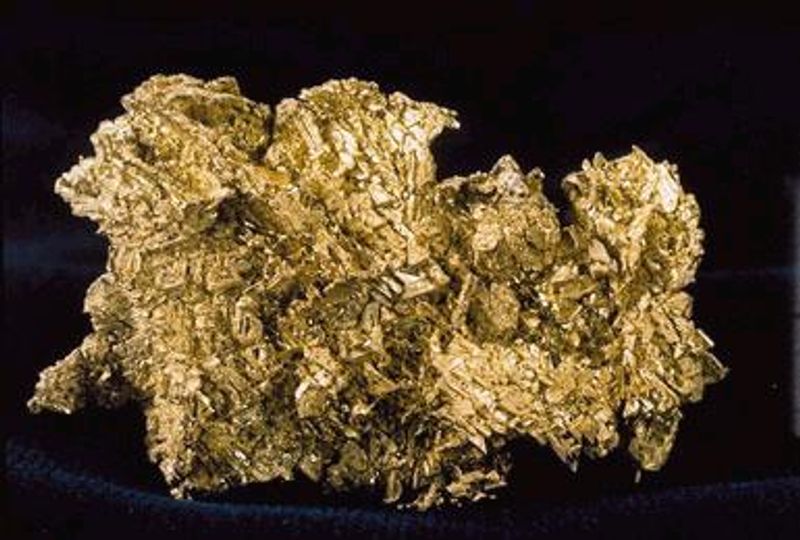
Want to know the number one question everyone’s asking? How much gold are we actually talking about here?
Tons? Kilos?
A thin layer spread over concrete? The answer is nobody outside the project team knows, because that number is still officially classified as a secret.
This is probably the smartest PR move they could make. By keeping the quantity under wraps, they maintain mystery and keep people talking.
Every news outlet and social media account is left to speculate, which generates way more buzz than just announcing a specific figure upfront. Plus, it gives them wiggle room if costs change or if they decide to adjust the design during construction.
If you see specific numbers floating around online claiming to know exactly how many kilograms or how many millions of dollars worth of gold will be used, treat that information with serious skepticism. Unless it’s coming from an official Dubai government source or a verified announcement from the developers, it’s just educated guessing at best and complete fabrication at worst.
The real number will probably blow our minds when they finally reveal it, which is exactly why they’re holding onto that card.
5. No Opening Date Has Been Officially Locked In Yet
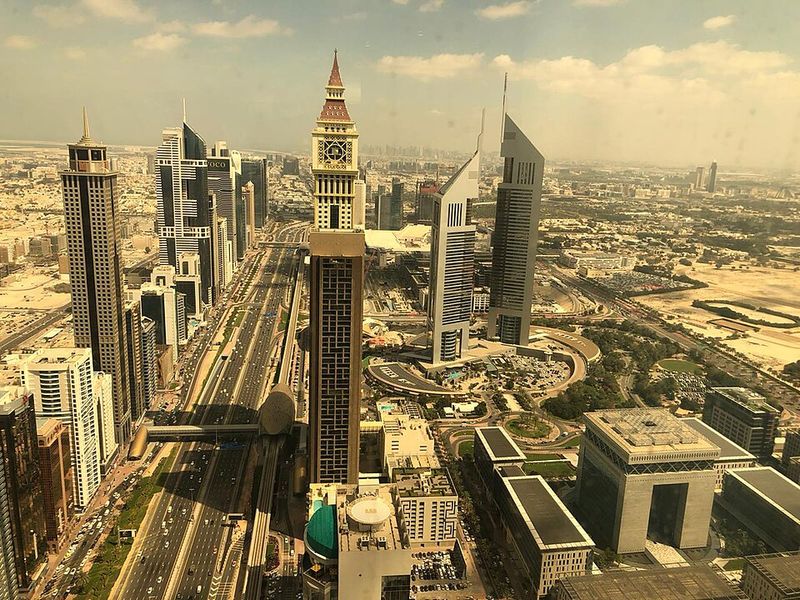
Planning a trip to walk on gold anytime soon? You might want to hold off on booking that flight.
Despite all the excitement around the announcement, there’s no firm opening date on the calendar yet. The whole project is being rolled out with a “details coming in phases” approach, which includes the timeline.
This isn’t necessarily a red flag, though. Mega-projects in Dubai have a history of taking longer than initially expected, but they also have a track record of actually getting built.
The Burj Khalifa, the Palm Islands, the Museum of the Future, all of these faced delays but eventually opened to massive fanfare. The phased approach might actually be smarter than promising a date they can’t meet and then disappointing everyone.
What this means for regular people is that we’re probably looking at a wait of at least a couple of years, maybe more depending on the complexity of incorporating gold into a functional street. Construction in extreme heat, engineering challenges with precious metals, security concerns, and coordinating with over a thousand retailers all take time.
When it does open, though, you can bet it’ll be a massive event with global media coverage and probably some kind of record-breaking claim attached to it.
6. The Street Is Designed to Be the District’s Main Photo-Op Landmark
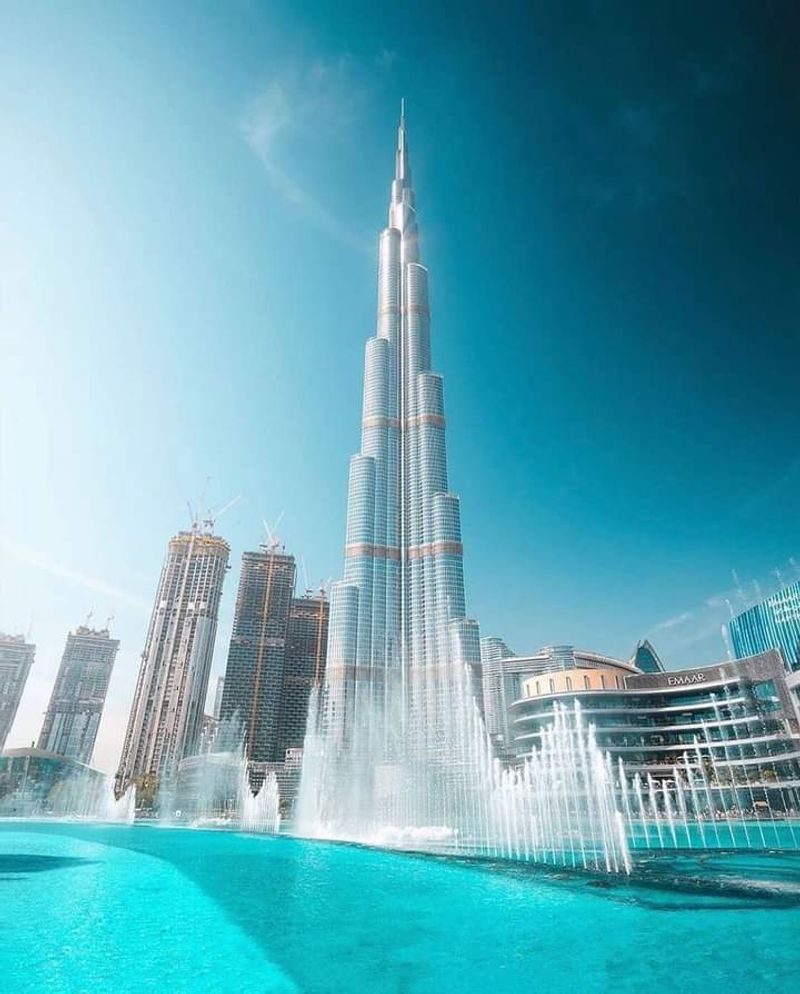
Dubai knows exactly what drives modern tourism, and it’s not subtle about it. Gold Street is being explicitly positioned as the ultimate photo opportunity, the kind of place where every visitor will want to snap a picture and flood their social media feeds.
It’s not just about trade or shopping – it’s about creating an iconic, must-see landmark.
Think about how the Burj Khalifa viewing deck or the Frame have become essential stops on every Dubai itinerary. Gold Street is aiming for that same status, except with the added novelty of literally standing on or near gold.
The Instagram potential alone will drive millions of visitors, even people who have zero interest in actually buying jewelry.
This dual-purpose design is actually pretty clever. During the day, it can function as a legitimate business district where serious gold traders and retailers operate.
But it’s also engineered to be a spectacle that draws tourists who might not spend a dirham on gold but will absolutely spend money on hotels, restaurants, and other attractions in the area. The street itself becomes the attraction, turning what could have been just another shopping area into a destination that people will specifically plan trips around.
That’s the kind of thinking that keeps Dubai on everyone’s travel bucket list.
7. This Isn’t Just Jewelry: Expect Cosmetics, Perfumery, and Lifestyle Retail Too
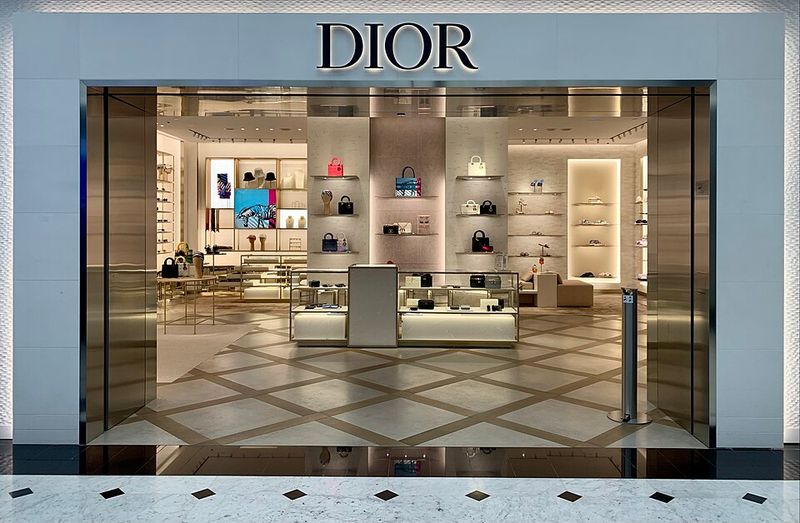
If you’re picturing endless rows of jewelry shops and nothing else, think bigger. The district plan includes a much broader retail mix that goes way beyond gold chains and diamond rings.
We’re talking cosmetics, perfumery, luxury lifestyle brands, and probably a bunch of other high-end categories that haven’t been announced yet.
This makes total sense when you think about the target customer. Someone flying to Dubai specifically to check out Gold Street probably isn’t just interested in one type of shopping.
They want the full luxury experience – maybe a new watch, some exclusive fragrances, high-end skincare, designer accessories. By mixing categories, the district can keep people there longer and encourage them to spend more across multiple stores.
The cosmetics and perfume angle is particularly smart given the region’s massive market for those products. Middle Eastern consumers are among the world’s biggest spenders on fragrances and beauty products, so including those categories isn’t just about tourists.
It’s about creating a destination that appeals to wealthy local shoppers too, the kind who might pop over for an afternoon of browsing and drop serious money across multiple stores. It transforms Gold Street from a specialized jewelry district into a full luxury shopping experience that competes with the city’s massive malls.
8. Scale Matters: The Plan Talks About 1,000+ Business Spaces
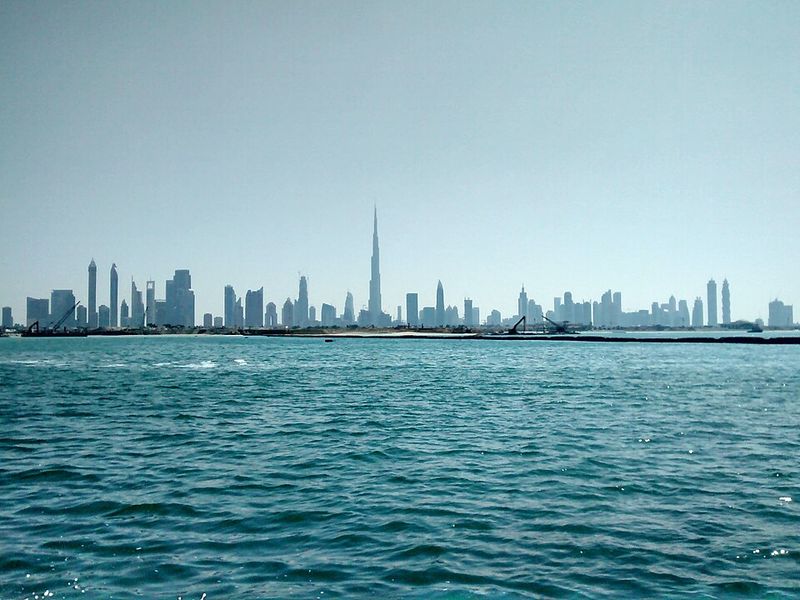
We’re not talking about a cute little boutique lane with a dozen shops. The Dubai Gold District is being planned at a scale of more than one thousand commercial units and retailers.
That’s absolutely massive, more like a small city within a city than a simple shopping street.
To put that in perspective, even Dubai’s largest malls typically have a few hundred stores. This district is aiming for over a thousand, which suggests they’re thinking vertically and horizontally, probably with multiple levels, interconnected buildings, and various zones for different types of retail.
It’s a mega-cluster designed to become the undisputed center of gold trade in the region, if not globally.
The sheer scale also means variety. With that many spaces, you’ll probably see everything from tiny independent jewelers and craftsmen to massive international brand flagship stores.
Some units might be showrooms for wholesalers, others might be experiential spaces where visitors can watch artisans work. The size allows for diversity, which keeps the district interesting and ensures there’s something for everyone, whether you’re a serious buyer with a specific need or just a curious tourist wandering through.
It’s ambition on a scale that only Dubai seems to attempt with a straight face.
9. Big Jewelry Names Are Expected to Be Part of the Mix
This won’t be a collection of random no-name shops hoping to catch tourist traffic. The district is specifically targeting major regional and international jewelry brands as anchor tenants.
We’re talking about the heavy hitters, the names that people actually recognize and trust when they’re about to drop thousands on a piece of jewelry.
While not every brand’s exact location or commitment has been finalized publicly, the intent is crystal clear. Dubai wants this to be a destination where you can find Cartier, Tiffany, Graff, and major Middle Eastern jewelry houses all in one place, alongside specialized traders and craftsmen.
That mix of prestige brands and specialized dealers is what will give the district credibility beyond just being a flashy tourist attraction.
The presence of established names also signals that serious players in the industry are taking this project seriously. These brands don’t sign leases on gimmicks.
They need foot traffic, security, the right clientele, and a location that enhances their prestige rather than diminishing it. If major jewelry brands are committing to spaces in the district, it suggests they believe Gold Street and the surrounding area will deliver on its promises.
That’s probably the most reassuring sign that this project is more than just hype and will actually become a legitimate global gold destination.
10. Hotels Are Part of the Plan: 6 Hotels, Around 1,000 Rooms
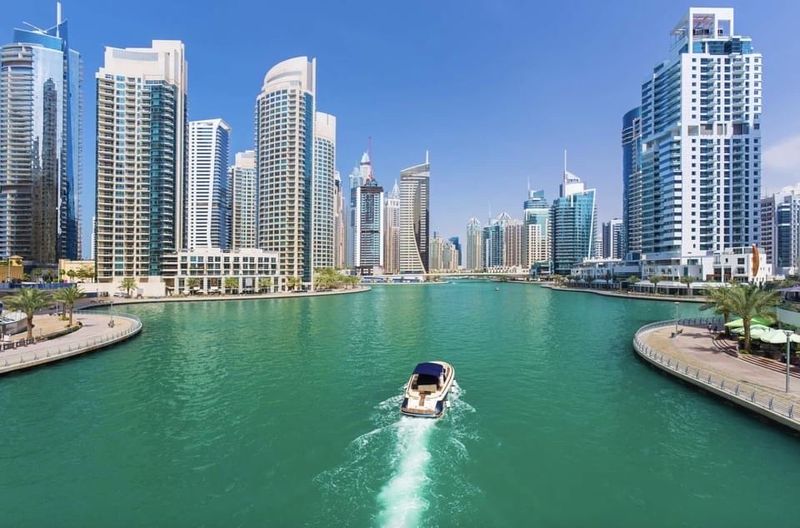
Here’s a detail that tells you everything about Dubai’s priorities with this project: they’re building six hotels with a combined total of roughly one thousand rooms as part of the district. That’s not an afterthought.
That’s a clear signal that this is designed to be a tourism and hospitality destination as much as a retail and trade hub.
Think about who needs hotel rooms in a gold district. International buyers coming for trade shows and bulk purchases.
Wealthy tourists who want to stay right in the heart of the action. Wedding parties shopping for jewelry and celebrations.
Business partners meeting for negotiations. By including substantial hotel capacity right in the district, they’re making it incredibly convenient for all these groups to spend multiple days there without having to commute from other parts of the city.
The scale of hotel development also suggests confidence in sustained demand. You don’t build a thousand hotel rooms unless you’re absolutely certain you can fill them year-round.
Dubai is betting that between tourism, trade events, conferences, and the general appeal of staying in a district built around gold, they’ll have no problem keeping those rooms occupied. It’s another piece of evidence that this isn’t just about creating a flashy street for photos.
It’s about building an entire ecosystem that keeps people in the area spending money for days at a time.
11. It’s Meant to Reinforce Dubai’s Long-Running City of Gold Identity
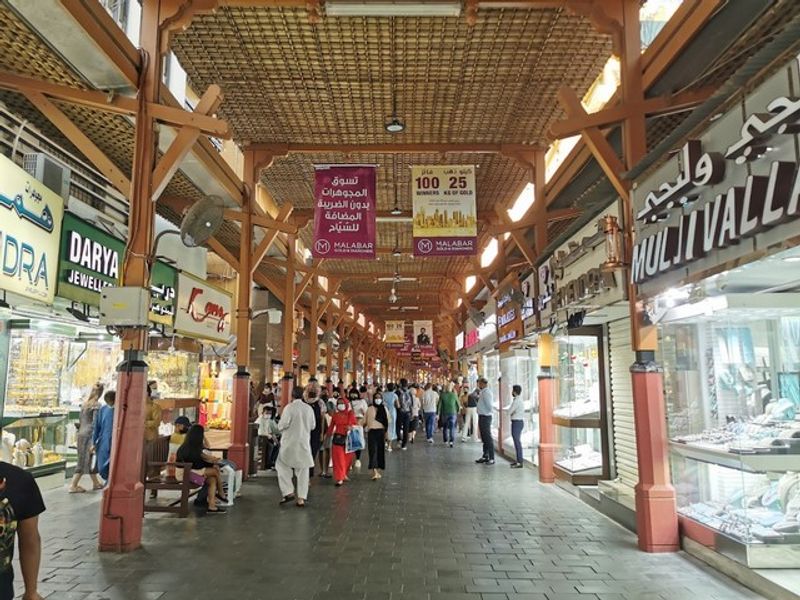
Dubai didn’t just randomly decide to build a gold street because it sounded cool. The city has been positioning itself as the “City of Gold” for decades, and this project is the next evolution of that carefully crafted identity.
Gold trade has been central to Dubai’s economy and global positioning since long before the skyscrapers and luxury hotels arrived.
The original Gold Souk in Deira has been a major attraction since the 1940s, and Dubai has consistently ranked as one of the world’s largest gold trading hubs. The city’s strategic location between East and West, its tax advantages, and its established infrastructure for precious metals trade have made it a natural center for the global gold market.
Gold Street isn’t creating this identity from scratch—it’s amplifying and modernizing something that’s already deeply embedded in the city’s DNA.
By investing in such a bold physical manifestation of this identity, Dubai is making a statement to the world. Other cities might be known for technology, fashion, or finance, but Dubai is doubling down on its claim to be the global capital of gold.
It’s branding on a massive scale, turning an economic strength into a tangible tourist attraction that reinforces the narrative every time someone visits or sees a photo online. That’s the kind of strategic thinking that’s helped Dubai punch above its weight on the global stage.
12. Expect a Rollout Strategy, Not One Big Reveal
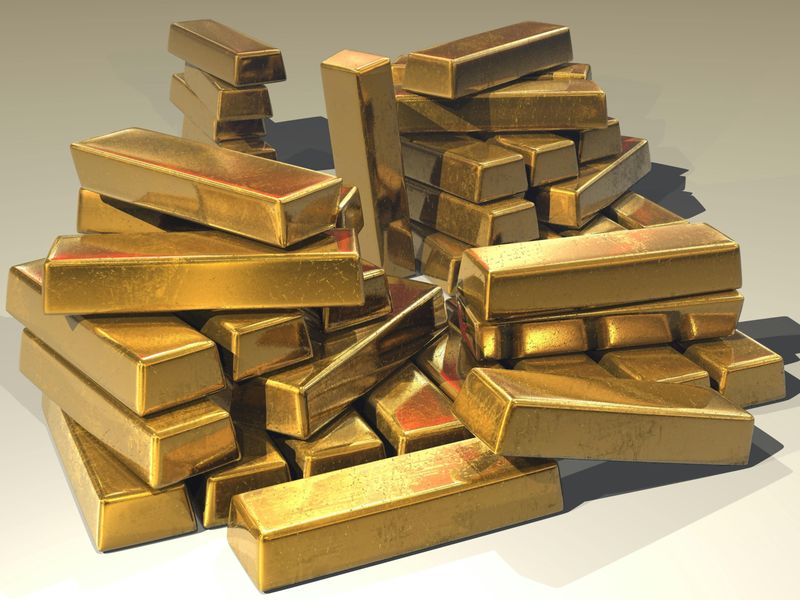
If you’re waiting for one dramatic announcement where Dubai unveils every detail about Gold Street all at once, you’re going to be disappointed. The official communication strategy is explicitly built around revealing details in phases, which means we’ll get information drip-fed over months or even years as the project develops.
This approach has several advantages from a marketing perspective. First, it keeps the project in the news cycle continuously rather than generating one spike of attention and then fading from public consciousness.
Every new reveal – whether it’s renderings, material specifications, tenant announcements, or construction milestones, becomes its own news story and social media moment. It’s basically free advertising that stretches across the entire development timeline.
The phased strategy also gives the developers flexibility. If something isn’t working or costs change or they get feedback suggesting a different approach would be better, they can adjust before making public commitments they’d later have to walk back.
For us regular folks following along, it means patience is required. We’ll probably see artist renderings before engineering specs, major tenant announcements before opening dates, and construction photos before final material details.
Each phase will answer some questions while raising new ones, keeping the intrigue alive until the day Gold Street actually opens.
13. Practical Expectation: It’s Likely Designed to Be Durable and Controlled
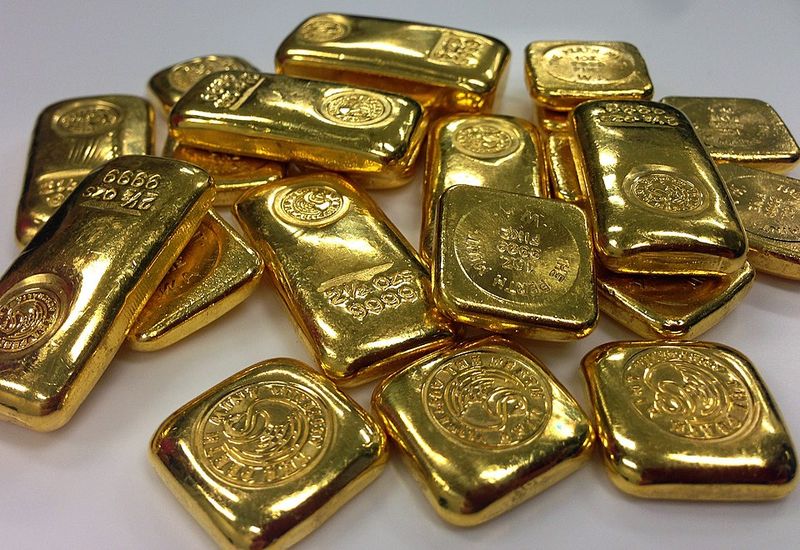
Let’s get real for a second about the practical challenges of building a street that incorporates gold. You’ve got extreme heat that can reach 50 degrees Celsius in summer.
You’ve got thousands of people walking on it daily. You’ve got dust, cleaning requirements, and obvious security concerns.
Pure gold is soft and would wear down quickly under those conditions, so whatever they’re planning has to be engineered for durability.
The most realistic interpretation is that Dubai will incorporate gold in a way that’s visually impressive but operationally manageable. That probably means gold elements that are protected, sealed, or reinforced rather than exposed soft gold that would get damaged immediately.
Think gold inlays under protective coating, gold-infused materials that maintain strength, or architectural gold features that are visible but not directly underfoot where they’d wear out.
Security is another massive consideration. You can’t just leave valuable materials exposed in a public space without serious protection measures.
Whatever design they implement will need surveillance, controlled access points, and probably some physical barriers or design elements that make it impossible to chip off pieces of gold and walk away with them. The exact approach is still unknown, but you can bet that a team of engineers has spent months figuring out how to make this both spectacular and practical.
Dubai loves ambitious projects, but they’re not stupid about execution.
14. The Key Truth for Readers Right Now: It’s Confirmed, But the Most Viral Details Aren’t
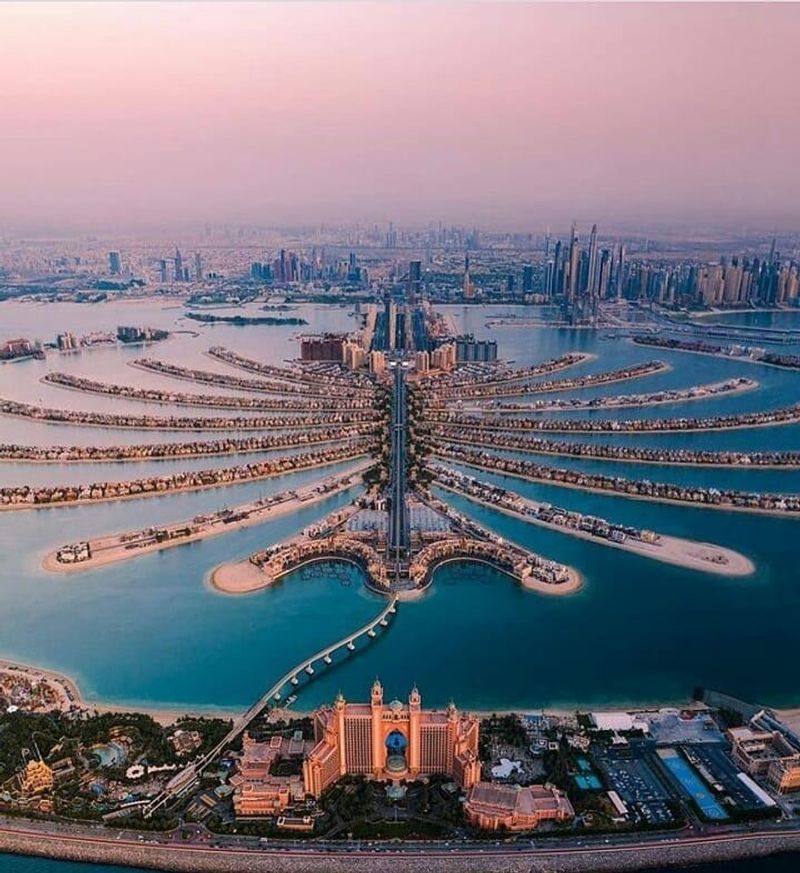
Here’s the bottom line if you’re trying to separate fact from fiction about Gold Street. The project is absolutely real and has been officially announced by Dubai authorities.
The location in Deira next to the Gold Souk is confirmed. The overall scope of the Dubai Gold District with over a thousand retailers and six hotels is part of the official plan.
Those are facts you can trust.
What’s not confirmed are the juicy details everyone’s obsessing over. How much gold will actually be used?
We don’t know. Is it solid gold or gold-infused materials or gold plating?
Not specified yet. When will it open?
No official date. How exactly will the gold be incorporated into the street construction?
Still being revealed in phases. These are the questions generating millions of clicks and shares online, but honest reporting requires admitting we don’t have those answers yet.
If you see articles or social media posts claiming to have specific numbers about gold quantities, exact opening dates, or detailed construction methods, check whether they’re citing official sources or just speculating. There’s nothing wrong with educated guessing, but it should be labeled as such.
The reality is that Dubai is controlling this narrative carefully, releasing information strategically to maintain interest. So stay curious, but stay skeptical too until official confirmations come out.



