 Unearth The Voyage
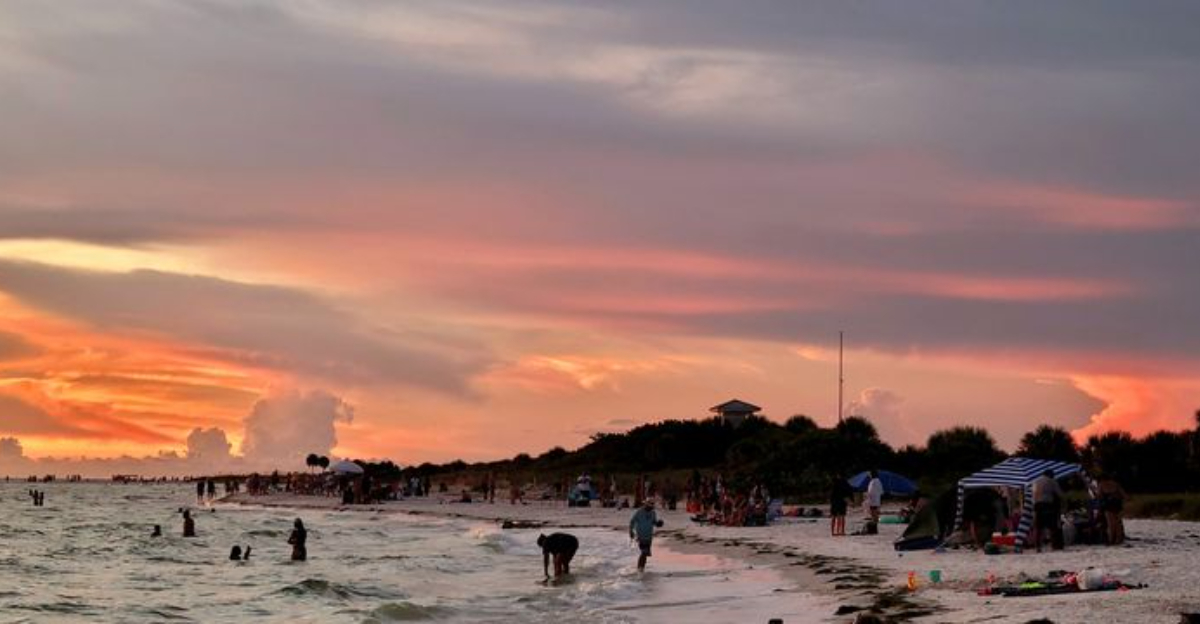
There is a barrier island off the coast of a quiet Florida town that most tourists completely overlook, and honestly, that is exactly what makes it so special. No neon signs, no crowded boardwalks, no overpriced souvenir shops.
Just five miles of clean, sandy shoreline, slash pine forests rustling in the Gulf breeze, and more shorebirds than you can count. I first heard about this place from a local who told me to skip the famous beaches and head here instead.
She was absolutely right. Whether you are a shell collector, a birdwatcher, a dog lover, or simply someone who wants to sit on a beach without fighting for elbow room, this place delivers in ways that most Florida destinations simply do not.
Keep reading, because this coastal treasure deserves a lot more attention than it gets.
Where Exactly You Will Find This Place
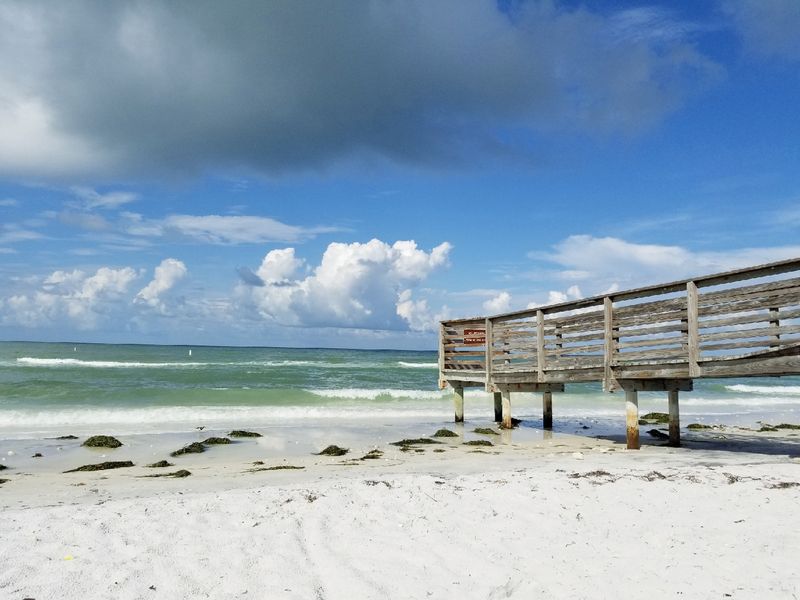
Honeymoon Island State Park sits at the northwestern tip of Dunedin, Florida, connected to the mainland by a short causeway that crosses St. Joseph Sound. The official address is 1 Causeway Blvd, Dunedin, and it is managed by Florida State Parks.
The park is just a short drive from downtown Dunedin and roughly 30 minutes from Tampa International Airport, making it surprisingly easy to reach even if you are flying in from out of state.
A vehicle entry fee of around eight dollars per car gets you onto the island, and an annual Florida State Parks pass is a genuinely smart buy if you plan to visit more than a couple of times throughout the year.
The park sits right along the Gulf of Mexico, which means the water tends to be calmer and warmer than Atlantic-side beaches, a detail that makes a real difference when you are swimming with kids.
The Surprising History Behind the Name
The name is not just a cute marketing label. Back in 1939, a New York developer named Clinton Washburn had a genuinely romantic idea: build 50 palm-thatched cottages on this barrier island and market it as a honeymoon destination for newlywed couples.
The promotion was a hit, and Life magazine even covered it, which sent honeymooners flocking to this little strip of Gulf-side sand. Then World War II arrived, the cottages were eventually dismantled, and the island slowly returned to its natural state.
Florida acquired the land in 1974 and officially opened it as a state park in 1982, preserving the landscape that had been slowly recovering for decades.
That layered history gives the park a quiet depth that most beach destinations lack. You are not just walking on sand; you are walking on a place that has reinvented itself more than once and come out better each time.
Five Miles of Shoreline That Feel Like a Secret
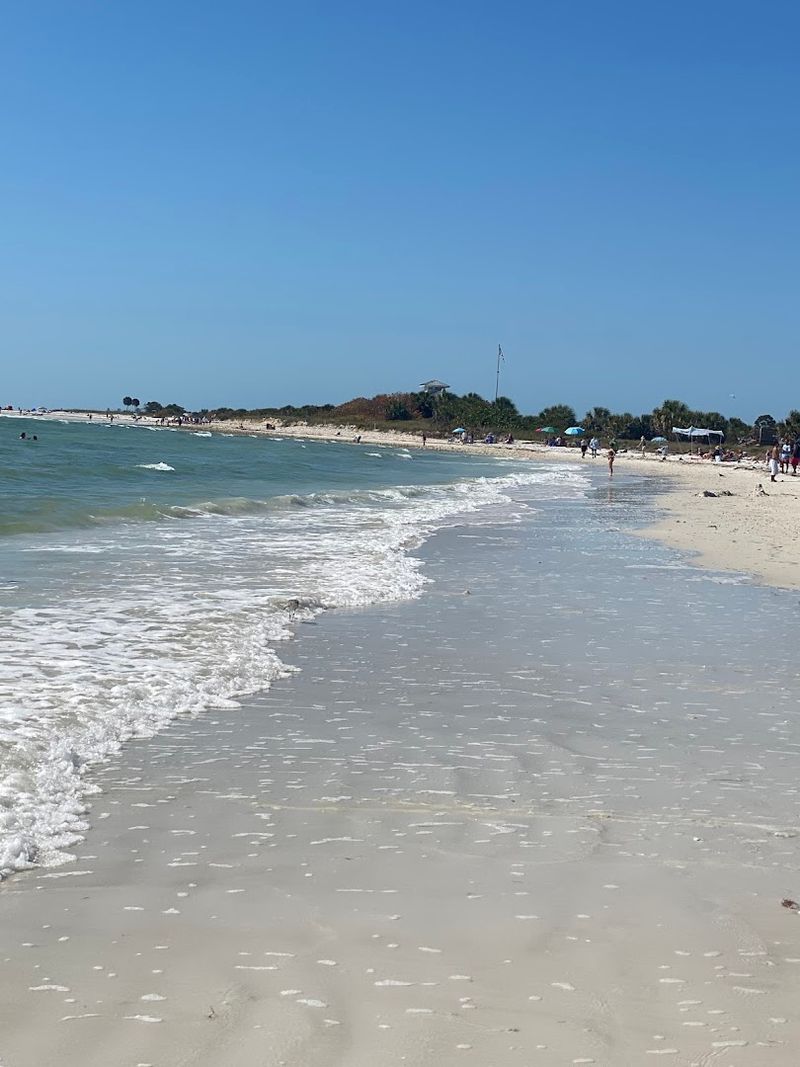
The beach here runs for roughly five miles from the southern tip to the northern end of the island, and the sand is the kind of fine, pale stuff that actually squeaks a little under your feet when it is dry.
What surprised me most was how uncrowded the northern stretch gets. Most visitors park near the main entrance and set up close to the facilities, which means anyone willing to walk ten or fifteen minutes north basically has a private beach experience on a public state park budget.
The gentle surf makes the water approachable for families with young children, and the bottom stays sandy and soft for a good distance out. There are no dramatic waves crashing in, just calm, clear Gulf water that shifts between shades of green and blue depending on the light.
Shelling is especially productive near the northern end, where the current deposits fresh finds regularly throughout the week.
The Slash Pine Forest That Most Visitors Miss
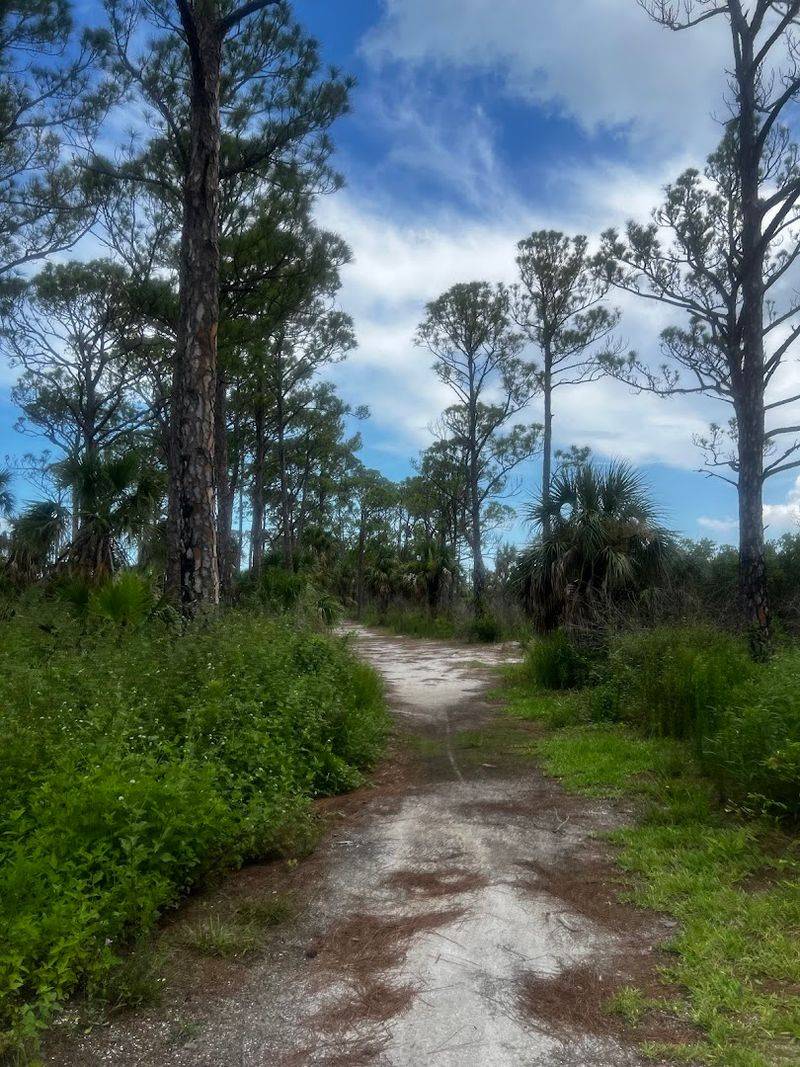
Most people come to Honeymoon Island for the beach and never wander into the interior of the island, which means they completely miss one of its most unusual features: a genuine slash pine forest that feels nothing like a typical Florida beach park.
The Osprey Trail cuts through this forest for about three miles, and walking it feels like a full habitat shift happening within just a few hundred yards of the Gulf shore. The trees are tall, the air smells different, and the soundscape changes noticeably as you move deeper in.
Ospreys nest in the upper branches of the pines, and during nesting season you can often spot them circling overhead or perched right at the trailhead. The trail is well-maintained, mostly flat, and easy enough for kids and older visitors to handle without any special gear.
Bring water, because shade comes and goes along the route depending on the time of day.
Birdwatching That Will Genuinely Impress You
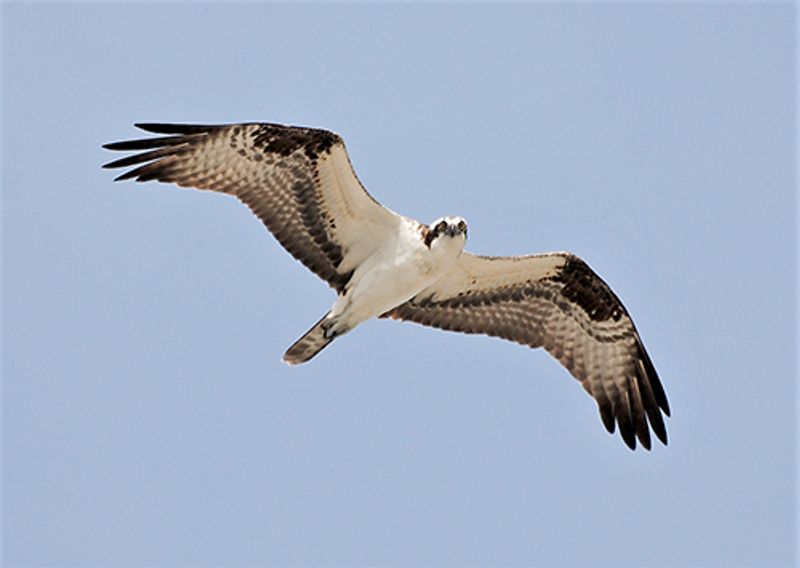
Honeymoon Island consistently ranks among the top birdwatching spots on Florida’s Gulf Coast, and after spending a morning there with a pair of binoculars, I completely understand why birders make special trips just for this park.
Ospreys are practically the park’s unofficial mascots, nesting in the pines and hunting over the shallows in plain sight. Beyond them, you can expect to spot roseate spoonbills, great blue herons, white ibis, snowy egrets, and various species of shorebirds depending on the season.
The Pelican Cove area on the eastern side of the island offers a particularly productive viewing spot, where the calmer waters attract wading birds throughout the day.
Fall and winter bring migratory species through the area, which adds a layer of unpredictability that serious birders find exciting. Even casual visitors who do not own binoculars tend to stop and stare when a roseate spoonbill wades past at close range.
The Dog Beach That Actually Works
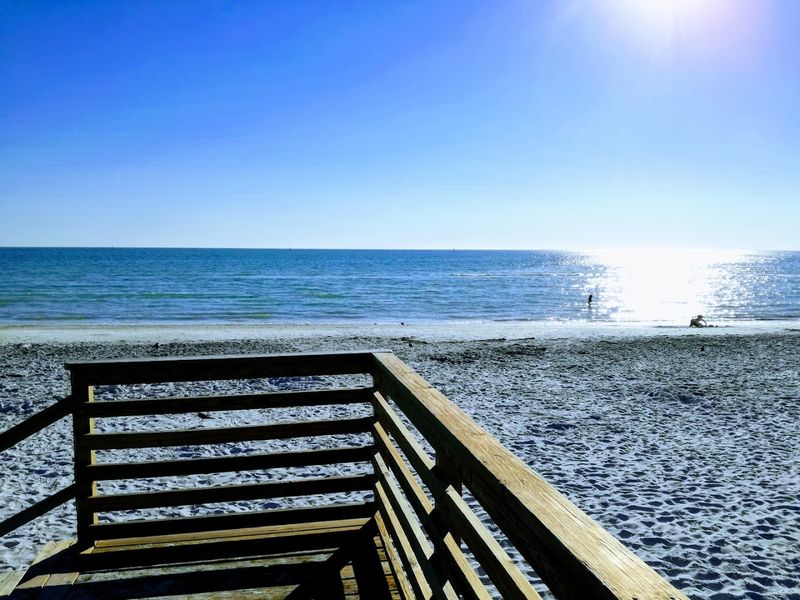
Not every so-called dog beach actually delivers, but the one at Honeymoon Island is the real thing. It sits at the northern end of the park, roughly a five-to-seven-minute walk from the main parking area, and it gives dogs direct access to the Gulf water in a designated stretch of shoreline.
The park provides water stations specifically for dogs near the beach, which is a small but genuinely thoughtful detail that most pet owners appreciate. Dogs must remain on leashes throughout the park, including on the dog beach, so this is not an off-leash situation.
The leash rule is enforced by rangers, so plan accordingly and bring a long line if you want your dog to have more room to move and splash around freely.
On a busy weekend morning, the dog beach draws a lively crowd of four-legged visitors of all sizes, and the general vibe among the humans is friendly and relaxed throughout.
Shelling Along the Northern Tip
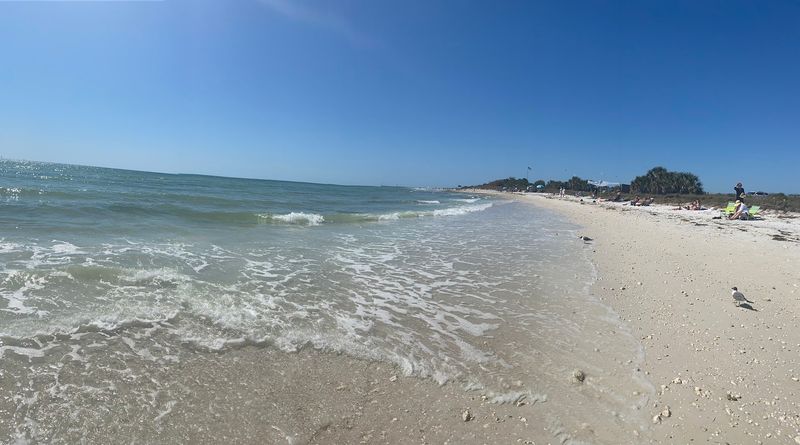
Shell collectors tend to keep Honeymoon Island quietly to themselves, and after one morning combing the northern stretch of beach, I understood the secrecy. The variety here is genuinely impressive compared to busier, more heavily trafficked Florida beaches.
Lightning whelks, sand dollars, angel wings, fighting conchs, and scallop shells all show up regularly, especially after a strong overnight wind shifts the current and deposits fresh material along the tide line.
Early morning is the best time to search, before other beachgoers arrive and before the sun gets intense enough to make extended walking uncomfortable. Low tide exposes more of the sandy bottom near the waterline, which is where the best finds tend to cluster.
The park does allow shell collecting as long as the shells are empty and unoccupied, so you can take home what you find without any concern. A small mesh bag or a lightweight bucket makes the whole process much easier to manage.
Fishing From the Shore and the Flats
Fishing at Honeymoon Island is a low-key, genuinely productive experience, and the variety of species available makes it worth bringing a rod even if you are not a dedicated angler.
Snook, redfish, flounder, and sheepshead all move through the shallows around the island, and the grass flats on the eastern side near St. Joseph Sound are particularly productive during the cooler months when fish stack up in predictable spots.
Shore fishing along the Gulf-facing beach is straightforward and requires no special gear or boat access. A basic setup with a light spinning rod, some live shrimp or cut bait, and a valid Florida fishing license is all you really need to get started.
The park does not have a dedicated fishing pier, but the shoreline offers enough accessible spots that finding a comfortable casting position is rarely a problem. Sunrise and the couple of hours around dusk tend to produce the most consistent results for shore anglers.
Watching the Sunset From the Beach
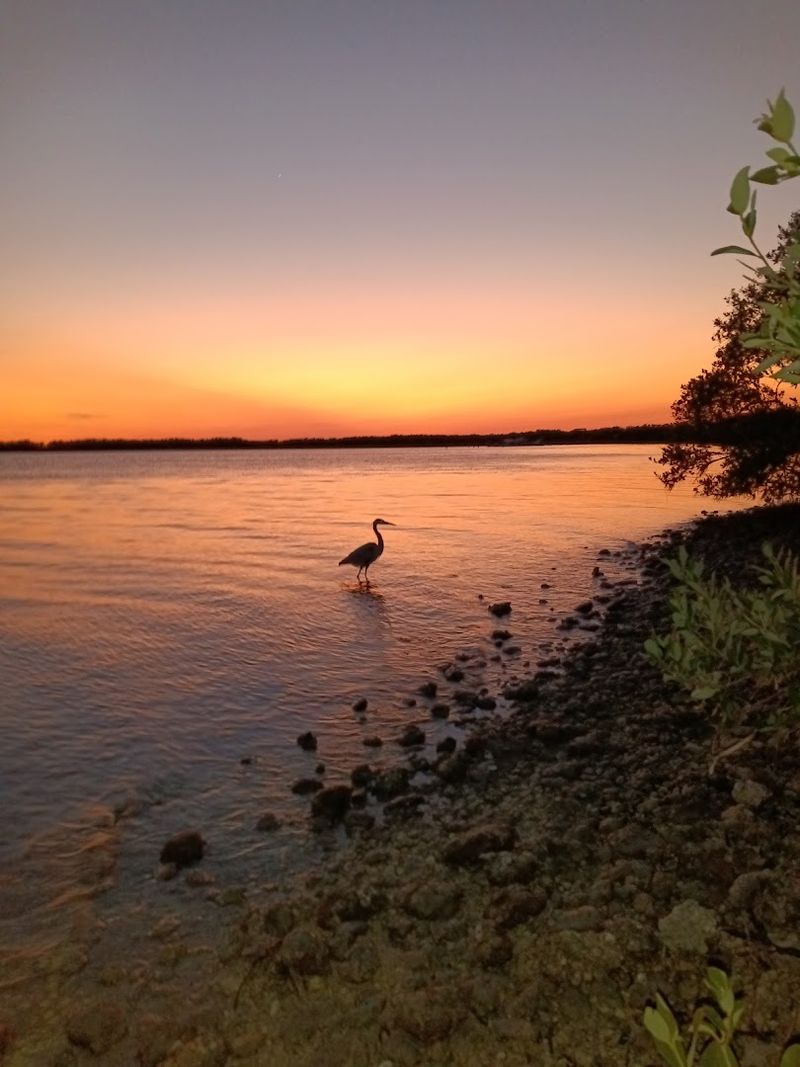
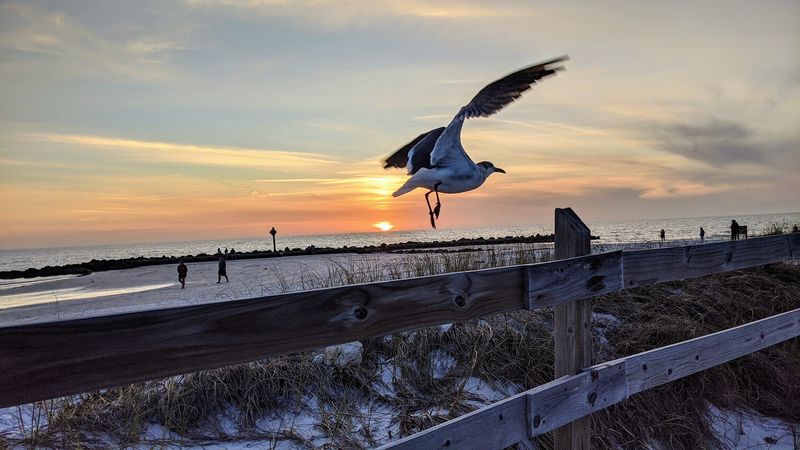
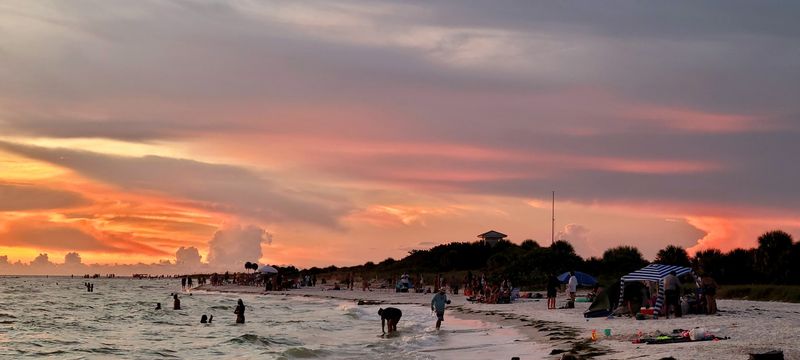
Sunsets on the Gulf Coast have a reputation for being spectacular, and the west-facing beach at Honeymoon Island puts you in a perfect position to watch the whole show unfold without any buildings or obstructions blocking the horizon.
The light starts shifting around an hour before actual sunset, turning the water from blue-green to gold, and by the time the sun reaches the horizon the whole sky tends to go through a sequence of colors that genuinely earns the word spectacular without any exaggeration.
Dolphins surface regularly in the calmer evening water just offshore, and catching them rolling through a copper-colored reflection is the kind of moment that makes you reach for your phone and then immediately put it back down because no photo will do it justice.
Arriving thirty minutes early and claiming a good spot along the waterline is worth it, especially on weekends when other visitors have the same plan in mind.
Picnicking and Family-Friendly Facilities
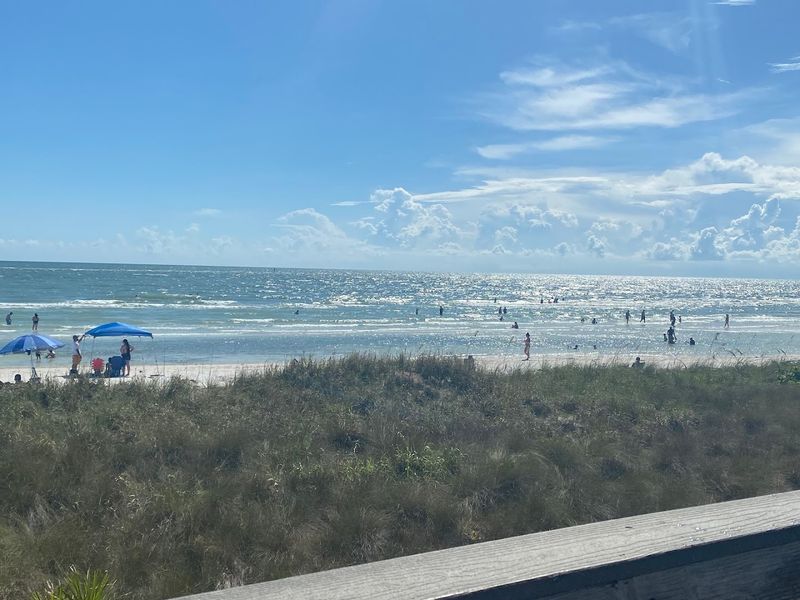
The park is set up thoughtfully for families who want more than just a stretch of sand to sit on. Picnic tables are scattered throughout the park in both shaded and open areas, and the facilities include restrooms that are clean and well-maintained throughout the day.
Parking is plentiful compared to most popular Florida beach destinations, which removes one of the most frustrating parts of a beach day before it even starts. The lot is large enough that even on busy holiday weekends, finding a spot does not require circling for twenty minutes.
Snack trucks operate near the main parking area while permanent snack bar structures are being rebuilt, so food options are available on-site for people who do not want to pack everything in.
The overall layout of the park makes it easy to split the day between beach time, a trail walk, and a relaxed picnic lunch without feeling rushed or like you are scrambling to fit everything in.
Swimming in Calm, Clear Gulf Water
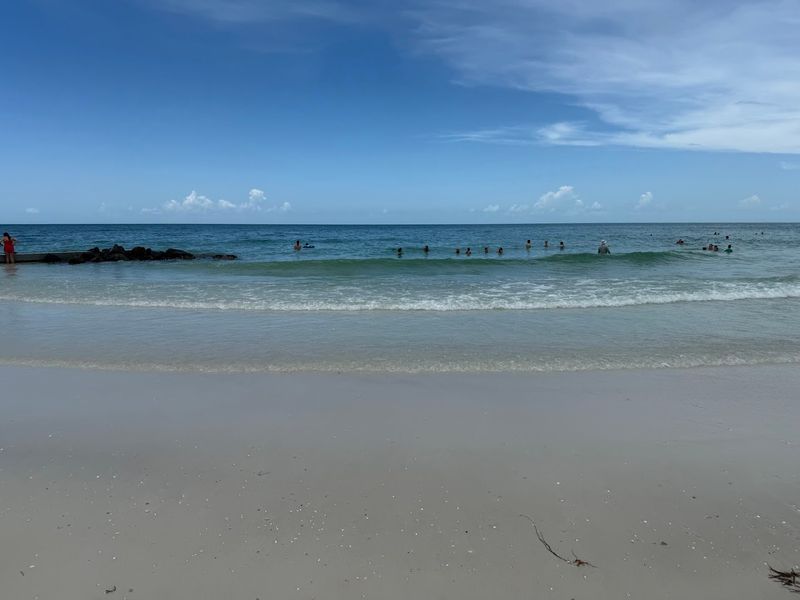
The Gulf side of Honeymoon Island offers some of the calmest swimming conditions you will find on a Florida public beach. The waves are consistently gentle, the bottom is sandy and gradual, and the water clarity on a calm day is good enough to see your feet at waist depth without any effort.
Water temperatures stay warm well into October, which extends the comfortable swimming season beyond what most northern visitors expect when they plan a fall trip to the area.
The beach has no lifeguards on duty, so parents with young children need to stay attentive, but the manageable surf makes that job considerably easier than it would be on the Atlantic side of the state.
Early morning swims before the main crowd arrives offer the clearest water and the most peaceful experience overall. The beach surface is firm enough near the waterline to walk comfortably without sinking, which makes getting in and out of the water easy.
The Ferry to Caladesi Island
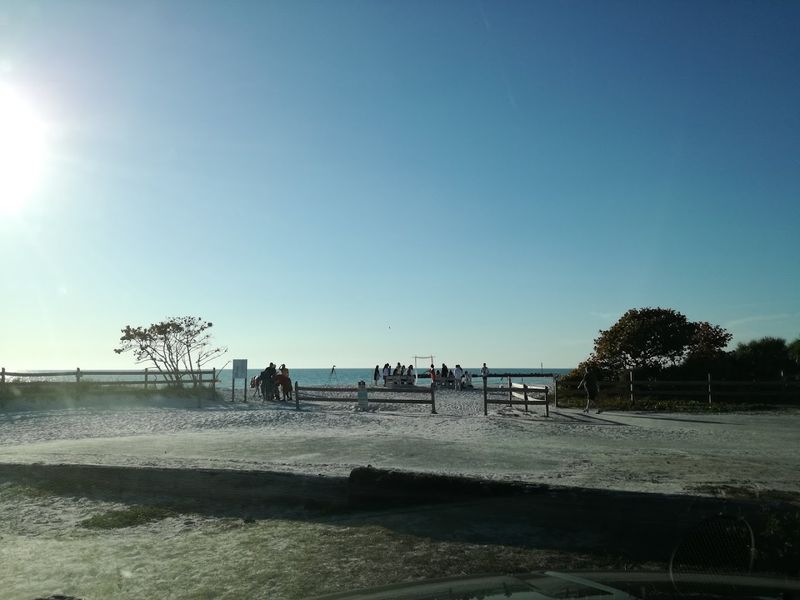
One of the best-kept practical secrets about Honeymoon Island is that it serves as the departure point for a ferry that takes visitors across to Caladesi Island State Park, which is only accessible by boat and consistently ranks among the top beaches in the entire country.
The ferry runs several times daily from the marina on the eastern side of the park, and the crossing takes about fifteen minutes across the calm waters of St. Joseph Sound. Tickets are purchased separately from the park entry fee, so budget for that if you plan to make the crossing.
Caladesi Island has its own trails, mangrove kayak routes, and a marina, but the beach is the main draw and it earns every bit of praise it receives.
Combining both islands into a single day trip gives you an exceptionally full Florida outdoor experience without needing to drive to multiple locations or deal with separate parking situations at each spot.
Best Times to Visit and What to Expect
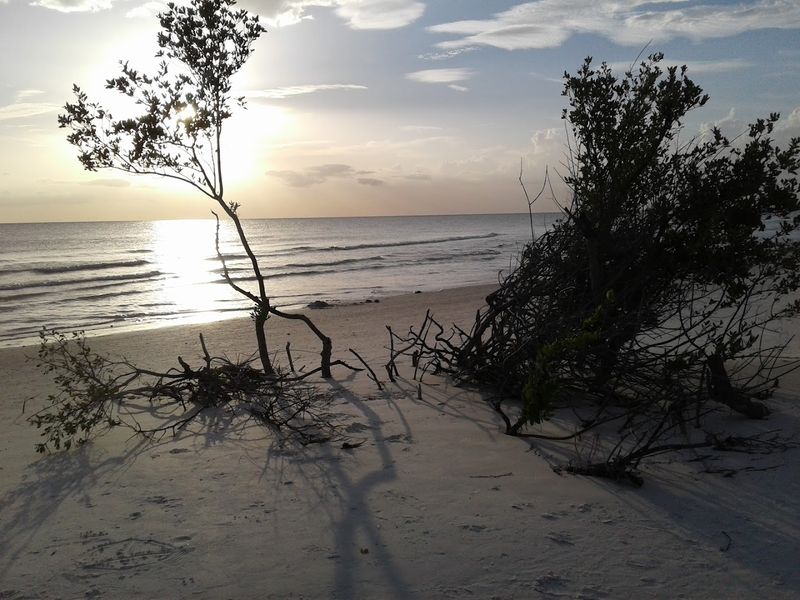
Winter and early spring are the most comfortable months to visit Honeymoon Island, with temperatures typically sitting in the mid-60s to low 70s Fahrenheit and humidity levels that feel genuinely pleasant compared to the sticky summer months.
Summer brings warmer water and longer daylight hours, but also higher humidity, afternoon thunderstorms, and the possibility of seasonal issues like red tide, which can affect water quality and beach conditions unpredictably.
Weekday mornings are consistently the quietest time to visit regardless of season, and arriving before 10 a.m. means lighter crowds, easier parking, and a more relaxed overall atmosphere throughout the park.
Holiday weekends in spring and summer draw larger crowds, but the park is big enough that things rarely feel overwhelming. Checking the Florida State Parks website before your visit for any current advisories about water quality or trail conditions is always a smart habit to build.



