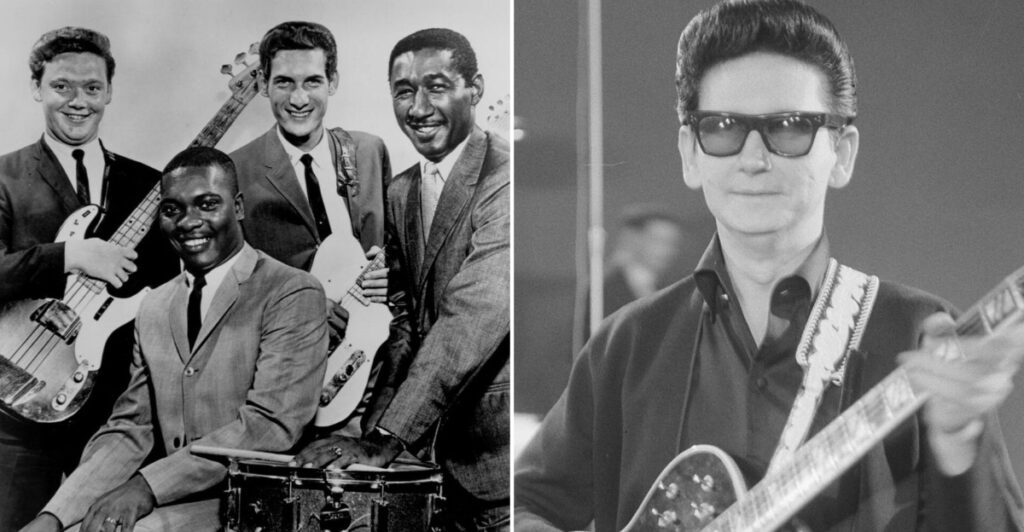
The year 1962 was a turning point for popular music in America. Rock and roll was no longer just a rebellious teenage experiment.
It had become the dominant sound on radios, jukeboxes, and record players across the country. Artists from California, New Jersey, Memphis, and beyond were all pushing the genre in exciting new directions, mixing doo-wop, soul, surf, and pop into something that felt genuinely new.
Chart competition was fierce, regional sounds were going national, and record labels were signing acts faster than studios could book sessions. What resulted was one of the richest single years in early rock history, packed with songs that defined how a generation moved, dressed, and thought about music.
The twelve tracks covered here each tell a specific story about where rock and roll stood in 1962 and why that moment still matters to anyone who cares about how popular music became what it is today.
1. Surfin’ Safari, The Beach Boys
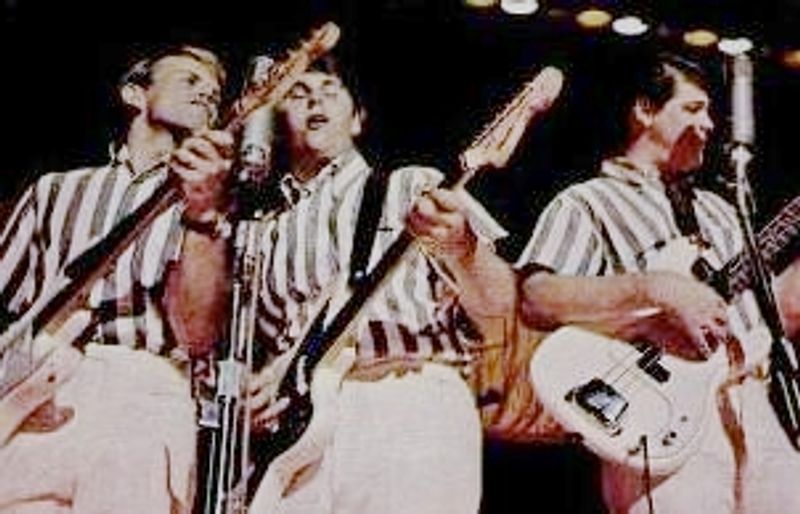
Southern California had a sound in 1962, and The Beach Boys were the ones who bottled it. Released in June of that year, Surfin’ Safari peaked at number 14 on the Billboard Hot 100 and introduced millions of American teenagers to a lifestyle most had never experienced firsthand.
The track drew heavily from Chuck Berry’s guitar style, blending it with tight vocal harmonies that would become the group’s signature. Capitol Records initially hesitated to sign them, which makes their rapid rise even more remarkable.
Surfin’ Safari launched one of the most successful careers in American pop history. It turned regional surf culture into a national obsession and proved that rock and roll had plenty of geographic room left to grow beyond its Southern and East Coast roots.
2. Sherry, The Four Seasons
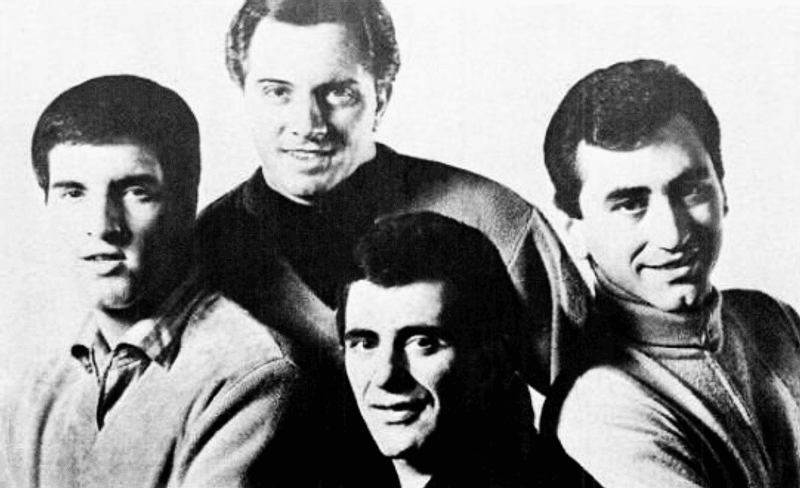
Frankie Valli’s falsetto was so distinctive that radio programmers initially assumed Sherry was performed by a woman. That misunderstanding only added to the buzz surrounding The Four Seasons’ debut chart entry in August 1962.
The song shot straight to number one on the Billboard Hot 100, spending five weeks at the top. Producer Bob Crewe and songwriter Bob Gaudio crafted a track that was tight, rhythmically punchy, and built around a vocal performance that had no real competition on the charts at the time.
Sherry gave the group a commercial foothold that would sustain them through the British Invasion years, when many American acts lost ground. It remains one of the clearest examples of how strong songwriting and an unforgettable voice could dominate early 1960s pop radio without compromise.
3. Big Girls Don’t Cry, The Four Seasons
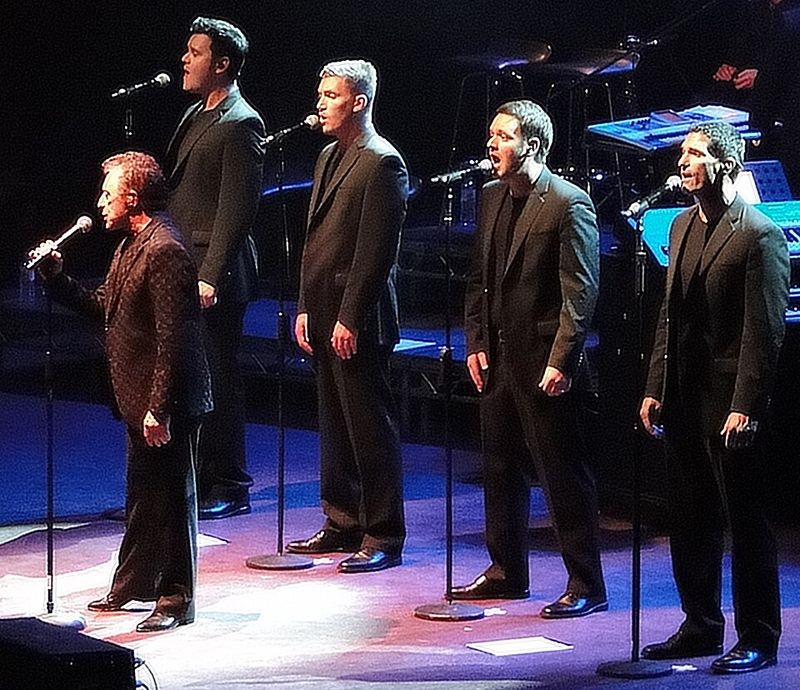
Releasing two number one hits in the same calendar year is a difficult achievement for any act, and The Four Seasons pulled it off before most listeners had even learned their names. Big Girls Don’t Cry followed Sherry to the top of the Billboard Hot 100 in late 1962, confirming the group as a genuine commercial force.
The track leaned harder into doo-wop structure than its predecessor, with a call-and-response vocal arrangement that gave each member of the group a defined role. Its pop-rock polish made it a radio staple almost immediately upon release.
What separated this song from other doo-wop-influenced tracks of the period was its production clarity. Bob Crewe understood how to make a record that sounded both current and familiar, which is exactly why it worked so well on AM radio in 1962.
4. Palisades Park, Freddy Cannon
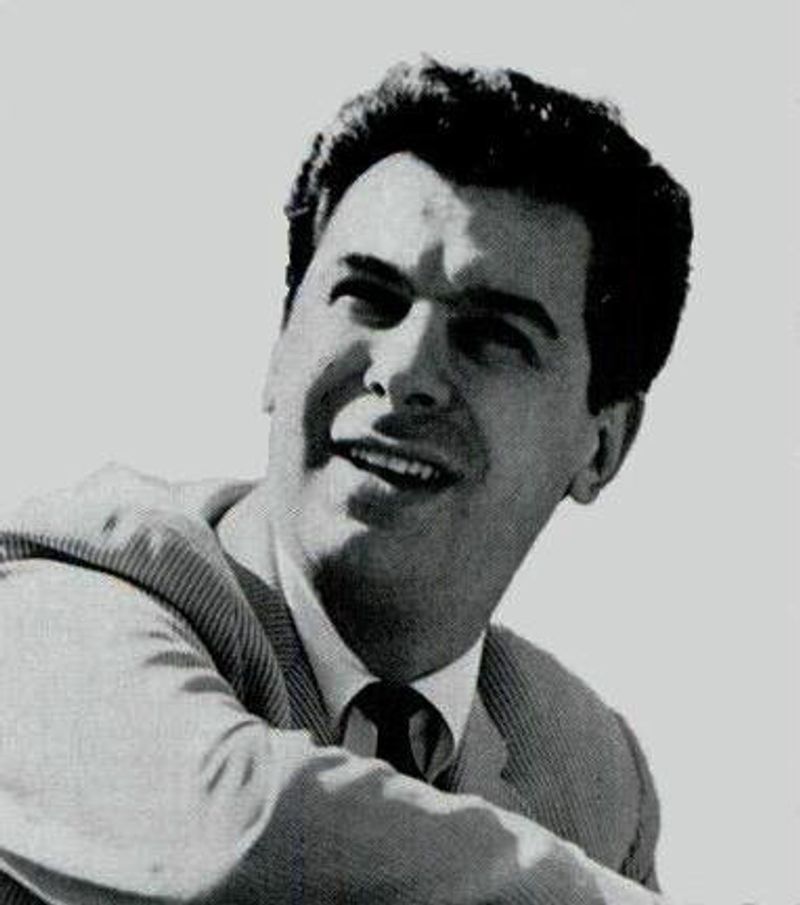
Not every rock hit from 1962 was chasing chart sophistication. Some songs had a single, honest goal: capturing the feeling of a summer afternoon with nowhere specific to be.
Palisades Park, written by future game show host Chuck Barris, did exactly that in under three minutes.
Freddy Cannon’s vocal delivery was all energy and forward momentum, matching the song’s subject matter perfectly. The track referenced the actual Palisades Amusement Park in New Jersey, which operated from 1898 until 1971, giving the record a specific geographic identity that felt grounded and real.
The song reached number three on the Billboard Hot 100 and became one of Cannon’s signature recordings. It captured a very specific American teenage experience, one built around rides, summer heat, and the freedom of having a few dollars and nowhere you needed to be.
5. Sheila, Tommy Roe
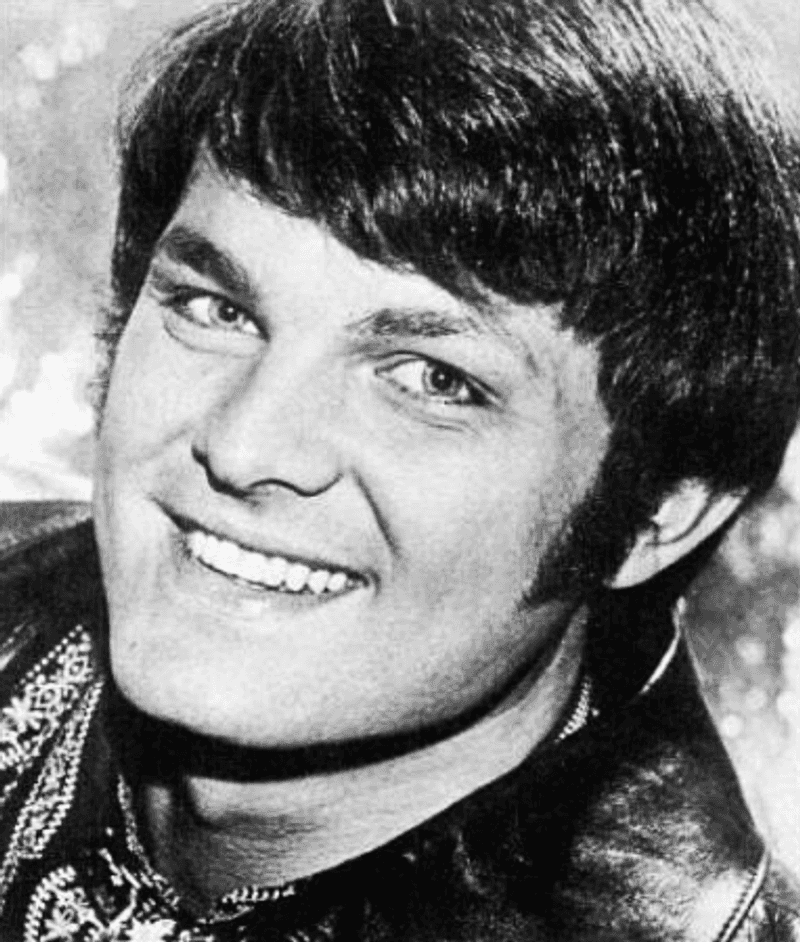
Tommy Roe was only 20 years old when Sheila hit number one on the Billboard Hot 100 in September 1962. The song had a clear Buddy Holly influence, from its crisp backbeat to its bright, uncomplicated guitar tone, and Roe made no effort to disguise that debt.
Holly had passed away in 1959, but his musical fingerprints were still shaping rock and roll three years later. Sheila demonstrated how effectively that template could be applied without simply copying it.
Roe’s breezy, relaxed vocal style gave the song a personality distinct from the more intense performances dominating the charts at the time. It was a record that felt effortless, which is harder to achieve than it sounds.
Sheila became one of the most-played tracks on AM radio that fall and helped establish Roe as a reliable hitmaker through the mid-1960s.
6. Twist And Shout, The Isley Brothers
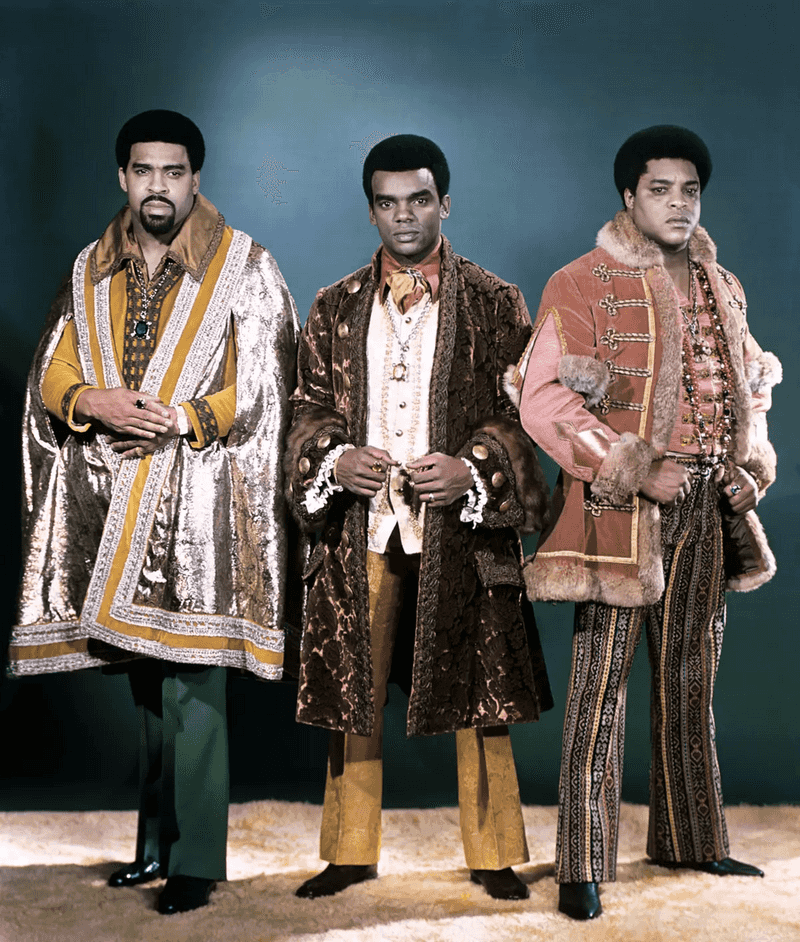
Before the Beatles made this song internationally famous in 1963, the Isley Brothers recorded a version in 1962 that carried a raw, urgent charge the later cover would reference directly. Their take was rooted in R&B and gospel performance traditions, giving it a physical intensity that set it apart from smoother pop productions of the period.
The track was originally written by Phil Medley and Bert Berns and first recorded by the Top Notes, but the Isley Brothers’ version became the definitive early recording. Their call-and-response vocal style turned the song into something that felt genuinely participatory.
Ronald Isley’s lead vocal was forceful without being strained, a balance that many singers attempted and few achieved. The 1962 recording stands as one of the most important bridge documents between early rock and roll and the soul explosion that would follow later in the decade.
7. Green Onions, Booker T. & The M.G.’s
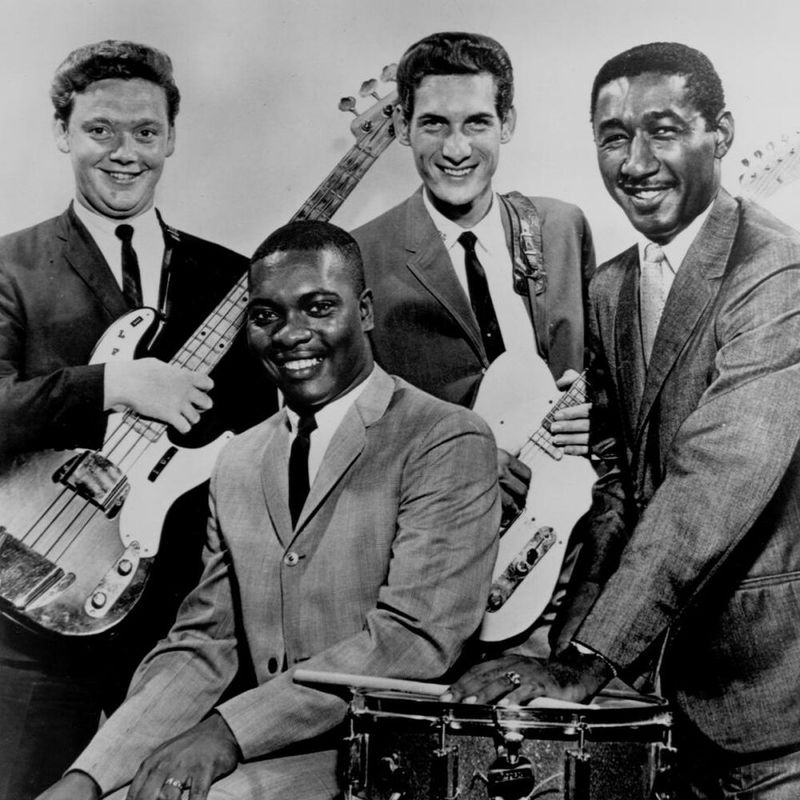
Recorded almost by accident during downtime at Stax Studios in Memphis, Green Onions became one of the most influential instrumental tracks in rock and soul history. Booker T.
Jones was only 17 years old when the session took place, which makes the track’s musical confidence even more striking.
The song reached number three on the Billboard Hot 100 and hit number one on the R&B chart, selling over a million copies. Its Hammond organ groove became a foundational reference point for soul, rock, and eventually funk musicians throughout the 1960s and beyond.
The Beatles cited the M.G.’s as an influence, and the track’s stripped-down, rhythm-forward approach helped define what the Stax sound would become. Green Onions proved that an instrumental with no vocal hook whatsoever could carry a record all the way to the top of multiple charts simultaneously.
8. Let’s Dance, Chris Montez
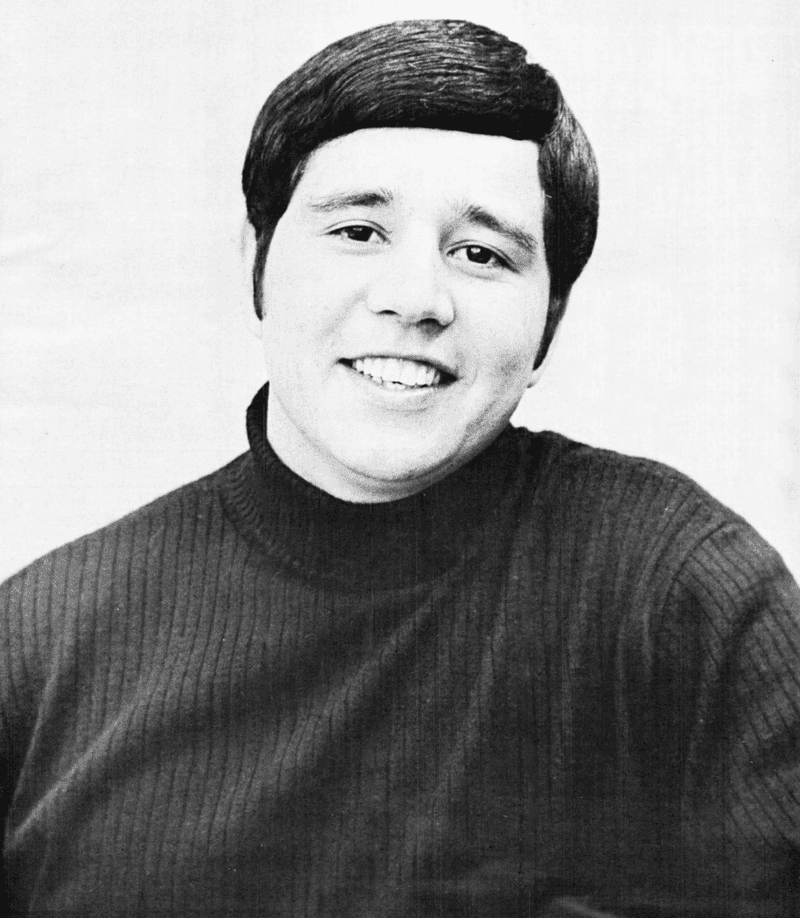
Chris Montez was 18 years old when Let’s Dance reached number four on the Billboard Hot 100 in late 1962. The track was built on handclaps, a driving guitar riff, and a vocal invitation so direct that it barely needed a verse to make its point.
Montez was born in Los Angeles and was heavily influenced by Ritchie Valens, whose own career had demonstrated that Latino artists could reach mainstream American audiences without softening their style. Let’s Dance carried that same confident, no-frills approach.
The production kept everything functional and focused. There were no elaborate arrangements or studio tricks, just a beat designed to get people moving.
It became one of the most-played records at school dances across the country that year, and its simplicity is precisely what gave it such a long shelf life on oldies stations for decades afterward.
9. Return To Sender, Elvis Presley
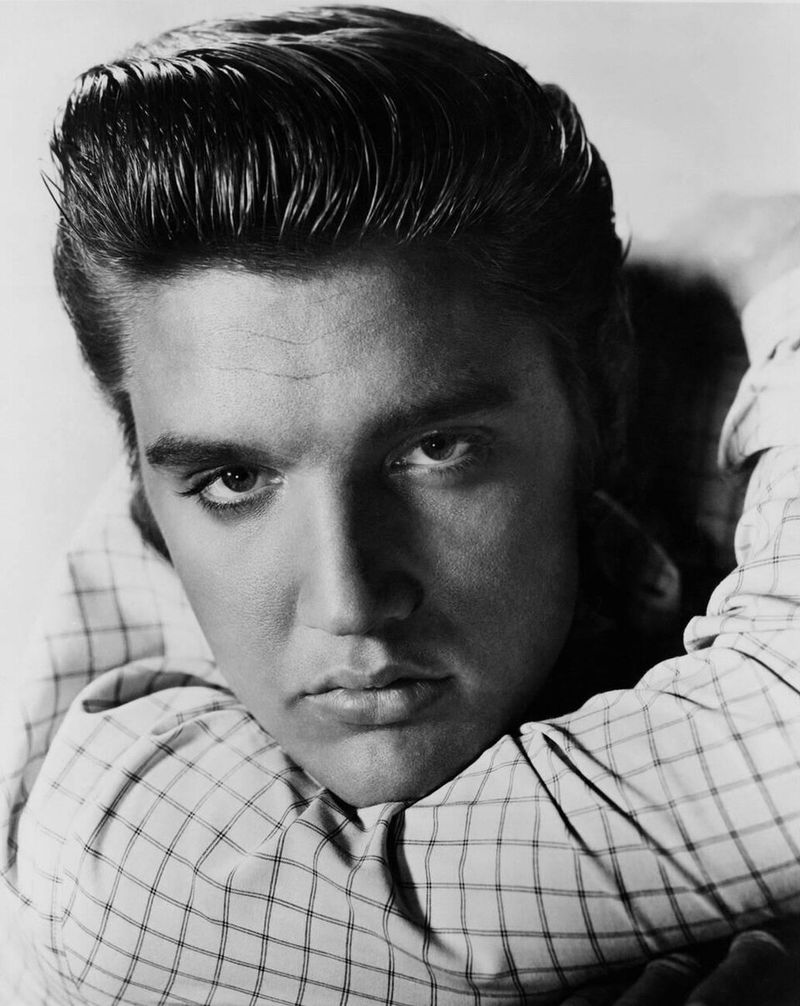
By 1962, Elvis Presley had already spent six years reshaping American popular music, but Return To Sender showed he still had plenty of commercial instinct left. The song was tied to his film Girls Girls Girls and reached number one in the United Kingdom while climbing to number two on the U.S.
Hot 100.
Written by Otis Blackwell and Winfield Scott, the track had a playful lyrical concept built around postal rejection, which gave it a lighthearted edge that worked well against Presley’s more dramatic recordings of the period. The production was polished but never sterile.
Return To Sender demonstrated that Elvis could navigate the pop landscape of the early 1960s without abandoning the rock-and-roll energy that had made him famous. It remains one of his most structurally satisfying singles from that transitional period in his career.
10. Do You Love Me, The Contours
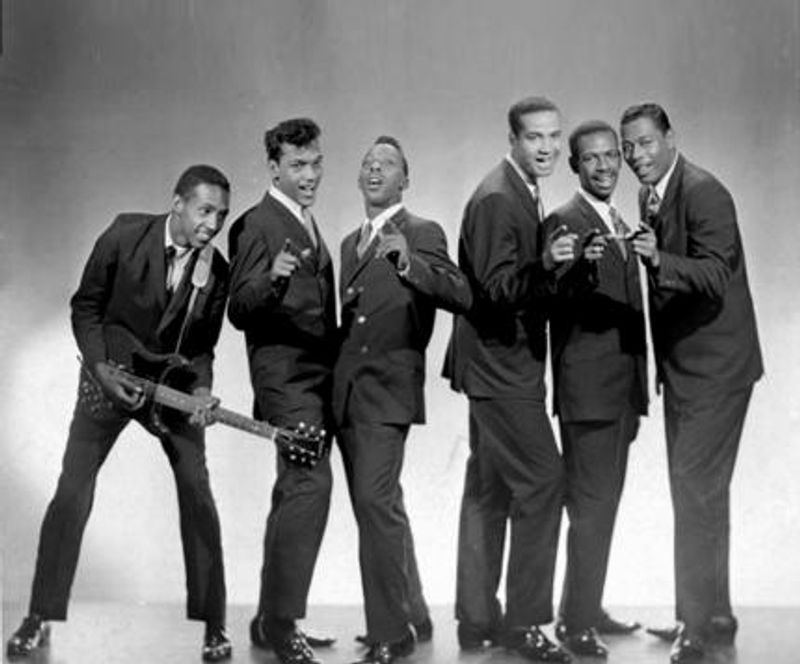
Motown Records had been building momentum since 1959, but Do You Love Me gave the label one of its most physically energetic early hits. The Contours recorded the track after Berry Gordy reportedly wrote it for The Temptations, who passed on it, which makes its success feel like a particularly satisfying turn of events.
The song reached number three on the Billboard Hot 100 and hit number one on the R&B chart in 1962. Its lyrical hook was built around a simple competitive dare: watch me dance, then tell me if you love me.
The Contours’ performance style was known for its athletic stage presence, and the recording captured that physical quality even without a live audience. Do You Love Me became one of the defining dance records of the Twist era and later found a new generation of fans through the 1987 film Dirty Dancing.
11. Dream Baby, Roy Orbison
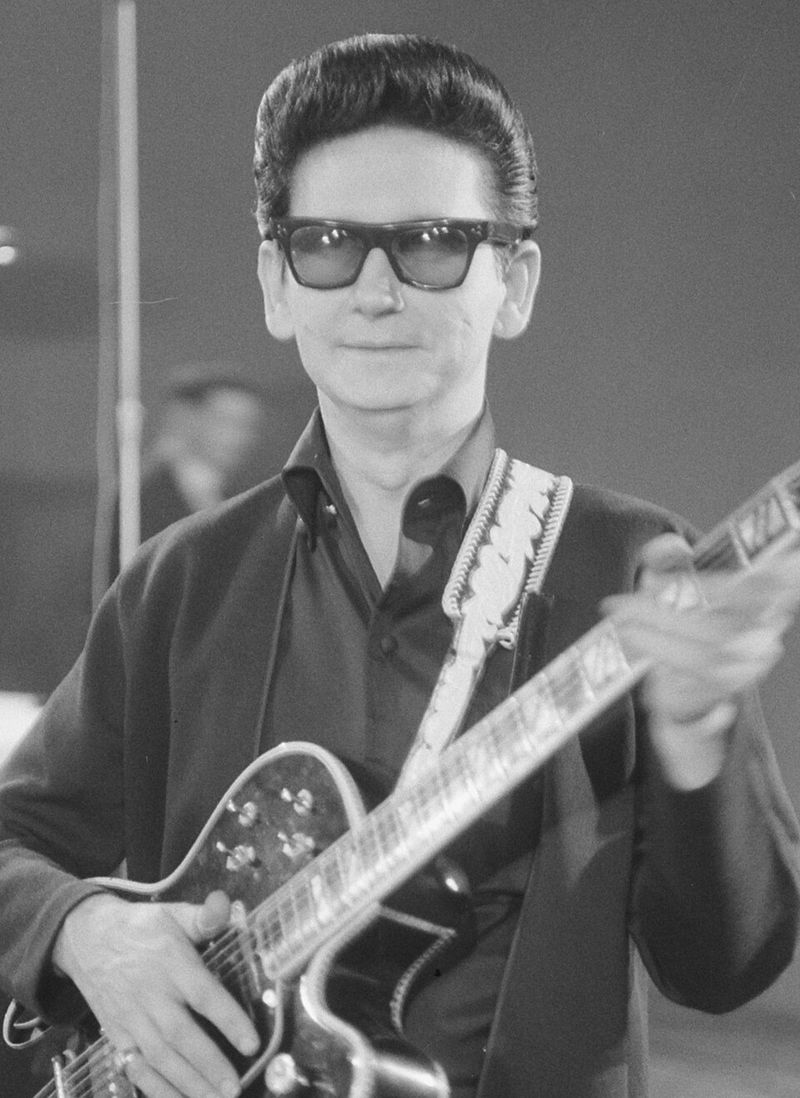
Roy Orbison occupied a unique space in early 1960s rock. His voice had an operatic range that most rock singers never attempted, and his songwriting leaned toward romantic tension rather than straightforward dance-floor appeal.
Dream Baby showcased a slightly looser, more rhythmically direct side of his style.
Released in 1962, the song reached number four on the Billboard Hot 100 and performed well on country charts as well, reflecting Orbison’s crossover appeal. It was co-written by Cindy Walker, one of the most respected songwriters in country music history.
The track’s rolling rhythm gave it momentum without sacrificing the emotional weight Orbison always brought to a vocal performance. Dream Baby worked because it balanced two things that rarely coexist easily in a three-minute single: genuine romantic feeling and a beat that kept the record moving forward at all times.
12. The Loco-Motion, Little Eva
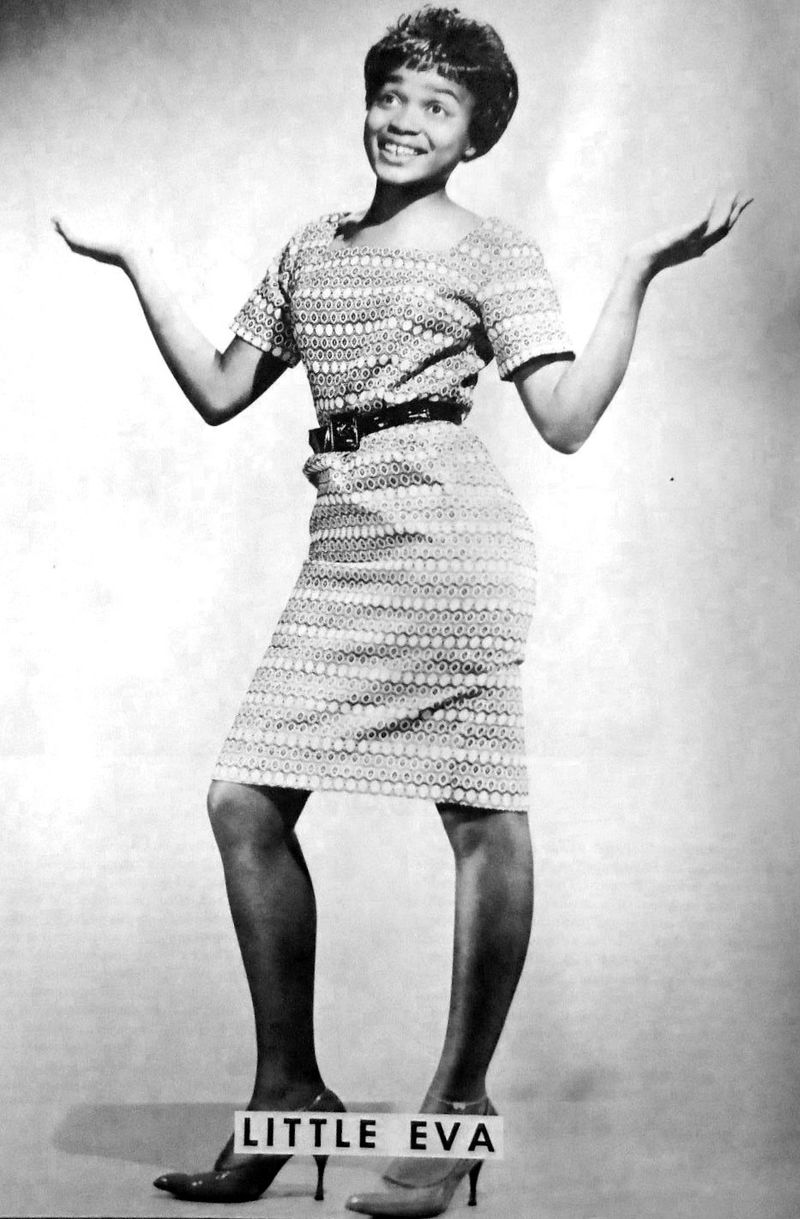
Few songs from 1962 captured pure pop momentum quite like The Loco-Motion. Written by the legendary songwriting team of Carole King and Gerry Goffin, the track was originally intended as a demo recording before Little Eva’s performance proved too energetic and charming to hand off to another singer.
Released in the summer of 1962, the song climbed all the way to number one on the Billboard Hot 100 and became one of the defining dance crazes of the early 1960s. Unlike many novelty dances of the era, there was never actually a real dance called “The Loco-Motion” before the song arrived.
The record itself created the craze from scratch.
Little Eva, who had been working as a babysitter for King and Goffin at the time, brought an unforced warmth to the vocal that helped the track feel playful rather than manufactured. The pounding piano rhythm, handclaps, and call-and-response structure made it instantly memorable on radio and at school dances across America.
The Loco-Motion also became one of the rare songs to reach the Billboard Top 10 in three separate decades through different artists, cementing its place as one of the most enduring pop-rock recordings to emerge from 1962.
Share this story