 Unearth The Voyage

Our planet has experienced dramatic shifts in temperature, rainfall, and sea levels throughout history. Some places on Earth, however, have remained remarkably stable through ice ages, volcanic winters, and ancient droughts. Understanding what makes these regions resilient can teach us valuable lessons about survival and adaptation in an ever-changing world.
1. Iceland (Interior Regions)
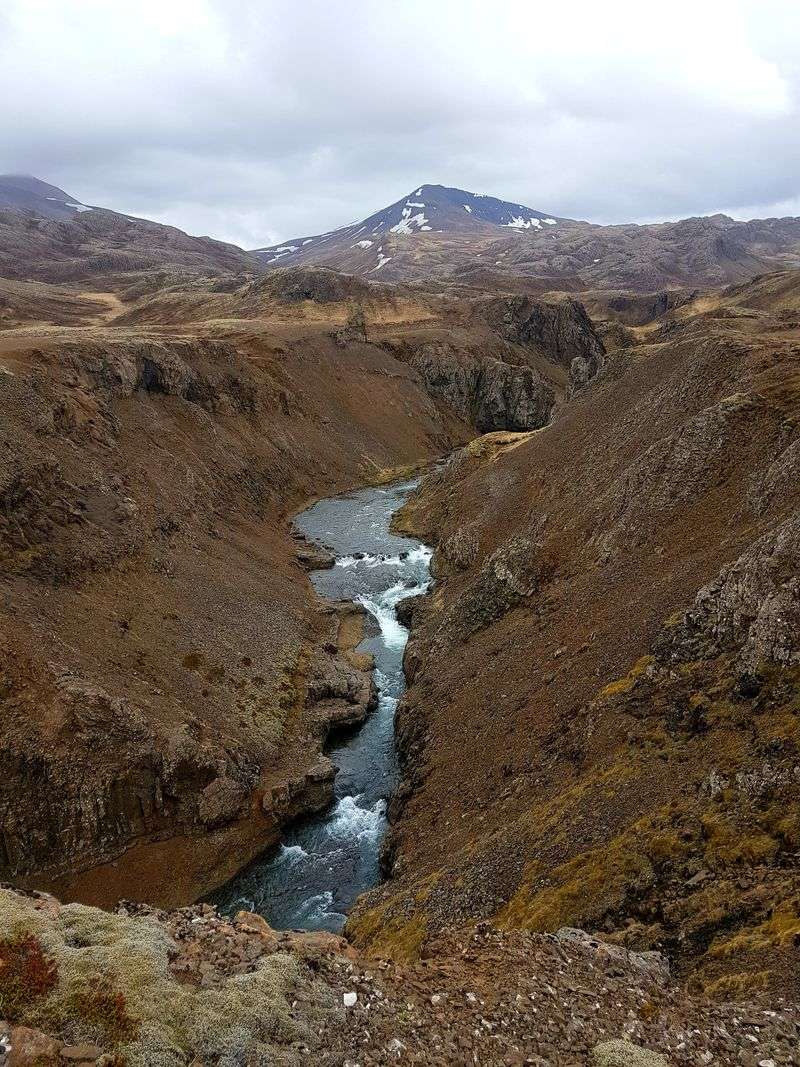
Volcanic eruptions and ice ages have shaped Iceland for thousands of years, yet life has persisted in remarkable ways. The interior regions benefit from abundant freshwater sources that flow from melting glaciers and consistent rainfall. Cool temperatures keep the land from experiencing the extreme heat waves that plague other parts of the world.
Geothermal energy bubbles beneath the surface, providing warmth and power even during the harshest winters. This natural heating system has allowed communities to thrive where others might struggle. The landscape may look barren and rocky, but it hides incredible resilience.
Volcanic activity does pose ongoing risks, including ash clouds and lava flows that can disrupt daily life. However, Icelanders have learned to live alongside these geological forces. Their experience shows that adaptation and preparation matter as much as location when it comes to long-term survival in changing climates.
2. New Zealand (South Island)
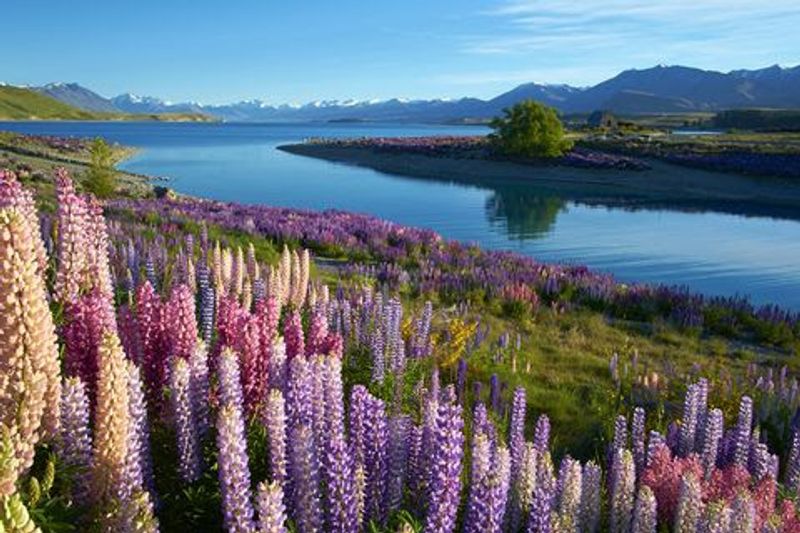
Distance from major continents has given New Zealand’s South Island a buffer against extreme climate swings. While much of the world experienced dramatic temperature changes, this isolated landmass maintained relatively moderate conditions. Glaciers carved deep valleys and fjords, but the region never became completely uninhabitable.
Freshwater is plentiful here, with rivers and lakes fed by mountain snowmelt and steady rainfall. The temperate climate supports diverse ecosystems, from coastal forests to alpine meadows. These natural advantages have made the South Island a refuge for both wildlife and human communities throughout history.
Isolation does come with challenges, including limited access to resources from other regions. Earthquakes and volcanic activity also remind residents that no place is completely safe. Still, the combination of water availability, moderate temperatures, and geographic separation creates conditions that favor long-term stability in uncertain times.
3. Tasmania, Australia
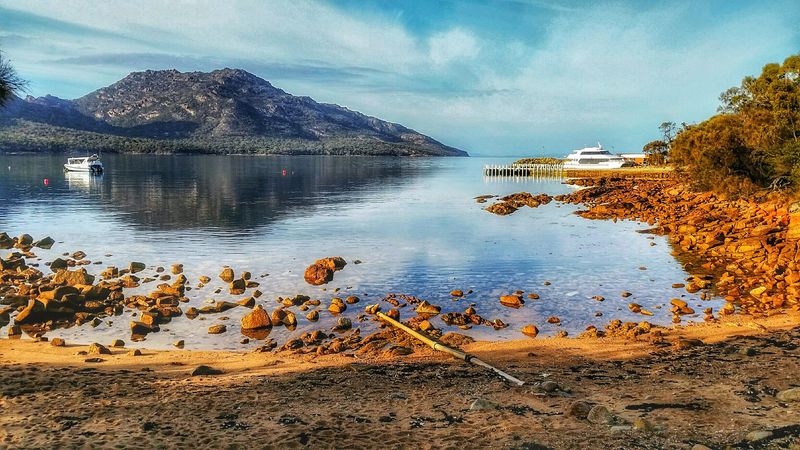
Ancient forests blanket much of Tasmania, a testament to its long history of climate stability. Unlike mainland Australia, which endures scorching summers and frequent droughts, this island state enjoys cooler temperatures and more reliable rainfall. Aboriginal people have called Tasmania home for over 40,000 years, making it one of the longest continuously inhabited places on Earth.
The Bass Strait separates Tasmania from the Australian mainland, creating a natural barrier against extreme heat. Ocean currents moderate temperatures year-round, preventing the wild swings seen in continental interiors. This maritime influence keeps summers mild and winters relatively gentle.
Water scarcity rarely poses a problem here, with numerous rivers and consistent precipitation supporting agriculture and natural ecosystems. The island’s isolation has also protected unique species found nowhere else on the planet. While climate change does affect Tasmania, its track record suggests greater resilience than many other regions.
4. Scottish Highlands, Scotland
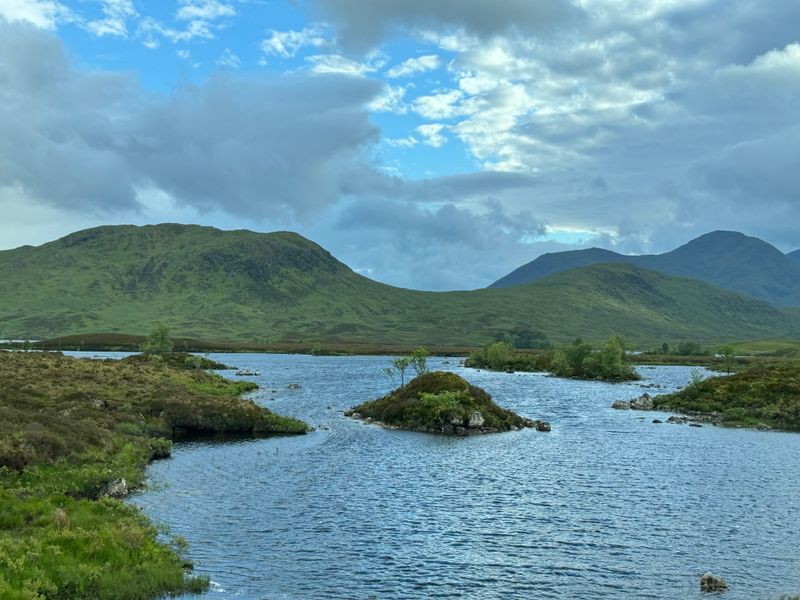
Glaciers once covered the Scottish Highlands, carving out dramatic valleys and deep lochs that define the landscape today. Communities here have weathered ice ages, medieval warm periods, and everything in between. The region’s ability to support life through such extremes comes from its access to freshwater and relatively stable temperatures.
Cool, wet weather dominates the Highlands, with rainfall feeding countless streams and preventing the severe droughts common in warmer climates. Atlantic winds bring moisture year-round, though they can also bring fierce storms. The landscape may seem harsh, but it provides consistent resources for those who know how to use them.
Modern climate patterns are introducing new variability, with warmer winters and unpredictable rainfall becoming more common. Despite these changes, the Highlands remain far from the temperature extremes affecting other parts of the world. Historical resilience suggests this region will continue adapting, though the pace of change now presents unprecedented challenges.
5. Patagonia (Chile & Argentina)
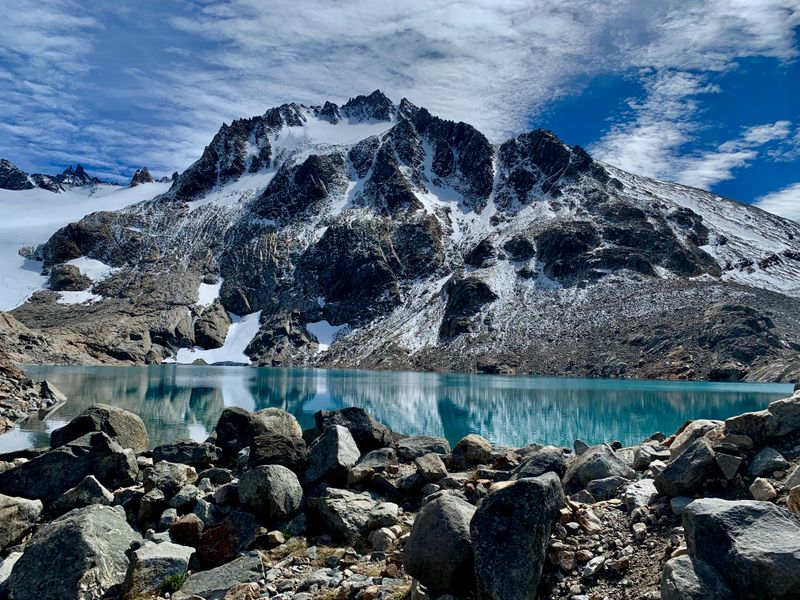
Wind howls across Patagonia almost constantly, shaping a landscape of stunning beauty and harsh conditions. This sparsely populated region at the southern tip of South America has survived repeated glacial advances and retreats. Cold temperatures and strong winds make daily life challenging, but they also prevent the extreme heat that stresses other ecosystems.
Glaciers still dominate parts of the landscape, storing massive amounts of freshwater that feed rivers and lakes. Low population density means less pressure on natural resources, allowing ecosystems to function with minimal human interference. The region’s isolation has preserved wilderness areas that might have been developed elsewhere.
Agriculture remains limited due to poor soil and harsh weather, but these same factors provide a buffer against some climate impacts. Rising temperatures may actually make some areas more habitable in coming decades. For now, Patagonia stands as an example of how extreme conditions can sometimes offer unexpected advantages.
6. Ethiopian Highlands
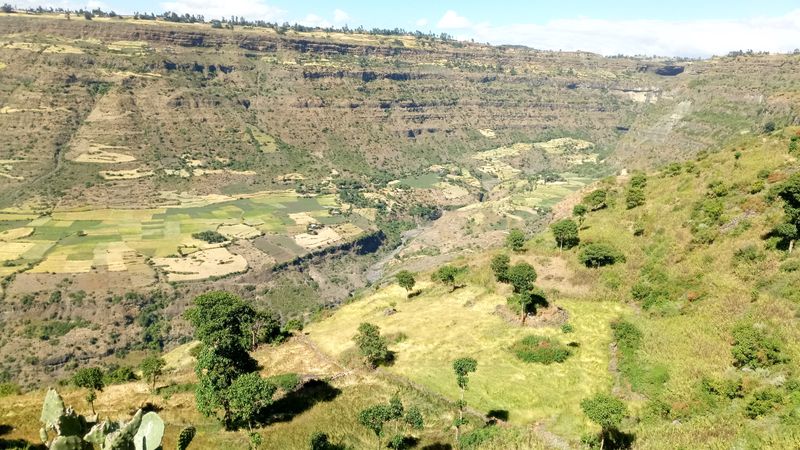
When ancient droughts devastated lowland Africa, people found refuge in the Ethiopian Highlands. Elevation creates a cooler, wetter climate than surrounding regions, with temperatures moderated by altitude rather than latitude. These highlands have served as a safe haven for humans and wildlife for thousands of years.
Rainfall here follows more predictable patterns than in the lowlands, supporting agriculture and natural vegetation. Rivers originating in the highlands, including the Blue Nile, provide water to millions of people across northeastern Africa. The landscape’s vertical relief creates diverse microclimates within short distances.
Modern population growth has introduced new pressures, including deforestation and soil erosion. Climate change is also affecting traditional rainfall patterns, creating uncertainty for farmers who depend on seasonal rains. Despite these challenges, the highlands’ elevation continues to offer advantages that lowland areas lack. The region’s long history as a climate refuge suggests inherent resilience, though human activities now test those limits.
7. The Alps (Switzerland & Austria)
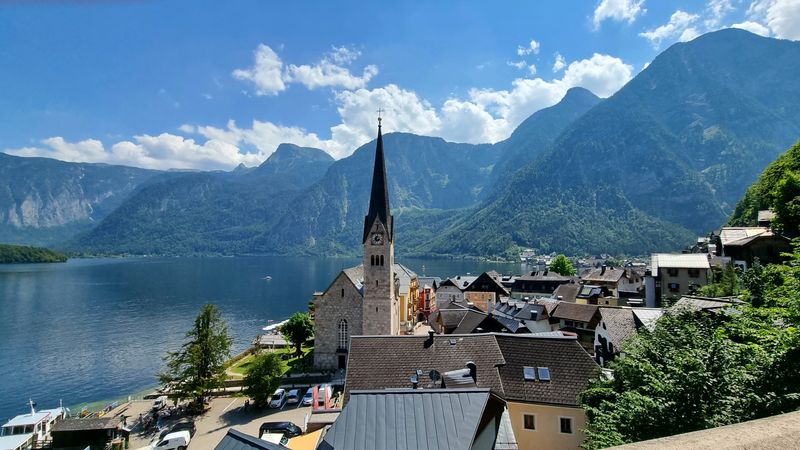
Massive glaciers once buried the Alps under ice kilometers thick, yet life returned as conditions warmed. The mountains have experienced repeated glaciations, each time reshaping valleys and creating new freshwater systems. Communities perched on mountainsides have learned to thrive in this vertical landscape where conditions change dramatically with elevation.
Snowmelt and glacial runoff feed major European rivers, including the Rhine and Rhone, making the Alps a water tower for the continent. Alpine meadows burst with life during brief summers, while deep valleys offer protection from the harshest weather. This combination of water abundance and climate diversity has supported human habitation for millennia.
Today’s rapidly melting glaciers present serious long-term concerns for water availability and slope stability. What took thousands of years to build is disappearing within decades. The Alps will likely remain cooler than surrounding lowlands, but their character is changing faster than at any point in human history.
8. The Canadian Shield
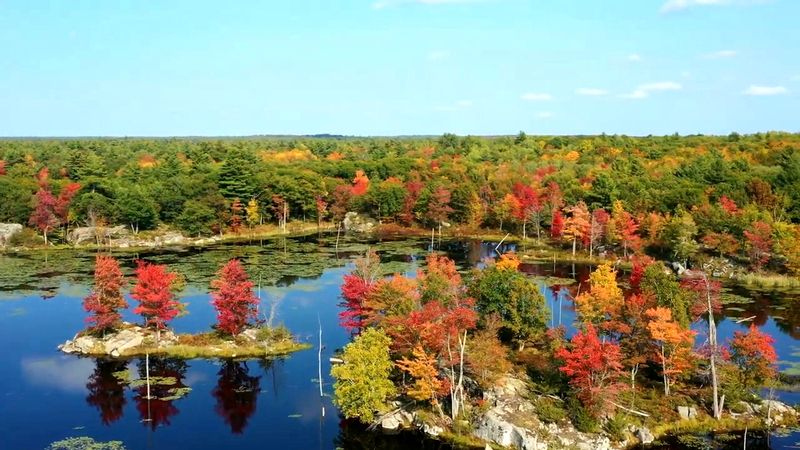
Billions of years old, the Canadian Shield represents some of Earth’s most ancient and stable bedrock. This vast region of exposed Precambrian rock covers much of central and eastern Canada. Countless lakes dot the landscape, created by glacial scouring during the last ice age and filled with some of the world’s cleanest freshwater.
Cold temperatures historically limited agriculture, keeping population density low and ecosystems relatively undisturbed. Boreal forests blanket much of the shield, adapted to short growing seasons and long, harsh winters. These forests act as massive carbon sinks, playing an important role in global climate regulation.
As global temperatures rise, the shield’s cold climate may become an asset rather than a liability. Longer growing seasons could make previously marginal land more productive. The region’s geological stability means it faces few earthquake or volcanic risks. Abundant freshwater and low population density position the Canadian Shield as potentially one of the most climate-resilient large regions on Earth.
9. Hokkaido, Japan
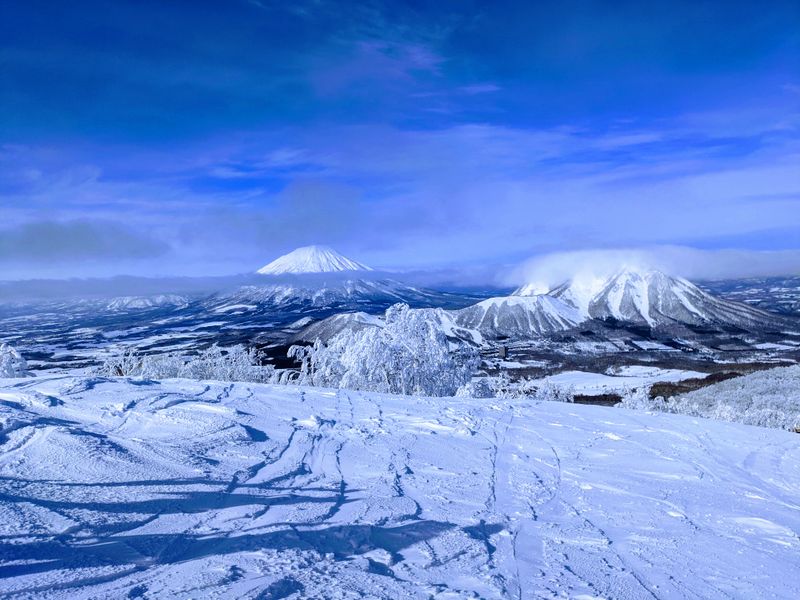
Japan’s northernmost island experiences winters that would feel familiar to residents of New England or southern Canada. Snow blankets the landscape for months, creating conditions very different from the subtropical climate of southern Japan. This cooler environment has helped Hokkaido remain habitable through past climate fluctuations that stressed other regions.
Volcanic soil enriches farmland, making Hokkaido a major agricultural producer despite its short growing season. The island’s position in the Pacific means it receives ample rainfall without the extreme typhoons that batter areas farther south. Freshwater is abundant, with rivers fed by seasonal snowmelt.
Seismic activity and volcanic eruptions do pose ongoing risks, as Hokkaido sits on the Pacific Ring of Fire. However, these geological forces also create the hot springs and fertile soils that make the island livable. As climate change progresses, Hokkaido’s cooler temperatures may prove advantageous, though rising seas threaten coastal communities just as they do elsewhere.
10. The Carpathian Mountains (Central & Eastern Europe)

Scientists studying Ice Age survival often point to the Carpathians as a crucial biodiversity refuge. When glaciers covered much of Europe, these mountains provided pockets of habitable terrain where plants and animals endured. Valleys sheltered from the worst cold allowed forests to persist, creating stepping stones for species to recolonize northern areas as ice retreated.
Today, the Carpathians remain heavily forested, with some of Europe’s last old-growth woodlands. Rivers flowing from the mountains provide water to millions of people across multiple countries. The arc of mountains creates diverse microclimates, from alpine meadows to lowland forests, supporting remarkable ecological variety.
Moderate temperatures and consistent rainfall give the region advantages over both hotter southern areas and more extreme northern latitudes. Political borders divide the Carpathians among several nations, complicating conservation efforts. Nevertheless, the mountains’ long history of climate resilience and continued ecological richness suggest they will remain relatively stable as conditions change elsewhere.
11. The Caucasus Mountains (Georgia & Armenia)
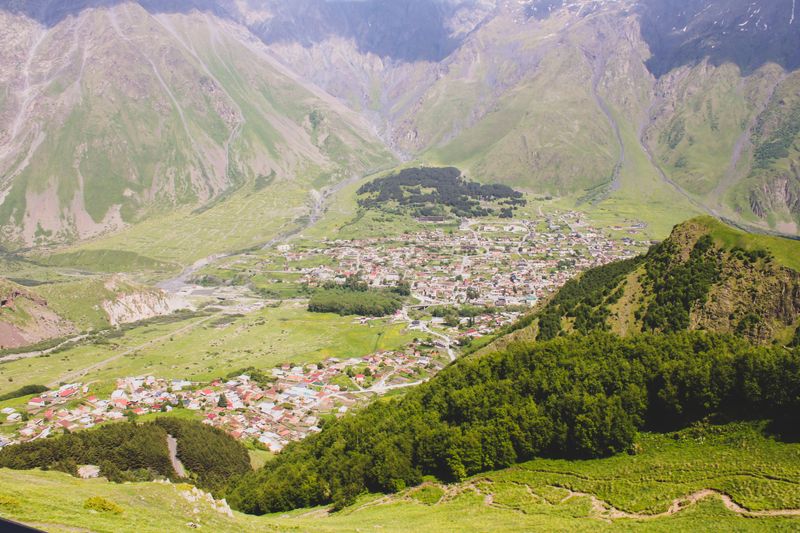
Wedged between the Black and Caspian Seas, the Caucasus Mountains have maintained ecological continuity through countless climate shifts. Elevation creates a range of habitats from subtropical lowlands to alpine tundra within relatively short distances. This vertical diversity has allowed species to migrate up or down slopes as conditions changed, rather than facing extinction.
Ancient glacial refuges in the Caucasus preserved genetic diversity that helped ecosystems recover after ice ages. Some valleys contain plant species found nowhere else on Earth, survivors from previous geological eras. Freshwater is abundant, with snowmelt feeding rivers that sustain both mountain communities and lowland agriculture.
The region’s position between continents has made it a crossroads for human migration and cultural exchange for thousands of years. Modern climate data shows the Caucasus warming, but at rates still lower than many other mountain regions. Varied microclimates mean that even as some areas change dramatically, others may maintain relatively stable conditions.
12. The Pacific Northwest (U.S. & Canada)
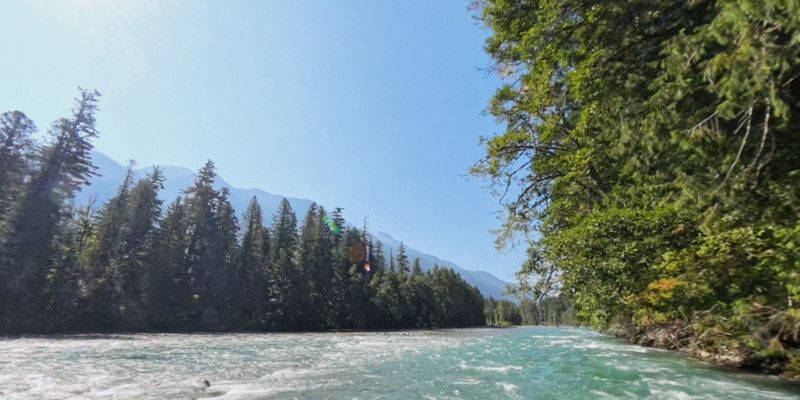
Towering Douglas firs and western red cedars dominate forests that have stood for thousands of years. The Pacific Northwest’s mild, wet climate has allowed these temperate rainforests to persist through climate fluctuations that transformed other regions. Consistent rainfall from Pacific storms keeps the landscape green year-round, preventing the droughts common in interior areas.
Ocean currents moderate temperatures, keeping winters mild and summers cool along the coast. Mountains trap moisture from Pacific storms, creating some of the wettest environments in North America. Rivers fed by mountain snowpack provide reliable water supplies and support massive salmon runs that have sustained communities for millennia.
Rising wildfire risk now threatens forests that historically burned only rarely, as warmer, drier summers become more common. Still, the region’s fundamental advantages of moderate temperatures and abundant water remain. Coastal areas face sea level rise, but interior valleys and mountain slopes may prove among North America’s most climate-stable regions in coming decades.
13. Southern Chile (Lake District)
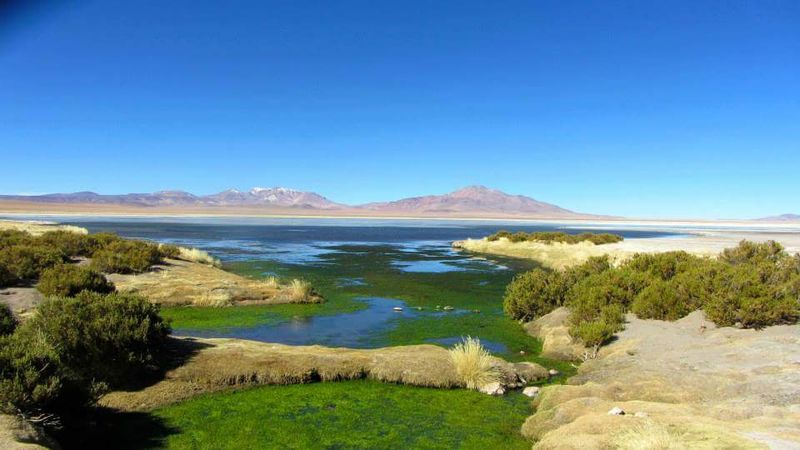
Crystal-clear lakes fill valleys carved by ancient glaciers, creating a landscape of stunning beauty in southern Chile. Volcanoes rise above the lakes, their snow-capped peaks reflected in calm waters. This region combines abundant freshwater with temperatures far milder than its latitude would suggest, thanks to Pacific Ocean influence.
Rainfall is generous and reliable, supporting lush temperate forests that never experience the droughts affecting much of South America. The lakes themselves act as thermal buffers, moderating local temperatures and creating stable microclimates. Small-scale agriculture thrives here, with conditions suitable for crops that struggle in hotter or drier regions.
Volcanic activity reminds residents that no place is entirely risk-free, but eruptions occur infrequently enough that communities have learned to coexist with the danger. The region’s combination of water abundance, moderate climate, and relatively low population density creates conditions favorable for long-term stability. As global temperatures rise, southern Chile’s cool, wet climate may become increasingly valuable.
14. The Scandinavian Interior (Norway, Sweden, Finland)

Long winters and short summers have defined Scandinavia’s interior for thousands of years. Communities here adapted to cold-weather survival, developing technologies and social systems that allowed them to thrive despite harsh conditions. Glaciers repeatedly covered this region, yet each time life returned as ice retreated.
Countless lakes and rivers provide abundant freshwater, while boreal forests stretch across vast areas with minimal human disturbance. Cold temperatures preserve these forests and the carbon they store, playing an important role in climate regulation. The landscape may seem empty compared to more populated regions, but that emptiness represents resilience through low resource pressure.
Extreme heat remains uncommon here, even as temperatures rise globally. Longer growing seasons may make agriculture more viable in areas previously too cold for crops. Challenges include dark winters that affect both human psychology and energy needs. Nevertheless, Scandinavia’s interior regions have proven their ability to support life through dramatic climate swings, suggesting continued stability ahead.
15. Edges of the Tibetan Plateau
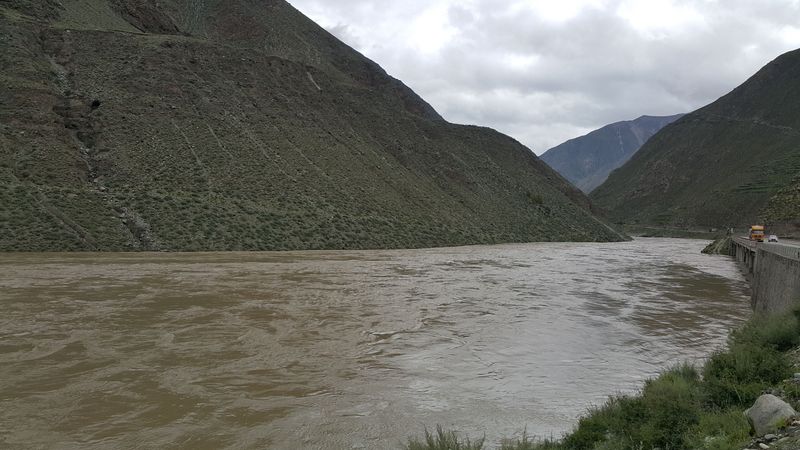
Few places on Earth match the Tibetan Plateau’s elevation and harsh conditions. Yet peripheral areas of this vast highland have served as refuges during ancient climate shifts. Consistent cold temperatures create stability of a different sort than temperate regions, where seasonal swings are more dramatic.
Isolation has preserved traditional ways of life adapted to high-altitude survival over countless generations. Glaciers store freshwater that feeds major Asian rivers, making the plateau crucial for billions of people downstream. Thin air and intense solar radiation create unique challenges, but they also limit the impact of some climate changes affecting lower elevations.
Warming temperatures are melting glaciers faster than at any point in recorded history, threatening long-term water supplies. However, the plateau’s sheer size and elevation mean parts will remain cold even as global averages rise significantly. Communities here face difficult futures, but the region’s history as a climate refuge during past upheavals suggests that some areas may continue offering stability when lowland regions become uninhabitable.



