 Unearth The Voyage

The planet beneath your feet has a natural rhythm, a low electromagnetic hum that scientists call the Schumann Resonance. Think of it as Earth’s own heartbeat, quietly pulsing at around 7.83 cycles per second.
Lately, that rhythm appears to be speeding up, and some researchers are wondering what that could mean for the human body. Here is what we know so far.
Earth Has a Natural Electromagnetic Heartbeat
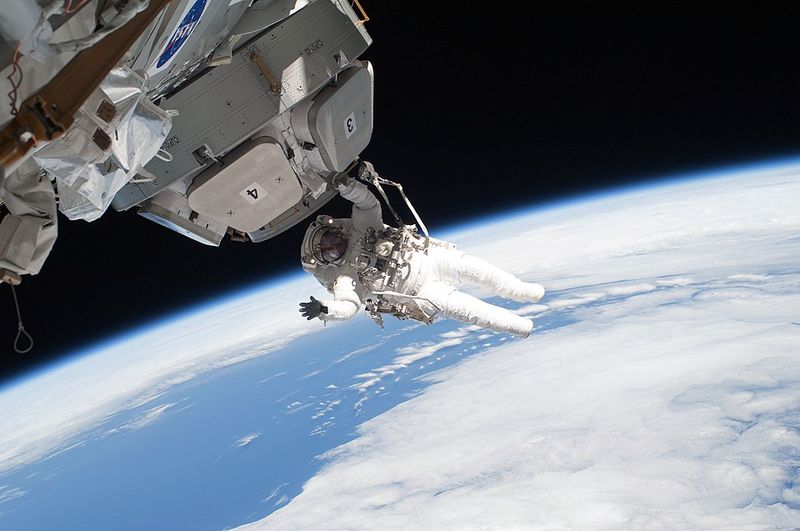
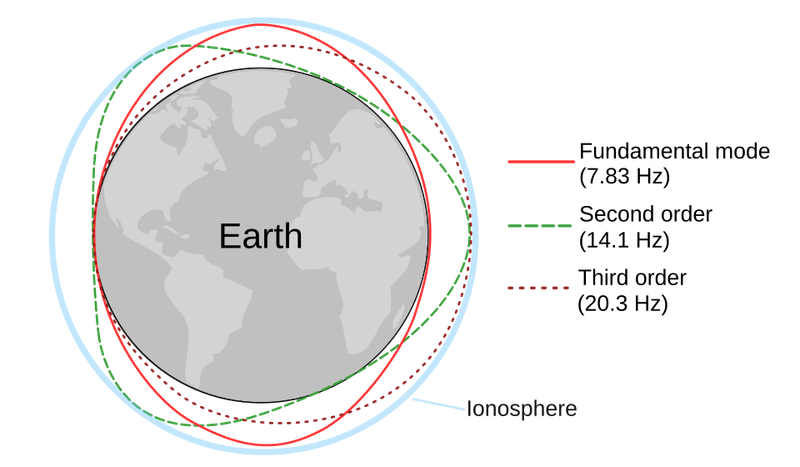
The space between Earth’s surface and the upper atmosphere acts like a vast natural resonating chamber, producing a constant, low-frequency hum. This hum is known as the Schumann Resonance – a set of electromagnetic frequencies generated by lightning strikes occurring around the globe every second.
NASA explains that these electromagnetic waves become trapped in the cavity between Earth and the ionosphere, the upper atmospheric layer ionized by solar radiation. Under normal, stable conditions, the fundamental frequency sits at 7.83 hertz, meaning 7.83 cycles per second.
Scientists often describe this value as the planet’s background music. It has remained relatively stable for centuries, making any noticeable shift worth paying attention to.
Understanding this baseline is the first step toward understanding why recent fluctuations have grabbed the attention of researchers and health-conscious readers worldwide.
Measurements Show a Recent Spike in Activity
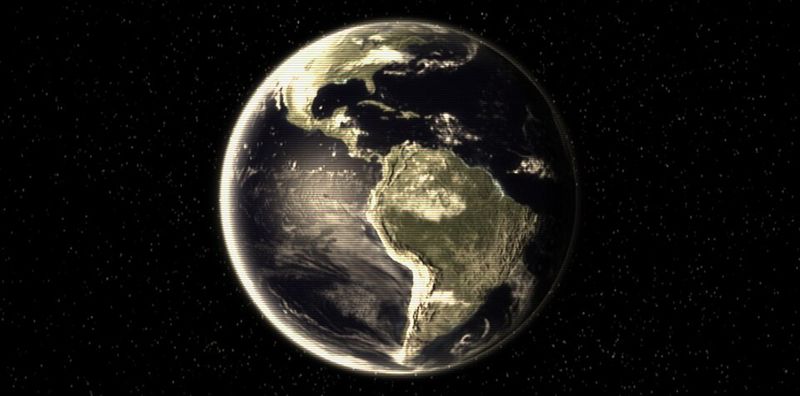
Numbers do not lie, and the numbers recorded in February were hard to ignore. According to data from MeteoAgent, a space-weather monitoring application, the planet’s electromagnetic pulse showed a noticeable surge over four consecutive days.
During that stretch, the geomagnetic disturbance scale, which runs from 0 to 9, climbed above 5.0. That reading falls into the moderate disturbance category, a level where real-world effects start showing up in measurable ways.
Satellites can lose accuracy, radio signals become unreliable, and power grids experience unusual stress at this intensity. The New York Post covered the spike, which quickly spread across social media and sparked widespread public curiosity.
Whether you track space weather as a hobby or heard about it through a friend, the data behind this event is genuinely interesting and worth understanding clearly.
Why Some Experts Are Raising Concerns
Not every researcher is ready to dismiss the recent spike as background noise. Some scientists have begun raising questions about whether sudden shifts in Earth’s electromagnetic rhythm could affect people who are particularly sensitive to environmental electromagnetic changes.
The concern is rooted in an interesting overlap. The Schumann Resonance frequency range sits surprisingly close to the range of certain human brainwave frequencies.
That proximity is what makes some researchers pause and ask whether a significant enough shift could register in the human nervous system.
It is worth being clear that this remains a theoretical concern, not a confirmed health risk. The scientific community is careful to distinguish between speculation and proven fact.
Still, the overlap is real, the question is legitimate, and the growing body of research exploring this connection deserves honest, straightforward attention rather than dismissal or exaggeration from either side of the debate.
The Link to Brainwaves and Sleep
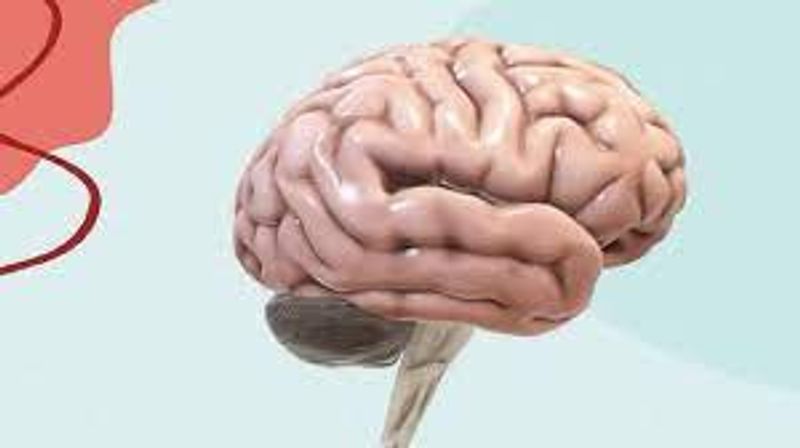
Here is where things get genuinely fascinating. During deep sleep and relaxed meditation, the human brain naturally produces theta waves, which oscillate between 4 and 8 hertz.
Earth’s base frequency of 7.83 Hz falls right inside that window.
Because of this overlap, some theorists suggest that sharp changes in the planet’s electromagnetic cadence might interfere with circadian rhythms, sleep quality, and the ability to focus during waking hours. Anecdotal reports from people during recent geomagnetic spikes have included headaches, dizziness, brain fog, ringing in the ears, mood swings, and disrupted sleep.
These reports come from real people, but they remain anecdotal and have not been confirmed through controlled scientific studies. Sleep disruption has many causes, and attributing it to planetary frequencies requires rigorous research.
That said, the similarity between theta waves and Earth’s frequency is an objective fact worth keeping in mind.
Could a Solar Flare Be Responsible
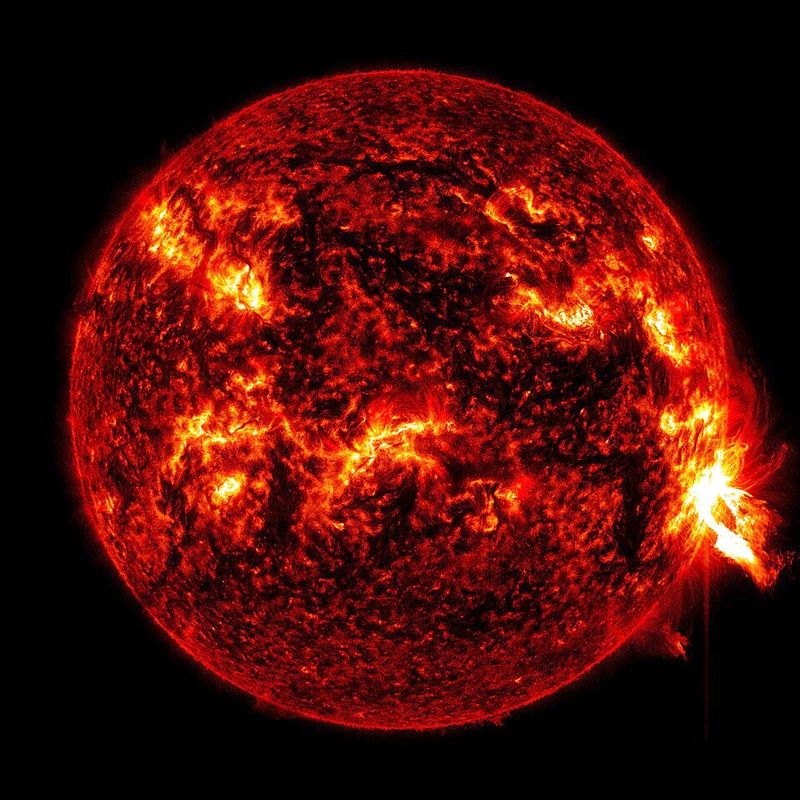
Solar activity is one of the most likely culprits behind the recent uptick. MeteoAgent specialists pointed to a moderate solar flare as a probable trigger for the geomagnetic disturbance recorded in February.
When the sun releases bursts of energy, those bursts travel toward Earth and interact with the planet’s magnetic field.
Solar flares are a normal part of the sun’s activity cycle. They become more frequent and intense during solar maximum periods, when the sun’s magnetic activity peaks roughly every 11 years.
The current solar cycle has been particularly active, which means more opportunities for geomagnetic disturbances in the near future.
Whether these solar-driven disruptions directly influence human biology is still debated among scientists. What is clear is that solar flares have measurable effects on technology and atmospheric conditions.
The human health angle remains an open question that researchers are actively exploring with growing interest.
What Does Science Actually Say
Before drawing firm conclusions, it helps to look at what peer-reviewed research actually shows. A study conducted in Japan examined a possible relationship between fluctuations in the Schumann Resonance and blood pressure readings.
Researchers did find a statistical correlation, but they were careful to note that correlation does not equal causation.
Other environmental factors, lifestyle habits, and physiological variables were almost certainly involved. The broader scientific community remains cautious, and no study to date has conclusively proven that Schumann Resonance changes directly cause health problems in humans.
That measured position is not a dismissal of the topic. It is simply science doing what science does best: requiring strong, repeatable evidence before drawing firm conclusions.
The research is ongoing, and future studies with larger sample sizes and tighter controls may eventually offer clearer answers. For now, curiosity is warranted, but panic is not.
The Bottom Line on Earth’s Shifting Pulse

Earth’s natural electromagnetic pulse appears to have temporarily intensified, most likely driven by recent solar activity. The Schumann Resonance is real, measurable, and worth monitoring, especially as solar activity continues to climb during the current cycle.
Some people report feeling off during geomagnetic disturbances, and while those experiences deserve acknowledgment, they have not been scientifically linked to the Schumann Resonance in a definitive way. Good sleep habits, reduced screen time, and staying hydrated remain the most reliable tools for managing how you feel day to day.
The phenomenon is genuinely fascinating from a scientific standpoint, and researchers are right to keep studying it. Earth and the human body share more subtle connections than most people realize, and understanding those connections better could eventually lead to meaningful health insights.
For now, stay curious, stay informed, and trust the process of careful science over viral speculation.



