 Unearth The Voyage
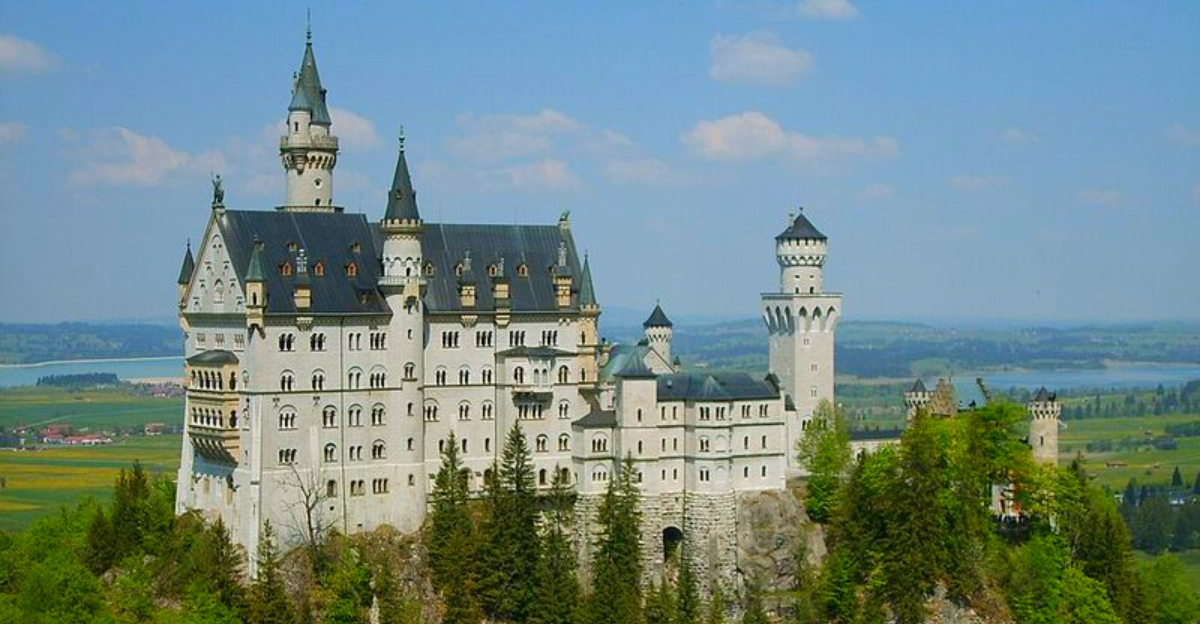
Europe in 2026 promises unforgettable adventures for every type of traveler. From the Winter Olympics in Italy to brand-new museums and UNESCO treasures, the continent is rolling out exciting reasons to visit. Whether you crave cultural festivals, wild nature parks, or world-class sporting events, this year delivers fresh experiences at every turn. Pack your bags and get ready to explore these remarkable destinations.
1. Milan, Cortina d’Ampezzo & Verona, Italy — Winter Olympics & Paralympics
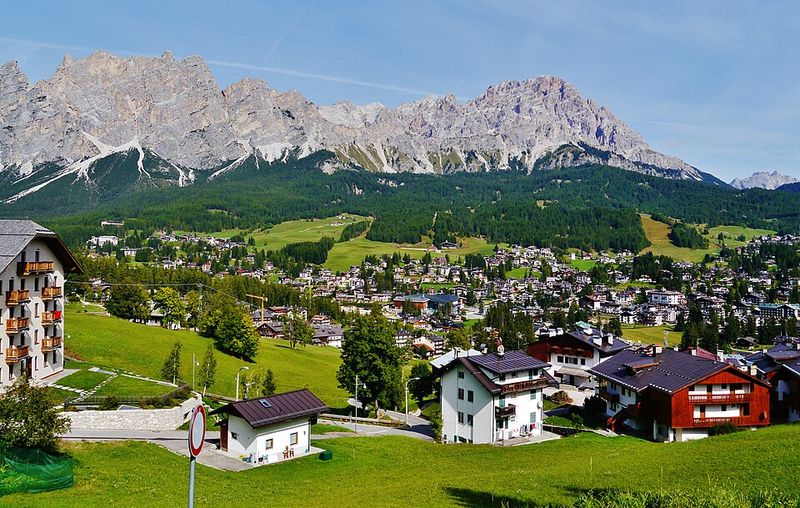
The Olympic Winter Games kick off February 6 and run through February 22, with the opening ceremony at Milan’s legendary San Siro stadium and the closing show at Verona’s ancient Arena. Competitions spread across three stunning regions: Lombardy, Veneto, and Trentino-Alto Adige.
The Paralympic Winter Games follow from March 6 to 15, celebrating courage and athleticism. Even if you cannot snag event tickets, the Olympic buzz electrifies every piazza and café. Street festivals, fan zones, and live broadcasts turn entire cities into celebration hubs. Grab your scarf and join the global party in the Italian Alps.
2. Oulu, Finland — European Capital of Culture
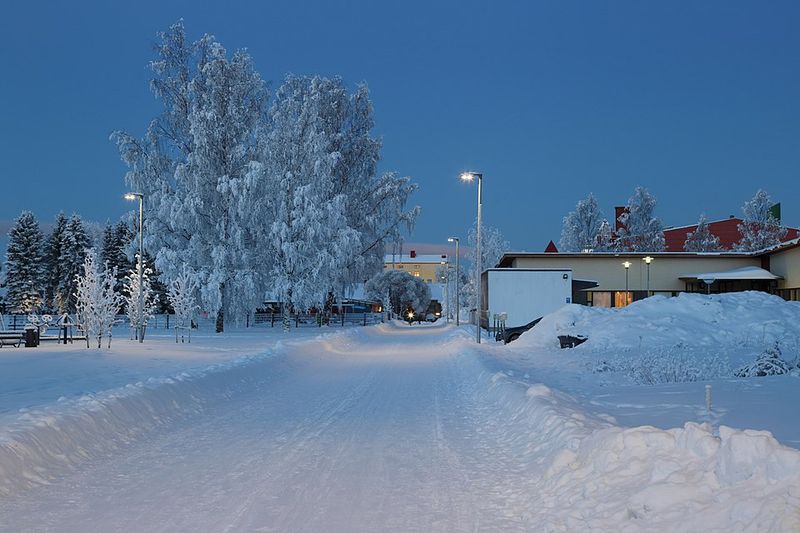
Way up near the Arctic Circle, Oulu transforms into a cultural powerhouse for all of 2026. As one of the European Capitals of Culture, this Finnish city hosts year-round performances, exhibitions, and community projects that blend tradition with cutting-edge creativity. Think outdoor concerts under the midnight sun and winter theater lit by the aurora.
Local artists collaborate with international creators to push boundaries. Music festivals celebrate everything from folk melodies to electronic beats. Public installations pop up in unexpected corners, turning everyday streets into open-air galleries. Oulu proves that culture thrives even in the coldest climates, warming hearts with every show and workshop.
3. Trenčín, Slovakia — European Capital of Culture
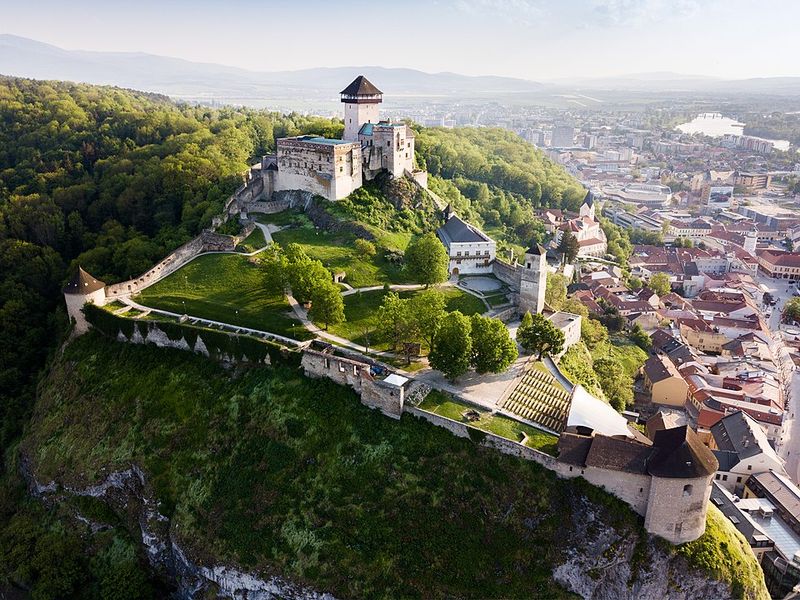
Nestled beneath a fairy-tale castle, Trenčín shares the European Capital of Culture crown in 2026. The theme “Cultivating Curiosity” invites visitors to explore region-wide projects that celebrate Slovak heritage and spark imagination. From puppet shows in village squares to modern dance in renovated factories, creativity blooms everywhere.
Workshops teach traditional crafts like lace-making and pottery alongside digital art labs. Music echoes through cobblestone lanes during weekend jam sessions. The castle itself becomes a stage for theatrical performances and historical reenactments. Trenčín’s compact size means you can walk between events, soaking up the friendly vibe and discovering hidden courtyards along the way.
4. Frankfurt–RheinMain, Germany — World Design Capital 2026
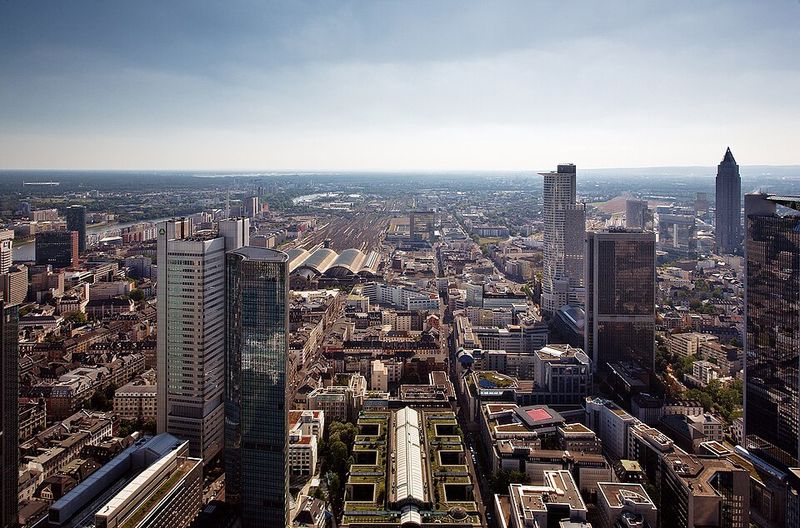
Germany’s Frankfurt–RheinMain region earns the World Design Capital title, spotlighting how smart design shapes democratic life. Public events run throughout the year, with the flagship “Open – Design Week” happening every June. Expect pavilions showcasing sustainable urban planning, accessible tech, and community-driven architecture.
Designers from around the globe gather to debate and demo solutions for real-world challenges. You might test a prototype wheelchair ramp or vote on park bench designs using interactive polls. The “Design for Democracy” banner means every exhibit aims to include more voices and perspectives. Stroll along the Main River between installations, and grab a pretzel while pondering how everyday objects can empower people.
5. Guimarães, Portugal — European Green Capital 2026
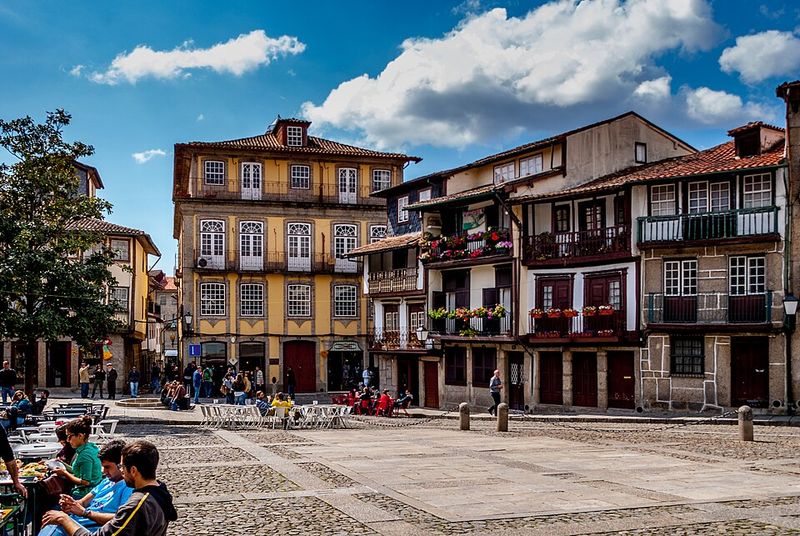
Once the birthplace of Portugal, Guimarães now leads Europe in environmental innovation. The European Commission crowned it the European Green Capital for 2026, recognizing bold projects like car-free zones, rooftop gardens, and renewable energy hubs. Walking through town feels like stepping into a blueprint for tomorrow’s cities.
Workshops teach composting and solar panel installation to curious locals and tourists alike. Bike-share stations dot every corner, making pedal-powered exploration a breeze. Meanwhile, Águeda and Vaasa hold the 2026 Green Leaf awards, proving smaller cities can punch above their weight. Visit Guimarães to see sustainability in action and leave inspired to green your own neighborhood.
6. Gozo, Malta — European Region of Gastronomy 2026
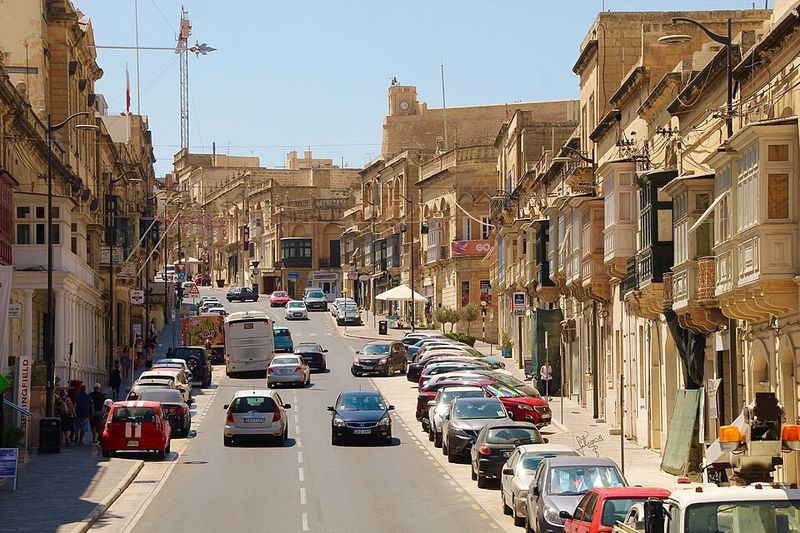
Malta’s smaller sister island, Gozo, wins the European Region of Gastronomy title and invites foodies to a year-long feast. Island-wide programming includes cooking classes with grandmothers who guard secret recipes, farm-to-table dinners in olive groves, and seafood festivals by the harbor. Every meal tells a story of tradition and terroir.
Local chefs experiment with ancient grains and wild herbs, updating classic dishes without losing their soul. Markets overflow with sun-ripened tomatoes, tangy goat cheese, and honey harvested from cliffside hives. Pop-up tastings appear in village squares, pairing wines with freshly baked ftira bread. Gozo proves that great gastronomy thrives on small islands with big hearts.
7. Brussels, Belgium — KANAL–Centre Pompidou (new mega-museum)
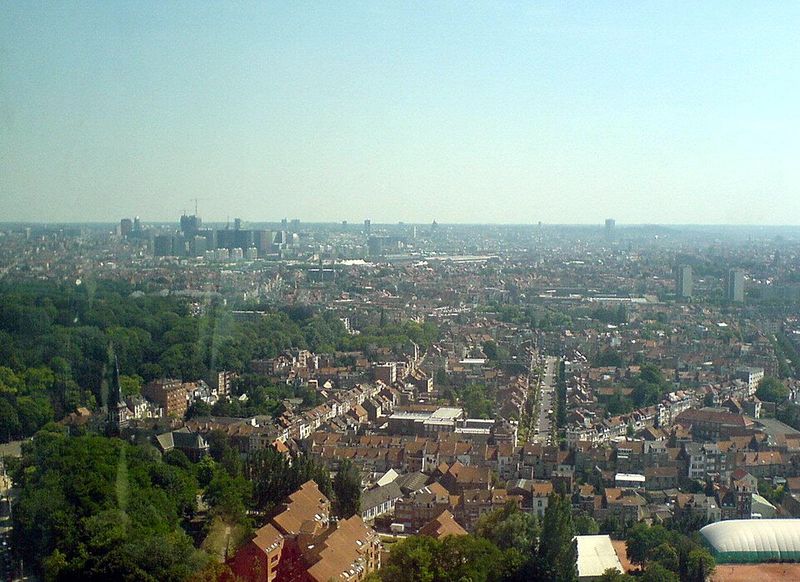
An old Citroën factory roars back to life as KANAL, a sprawling 40,000-square-meter temple of modern and contemporary art. Opening November 28, 2026, this mega-museum partners with Paris’s Centre Pompidou to showcase bold installations, experimental video art, and boundary-pushing architecture. Soaring ceilings and raw concrete walls provide the perfect backdrop for avant-garde masterpieces.
Interactive exhibits invite you to touch, listen, and even create alongside established artists. Rotating collections mean every visit reveals something new, from surrealist paintings to immersive sound rooms. Cafés tucked into converted loading bays serve Belgian waffles and strong coffee. Brussels already brims with Art Nouveau gems, and KANAL adds a daring modern chapter to the city’s creative legacy.
8. Cardiff, Wales — AMOCA (new modern art museum)
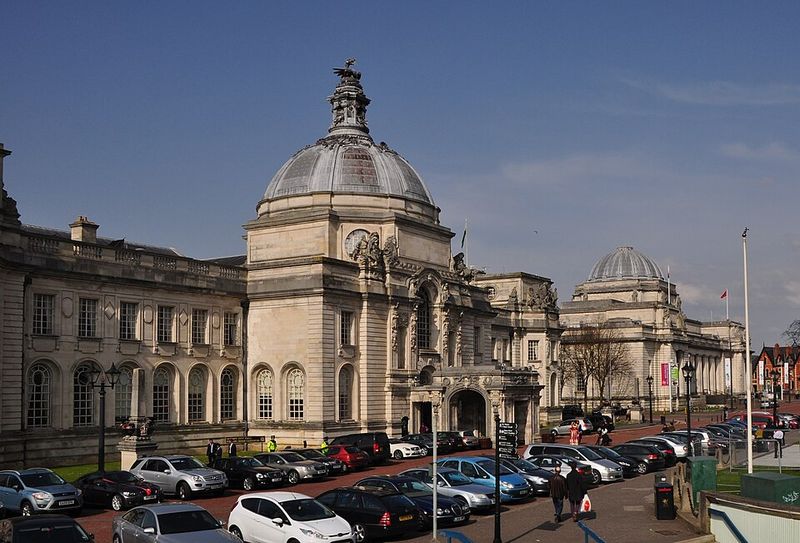
Cardiff welcomes the Artistic Museum of Contemporary Art, known as AMOCA, slated to open its doors in 2026. Pre-launch pop-ups throughout 2025 gave sneak peeks of the collection, building excitement across Wales. The museum champions Welsh and international artists who challenge conventions and spark conversations about identity, place, and change.
Galleries flow through light-filled spaces designed to make art accessible rather than intimidating. Expect video installations, large-scale paintings, and sculpture gardens where kids can climb and play. Free admission days and artist talks ensure everyone feels welcome. Cardiff’s waterfront revival continues with AMOCA as its cultural anchor, proving the Welsh capital is serious about creativity and community engagement.
9. Paris ↔ Berlin — Night train revival (great for a 2-city trip)
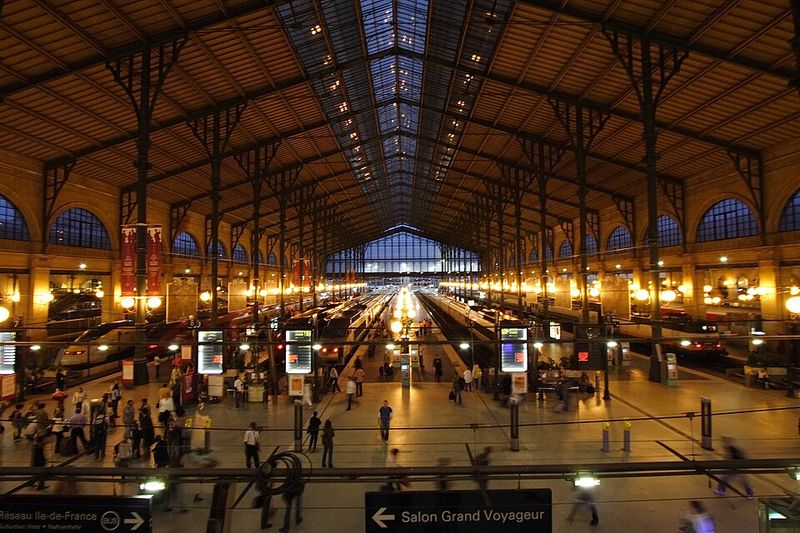
Sleep your way between two legendary capitals when European Sleeper relaunches the Paris–Berlin overnight link on March 26, 2026. Running three times weekly, the service lets you board in Paris after dinner, doze through the countryside, and wake up ready to explore Berlin’s streets. Tickets went on sale December 16, 2025, so book early for the best cabins.
Night trains slash travel time and hotel costs while reducing your carbon footprint. Private compartments offer cozy beds, reading lights, and enough room to stretch out. Shared lounges become social hubs where backpackers swap stories over snacks. The gentle rocking lulls you to sleep, and morning coffee arrives as German forests roll past your window.
10. Bavaria, Germany — King Ludwig II’s palaces (new UNESCO site)
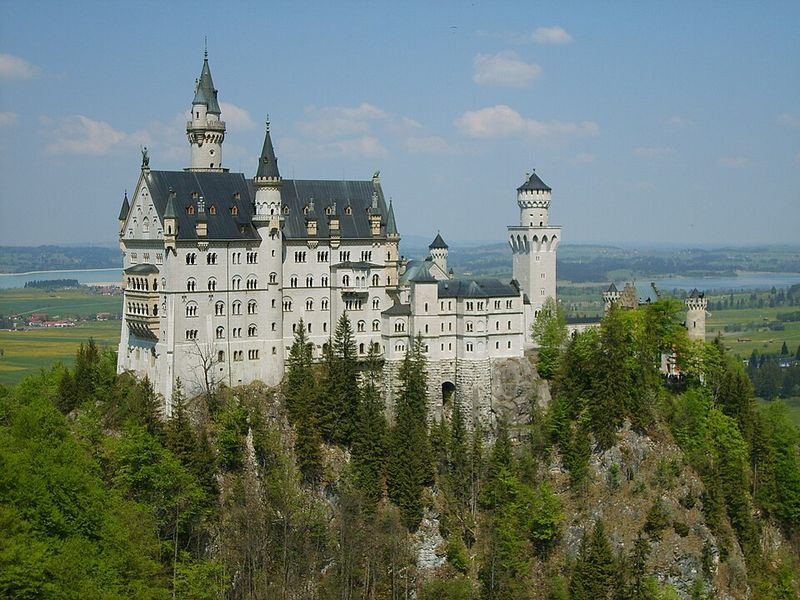
King Ludwig II built dream castles that now draw millions, and UNESCO just added them to the World Heritage List in 2025. Neuschwanstein, Linderhof, and Herrenchiemsee showcase the monarch’s obsession with fairy tales and opulence. Towers spiral toward the clouds, halls gleam with gold leaf, and gardens cascade down mountainsides in perfectly manicured terraces.
Guided tours reveal Ludwig’s eccentric personality: a bedroom modeled after a grotto, a dining table that rises through the floor, and murals depicting Wagnerian operas. Arrive early to beat the crowds, or visit in winter when snow transforms the castles into true storybook scenes. The new UNESCO status ensures better preservation and highlights Bavaria’s architectural treasures.
11. Carnac, Brittany, France — Megaliths (new UNESCO site)
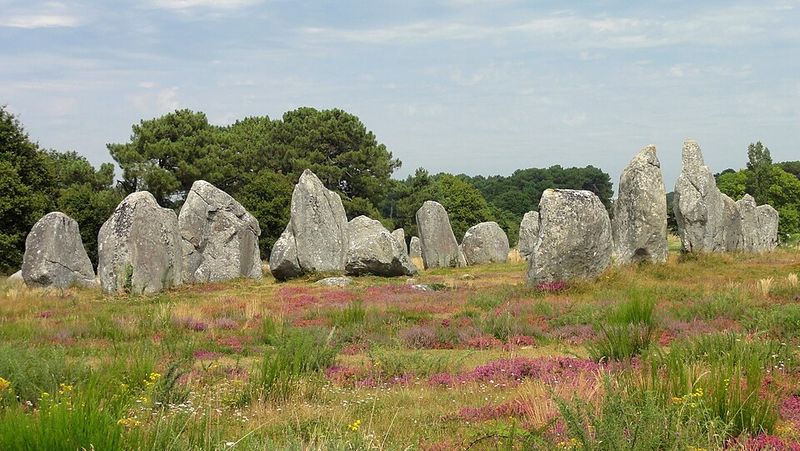
Thousands of standing stones march across Brittany’s fields in mysterious rows, and Carnac’s megaliths just earned UNESCO recognition in 2025. Dating back over 5,000 years, these prehistoric monuments predate Stonehenge and spark endless debate about their purpose. Were they astronomical calendars, religious sites, or markers for ancient gatherings? Nobody knows for sure.
Walking among the towering menhirs feels like stepping into a forgotten age. Some stones reach twice your height; others lean at odd angles after millennia of wind and rain. Visitor centers explain excavation finds and theories, but the real magic happens when you stand alone among the rocks at sunrise. Combine your visit with coastal hikes and fresh oysters from nearby villages.
12. Møns Klint, Denmark — Chalk cliffs (new UNESCO site)
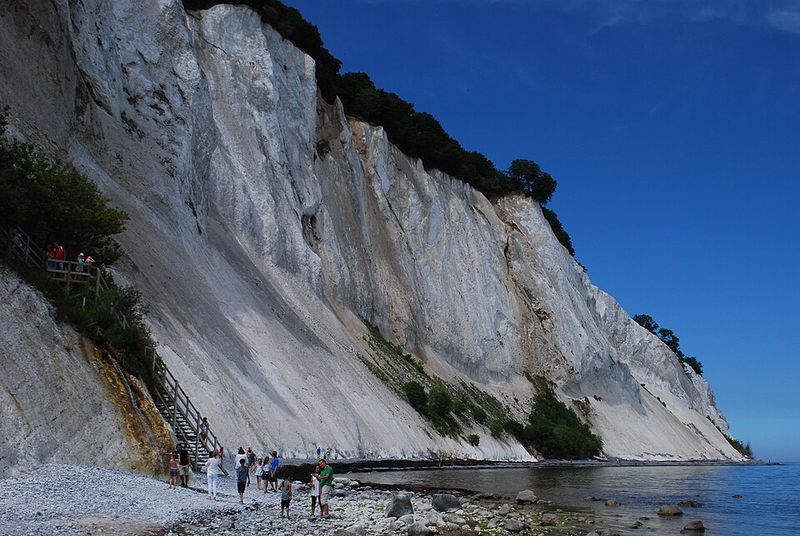
Denmark’s Møns Klint chalk cliffs soar up to 128 meters above the Baltic Sea, their brilliant white faces striped with layers of ancient fossils. UNESCO added them to the World Heritage List in 2025, celebrating both geological wonder and ecological importance. Beech forests crown the cliffs, while rare wildflowers cling to the slopes.
Steep staircases zigzag down to pebble beaches where you can hunt for fossils embedded in fallen chalk chunks. Bring sturdy shoes and a sense of adventure—the climb back up tests your legs but rewards you with jaw-dropping views. Combine Møns Klint with a Copenhagen city break or a leisurely road trip through South Zealand’s rolling countryside and charming villages.
13. Crete, Greece — Minoan Palatial Centres (new UNESCO site)
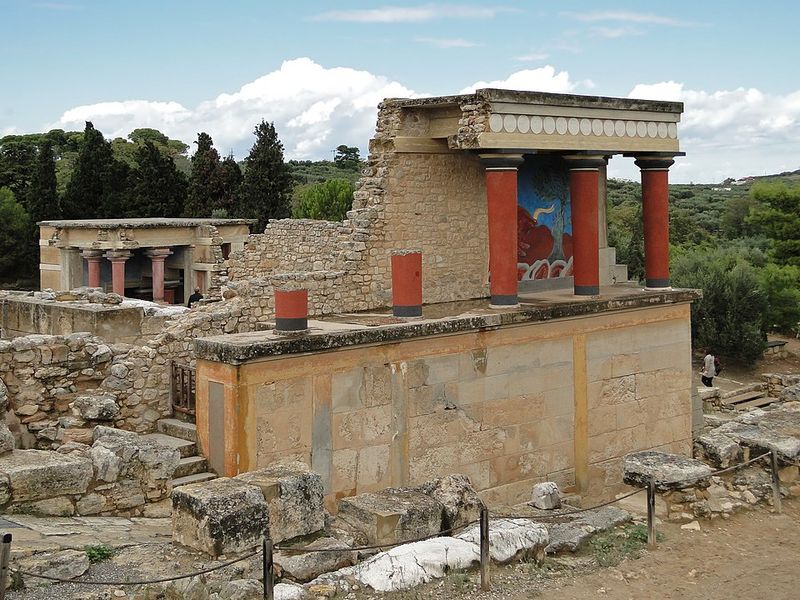
Crete’s Minoan palaces, including legendary Knossos and Phaistos, joined UNESCO’s list in 2025, shining a spotlight on Bronze Age Aegean culture. These sprawling complexes housed kings, priests, and artisans over 3,500 years ago. Frescoes depict bull-leaping acrobats and elegant ladies in flounced skirts, hinting at a sophisticated society that mysteriously vanished.
Wandering through Knossos, you navigate labyrinthine corridors that inspired the myth of the Minotaur. Storage rooms still hold giant clay jars once filled with olive oil and wine. Phaistos offers quieter exploration with sweeping views over olive groves. History buffs will spend hours deciphering Linear A script and marveling at advanced plumbing systems. Perfect for island itineraries that blend beach days with ancient wonders.
14. Vjosa River, Albania — Europe’s first Wild River National Park
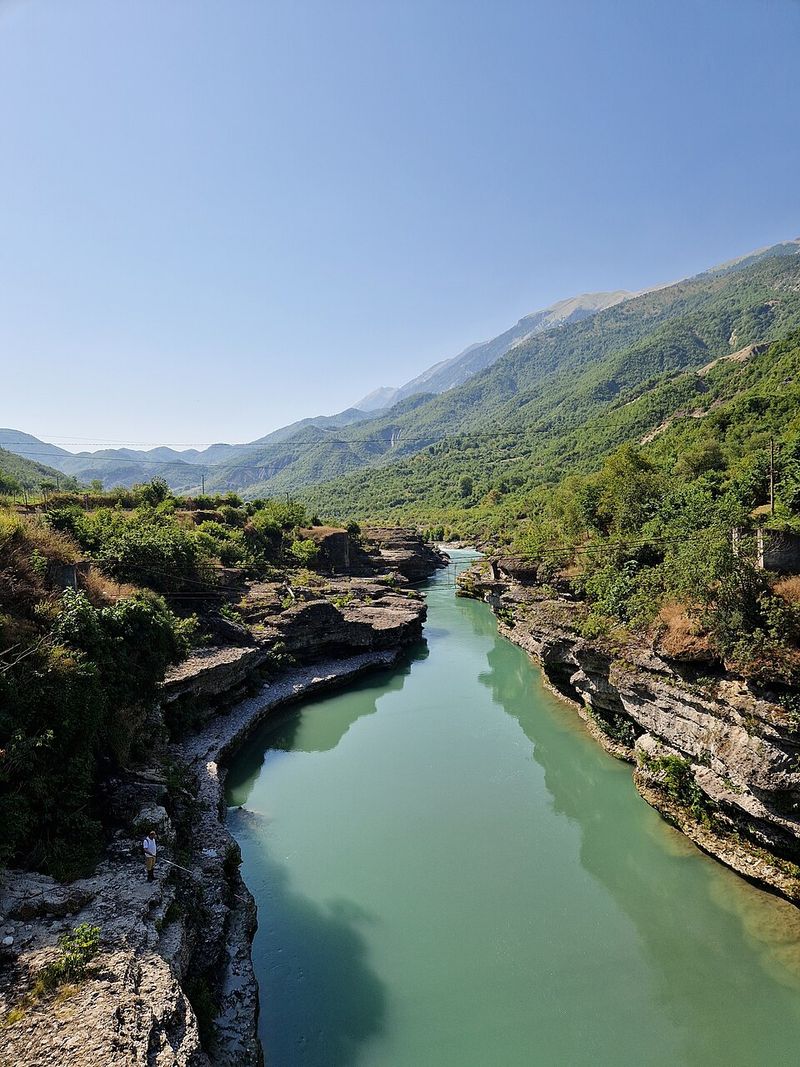
Albania’s Vjosa River earned fame as Europe’s first Wild River National Park in 2023, and UNESCO named it a Biosphere Reserve in 2025. Unlike most European waterways, the Vjosa flows free from source to sea without a single dam. Turquoise currents tumble through gorges, carve sandy beaches, and nourish forests teeming with wildlife.
White-water rafting trips range from gentle floats to adrenaline-pumping rapids that drench you with spray. Birdwatchers spot rare species like the Egyptian vulture soaring overhead. Riverside camps offer simple meals of grilled fish and local wine under star-filled skies. The Vjosa proves that wild rivers support both ecosystems and adventure tourism, inspiring conservation efforts across the continent.
15. Barcelona, Spain — Tour de France Grand Départ
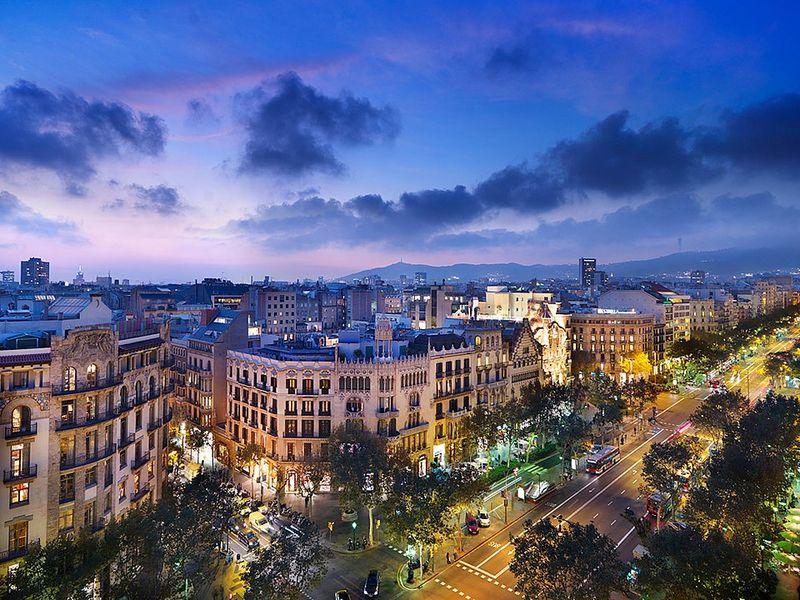
On July 4, 2026, the world’s most famous bicycle race roars out of Barcelona for the Grand Départ. The first three stages wind through Catalonia’s hills and coastline, treating riders and spectators to stunning Mediterranean vistas. Even if you skip the roadside crowds, the city pulses with energy as cafés broadcast every pedal stroke and plazas host fan festivals.
Bike shops deck out windows with yellow jerseys and polka-dot memorabilia. Street performers juggle while riding unicycles, and pop-up races challenge kids to sprint for prizes. Restaurants serve special Tour-themed menus, pairing tapas with French wines. Barcelona already dazzles with Gaudí masterpieces and beach promenades; the Tour adds an extra layer of excitement to an already electric summer destination.



