 Unearth The Voyage
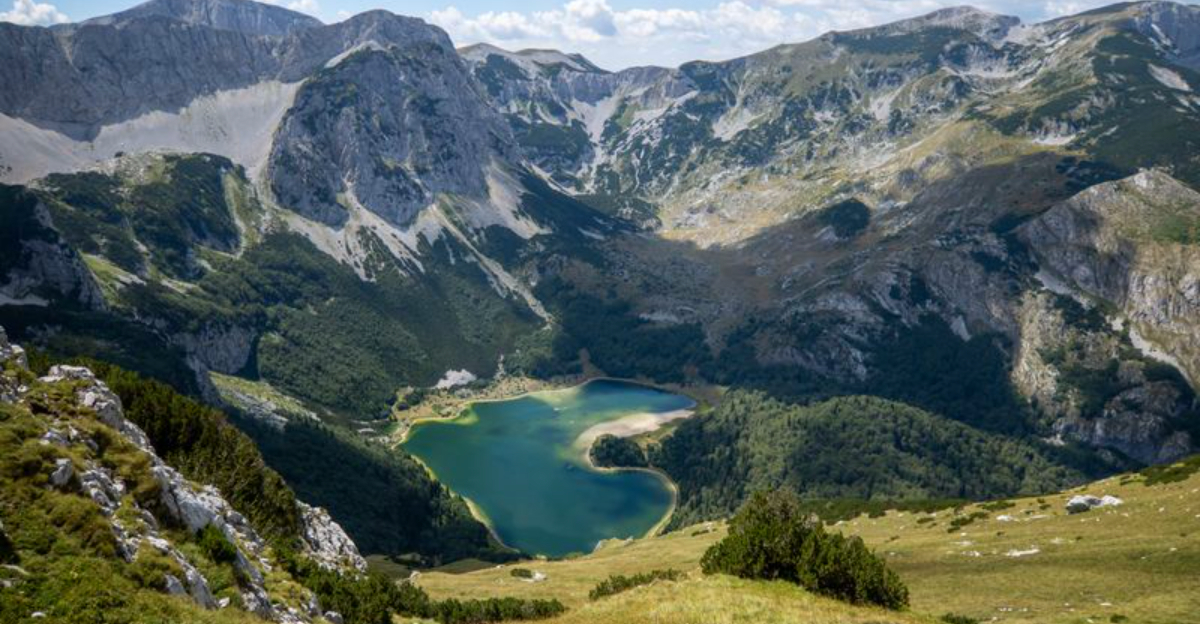
I spent years chasing the usual European hotspots until I stumbled upon Bosnia and Herzegovina, a country that doesn’t just compete with the famous destinations but surpasses them in authenticity and beauty. Tucked away in the Balkans, this place offers dramatic mountains, emerald rivers, ancient history, and some of the warmest people you’ll ever meet.
If you’re tired of tourist traps and overpriced attractions, this hidden gem will restore your faith in travel.
1. It’s one of Europe’s last true hidden gems
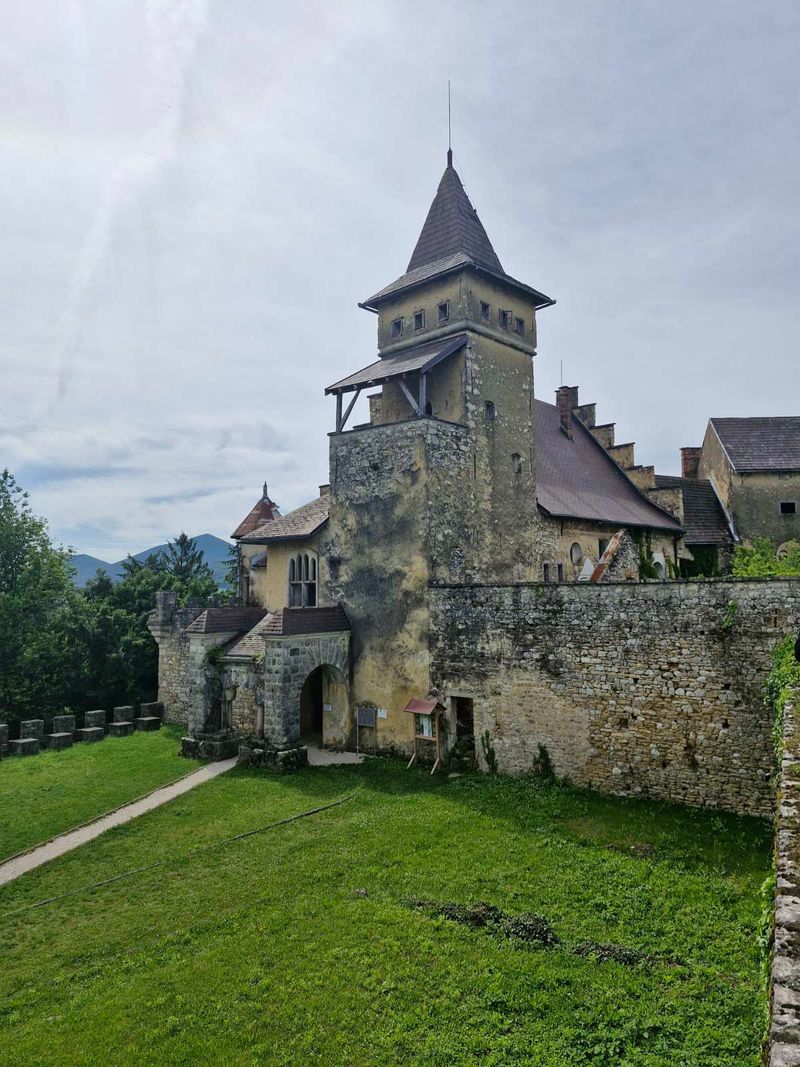
Bosnia and Herzegovina delivers the kind of European travel experience many people think no longer exists. You can wander cobblestone streets, linger over coffee at sidewalk cafés, and explore historic cities without dodging tour buses or crowds.
While places like Paris and Barcelona strain under the pressure of mass tourism, this Balkan nation remains refreshingly under the radar, offering authenticity, space, and a slower pace that feels increasingly rare.
Prices here are shockingly low compared to Western Europe. A hearty meal costs less than a fancy coffee in London.
Accommodations are affordable, and locals treat you like a guest, not a wallet.
What makes it truly special is the authenticity. You won’t find staged folklore performances or overpriced souvenir shops on every corner.
Instead, you’ll discover real neighborhoods, family-run restaurants, and centuries-old traditions still practiced daily. This is Europe before mass tourism changed everything, and it feels like a privilege to witness it.
2. The country is incredibly mountainous

More than 70 percent of Bosnia and Herzegovina is covered by rugged mountains, creating a landscape that feels almost mythical. Jagged peaks rise from misty valleys, and hiking trails wind through forests that seem frozen in time.
For anyone who loves the outdoors, this place is pure paradise.
Winter brings excellent skiing opportunities, especially around Sarajevo and Bjelasnica. Snow blankets the slopes from December through March, offering affordable lift tickets and fewer crowds than the Alps.
Summer transforms the same mountains into hiking and mountain biking heaven.
What surprised me most was how accessible everything is. You don’t need expensive guides or special permits to explore.
Local trails are well-marked, and mountain huts offer simple but welcoming shelter. Whether you’re an experienced climber or just someone who enjoys fresh air and stunning views, these mountains deliver unforgettable moments.
3. Rivers here are among the clearest in Europe

I’ve seen rivers across Europe, but nothing prepared me for the surreal beauty of Bosnian waterways. The Una, Neretva, Drina, and Vrbas rivers glow with emerald and turquoise hues so vivid they look photoshopped.
You can see straight to the rocky bottom even in deeper sections.
These rivers aren’t just pretty to look at. They’re perfect for rafting, kayaking, and swimming.
The Una River near Bihac features cascading waterfalls and natural pools that feel like secret swimming holes. The Vrbas offers thrilling white-water rapids for adrenaline seekers.
What keeps these rivers so pristine is the lack of heavy industry and overdevelopment. Nature here still runs the show.
Locals take pride in protecting their water sources, and it shows. Spending a day by one of these rivers, listening to the rush of water and breathing in clean mountain air, is the kind of reset your soul didn’t know it needed.
4. The Neretva River flows through dramatic canyons

Carving its way through Herzegovina, the Neretva River creates some of the most breathtaking scenery I’ve ever witnessed. Steep canyon walls tower above the rushing water, and the river’s color shifts from deep green to bright turquoise depending on the light.
It’s the kind of place that makes you stop and stare.
Adventure seekers flock here for rafting and kayaking. The rapids range from gentle to challenging, making it suitable for beginners and experienced paddlers alike.
Guides are knowledgeable and safety-conscious, so even first-timers feel comfortable getting out on the water.
Beyond the thrill, there’s something deeply peaceful about floating down this ancient river. You pass through untouched landscapes, spot wildlife along the banks, and feel completely disconnected from the modern world.
Whether you’re seeking adrenaline or tranquility, the Neretva delivers both in equal measure.
5. Perućica is one of Europe’s last primeval forests
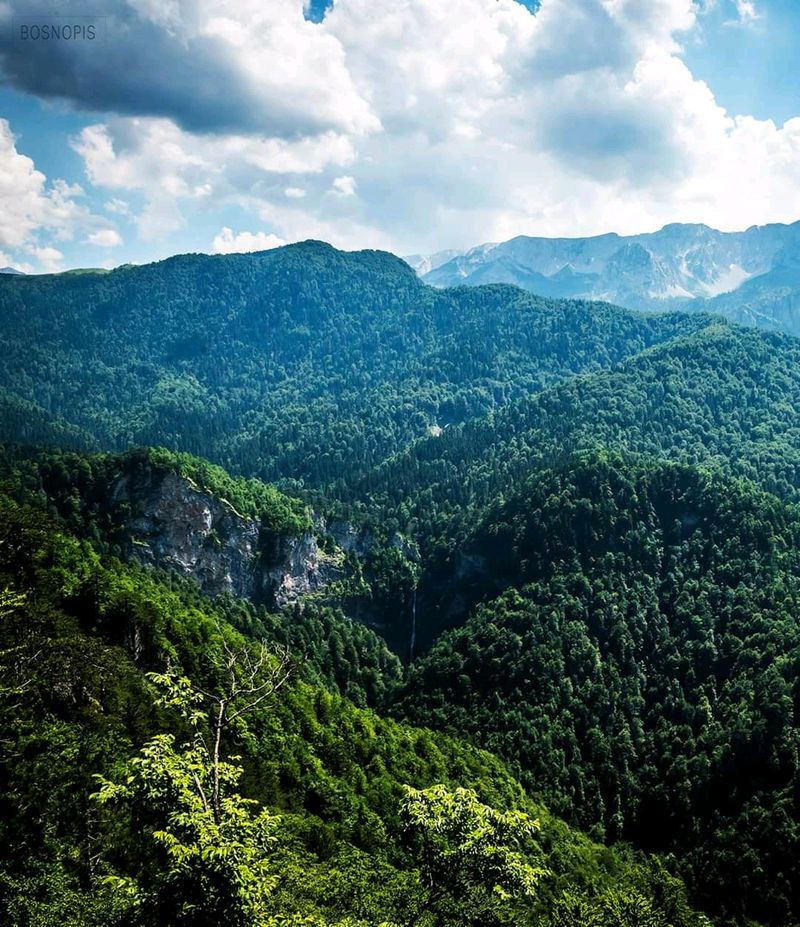
Walking into Perućica feels like stepping back thousands of years. Located within Sutjeska National Park, this ancient forest has remained virtually untouched by human hands.
Trees here tower over 60 meters tall, and some have stood for more than 300 years.
The forest floor is covered in thick moss, fallen logs slowly decomposing, and wildflowers blooming in scattered patches of sunlight. Birds call from the canopy, and if you’re lucky, you might spot deer or wild boar moving through the undergrowth.
There’s a hushed, sacred quality to the place.
Scientists come from around the world to study Perućica because it represents what European forests looked like before industrialization. For visitors, it’s a rare chance to experience true wilderness.
Guided tours are available, but even a short walk along the marked paths leaves a lasting impression. Nature this old and undisturbed is increasingly rare.
6. Maglić is the highest peak in the country

Standing at 2,386 meters, Mount Maglić dominates the border between Bosnia and Montenegro. Reaching the summit is no easy task, but the reward is worth every steep step.
On clear days, the view stretches across endless mountain ranges, deep valleys, and pristine wilderness.
The hike typically takes between six and eight hours round trip, depending on your pace and fitness level. The trail starts relatively gentle but becomes steeper and rockier as you climb.
Proper boots, plenty of water, and a good level of fitness are essential.
What I loved most was the sense of accomplishment at the top. You’re standing on the roof of Bosnia, surrounded by nothing but nature.
Fellow hikers share snacks and stories, and for a moment, nationality and language don’t matter. It’s just people celebrating a shared achievement in one of Europe’s most beautiful and underappreciated corners.
7. Wild horses roam freely near Livno
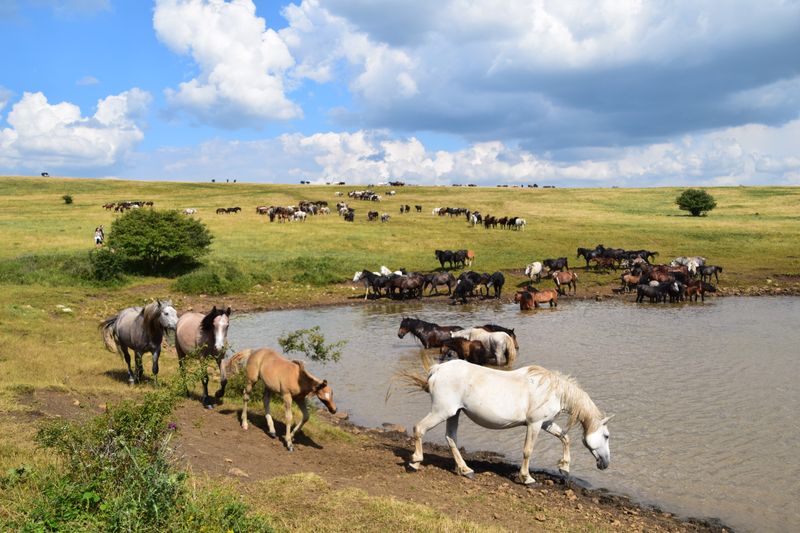
On the windswept plains near Livno, hundreds of wild horses live in complete freedom. Watching them gallop across open grasslands, manes flowing and hooves thundering, is one of the most moving wildlife experiences Europe has to offer.
These aren’t zoo animals or tourist attractions; they’re genuinely wild.
The horses are descendants of domestic animals that were released or escaped over the years. They’ve adapted to the harsh climate and now live in herds, grazing on wild grasses and drinking from mountain streams.
Local communities respect their freedom and work to protect their habitat.
Visiting requires patience and respect. You can’t approach too closely or disturb their natural behavior.
But even from a distance, the sight of these magnificent creatures running free against a backdrop of mountains and sky is unforgettable. It’s a reminder that wildness still exists, even in crowded Europe.
8. Sarajevo is where World War I began
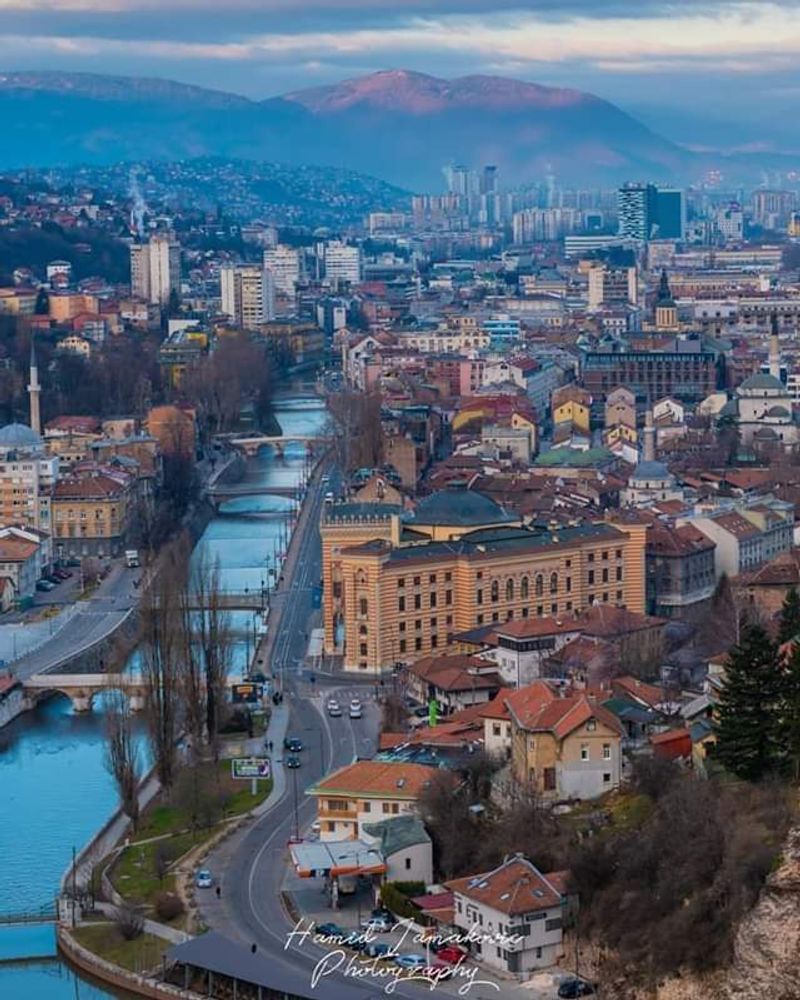
On June 28, 1914, a young man named Gavrilo Princip assassinated Archduke Franz Ferdinand on a Sarajevo street corner. That single act triggered a chain of events that plunged the world into war.
Standing at the exact spot today, marked by a simple plaque, gives you chills.
The location is on Latin Bridge, a modest Ottoman-era stone bridge that now carries the weight of history. Nearby, a small museum explains the context and consequences of that fateful day.
It’s not flashy or overdone, just honest and informative.
What struck me most was how ordinary the setting feels. This wasn’t a grand palace or battlefield; it was just a city street where history took a violent turn.
Walking through Sarajevo with that knowledge adds depth to every building and corner. You realize how fragile peace can be and how quickly everything can change.
9. East meets West in Sarajevo
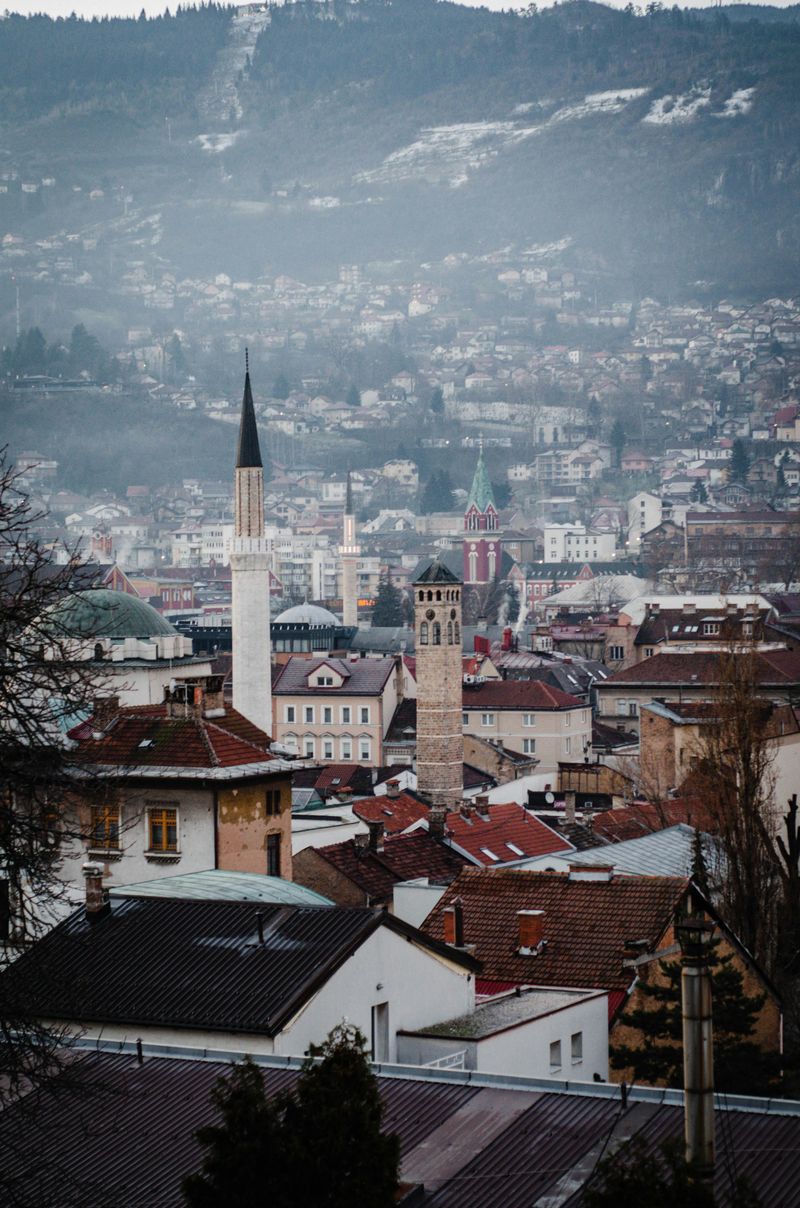
Sarajevo is often called the Jerusalem of Europe, and once you visit, you understand why. Mosques, Catholic churches, Orthodox churches, and synagogues stand within a few blocks of each other.
The call to prayer mingles with church bells, creating a soundscape unlike anywhere else on the continent.
This blend comes from centuries of Ottoman and Austro-Hungarian rule. The old Ottoman quarter, Bascarsija, feels like stepping into Istanbul with its copper shops, traditional coffeehouses, and winding alleys.
Walk ten minutes, and you’re in Austro-Hungarian architecture with grand buildings and European cafes.
What makes it special isn’t just the buildings but the spirit. Despite a brutal war in the 1990s, Sarajevo rebuilt itself as a place of coexistence.
People of different faiths and backgrounds live side by side, sharing meals, stories, and a deep love for their city. It’s a living lesson in tolerance and resilience.
10. The food is hearty, flavorful, and unforgettable

Bosnian cuisine doesn’t try to be fancy or trendy. It’s simple, honest, and deeply satisfying.
Cevapi, small grilled sausages served in fresh flatbread with onions and sour cream, are a national obsession. One bite and you’ll understand why locals eat them multiple times a week.
Burek, a flaky pastry filled with meat, cheese, or spinach, is breakfast, lunch, or a late-night snack. Begova corba, a rich chicken and vegetable soup, warms you from the inside out.
Every dish feels like it was made by someone’s grandmother with love and generations of tradition.
Portion sizes are generous, and prices are incredibly low. A full meal with drinks often costs less than a single appetizer in Western Europe.
But beyond the value, it’s the flavors that stick with you. Bold, comforting, and unpretentious, Bosnian food is the kind you crave long after you’ve left.
11. Coffee culture is taken seriously
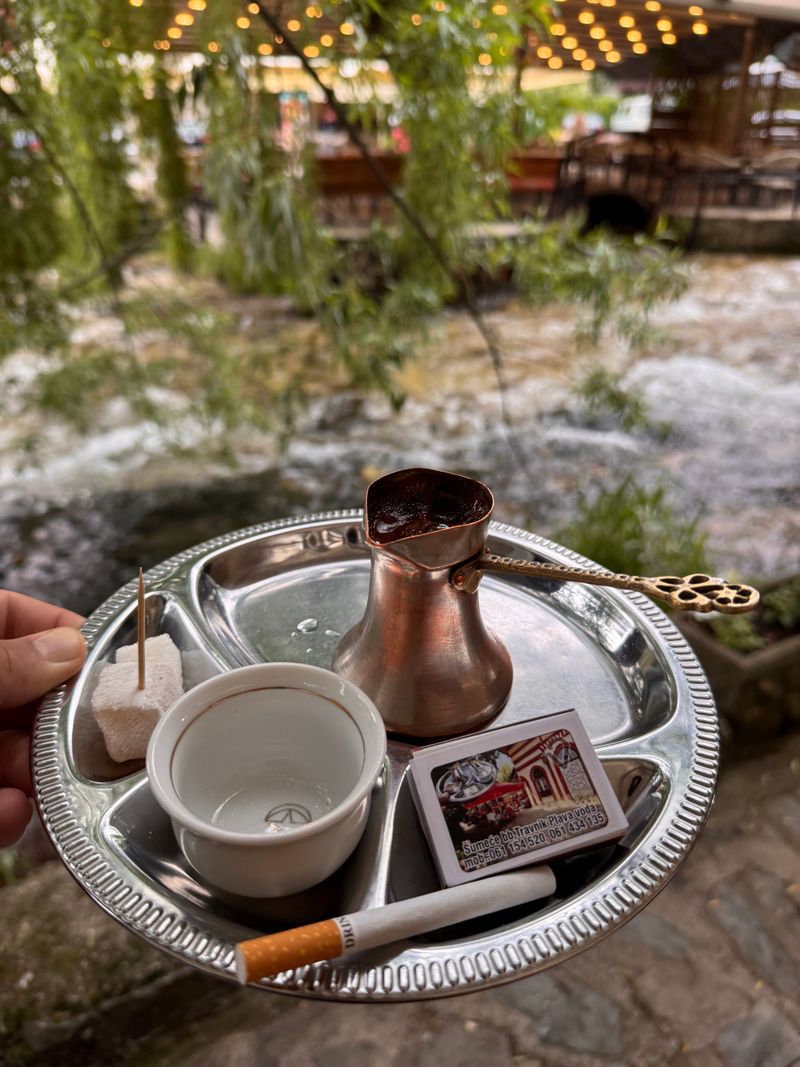
Bosnian coffee isn’t something you gulp down on your way to work. It’s a ritual, a social event, and a form of hospitality all rolled into one.
Served in a small copper pot called a dzezva, it’s strong, unfiltered, and meant to be sipped slowly while chatting with friends or family.
When someone invites you for coffee, expect to spend at least an hour. Conversation flows, stories are shared, and time seems to slow down.
The coffee comes with a sugar cube, a glass of water, and often a piece of Turkish delight or baklava.
What I loved most was how this tradition cuts across all backgrounds. Whether in a fancy cafe or a modest home, the ritual is the same.
It’s about connection, not caffeine. In our rushed modern world, this deliberate slowness feels revolutionary.
Sitting down for Bosnian coffee taught me to appreciate the moment instead of always rushing to the next thing.
12. Mostar’s Old Bridge is a UNESCO World Heritage Site
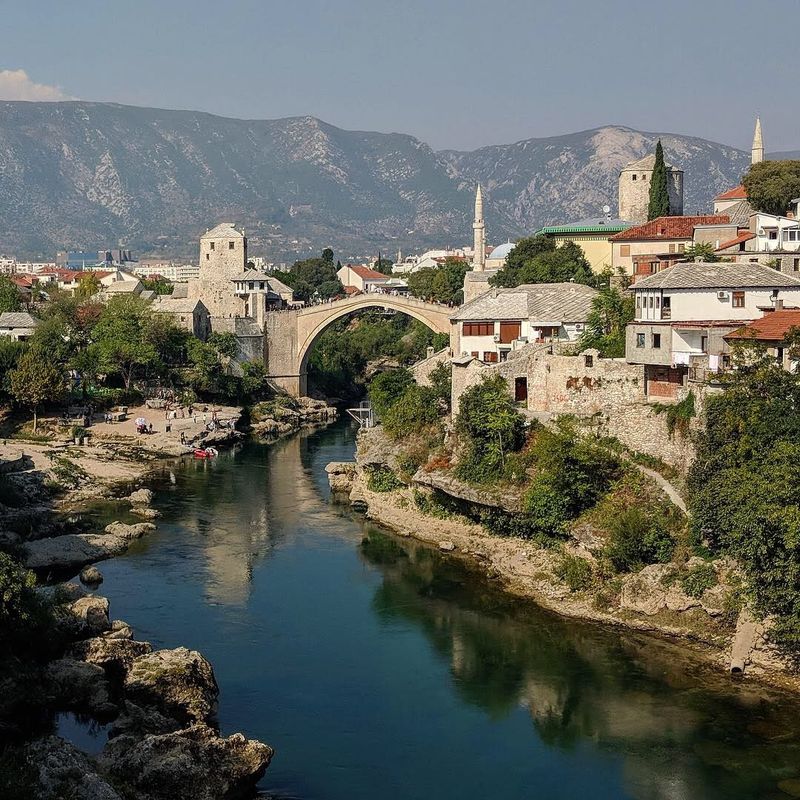
The Stari Most, or Old Bridge, arches gracefully over the Neretva River in Mostar, connecting two sides of the city with elegant stone. Originally built in the 16th century by the Ottomans, it was destroyed during the war in 1993.
Its reconstruction, completed in 2004, symbolizes healing and unity.
Today, the bridge is more than a crossing; it’s a gathering place. Locals dive from its 24-meter height into the cold river below, a tradition that draws crowds and gasps.
Shops and cafes line the surrounding streets, and the old town feels alive with energy and history.
Walking across the bridge at sunset, with the river glowing below and the call to prayer echoing from nearby mosques, is a moment of pure magic. The Stari Most represents resilience, the refusal to let hatred erase beauty.
It stands as proof that what’s broken can be rebuilt, sometimes even stronger than before.
13. The country has waterfalls inside cities

In most places, waterfalls are hidden in remote wilderness. In Jajce, they cascade right through the town center.
The Pliva Waterfalls drop 22 meters where the Pliva River meets the Vrbas, creating a spectacular natural feature surrounded by cafes, homes, and historic buildings.
The sound of rushing water fills the streets, and mist rises from the base, creating rainbows on sunny days. Locals treat it casually, walking past on their daily errands, but for visitors, it’s absolutely mesmerizing.
You can stand just meters away and feel the power of the water.
Beyond the falls, Jajce itself is worth exploring. Medieval fortresses, ancient catacombs, and Ottoman-era architecture make it a history lover’s dream.
But it’s the waterfalls that steal the show. Having such raw natural beauty integrated into everyday urban life is rare and special.
It’s a reminder that in Bosnia, nature and culture aren’t separate; they’re woven together.
14. Bosnia has a small but stunning Adriatic coastline
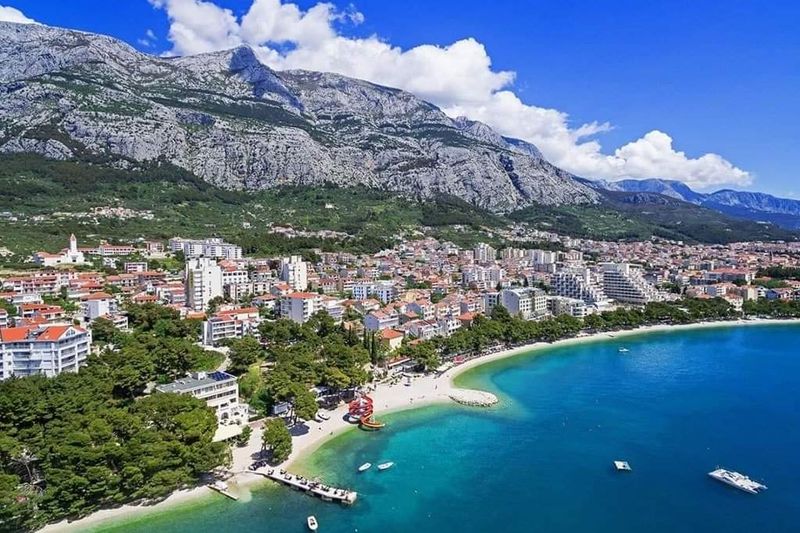
Most people don’t realize Bosnia and Herzegovina has access to the sea. The town of Neum sits on a narrow 20-kilometer strip of Adriatic coastline, sandwiched between two parts of Croatia.
It’s small, but it’s beautiful and far less crowded than neighboring Croatian resorts.
The water here is warm, clear, and perfect for swimming. Beaches are a mix of pebble and concrete platforms, typical of the Adriatic.
Seafood restaurants line the waterfront, serving fresh fish, octopus, and mussels at prices that would make coastal Croatia blush.
Neum doesn’t have the glamour of Dubrovnik or the nightlife of Split, and that’s exactly its charm. It’s quiet, affordable, and genuinely relaxing.
Families come here to unwind without the tourist circus. For a country known for mountains and rivers, having this little slice of Mediterranean coast feels like a bonus gift, unexpected and delightful.
15. Winter sports have Olympic roots here
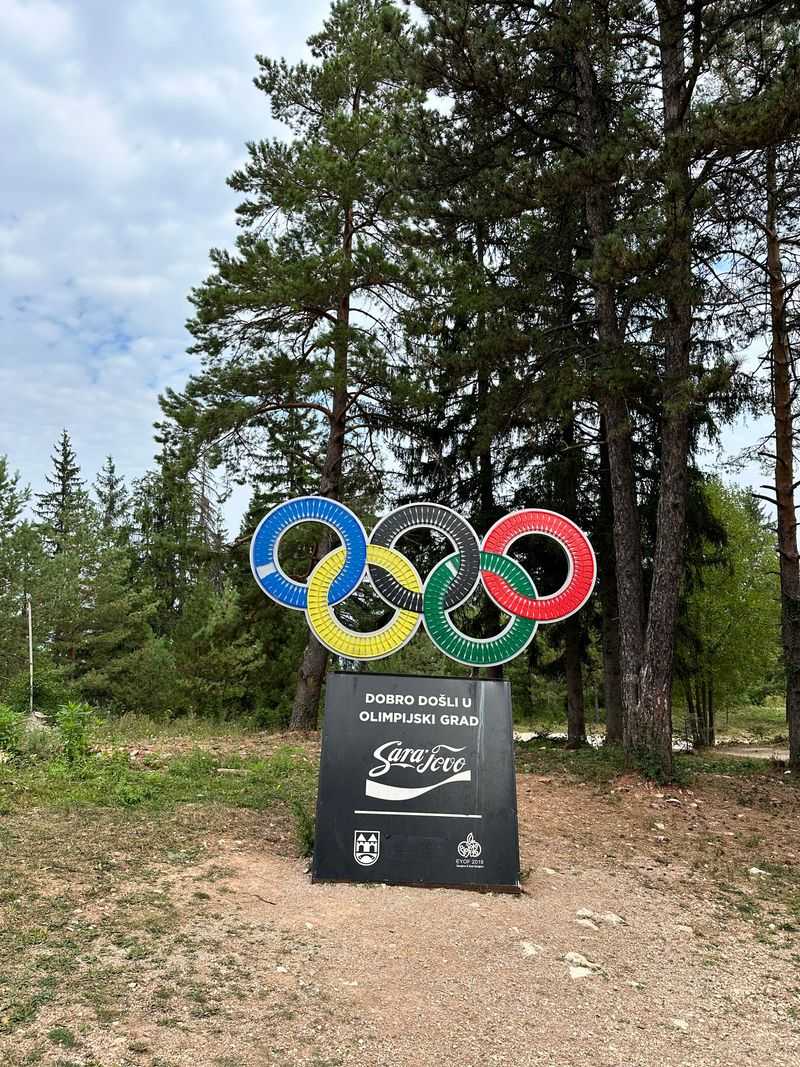
Sarajevo hosted the 1984 Winter Olympics, putting Bosnia on the global sports map. The mountains surrounding the city became world-famous ski destinations practically overnight.
Decades later, those same slopes still offer excellent skiing and snowboarding at a fraction of the cost of Alpine resorts.
Bjelasnica, Jahorina, and Igman mountains provide varied terrain for all skill levels. Lifts and facilities were upgraded for the Olympics and continue to operate today.
Snow conditions are reliable from December through March, and the scenery is stunning.
What makes skiing here special is the lack of pretension. You won’t find luxury chalets or designer ski wear everywhere.
Instead, it’s locals and budget-conscious travelers enjoying the snow without the fuss. Visiting the old Olympic sites, now weathered and graffitied, adds a poignant layer to the experience.
They’re reminders of glory days and the passage of time, beautiful in their decay.
16. It’s one of the most affordable destinations in Europe
Traveling in Bosnia and Herzegovina feels like stepping back in time, not just culturally but financially. A good meal costs between five and ten euros.
Comfortable accommodation runs around 30 euros per night. Public transport and taxis are cheap, and entrance fees to museums and parks are minimal.
This affordability doesn’t mean low quality. The food is delicious, hotels are clean and welcoming, and services are reliable.
You’re not sacrificing comfort; you’re just paying fair prices instead of inflated tourist rates.
For budget travelers, backpackers, or families trying to stretch their money, Bosnia is a dream. You can enjoy a full European vacation without constantly checking your wallet.
More importantly, the low cost means you can focus on experiences rather than expenses. You’ll come home with incredible memories and money still in your pocket, a rare combination these days.
17. The landscapes change dramatically in short distances

One morning you’re hiking through alpine meadows surrounded by snow-capped peaks. By afternoon, you’re sipping wine in a sun-drenched valley where figs and grapes grow.
Bosnia’s compact size and varied terrain create astonishing diversity within a few hours of driving.
The northern regions are heavily forested with cooler climates and rolling hills. Central areas feature dramatic mountains and deep river canyons.
The south, Herzegovina, takes on a Mediterranean character with stone villages, vineyards, and hot, dry summers.
This variety means you can experience multiple climates and ecosystems in a single trip. Road trips here are never boring; every turn reveals something different.
Whether you’re a photographer, a nature lover, or just someone who appreciates beautiful scenery, this constant change keeps you engaged and amazed. Few countries pack so much natural diversity into such a small space.
18. The people are famously hospitable
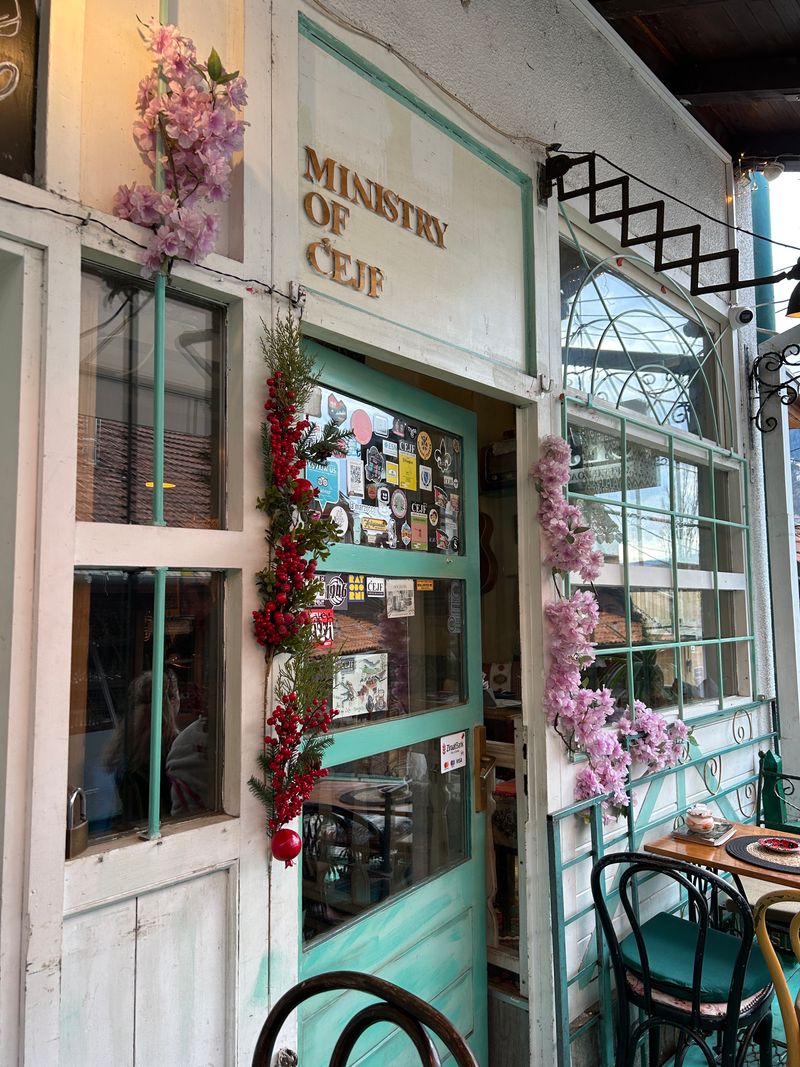
Ask any traveler about their favorite part of Bosnia, and most will mention the people. Hospitality here isn’t a business strategy; it’s a cultural value passed down through generations.
Strangers invite you for coffee, shopkeepers chat like old friends, and locals go out of their way to help with directions or recommendations.
This warmth comes from a deep tradition of welcoming guests. In Bosnian culture, a guest is considered a blessing, and treating them well is a matter of pride.
You’ll experience this in homes, restaurants, and even random encounters on the street.
What touched me most was the genuine nature of these interactions. People aren’t friendly because they want your money; they’re friendly because that’s who they are.
In a world that often feels transactional and rushed, this kind of authentic human connection is rare and precious. It’s the kind of thing that makes you want to return, not just to see the sights but to reconnect with the people.
19. Ancient cultures left their mark
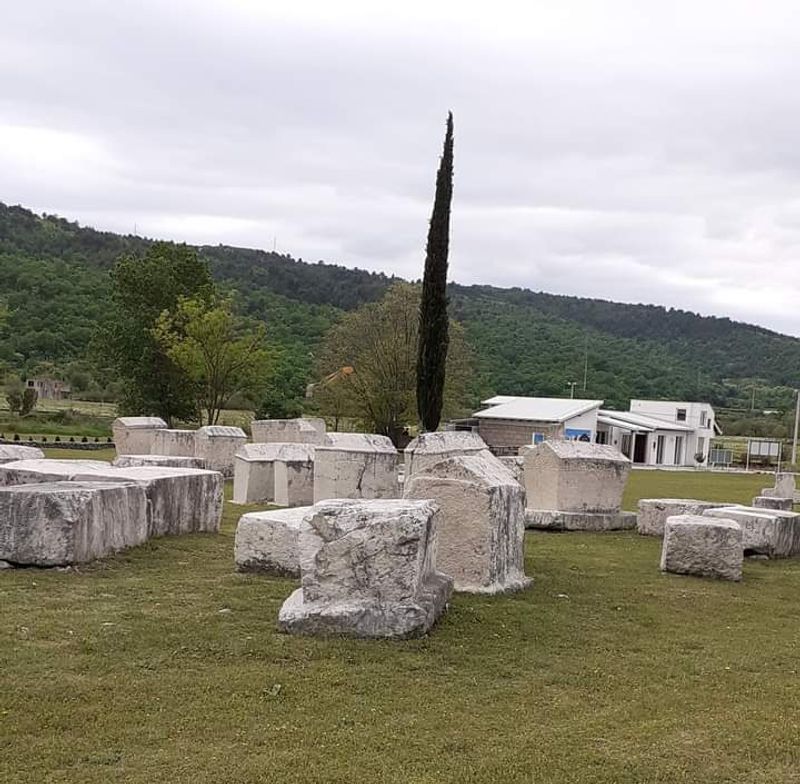
Bosnia’s landscape is layered with history. Medieval stećci tombstones, unique to the region and now UNESCO-listed, stand in fields and hillsides, their mysterious carvings still puzzling historians.
Roman roads and bridges, some still in use, cross rivers and mountains, testament to engineering that’s lasted millennia.
Ottoman influence is everywhere, from mosques and bathhouses to the layout of old towns. Austro-Hungarian architecture dominates cities like Sarajevo and Mostar, with grand buildings and European-style squares.
Each era left its fingerprint, creating a rich historical tapestry.
Walking through Bosnia feels like walking through a living museum. You don’t just read about history; you touch it, walk on it, and live among it.
Ancient fortresses overlook modern towns, and centuries-old bridges still carry traffic. This blend of old and new, sacred and everyday, gives the country a depth and character that’s increasingly rare in our homogenized world.
20. It still feels real
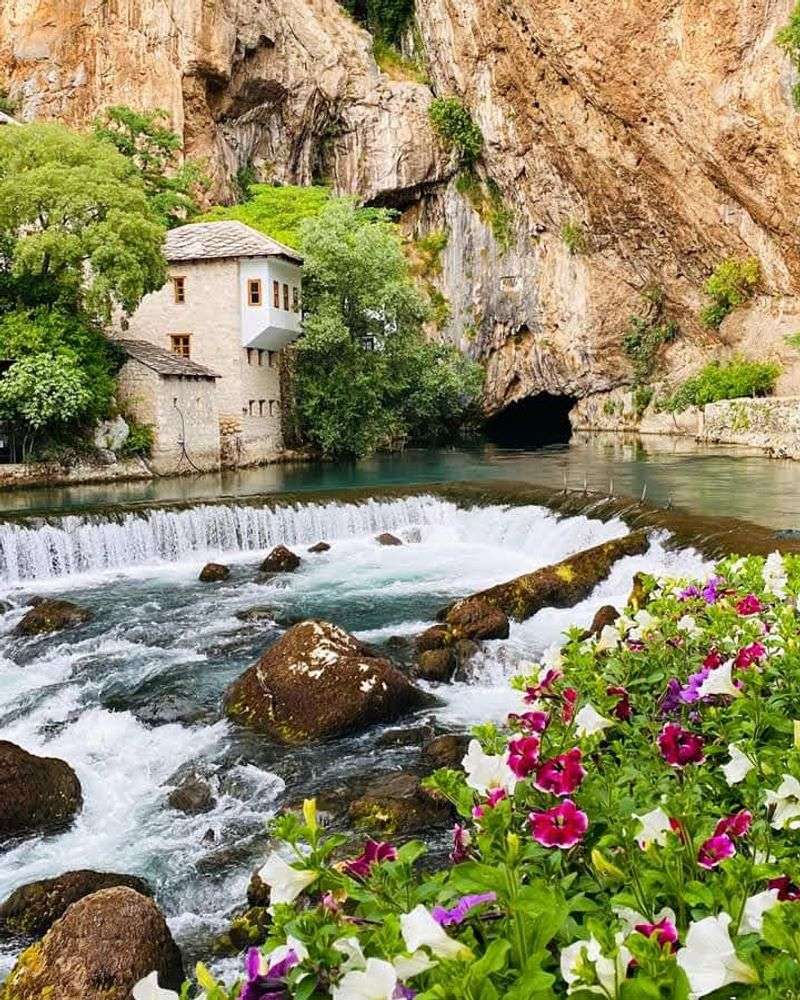
Bosnia and Herzegovina hasn’t been polished, packaged, and sold to the highest bidder. There are no Disneyfied old towns, no staged cultural shows, no overpriced tourist menus in five languages.
What you see is what you get, raw and real and all the more beautiful for it.
Yes, there are scars from the war. Yes, some infrastructure is aging.
Yes, you might struggle with language barriers. But these imperfections are part of the authenticity.
You’re experiencing a country that’s still finding its way, still healing, still proudly itself.
In an age when every destination seems carefully curated for Instagram, Bosnia offers something increasingly rare: genuine experience. You’ll have moments of confusion, surprise, and wonder that can’t be planned or predicted.
That unpredictability, that realness, is exactly what makes travel meaningful. Bosnia hasn’t sold its soul to tourism, and that’s precisely what makes it so special.



