 Unearth The Voyage
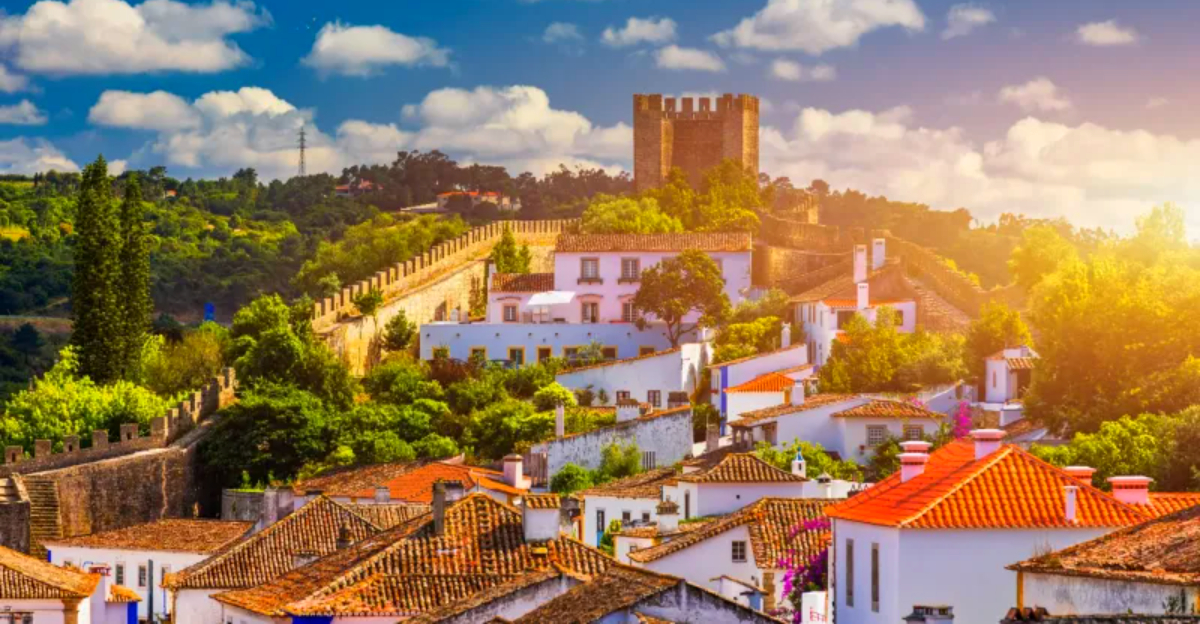
Europe’s most magical villages feel like stepping into a time machine. Forget the tourist traps and chain hotels; these tiny gems offer cobblestone streets, ancient castles, and family-run cafés where locals still greet you by name. Whether you dream of lakeside chalets in the Alps or whitewashed hilltop towns under Mediterranean sun, these spots promise authentic experiences you won’t find anywhere else.
1. Hallstatt, Austria (Salzkammergut) – lakeside Alpine fairytale
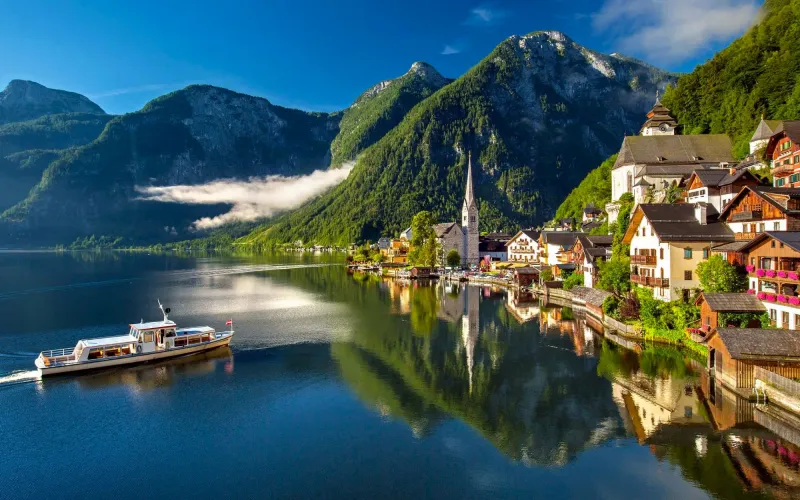
Nestled between towering peaks and the glassy Hallstättersee, this Austrian village looks too perfect to be real. Salt has shaped life here for three millennia, and UNESCO recognizes the entire Hallstatt-Dachstein cultural landscape for its mining heritage and breathtaking natural setting.
Pastel-colored houses climb the steep shore while wooden boats bob in the harbor. Early morning mist rolls off the water, wrapping the village in mystery before the sun breaks through.
Explore the ancient salt mines that funded this beauty, or simply wander lanes so narrow two people barely pass. Local guesthouses offer cozy rooms with lake views, and family bakeries sell fresh pretzels every morning. Spring and fall bring fewer crowds but equal charm, making any season ideal for your visit.
2. Rothenburg ob der Tauber, Germany – storybook walls & cobbles
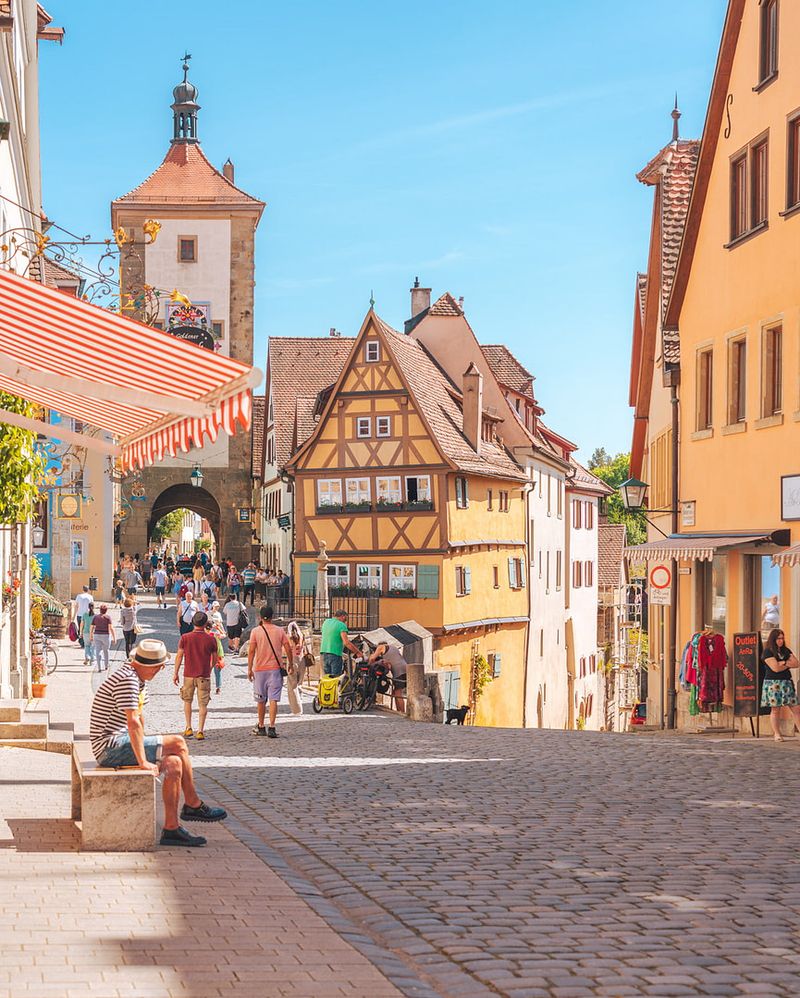
Walking Rothenburg’s ramparts feels like flipping through a medieval pop-up book. This Bavarian treasure survived wars and centuries with its fortifications, half-timbered homes, and cobbled lanes almost untouched, earning its reputation as Germany’s best-preserved medieval town.
The official tourism site details year-round festivals, from Christmas markets that glow like fairy tales to spring wine fairs. Museums tucked inside ancient buildings reveal stories of merchants, knights, and everyday life centuries ago.
Climb the Town Hall tower for rooftop views that stretch across red-tiled roofs and rolling countryside. Bakeries sell schneeballen (snowball pastries) dusted with powdered sugar, a local treat you can’t miss. Visit midweek to dodge tour-bus crowds and truly soak in the storybook atmosphere.
3. Alberobello, Italy – the white-cone trulli capital
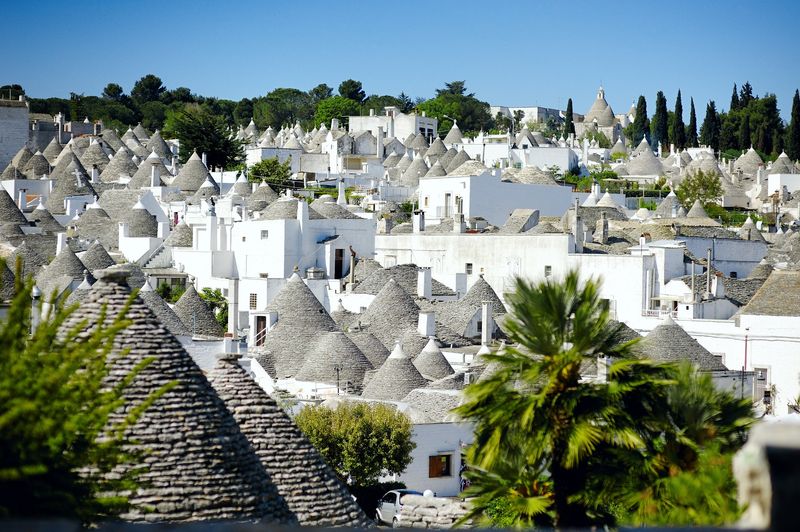
Over 1,600 limestone trulli dot Alberobello’s two historic quarters, their cone-shaped roofs stacked without mortar in a building technique passed down for generations. UNESCO highlights the town’s exceptional authenticity, and strict conservation rules keep modern development at bay.
These whitewashed dwellings were originally built by farmers using local stone, and today many house shops, cafés, and tiny museums. Symbols painted on the roofs carry religious or mystical meanings, adding mystery to every street.
Wander the Rione Monti district where trulli climb the hillside like a village of gnome homes. Stay overnight in a converted trullo for the full experience; thick stone walls keep interiors cool even in summer heat. Local guides share folklore and construction secrets that bring these quirky structures to life.
4. Giethoorn, Netherlands – the “village with no roads”
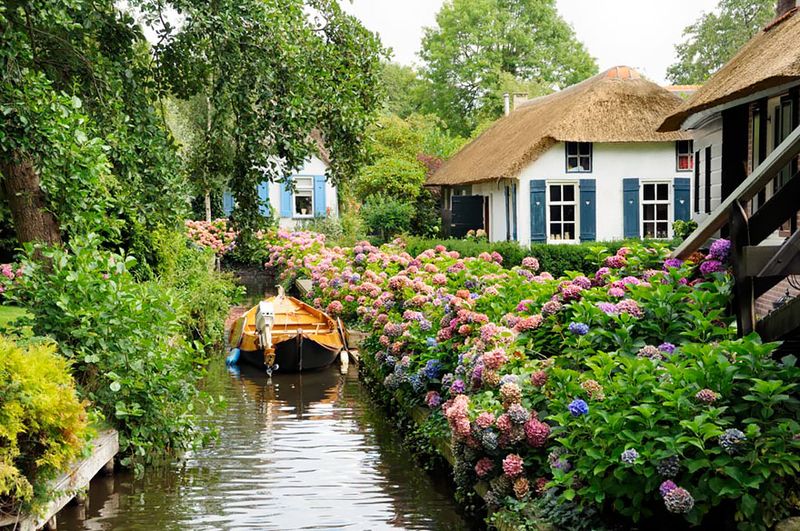
Imagine a place where the only traffic jams involve ducks. Giethoorn earned its nickname honestly: thatched farmhouses front silent canals, and residents travel by boat or on foot across arched wooden bridges.
The official guide and National Geographic both spotlight this car-free lifestyle, which dates back to peat-digging settlers in the 1200s. Whisper boats (electric-powered and silent) glide past gardens bursting with tulips and hydrangeas, while bike paths trace the water’s edge.
Rent a boat and captain your own exploration, or hire a guide who knows every hidden corner. Cozy cafés serve poffertjes (mini pancakes) on canal-side terraces, perfect for lazy afternoons. Winter transforms the waterways into ice-skating ribbons, offering a whole different kind of magic when the village sleeps under snow.
5. Gruyères, Switzerland – cobbled cheese town with a castle
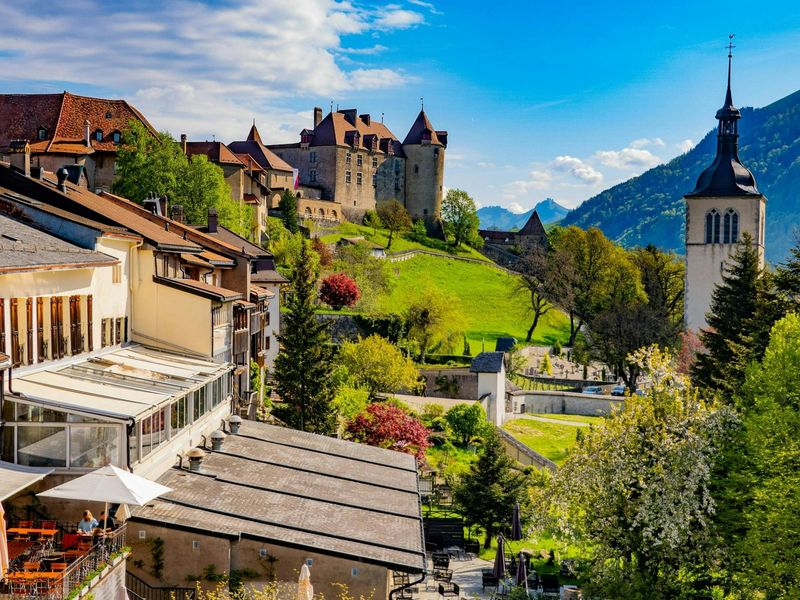
Gruyère cheese didn’t get its name by accident. This pedestrianized medieval hilltown in Fribourg has perfected the art of dairy for centuries, and its postcard main street leads straight to a fairytale castle perched above.
Every step on the cobbles echoes history, from the fortified gates to the fountain that’s served as the village heart for generations. The castle now hosts exhibitions and offers panoramic views over rolling green pastures where cows wear actual bells.
Tour a fromagerie to watch cheesemakers stir massive copper vats, then taste the creamy result with crusty bread. The HR Giger Museum (yes, the Alien artist) adds a surreal twist to your visit. Come hungry: fondue restaurants line the street, and every pot bubbles with local Gruyère AOP that melts like silk.
6. Český Krumlov, Czechia – river-bend Renaissance jewel
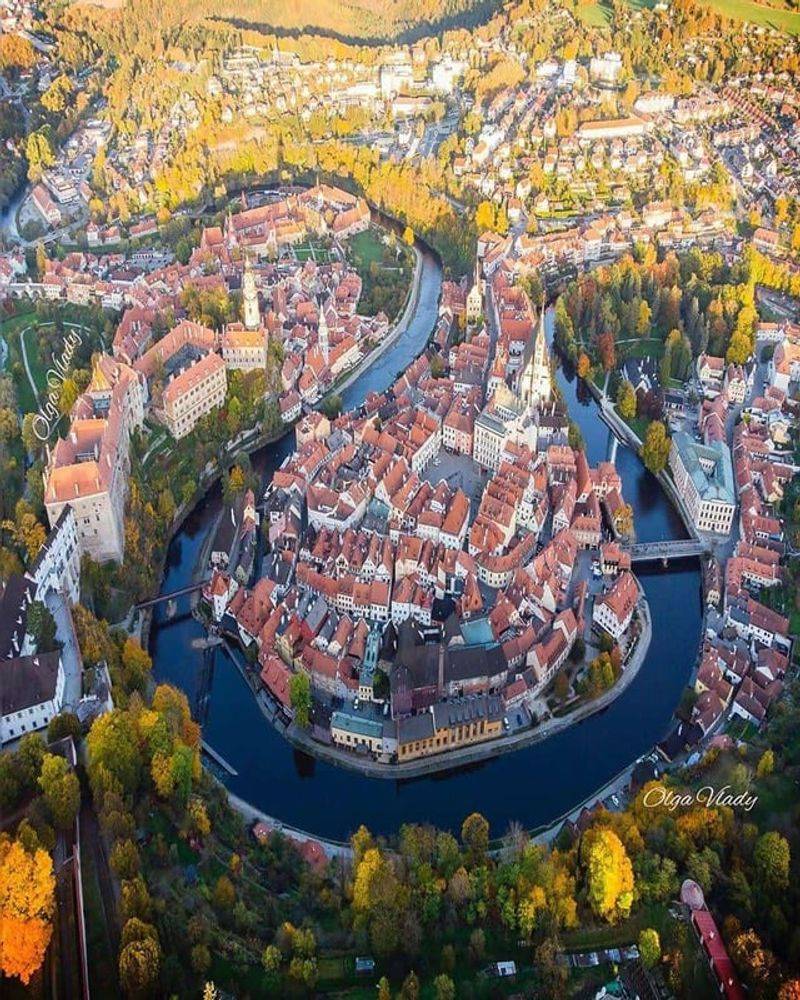
The Vltava River loops around Český Krumlov like a protective arm, cradling a remarkably intact historic core that UNESCO calls a Renaissance jewel. Painted facades in ochre, rose, and cream climb toward a castle complex that rivals Prague’s in grandeur but not in crowds.
Narrow lanes twist past artisan workshops, hidden courtyards, and cafés where locals sip coffee at sidewalk tables. The town’s World Heritage listing stems from its authentic preservation; even modern life here respects centuries-old architecture.
Climb the castle tower for bird’s-eye views of terracotta roofs spiraling below, or raft the gentle river for a water-level perspective. Summer brings outdoor theater in the castle gardens, complete with Baroque costumes and candlelight. Book accommodations early; this jewel draws visitors who fall in love and never quite leave.
7. Gimmelwald, Switzerland – tiny and truly car-free
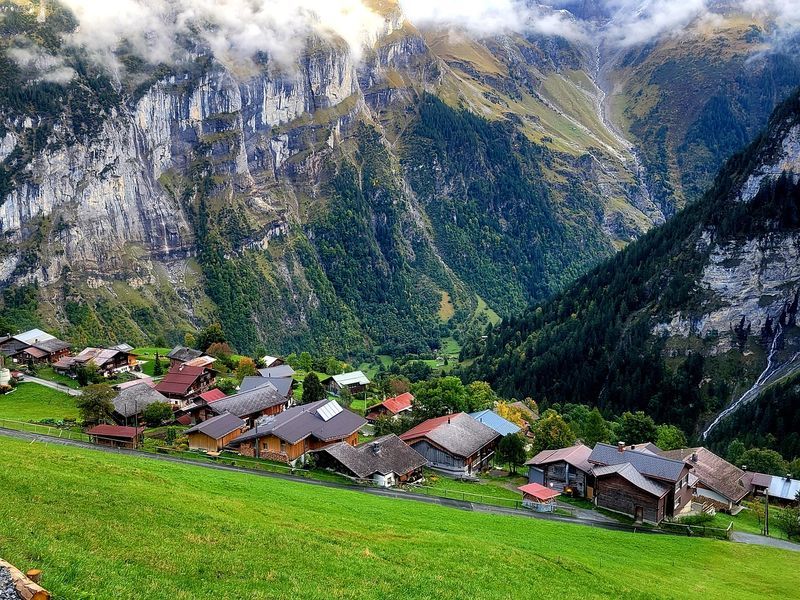
Clinging to a cliff edge 1,400 meters above the Lauterbrunnen Valley, Gimmelwald remains what Swiss villages used to be: a handful of wooden chalets, flower boxes overflowing with geraniums, and farmers who still work the land. No road reaches here, and local rules keep it that way.
Cable cars deliver visitors to a world where cowbells provide the soundtrack and the Eiger, Mönch, and Jungfrau peaks frame every view. Hiking trails spiderweb across alpine meadows dotted with wildflowers in summer, snow in winter.
Stay at the family-run Mountain Hostel for budget-friendly beds and home-cooked meals shared with fellow travelers. Mornings begin with mist rising from the valley floor thousands of feet below. Bring sturdy boots, a camera, and zero expectations of Wi-Fi; this village rewards those who unplug completely.
8. Saint-Cirq-Lapopie, France (Lot Valley) – cliffs, artists, and lanes
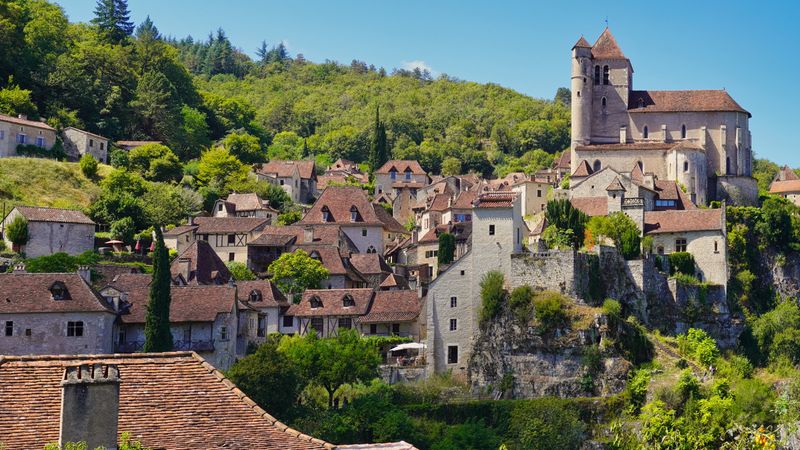
Perched 100 meters above the Lot River, Saint-Cirq-Lapopie has enchanted artists for decades. This Plus Beaux Villages favorite mixes medieval stonework with sweeping river views and caves tucked into the cliffs nearby.
Stone houses with terracotta roofs cascade down the hillside, their shutters painted in soft blues and greens. Artisan galleries fill ancient workshops where blacksmiths and weavers once labored, now showcasing pottery, paintings, and handmade crafts.
Follow footpaths down to the riverbank for kayaking or picnics on pebbly shores. The village church sits at the summit, offering a shaded terrace where you can catch your breath and the view. Summer evenings bring golden light that photographers dream about, bathing everything in amber warmth. Park at the base and walk up; cars aren’t welcome in the lanes, preserving the timeless atmosphere that makes this place unforgettable.
9. Gordes, France (Luberon) — honey-stone acropolis village
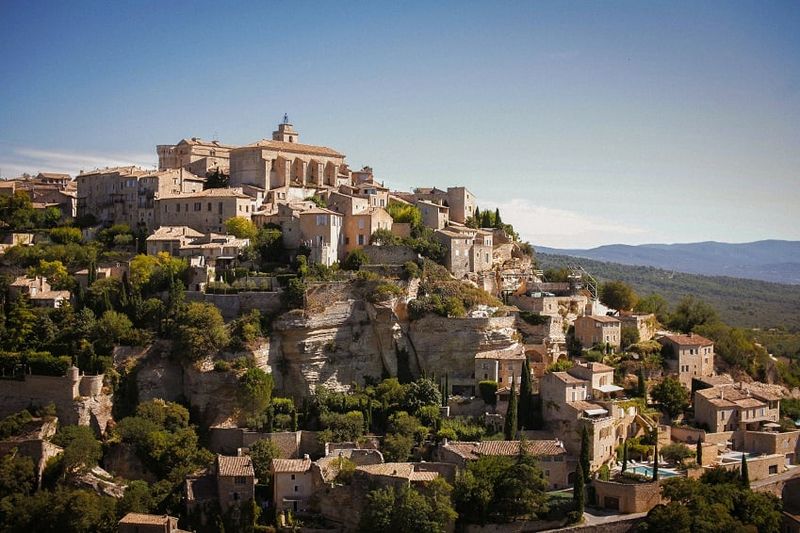
Honey-colored stone buildings stack up the hillside like a Mediterranean amphitheater, crowned by a Renaissance castle that watches over the Luberon valley. Gordes earns its Most Beautiful Villages title through sheer visual impact: the village seems to grow organically from the rock itself.
Winding streets reveal vaulted passages, hidden squares with bubbling fountains, and art galleries in former stables. The cultural calendar buzzes year-round with markets, concerts, and festivals celebrating everything from lavender to local wine.
Visit the nearby Sénanque Abbey where lavender rows paint purple stripes across the landscape each summer. Restaurants serve Provençal classics: ratatouille, tapenade, and rosé so cold it sweats in the afternoon heat. Stay through sunset when the stone glows amber and the valley below dissolves into shadow. Morning markets on Tuesday sell everything from goat cheese to handwoven baskets.
10. Monsaraz, Portugal (Alentejo) – whitewashed walls over a sapphire lake
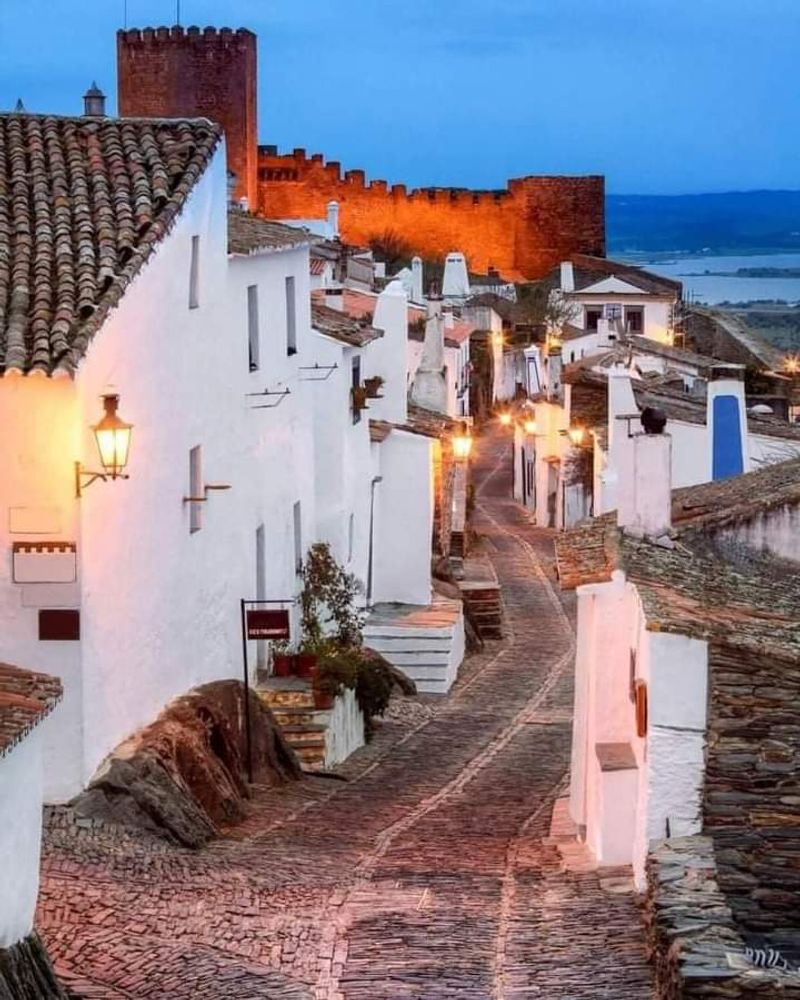
A walled museum-village of schist and limewash, Monsaraz crowns a hilltop overlooking the sapphire expanse of Alqueva, Europe’s largest artificial lake. Time moves differently here; the village feels suspended between medieval past and quiet present.
Whitewashed houses line cobbled streets so narrow you can touch both walls at once. Ancient stones whisper stories of Moors, knights, and border wars, while modern art galleries and craft shops breathe contemporary life into historic shells.
Walk the ramparts at dusk when the lake catches fire with sunset colors, then settle into a family-run tavern for slow-cooked pork and Alentejo wine. The regional tourism office keeps practical details current for planning your visit. Night skies here earned Dark Sky certification; stay late to see the Milky Way spill across the heavens like glitter on black velvet.
11. Óbidos, Portugal — castle-topped town encircled by Moorish walls
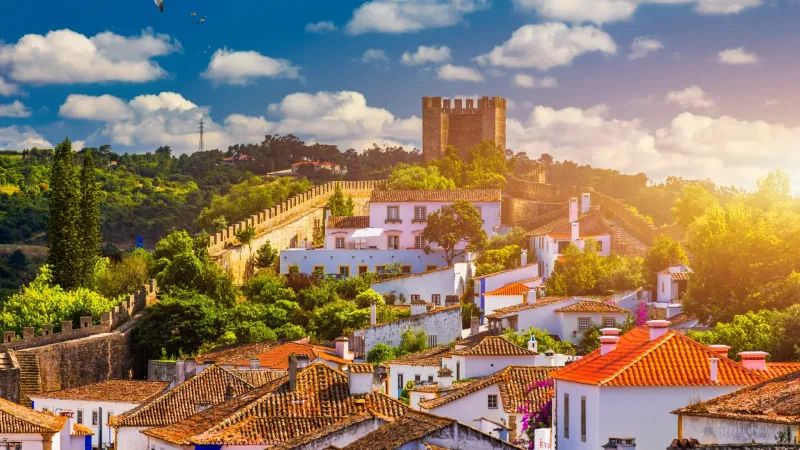
Walking the ramparts that circle Óbidos feels like patrolling a medieval fortress, because that’s exactly what you’re doing. Moorish walls embrace a castle-topped town where whitewashed houses wear bright yellow and blue trim like ribbons on a gift.
Narrow streets twist past bookshops tucked into chapels, artisan workshops, and tascas pouring ginja, the local cherry liqueur served in edible chocolate cups. The municipal tourism office and dedicated visitor guides keep practical details current for travelers.
Climb to the castle, now a luxury pousada where you can sleep in tower rooms if you book ahead. Spring brings the chocolate festival; summer hosts a medieval fair with knights, jesters, and roasted meats. Browse for hand-painted tiles, taste queijadas (sweet cheese pastries), and lose yourself in lanes that dead-end at flower-draped patios where cats nap in the sun.
12. Bibury, England (Cotswolds) – Arlington Row & water meadows
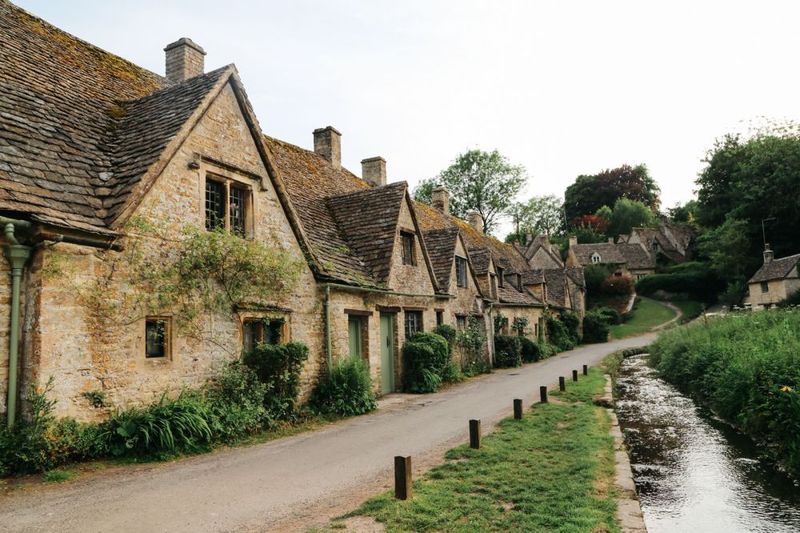
Arlington Row might be England’s most photographed street, and one glance explains why. These 17th-century weavers’ cottages in honey-colored Cotswold stone march along the River Coln, their steep roofs and tiny windows unchanged for centuries.
The National Trust stewards both the iconic cottages (still private homes, so respect residents’ privacy) and the protected water meadows beyond. Swans glide past while trout dart in the clear shallows, and wildflowers carpet the banks in spring and summer.
Bibury remains a living village, not a museum. The Swan Hotel offers traditional afternoon tea, and the village shop stocks local provisions. Walk upstream to the trout farm or explore St. Mary’s Church with its Saxon roots. Visit on weekday mornings to avoid coach-tour crowds and experience the peaceful Cotswolds rhythm that makes this corner of England feel timeless and true.
13. Valldemossa, Spain (Mallorca) — Tramuntana stone and monastery quiet
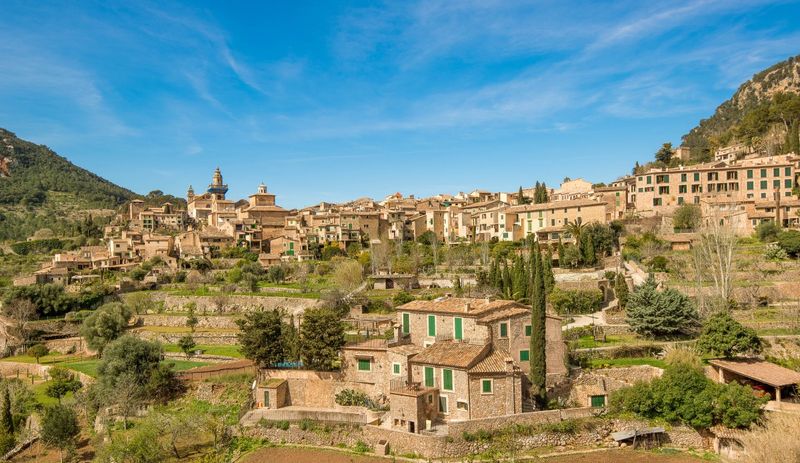
Stone houses climb terraced slopes in Valldemossa, where the Tramuntana mountains provide both dramatic backdrop and cool breezes. This mountain village earned fame when composer Chopin spent a winter at the charterhouse, but its charm runs deeper than celebrity connections.
Official portals provide routes, heritage sites, and tourist-office details for exploring cobbled lanes that twist past potted geraniums and doorways framed in green-painted wood. The monastery complex now welcomes visitors to Chopin’s rooms and a pharmacy museum with centuries-old remedies.
Local bakeries sell coca de patata, a sweet pastry dusted with powdered sugar that pairs perfectly with morning coffee. Hiking trails thread through olive groves and oak forests, offering views over terraced valleys down to the Mediterranean. Visit in spring when wildflowers bloom, or autumn when harvest colors paint the hillsides gold and russet.
14. Cudillero, Spain (Asturias) – amphitheater of colorful fishermen’s houses
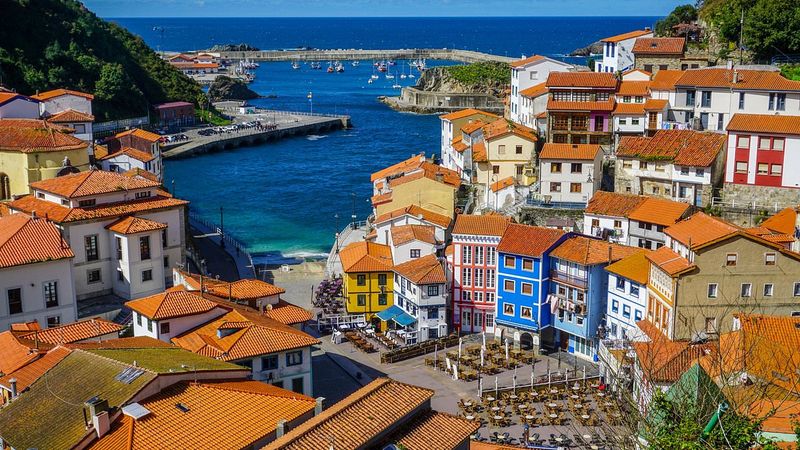
Houses in every shade of the rainbow stack up the hillside around Cudillero’s tiny harbor, creating an amphitheater effect that makes the village look like a painted stage set. Spain’s tourism pages showcase this terraced fishing port, the coastal viewpoints, and nearby beaches like the dramatic Playa del Silencio.
Fishing boats still bob in the harbor, and restaurants along the waterfront serve the day’s catch: grilled sardines, octopus, and fabada asturiana (white bean stew) that warms you from the inside. Steep stairways connect the tiers of houses, rewarding climbers with ever-better views.
Time your visit for sunset when golden light sets the colored facades glowing and fishermen mend nets on the quay. The lighthouse walk offers panoramic coastal vistas, and nearby beaches hide between dramatic cliffs. Asturias tourism highlights the region’s cider culture; don’t miss the ritual pour from height to aerate the sidra.
15. Bled, Slovenia – lake-island village with a castle above
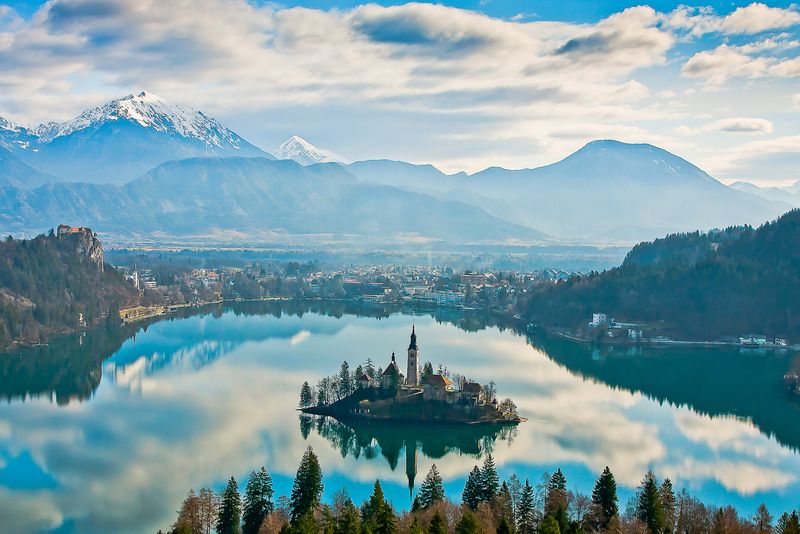
An emerald lake, an island crowned by a church, and a medieval castle perched on a cliff: Bled assembles fairytale elements with almost unfair perfection. Slovenia’s national portal and Bled’s official sites detail the castle, the church-topped islet reached by traditional pletna boats, and its recognition in UNWTO’s Best Tourism Villages program for sustainability.
Ring the church bell for good luck (after climbing 99 stone steps), then reward yourself with kremšnita, a cream cake that locals have perfected over generations. The lake path circles the water, offering constantly changing views of the Julian Alps reflected in the surface.
Rent a rowboat and paddle yourself, or hike up to Ojstrica viewpoint for the postcard shot everyone dreams of. Vintgar Gorge nearby offers wooden walkways through a river canyon where water foams turquoise over boulders. Visit year-round; winter brings ice-skating and snow-capped peaks, summer offers swimming and hiking.



