 Unearth The Voyage
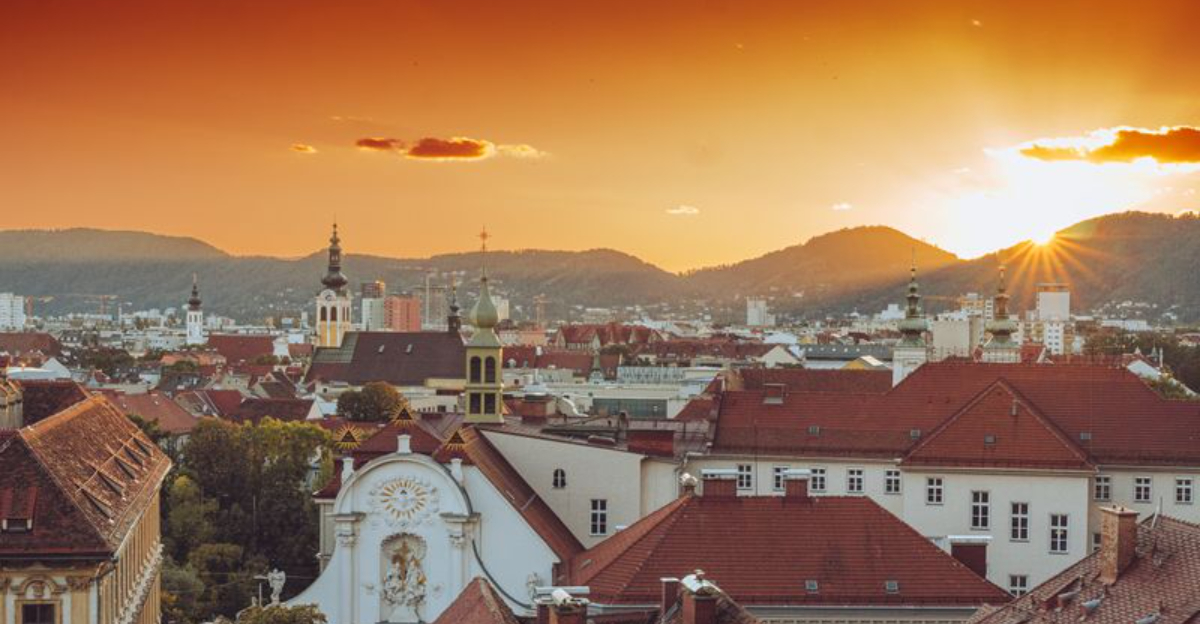
Europe can feel overwhelming when you’re planning your first trip. The biggest cities are packed with tourist crowds, overpriced restaurants, and cookie-cutter experiences. Luckily, some of Europe’s best spots fly under the radar while still offering easy access, beautiful sights, and a genuine feel for local life.
1. Ljubljana, Slovenia

Car-free since 2007, Ljubljana practically begs you to wander without a plan. The compact center feels like a secret garden where bikes outnumber taxis and café terraces spill onto cobblestones.
Riverside paths act as your natural compass, connecting green spaces and bridges without the chaos of through-traffic. When you drift into side streets, you’ll find bookshops and quiet courtyards instead of souvenir stands.
Start along the water, then let curiosity guide you upward into parks where locals jog and students picnic on sunny afternoons.
2. Ghent, Belgium
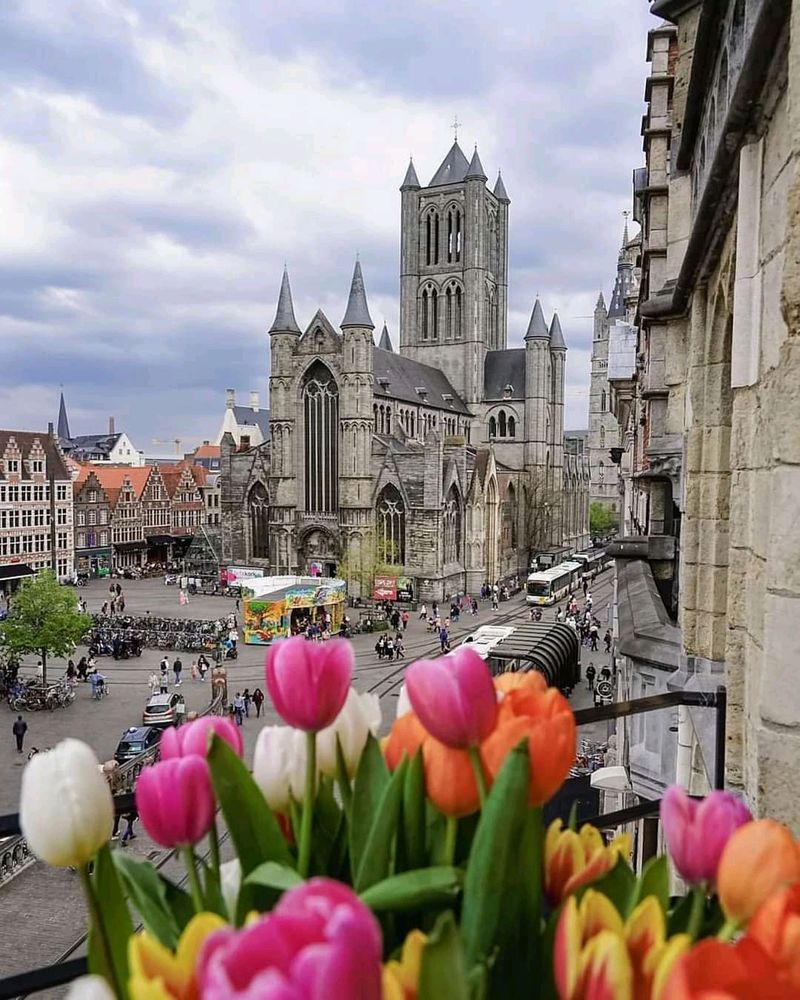
Ghent flipped the script in 2017 by redesigning its traffic flow to prioritize people over cars. The result? A historic core that feels open, breathable, and refreshingly low on tour buses.
Medieval guild houses and canals anchor the old quarter, but the real energy lives in student neighborhoods where beer gardens and music venues hum past midnight. Treat the center as your morning stroll, then shift gears after dark.
Locals gather in pockets beyond the postcard zone, and that’s where you’ll taste the city’s true rhythm.
3. Valencia, Spain
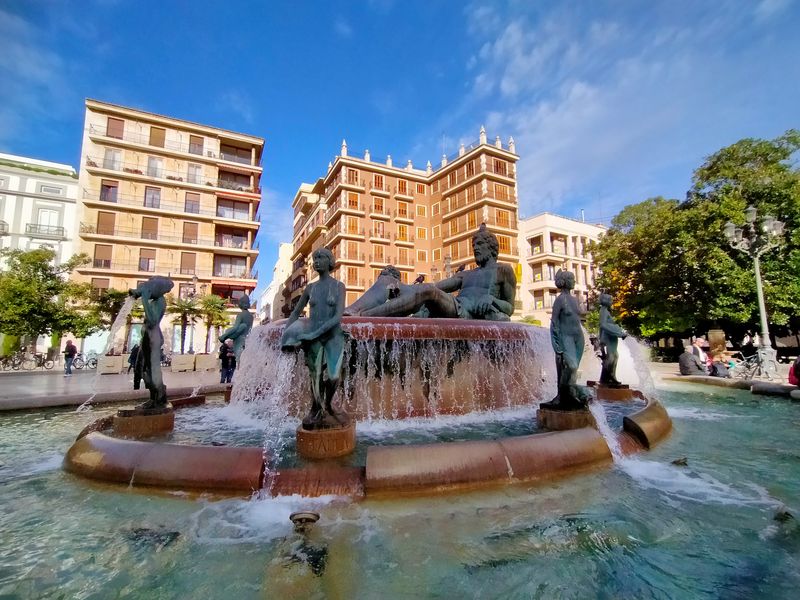
Valencia rerouted an entire river to create the Turia Gardens, a green ribbon that slices through the city like a calm escape hatch. Joggers, families, and cyclists own this space, not guidebook crowds.
Starting your day here sets a different tone: you experience Valencia’s vibe before ticking off monuments. The gardens connect neighborhoods organically, so you can hop off wherever curiosity strikes.
By the time you reach the old town, you’ve already felt the pulse of daily life, making every plaza less about performance and more about place.
4. Porto, Portugal
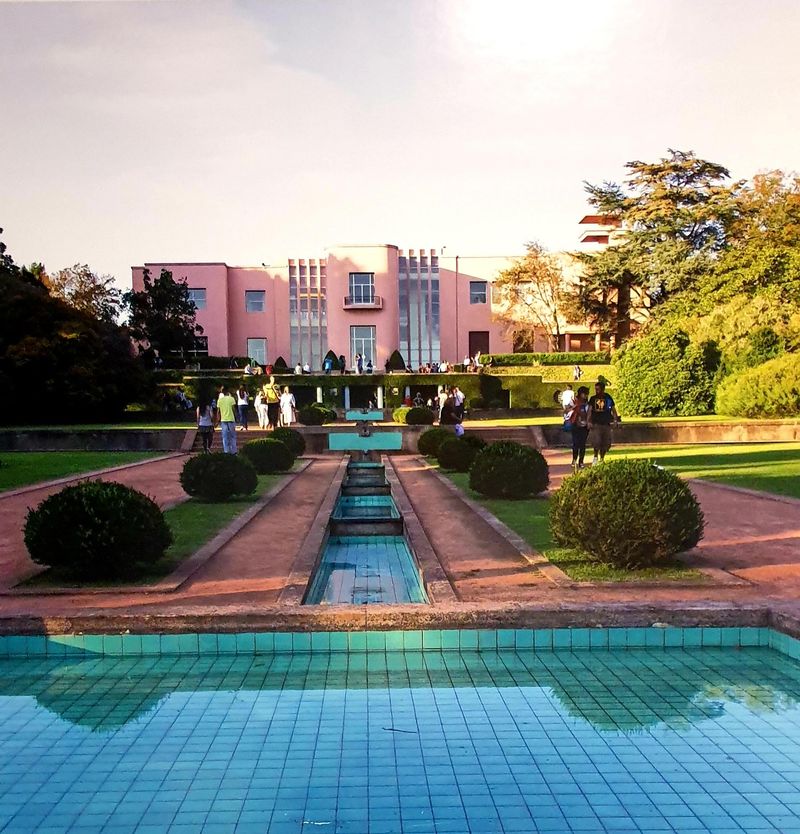
Porto’s UNESCO-listed center clings to hillsides above the Douro River, compact enough to navigate confidently but layered enough to surprise you at every turn. The iconic Luís I Bridge offers killer sunset views without requiring a tour group.
Once you’ve soaked in the scenery, climb into residential streets where laundry flaps from balconies and corner bakeries sell pastéis de nata for pocket change. Prices drop and locals multiply the farther uphill you go.
It’s a city that rewards wandering off the main drag.
5. Bologna, Italy
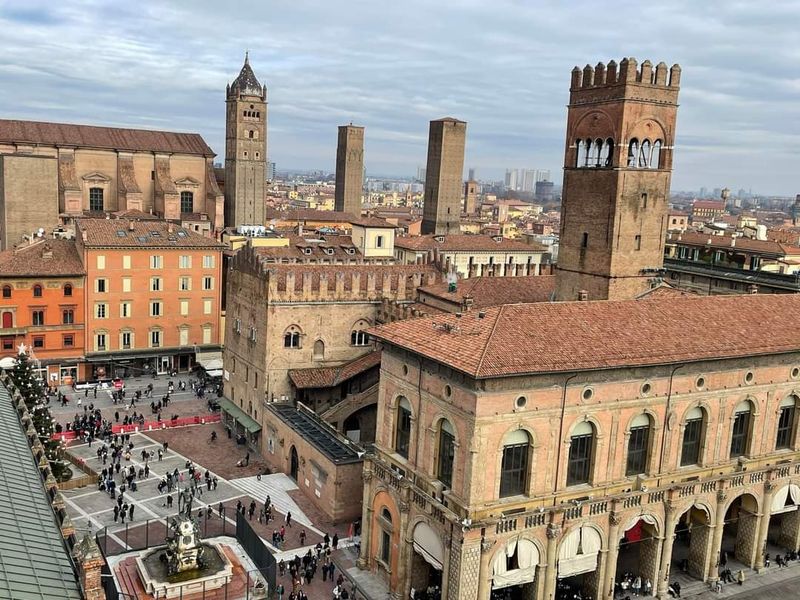
Bologna’s porticoes stretch for miles, sheltering you from rain and sun while offering endless detours away from crowded routes. These UNESCO-listed archways aren’t just pretty; they’re your ticket to exploring like a local.
When one street feels overrun with tour groups, simply duck under the next arcade and keep moving. The city unfolds in layers, revealing trattorias, bookshops, and hidden piazzas if you’re willing to zigzag.
No single tourist drag dominates here, which means you control the pace and the path, rain or shine.
6. Lyon, France
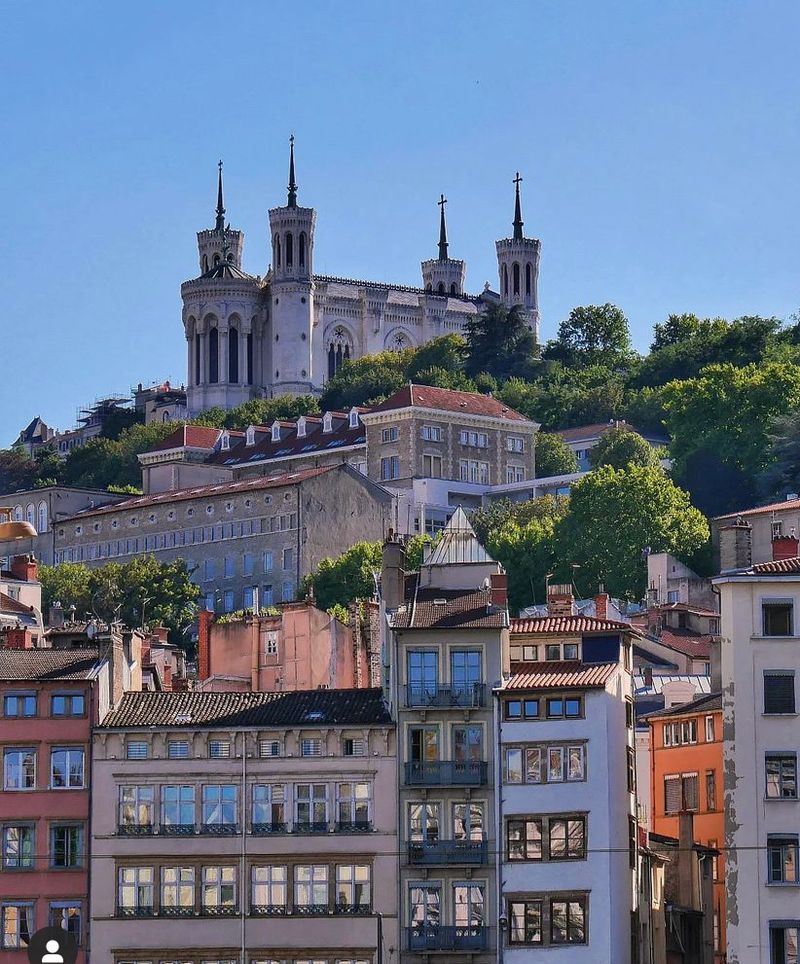
Lyon earned its UNESCO status by layering Roman ruins, Renaissance courtyards, and industrial waterfronts into one sprawling, multifaceted city. There’s no single tourist strip to clog, which forces you to explore multiple districts instead.
River walks along the Rhône and Saône offer breathing room, while hillside neighborhoods like Fourvière provide panoramic views without the elbow-to-elbow crowds. Each quarter has its own personality, from silk-weaver traboules to modern food markets.
Splitting your time across zones keeps the experience fresh and unpredictable in the best way.
7. Bilbao, Spain
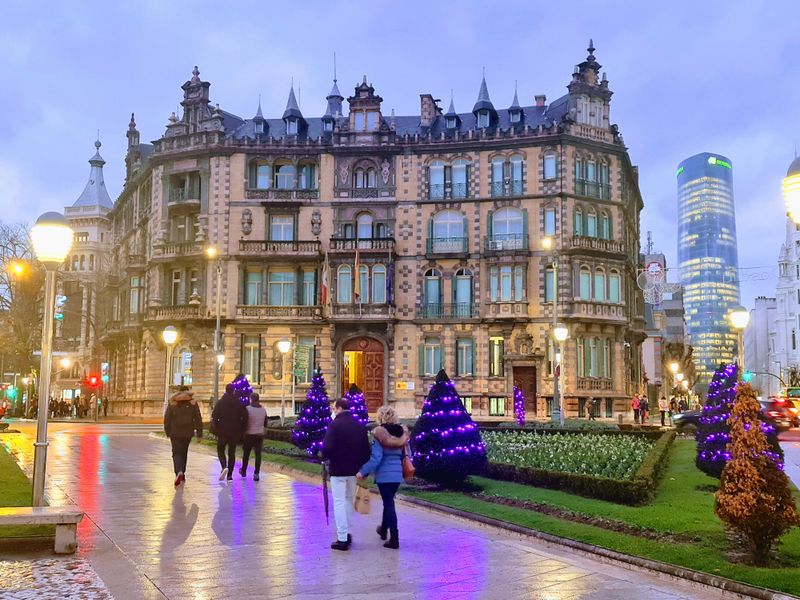
The Guggenheim Museum made Bilbao famous in 1997, but the city’s soul lives along the Nervión River and in Basque-speaking neighborhoods where pintxos bars outnumber postcard racks. Check out the titanium curves if you want, then move on.
Riverside promenies connect parks, markets, and residential blocks where daily life unfolds without performance. The best pintxos aren’t near the museum; they’re tucked into side streets where locals argue soccer over cider.
Bilbao rewards those who treat the landmark as a pit stop, not the main event.
8. Kraków, Poland
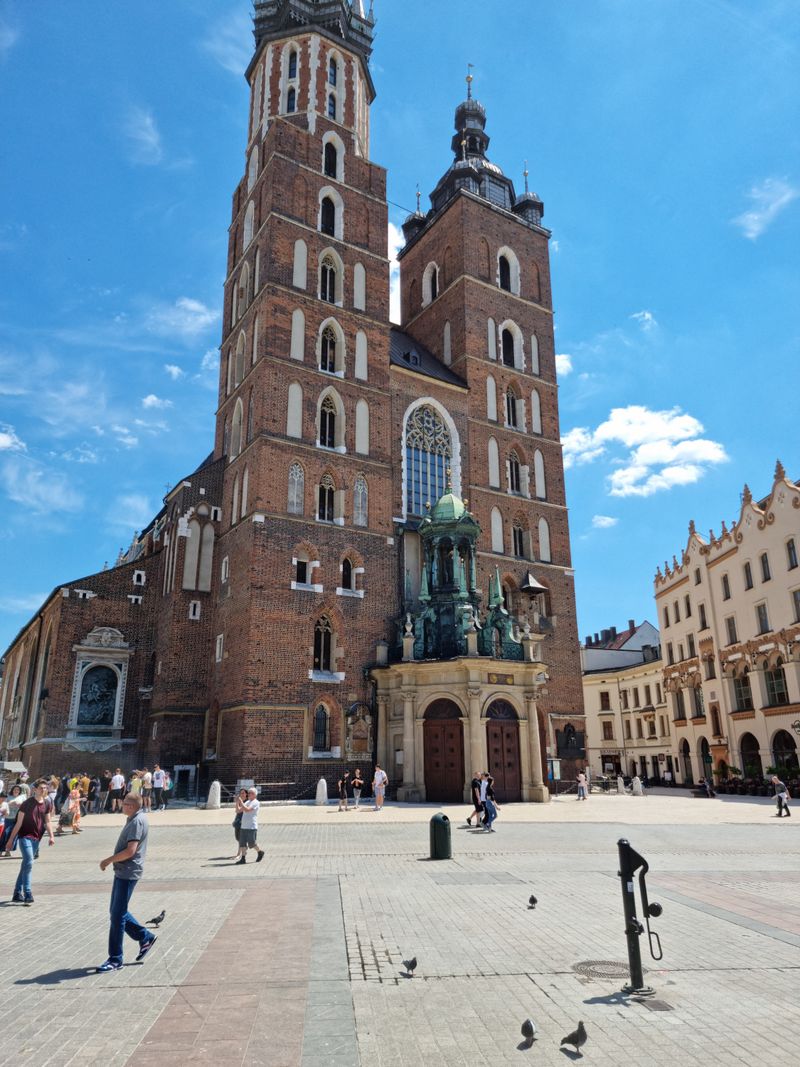
Kraków’s UNESCO-listed core packs medieval grandeur into a walkable grid, with Wawel Hill and the Main Market Square anchoring the experience. Snap your photos, soak in the atmosphere, then step away from the epicenter.
Kazimierz, the historic Jewish quarter, hums with cafés, galleries, and courtyards where locals linger over coffee and conversation. Side streets reveal murals, vintage shops, and hole-in-the-wall pierogi spots that never make it onto tour itineraries.
The city breathes easiest when you wander beyond the postcard zone and let serendipity take over.
9. Tallinn, Estonia
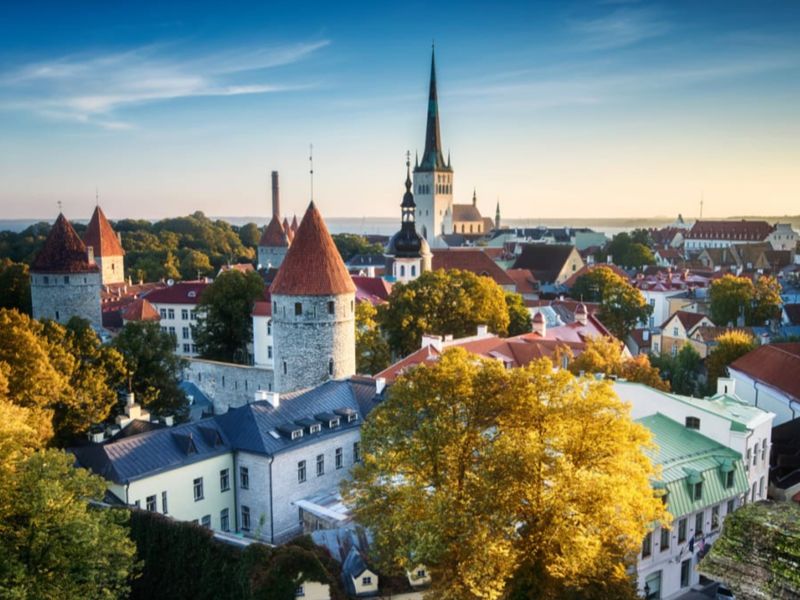
Tallinn’s fairy-tale Old Town is tiny, impeccably preserved, and UNESCO-listed, which means you can check it off in half a day and still have time to explore the real city. Medieval spires and cobblestones are charming, but they’re just the appetizer.
Beyond the walls, neighborhoods like Kalamaja buzz with street art, design studios, and cafés where Estonians actually hang out. The creative energy lives outside the tourist perimeter, in converted warehouses and seaside parks.
Give the Old Town its due, then spend the rest discovering modern Tallinn’s quieter, cooler side.
10. Riga, Latvia
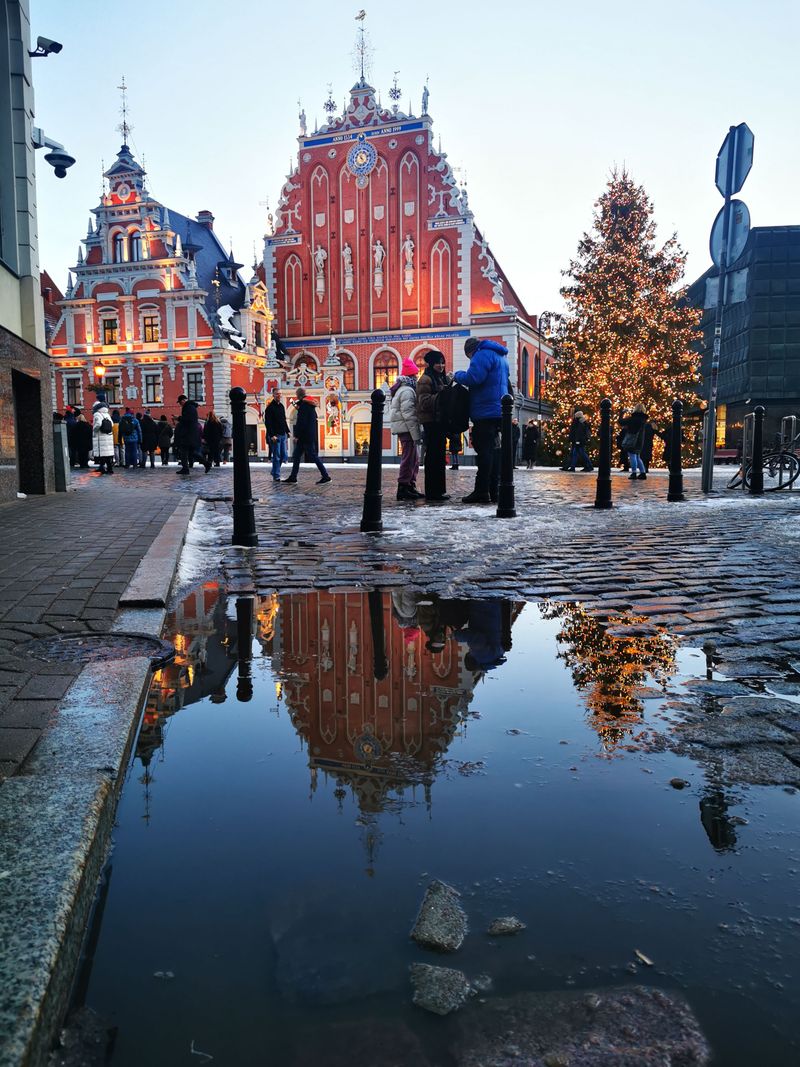
Riga’s UNESCO-listed center reflects its Hanseatic roots, with Art Nouveau facades and cobbled squares that reward slow, aimless wandering. Forget the checklist mentality; this city reveals itself block by block, not landmark by landmark.
Pick a direction, follow your instincts, and stumble onto hidden courtyards, quirky museums, and bakeries selling rye bread that smells like childhood. The joy here isn’t in ticking boxes but in discovering streets that feel like your personal find.
Riga rewards curiosity over efficiency, so leave the map in your pocket and trust your feet.
11. Vilnius, Lithuania
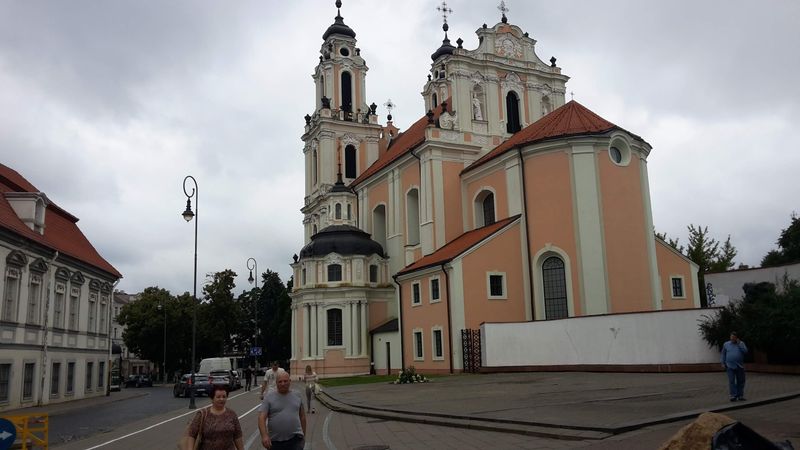
Vilnius Historic Centre earned UNESCO status for its layered architecture and centuries of cultural crossroads, but the magic happens early or late when tour groups vanish. Morning light on baroque churches feels sacred, and evening strolls reveal locals walking dogs and buying bread.
The city’s rhythm becomes visible when you time your visit to match daily routines, not peak tourist hours. Quiet courtyards, family-run cafés, and tree-lined streets show you a side of Vilnius that feels personal, not packaged.
Walk when the city is calm, and you’ll see it breathe.
12. Graz, Austria
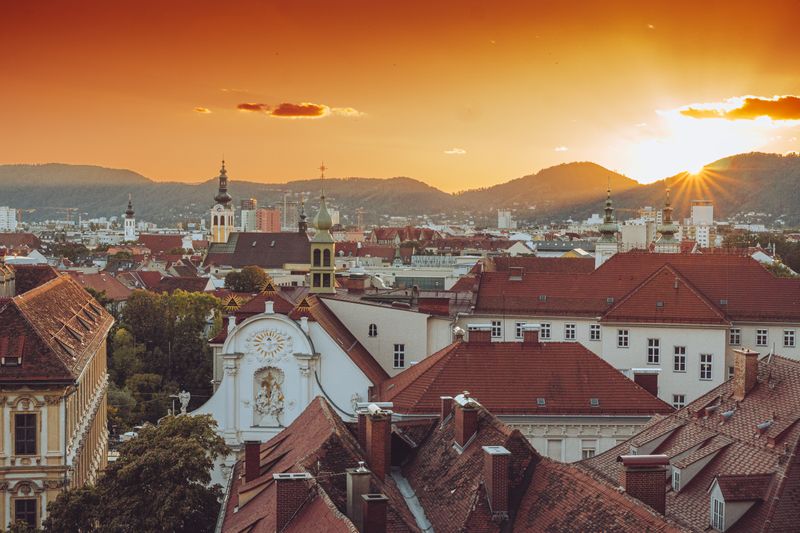
Graz balances grandeur and intimacy in a way few cities manage. Its UNESCO-listed historic centre and Schloss Eggenberg offer culture and beauty, but the real charm lives in unhurried café mornings and long, meandering walks through courtyards.
This is your slow-city stop, the place where rushing between sights feels wrong. Linger over coffee, browse bookshops, and let the afternoon stretch into evening without guilt.
Graz doesn’t demand your attention; it invites you to settle in and savor the small, lovely details that make a place feel like home.
13. Thessaloniki, Greece
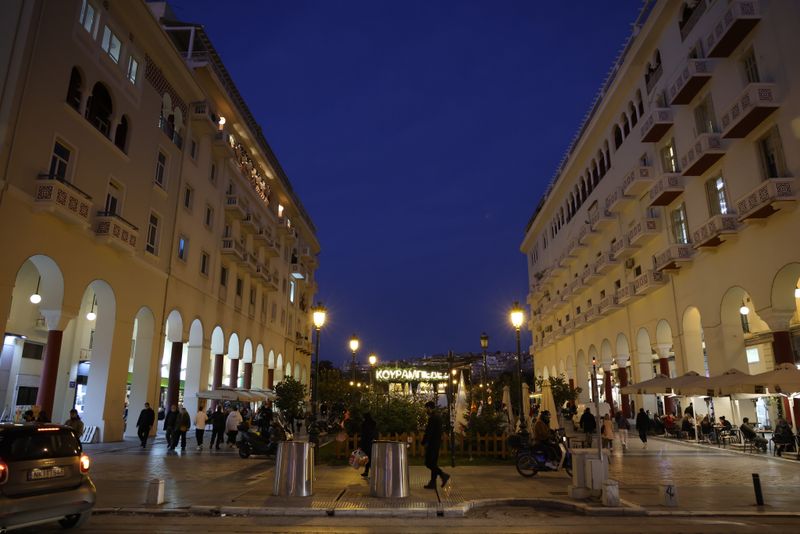
Thessaloniki offers UNESCO-listed Byzantine monuments without the crushing crowds that plague other Greek hot spots. Early Christian mosaics and ancient walls coexist with a bustling waterfront promenade where locals jog, sip coffee, and watch the sunset.
Approach this city as a living, breathing place, not an archaeological sprint. Neighborhoods sprawl inland from the sea, each with its own markets, tavernas, and rhythms that have nothing to do with tour buses.
Think city plus sea plus real life, and you’ll unlock Thessaloniki’s best-kept secret: it’s gloriously, wonderfully un-touristy.



