 Unearth The Voyage
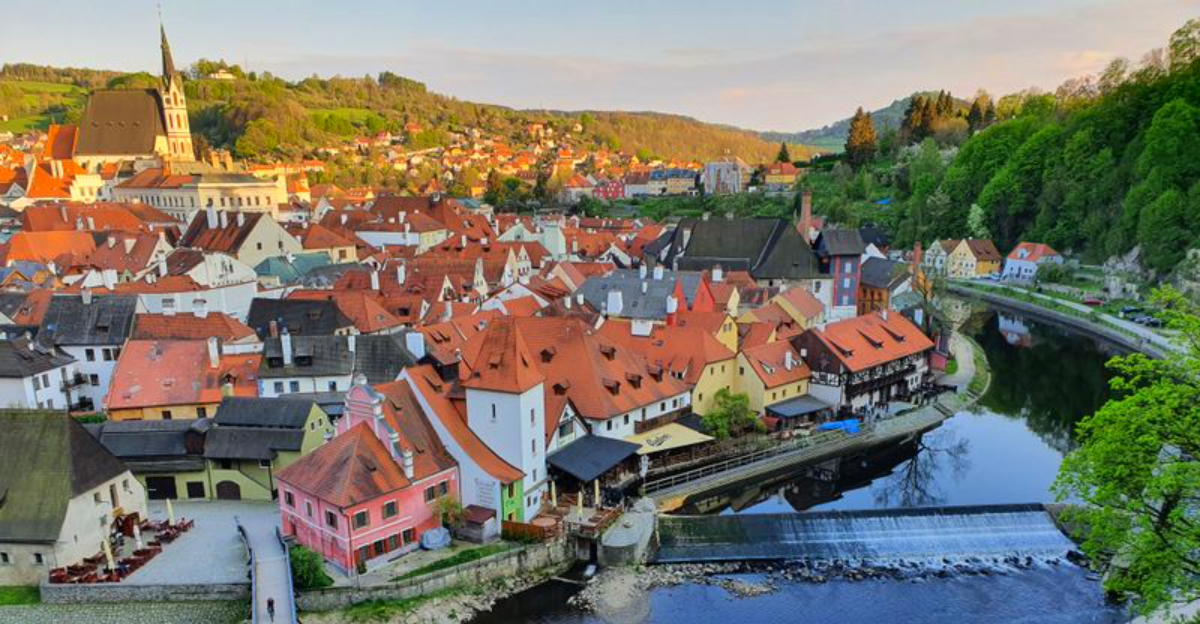
Walking through Europe’s medieval cities feels like stepping into a living history book. Cobblestone streets, towering Gothic spires, and ancient fortifications transport visitors back centuries to when knights roamed and merchants traded in bustling marketplaces. These remarkably preserved cities offer an authentic glimpse into the past, where every corner reveals stories of kings, artisans, and everyday life from hundreds of years ago.
1. Bruges, Belgium
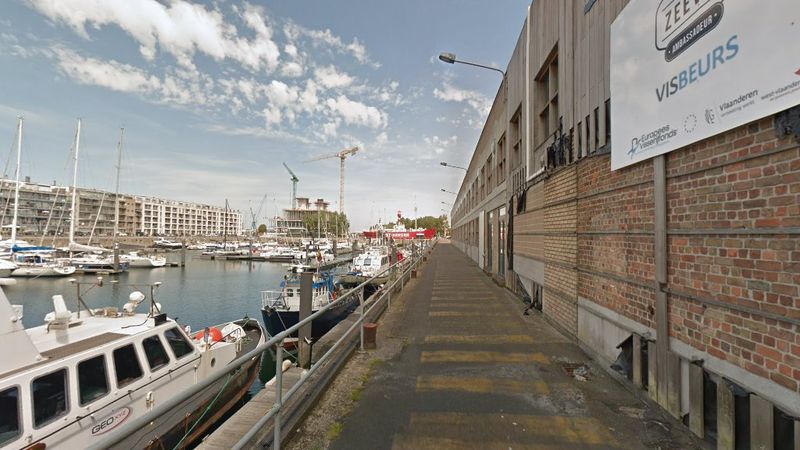
Canals wind through the heart of this enchanting Belgian city like liquid ribbons connecting centuries of history. Bruges earned its nickname as the Venice of the North thanks to these waterways that once made it a powerful trading hub during the Middle Ages.
Walking along the cobbled lanes feels magical, especially when horse-drawn carriages clip-clop past medieval guild houses. The Belfry tower rises 83 meters above the central square, offering breathtaking views after climbing 366 steps.
Market Square buzzes with life just as it did 700 years ago, though now cafes replace medieval merchant stalls. Gothic architecture dominates every corner, from the Basilica of the Holy Blood to countless brick facades.
Chocolate shops and lace boutiques fill historic buildings, blending modern commerce with timeless charm. Visiting Bruges means experiencing a city that refused to let progress erase its medieval soul.
2. Rothenburg ob der Tauber, Germany
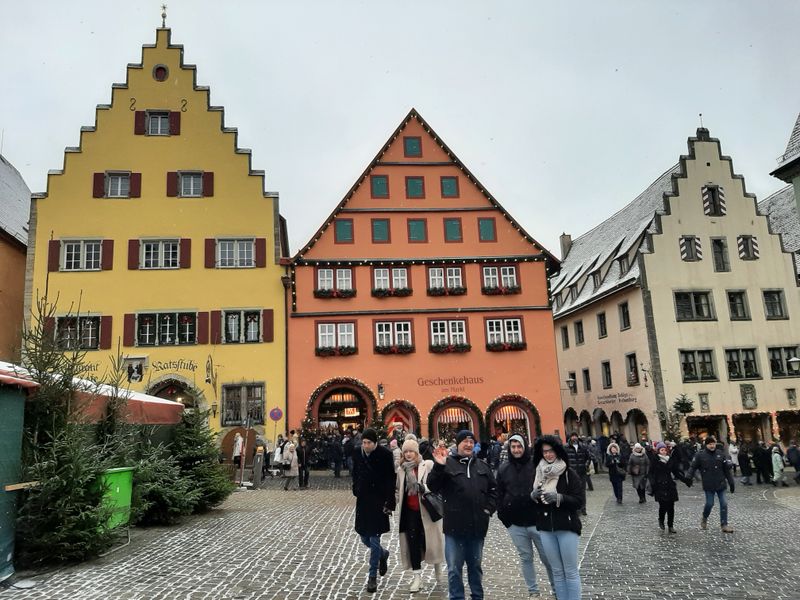
Picture a town so perfectly preserved it looks like someone pressed pause in the 1400s. Rothenburg sits atop a hill in Bavaria, surrounded by walls you can actually walk along for nearly two miles.
Half-timbered houses lean close together along narrow streets, their colorful facades creating a storybook scene. The town escaped major damage during wars, leaving its medieval character remarkably intact.
Christmas markets here feel especially authentic, held in squares where medieval citizens once gathered. Tower gates punctuate the walls at intervals, each one telling stories through its weathered stones. Plönlein, the most photographed corner, shows two streets meeting at a fountain with towers rising behind.
Local museums display medieval crime and punishment tools that remind visitors life wasn’t always as charming as the scenery. Every season brings different magic, from spring blossoms to winter snow dusting ancient rooftops.
3. Carcassonne, France
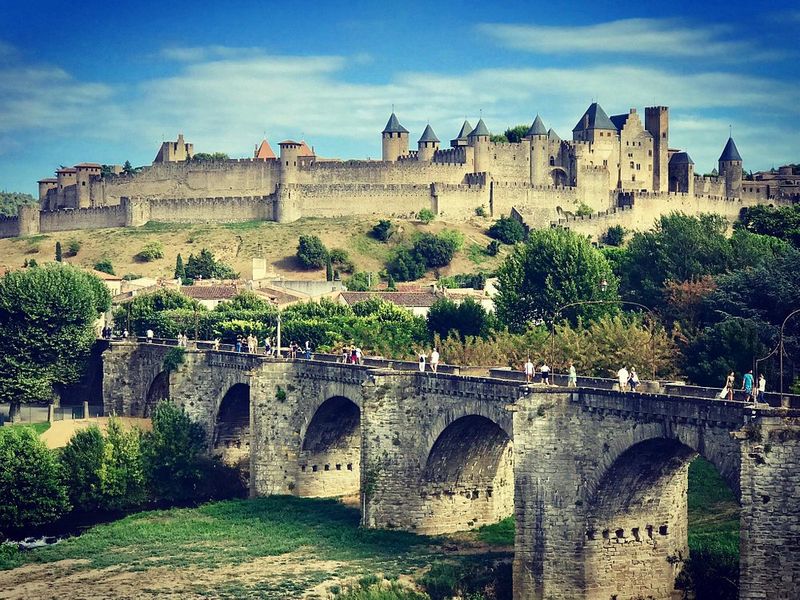
Fifty-two towers rise from double walls that circle this fortress city like a stone crown. Carcassonne represents medieval military architecture at its most impressive, with defenses built and rebuilt over centuries.
Romans started the fortifications, but medieval builders turned them into an impregnable stronghold. Walking across the drawbridge into the citadel feels like entering another era entirely.
Narrow streets inside the walls lead past shops and homes where people actually live among the history. The Château Comtal sits at the heart, a castle within the castle offering tours through medieval halls. Restoration work in the 1800s saved Carcassonne from ruin, though some critics say it made things too perfect.
Summer evenings bring spectacular light shows projected onto the ancient stones. From a distance, especially at sunset, the entire citadel glows golden like something from a fantasy novel brought to life.
4. Regensburg, Germany
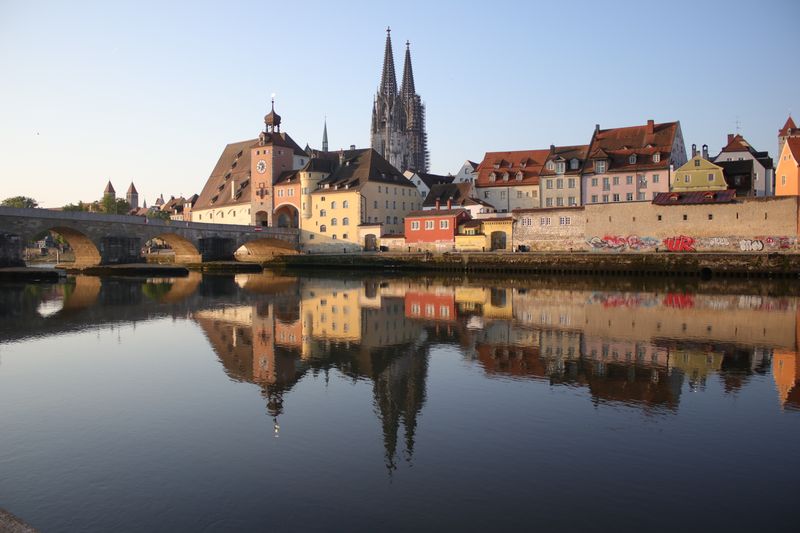
More than 1,500 medieval buildings cluster in this Bavarian city, making it one of Europe’s largest preserved medieval centers. The Stone Bridge, built in the 1100s, still carries pedestrians across the Danube after nearly 900 years.
Gothic spires of St. Peter’s Cathedral dominate the skyline, their intricate stonework representing decades of medieval craftsmanship. Narrow alleys called gassen wind between tall houses, creating shadowy passages that evoke centuries past.
Regensburg thrived as a trading center, and its wealth shows in the elaborate merchant houses and patrician towers. The old town escaped major bombing during World War II, leaving its medieval character intact. Sausage kitchens near the bridge have served food since the 1100s, possibly making them the world’s oldest continuous restaurants.
University students now fill streets once walked by medieval traders, bringing youthful energy to ancient surroundings.
5. Lübeck, Germany
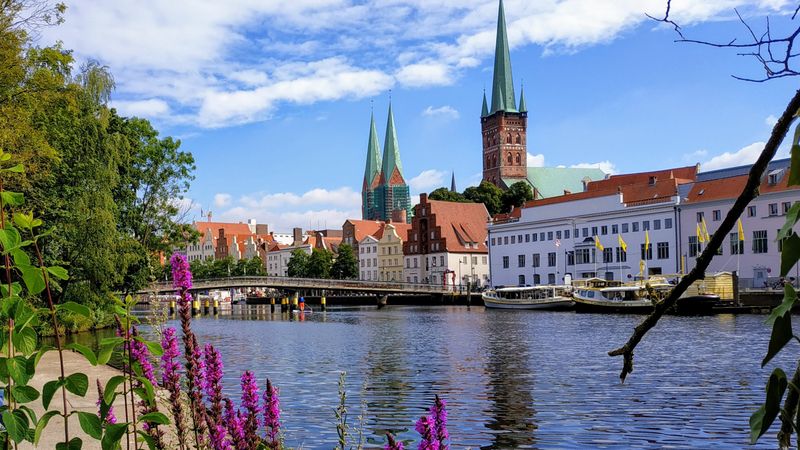
Seven church towers pierce the skyline, earning Lübeck its distinctive nickname and creating a silhouette unchanged for centuries. Brick Gothic architecture defines this Hanseatic League powerhouse, where red-clay buildings glow warmly in afternoon light.
The Holstentor gate greets visitors with twin towers that once guarded the western entrance. Behind it, streets follow medieval patterns between buildings that housed wealthy merchants and their trading companies.
Marzipan production here dates back hundreds of years, with recipes passed through generations. The old town sits on an island, surrounded by water that protected it during medieval times. Salt trade made Lübeck rich, and that wealth funded the magnificent churches and guild halls still standing today.
Thomas Mann, the famous writer, was born here and drew inspiration from its medieval atmosphere. Walking these streets means following paths worn smooth by centuries of footsteps.
6. Toruń, Poland
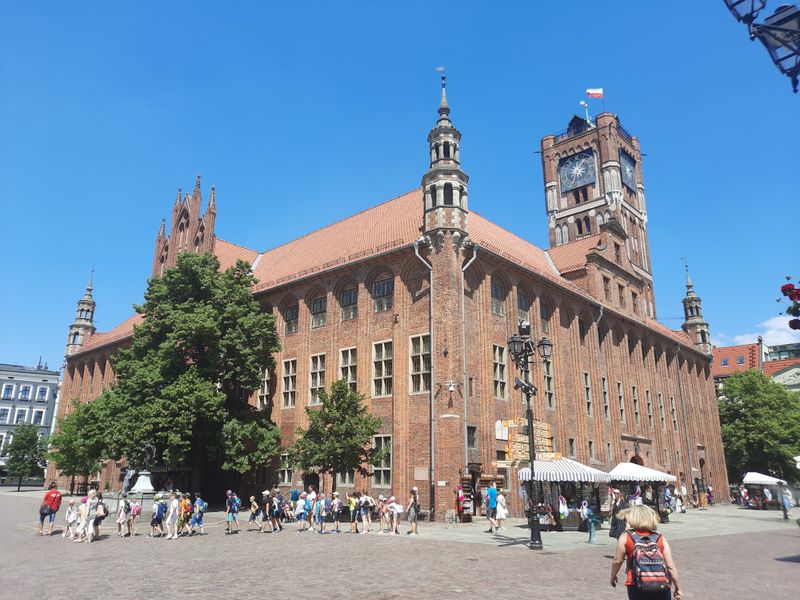
Nicolaus Copernicus was born in this riverside city, where Gothic brick buildings still line streets laid out 800 years ago. UNESCO recognized Toruń’s exceptional preservation, noting how it escaped destruction that leveled many Polish cities.
The town hall rises from the market square, its tower offering views across red-tiled roofs to the Vistula River. Original defensive walls still encircle much of the old town, complete with gates and towers.
Gingerbread making became a Toruń tradition in medieval times, and bakeries still produce it using centuries-old recipes. Gothic churches dot the skyline, their brick facades glowing rust-colored at sunset. Granaries along the river once stored grain traded throughout Europe, their massive structures now converted to cultural spaces.
Students from the local university bring life to medieval streets, studying in buildings where scholars worked hundreds of years ago. Every brick seems to whisper stories from Poland’s medieval golden age.
7. Strasbourg, France
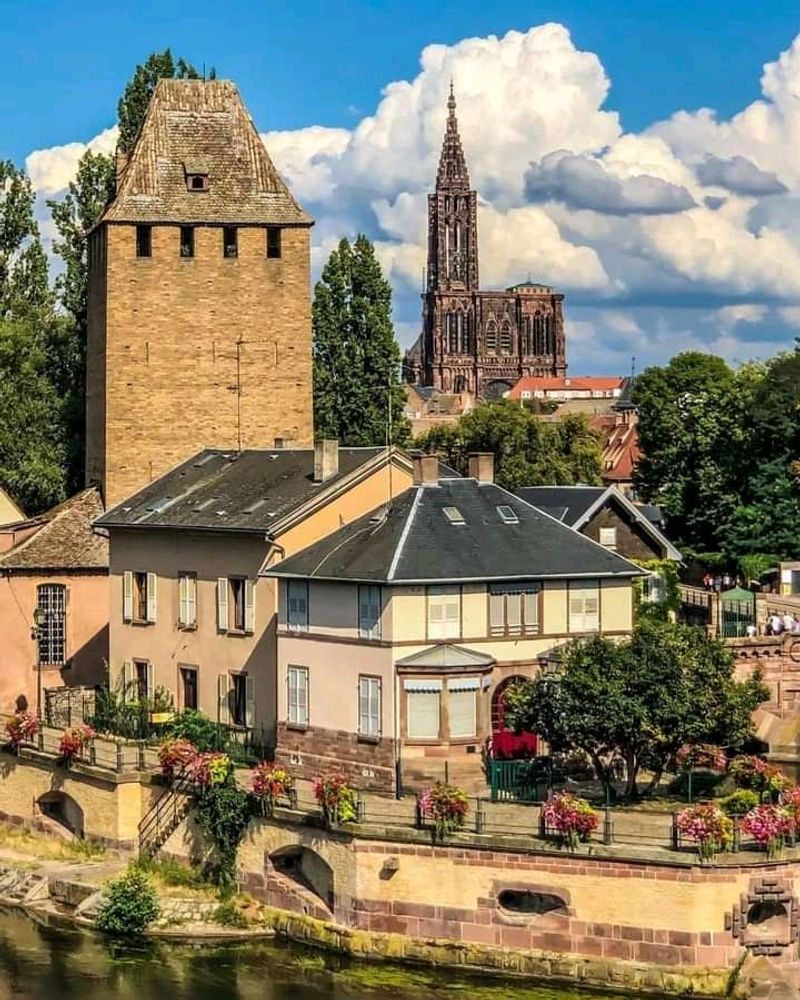
Half-timbered houses lean over narrow canals in the Petite France quarter, creating scenes that belong on postcards. This historic district once housed tanners, millers, and fishermen whose workshops lined the water.
Timber frames form geometric patterns across white-plastered walls, some buildings tilting slightly after centuries of settling. Flower boxes overflow with colorful blooms in summer, adding splashes of color to the medieval palette.
The cathedral’s single spire was the world’s tallest building for over 200 years, its Gothic stonework incredibly detailed. Covered bridges called Ponts Couverts span the river, their towers remnants of medieval fortifications. Strasbourg’s location on the French-German border gave it a unique cultural blend visible in its architecture and traditions.
European Parliament buildings now stand nearby, but the medieval quarter remains untouched by modern development. Evening lights reflecting on the canals create an atmosphere that transports visitors straight back to medieval times.
8. Tallinn, Estonia
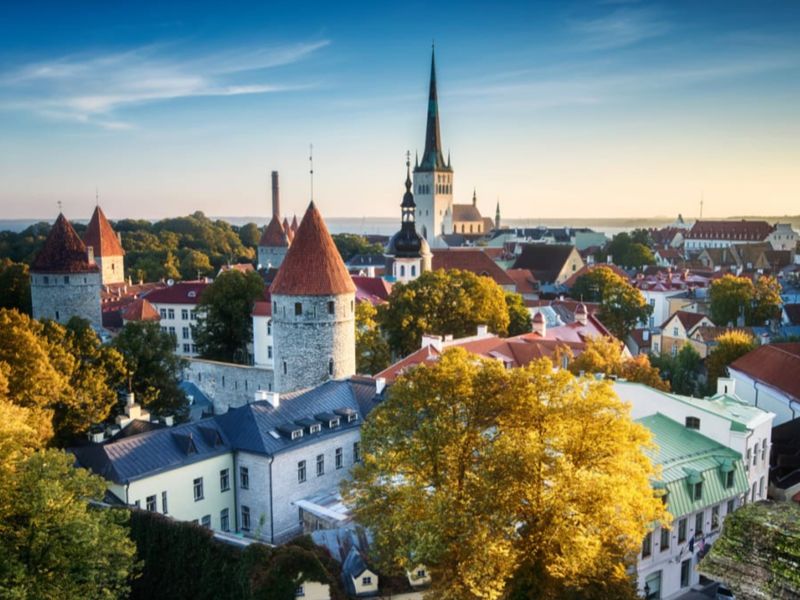
Gothic spires rise above one of Europe’s best-preserved medieval fortified cities, where cobblestones lead through centuries of Baltic history. Tallinn’s old town sits on a hill, divided into upper and lower sections that once separated nobles from merchants.
Defensive walls still encircle much of the historic center, complete with towers you can climb for panoramic views. Alexander Nevsky Cathedral’s onion domes contrast with medieval Gothic architecture, showing layers of history.
The Town Hall Square has hosted markets since medieval times, its pink Gothic town hall standing since the 1400s. Narrow passages called katus wind between buildings, some covered to protect against harsh winters. Medieval merchant houses line the streets, their stone facades weathered but strong.
In summer, the old town fills with outdoor cafes and music, but winter brings a quieter magic when snow blankets ancient rooftops. Walking these lanes feels like discovering secrets from the Hanseatic League’s trading days.
9. Siena, Italy
A shell-shaped piazza slopes downward like a medieval amphitheater, surrounded by palaces that witnessed centuries of Tuscan history. Siena’s Piazza del Campo hosts the famous Palio horse race twice each summer, continuing a tradition from the Middle Ages.
The Palazzo Pubblico and its Torre del Mangia tower over the square, their Gothic stonework representing Siena’s medieval power. Narrow streets radiate outward from the piazza, following medieval patterns between terracotta-colored buildings.
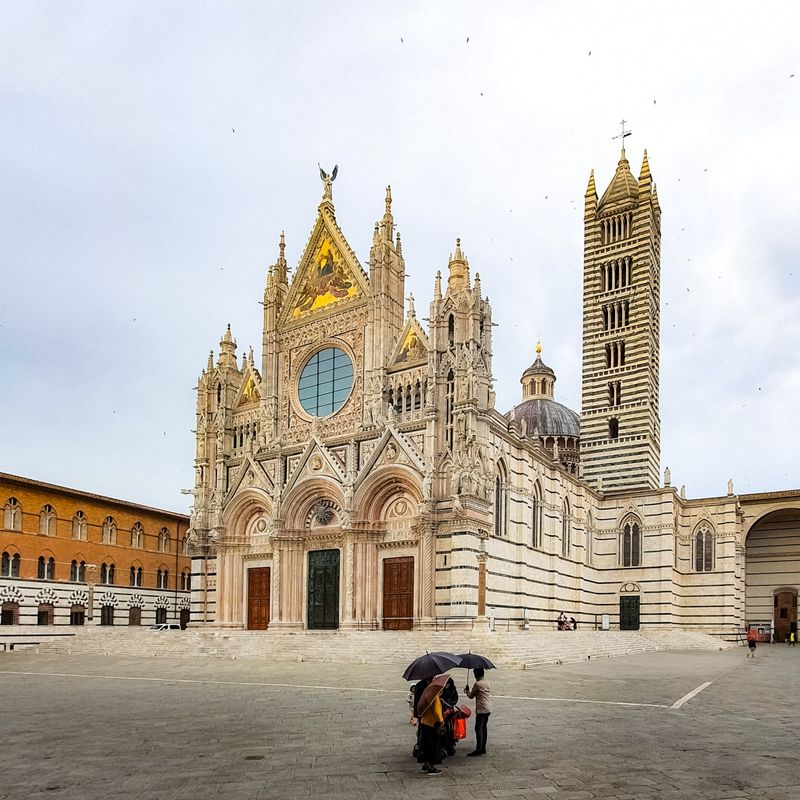
Gothic cathedral striped in black and white marble sits atop the highest hill, its interior dazzling with medieval art. Siena competed fiercely with Florence during medieval times, and that rivalry pushed both cities toward artistic greatness. The contrade, or neighborhoods, maintain medieval identities and fierce loyalties even today.
Unlike many cities, Siena’s medieval urban fabric remains almost completely intact, with minimal modern intrusion. Sunset turns the terracotta buildings golden, creating scenes painters have captured for generations.
10. Toledo, Spain
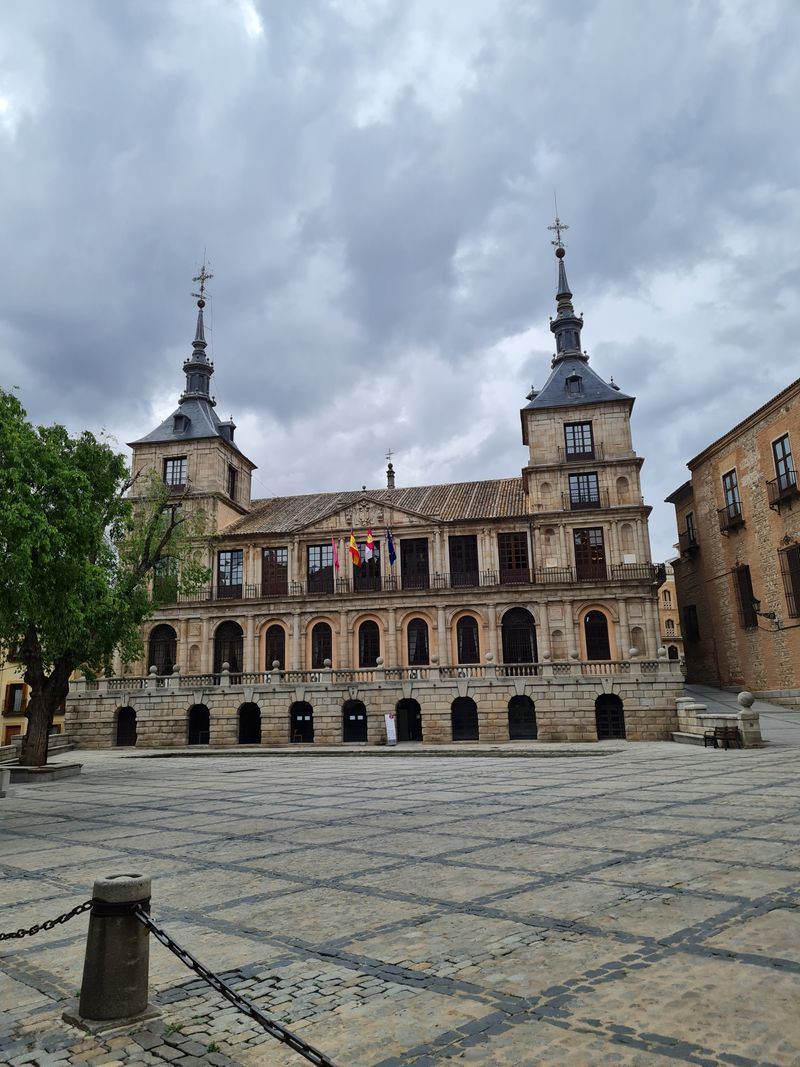
Perched on a granite hill surrounded by the Tagus River gorge, Toledo earned its nickname as the City of Three Cultures. Christians, Muslims, and Jews lived here together during medieval times, each community leaving architectural treasures.
Labyrinthine streets twist upward through the old town, so narrow that buildings nearly touch overhead. The cathedral’s Gothic spire dominates the skyline, but synagogues and mosques remind visitors of Toledo’s diverse medieval past.
Ancient walls encircle the hilltop, their stones witnessing countless sieges and celebrations. Sword-making became a Toledo specialty in medieval times, and craftsmen still forge blades using traditional methods. El Greco lived and painted here, capturing the city’s dramatic medieval atmosphere in his works.
Getting lost in Toledo’s maze feels less like a problem and more like an adventure through centuries. Every turn reveals another medieval doorway, hidden courtyard, or ancient archway waiting to be discovered.
11. Prague, Czech Republic
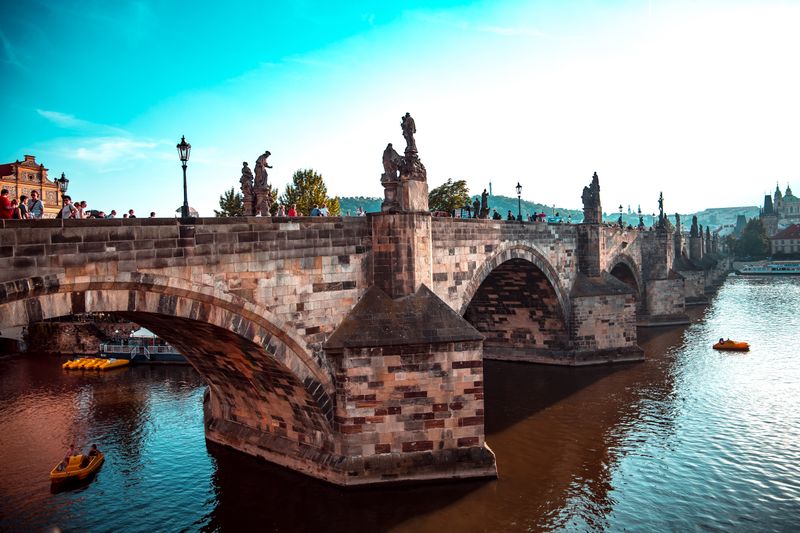
Charles Bridge connects the old town to the castle district, its Gothic arches spanning the Vltava River since the 1300s. Thirty baroque statues line the bridge, though the structure itself represents medieval engineering genius.
Prague Castle looms above the city, a massive complex of palaces, churches, and fortifications built over centuries. The Astronomical Clock in Old Town Square has marked time since medieval days, drawing crowds when its figures parade each hour.
Gothic spires and towers create a skyline that inspired the nickname City of a Hundred Spires. Narrow medieval lanes wind through both sides of the river, lined with buildings showing architectural styles from Gothic to Renaissance. The Jewish Quarter preserves synagogues and a cemetery from medieval times, telling stories of one of Europe’s oldest Jewish communities.
Prague escaped major destruction in World War II, leaving its medieval core remarkably intact. Golden evening light transforms the city into something magical, worthy of its fairy-tale reputation.
12. Cesky Krumlov, Czech Republic
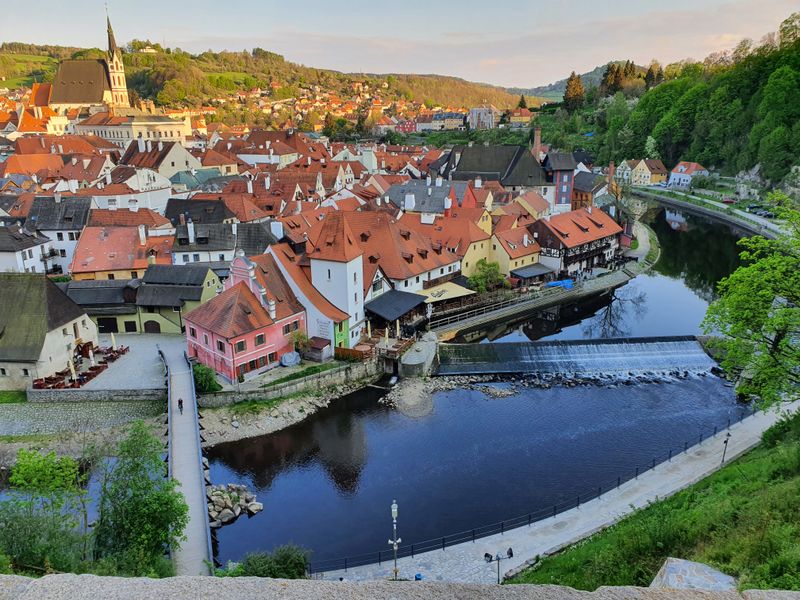
The Vltava River loops around this small town like a protective moat, with a dramatic castle rising on the hilltop above. Cesky Krumlov looks like someone shrunk a grand medieval city to village size and preserved it perfectly.
The castle complex ranks as the second largest in the Czech Republic, its towers and courtyards spanning different architectural periods. A unique baroque theater inside still has original stage machinery from the 1600s.
Medieval lanes spiral downward from the castle through the old town, their cobblestones worn smooth by centuries of footsteps. Renaissance facades painted in soft colors add warmth to Gothic foundations beneath. The town’s small size means you can explore the entire medieval center in a day, yet discoveries hide around every corner.
Artists and craftspeople now occupy buildings where medieval tradesmen once worked, keeping creative traditions alive. Summer brings festivals and concerts that echo celebrations from hundreds of years ago.
13. Girona, Spain
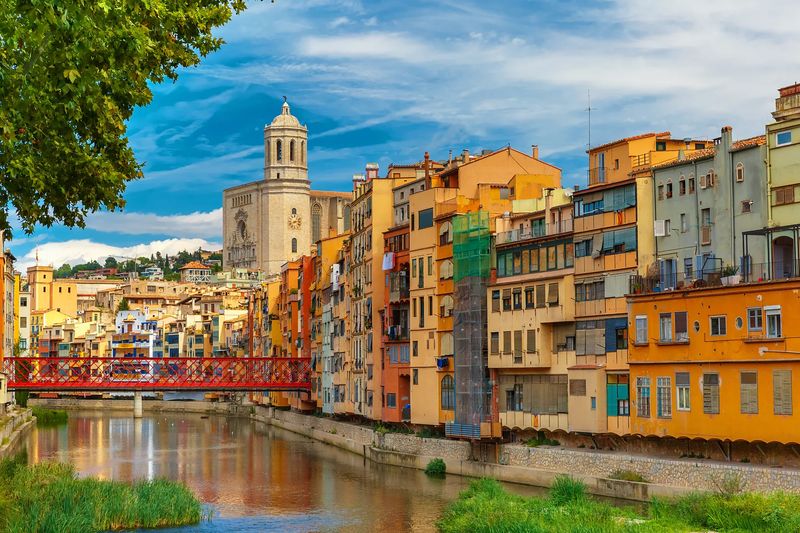
Colorful houses line the Onyar River like a rainbow reflected in the water, their medieval foundations hidden behind painted facades. Ancient walls encircle the old quarter, walkable sections offering views across terracotta rooftops to the Pyrenees beyond.
The Jewish Quarter, called El Call, preserves one of Europe’s best-maintained medieval Jewish neighborhoods. Stone staircases climb steeply between buildings, leading to the cathedral that dominates the highest point.
Gothic and Romanesque architecture mix throughout the old town, showing centuries of building and rebuilding. Game of Thrones filmed scenes here, and walking these medieval streets makes it obvious why. Arab Baths from the 1100s still stand, their Romanesque columns surrounding a central pool.
Girona feels less touristy than Barcelona despite being equally historic, offering authentic medieval atmosphere without overwhelming crowds. Spring brings flowers cascading from ancient walls, adding natural beauty to human-made splendor that has endured for centuries.
14. York, England
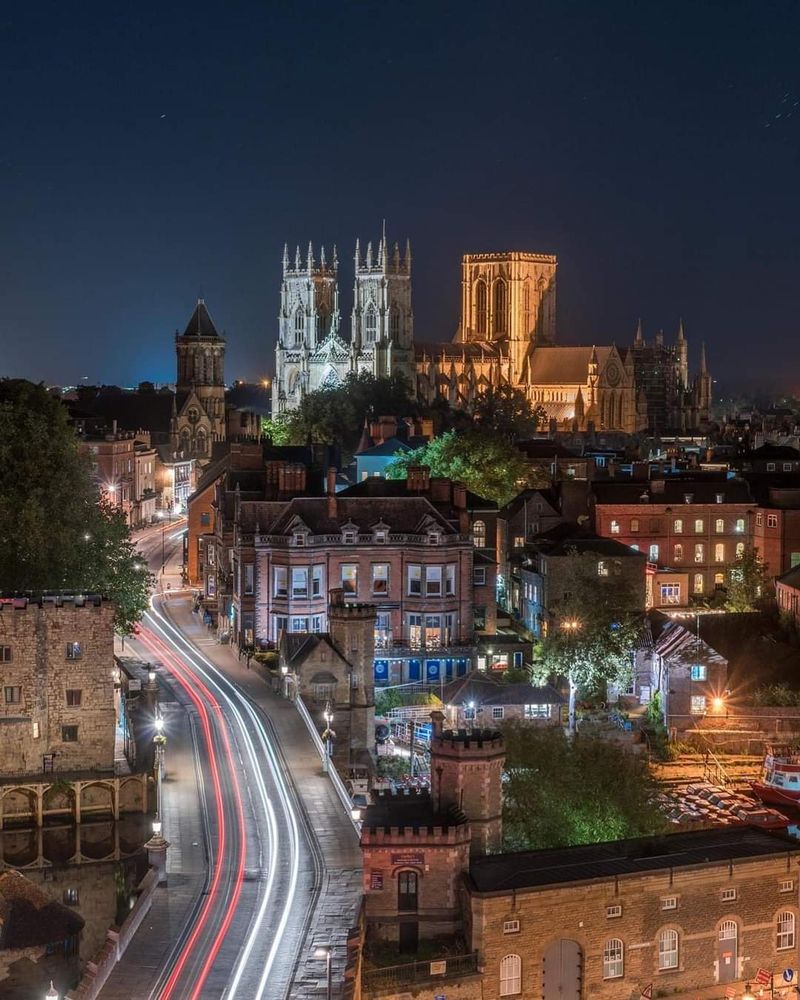
Romans built the first walls here, but medieval builders created the circuit that still surrounds York’s historic center. Walking the complete wall circuit takes about two hours, passing gates called bars that once controlled entry to the city.
York Minster rises as one of Northern Europe’s largest Gothic cathedrals, its stained glass windows containing half of all medieval glass surviving in England. The Shambles, a narrow medieval street, leans inward so dramatically that upper floors nearly touch across the lane.
Timber-framed buildings tilt at various angles, their foundations settling unevenly over centuries. Viking heritage runs deep here, with museums exploring the Norse settlement called Jorvik. Medieval guildhalls still stand, some now serving as museums or event spaces.
Ghost tours capitalize on York’s reputation as England’s most haunted city, with guides sharing tales from medieval times. The city balances its ancient character with modern university life, creating an atmosphere both historic and vibrantly alive.
15. Dubrovnik, Croatia
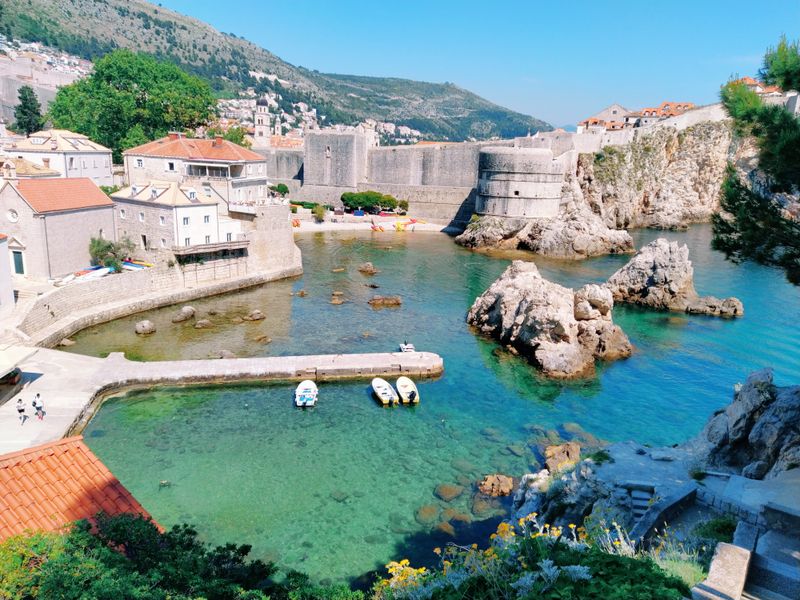
Limestone walls plunge straight into the Adriatic, protecting a city that thrived as a maritime republic for centuries. Walking the complete wall circuit offers stunning views of terracotta rooftops cascading toward the sparkling blue sea.
Dubrovnik’s old town gleams white in the Mediterranean sun, its limestone streets polished smooth by millions of footsteps. Fortresses anchor the defensive walls at strategic points, their massive stones testament to medieval engineering.
The Stradun, the main street, runs straight through the old town, lined with baroque buildings that replaced Gothic structures after a 1667 earthquake. Despite that disaster, much medieval character survived, including the defensive system and urban layout. Game of Thrones used Dubrovnik as King’s Landing, bringing new fame to these ancient walls.
Summer brings crowds, but sunrise or sunset reveals the city’s timeless beauty without the masses. The combination of medieval architecture and Mediterranean setting creates scenes almost too beautiful to believe real.



