 Unearth The Voyage
Snow and ice have turned Europe into a maze of delays, detours, and dashed plans, and you can feel it from airport gates to frozen platforms. If you are traveling today, you are likely juggling cancellations, reroutes, and long queues that seem to inch forward forever. Crews are battling the elements, but the backlog is real and the ripple effects are everywhere. Stay with this guide to understand what is happening, what to expect next, and how to adapt on the go.
Snow and Ice Leave More Than 1,000 Passengers Stranded at Amsterdam Airport
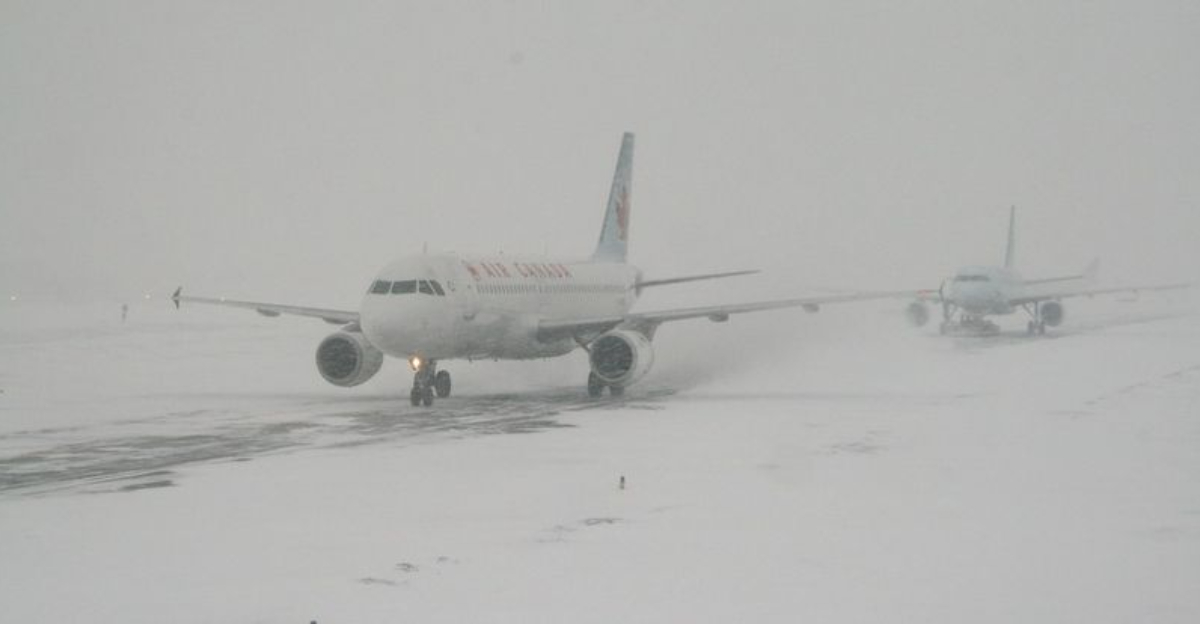
Amsterdam Schiphol turned into an overnight camp as heavy snow and ice grounded planes and left more than 1,000 passengers stuck in terminals. You could see field beds lined between check-in islands while staff handed out meals and blankets, trying to keep spirits up. At least 800 flights were canceled in a single day as crews fought to clear runways and de-ice aircraft.
The scale of disruption hit hard across Europe because Schiphol is such a major hub. KLM said alerts helped reduce incoming crowds, but the backlog grew anyway as connections unraveled. You might have watched departure boards flip to red while gate agents rebooked travelers onto tomorrow’s limited seats.
Even if you made it out, long-haul links were snarled by missed crews and displaced aircraft. Safety rules forced cautious pacing, with priority given to runway treatment and taxiway checks. Officials warned the delays could stretch until temperatures stabilize and the de-icing queue thins.
If you are scheduled through Amsterdam, check your app, rebook early, and pack patience. Consider rerouting via southern hubs with milder conditions. Extra snacks, power banks, and flexible lodging plans could make the long wait more bearable.
France Hit by Heavy Snow, Flight Cancellations and Transport Shutdowns
Paris woke to postcard beauty and logistical mayhem as snow blanketed the Seine, the Louvre, and avenues near the Eiffel Tower. Beneath the charm, you felt the crunch of black ice underfoot and the thinned cadence of a city moving cautiously. More than 100 flights were canceled at Charles de Gaulle, with dozens more at Orly.
Trains slowed or stopped as Météo-France issued alerts for snow and verglas. Bus service in Paris paused, trucks and school buses were banned in affected regions, and telework became the gentle order of the day. If you commute, the morning felt like threading a needle through slippery intersections and reduced schedules.
Authorities urged everyone to avoid nonessential travel, and that advice still stands if you can delay. Roads turned treacherous as temperatures dipped again, locking moisture into slick, invisible sheets. Even as snowfall eased, lingering ice kept the city on edge.
Planning ahead matters: build extra time, verify every leg, and expect sudden platform changes. Wear boots with grip, keep a thermal layer handy, and watch live alerts from operators. Patience and preparation can turn a fraught trip into a manageable detour.
Railways and Roads Paralyzed Across the Netherlands
The Dutch rail and road grid felt the storm’s full weight as ice built up on tracks and overhead lines. NS urged travelers to stay home, and you could tell why when timetables thinned to a trickle. Domestic and international trains ran fewer services, stacking delays for commuters and holiday journeys alike.
On the roads, traffic jams stretched more than 700 kilometers as trucks slid, stalled, or blocked key arteries. Snowplows fought to keep up while new squalls reduced visibility and slowed every lane. Accidents flared across icy ramps, turning minor mishaps into hours-long closures.
If you needed to drive, the guidance was blunt: postpone if possible, and pack winter gear if not. Recovery takes time because each cleared stretch can refreeze before the next pass. Even after snowfall stops, the network needs hours to steady.
For rail riders, expect fewer trains, last-minute platform swaps, and crowding on any service that runs. Check the NS app repeatedly and consider regional buses only if roads improve. Warm layers, water, and a backup plan can save your schedule when the map lights up red.
Winter Storm Disrupts Transport Across Northern Europe
Northern Europe’s resilience was tested as fresh fronts stacked up over already frozen ground. Western Sweden saw snow banks grow so high that Gothenburg suspended tram services to cut collision risk. If you rely on those lines, the silence felt unsettling and oddly serene.
In Germany, parts of Berlin spent days in the cold before power flowed back, after suspected sabotage of high-voltage lines collided with winter’s strain. Crews worked around the clock while residents leaned on neighbors, battery heaters, and layered clothing. The grid’s fragility met the season’s hardest edges.
Finland faced bone-deep cold that stalled diesel buses and glazed ring roads around Helsinki. Rail and road delays rippled outward as operators rationed capacity to keep essential services moving. You could sense the cautious choreography behind every departure.
Meteorologists warned that persistent cold would keep transport shaky, even as clearing progressed. Plan conservatively, watch local advisories, and build redundancies into routes. A little flexibility can turn cancellations into workable pivots while crews push the system back toward normal.



