Europe is often associated with wealth and high living standards, but economic reality varies widely across the continent. The most accurate way to compare countries is by GDP per capita, which reflects the average income and economic output per person.
Recent data shows a clear divide: Eastern and Southeastern Europe consistently rank lowest, while Western and Northern countries dominate the top. From post-Soviet economies to developing Balkan states, here are the 10 poorest countries in Europe based on income and GDP per capita.
Ukraine
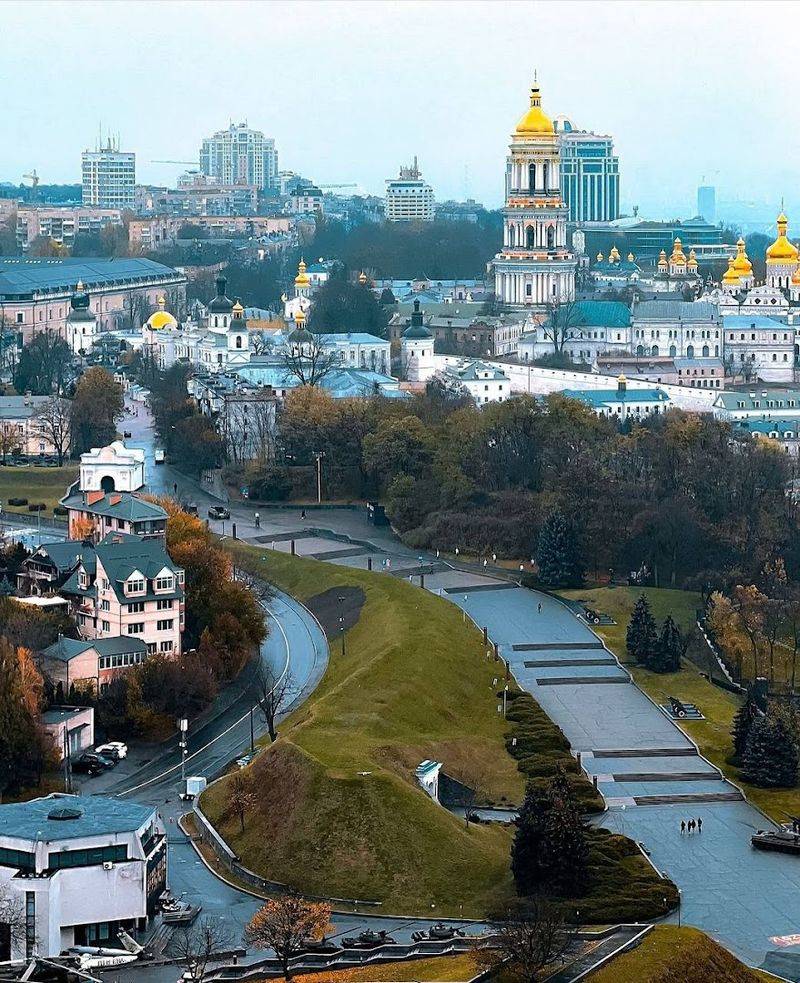
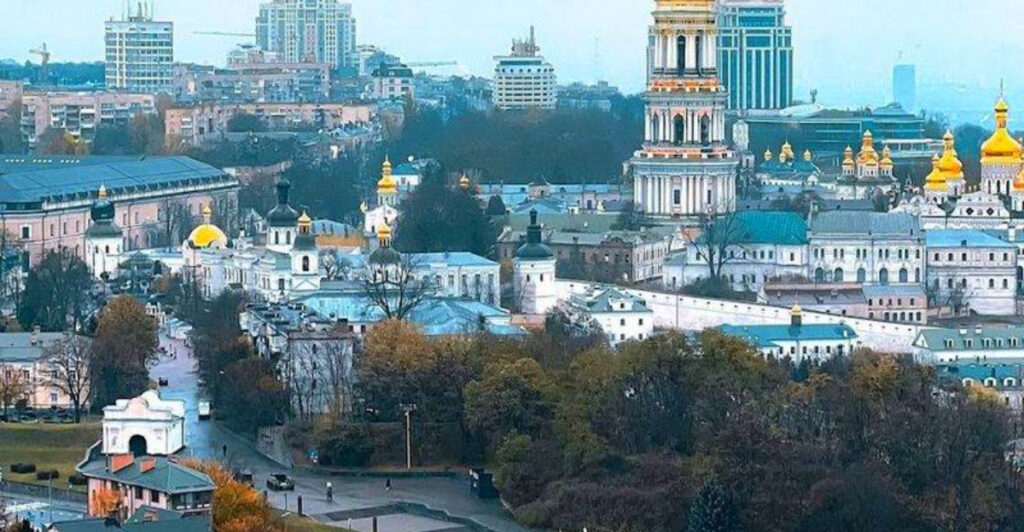
War changes everything, and Ukraine knows this better than most. Ranking as the poorest country in Europe, Ukraine has a GDP per capita of around $5,700, a number that tells a painful story of conflict, displacement, and economic collapse.
The ongoing war with Russia has caused massive damage to cities, factories, and farmland alike.
Before the conflict escalated, Ukraine was already facing significant economic headwinds. Corruption, weak institutions, and heavy reliance on agriculture limited income growth for average citizens.
Millions of Ukrainians have fled abroad, which shrinks the workforce and reduces domestic spending power.
Despite all of this, Ukraine has shown remarkable resilience. International aid has helped keep the economy from completely collapsing, and many Ukrainians continue working under extremely difficult conditions.
Reconstruction efforts, once peace is achieved, could unlock significant economic potential. Ukraine has fertile land, a skilled workforce, and strong cultural identity, all ingredients for a potential comeback.
The road ahead is long, but the determination of its people suggests the story is far from over.
Moldova
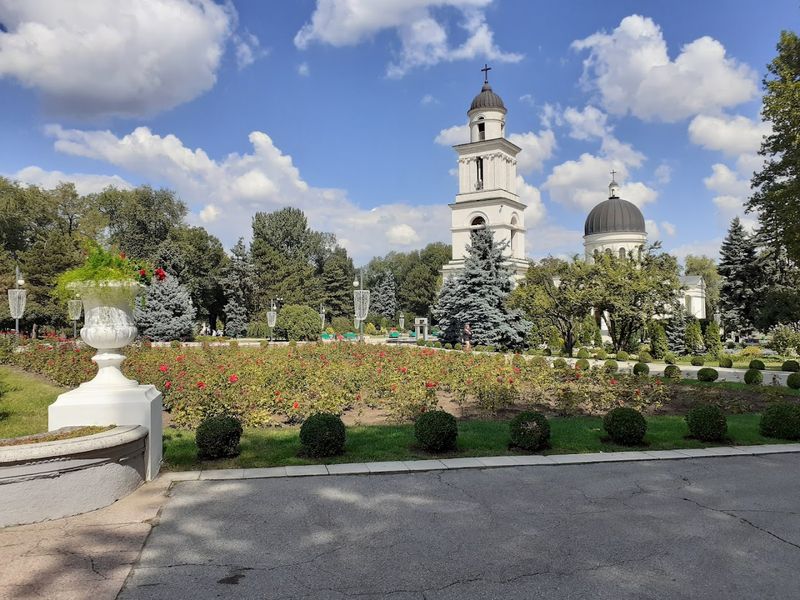
Tucked between Romania and Ukraine, Moldova holds the uncomfortable title of one of Europe’s lowest-income countries, with a GDP per capita just above $8,000. It is a small, landlocked nation where agriculture remains the backbone of the economy, yet farming alone cannot generate the prosperity its citizens deserve.
One of Moldova’s most defining economic features is its reliance on remittances. A large portion of the population works abroad, mostly in Western Europe, and sends money home to support their families.
This keeps households afloat but also drains the country of its working-age population, creating a cycle that is hard to break.
Moldova also suffers from limited industrial development and foreign investment. Without strong manufacturing or tech sectors, job creation remains slow and wages stay low.
The breakaway region of Transnistria adds another layer of political and economic complexity. However, Moldova recently received EU candidate status, which has sparked optimism.
Closer ties with Europe could bring investment, reforms, and trade opportunities that gradually lift living standards for everyday Moldovans who have waited a long time for meaningful change.
Belarus
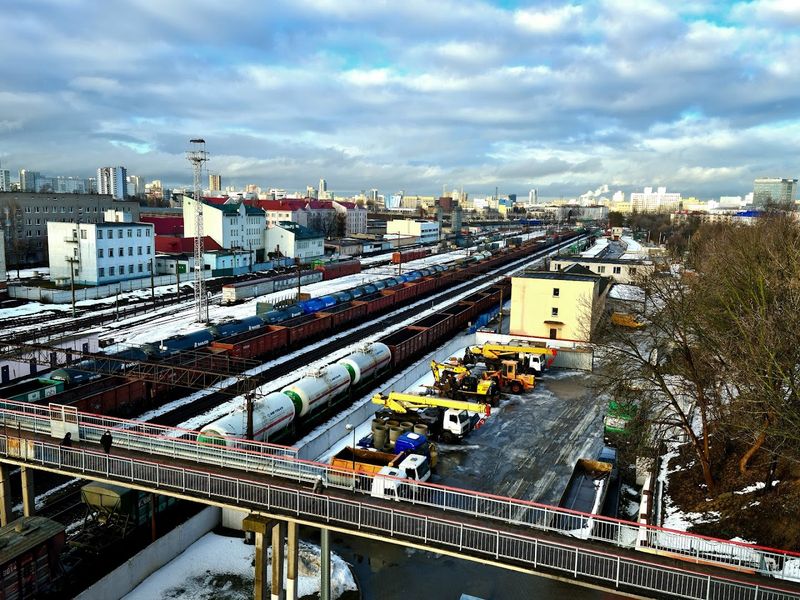
Belarus has factories, it has industry, and yet it still sits near the bottom of Europe’s income rankings. With a GDP per capita around $8,400, Belarus is a country where the economic engine runs, but the rewards rarely reach ordinary workers.
That gap between industrial output and personal income tells a revealing story about how the economy is structured.
The Belarusian government controls a large share of the economy through state-owned enterprises. While this provides a degree of job stability, it also stifles competition, innovation, and wage growth.
Without free-market reforms, productivity remains limited and the economy struggles to modernize or attract serious foreign investment.
Political tensions have made things worse. Following the disputed 2020 presidential election and the crackdown on protests, Western sanctions were imposed on Belarus, cutting off important trade and financial relationships.
Many educated and skilled Belarusians have emigrated since then, taking their talents elsewhere. The combination of rigid state control, international isolation, and a shrinking talent pool creates a tough environment for economic growth.
Until structural reforms take hold, Belarus will likely remain stuck in its current low-income position despite its industrial foundations.
Albania
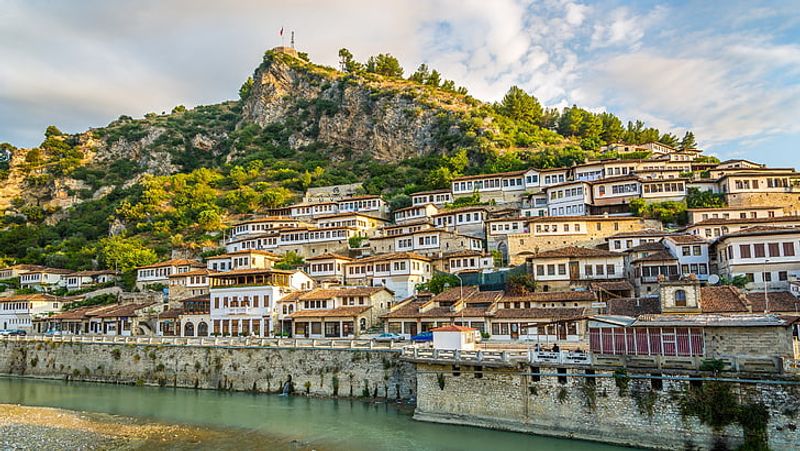
Albania has one of the most dramatic economic transformation stories in Europe, going from one of the most isolated communist states in the world to a growing tourism destination in just a few decades. Still, its GDP per capita sits at roughly 40 to 45 percent of the EU average, keeping it firmly in the lower tier of European economies.
Tourism has become Albania’s rising star. The country’s stunning Adriatic and Ionian coastlines have attracted growing numbers of visitors, and the government has invested in infrastructure to support that growth.
However, tourism alone cannot carry an entire economy, especially when it is seasonal and unevenly distributed across regions.
Low wages remain a persistent challenge for Albanian workers. Many young and educated Albanians choose to emigrate to Italy, Germany, or the UK in search of better pay and opportunities.
This brain drain weakens the domestic economy and slows down the development of higher-value industries. Albania is also pursuing EU membership, which could eventually bring the structural support and market access needed to raise incomes significantly.
For now, it remains a country with real promise but unfinished economic business on its plate.
North Macedonia
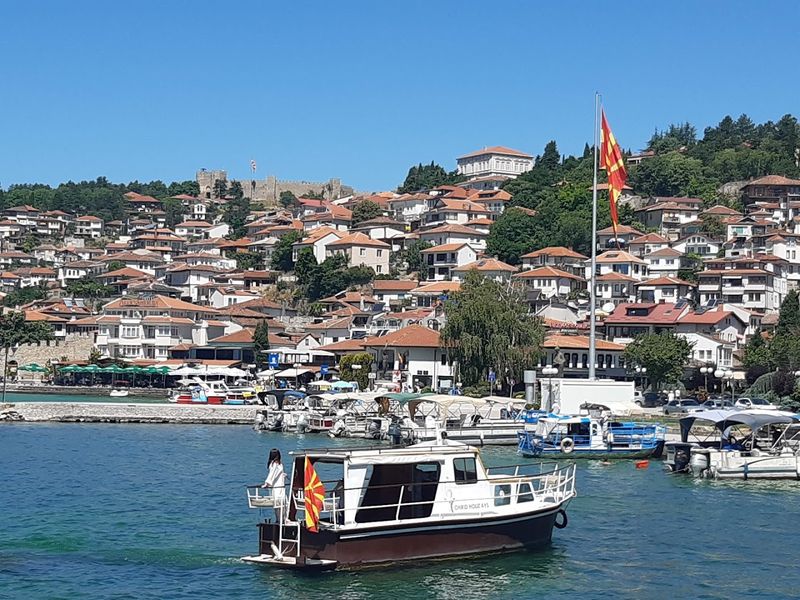
North Macedonia is a small landlocked country in the Western Balkans, and its economy reflects the challenges that come with that geography. Sitting at around 42 percent of the EU average in GDP per capita, North Macedonia has made steady economic progress but still has a long climb before it reaches the income levels of its Western neighbors.
The country has worked hard to attract foreign investment, particularly in manufacturing and logistics. Several European companies have set up operations there, drawn by lower labor costs.
While this has created jobs, the wages offered in these industries are often modest, limiting how much workers can actually earn and save.
Unemployment, especially among young people, remains a serious concern. Many North Macedonians choose to work abroad rather than waiting for domestic opportunities to improve.
The country became a NATO member in 2020 and is pursuing EU membership, both of which are expected to bring long-term economic benefits. Reforms in governance and the rule of law are also underway.
Progress is real, but slow, and for many citizens the gap between daily life in North Macedonia and life in Western Europe still feels enormous and discouraging.
Bosnia and Herzegovina
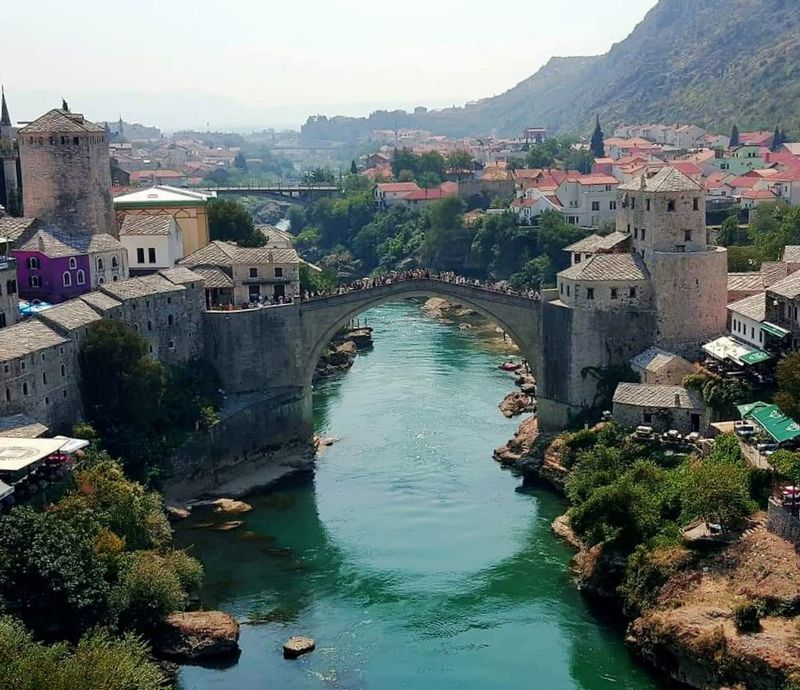
Few countries in Europe carry the weight of history quite like Bosnia and Herzegovina. Scarred by the brutal war of the 1990s and still navigating a deeply complex political structure, the country has a GDP per capita at about 35 percent of the EU average, making it one of the continent’s most economically challenged nations.
The political setup is a major part of the problem. Bosnia and Herzegovina is divided into two main entities with their own governments, plus a shared central government, creating layers of bureaucracy that slow down decision-making and economic reform.
Investors often find the system confusing and frustrating to navigate, which discourages the kind of capital inflow the country desperately needs.
Despite these obstacles, Bosnia has a hardworking population and real economic assets, including natural resources, agricultural land, and a growing tourism sector centered around cities like Sarajevo and Mostar. Youth unemployment is high, pushing many to seek work in Germany, Austria, and other EU countries.
EU membership remains a long-term goal, and some reforms have been implemented in recent years. But meaningful economic improvement will require sustained political cooperation, which has proven to be the country’s most elusive resource.
Kosovo
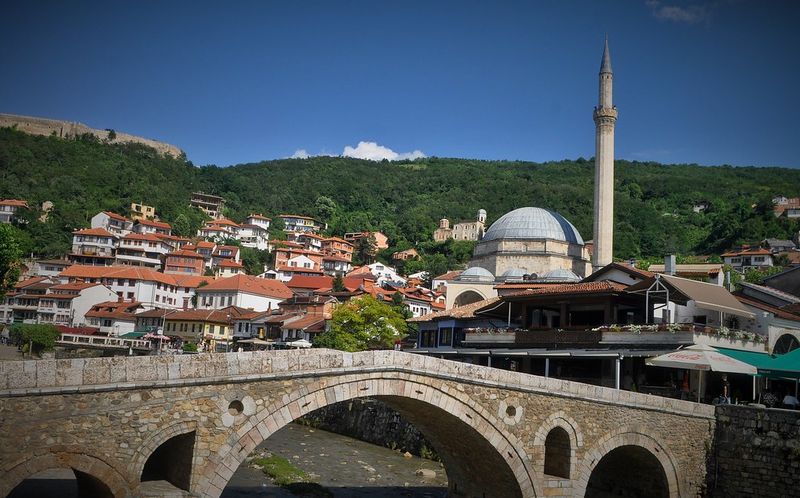
Kosovo declared independence in 2008, making it one of the youngest countries in the world, and it is also one of Europe’s poorest. Low investment, high unemployment, and heavy dependence on money sent home from the diaspora have kept incomes well below the European average.
For a country still building its institutions, this is a tough starting point.
The unemployment rate in Kosovo is among the highest in the region, particularly for young people. Many graduates find there simply are not enough jobs available in fields matching their education.
This mismatch pushes talented individuals to leave, further limiting the country’s ability to grow its private sector and tax base.
Kosovo does have some things working in its favor. It has a young population, which is an asset if the economy can create enough opportunities.
The country has also attracted some foreign investment in manufacturing and services. Recognition from more countries and potential EU integration could open new doors for trade and funding.
Diaspora remittances, while helpful for households, are not a long-term substitute for real economic development. Kosovo’s story is still being written, and the next few chapters will be critical in shaping whether it rises or stays stuck.
Serbia
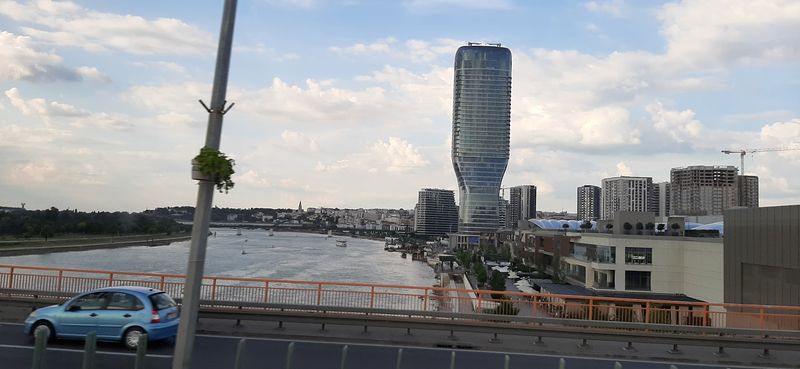
Serbia is often described as the economic engine of the Western Balkans, and yet its GDP per capita sits at roughly 50 percent of the EU average, firmly placing it in the lower-income category. It is a country that has come a long way since the turbulent 1990s, but the distance left to travel is still considerable.
Foreign investment has picked up significantly in recent years, with companies from China, Germany, and other nations setting up factories and operations across Serbia. The automotive and manufacturing sectors have been particular areas of growth.
However, wages in these industries remain low by Western European standards, meaning workers benefit less than the headline investment figures suggest.
Belgrade, the capital, has seen noticeable modernization and economic activity, but rural and smaller urban areas still struggle with limited job opportunities and aging infrastructure. Serbia is officially a candidate for EU membership, a status that has encouraged some reform progress.
Brain drain continues to be a concern, as educated Serbians seek better pay in Germany, Austria, and beyond. Closing the wage gap with Western Europe will require sustained investment in education, technology, and governance reforms that go deeper than surface-level economic statistics suggest.
Montenegro
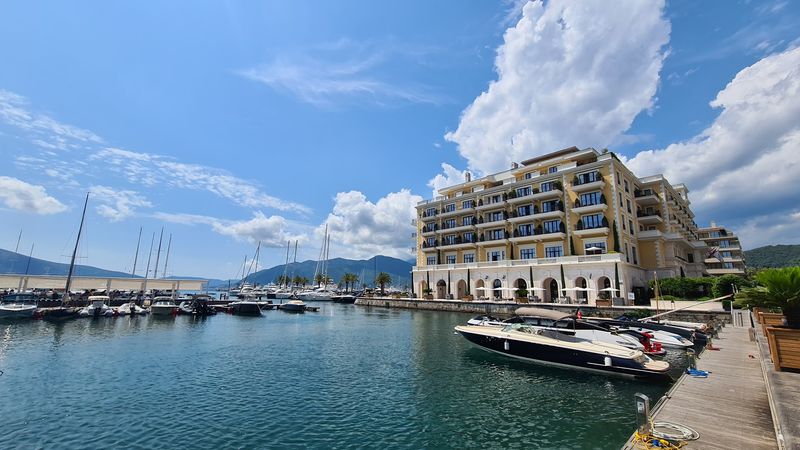
Montenegro might be one of the most beautiful countries in Europe, with its dramatic coastline and rugged mountains, but beauty does not always translate into broad economic prosperity. Sitting at about 53 percent of the EU average for GDP per capita, Montenegro performs slightly better than some of its regional neighbors but still trails Western Europe by a significant margin.
Tourism is the cornerstone of Montenegro’s economy, and the country has leaned heavily into that identity. Luxury resorts, yacht-filled harbors, and historic old towns attract visitors from across Europe and beyond.
The problem is that tourism is seasonal, meaning income surges in summer and slows dramatically in winter, creating instability for workers and businesses that depend on it.
Montenegro joined NATO in 2017 and is a candidate for EU membership, which has brought some investor confidence. However, concerns about corruption and the rule of law have slowed progress on the EU path.
The economy also carries a significant public debt burden partly linked to a major Chinese-funded highway project. Diversifying beyond tourism into technology, services, or manufacturing would help stabilize incomes year-round.
Montenegro has the foundations of a stronger economy, but building on them requires political will and smarter long-term planning.
Bulgaria
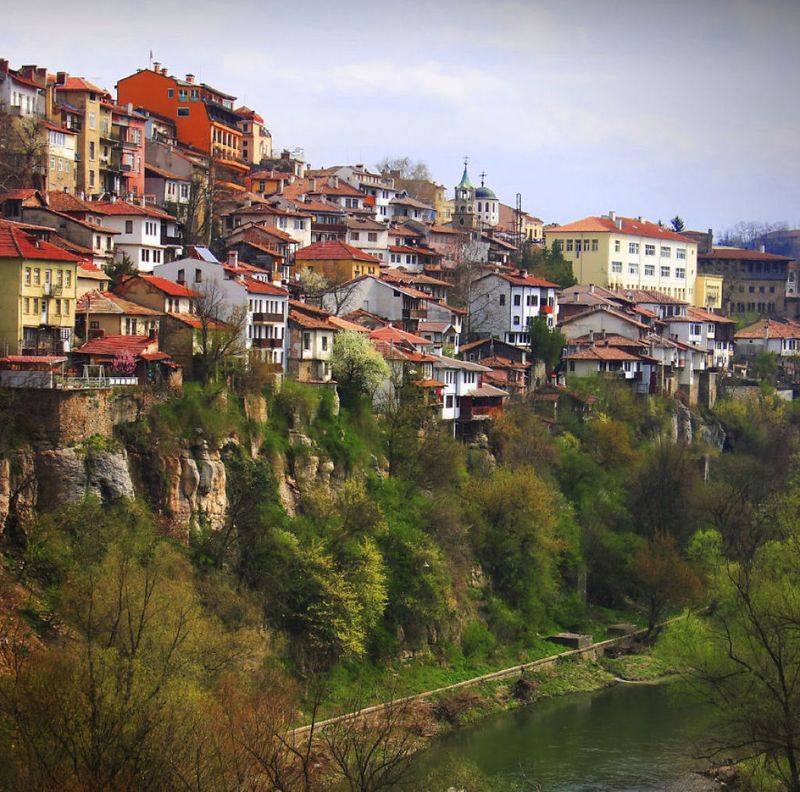
Bulgaria holds a record no EU member wants: it is the poorest country in the European Union. With a GDP per capita roughly 30 to 35 percent below the EU average, Bulgaria has been a member since 2007 but has struggled to close the income gap with wealthier member states.
That gap is real and felt in everyday life across the country.
Structural challenges are at the heart of Bulgaria’s economic situation. Regional inequality is stark, with Sofia and a few urban centers doing relatively well while rural areas face depopulation, aging infrastructure, and limited job prospects.
Low wages have pushed a significant share of Bulgaria’s working-age population to emigrate, particularly to Germany, Spain, and the UK, shrinking the domestic workforce.
Bulgaria does have genuine strengths. It has a growing tech sector, a low flat income tax rate that attracts some businesses, and access to EU structural funds that support infrastructure and development projects.
Corruption and weak institutions have historically limited how effectively those funds are used. The country has made measurable progress over the past two decades, and younger generations are increasingly pushing for reform and accountability.
Whether Bulgaria can finally break out of its low-income trap may depend on whether those voices shape real policy change.
Share this story