 Unearth The Voyage
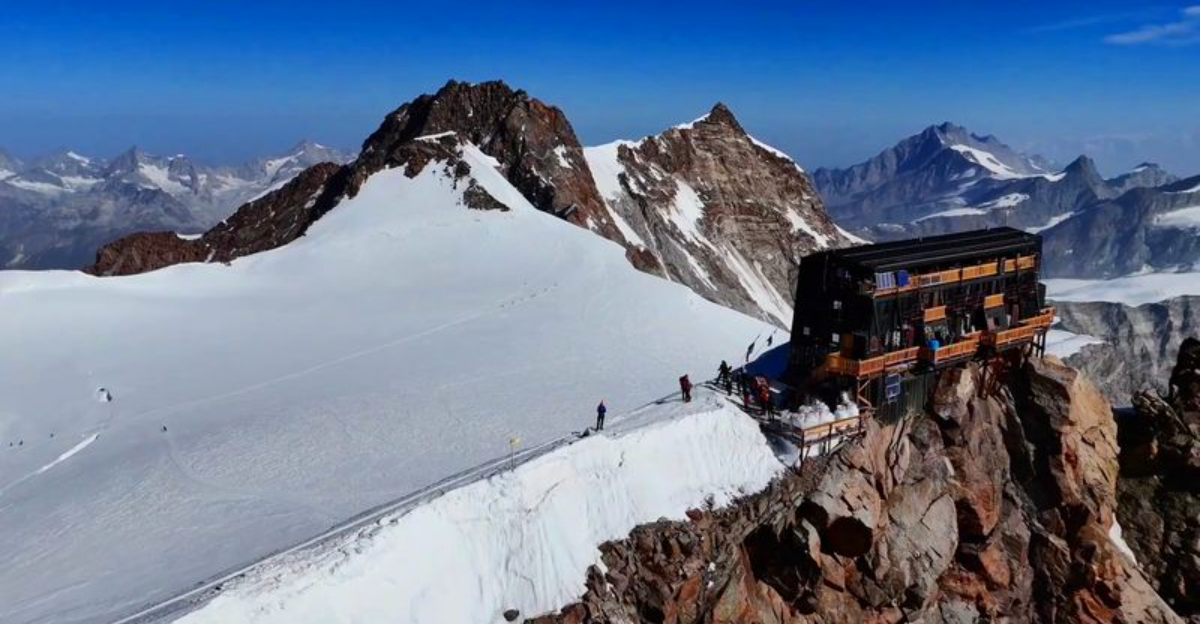
Most travelers chase skylines. The real bragging rights come from a bed that sits above the clouds.
Up there, comfort is not a given. The air is sharp, the weather flips fast, and even simple tasks feel strangely demanding.
But that is exactly what makes this overnight stay different. It is not about luxury or room service.
It is about the kind of place you reach only after effort, and the quiet satisfaction that comes when you finally step inside and realize you made it. Warmth feels earned.
Sleep feels like a small victory. And the sunrise is the reward you cannot buy in any city.
Tucked high in the Alps, Margherita Hut is often described as the highest building you can sleep in anywhere in Europe. It is a stone refuge on a remote ridge, built for climbers and the stubbornly curious.
Here is what it is really like to spend a night at one of the continent’s most extreme addresses.
1. Europe’s Loftiest Lodging Sits Higher Than Any Skyscraper Could Dream
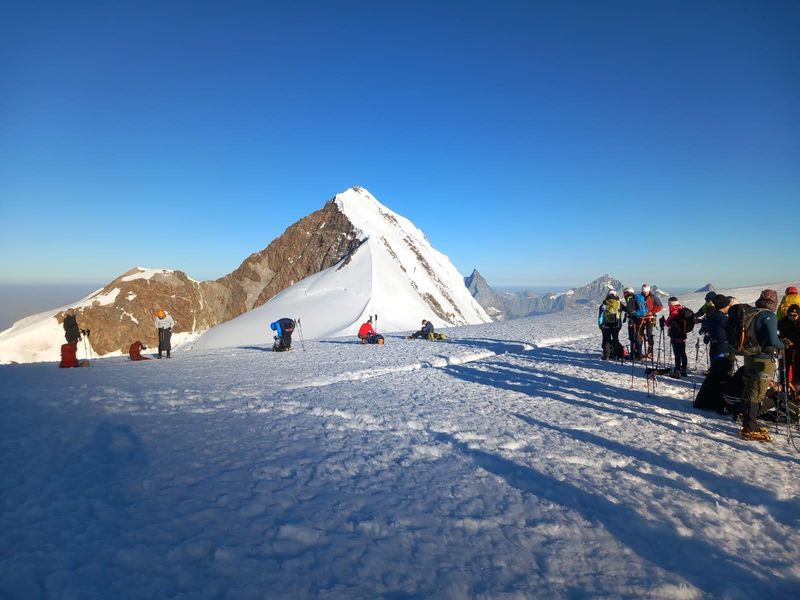
No penthouse suite in any European city comes close. Margherita Hut claims the title at 4,554 meters above sea level, making it the highest building on the continent where you can actually spend the night.
Skyscrapers might scrape clouds, but this stone refuge sits above most of them.
You won’t find it listed on any architectural ranking of tall buildings. That’s because altitude here isn’t measured by floors or elevators.
It’s measured by how much your body protests when you try to climb the stairs inside.
Every Alpine hotel, observatory, and mountain station falls short of this record. The hut stands alone at an elevation that makes even seasoned mountaineers pause to catch their breath.
It’s not about height from the ground but distance from sea level, and in that contest, nothing else in Europe even comes close.
Being the highest means dealing with extreme conditions year-round. The stone walls have withstood over a century of brutal weather, proving that sometimes the simplest buildings endure the longest.
This isn’t luxury, it’s survival architecture at its finest.
2. Built Right on the Peak, Not Just Near It
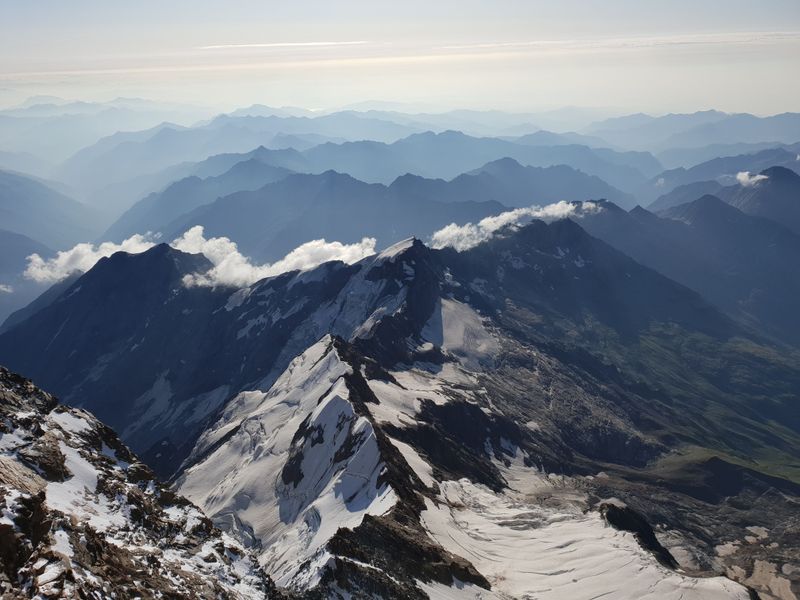
Most mountain huts sit on ridges or plateaus, giving climbers a safe spot before the final push. Margherita Hut doesn’t play that game.
It’s constructed directly on Punta Gnifetti, also known as Signalkuppe, meaning you’re literally sleeping on a summit.
The location makes for views that feel almost illegal. Every direction offers a sweeping panorama of jagged peaks and endless ice.
But those same views come with serious exposure to wind, cold, and weather that can turn nasty in minutes.
Building on a summit wasn’t a casual choice. It required hauling materials up glaciers and assembling them in conditions where most people can barely think straight.
The builders in 1893 had guts, and probably frostbite.
Standing on the summit means you’re at the absolute top, not partway up. There’s something primal about sleeping where the mountain ends and the sky begins.
It’s the kind of place that makes you feel small and strangely powerful at the same time, like you’ve cheated gravity just by being there.
3. Born in 1893 with Science on Its Mind
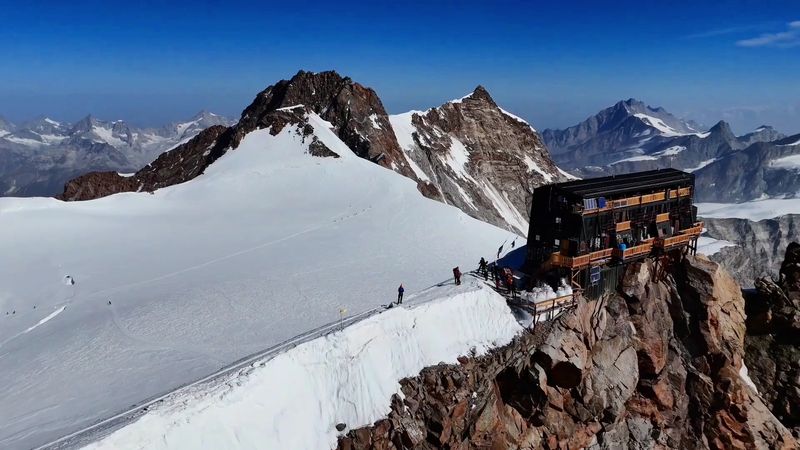
Margherita Hut opened its doors in 1893, back when mountaineering was still considered slightly insane. The hut wasn’t just a shelter for climbers.
It was inaugurated with a serious mission: high-altitude medical research.
Scientists wanted to understand what happens to the human body when oxygen gets scarce. At 4,554 meters, your body enters a zone where every breath feels like work.
Studying that environment meant building a base camp right in the middle of it.
The research focus made Margherita different from other Alpine huts. While most served as waypoints for summit attempts, this one doubled as a laboratory.
Climbers and scientists shared the same cramped quarters, each group fascinated by what altitude could teach them.
Over 130 years later, the hut still stands. The stone walls have weathered more storms than most buildings will ever see.
It’s a reminder that sometimes the best structures aren’t the newest or fanciest, just the ones stubborn enough to survive everything nature throws at them.
4. Still a Lab, Not Just a Bed
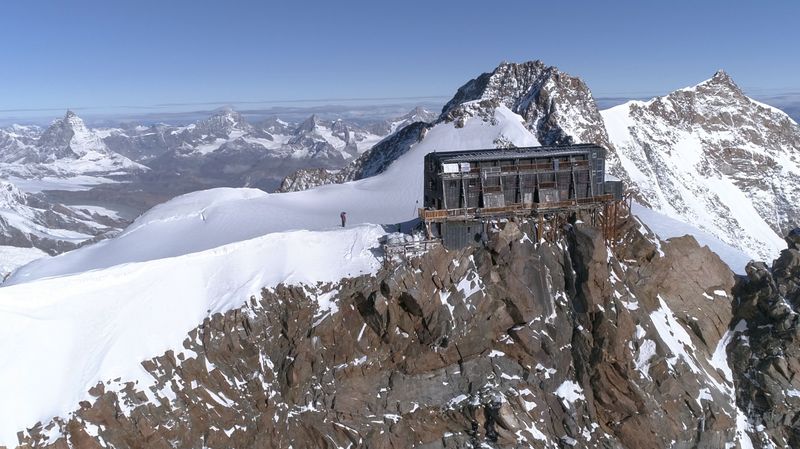
Spending the night at Margherita isn’t just about bragging rights. The hut remains a working research station, focused on how human physiology responds to extreme altitude.
Your lungs become part of the ongoing experiment whether you signed up for it or not.
At this elevation, your body shifts into survival mode. Heart rate climbs, breathing quickens, and even simple tasks feel exhausting.
Scientists have been studying these reactions for over a century, and the data collected here has helped shape our understanding of altitude sickness and acclimatization.
Modern research continues to use the hut as a base. Studies on oxygen saturation, sleep patterns, and physical performance at altitude all benefit from having a permanent structure this high up.
It’s one thing to simulate altitude in a lab; it’s another to live it.
For climbers, this means your night at Margherita serves a dual purpose. You’re acclimatizing for your next summit attempt while also contributing to a legacy of scientific discovery.
Every wheeze and gasp adds another data point to humanity’s understanding of thin air.
5. Forget Luxury, Embrace Survival Cozy
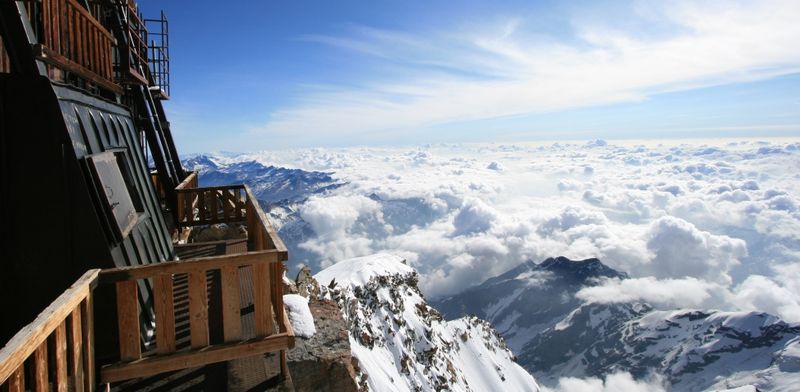
If you’re expecting heated floors and gourmet meals, prepare for disappointment. Margherita Hut operates on a “survival cozy” philosophy, where basic shelter and hot liquids count as five-star amenities.
Power is limited, space is tight, and comfort takes a backseat to function.
The meals are practical, designed to fuel climbers rather than impress food critics. Think hearty soups, pasta, and bread.
Nothing fancy, everything necessary. At this altitude, your body craves calories more than creativity.
Sleeping arrangements are communal and cramped. Bunk beds packed close together, thin mattresses, and the constant sound of people adjusting to the altitude.
Privacy is a luxury that doesn’t exist here. You’re all in it together, sharing space and the strange camaraderie that comes from suffering at the same elevation.
But there’s magic in the simplicity. When a cup of hot tea feels like a miracle, you realize how much you take for granted at sea level.
The hut strips away everything unnecessary, leaving only what matters: warmth, shelter, and the shared experience of pushing human limits.
6. Summer Only, and Summer’s Short
Margherita Hut doesn’t operate year-round. The season runs roughly from early June to early September, with specific dates varying by year.
For 2026, one official listing marks it open from June 20 to September 5. That’s it.
Miss that window, and you’re out of luck.
The short season makes sense when you consider the location. Winter at 4,554 meters isn’t just cold, it’s lethal.
Storms that would be inconvenient lower down become life-threatening up here. Even summer weather can turn brutal without warning.
Planning a trip requires precision. You can’t just show up whenever you feel like it.
You need to book ahead, watch weather forecasts obsessively, and hope conditions cooperate during your narrow window. Nature doesn’t care about your vacation schedule.
The limited season also adds to the hut’s mystique. It’s not accessible most of the year, which makes reaching it feel like more of an achievement.
You’re not just climbing a mountain, you’re timing your life around a brief moment when nature allows humans to visit.
7. Winter Room: For Emergencies and the Fearless
When the main hut closes for winter, a small emergency room remains accessible. It holds around a dozen beds and serves as a last-resort shelter for climbers caught in bad conditions.
This is not a casual winter getaway or a cozy ski weekend.
The winter room exists for serious mountaineers attempting winter ascents or those facing genuine emergencies. The conditions outside are so harsh that just reaching the hut in winter qualifies as a major achievement.
Most people never see this room, and that’s probably for the best.
Supplies are minimal because resupplying in winter is nearly impossible. You bring what you need or go without.
Heat is scarce, food is whatever you carried up, and the psychological challenge of being at extreme altitude in winter darkness tests even experienced climbers.
Using the winter room means you’re operating at the edge of human capability. It’s a reminder that some places on Earth remain hostile to human life most of the year, and we’re only tolerated as brief visitors during narrow windows of opportunity.
8. This Isn’t Hiking, It’s Mountaineering
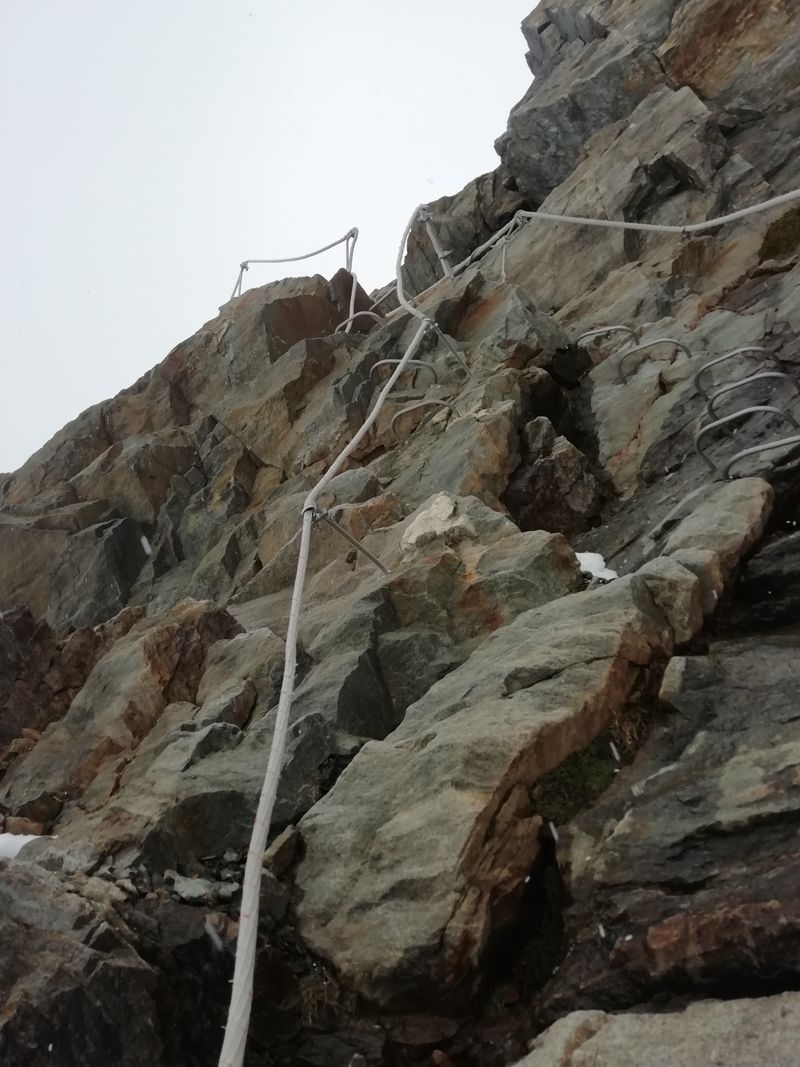
You don’t stroll to Margherita Hut on a well-marked trail. Getting there requires glacier travel, technical skills, and proper mountaineering equipment.
Crampons, ice axes, ropes, and the knowledge to use them aren’t optional extras, they’re survival tools.
Most routes involve crossing crevasse-filled glaciers where one wrong step could end badly. The terrain demands constant attention and respect.
Even experienced hikers find themselves out of their depth without proper training and gear.
Altitude adds another layer of complexity. Your body slows down, your thinking gets fuzzy, and tasks that seem simple at sea level become exhausting challenges.
Many climbers split the journey over two days, sleeping at a lower hut first to acclimatize.
This isn’t a weekend adventure for beginners. It’s a serious mountaineering objective that requires preparation, fitness, and ideally some experience with high-altitude environments.
The mountains don’t grade on a curve, and Margherita sits high enough that mistakes carry real consequences. Respect the challenge or stay home.
9. Alagna Valsesia: Your Traditional Starting Point
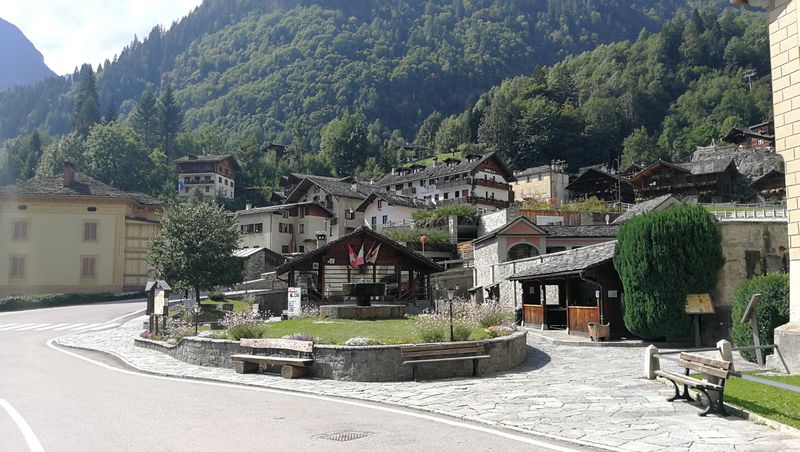
Alagna Valsesia serves as the classic gateway to Margherita Hut. This Italian mountain town sits in a valley surrounded by the Monte Rosa massif, offering the traditional approach route that climbers have used for generations.
It’s where the journey truly begins.
The town itself feels authentically Alpine, with traditional architecture and a culture deeply connected to mountaineering. Locals have been guiding climbers toward Monte Rosa for over a century.
They know the mountains intimately and respect them accordingly.
Starting from Alagna means immersing yourself in the full experience. You’re not taking shortcuts or looking for the easy way.
You’re following the same paths that early mountaineers carved out when reaching Margherita was considered a major expedition.
The town offers accommodation, gear shops, and mountain guides if you need them. It’s a place where climbers gather to share stories, compare routes, and nervously check weather forecasts.
The energy is contagious, and by the time you leave town heading upward, you’ll feel like you’re part of a long tradition of people drawn to high places.
10. Lifts to Punta Indren: Earn Your Altitude, Just Not All of It
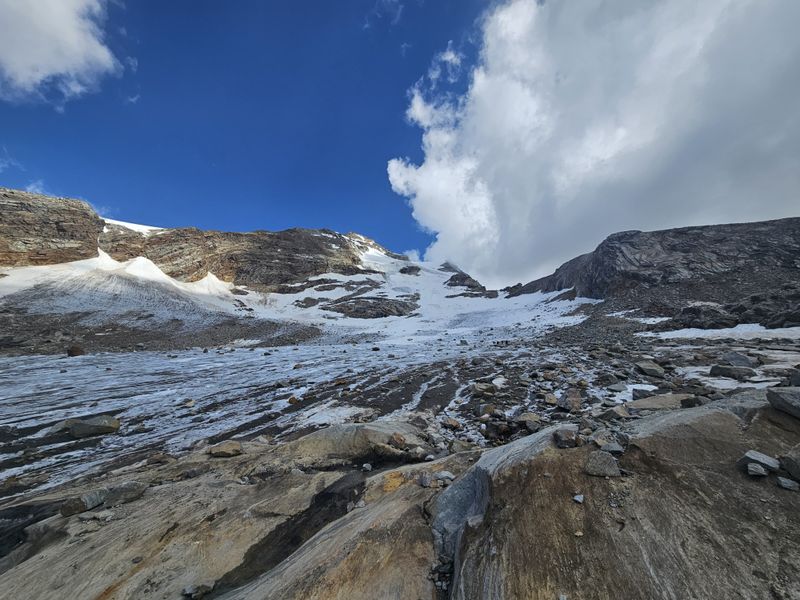
Many modern routes use ski lifts to reach Punta Indren at roughly 3,275 meters. From there, you continue on foot across glaciated terrain toward the higher huts and eventually Margherita.
It’s a shortcut, but you still earn the rest through sweat and altitude.
The lifts operate seasonally, so availability depends on when you climb. They shave off significant elevation gain, letting you save energy for the more technical sections above.
Some purists scoff at using lifts, but most climbers appreciate starting higher when the goal is already challenging enough.
Even with the lift assist, you’re still facing over 1,200 meters of vertical gain across glaciers. That’s a full day of mountaineering by anyone’s standards.
The lift just shifts where your effort begins, not how much you’ll need.
Starting at Punta Indren also helps with acclimatization. You’re immediately at altitude, giving your body a head start on adjusting to thinner air.
It’s a practical choice that balances efficiency with the mountaineering experience, and there’s no shame in taking it.
11. Stepping-Stone Huts: The Smart Way Up
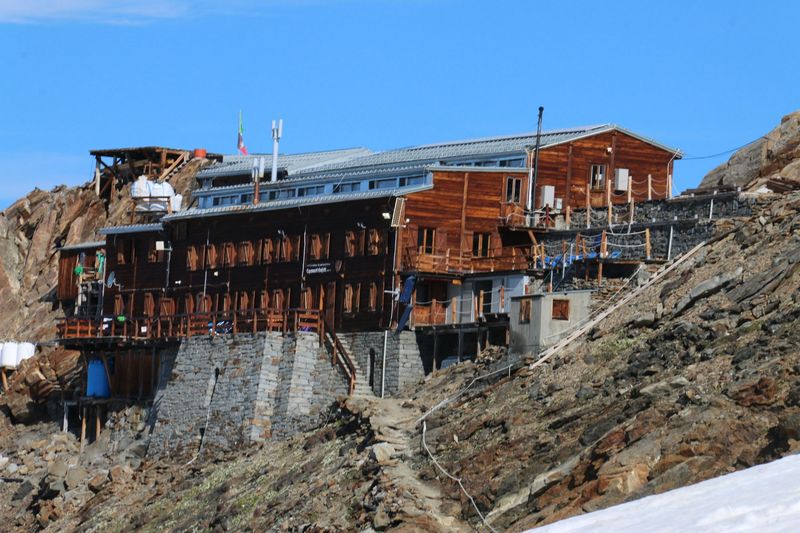
Almost nobody goes straight to Margherita in one push. The smart approach involves sleeping at an intermediate hut first, typically Gnifetti Hut or Monte Rosa Hut.
These stepping-stone shelters let your body acclimatize while splitting the ascent into manageable chunks.
Acclimatization isn’t optional at these altitudes. Your body needs time to adjust to reduced oxygen levels, and rushing the process invites altitude sickness or worse.
Spending a night at 3,000 to 3,600 meters prepares you for the final push to 4,554 meters.
The intermediate huts also serve as safety nets. If weather turns bad or someone in your group struggles with altitude, you’re already at a secure shelter with options.
Mountaineering is about managing risk, and these huts are part of that strategy.
There’s a rhythm to this multi-day approach that feels right. You climb, rest, acclimatize, and climb higher.
Each hut represents progress, and by the time you reach Margherita, you’ve earned it through a deliberate, measured effort. The mountain rewards patience, not haste.
12. Summit Views That Justify Every Painful Step
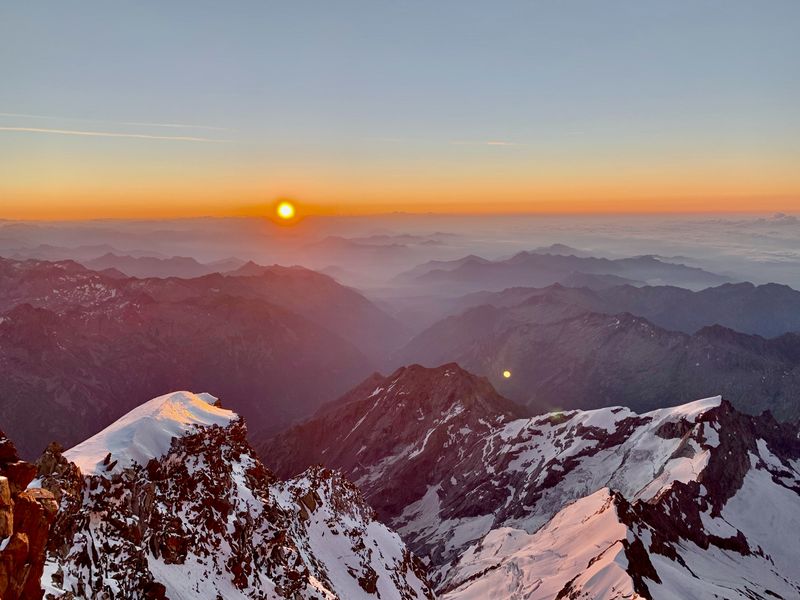
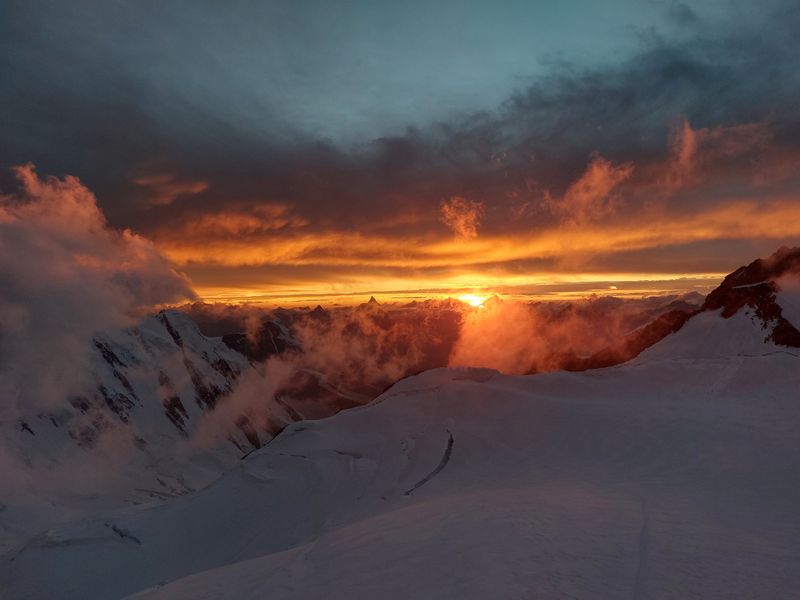
The view from Margherita Hut and the surrounding Monte Rosa area is worth every labored breath. You’re surrounded by a sea of 4,000-meter peaks, each one a famous giant in its own right.
The glaciers stretch out like frozen rivers, and the ridge lines look like something from another planet.
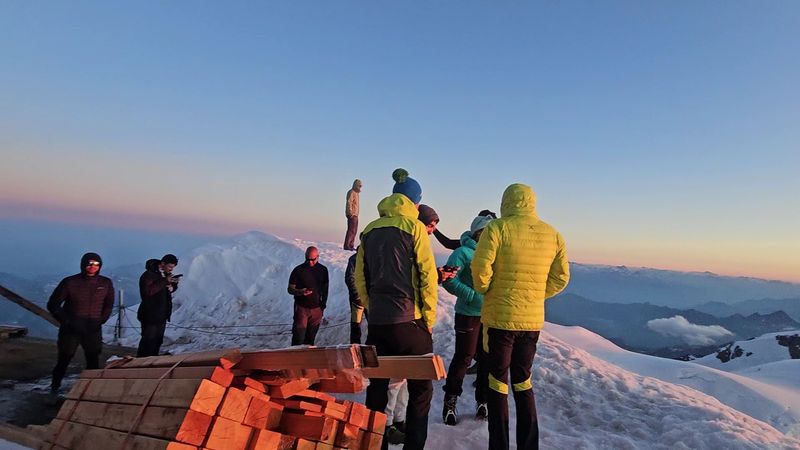
Sunrise is when the magic really happens. The first light hits the peaks and turns everything gold and pink.
The temperature is brutal, but nobody cares because the spectacle unfolding in front of you makes shivering feel insignificant.
Monte Rosa sits in one of the Alps’ most dramatic high-altitude zones. From this vantage point, you can see peaks that climbers spend their whole lives dreaming about.
The Matterhorn, the Weisshorn, and countless others form a horizon that feels almost unreal in its scale and beauty.
This is why people climb. Not for bragging rights or summit photos, though those are nice.
It’s for moments when you stand at the top of Europe’s highest building and realize how small you are, and how magnificent the world looks from up here.



