
Many customs we practice without a second thought have roots stretching back to the ancient world. Long before modern holidays and celebrations took shape, pagan cultures marked important moments with rituals involving fire, nature, luck, protection, marriage, and the changing seasons.
What’s fascinating is how many of these ideas survived even after their original meanings faded. From birthday candles and lucky horseshoes to wedding traditions and wishing fountains, familiar customs can carry traces of beliefs that are hundreds or even thousands of years old.
Here are 12 everyday traditions with surprisingly ancient connections that most people rarely stop to think about.
Carrying the Bride Over the Threshold
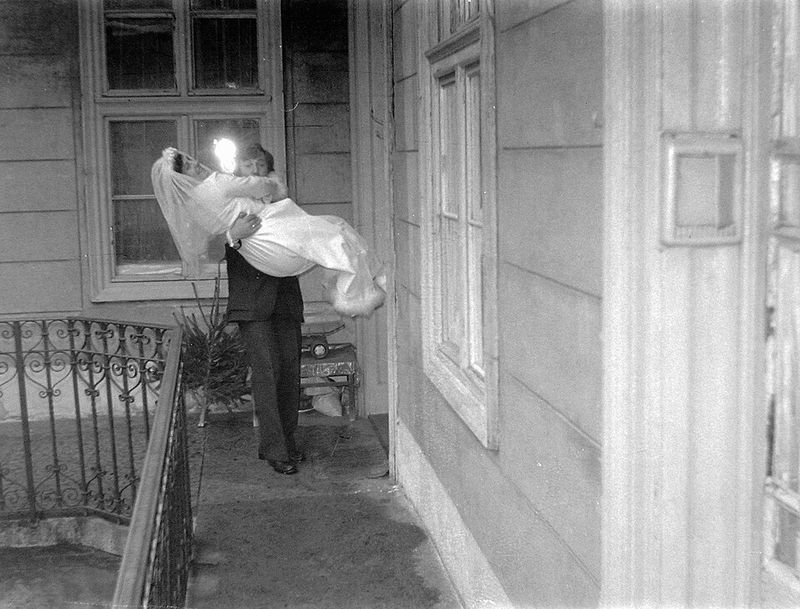
A groom carrying his bride through the doorway might look like a romantic gesture invented for wedding photographs. The custom, however, has been linked to much older beliefs surrounding marriage and the home.
Thresholds were important symbolic boundaries in several ancient societies. A doorway separated the safety of the household from the uncertain world outside.
Romans associated doors and entrances with protective supernatural forces, and marriage itself came with numerous rituals intended to secure good fortune for the new household.
One explanation for carrying the bride was that stumbling while entering her new home could be considered a bad omen. Being carried removed that possibility.
Whatever its precise origin, the custom survived after most people stopped attaching supernatural importance to their front doors. What once involved luck and protection eventually became a romantic wedding tradition.
Wearing a Wedding Veil

Wedding veils are usually chosen today because they complete a bride’s outfit. In the ancient world, however, covering the bride could carry a much more serious symbolic purpose.
Ancient Roman brides wore a distinctive veil known as the flammeum. Wedding clothing and ceremonies were surrounded by rituals connected with religion, family, fertility, and the bride’s transition into a new household.
Later folklore also associated veils with protection from harmful influences or unwanted attention.
As wedding traditions evolved, the veil acquired different meanings in different societies. Ideas involving modesty, purity, status, fashion, and ceremony gradually became attached to it.
Modern brides can now choose whether to wear one without thinking about any of those older beliefs.
The veil survived because it became beautiful and symbolic in its own right, even as its meaning changed dramatically.
Keeping a Horseshoe for Good Luck

Horseshoes still appear above doors, on charms, and in decorations meant to bring good fortune. The association is old, although its exact origin is difficult to reduce to a single tradition.
Iron was widely surrounded by folklore in Europe. In later traditions, people believed the metal could repel witches, fairies, or other supernatural beings.
Horses themselves were valuable animals, making a discarded iron horseshoe an object worth keeping rather than throwing away.
Its crescent-like shape also encouraged additional symbolic interpretations.
Even the correct way to hang one became a matter of debate. Some traditions say the ends should point upward so the horseshoe holds its luck, while others turn it downward so good fortune pours over everyone passing underneath.
Today, either version can appear above a doorway without anyone expecting supernatural visitors.
Making Wishes at Wells and Fountains

Drop a coin into a fountain and there is a good chance someone will tell you to make a wish. That playful ritual resembles much older practices involving sacred water.
Springs, wells, rivers, and pools held religious significance in numerous ancient cultures. Water could be associated with particular deities, spirits, healing, purification, or access to another realm.
People sometimes deposited valuable objects into watery places as offerings.
Archaeologists have discovered coins, jewelry, weapons, and other objects in ancient springs and bodies of water. Not every deposit had the same meaning, but some were clearly connected with ritual activity.
Modern wishing fountains transform the idea into something far lighter.
We no longer need a sacred spring or an elaborate ceremony. A coin, a fountain, and a private wish are enough to continue the basic idea that giving something to water might bring something desirable in return.
Blowing Out Birthday Candles
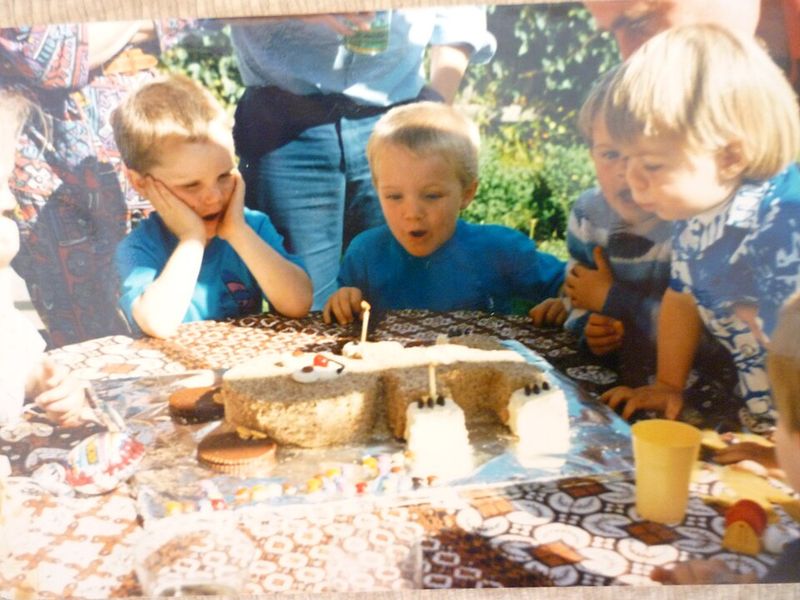
Making a wish before blowing out birthday candles seems like a simple bit of fun. Yet candles, cakes, wishes, and celebrations of important dates all have much older histories.
Ancient Greeks made round cakes as offerings connected with Artemis, the goddess associated with the moon. Candles could be placed on these offerings so their glow resembled moonlight.
Fire and smoke also carried religious meaning in many ancient cultures. Burning offerings were one way people attempted to communicate with divine powers.
The birthday cake tradition familiar today developed much later, particularly through European birthday customs. Over time, candles became associated with an individual’s age rather than offerings to a deity.
The religious significance disappeared, but one intriguing element remained: you extinguish the flames while silently hoping something you desire will come true.
Saying “Bless You” After a Sneeze

Someone sneezes, and another person immediately says, “Bless you.”
The response is so automatic that it can sound more like good manners than an actual blessing.
Sneezing attracted considerable superstition in earlier societies. Because illness was poorly understood, sudden bodily reactions could be interpreted through religious or supernatural beliefs.
Different cultures developed their own responses to sneezing, including prayers, blessings, and wishes for good health.
The English expression eventually became closely tied to Christian culture, so describing it simply as a pagan survival would be misleading.
What is ancient, however, is the broader human tendency to treat a sneeze as an event deserving an immediate protective response.
Science changed our understanding of why people sneeze. Social habit proved much harder to change.
Lighting Candles for Special Moments
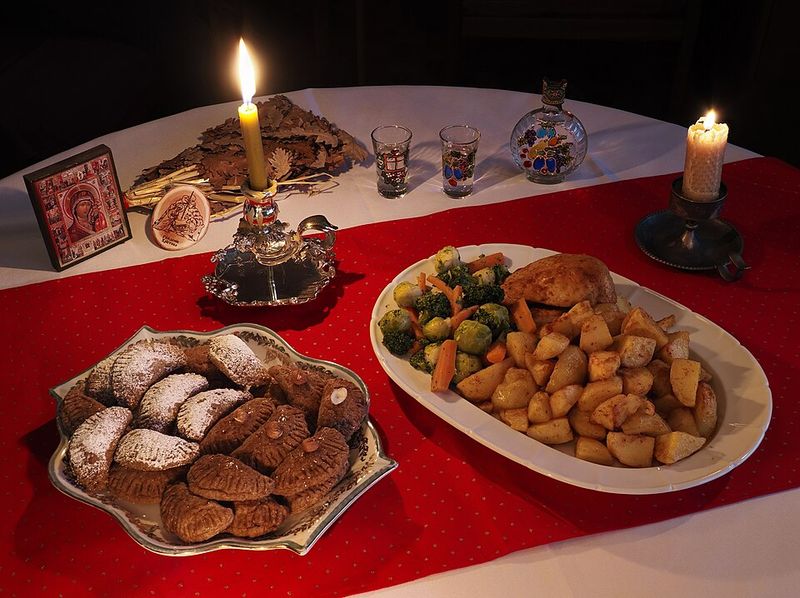
Candles appear everywhere when people want an ordinary moment to feel meaningful. We put them on birthday cakes, dinner tables, memorials, holiday displays, and ceremonial spaces.
Long before electric lighting, fire carried practical and symbolic importance. For ancient communities, controlling a flame meant more than having light and warmth; it could turn an everyday gathering into something sacred.
The flickering glow also became closely associated with moments of reflection, remembrance, and celebration.
Ancient religious ceremonies across many cultures used flames in sacrifices, offerings, festivals, and household worship. Fire could represent purification, protection, divine presence, or a connection between humans and supernatural powers.
The attraction is easy to understand even without religious belief. A small flame instantly changes the atmosphere of a room.
That emotional effect helped candles survive as symbols after their practical importance declined.
We can illuminate an entire house by touching a switch, yet when an occasion truly matters, people still often reach for fire.
Decorating With Evergreen Plants
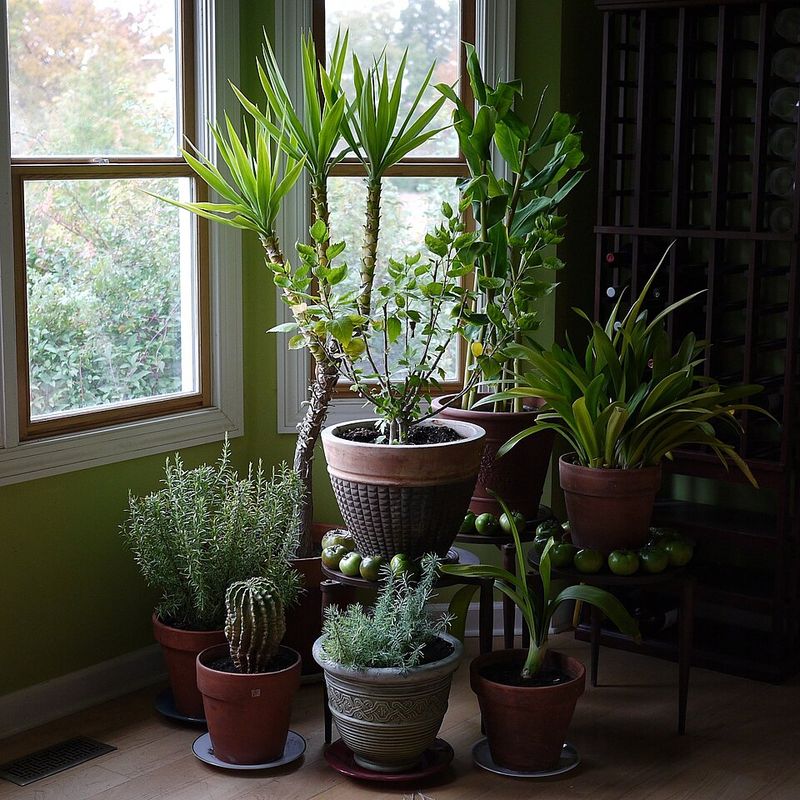
Bringing greenery indoors during winter is much older than modern Christmas decorating.
Evergreen plants were especially striking to people living through harsh winters because they remained green while much of the surrounding landscape appeared lifeless.
Different European cultures used evergreen branches during winter festivities. Their ability to survive the cold made them natural symbols of endurance and continuing life.
Romans decorated during Saturnalia, while northern European winter customs also incorporated seasonal greenery.
Later Christian traditions gave plants such as holly, ivy, and evergreen branches new religious interpretations.
Today, greenery appears on mantels, staircases, doors, tables, and storefronts throughout the holiday season.
The symbolism still works even when nobody consciously thinks about it. When the natural world looks bare, we decorate our homes with the plants that stayed green.
Jumping Over Ceremonial Fires
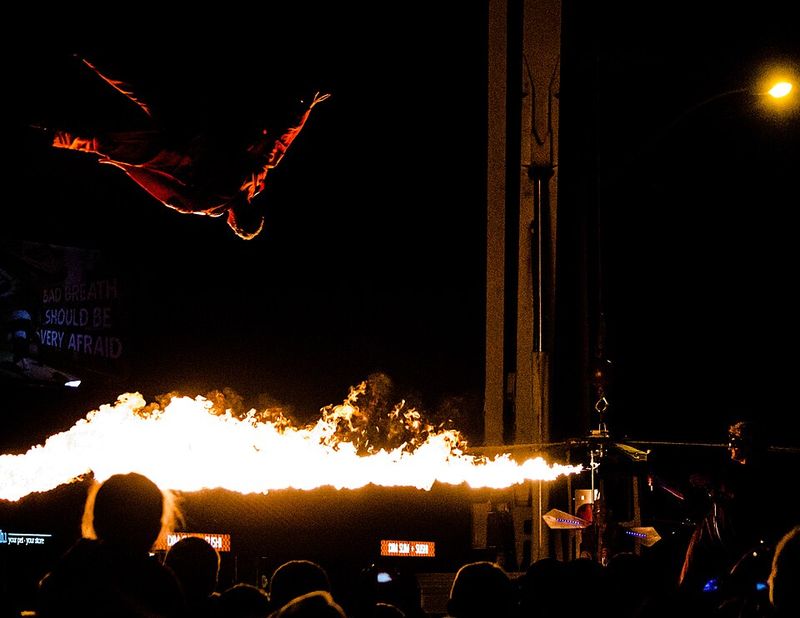
People have gathered around fires to mark important dates for an extraordinarily long time. In parts of Europe, the celebration sometimes included something more adventurous: jumping over the flames.
Seasonal fires appeared in festivals connected with spring, midsummer, harvest periods, and other turning points in the year.
Fire was frequently associated with purification and protection. Passing near, between, or over ceremonial fires could therefore acquire symbolic meaning.
Some European folk traditions preserved fire-jumping well into relatively recent history.
The exact beliefs differed from region to region, but participants might associate the act with health, luck, fertility, protection, or a successful year.
Modern festivals sometimes retain the spectacle while leaving the supernatural explanation behind.
A dramatic leap over a fire can now be entertainment, but generations ago it could represent something far more serious.
Giving Flowers to Someone You Love
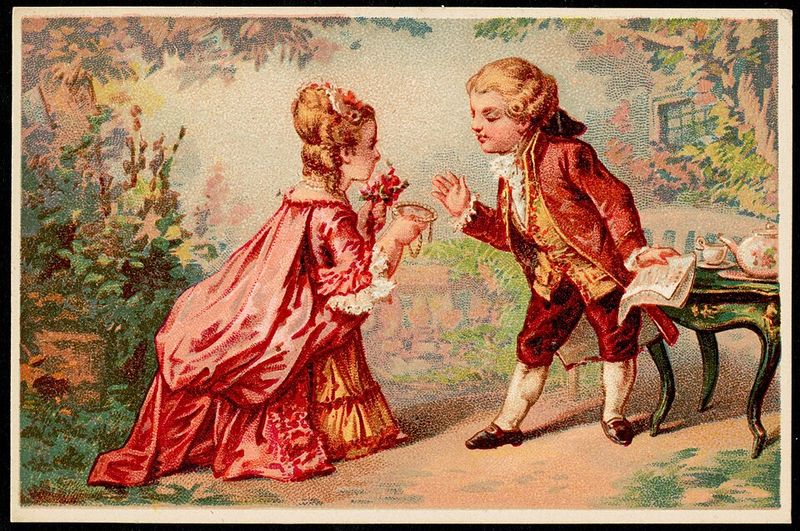
Flowers are among the safest romantic gifts imaginable. Their connection with love, however, developed through a long history of symbolism.
Ancient Greeks and Romans connected particular flowers and plants with specific deities and stories. Roses became especially associated with love and beauty through their links to Aphrodite and Venus.
Plants could communicate other qualities as well, including victory, remembrance, mourning, fertility, and status.
Later European societies greatly expanded this symbolic vocabulary.
By the 19th century, the so-called language of flowers had become fashionable enough that different blooms could supposedly communicate different messages.
Most people buying roses today are not intentionally invoking an ancient goddess.
Still, the basic association survived remarkably well. Thousands of years later, flowers remain one of the first things people think of when they want to express affection without words.
Wearing Something for Good Luck

A lucky necklace, favorite game-day shirt, special coin, or bracelet might seem like a harmless personal superstition. The idea behind lucky objects, however, is ancient.
People across many early cultures carried amulets and talismans intended to provide protection or attract favorable outcomes.
The materials varied enormously. Stones, metals, carved figures, animal imagery, written symbols, and other small objects could all acquire supernatural importance.
Some were connected with particular gods, while others were intended to defend their owners from illness, envy, accidents, or harmful spirits.
Modern lucky objects are usually much more personal.
Someone might wear the same socks whenever their team plays or carry a coin they happened to have during an important success.
The explanation has changed, but the instinct is familiar: when something good happens, we like keeping a little piece of that luck close by.
Celebrating the Change of Seasons
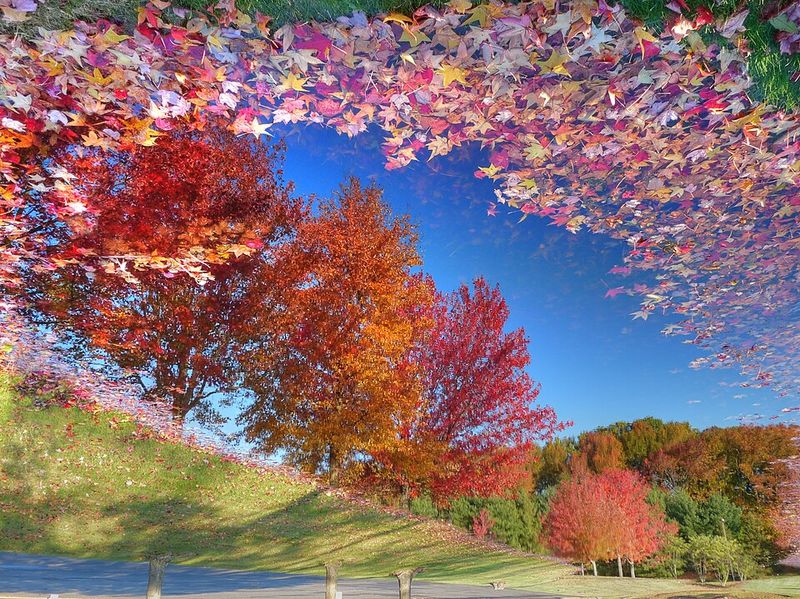
Modern life can make seasons feel like little more than changes in weather. For agricultural societies, they could determine whether an entire community survived.
That made important points in the solar and farming calendar natural occasions for celebration.
Ancient societies observed solstices, equinoxes, planting periods, harvests, and the arrival of winter in many different ways. Festivals could include food, fire, dancing, offerings, decorations, and communal gatherings.
Some traditions were religious, while others combined practical agricultural life with spiritual beliefs.
Later religions and cultures frequently placed new celebrations around dates that were already meaningful to local communities.
The result is a calendar filled with customs from many historical layers.
We may have supermarkets, electric heating, and artificial lighting, but seasonal traditions remain surprisingly powerful. People still decorate for winter, celebrate spring, gather outdoors in summer, and turn autumn harvests into festivals.
The reasons have changed, but our desire to mark the turning of the year has not.
Share this story