 Unearth The Voyage
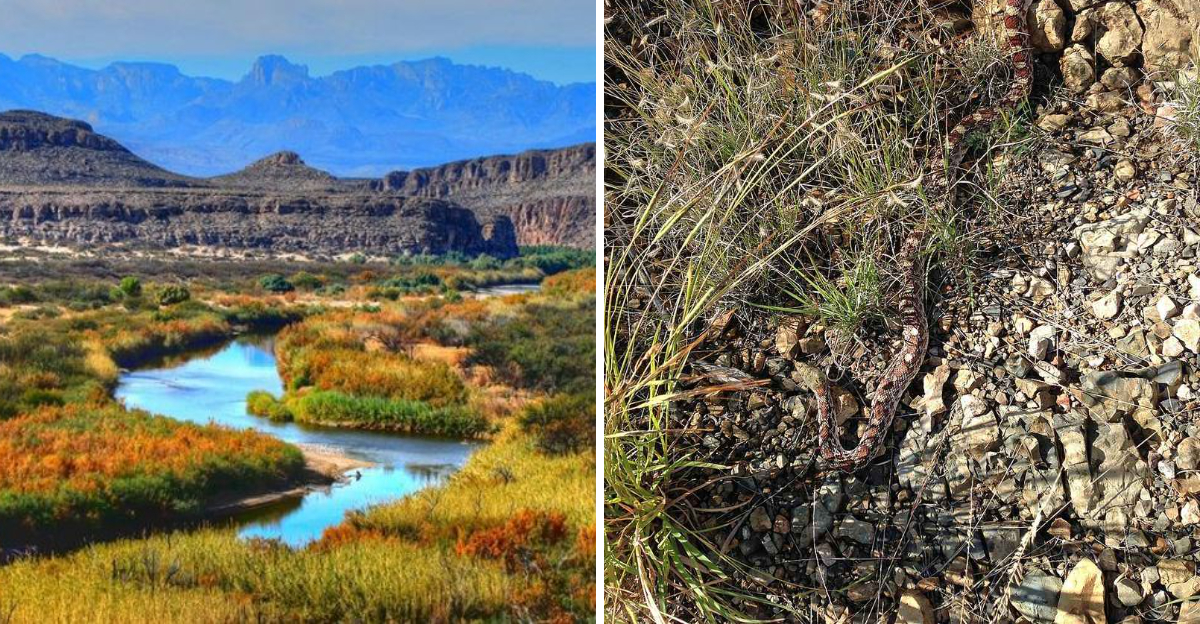
Most people head to a national park expecting breathtaking views, cool hiking trails, and maybe a roadrunner darting across the path. What they do not always expect is sharing the trail with over 40 species of snakes.
That is exactly what waits for visitors at one of Texas’s most remote and spectacular wild places. Researchers and wildlife experts have pointed to this park as possibly the most snake-dense national park in the entire country, and yet people keep coming back, year after year, completely hooked.
The landscape is jaw-dropping, the night skies are unlike anything most people have ever seen, and yes, the snakes are very much real. Keep reading to find out what makes this park so wild, so beautiful, and so worth every cautious step you take along its trails.
Where Big Bend National Park Actually Is
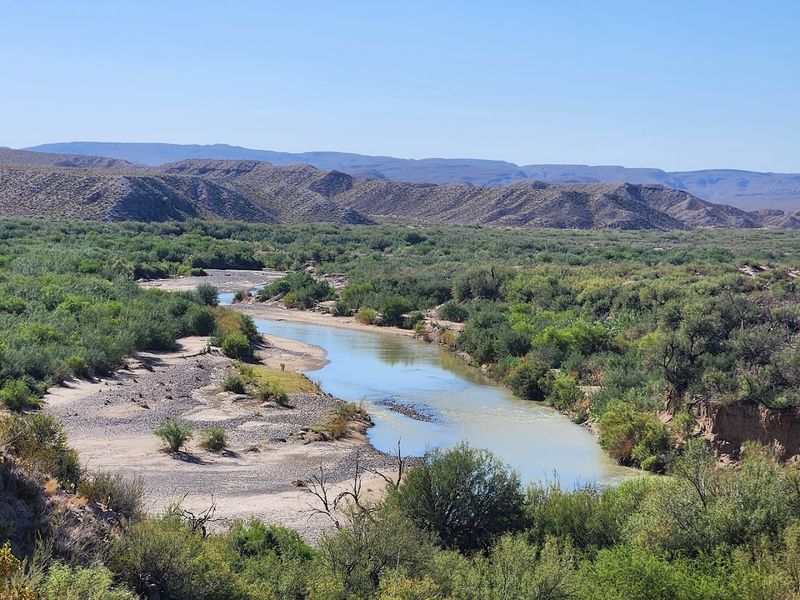
Big Bend National Park sits in the far southwestern corner of Texas, hugging a dramatic bend in the Rio Grande along the U.S.-Mexico border. The official address is simply Big Bend National Park, Texas.
The park covers an astonishing 801,163 acres of desert, mountain, and river canyon terrain. To put that in perspective, it is larger than the entire state of Rhode Island.
Getting here takes serious planning. From Austin, the drive runs roughly eight hours, and the last stretch passes through long stretches of open West Texas highway with very few gas stations.
Fuel up before you enter, because running out of gas in this remote landscape is not a fun story to tell.
Why Snakes Thrive Here Like Nowhere Else
Big Bend is home to at least 40 species of snakes, which is more than almost any other national park in the United States. That number alone has earned it a serious reputation among herpetologists, the scientists who study reptiles and amphibians.
The reason so many snakes call this place home comes down to habitat variety. The park contains three distinct ecosystems: the Chihuahuan Desert, the Chisos Mountains, and the Rio Grande floodplain.
Each one supports its own community of snake species, from the western diamondback rattlesnake to the Trans-Pecos rat snake.
Warm rocks, abundant prey like mice and lizards, and very few human disturbances create near-perfect conditions for snakes to breed and spread. Wildlife experts consistently note that the combination of biodiversity and remoteness here makes Big Bend a uniquely snake-friendly environment that stands out even among other wild Texas landscapes.
The Snake Species You Are Most Likely to Encounter
The western diamondback rattlesnake gets the most attention, and for good reason. It is large, venomous, and relatively common across the desert portions of the park.
Rangers remind visitors regularly to watch where they step and never reach into rock crevices without looking first.
Beyond the diamondback, the park hosts the Mojave rattlesnake, the blacktail rattlesnake, and the rock rattlesnake, which tends to hang out at higher elevations in the Chisos Mountains. The Trans-Pecos copperhead is another venomous species found near water sources.
Non-venomous species are also plentiful. The coachwhip, the bullsnake, and the beautiful Trans-Pecos rat snake all live here, and most of them are completely harmless.
The key takeaway from any ranger talk at Big Bend is simple: give every snake space, stay on marked trails, and never assume a snake is harmless just because it looks calm.
How to Hike Safely in Snake Country
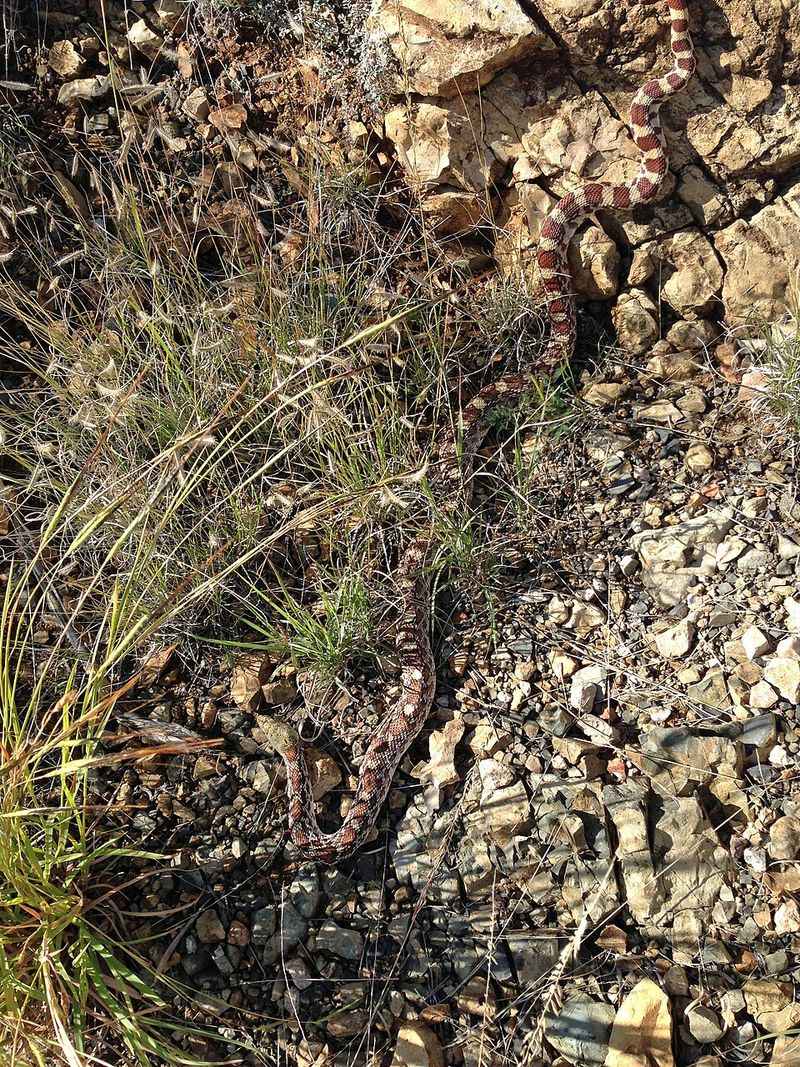
Hiking in Big Bend requires a slightly different mindset than hiking in most other parks. Snakes are not lurking around every corner waiting to cause trouble, but they are present, and a little awareness goes a long way toward keeping everyone safe.
Sturdy, ankle-high hiking boots are a smart choice here, since low sneakers leave your feet and ankles exposed. Staying on marked trails reduces your chances of accidentally stepping near a resting snake hidden under brush or behind a rock.
Trekking poles are also useful for tapping ahead on rocky sections where visibility is limited.
Early morning hikes in cooler months are generally safer, since snakes tend to be less active when temperatures drop. During warmer months, snakes move around more at dawn and dusk.
Rangers at the Chisos Basin Visitor Center are always happy to share current trail conditions and any recent wildlife sightings worth knowing about.
The Chisos Mountains and Their Unique Wildlife
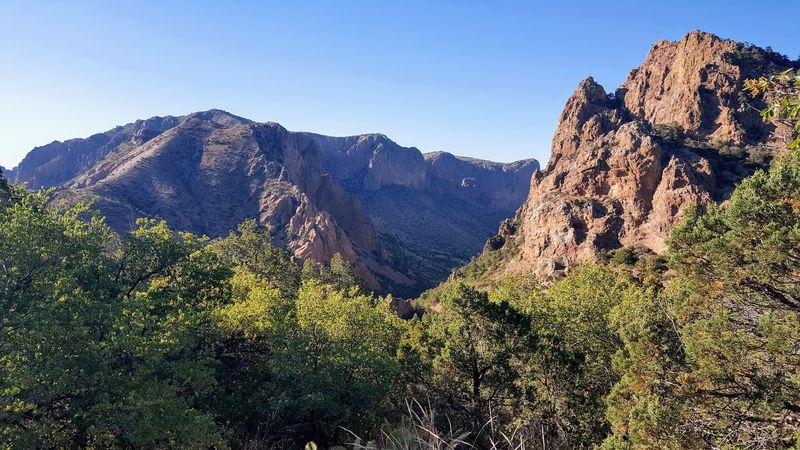
Rising dramatically from the flat Chihuahuan Desert, the Chisos Mountains form the heart of Big Bend and the only mountain range in the continental United States that lies entirely within a national park. The peaks reach up to 7,832 feet at Emory Peak, and the temperature up there can be noticeably cooler than the desert floor below.
The mountains support a remarkable mix of wildlife. Black bears, mountain lions, white-tailed deer, and Carmen Mountains white-tailed deer all live here.
The Carmen Mountains white-tailed deer is a subspecies found almost exclusively in this region, making a sighting genuinely special.
Snake diversity in the mountains differs from the desert below. The rock rattlesnake prefers the higher, cooler elevations, while the black-tailed rattlesnake is spotted regularly on rocky slopes.
The sheer variety of wildlife packed into this mountain range makes every hike feel like a genuine encounter with wild, unfiltered nature.
Santa Elena Canyon and the Rio Grande
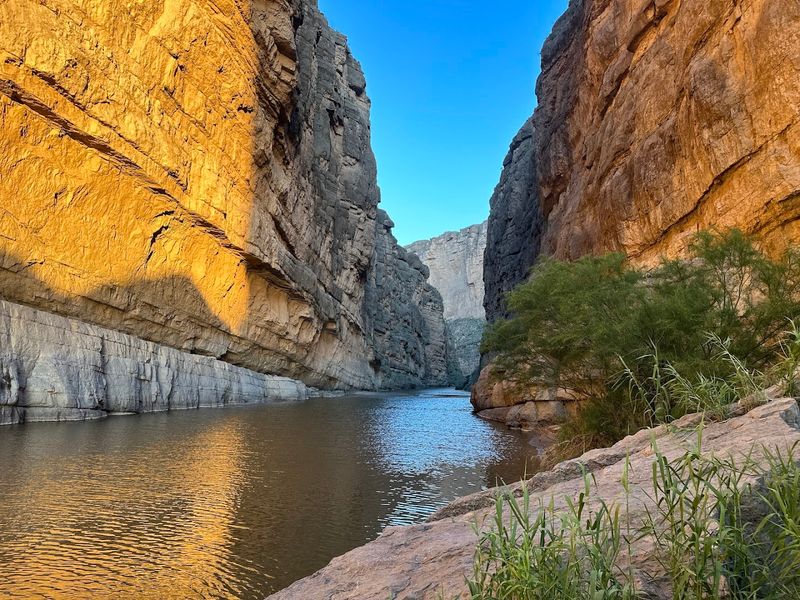
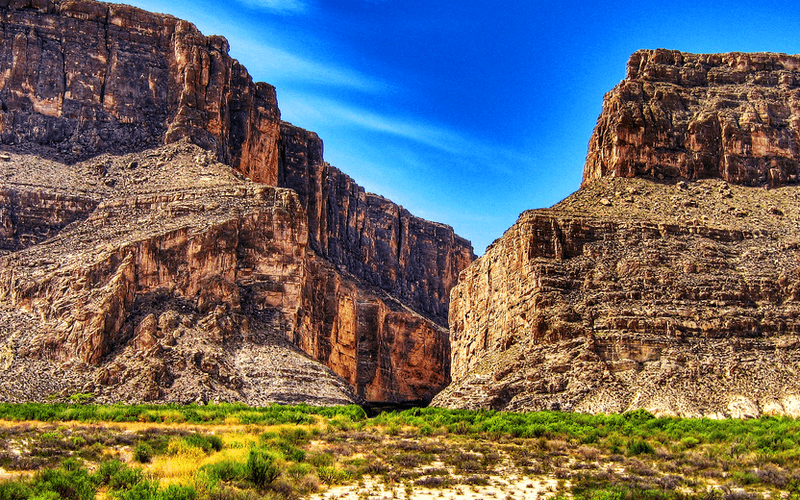
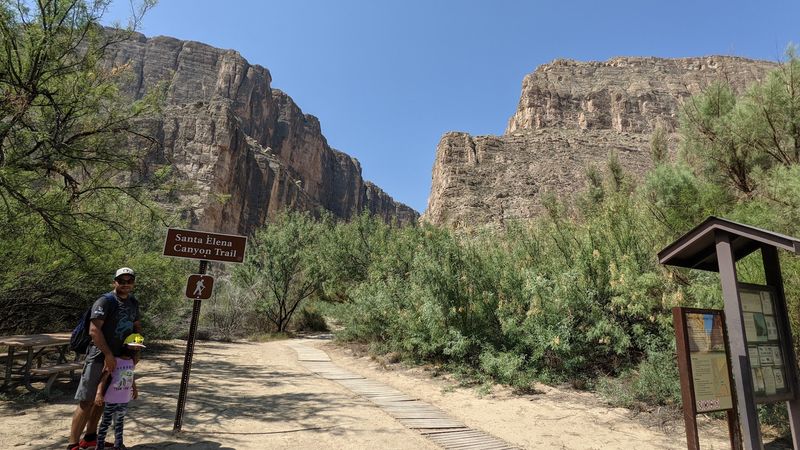
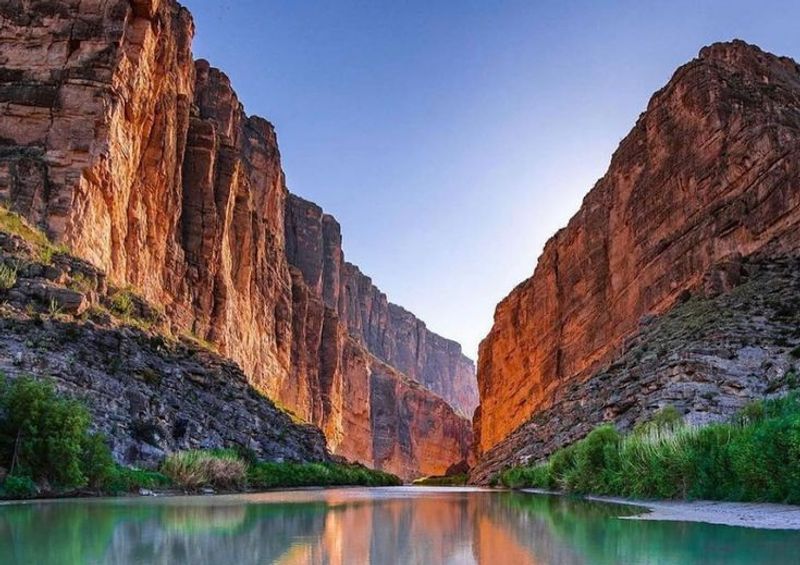
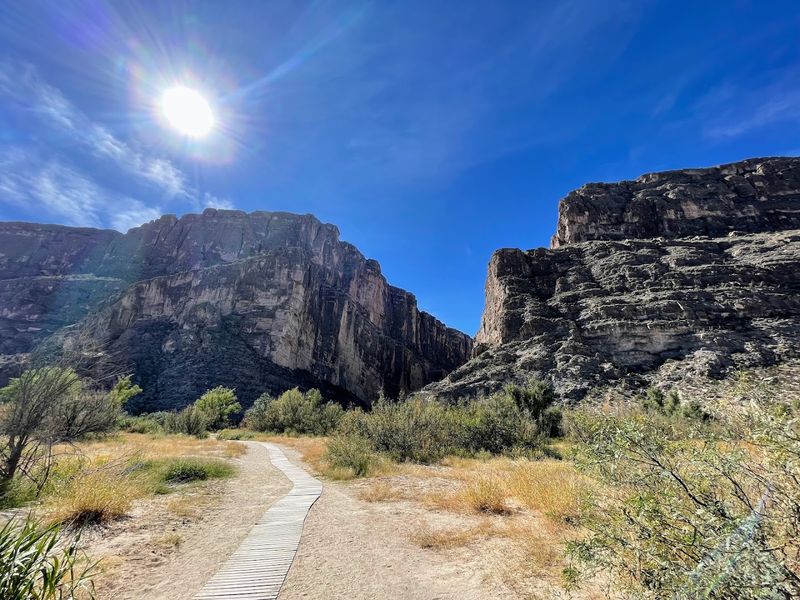
Santa Elena Canyon is one of the most visually dramatic spots in the entire park. The Rio Grande cuts through a limestone wall that towers roughly 1,500 feet on both sides, creating a narrow corridor where the river flows quietly between the United States and Mexico.
The trail into the canyon is about 1.7 miles round trip and involves a brief but steep set of stone steps near the entrance. Once inside, the scale of the walls above you is genuinely humbling.
The light shifts throughout the day, and sunset turns those canyon walls into something that looks almost painted.
Near the water’s edge, cottonwood trees and dense vegetation create habitat for a variety of wildlife, including several snake species that prefer moister environments. The Texas indigo snake, one of the longest native snakes in North America, has been spotted in riparian areas near the Rio Grande within the park.
The Lost Mine Trail and Its Rewarding Views
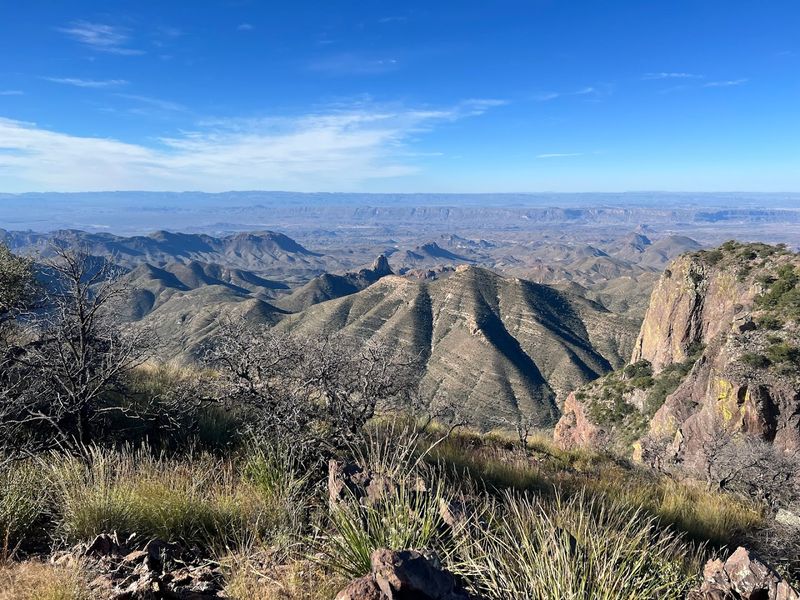
The Lost Mine Trail is consistently ranked as one of the best hikes in Big Bend, and after doing it myself, I completely understand why. The trail runs about 4.8 miles round trip from the trailhead near the Chisos Basin and gains roughly 1,100 feet in elevation along the way.
The payoff at the top is a panoramic view that stretches across canyon ridges, distant desert plains, and the Sierra del Carmen mountains in Mexico. On a clear day, the visibility is extraordinary.
Getting there early, around 6:30 a.m., is the smart move, especially on weekends when the parking lot fills up fast.
The rocky terrain along the trail is prime snake habitat, and hikers have reported seeing blacktail rattlesnakes near the upper sections. The trail is well-marked and maintained, but keeping your eyes on the path rather than only on the horizon is a habit worth developing quickly.
Stargazing at One of America’s Darkest Parks
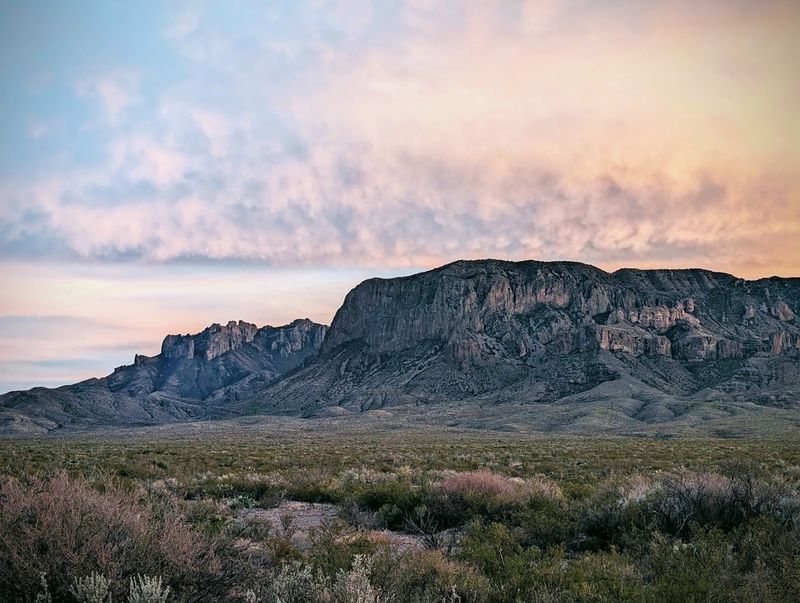
Big Bend holds an International Dark Sky Park designation, which means the light pollution here is among the lowest of any national park in the country. On a clear night, the Milky Way is visible to the naked eye, stretching across the sky in a thick, glowing band that most city dwellers have simply never seen.
The best stargazing spots tend to be open, flat areas away from the Chisos Basin lodging area. The Rio Grande Village and the Chisos Basin amphitheater are both popular choices.
Bring a red-light headlamp rather than a white flashlight, since red light preserves your night vision much better.
One thing worth noting for nighttime wanderers: snakes are more active after dark in warmer months, as they seek out heat stored in rocks and pavement. Staying on paved paths and using your light consistently makes nighttime strolls far safer and still allows for full enjoyment of that spectacular sky.
Wildlife Beyond Snakes: What Else Roams This Park
Snakes get most of the press, but Big Bend is packed with a remarkable variety of other animals that make every visit feel like a wildlife documentary. Javelinas, which are pig-like mammals with coarse gray fur and a strong musky scent, roam the park in groups and are spotted regularly near campgrounds and trailheads.
Roadrunners dart across roads with surprising speed, and golden eagles ride thermals above the desert. The park is also a celebrated birding destination, with over 450 recorded bird species, more than any other national park in the country.
Black bears are present in the Chisos Mountains and have been known to wander into the Chisos Basin. Rangers advise storing all food properly and never leaving snacks unattended.
The sheer variety of wildlife here, from the tiniest lizard to a lumbering black bear, makes Big Bend feel like one of the last truly wild corners of the American Southwest.
Camping Options and What to Expect
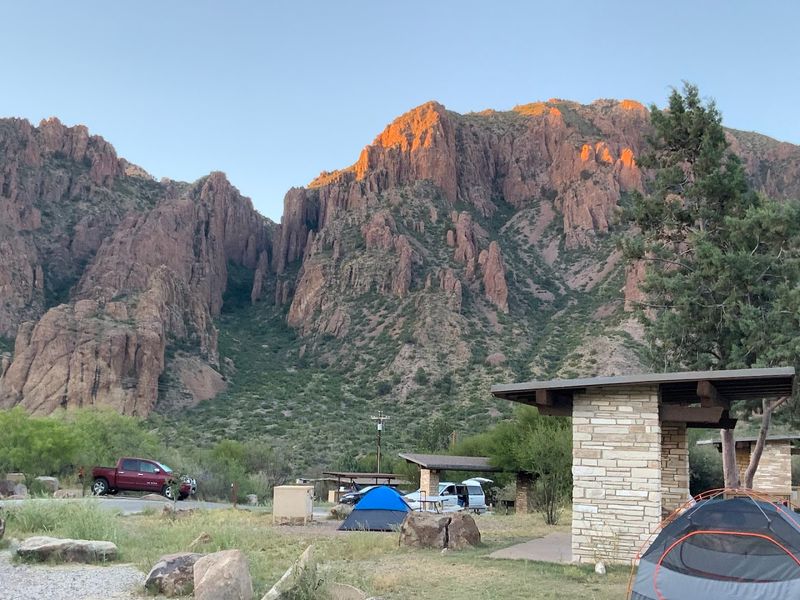
Big Bend offers several camping options ranging from developed campgrounds with basic facilities to remote backcountry sites that require a permit. The three main developed campgrounds are Chisos Basin, Rio Grande Village, and Cottonwood, each with a different feel and set of surroundings.
Chisos Basin sits at higher elevation and stays cooler, making it a favorite for hikers tackling the mountain trails. Rio Grande Village is lower and warmer, positioned near the river and good for birdwatching.
Cottonwood, near Castolon, has a quieter, more rustic atmosphere.
Backcountry camping is an entirely different experience and requires solid preparation. Water sources are unreliable, cell service is essentially nonexistent, and yes, snakes are a real consideration when setting up a tent on desert ground.
Checking your shoes and gear each morning is a habit every experienced backcountry camper at Big Bend develops fast.
The Chisos Basin Lodge Experience
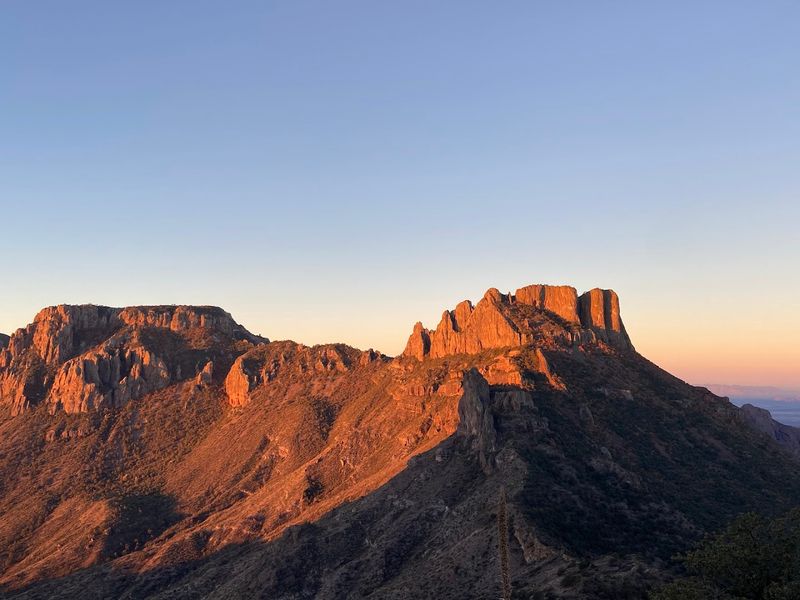
The Chisos Basin Lodge is the only lodging option inside Big Bend National Park, and its location alone makes it worth booking well in advance. The lodge sits inside the Chisos Basin, surrounded by towering rock formations on all sides, giving guests the feeling of sleeping at the bottom of a natural amphitheater.
Rooms are simple and functional rather than luxurious, but the setting more than compensates. Waking up to see Casa Grande peak lit up by the morning sun from your cabin window is the kind of experience that sticks with you.
The lodge is reportedly undergoing renovations beginning in spring 2026, so booking before that process begins is a smart move for anyone who wants to experience it in its current form.
The remoteness of the lodge means bringing your own snacks and supplies is wise. The surrounding trails are accessible directly from the lodge area, which makes early morning hikes wonderfully convenient.
Crossing Into Boquillas: A Border Town Day Trip
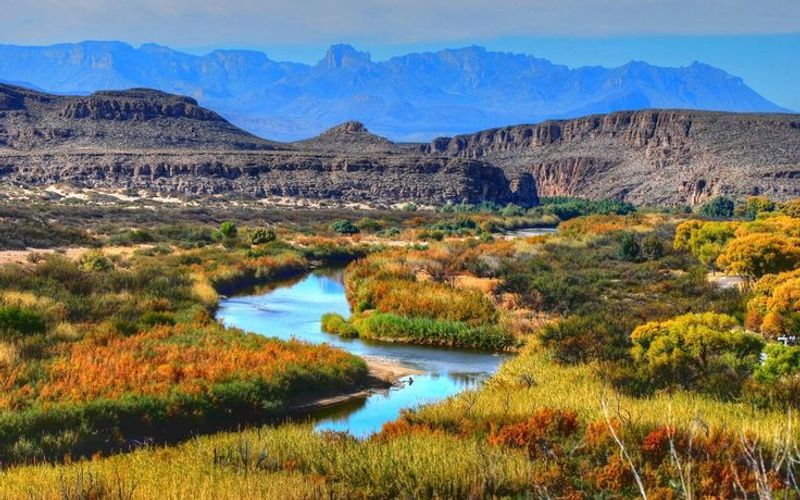
One of the most unusual and memorable experiences available at Big Bend is crossing the Rio Grande by rowboat into the small Mexican village of Boquillas del Carmen. The crossing operates through an official port of entry managed by U.S.
Customs and Border Protection, so travelers need a valid U.S. passport or passport card.
Boquillas is a tiny village with a handful of restaurants, local artisans selling handmade crafts, and a warmly welcoming community that depends heavily on visitor traffic from the park. The food is freshly prepared and the atmosphere is genuinely relaxed.
It is a rare opportunity to step briefly into a different country without any of the usual border crossing complexity.
The crossing is only open on certain days and hours, so checking the NPS website before planning your visit is essential. Non-citizens should bring their green card or passport to avoid any complications at the mandatory inspection points near the park.
The Hot Springs Trail and Its Natural Pools
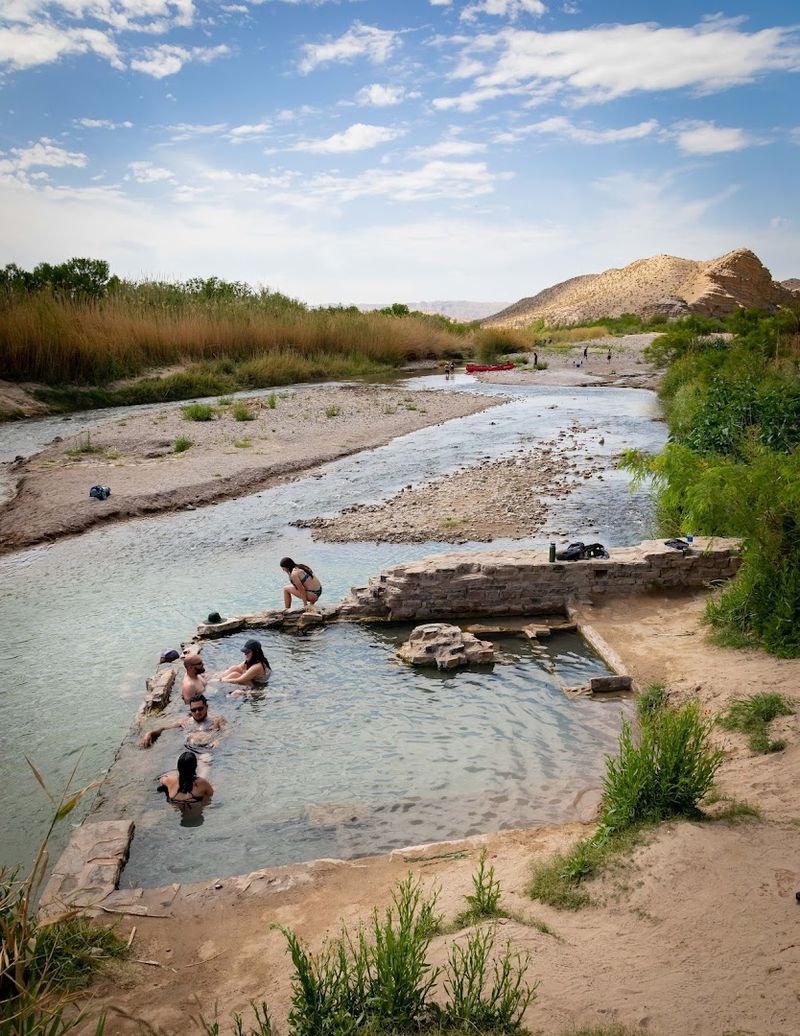
The Hot Springs Trail is a short but fascinating hike that leads to natural geothermal pools along the bank of the Rio Grande. The trail runs about 1.4 miles round trip from the trailhead near Rio Grande Village and passes the ruins of a former health resort that operated in the early 20th century.
The hot springs themselves maintain a temperature of around 105 degrees Fahrenheit year-round. Soaking in the pools while looking across the river into Mexico is a surreal and deeply relaxing experience.
The contrast between the warm water and the cool desert air, especially in the morning, is hard to beat.
The riparian vegetation near the water makes this trail a favorite spot for birdwatchers and a known habitat for water-loving snake species. Keeping an eye on the rocks and vegetation near the water’s edge is simply part of the experience here, and most visitors find that awareness adds to rather than detracts from the adventure.
Practical Tips for First-Time Visitors
Big Bend rewards preparation and punishes carelessness, so going in with a solid plan makes a real difference. The most important rule is water.
Rangers recommend carrying at least one liter of water per hour of hiking, and in summer that number should be higher. Heat exhaustion is a genuine risk in the desert heat, especially on exposed trails.
Fuel is the second major concern. There are stretches of 200 or more miles around the park with no reliable gas stations.
Fill your tank completely before entering, and consider carrying a small fuel reserve if you plan to drive the backcountry roads.
Cell service is almost nonexistent inside the park, so downloading offline maps before you arrive is highly practical. Dogs are not allowed on any park trails, though they are permitted in campgrounds and on paved roads.
Arriving early on popular trail days, especially long weekends, saves both parking headaches and the discomfort of hiking in peak afternoon heat.



