There is a place in central Oregon where the ground literally opens up and swallows you whole, in the best possible way. Tucked into the high desert landscape east of Bend, a free-to-visit lava tube cave waits beneath the surface, carved by volcanic forces thousands of years ago.
The temperature drops the moment you reach the top of the stairs, and once you descend into the darkness, the world above feels like a distant memory. This article walks you through everything you need to know before visiting Boyd Cave, from what to pack and how to get there, to the most thrilling sections of the cave itself.
Where Exactly Boyd Cave Is and How to Get There
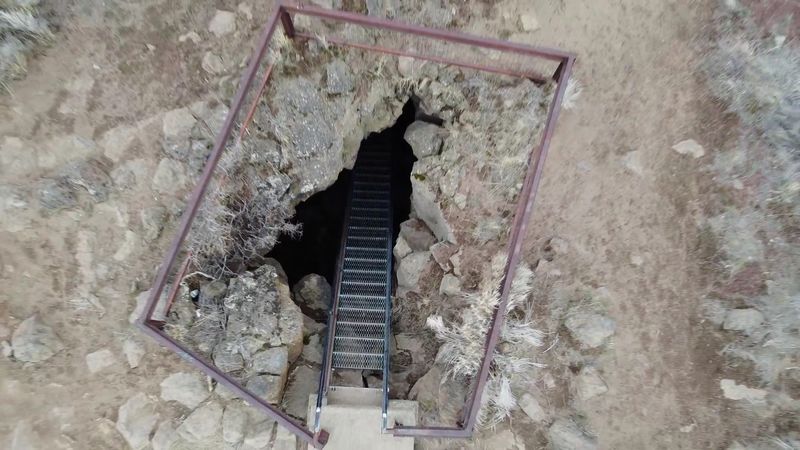
Boyd Cave sits along China Hat Road southeast of Bend, Oregon, with a mailing address near Bend, OR 97702. The drive from downtown Bend takes roughly 20 to 30 minutes depending on traffic and road conditions.
China Hat Road is a gravel and dirt forest road that can feel a little rough, but most two-wheel-drive vehicles handle it fine in dry weather. If you are visiting after heavy rain or snow, a vehicle with higher clearance makes the trip more comfortable.
Google Maps does a solid job of guiding you close to the trailhead, though the entrance area is not heavily marked with signs. Look for a small parking area with a fenced opening in the ground nearby.
That modest fenced area is your gateway to one of the most fascinating underground adventures in the Pacific Northwest.
The cave is managed as part of the Deschutes National Forest, so no entry fee is required. Parking is free as well, which makes this an exceptionally budget-friendly outing for families, solo travelers, and everyone in between.
The Volcanic History Behind the Cave
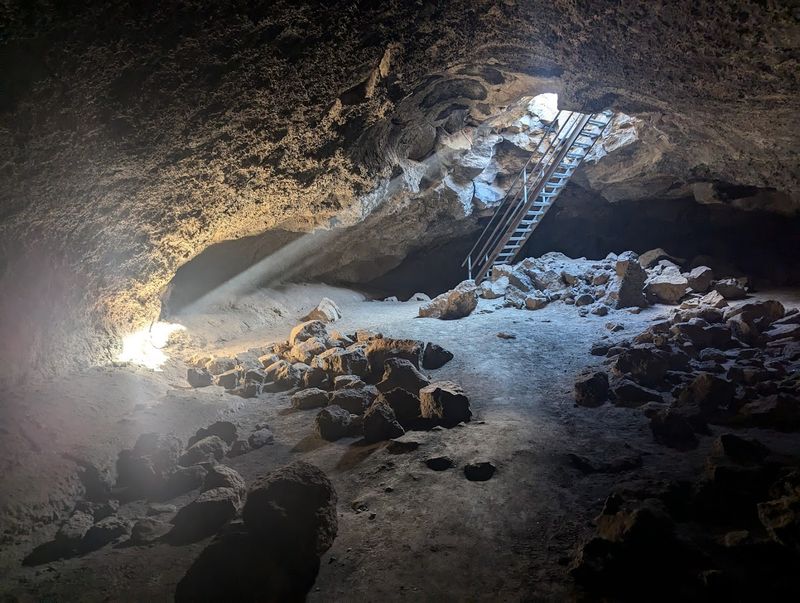
Boyd Cave is a lava tube, which means it was not carved by water or wind but by moving molten rock. Thousands of years ago, a volcanic eruption sent rivers of lava flowing across the landscape of what is now central Oregon.
As the outer surface of the lava cooled and hardened, the molten rock inside kept flowing and eventually drained out, leaving a hollow tube behind. That process created the long, winding underground corridor that visitors explore today.
The Newberry Volcanic Monument, a massive shield volcano, dominates the geology of this region and is responsible for dozens of lava tubes scattered across the area. Boyd Cave is one of the more accessible examples of this underground network.
Geologists estimate that the lava flows in this region occurred somewhere between 6,000 and 10,000 years ago. The cave itself stretches roughly a quarter of a mile in length, though the passage feels much longer once you are inside and the daylight fades behind you.
Oregon’s volcanic past shaped this entire landscape in ways that still surprise first-time visitors.
What the Cave Entrance Looks and Feels Like
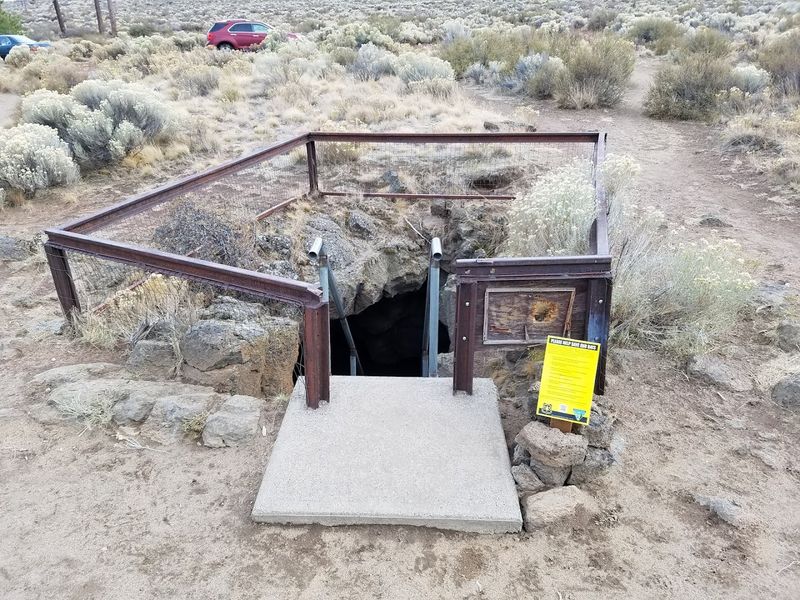
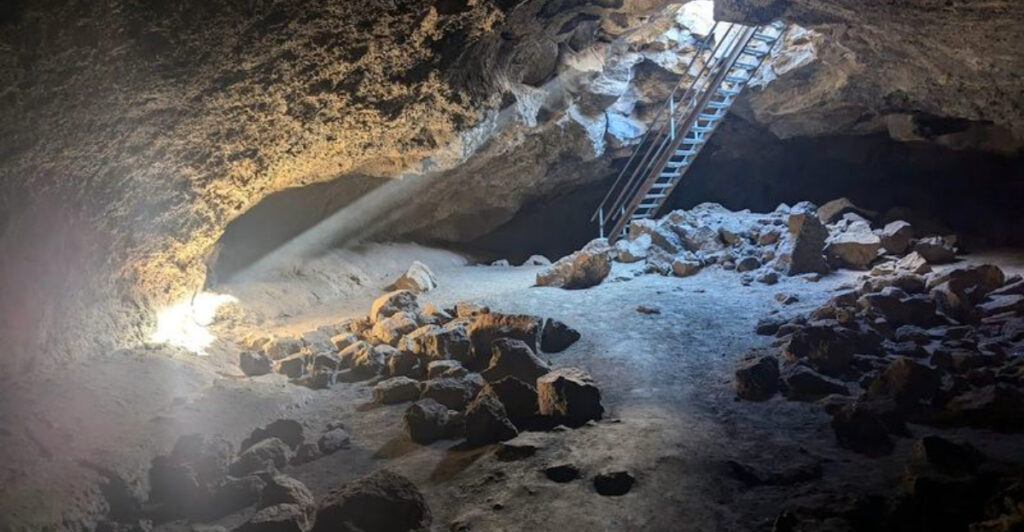
From the parking lot, the cave entrance looks surprisingly unassuming. A steel-rimmed opening in the ground, protected by a low fence, is all that marks the spot where the earth drops away into darkness.
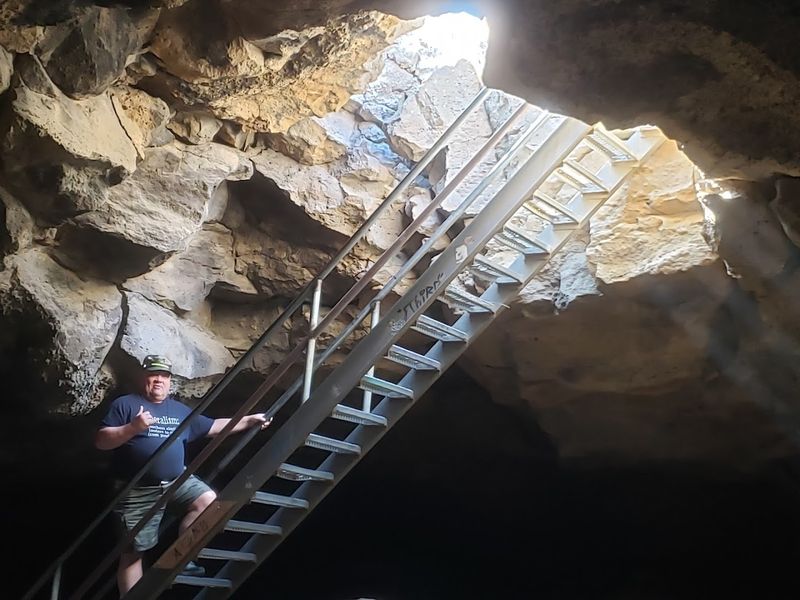
A metal staircase leads down into the cave, and the handrails make the descent manageable for most visitors. The steps are steep and can get slippery, so placing your feet carefully on the way down is worth the extra second it takes.
The moment you reach the top of the stairs, a rush of cold air rises up to greet you. On a hot summer day in eastern Oregon, that blast of chill is genuinely refreshing after the dry desert heat above.
Once you reach the bottom of the stairs, your eyes begin adjusting to the low light filtering in from the entrance above. The cave ceiling opens up broadly at first, giving the space a cathedral-like quality that surprises most first-timers.
That sense of spaciousness does not last the entire length of the tube, but the opening chamber sets an impressive tone for the adventure ahead.
The Temperature Inside and Why It Matters
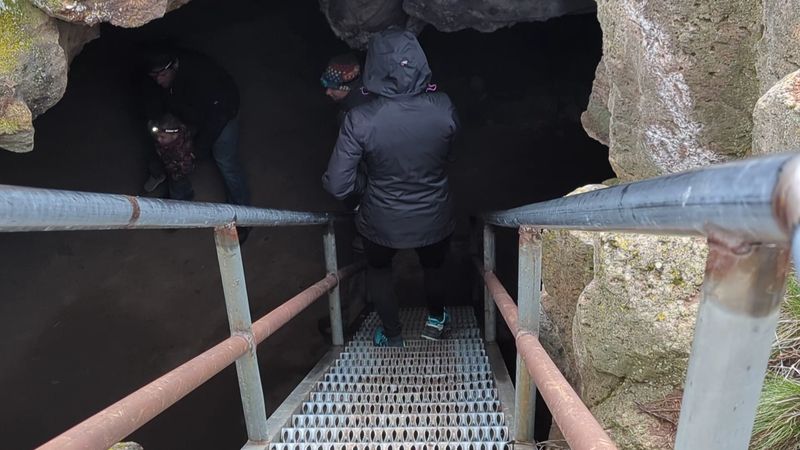
One of the most consistent things visitors mention about Boyd Cave is the cold. The temperature inside the cave stays cool year-round, hovering in the low 40s Fahrenheit regardless of what the weather is doing on the surface.
During the summer months, when eastern Oregon can bake under temperatures well above 80 degrees Fahrenheit, that underground chill feels almost magical. The contrast between the heat of the hike to the entrance and the cold air inside the cave is immediate and dramatic.
Bringing a hoodie or a light jacket is not optional here, it is genuinely necessary. Spending 30 minutes or more exploring the cave without a warm layer will leave you shivering before you reach the halfway point.
Layering your clothing is the smartest approach. Wear something light for the walk from the parking lot, and tuck a fleece or insulated jacket into your pack to pull out once you descend.
Visitors who skip this step tend to cut their exploration short, which means missing the more dramatic sections deeper in the cave. The cold is part of the charm, but only if you come prepared for it.
Lighting Up the Darkness: What to Bring and Why
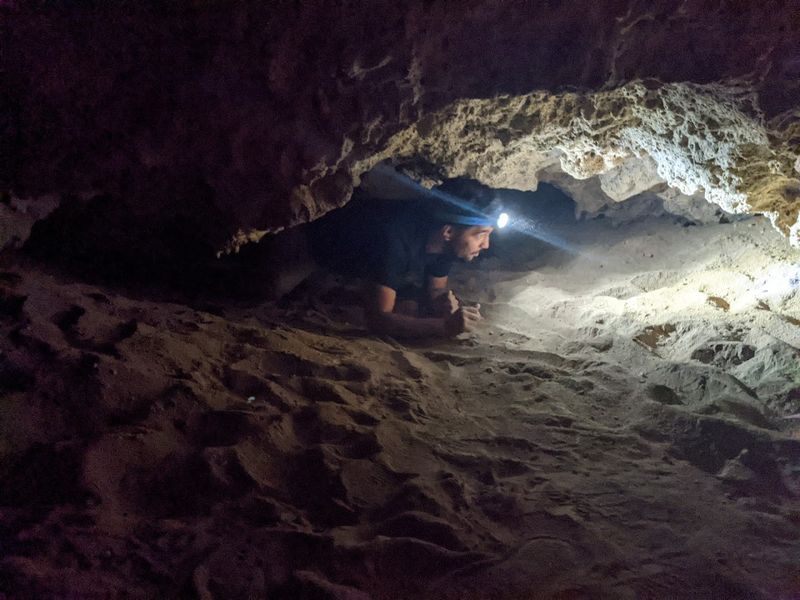
Beyond the first few feet past the staircase, Boyd Cave becomes genuinely pitch black. There is no artificial lighting installed inside, which means every bit of light you have underground comes from what you carry in your hands or on your head.
A headlamp is the single most important piece of gear to bring. It keeps both hands free for balance and climbing, which becomes critical in the sections where the cave floor gets uneven or the ceiling drops low.
A handheld flashlight works as a solid backup, and carrying both is the smartest approach. Relying solely on a phone screen is a gamble that several visitors have regretted, since phone batteries drain faster in cold environments and the light coverage is narrower than a dedicated flashlight.
Fresh batteries before the trip are worth double-checking. The disorienting quality of total darkness inside a lava tube is not something most people expect until they experience it firsthand.
Photographers will appreciate knowing that pointing a second phone flashlight from behind the subject creates surprisingly good cave photos, lighting the basalt walls with a warm glow that captures the texture beautifully.
Navigating the Cave’s Interior: From Easy to Adventurous
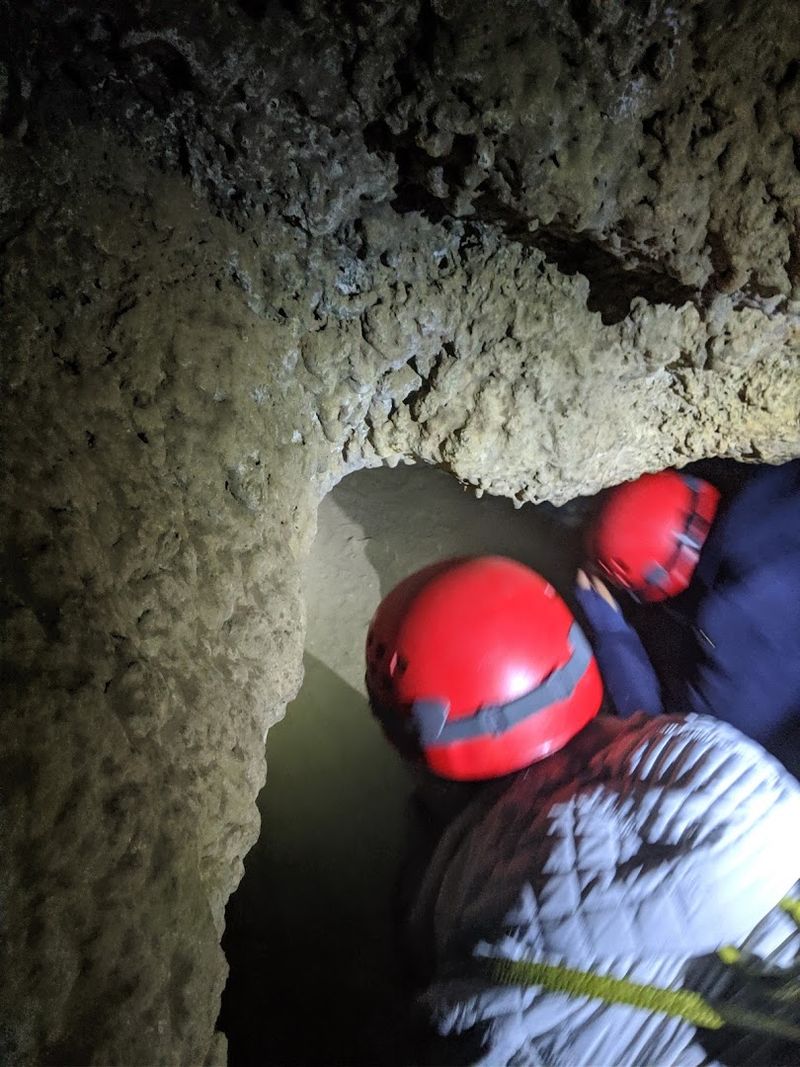
Boyd Cave is not a single uniform corridor. The experience shifts dramatically as you move deeper, starting with a spacious walkable section before the passage narrows and the adventure level climbs.
The first portion of the cave is wide enough to walk upright and is relatively flat underfoot. This stretch is accessible for older children, adults with limited mobility, and anyone who wants a taste of the underground without committing to full-on spelunking.
Further in, the ceiling drops and you will need to crouch to keep moving forward. The rock floor becomes uneven with chunks of collapsed basalt, so watching your footing carefully matters more with every step you take.
Near the deepest accessible section, the cave narrows to a passage that requires crawling on hands and knees. This part is not for everyone, and that is perfectly fine.
Plenty of visitors turn back at the crouch point and still come away with a full sense of the cave’s scale and character. Those who do push through to the crawl section are rewarded with a final chamber that opens up again, making the effort feel genuinely worth every scraped knee.
What to Wear on Your Feet and Body
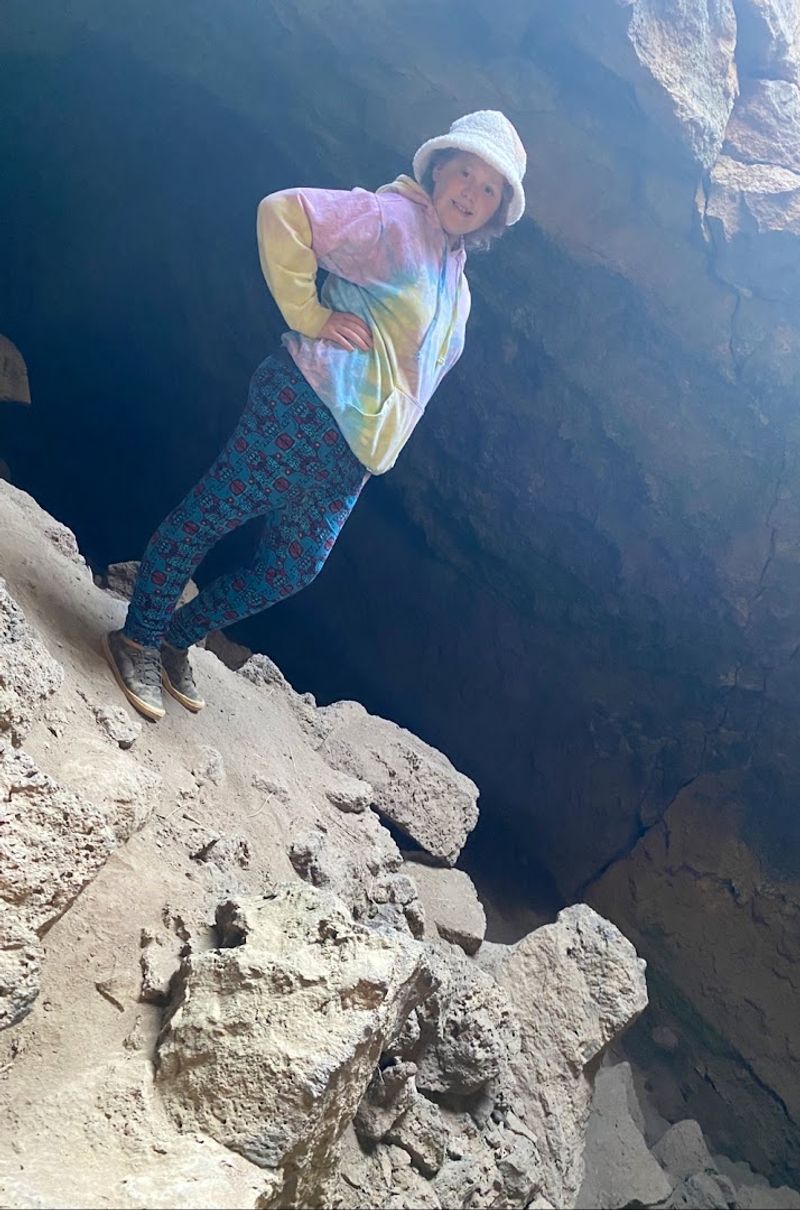
Footwear choices matter more at Boyd Cave than at most outdoor destinations. The cave floor is covered in chunks of rough basalt, and in some sections the rocks have sharp edges that make every step feel deliberate.
Hiking boots with solid ankle support and thick soles are the clear winner here. Sneakers can work in a pinch for the easier front section, but once you move deeper into the cave, the uneven terrain punishes thin-soled shoes quickly.
For clothing, layers are the practical answer. Start with a moisture-wicking base layer, add a fleece or hoodie for the cave itself, and consider an outer shell if you tend to run cold.
The combination keeps you comfortable through the temperature shift from surface to underground.
Wearing clothes you do not mind getting dusty is also a smart call. The cave floor kicks up a fine volcanic dust with every footstep, and anyone who has crawled through the narrower sections knows that the knees of your pants will show the evidence.
Gloves are optional but useful for the crawling section, where your hands make direct contact with sharp and cold volcanic rock.
Family Friendliness and Who This Cave Works For
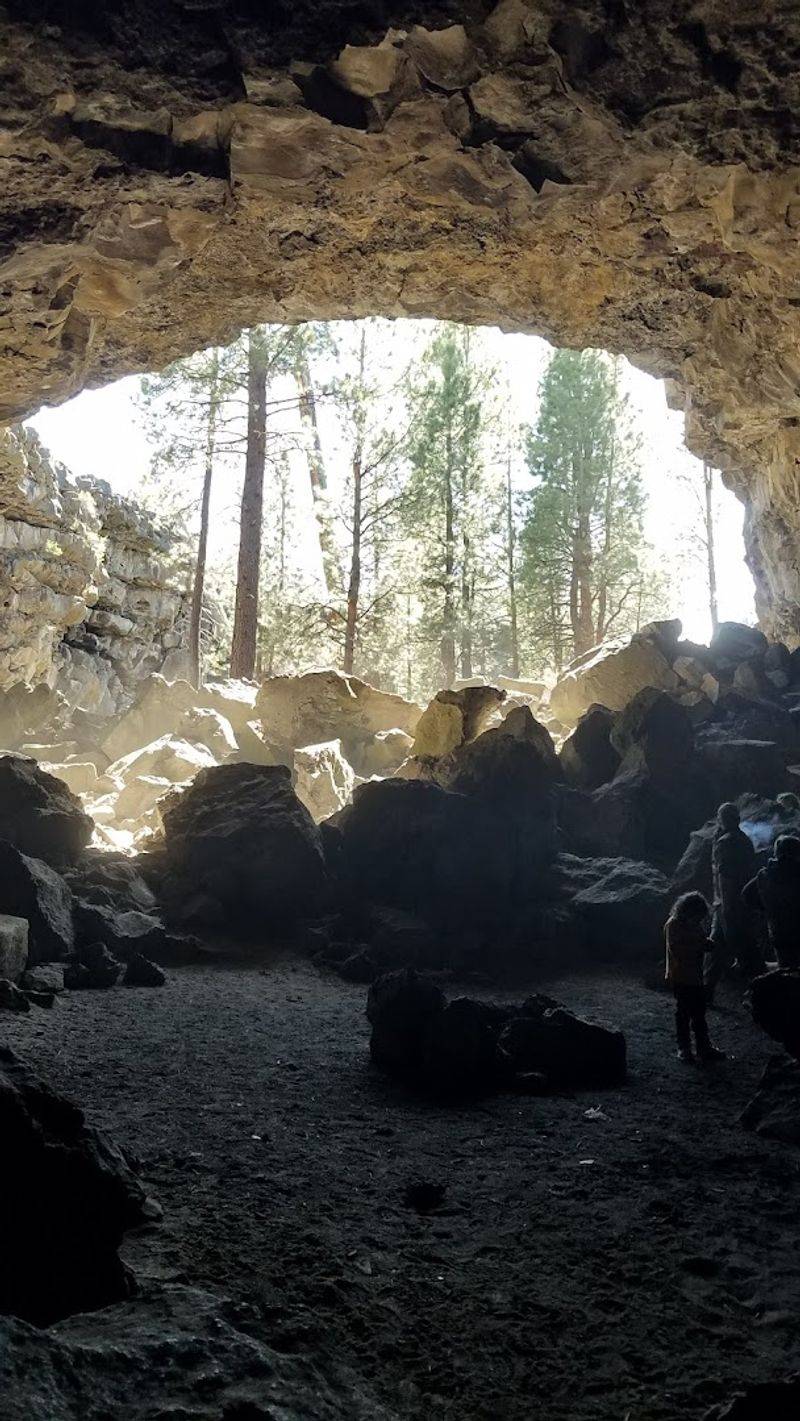
Boyd Cave has earned a reputation as one of the more beginner-friendly lava tubes in the Bend area, and families with children visit regularly. The front section of the cave is accessible enough for kids as young as five or six, provided they have a good light source and a calm, curious attitude.
Visitors have brought young children, including toddlers carried on backs, through the easier sections without issue. That said, the deeper crawling section is best left to older kids and adults who are comfortable with tight spaces and low ceilings.
The cave is also pet-friendly, which is a pleasant bonus for dog owners. Not every dog will enjoy the crawling sections, since the instinct to turn back tends to kick in around the narrower passages, but the front half is a manageable and interesting experience for well-behaved pets.
Anyone with significant claustrophobia should approach this cave with caution. The darkness combined with the low ceilings in the middle section creates a physically and mentally intense environment.
The good news is that you can always turn back at any point, and even a short visit to the front chamber delivers a memorable underground experience worth the drive from Bend.
The Surrounding Landscape and What You See Above Ground
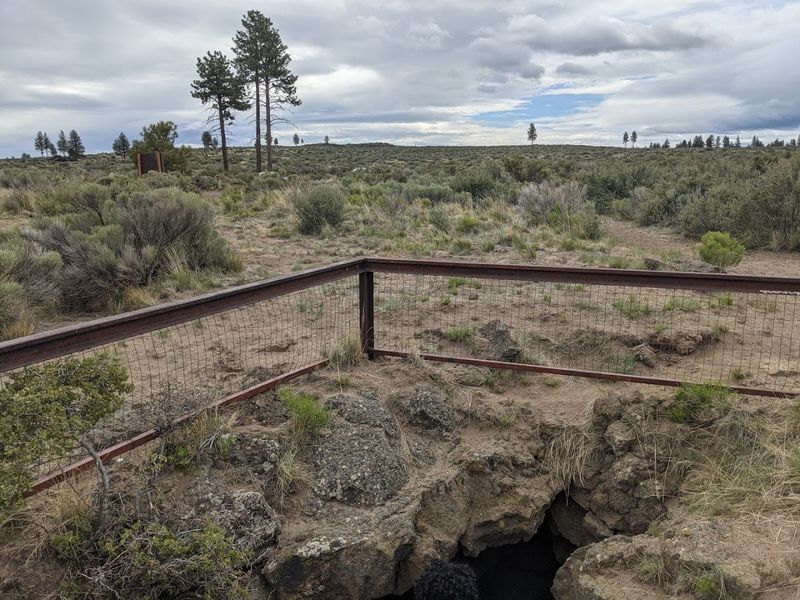
The land around Boyd Cave is part of the broader Deschutes National Forest, a sweeping stretch of high desert and pine forest that defines the character of central Oregon. The approach along China Hat Road passes through open sagebrush flats and scattered stands of ponderosa pine.
The cave entrance itself sits in a wide open area with views of the surrounding forest and volcanic terrain. On a clear day, the contrast between the bright blue Oregon sky and the dark opening in the ground is genuinely striking.
Wildlife sightings in this area are not uncommon. Deer, birds of prey, and various small desert animals share this landscape, and the quiet of the trailhead makes spotting them easier than in busier parks.
Bats are known to use lava tubes in this region, though visitors to Boyd Cave report not always seeing them.
The overall setting rewards a few minutes of exploration above ground before you descend. The volcanic landscape tells a story of eruptions and lava flows that shaped Oregon long before any human set foot here, and standing at the rim of the cave entrance gives you a vivid sense of just how thin the line is between the surface world and the underground one below.
Practical Tips, Safety Notes, and a Few Things to Know Before You Go
Boyd Cave is free to visit and open year-round, which puts it in a rare category among Oregon’s outdoor attractions. No reservation system, no entry fee, and no ranger station on-site means you are largely responsible for your own preparedness.
Bringing at least two light sources per person is the most repeated piece of advice from experienced visitors. Helmets are also worth considering, since low ceilings and uneven footing make accidental head contact with rock a real possibility in the deeper sections.
There are no restroom facilities at the site, so plan accordingly before you leave Bend. No water is available at the trailhead either, so carry enough for your group based on the time you plan to spend exploring.
Leaving valuables locked out of sight in your vehicle is a sensible precaution given the remote location. The cave itself is remarkably well-preserved considering it is free and unguarded, and keeping it that way means packing out everything you bring in and resisting any urge to disturb the rock surfaces.
Oregon’s volcanic caves are irreplaceable, and Boyd Cave is one of the most accessible examples of this underground heritage that the state has to offer.
Share this story