 Unearth The Voyage
Barcelona offers countless ways to experience its magic without spending a single euro. From ancient Roman ruins hidden in plain sight to stunning beaches and world-famous architecture, this vibrant Catalan city rewards curious travelers who know where to look.
Whether you’re wandering medieval alleyways, catching sunset views from hilltop bunkers, or soaking up Mediterranean sun on urban beaches, Barcelona proves that the best experiences don’t always come with a price tag. Get ready to explore a city where history, culture, and natural beauty combine to create unforgettable free adventures.
Wander the Gothic Quarter — Barcelona’s Historic Heart
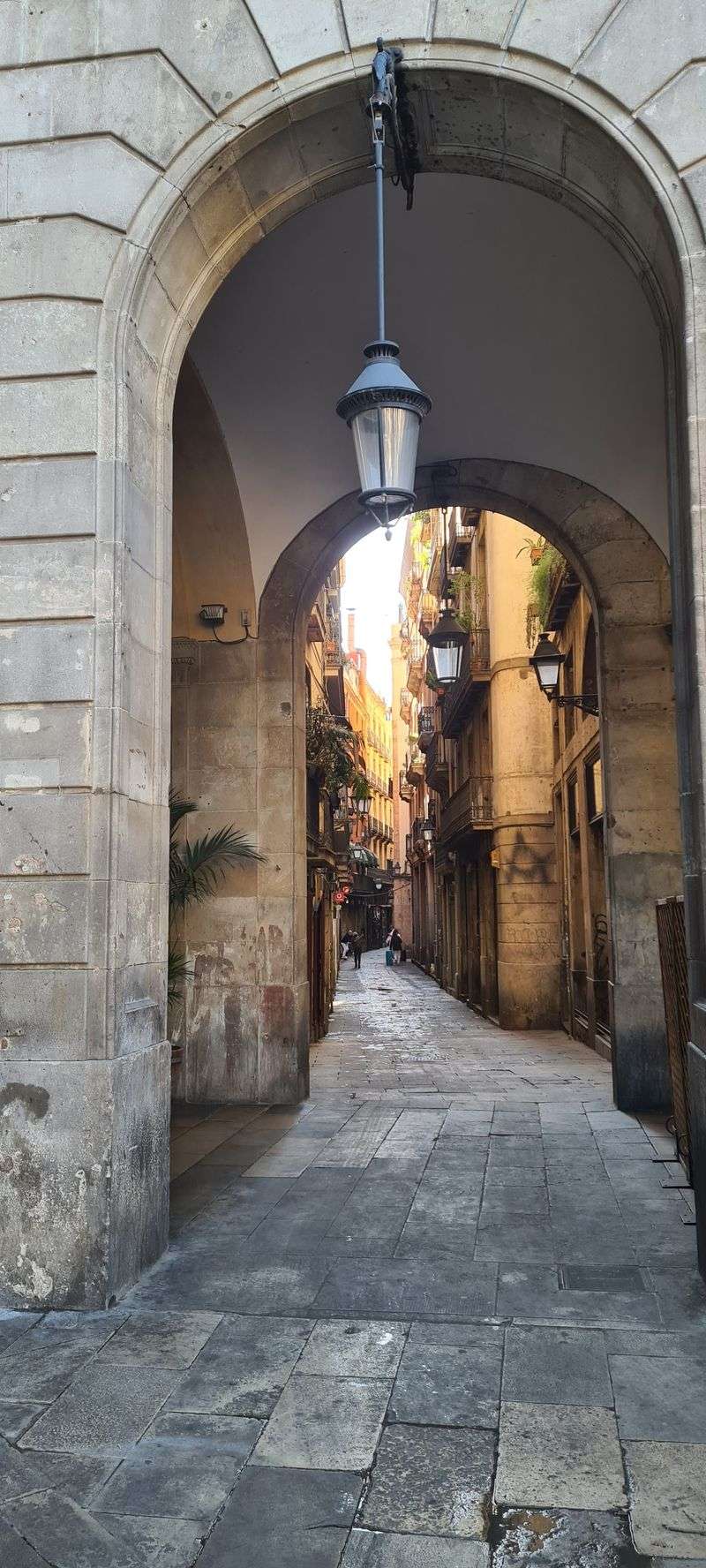
Stepping into the Gothic Quarter feels like traveling back centuries without needing a time machine. This medieval maze of narrow streets and hidden squares reveals layers of Barcelona’s past, from Roman foundations to Gothic spires that pierce the sky.
Ancient stone walls whisper stories of emperors and merchants who once walked these same paths. You’ll find remnants of the original Roman city tucked between modern cafés, where locals gather for morning coffee and endless conversation.
Plaça Sant Jaume serves as the political heart, flanked by government buildings that have witnessed centuries of Catalan history. Nearby, Plaça Reial dazzles with its palm trees and lampposts designed by a young Gaudí, creating an elegant space where street performers entertain evening crowds.
Getting lost here isn’t a problem—it’s the whole point. Every turn brings another architectural surprise, whether it’s a tiny chapel squeezed between buildings or a sun-drenched courtyard filled with orange trees.
The beauty of wandering the Gothic Quarter lies in its unpredictability. You might stumble upon a medieval guild house, discover a hidden garden, or find yourself in a bustling square you never knew existed, all while spending absolutely nothing.
Walk Iconic La Rambla — Barcelona’s Classic Boulevard
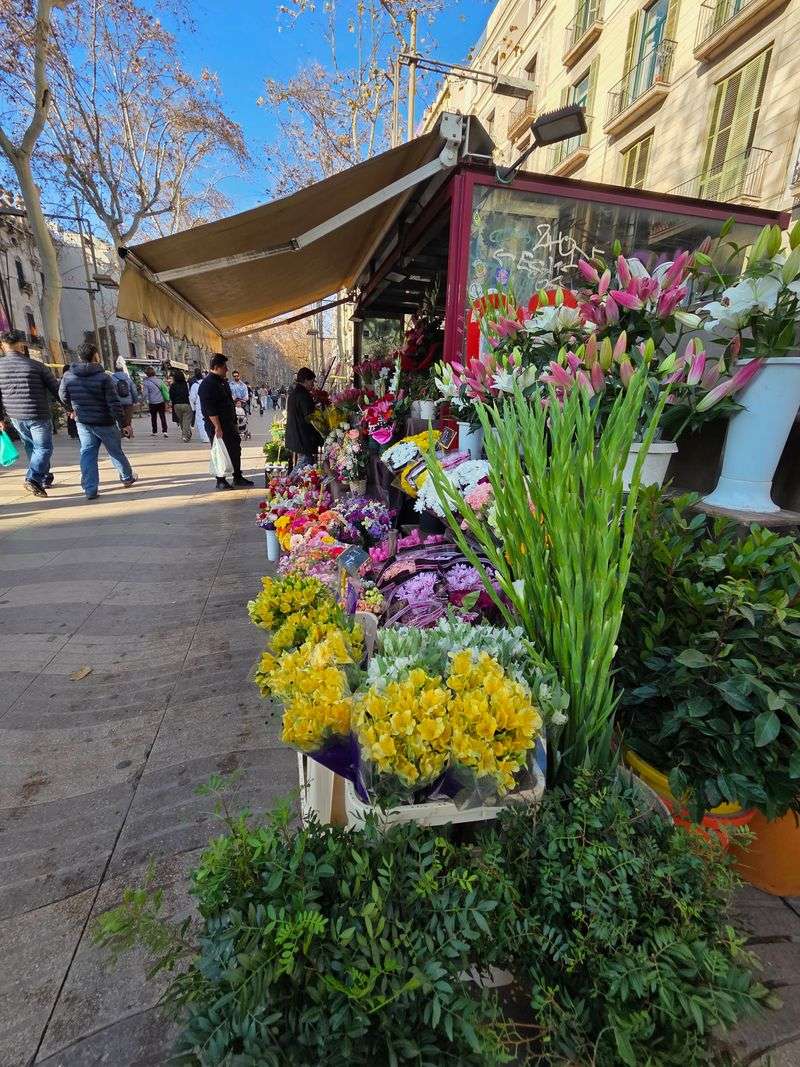
La Rambla pulses with energy from sunrise to midnight, making it Barcelona’s most famous free attraction. This tree-lined boulevard stretches over a kilometer, connecting the city’s heart to the shimmering Mediterranean.
Street performers freeze in elaborate costumes, hoping for tips but providing entertainment to everyone who passes. Flower vendors add splashes of color along the walkway, while artists sketch quick portraits and musicians fill the air with everything from classical guitar to modern pop.
The avenue divides two distinct neighborhoods—the Gothic Quarter on one side and El Raval on the other—giving you easy access to explore both. Historic buildings line the route, including the famous Liceu opera house and centuries-old palaces that now house shops and cafés.
People-watching here rivals any paid entertainment, as locals mix with tourists from every corner of the globe. The parade of humanity creates a constantly changing show that costs nothing but offers endless fascination.
Just keep your belongings secure and your wits about you in crowded areas. Despite its touristy reputation, La Rambla remains an essential Barcelona experience that captures the city’s vibrant spirit in one unforgettable stroll.
Relax on Barcelona’s Beaches — Sun, Sea and City Vibes
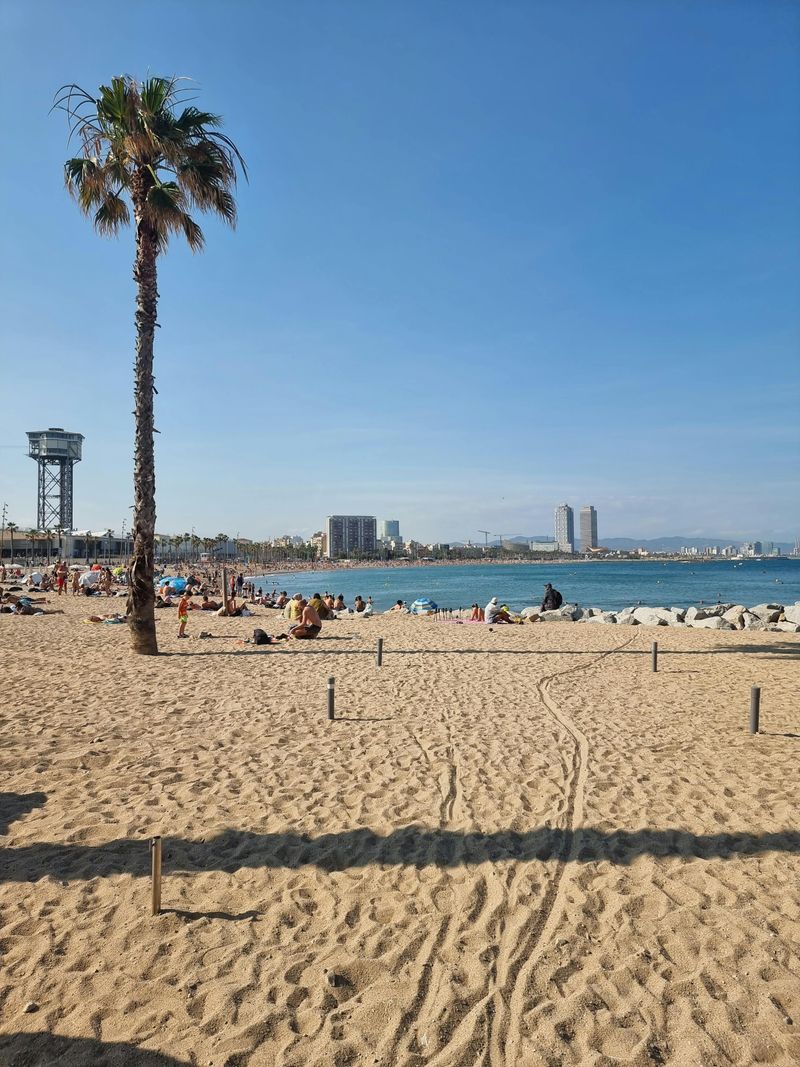
Few cities blend urban excitement with beachfront relaxation quite like Barcelona. Miles of golden sand stretch along the Mediterranean coast, offering free access to sun, surf, and spectacular views.
Barceloneta Beach draws the biggest crowds with its wide expanse of soft sand and easy metro access. Locals spread towels alongside visitors, creating a democratic mix where everyone shares the same stunning seaside setting.
Further along the coast, beaches like Sant Sebastià and Bogatell provide slightly quieter alternatives while maintaining the same free-spirited vibe. Volleyball nets dot the sand, surfers catch gentle waves, and joggers follow the seafront path during cooler morning hours.
The promenade buzzing behind the beaches offers perfect spots for watching sunsets paint the sky in brilliant oranges and pinks. Street vendors, musicians, and artists add to the lively atmosphere without requiring you to open your wallet.
Pack sunscreen, bring water, and claim your patch of Mediterranean paradise. Whether you’re swimming in clear blue waters, building sandcastles, or simply lying back to soak up vitamin D, Barcelona’s beaches prove that luxury doesn’t always cost money.
Explore Parc de la Ciutadella — Green Oasis With History and Waterfalls
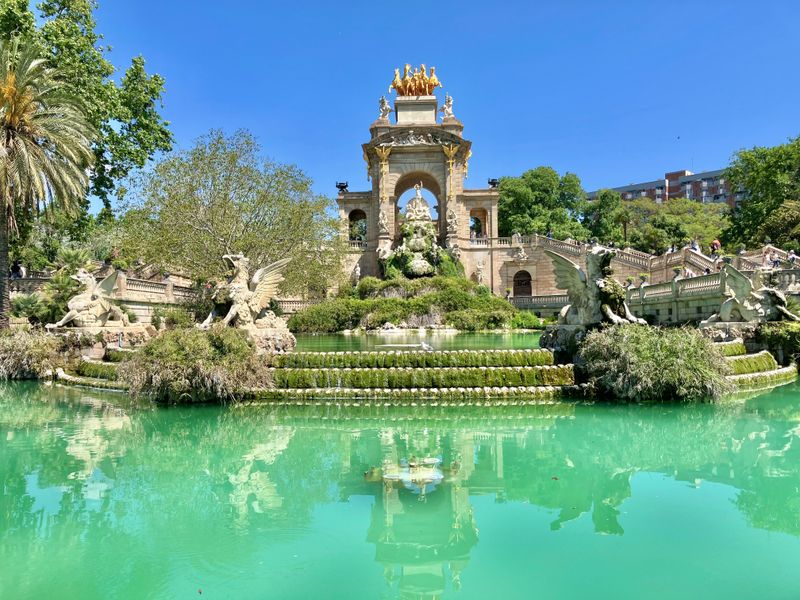
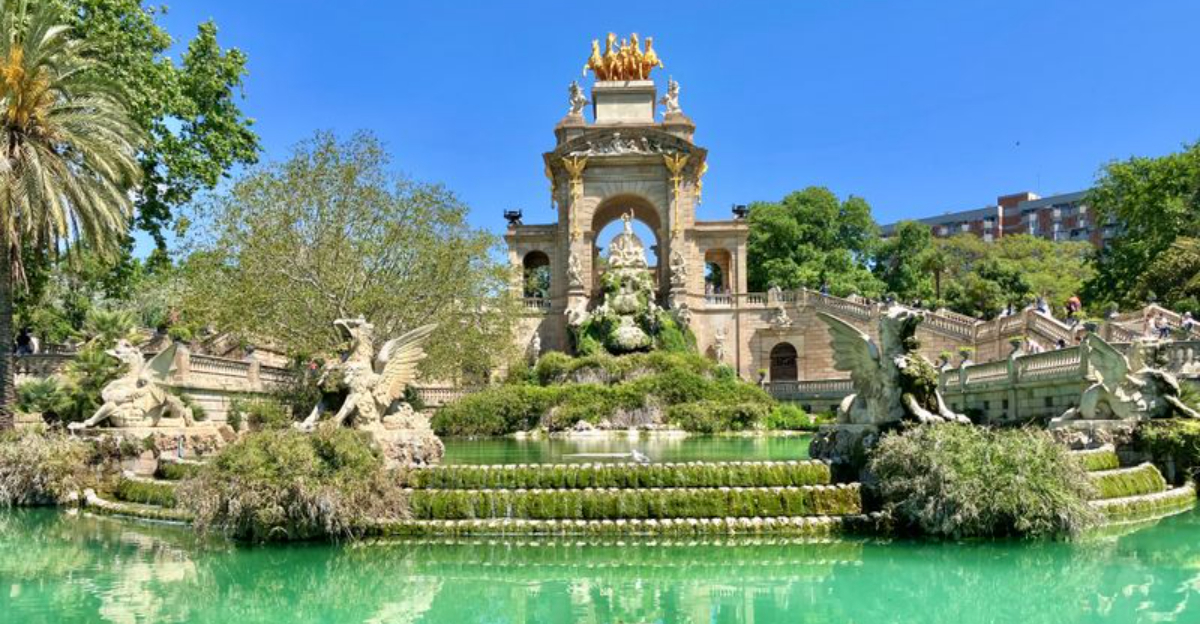
Barcelona’s favorite park spreads across 30 hectares of green tranquility right in the city center. Parc de la Ciutadella combines natural beauty with artistic monuments, creating a free retreat that locals treasure year-round.
The dramatic Cascada fountain dominates one corner with its elaborate sculptures and cascading water, inspired by Rome’s Trevi Fountain. This monumental structure provides a stunning backdrop for photos and quiet contemplation without costing a cent.
Shaded pathways wind past palm trees and flower gardens, leading to hidden corners perfect for reading or picnicking. The ornamental lake reflects clouds and surrounding greenery, where you can watch ducks paddle by or people row rental boats across the calm water.
Musicians often gather here to practice or perform, filling the air with impromptu concerts ranging from classical guitar to modern beats. Families spread blankets for afternoon gatherings while friends toss frisbees across open lawns.
Throughout the park, sculptures and architectural details reward curious wanderers who take time to explore. From the imposing Arc de Triomf entrance to quiet corners where locals practice tai chi, Ciutadella offers countless free moments of beauty and peace.
Discover Barcelona’s Roman Remains — Ancient Barcino Footprints
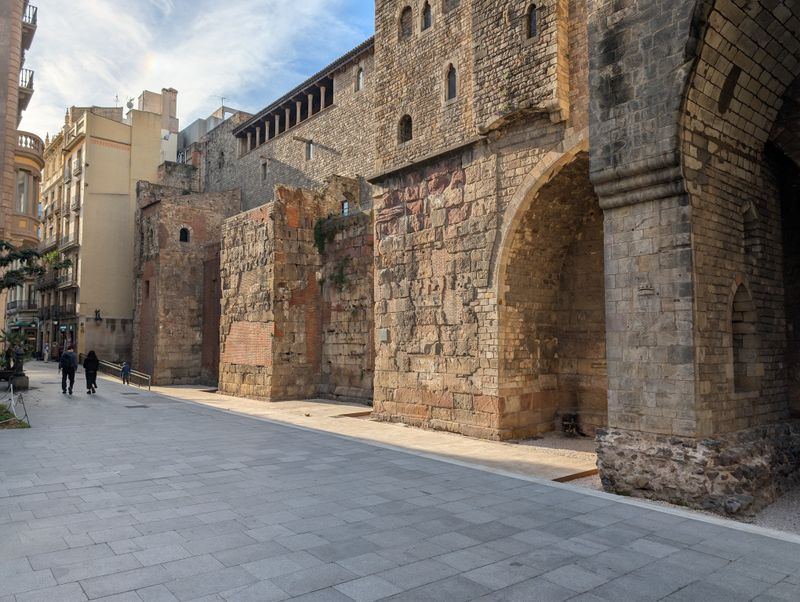
Ancient Rome lives on in Barcelona’s hidden corners, waiting for curious explorers to discover its secrets. The city called Barcino nearly 2,000 years ago left architectural fingerprints throughout the modern Gothic Quarter.
Four towering Corinthian columns stand tucked inside a medieval building on Carrer del Paradís, remnants of the Temple of Augustus. These weathered pillars transport you instantly back to the 1st century, when this spot marked the highest point of the Roman settlement.
Sections of the original Roman wall peek out from unexpected places—integrated into building façades, visible in quiet courtyards, and standing proud along certain alleyways. Walking these streets means literally following paths that Roman soldiers and merchants traveled centuries ago.
The Barcelona History Museum (MUHBA) opens its doors for free on Sunday afternoons and the first Sunday monthly, letting you descend underground to walk actual Roman streets. Down there, you’ll see preserved shops, homes, and even a wine-making facility frozen in time.
These archaeological treasures cost nothing to appreciate from the outside, offering history enthusiasts a rare chance to touch Barcelona’s ancient foundations. Every discovered column or wall fragment adds another layer to understanding how this modern metropolis grew from Roman roots.
Visit Free Museum Days — Art and History on a Budget
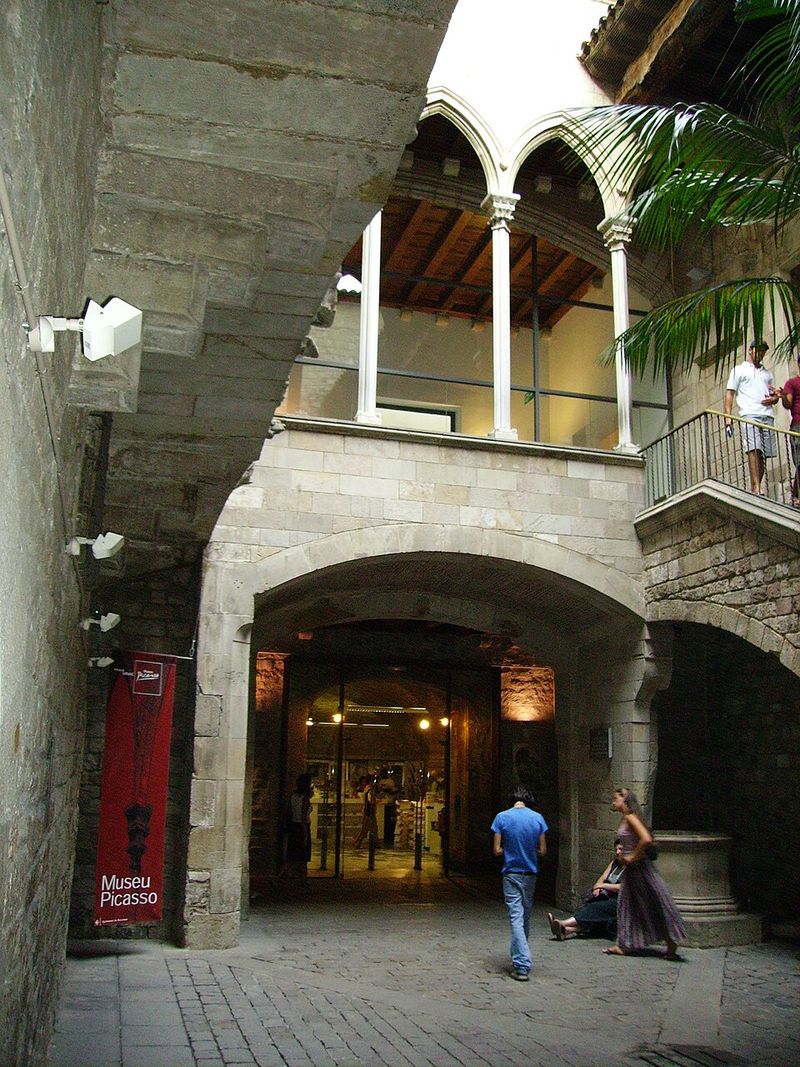
World-class culture doesn’t require emptying your wallet when you time your visits strategically. Barcelona’s museums regularly throw open their doors for free, giving budget-conscious travelers access to incredible art and history.
The Picasso Museum waives admission every Thursday evening and on the first Sunday monthly, showcasing the artist’s formative years through thousands of works. These free windows let you trace Picasso’s evolution from talented teenager to revolutionary master.
Maritime Museum in the historic Drassanes shipyards offers free Sunday afternoon entry, where you can explore Barcelona’s seafaring heritage through ship models and naval artifacts. The Gothic building itself—a medieval shipyard—qualifies as a masterpiece worth seeing.
Several other institutions follow similar patterns, including the World Cultures Museum and various district museums scattered throughout neighborhoods. Planning ahead helps you catch these opportunities, though many require advance reservations even for free entry.
Check museum websites before visiting to confirm current free-entry schedules, which can shift seasonally. With proper timing, you can fill entire days with museum-hopping without spending anything beyond metro fare, experiencing Barcelona’s rich cultural offerings that rival any European capital.
Enjoy Free Hilltop Views — Bunkers del Carmel Panorama
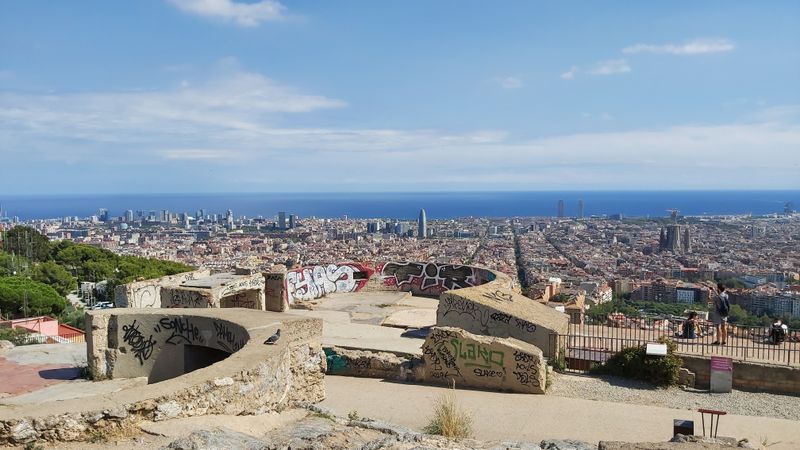
Locals know the best view in Barcelona doesn’t cost a penny. Bunkers del Carmel crowns a hillside above the El Carmel neighborhood, offering sweeping 360-degree panoramas that rival any paid observation deck.
This former anti-aircraft position from the Spanish Civil War now serves as Barcelona’s favorite sunset gathering spot. Concrete platforms that once held defensive guns now hold picnicking friends, romantic couples, and photographers chasing golden-hour magic.
The entire city spreads below like a detailed map—you can spot Sagrada Família’s spires, trace the coastline, and watch planes approach the airport in the distance. On clear days, the Mediterranean stretches to the horizon while mountains frame the inland view.
Getting here requires a steep uphill walk after taking public transport to the neighborhood below, but the effort pays off spectacularly. Bring snacks, water, and layers for cooling evening breezes that make summer sunsets comfortable.
Unlike crowded tourist viewpoints, Bunkers maintains a relaxed local vibe where people spread out across the hillside. As daylight fades and city lights begin twinkling, you’ll understand why Barcelona residents guard this free treasure as their secret escape from urban intensity.
Admire Modernist Architecture from the Street — A Self-Guided Tour
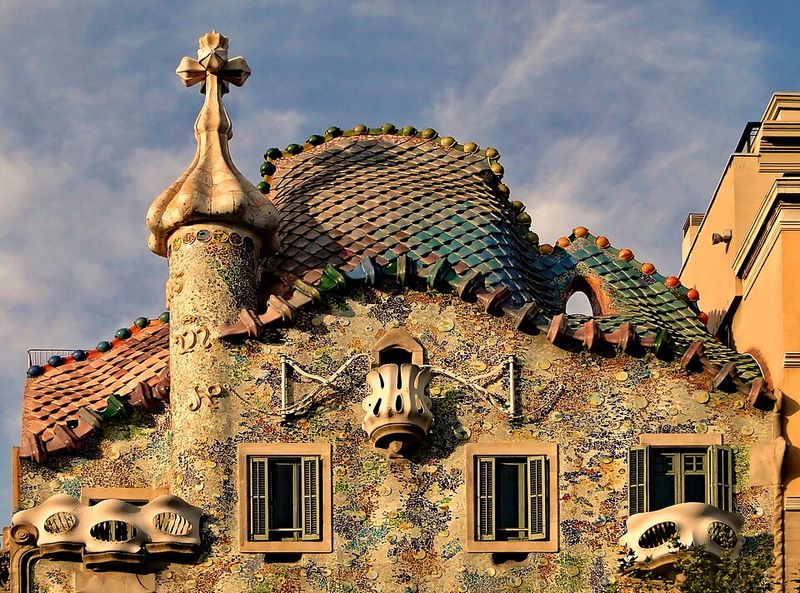
Barcelona functions as an open-air museum of Modernist architecture, where simply walking streets becomes an artistic education. You don’t need entrance tickets to appreciate the revolutionary designs that transformed the city in the early 1900s.
Casa Batlló’s dragon-scale facade ripples with color and imagination, while Casa Milà’s undulating stone exterior looks like frozen waves. Standing outside these Gaudí masterpieces lets you absorb their genius without paying admission, photographing details that influenced architecture worldwide.
Beyond the famous names, the Eixample district overflows with lesser-known Modernist gems. Casa Comalat, Casa de les Punxes, and dozens of others display the era’s characteristic curved lines, decorative tiles, and nature-inspired details.
Self-guided walking tours or architecture apps help you navigate between buildings while explaining their historical context and design innovations. Each block reveals another example of how visionary architects reimagined urban living through art.
The joy of this free exploration lies in discovering unexpected details—a dragon wrapped around a corner, stained glass catching afternoon light, or ironwork twisted into botanical shapes. Barcelona’s streets themselves tell the story of Modernisme’s creative explosion, available to anyone willing to look up from their phone.
Experience Free Festivals and Street Culture
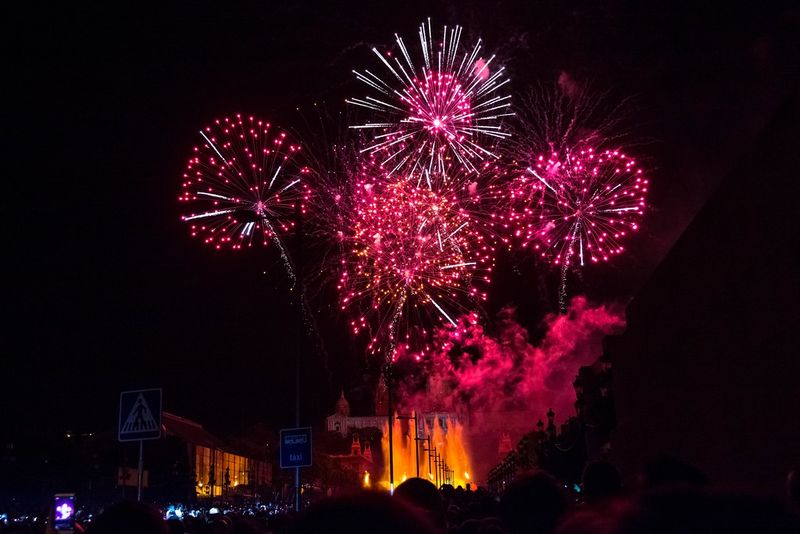
Barcelona’s cultural calendar explodes with free festivals that transform neighborhoods into massive celebrations. Local traditions and contemporary arts collide in events that welcome everyone without charging admission.
La Mercè festival in September stands as the year’s biggest free party, with concerts spanning every musical genre, traditional correfocs (fire runs) through streets, and giant puppet parades. The entire city becomes a stage for days of non-stop entertainment.
Neighborhood festivals throughout summer bring smaller but equally authentic celebrations where you’ll experience real Catalan culture. Human tower competitions, traditional dances, and outdoor concerts happen in plazas across every district.
In 2026, Barcelona Obertura Ciutat de Clàssica will offer 27 free classical concerts in historic venues, linking music with architectural heritage. Churches, courtyards, and public squares become concert halls where world-class musicians perform without tickets required.
Street culture thrives year-round in Barcelona’s public spaces. Impromptu drum circles, skateboard competitions, and art installations pop up in parks and plazas, creating spontaneous entertainment that reflects the city’s creative energy.
This constant cultural buzz means you can stumble upon memorable experiences simply by being present and open to whatever’s happening around you.
Discover Parc del Laberint d’Horta — A Historic Garden Maze
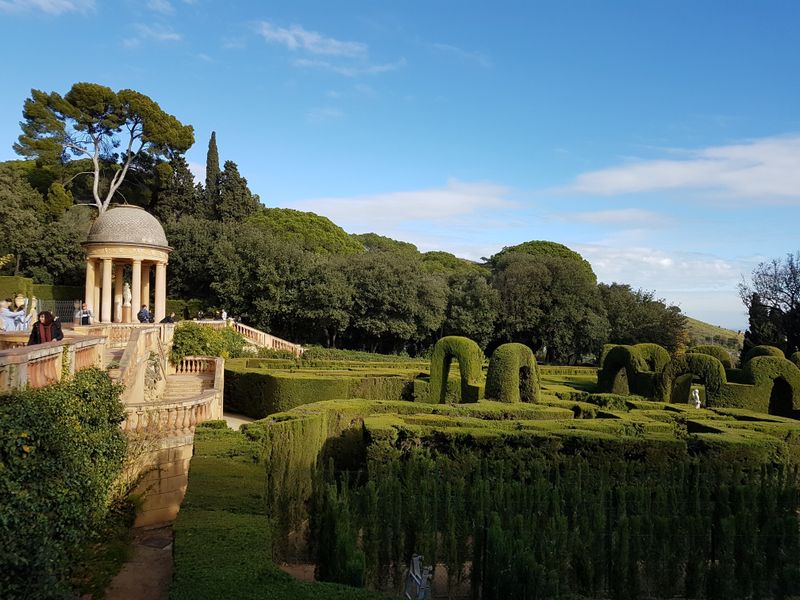
Hidden in Barcelona’s northern reaches, Parc del Laberint d’Horta offers a completely different kind of free experience. This 18th-century garden transports visitors to an era of formal landscaping and aristocratic leisure.
The park’s centerpiece hedge maze challenges visitors to find their way through precisely trimmed corridors to a central statue. Unlike the city’s bustling attractions, this labyrinth invites quiet contemplation and playful exploration.
Beyond the maze, romantic gardens unfold across terraced hillsides with classical statues, trickling fountains, and shaded walkways. The neoclassical design reflects European garden traditions rarely seen in Barcelona’s more modern parks.
Free entry applies on certain Sundays and Wednesdays—check current schedules before visiting to avoid the small admission fee charged other times. Even when there’s a charge, it’s minimal compared to other attractions.
Bring a book or picnic to enjoy in peaceful corners where few tourists venture. The park’s distance from central Barcelona means it stays relatively quiet, making it perfect for travelers seeking respite from crowded beaches and busy streets.
This hidden gem proves that Barcelona’s free offerings extend far beyond its famous landmarks.
Explore El Born Cultural & Memorial Centre — Past Meets Present
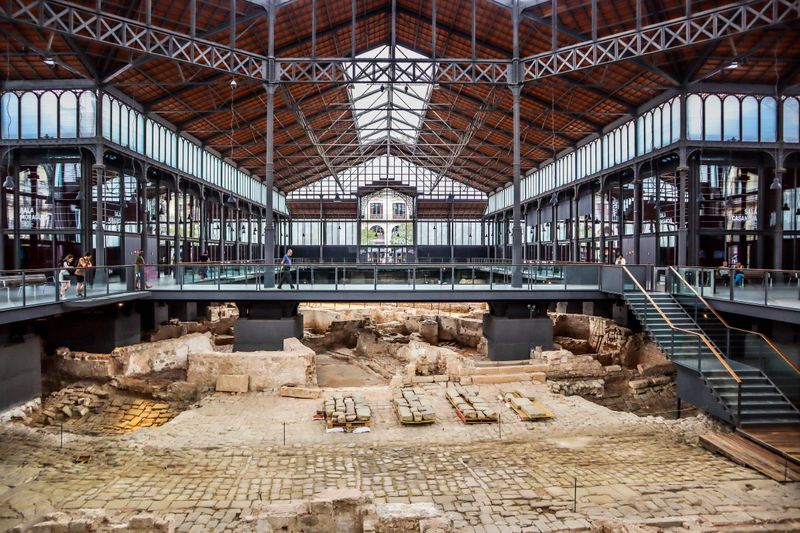
Where most cities hide their past, Barcelona puts it on display for free. El Born Cultural Centre preserves an entire 18th-century neighborhood beneath a soaring iron-and-glass market hall.
Walking the elevated platforms above excavated streets feels like peering through a window into 1714, when this neighborhood was demolished during the War of Spanish Succession. Preserved homes, shops, and streets show exactly how ordinary people lived three centuries ago.
The building itself tells two stories—the elegant 19th-century market structure above and the archaeological treasure below. This layering of history demonstrates Barcelona’s complex past, where each era builds upon or sometimes destroys what came before.
Interpretive displays explain the siege of Barcelona and its aftermath, helping visitors understand why this site matters to Catalan identity. The combination of ruins and modern exhibition space creates a powerful memorial to resilience and survival.
Unlike traditional museums with roped-off artifacts, El Born lets you stand directly above preserved streets where real families once lived. This immediacy makes history tangible and personal, offering one of Barcelona’s most meaningful free cultural experiences that connects past trauma to present pride.
Browse Markets and Street Life — Local Culture on Display
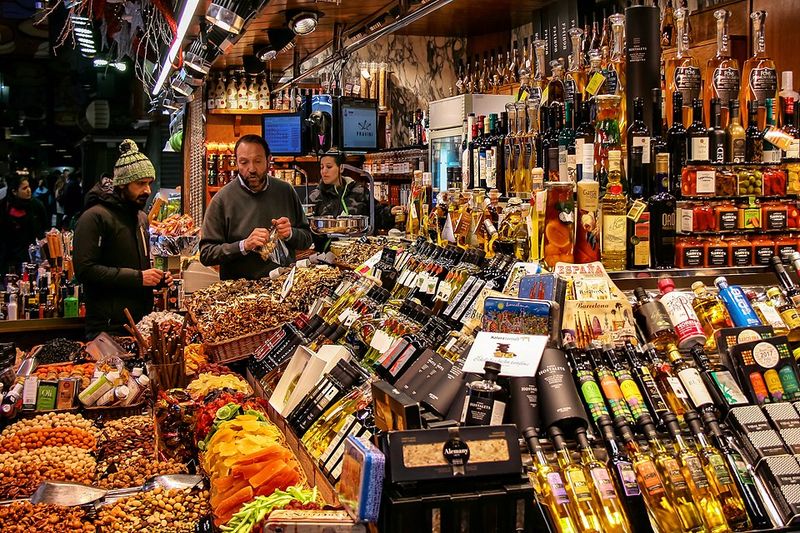
Barcelona’s markets pulse with authentic local life that no guidebook can fully capture. You don’t need to buy anything to soak up the sights, sounds, and energy of these community gathering places.
Mercat de la Boqueria explodes with color along La Rambla, where pyramids of tropical fruit, glistening seafood, and hanging cured meats create an almost overwhelming sensory experience. Watching vendors joke with regular customers reveals social rhythms that define neighborhood life.
Sant Antoni Market transforms on Sundays into a collector’s paradise where locals trade vintage books, old postcards, and comic books. The friendly haggling and passionate discussions about finds create street theater worth watching.
Beyond covered markets, public squares throughout Barcelona host impromptu gatherings where street musicians perform, artists sell handmade crafts, and neighbors catch up on gossip. Plaça del Sol in Gràcia or Plaça de Catalunya downtown showcase this spontaneous urban culture.
Simply wandering through these spaces with open eyes teaches you more about Barcelona than any museum. The way people interact, the foods they value, and the social rituals they maintain all become visible when you take time to observe without agenda or expense.
Climb Montjuïc Hill — Views, Gardens and Olympic History
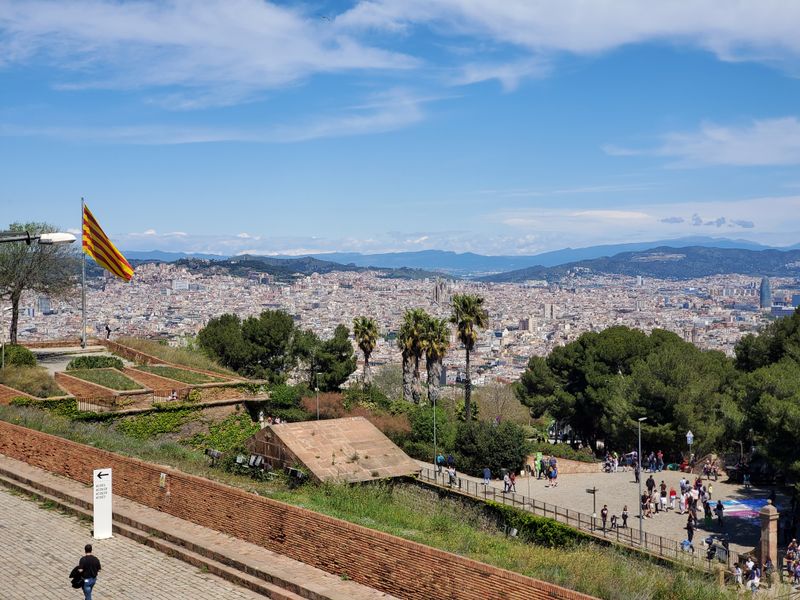
Rising above Barcelona’s southwestern edge, Montjuïc Hill offers a natural escape with cultural bonuses scattered along its slopes. While some attractions charge admission, simply hiking the hill and enjoying its views costs nothing.
Multiple paths wind upward through gardens and past monuments, each offering different perspectives on the city below. The climb rewards effort with panoramic views spanning from the port to distant mountains, with the entire urban grid spread between.
Olympic Stadium and surrounding venues from the 1992 Games dot the hillside, letting you walk through sporting history for free. The dramatic architecture and sweeping plazas remain impressive decades after the closing ceremonies.
Botanical gardens ring the hill’s edges, and while some require tickets, public paths and overlooks provide beautiful green spaces without charge. Bring water and comfortable shoes since the climb can challenge unprepared visitors.
Sunset from Montjuïc’s various viewpoints rivals the more famous Bunkers, with fewer crowds and multiple vantage points to choose from. The combination of natural beauty, historical significance, and spectacular views makes this hill one of Barcelona’s most rewarding free adventures for those willing to walk uphill.
Admire Free Artistic Spaces — Arts Santa Mònica and Public Art
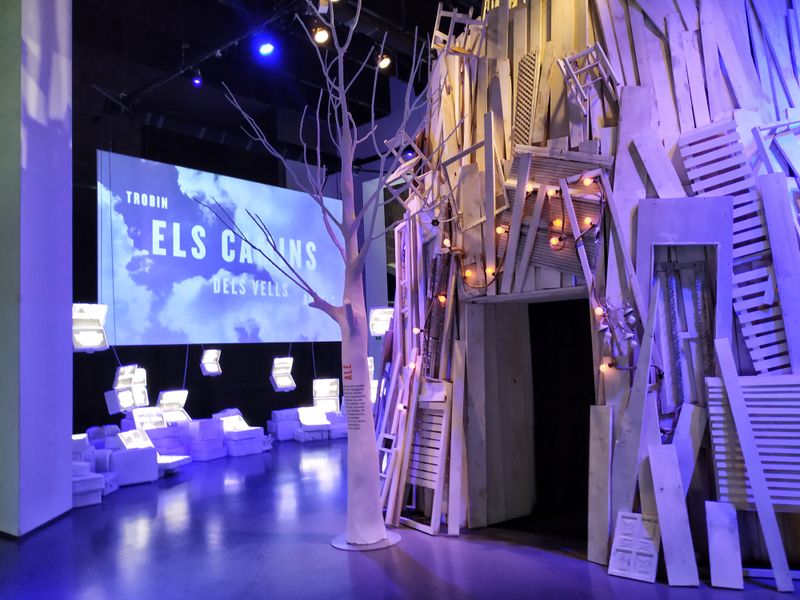
Barcelona treats art as a public right rather than a privilege, filling streets and free galleries with creative expression. You can experience cutting-edge contemporary work without spending anything beyond your time and attention.
Arts Santa Mònica occupies a converted Renaissance convent on Las Ramblas, hosting rotating contemporary art exhibitions that are always free. The space itself—with vaulted ceilings and historic architecture—provides dramatic contrast to modern installations inside.
Outside these formal spaces, Barcelona’s streets function as an ever-changing outdoor gallery. El Raval’s alleys showcase massive murals by internationally recognized street artists, while Poblenou’s industrial buildings wear colorful graffiti that ranges from tags to elaborate scenes.
Public sculptures dot parks and plazas throughout the city, from abstract modern pieces to traditional monuments celebrating Catalan culture. Finding them becomes a treasure hunt that takes you beyond typical tourist routes.
The city’s commitment to accessible art means you’re never far from creative inspiration. Whether you’re studying a thought-provoking installation in Arts Santa Mònica or photographing street art in forgotten corners, Barcelona proves that great art doesn’t require gallery admission fees or museum tickets to move and inspire viewers.
Sunset Views From Mirador de Colom and Waterfront Walks
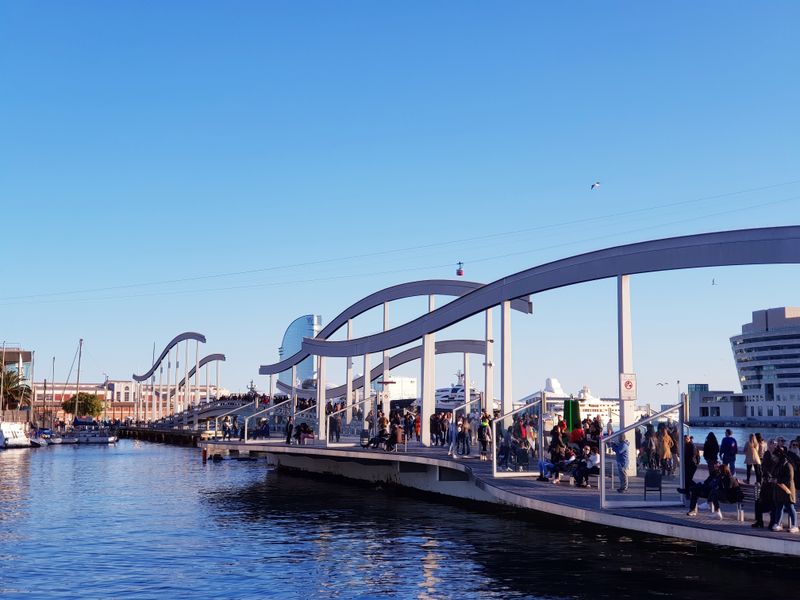
Barcelona’s waterfront transforms into pure magic as daylight fades, and experiencing it costs absolutely nothing. While climbing the Columbus Monument requires a ticket, the surrounding Port Vell area offers equally stunning views for free.
The boardwalk stretching along the harbor invites leisurely evening strolls where you can watch sailboats rock gently in their slips. Street musicians often set up along the promenade, their melodies mixing with sea breezes and distant boat horns.
As the sun drops toward the horizon, the sky ignites in oranges and purples that reflect off calm harbor waters. Locals and visitors alike pause along the railing to capture photos or simply absorb the peaceful moment between day and night.
The waterfront connects seamlessly to nearby beaches, creating a continuous coastal path perfect for sunset walks. Public sculptures and casual plazas dot the route, offering spots to rest while watching the light show overhead.
This maritime atmosphere showcases Barcelona’s deep connection to the Mediterranean, reminding visitors why this city has always looked toward the sea. Ending your day here—with cooling breezes, colorful skies, and the gentle sound of water—provides a perfect free finale to Barcelona adventures.



