 Unearth The Voyage
Fame, fortune, and athletic talent are not always enough to keep someone on the right path. Some of the most celebrated sports stars in history have thrown it all away by making choices that led to serious criminal charges.
From murder convictions to illegal weapons possession, these athletes turned their greatest achievements into distant memories. Their stories serve as powerful reminders that no amount of success protects a person from the consequences of their actions.
1. Aaron Hernandez
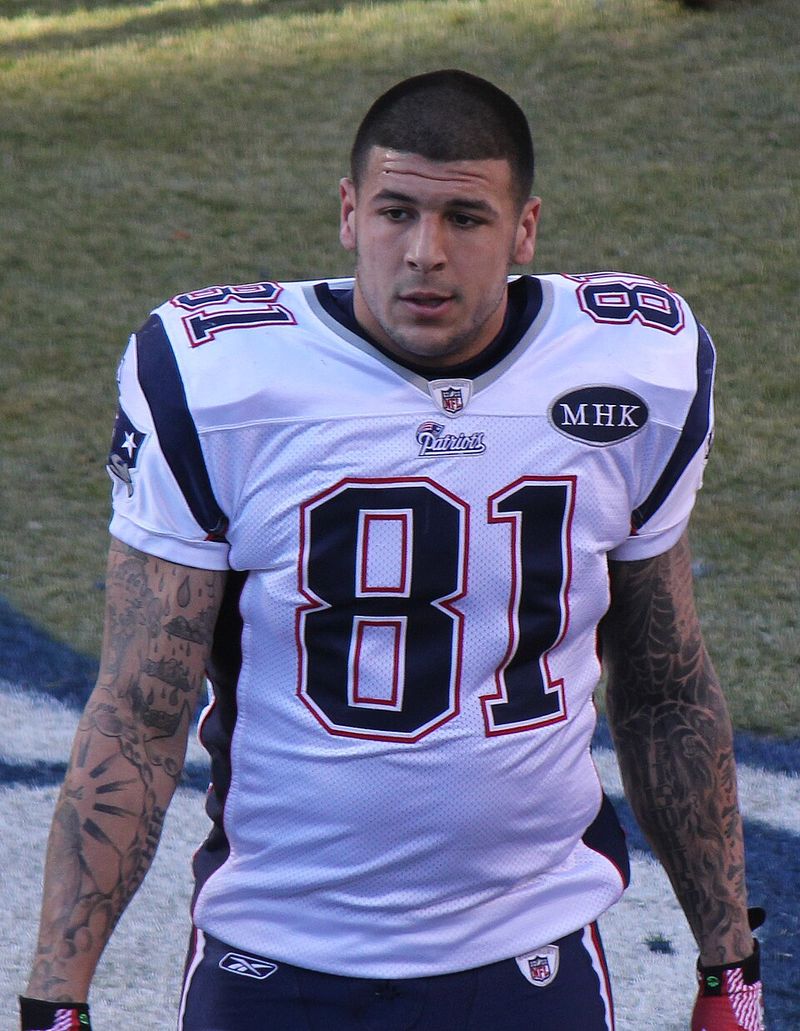
Aaron Hernandez had everything a young athlete could dream of. He signed a $40 million contract extension with the New England Patriots and was considered one of the best tight ends in the NFL.
Then, in 2013, his world collapsed when he was arrested for the murder of his friend Odin Lloyd.
Hernandez was convicted in 2015 and sentenced to life in prison without the possibility of parole. The Patriots immediately released him the day he was arrested, erasing his professional legacy almost overnight.
He was just 23 years old when the charges were filed.
In April 2017, Hernandez was found dead in his prison cell in what officials ruled a suicide. He was only 27.
His story remains one of the most tragic falls from grace in NFL history, a reminder that poor choices can destroy a brilliant future in an instant.
2. Oscar Pistorius

Oscar Pistorius was celebrated around the world as the Blade Runner, a double amputee who competed against able-bodied athletes at the 2012 Olympics. His story inspired millions.
Then, on Valentine’s Day 2013, he shot and killed his girlfriend Reeva Steenkamp through a locked bathroom door at his home in Pretoria, South Africa.
Pistorius claimed he mistook her for an intruder, but prosecutors argued otherwise. After years of legal battles and appeals, he was ultimately convicted of murder and sentenced to more than 13 years in prison.
The case drew global attention and sparked serious conversations about domestic violence and celebrity privilege in the justice system.
He was released on parole in January 2024 after serving roughly half his sentence. His athletic career is permanently over, and his name is now linked more to tragedy than triumph.
The contrast between his rise and fall could not be more stark.
3. O.J. Simpson
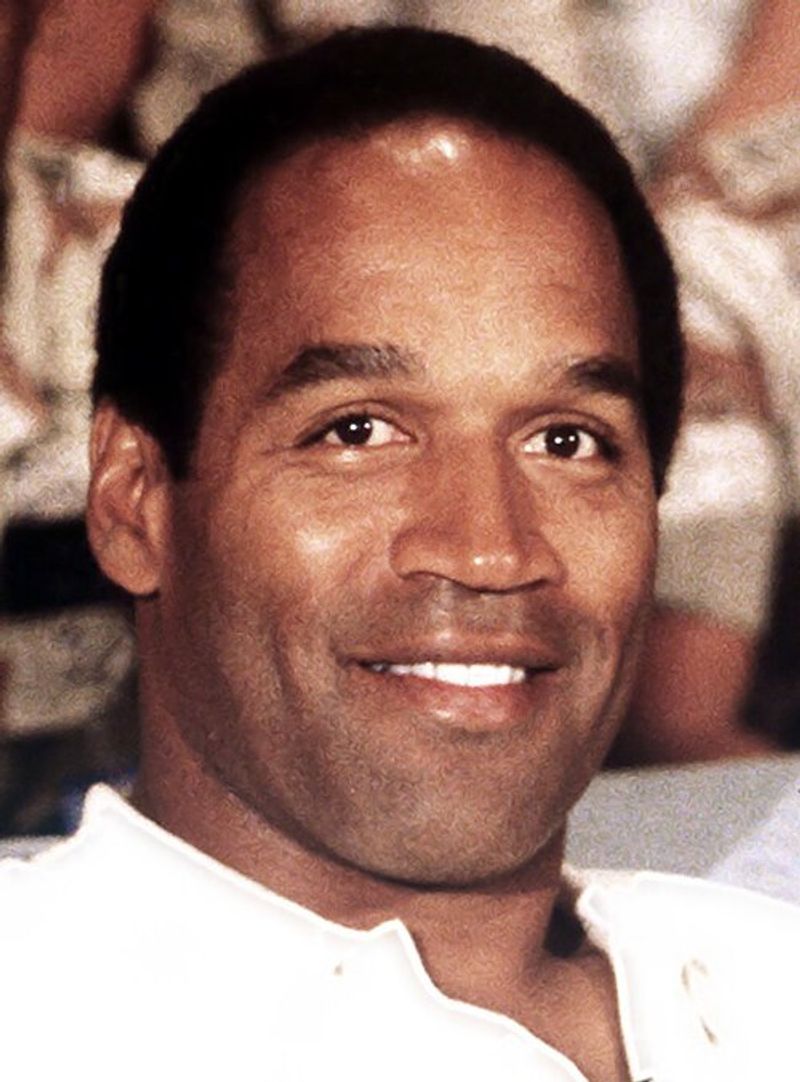
O.J. Simpson was one of the greatest running backs in NFL history, a Heisman Trophy winner who rushed for over 11,000 career yards.
He became even more famous in 1995 when he was acquitted in the highly publicized murder trial of his ex-wife Nicole Brown Simpson and her friend Ron Goldman. The verdict divided the entire country.
Many believed justice was not served that day. Then, in 2007, Simpson led a group of men into a Las Vegas hotel room to retrieve sports memorabilia at gunpoint.
He was arrested, tried, and convicted of armed robbery and kidnapping in 2008, sentenced to 33 years in prison.
He was granted parole in 2017 and released. Simpson passed away in April 2024 from cancer.
His life story is a complicated mix of athletic greatness, legal controversy, and lasting public debate about race, justice, and celebrity in America.
4. Michael Vick
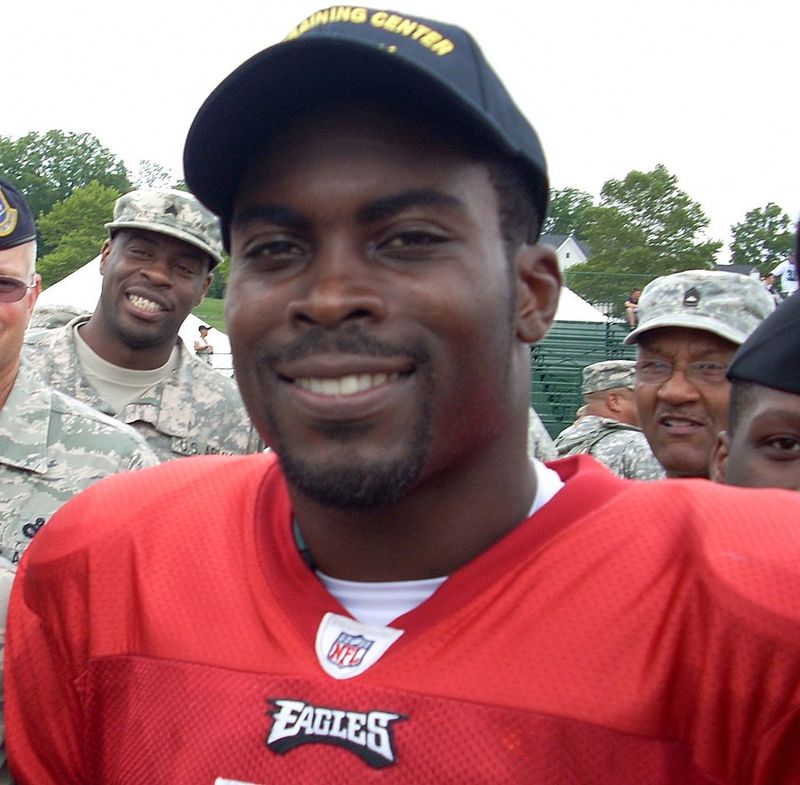
At his peak, Michael Vick was considered the most electrifying quarterback in the NFL. His speed and arm strength made him nearly impossible to defend.
But behind the highlight reels, Vick was running a brutal dogfighting operation called Bad Newz Kennels on his Virginia property.
In 2007, a federal investigation uncovered the operation. Dogs were trained to fight, and those that lost or performed poorly were killed in cruel ways.
Vick initially denied involvement but eventually pleaded guilty to federal conspiracy charges. He served 21 months in federal prison and was released in 2009.
After his release, Vick made a remarkable comeback with the Philadelphia Eagles and later advocated for animal welfare organizations. His career resumed, but the reputation damage was permanent for many fans.
His story is one of the most debated redemption arcs in professional sports, raising questions about accountability, forgiveness, and second chances.
5. Tonya Harding

Tonya Harding was a groundbreaking figure skater, the first American woman to land a triple Axel in competition. She was fierce, talented, and hungry for gold.
But the 1994 Winter Olympics became the stage for one of the most bizarre scandals in sports history when her rival Nancy Kerrigan was attacked with a baton by a hired man.
Investigations revealed that Harding’s ex-husband Jeff Gillooly had arranged the attack, and that Harding had some knowledge of the plan. She pleaded guilty to hindering the prosecution and was fined, sentenced to probation, and banned for life from competitive figure skating by the U.S.
Figure Skating Association.
Harding never competed at the elite level again. She later pursued boxing and became a pop culture figure, especially after the 2017 film I, Tonya brought renewed attention to her story.
Her career ended not with a medal but with a scandal the world never forgot.
6. Darren Sharper
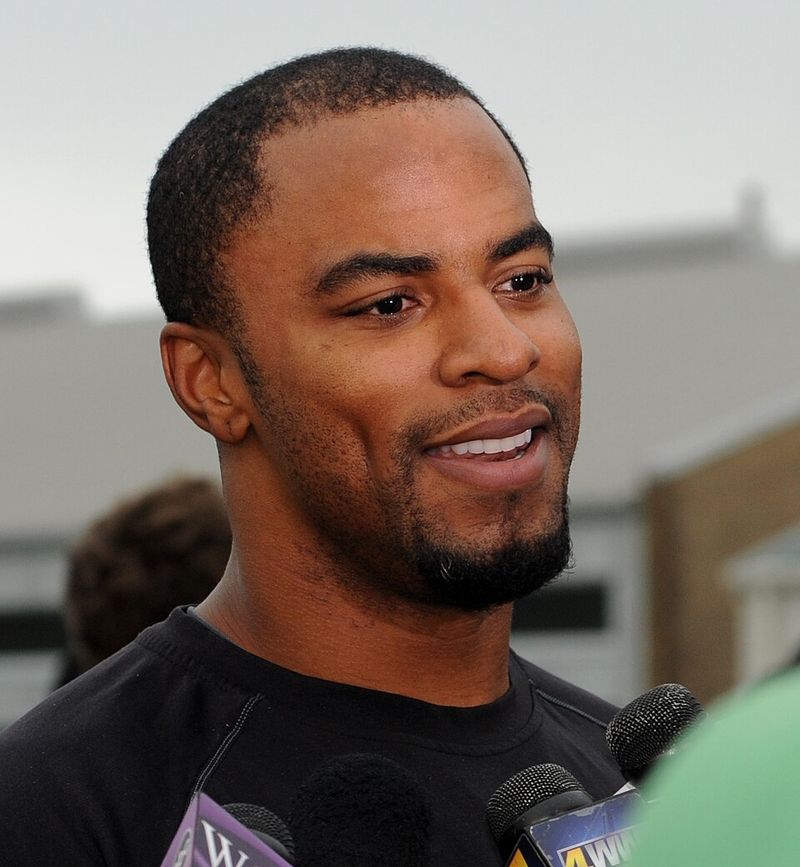
Darren Sharper was a five-time Pro Bowl safety who played for several NFL teams, including the Green Bay Packers and New Orleans Saints. After retiring from football, he worked as a TV analyst for NFL Network.
He appeared polished, professional, and well-respected across the sports media world.
The truth came out in 2014 when Sharper was arrested on rape charges in multiple states. Investigators found that he had drugged and sexually assaulted women in Louisiana, California, Arizona, Nevada, and Ohio.
The scale of his crimes was alarming, spanning years and multiple victims who had no connection to one another.
In 2016, Sharper was sentenced to 18 years in federal prison after pleading guilty to numerous charges. The case highlighted how predators can use fame and charm to gain trust before causing serious harm.
His NFL legacy was immediately erased, replaced by the gravity of his crimes.
7. Lawrence Phillips
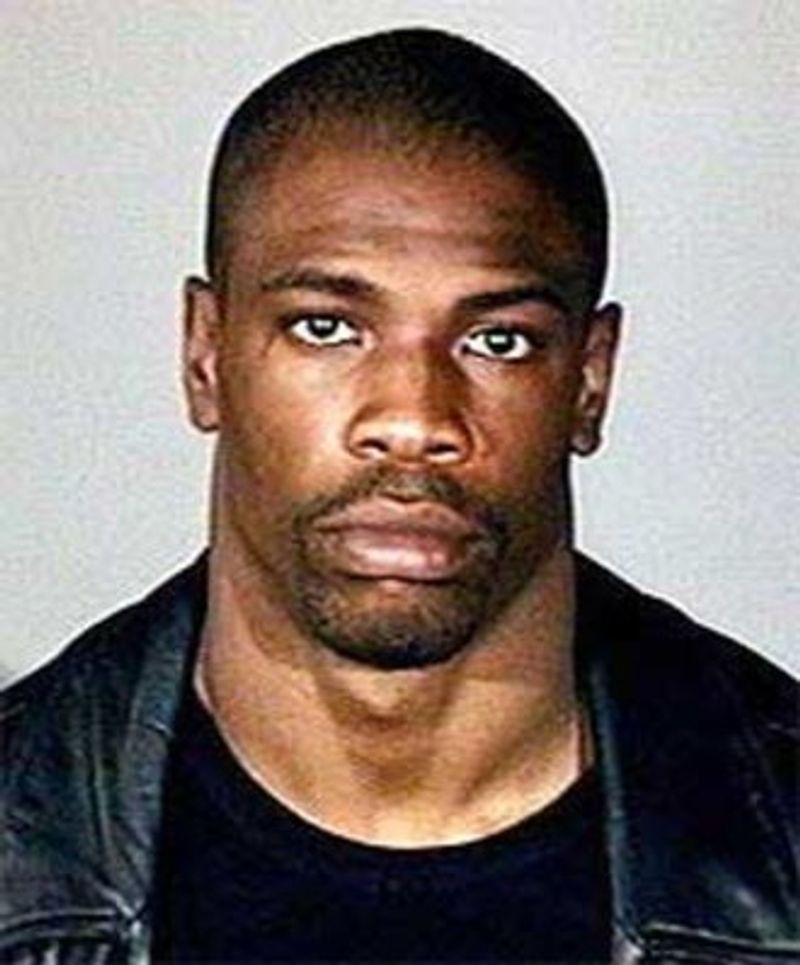
Lawrence Phillips was a highly recruited college running back at Nebraska who was expected to become an NFL star. The St. Louis Rams selected him sixth overall in the 1996 NFL Draft.
From the very beginning, however, his off-field behavior overshadowed his talent. He had already faced assault charges before he was even drafted.
Throughout his NFL career, Phillips accumulated a long list of violent incidents, including assaulting a woman, a vehicle attack on teenagers, and multiple other charges. Team after team gave him chances, but none could manage his behavior.
He was eventually cut from every roster he joined.
Phillips was sentenced to 31 years in prison in 2009 after being convicted of assaulting his girlfriend and attacking three teenagers with a car. He died in prison in 2016 under circumstances that were ruled a suicide.
His life story is a tragic cycle of unchecked violence and wasted potential that no one could stop.
8. Plaxico Burress
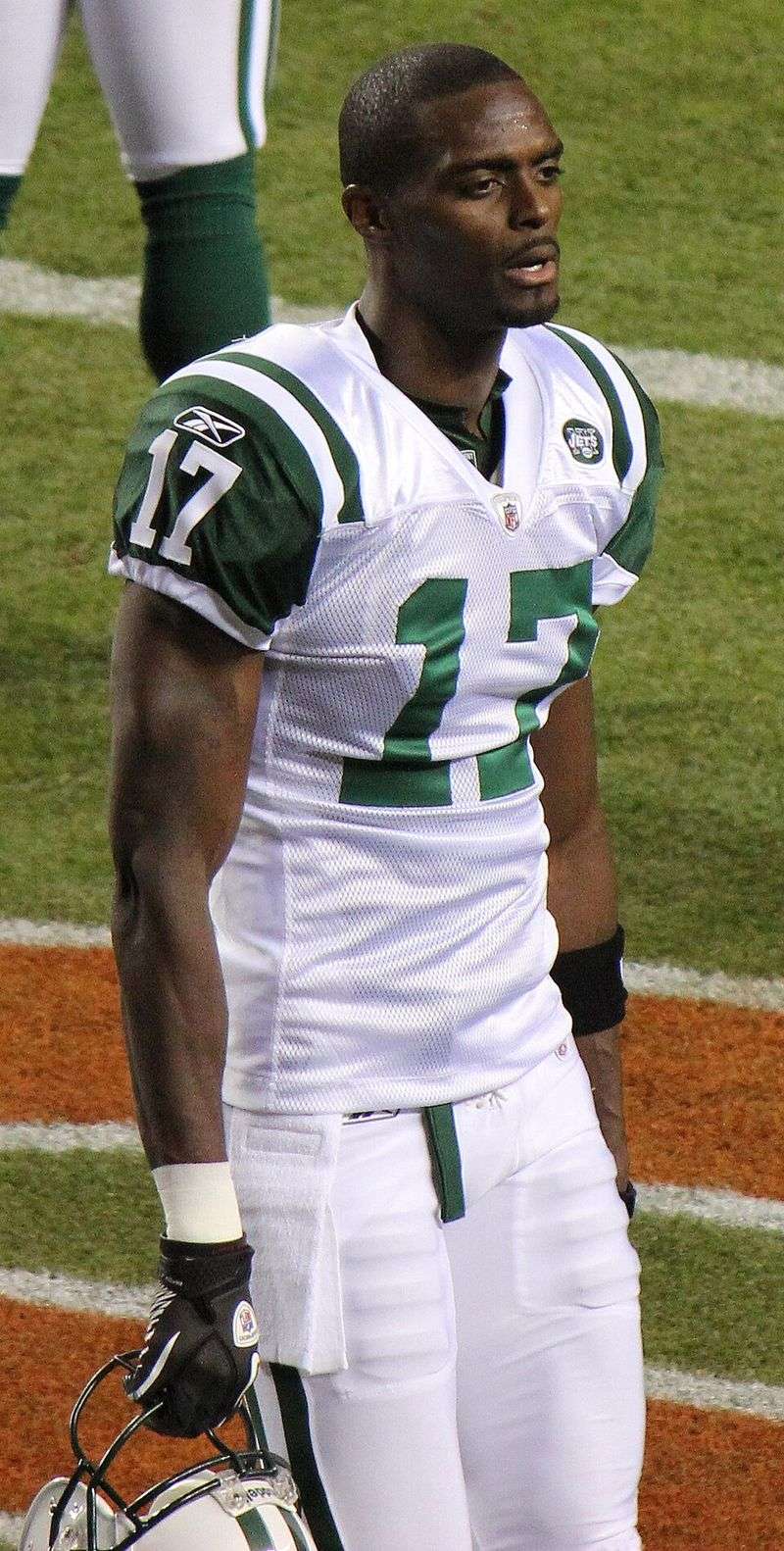
Plaxico Burress was fresh off winning Super Bowl XLII with the New York Giants when his career took an unexpected and self-inflicted turn. In November 2008, Burress accidentally shot himself in the leg at a New York City nightclub while carrying an unlicensed handgun.
The injury was not life-threatening, but the legal consequences were severe.
Burress was charged with illegal weapons possession and pleaded guilty in 2009. He was sentenced to two years in prison, which he served at Rikers Island.
The Giants released him immediately, and his momentum as one of the league’s top receivers came to a sudden halt.
He returned to the NFL in 2011 with the New York Jets and later the Pittsburgh Steelers, but he never recaptured his previous form. Burress has since spoken openly about the mistake, acknowledging that carrying an illegal weapon was reckless and irresponsible.
His story is a cautionary tale about poor judgment derailing a promising career.



