History is full of bold adventurers who set out to conquer the unknown, only to face conditions far worse than anyone anticipated. From frozen Arctic seas to uncharted rainforests, these expeditions pushed human endurance to its absolute limits. Some ended in mystery, others in heartbreaking near-misses, and a few became defining moments that changed how the world understood exploration. The stories behind these journeys reveal just how thin the line can be between triumph and catastrophe, and why they still capture our imagination today.
1. Franklin Expedition, Canadian Arctic, Nunavut, Canada
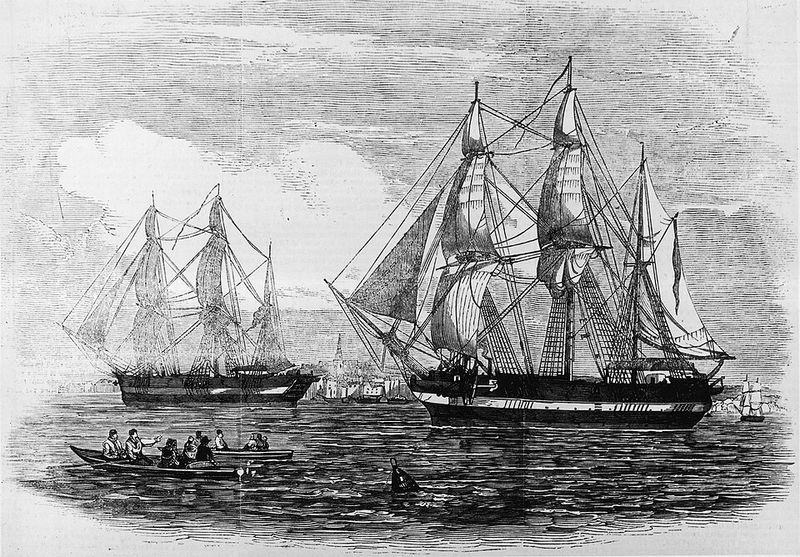
Two ships, 129 men, and a route no one had fully charted: the Franklin Expedition of 1845 set off with serious ambitions and almost no margin for error.
Sir John Franklin commanded HMS Erebus and HMS Terror into the Canadian Arctic searching for the Northwest Passage, a sea route connecting the Atlantic and Pacific Oceans through the frozen north.
Both vessels became locked in ice near King William Island. Franklin died in June 1847, and the remaining crew abandoned the ships in April 1848, attempting to walk to safety across the barren landscape.
Forensic studies of recovered remains revealed evidence of scurvy, starvation, and lead poisoning, possibly from poorly sealed food tins. No survivors were ever found.
The wrecks of Erebus and Terror were not located until 2014 and 2016 respectively, resting on the seafloor in Nunavut. Their discovery answered some questions but left many others permanently unresolved.
2. Donner Party Expedition, Sierra Nevada, California, United States
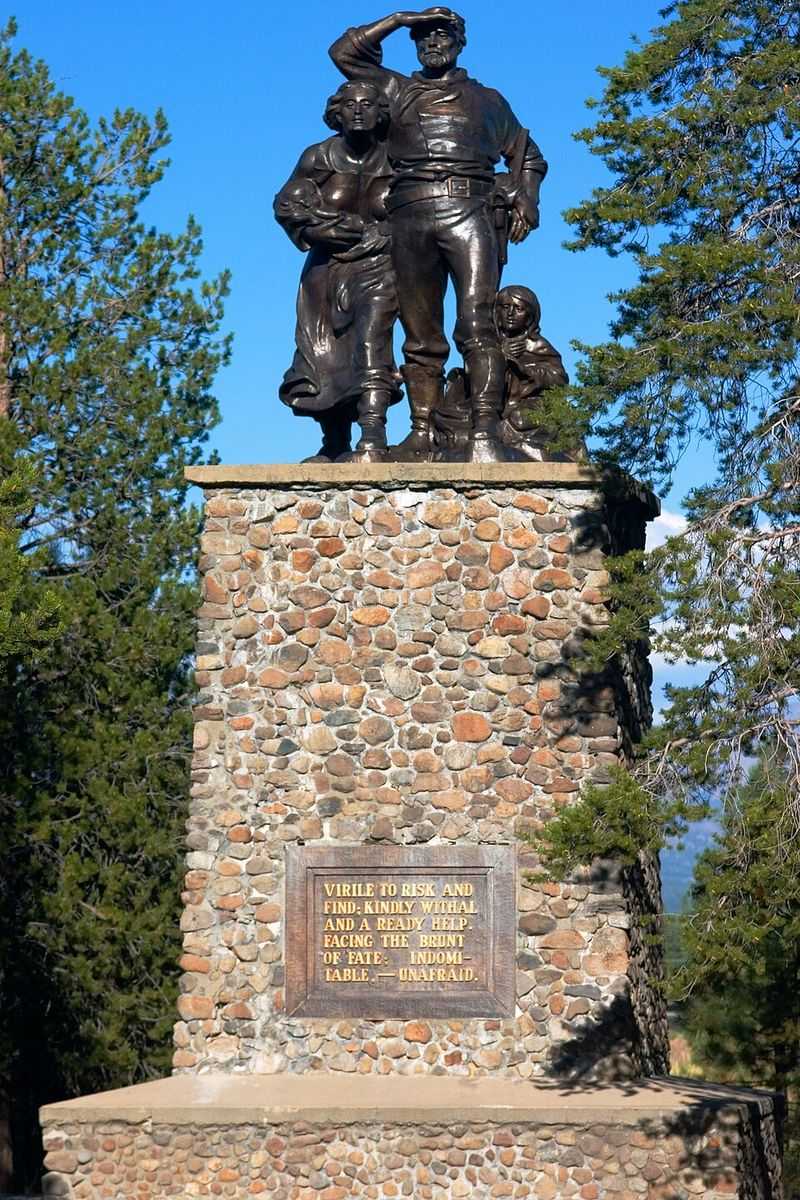
Few stories from the American westward migration are as widely studied or as grim as what happened to the Donner Party in the winter of 1846 to 1847.
A group of 87 emigrants left for California expecting a faster route using the Hastings Cutoff, an untested shortcut that cost them weeks of critical travel time.
By October, they were trapped near present-day Donner Lake in the Sierra Nevada, buried under heavy early snowfall with dwindling food supplies.
The group spent months stranded. A desperate subgroup known as the Forlorn Hope attempted to cross the mountains on foot to find rescue, enduring frostbite and starvation along the way.
Of the original 87 members, only 48 survived. The expedition became a landmark cautionary story about the dangers of poor planning and overconfidence on the American frontier, and it remains one of the most documented overland disasters in United States history.
3. Terra Nova Expedition, Ross Ice Shelf, Antarctica
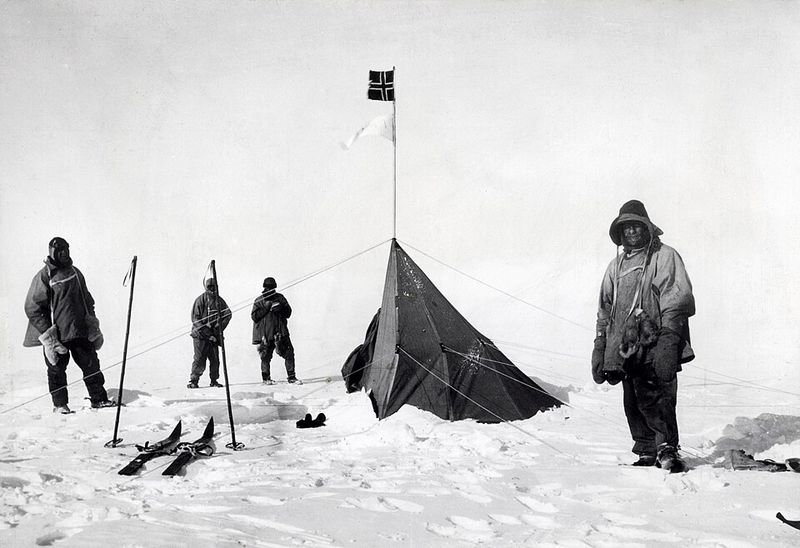
Captain Robert Falcon Scott reached the South Pole on January 17, 1912, only to find a Norwegian flag already planted there by Roald Amundsen’s team, who had arrived 34 days earlier.
Scott had launched the Terra Nova Expedition in 1910 from Britain with two goals: scientific research and being the first to reach the pole. The scientific work was completed, but the race was already lost before he knew it.
The return journey from the pole became a battle against extreme cold, exhaustion, and dwindling rations. Edgar Evans collapsed and died first. Lawrence Oates, aware he was slowing the group, walked out into a blizzard and never returned.
Scott and his two remaining companions, Edward Wilson and Henry Bowers, died in their tent just 11 miles from a supply depot.
Their journals and letters were recovered eight months later, giving the world a detailed and moving account of their final weeks on the ice.
4. Burke and Wills Expedition, Cooper Creek, Queensland, Australia
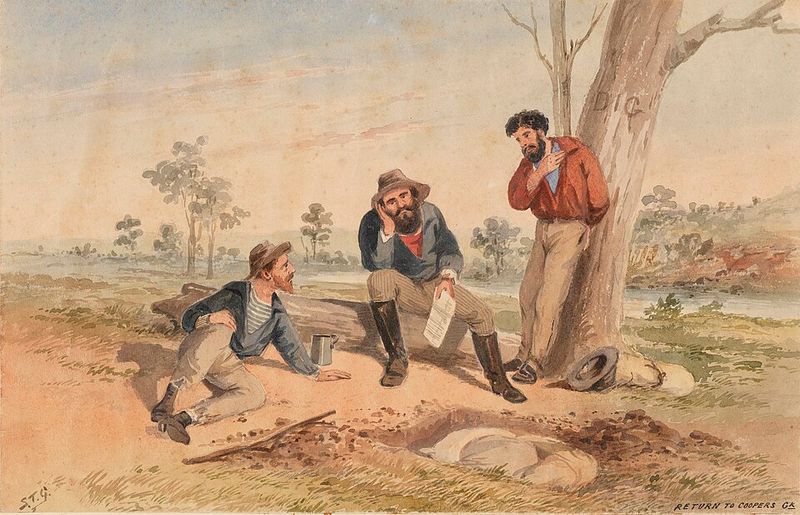
Australia’s interior had barely been mapped when Robert O’Hara Burke and William John Wills set out from Melbourne in August 1860 with the goal of crossing the continent from south to north.
The expedition was large, well-funded, and backed by public enthusiasm. It was also plagued by poor decisions almost from the start, including rapid turnover of leadership and failure to use local Indigenous knowledge of the land.
Burke pushed ahead with a small party to reach the Gulf of Carpentaria, which they did, but the return south became a race against starvation.
They arrived back at their base camp at Cooper Creek just hours after the support party had left, missing rescue by a matter of hours. Burke, Wills, and Charles Gray died near the creek. Only John King survived, kept alive by local Aboriginal people.
The expedition became a symbol of what happens when ambition outpaces preparation, and it prompted major reforms in how Australia organized future exploration efforts.
5. Greely Expedition, Ellesmere Island, Nunavut, Canada
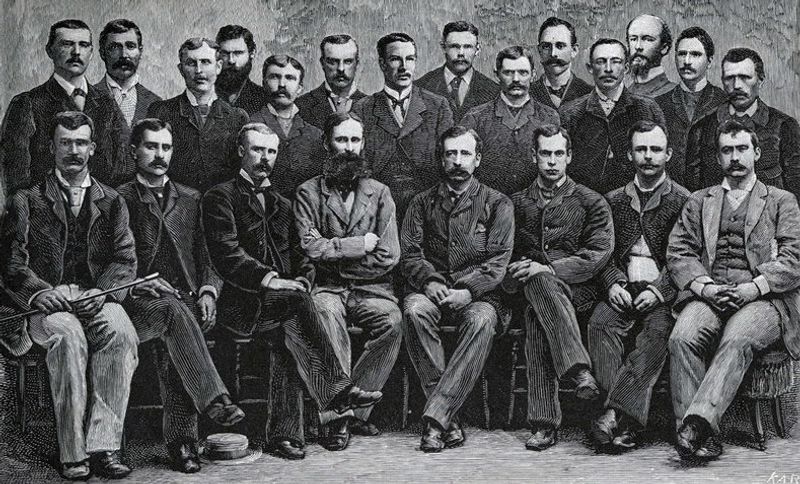
When the United States sent Lieutenant Adolphus Greely north in 1881 as part of the First International Polar Year, the mission was primarily scientific: establish a meteorological station at Lady Franklin Bay on Ellesmere Island.
The research went well. Greely’s team set a new farthest-north record and collected valuable Arctic data. The problems began when the supply ships failed to reach them for two consecutive summers.
Stranded without adequate food, the 25-man party attempted a retreat southward in 1883, eventually taking shelter at Cape Sabine. Starvation set in during the long winter that followed.
One man was executed on Greely’s direct order for repeatedly stealing food from the group’s already-exhausted supplies. Others died from illness and exposure.
When a rescue ship finally arrived in June 1884, only six of the original 25 men were still alive. Greely himself survived and later received the Medal of Honor, though the expedition’s human cost remained deeply sobering for the U.S. military.
6. Imperial Trans-Antarctic Expedition, Weddell Sea, Antarctica
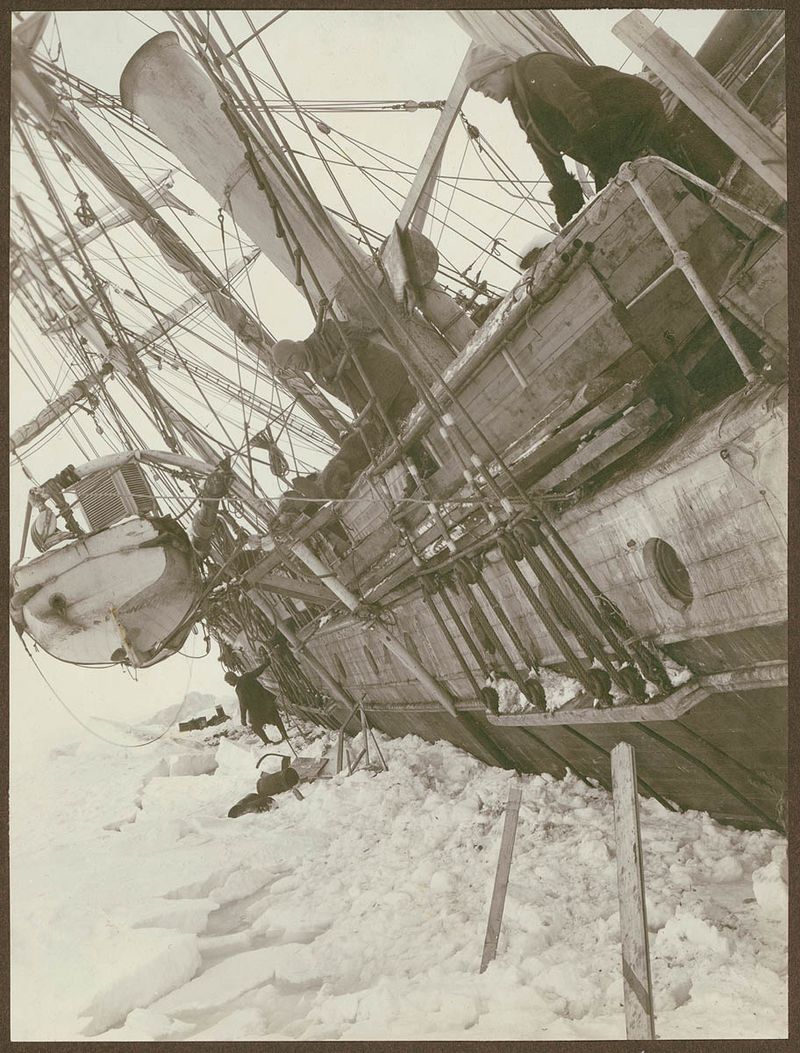
Ernest Shackleton’s 1914 expedition had one of the most audacious goals in exploration history: walk across the entire continent of Antarctica from sea to sea, covering roughly 1,800 miles on foot.
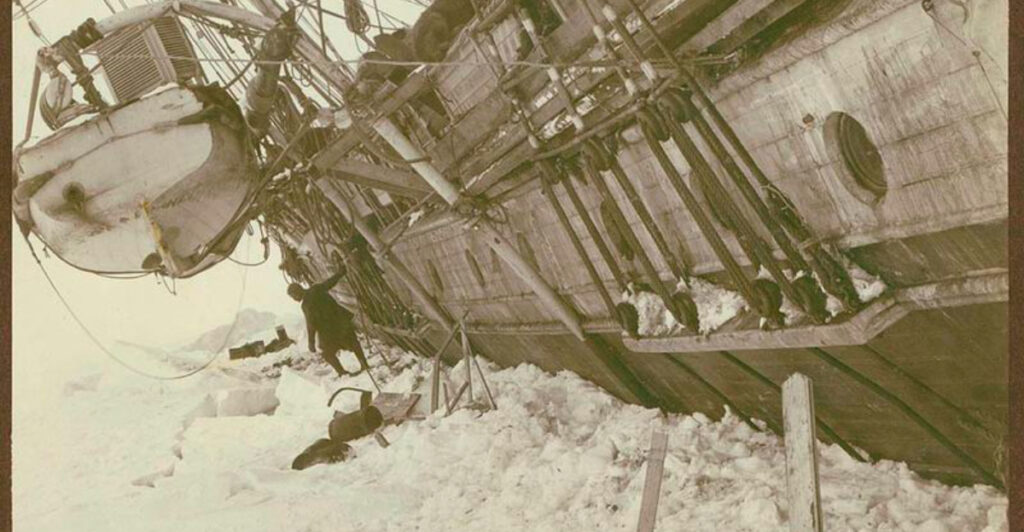
The plan fell apart before a single mile was walked on land. His ship, Endurance, became trapped in pack ice in the Weddell Sea in January 1915 and drifted for ten months before being crushed and sunk in November of that year.
What followed was a survival effort that lasted nearly two years. Shackleton and his 27 men camped on drifting ice, then sailed to the desolate Elephant Island in lifeboats.
Shackleton then took five men on an 800-mile open-boat crossing to South Georgia Island to organize a rescue. All 28 men from the Endurance were eventually saved in August 1916.
Three members of the separate Ross Sea support party died, meaning the expedition was far from a clean survival story, but Shackleton’s leadership under pressure remains one of the most studied in history.
7. Dyatlov Pass Expedition, Northern Ural Mountains, Russia
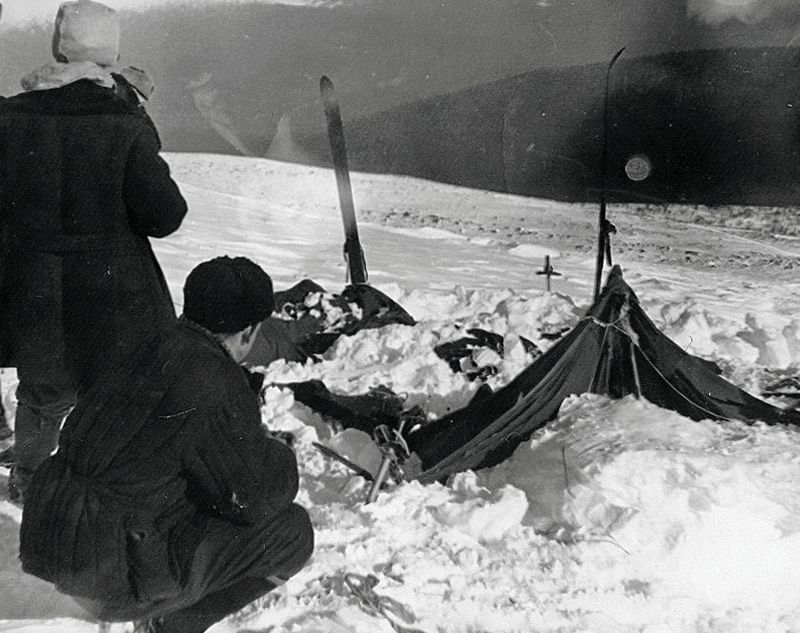
Nine experienced Soviet hikers set out in January 1959 to trek across the northern Ural Mountains, and none of them came back alive. What makes the Dyatlov Pass incident so enduringly strange is not just that they died, but how.
The group, led by 23-year-old Igor Dyatlov, were all students or graduates of the Ural Polytechnical Institute. They had completed difficult treks before and were considered highly capable.
Searchers found their tent on February 26, cut open from the inside, with personal belongings still inside. The nine had fled into freezing temperatures without proper clothing.
Six died from hypothermia. Three had severe physical injuries, including fractured skulls and broken ribs, consistent with extreme force rather than a simple fall. Two bodies showed traces of radiation. One had a missing tongue.
Russian authorities concluded in 2020 that an avalanche triggered the initial panic, but many researchers remain unconvinced. The Dyatlov Pass incident has generated more competing theories than almost any other expedition disaster on record.
8. La Pérouse Expedition, Vanikoro, Solomon Islands
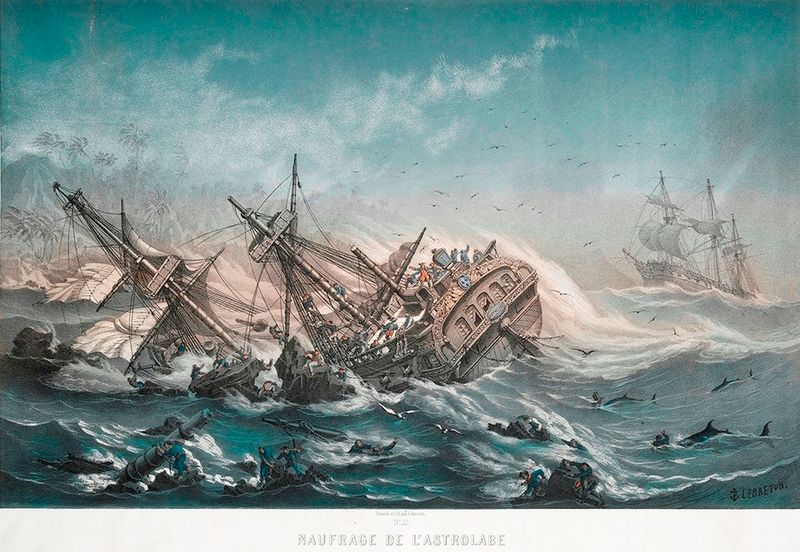
France sent Jean-François de Galaup, comte de La Pérouse, on one of the most ambitious scientific voyages of the 18th century in August 1785, with two ships and a mandate to explore the Pacific, Atlantic, and Arctic.
For several years, the expedition performed impressively. La Pérouse mapped coastlines, collected scientific data, and sent regular dispatches back to Paris. Then, in March 1788, both ships left Botany Bay, Australia, and were never heard from again.
The disappearance prompted one of France’s earliest large-scale search operations. The mystery lasted decades until 1826, when Irish captain Peter Dillon found artifacts from the ships near Vanikoro in the Solomon Islands.
Later investigations confirmed that both vessels had wrecked in a storm near the island. Some crew members likely survived the initial wreck but were never rescued.
La Pérouse’s expedition had already contributed enormous scientific value before its end, but the unexplained disappearance overshadowed everything and turned the voyage into one of maritime history’s most haunting unfinished stories.
9. Fawcett Expedition, Mato Grosso, Brazil
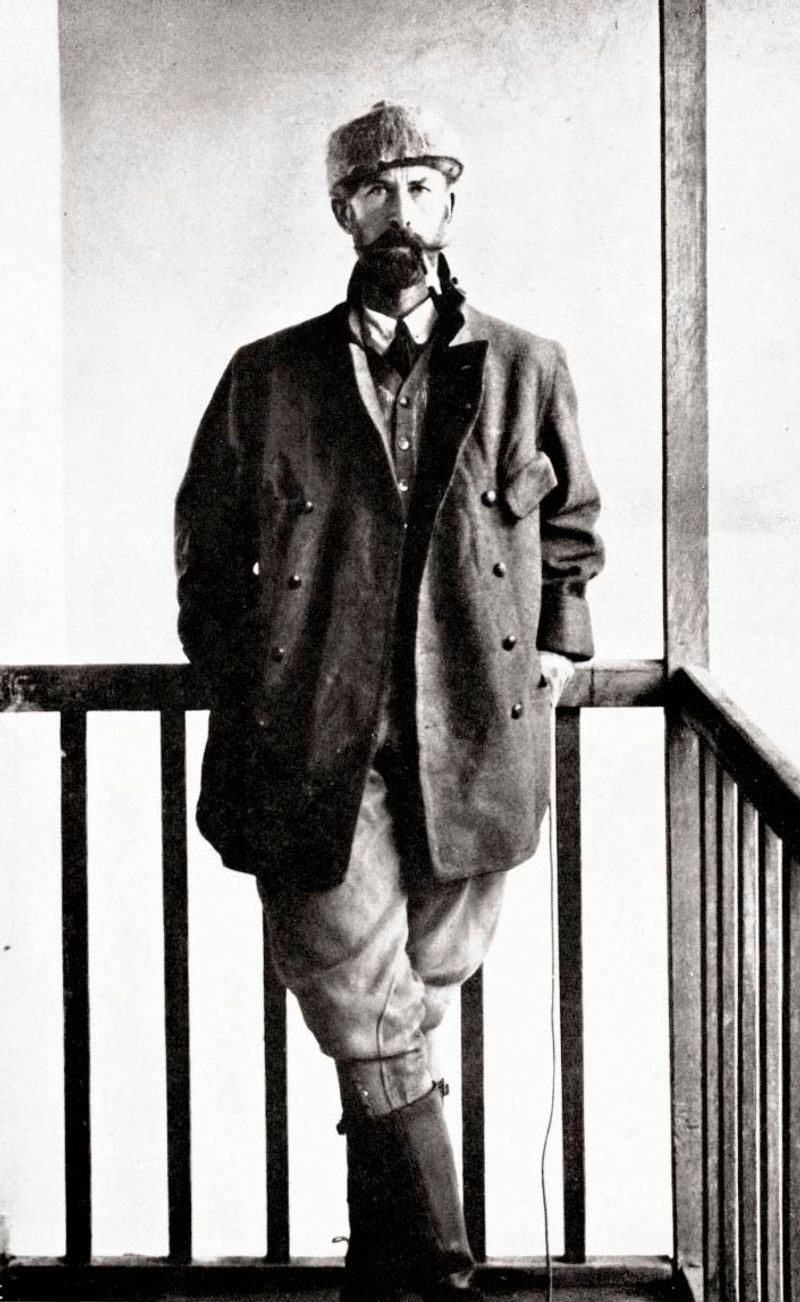
Percy Fawcett was a decorated British explorer and former military officer who had spent years mapping South America’s borders for the Royal Geographical Society. By 1925, he was convinced that a sophisticated lost civilization existed deep in the Amazon, and he called it simply “Z.”
In April 1925, Fawcett set out into the Mato Grosso region of Brazil with his son Jack and Jack’s friend Raleigh Rimell. Their last communication came in late May, from a camp they called Dead Horse Camp.
After that, silence. No confirmed trace of the three men was ever found despite numerous search attempts, several of which ended badly for the searchers themselves.
Over the decades, various expeditions claimed to have found evidence of Fawcett’s fate, but none produced definitive proof. Some Indigenous communities reported encounters with outsiders around that time, but accounts varied widely.
Fawcett’s disappearance inspired decades of Amazon exploration and remains one of the great unsolved mysteries of 20th-century adventure, later popularized by David Grann’s 2009 book, The Lost City of Z.
10. Jeannette Expedition, Arctic Ocean
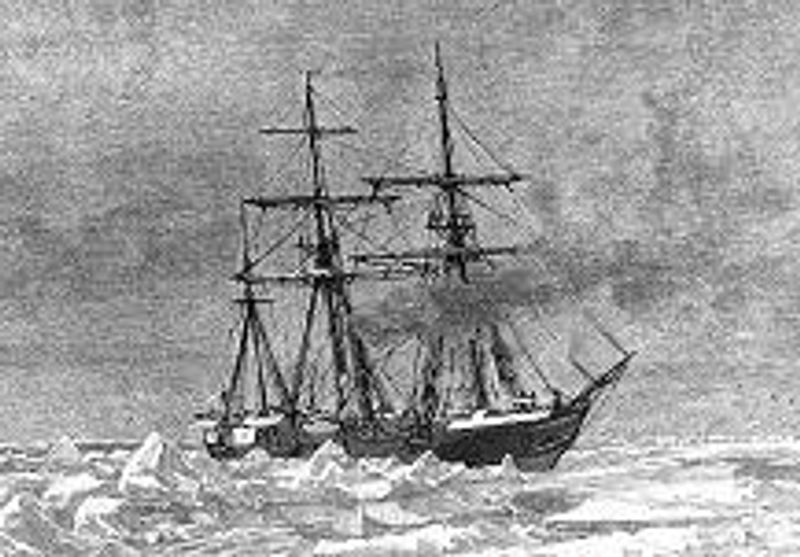
The USS Jeannette left San Francisco in July 1879 carrying high hopes and a crew of 33, aiming to reach the North Pole by sailing through the Bering Strait and pushing north through open water that some theorists believed existed near the pole.
Those theorists were wrong. The Jeannette became trapped in Arctic ice just north of Wrangel Island in September 1879 and drifted helplessly westward for nearly two years.
On June 12, 1881, the ship was finally crushed by the ice and sank, leaving the crew to haul three small boats across the frozen surface toward the New Siberian Islands.
The group split up during a storm while crossing the Laptev Sea. One boat, carrying 12 men including Commander George De Long, reached the Siberian delta but most of those men died before rescue arrived. Only one boat’s crew survived intact.
In a strange twist, debris from the Jeannette later washed up near Greenland, helping scientists understand Arctic Ocean currents and eventually inspiring Fridtjof Nansen’s famous Fram expedition of 1893.
11. St. Francis Xavier Expedition, Patagonia, Argentina
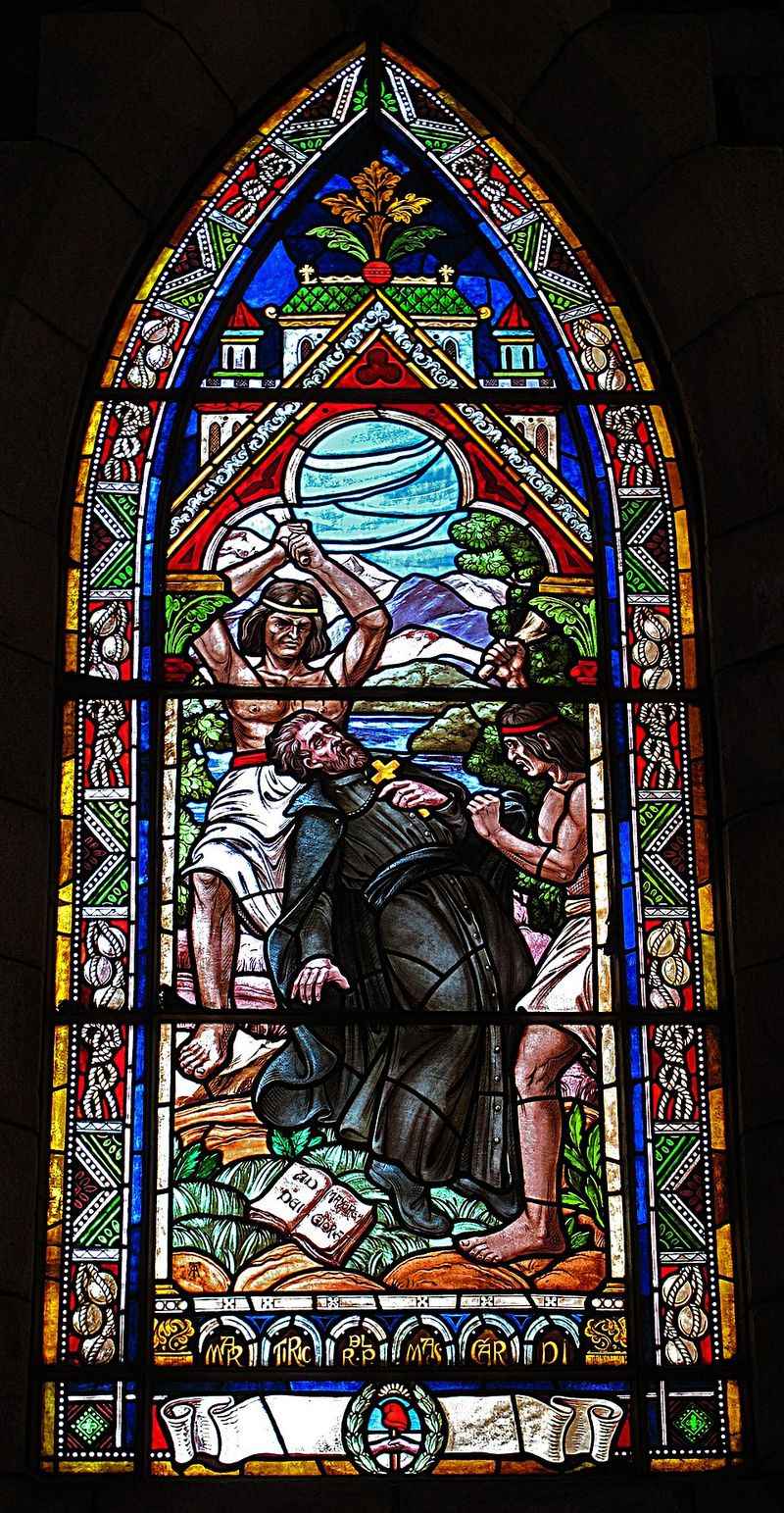
Nicolás Mascardi was a Jesuit priest from Genoa who arrived in South America in the mid-17th century and became one of the most determined missionaries working in the southern reaches of the continent.
In 1670, Mascardi ventured deep into Patagonia, the vast and largely unmapped region at the southern tip of South America, hoping to make contact with Indigenous communities and establish a mission near Lake Nahuel Huapi in present-day Argentina.
He founded a mission there and worked among the Poyas and Pehuelche peoples for several years. Conditions were extremely difficult, and Mascardi made multiple journeys into the surrounding wilderness searching for reported Indigenous settlements.
During one of these ventures, he was killed, reportedly in 1674, though some historical sources suggest a later date. The exact circumstances of his death remain unclear, as do the full details of what his expedition encountered.
Mascardi’s efforts represented one of the earliest recorded attempts at sustained European presence in Patagonia, and his story illustrates the profound risks that early missionaries and explorers faced in South America’s most remote regions.
12. Karluk Expedition, Arctic Canada
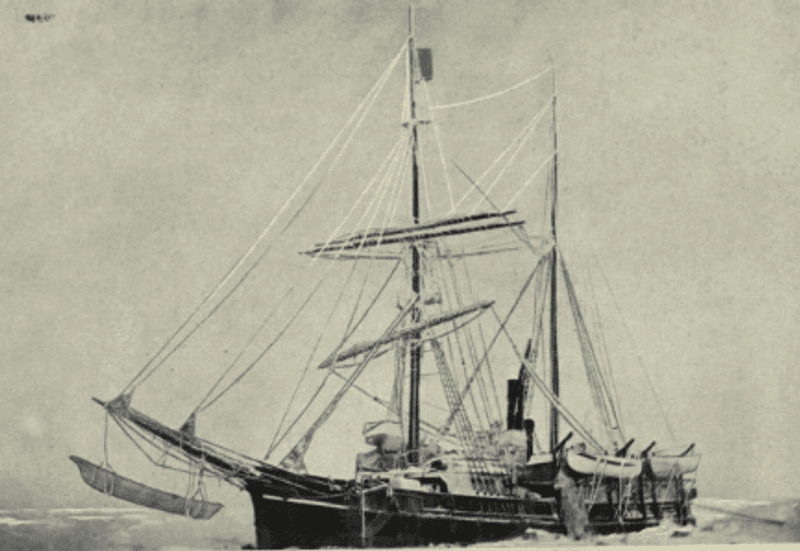
The Karluk was supposed to serve as the flagship of the Canadian Arctic Expedition of 1913, a government-sponsored scientific mission to explore the western Arctic. Instead, it became the centerpiece of one of the era’s most dramatic survival ordeals.
In August 1913, the ship became trapped in pack ice about 225 miles northwest of Alaska while commander Vilhjalmur Stefansson was ashore. Stefansson never returned to the ship, leaving Captain Robert Bartlett in charge of the stranded vessel and its 30 passengers and crew.
The Karluk drifted westward for months before being crushed by ice on January 10, 1914, sinking the following day. Survivors made their way across the ice to the desolate Wrangel Island.
Bartlett trekked 700 miles across the ice to Siberia to seek rescue, an extraordinary feat of navigation and endurance. By the time rescue arrived in September 1914, eleven people had died from various causes including illness, exposure, and a separate ill-fated attempt by four men to reach Alaska independently.
13. Lewis and Clark’s Return Journey, Bitterroot Mountains, Idaho and Montana, United States

Most Americans learn about the Lewis and Clark Expedition as a triumphant story of westward exploration, and for the most part it was. But the return leg through the Bitterroot Mountains in 1806 came far closer to disaster than the history books typically emphasize.
The Corps of Discovery attempted to cross the Bitterroots in June 1806, only to be stopped by snowpack still reaching 10 to 15 feet deep in the mountain passes. They were forced to retreat, something the expedition had rarely done, and wait for better conditions.
Food became critically scarce during the delay. The party had already exhausted much of its hunting capacity, and the rugged terrain offered little relief.
Nez Perce guides ultimately agreed to lead them through the mountains, a decision that almost certainly saved the expedition. Without that assistance, crossing those passes in those conditions would have been extremely dangerous.
The episode is a reminder that even the most celebrated expeditions depended heavily on the knowledge and generosity of Indigenous peoples, a fact that gets less attention than the explorers themselves.
Share this story