 Unearth The Voyage
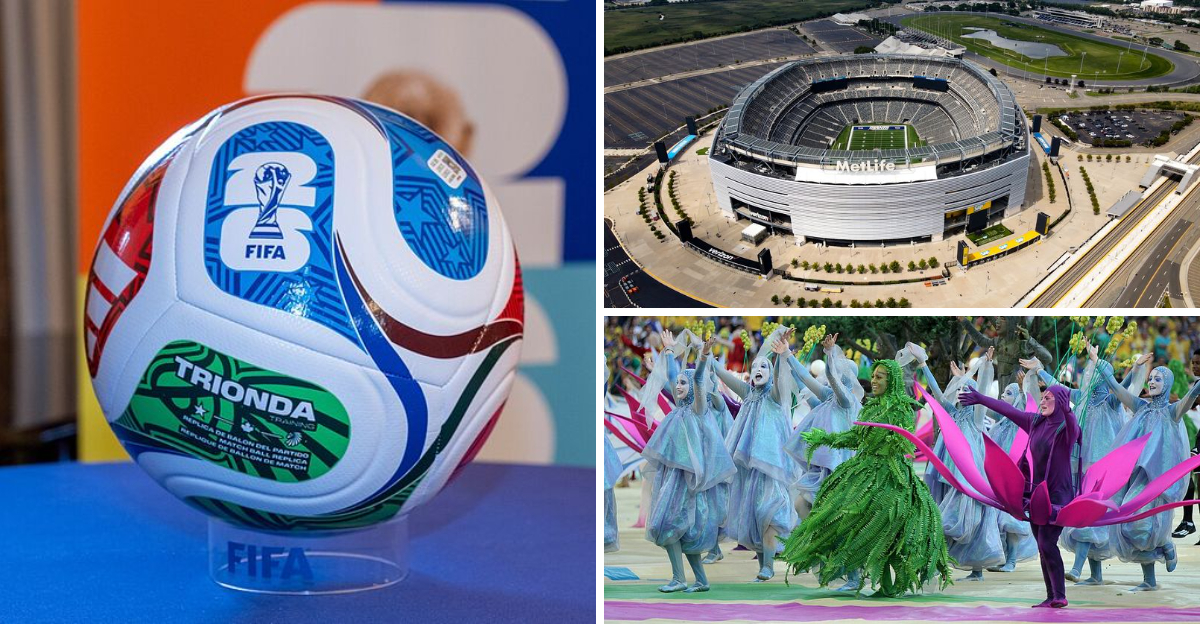
The FIFA World Cup 2026 is shaping up to be the most exciting soccer tournament in history. Hosted across the United States, Canada, and Mexico, it will break records, welcome more teams than ever before, and bring billions of fans together from around the globe.
Whether you are a lifelong soccer fan or just discovering the sport, this tournament has something incredible in store for everyone. Get ready, because the world is coming to America.
1. The Biggest World Cup Ever
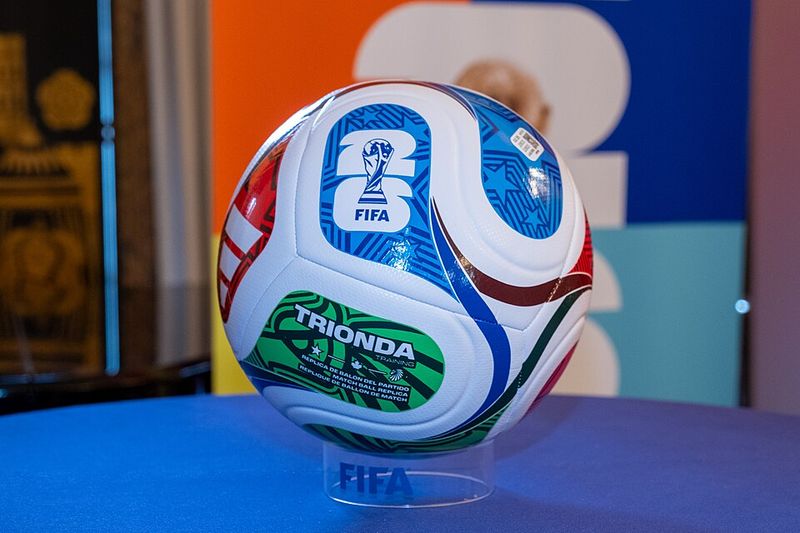
Soccer history is about to be rewritten. For the very first time, the FIFA World Cup will feature 48 teams instead of the usual 32, making it the largest edition of the tournament ever held.
That means 16 additional nations will get the chance to compete on the world’s biggest stage, representing fans and communities that have never experienced this moment before.
Countries from Africa, Asia, and the Americas that previously missed out now have a real shot at qualifying. More teams also means more storylines, more underdogs, and more jaw-dropping moments.
Fans following smaller nations will finally see their teams battle the giants of world football.
This expansion was years in the making and reflects FIFA’s goal of making the World Cup truly global. With 48 teams, no one can argue that the best of the world isn’t represented.
2. Hosted Across Three Countries
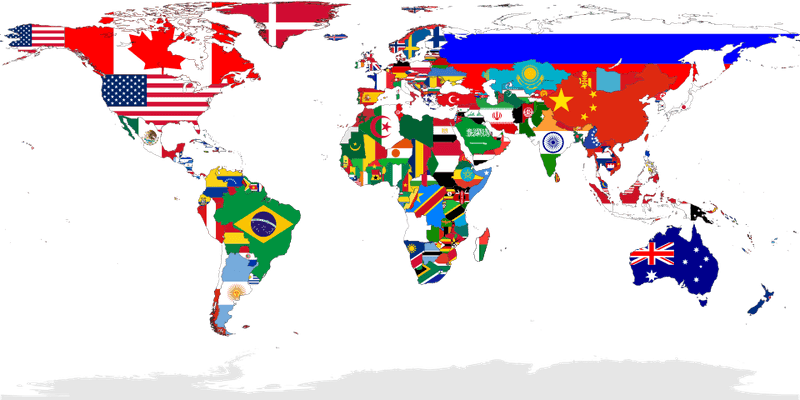
Never before has a single World Cup been shared by three different nations. The 2026 tournament breaks that barrier, with the United States, Canada, and Mexico joining forces to welcome the world.
It is a partnership that goes beyond soccer, representing cooperation between neighboring countries that share deep cultural and historical ties.
Canada will host matches in cities like Toronto and Vancouver, while Mexico brings the electric atmosphere of Guadalajara and Mexico City. The United States takes the lead with the most host cities, spanning from the East Coast to the West Coast.
Traveling fans will have the unique experience of crossing borders during a single tournament, exploring three distinct countries and cultures. This three-nation setup has never been tried before at this scale, and it sets a bold new standard for how the world’s biggest sporting event can be organized and celebrated.
3. More Matches Than Ever Before
One hundred and four matches. That is the staggering number of games fans will get to enjoy during the 2026 World Cup, smashing the previous record of 64 matches set during earlier 32-team tournaments.
For soccer lovers, that means weeks of nonstop action, drama, and excitement filling their screens and stadiums.
More matches also means more chances for upsets, comebacks, and legendary performances. A player who might have gone unnoticed in a shorter tournament now has extra games to make a name for himself on the global stage.
Broadcasters and streaming platforms will have an enormous amount of content to cover, meaning fans worldwide can catch nearly every kick of the ball. Whether you watch one game or all 104, the sheer volume of football on offer makes the 2026 World Cup an event unlike anything the sport has ever seen before.
4. Iconic U.S. Stadiums
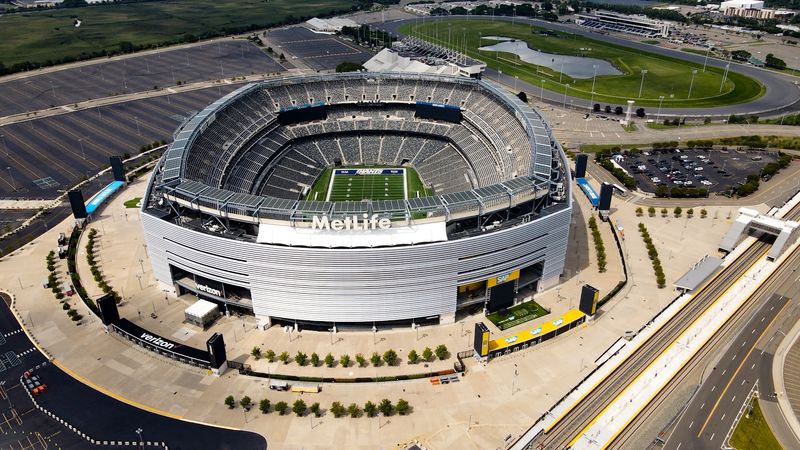
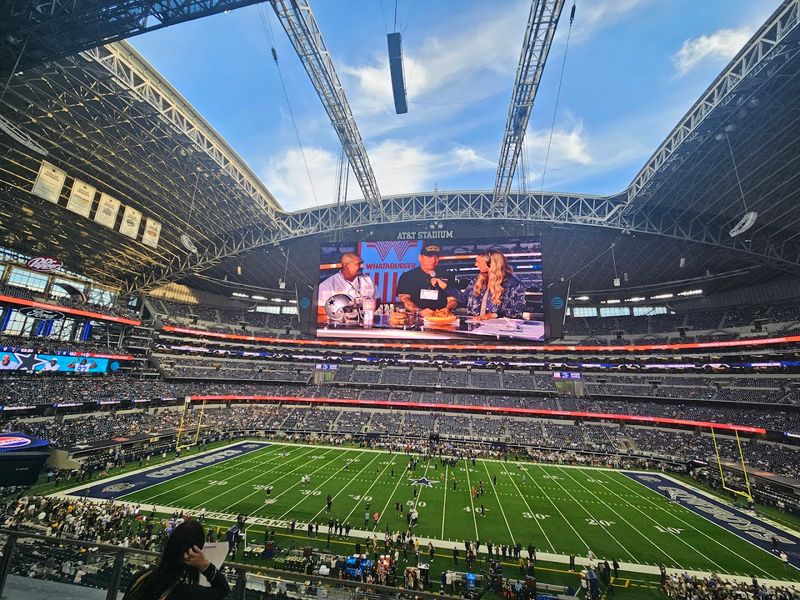
American football stadiums are famous for their sheer scale and modern design, and soccer fans are about to experience them at their finest. Venues like MetLife Stadium in New Jersey, AT&T Stadium in Dallas, and SoFi Stadium in Los Angeles will host World Cup matches, offering seating capacities that dwarf most traditional soccer arenas around the world.
Many of these stadiums come equipped with retractable roofs, massive video screens, and state-of-the-art facilities that create an unmatched atmosphere for players and spectators alike. Fans will enjoy comfortable seating, excellent sightlines, and premium amenities that set a new bar for the live sporting experience.
It is worth remembering that MetLife Stadium is set to host the grand final, making it the centerpiece of the entire tournament. Walking into one of these venues on match day will feel like stepping into the future of sports entertainment.
5. A Truly Nationwide Experience
From the beaches of Miami to the bright lights of New York City, the 2026 World Cup will transform the entire United States into one giant soccer celebration. Host cities span the full width of the country, including Los Angeles, San Francisco, Seattle, Dallas, Atlanta, Kansas City, Philadelphia, Boston, and more.
Each city brings its own personality and culture to the tournament, meaning fans will have wildly different experiences depending on where they travel. A match in Miami might feel like a Caribbean carnival, while a game in Seattle could carry the cool, passionate energy of the Pacific Northwest.
Local communities will benefit enormously, as stadiums, restaurants, hotels, and transportation networks gear up to welcome millions of visitors. The nationwide spread of games also makes it easier for American fans across different regions to attend at least one match without traveling too far from home.
6. Massive Fan Zones and Events

The action will not stop at the stadium gates. Host cities are planning enormous fan zones where tens of thousands of supporters can gather to watch matches on giant screens, enjoy live music, sample local food, and soak in the global atmosphere without even holding a match ticket.
Past World Cups have shown that fan zones become legendary spaces in their own right. Brazil 2014 and Russia 2018 both featured public viewing areas that drew massive crowds and created memories just as powerful as anything happening inside the stadiums.
Concerts, cultural performances, and interactive exhibits will add layers of entertainment that keep fans engaged throughout the entire tournament. Cities like New York and Los Angeles are already planning large-scale events to complement the matches.
For many attendees, the fan zone experience will be just as unforgettable as watching a live game with thousands of passionate supporters around them.
7. A Boost for Soccer in the U.S.

Soccer has been growing steadily in the United States for decades, and the 2026 World Cup could be the spark that truly ignites the sport at a national level. Major League Soccer has expanded rapidly, with new teams, bigger stadiums, and rising attendance figures showing that American appetite for the game is very real.
Hosting the World Cup gives the sport a massive platform that no advertising campaign could replicate. Kids who watch their heroes compete in their own backyard cities are far more likely to pick up a ball and dream of playing professionally one day.
The U.S. Men’s National Team will also be under enormous pressure and expectation as hosts, which could galvanize public support in a way that previous tournaments never quite managed.
A strong performance from the home side would send soccer fever through American sports culture like never before.
8. Increased Opportunities for Underdogs
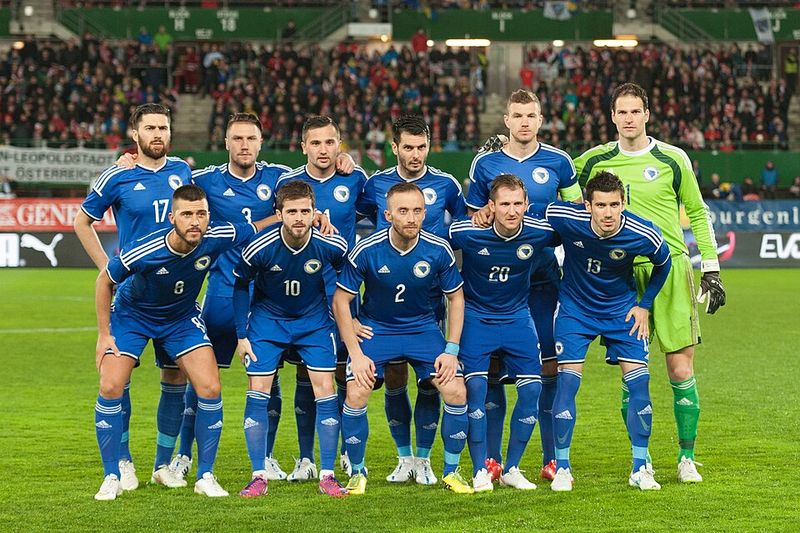
Expanding the tournament to 48 teams does not just add more games. It opens the door for nations that have historically struggled to qualify, giving them a real chance to compete and inspire their people on the world stage.
Countries from regions like Oceania, Central America, and parts of Asia will have more qualifying spots available than ever before.
Underdog stories are often the most thrilling part of any World Cup. Think of South Korea reaching the semifinals in 2002, or Senegal defeating France in 2002’s opening match.
With more smaller nations in the mix, the chances of witnessing a true giant-killing moment are significantly higher.
For players from these countries, a World Cup appearance can be a life-changing event that brings pride, recognition, and opportunity. The expanded format ensures that global football becomes a little more democratic, and that is something worth celebrating wholeheartedly.
9. Advanced Technology and Innovation

Technology has already transformed how soccer is played and watched, and the 2026 World Cup is set to push things even further. VAR, the Video Assistant Referee system, has been refined through multiple tournaments and leagues, reducing errors and making big decisions more accurate than ever before.
Beyond officiating, fans inside stadiums will likely benefit from enhanced connectivity, augmented reality features, and real-time statistics delivered directly to their phones. Stadium Wi-Fi infrastructure in American venues is among the best in the world, ensuring a seamless digital experience alongside the live action.
Broadcasting technology will also reach new heights, with more cameras, higher-definition coverage, and potentially immersive viewing options for fans watching from home. FIFA has consistently used the World Cup as a launchpad for new innovations in sports technology, and 2026 is expected to be the most forward-thinking edition the tournament has ever produced.
10. Huge Economic Impact
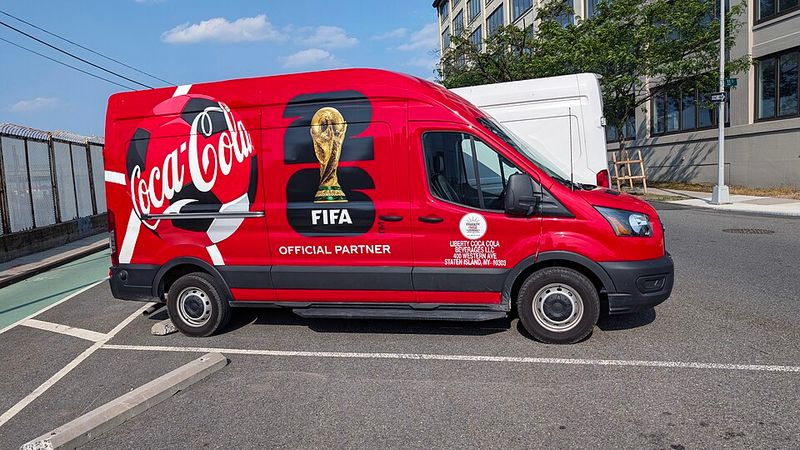
The numbers surrounding the 2026 World Cup are almost as impressive as the football itself. Economic analysts estimate the tournament could generate well over five billion dollars in revenue across the three host countries, making it one of the most financially significant sporting events ever staged.
Hotels, airlines, restaurants, and local businesses in host cities are preparing for massive surges in demand. Cities like Dallas and Miami are expected to see record tourism numbers during the tournament weeks, with visitors from dozens of countries flooding in and spending freely on accommodation, food, merchandise, and entertainment.
Beyond direct spending, the World Cup creates lasting infrastructure improvements and raises the global profile of host cities, attracting future investment and tourism for years afterward. Communities near stadiums often see long-term economic benefits that extend well past the final whistle.
For the United States, Canada, and Mexico combined, the financial rewards could be historic.
11. A New Tournament Format
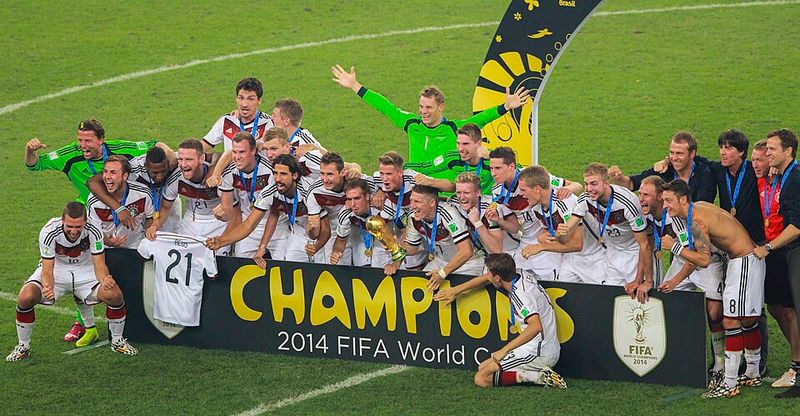
Forty-eight teams require a completely different structure than any previous World Cup has used. Instead of the traditional eight groups of four teams, the 2026 edition will feature twelve groups of four, with the top two teams from each group advancing alongside eight best third-place finishers, creating a Round of 32 before the knockout stages begin.
This fresh format keeps more teams in contention for longer, reducing the number of dead-rubber matches where nothing is at stake. Fans will find that almost every group game carries real meaning, adding tension and drama from the very first whistle of the tournament.
Critics have debated whether the expanded format dilutes quality, but supporters argue it creates more global representation and more memorable moments. Either way, watching the new structure unfold in real time will be fascinating for fans who have grown up with the old format and are ready for something genuinely different.
12. A Global Celebration of Culture
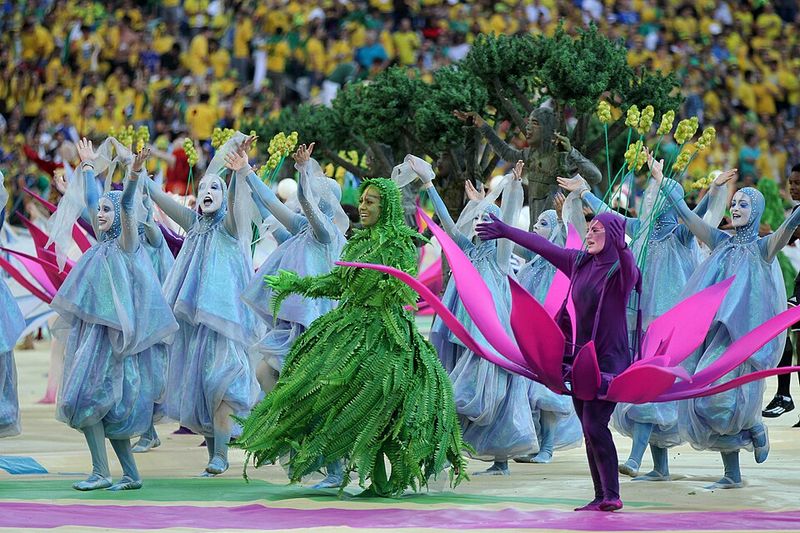
When the World Cup comes to town, it brings the entire planet along with it. Fans from Brazil, Argentina, England, Japan, Nigeria, and dozens of other nations will travel to American cities, turning host venues into vibrant, multicultural celebrations that go far beyond sports.
Local neighborhoods will fill with the sounds of different languages, the smells of international street food, and the colors of flags from every corner of the earth. It is the kind of atmosphere that reminds people how much they have in common, regardless of where they were born or which team they support.
The cultural exchange that happens during a World Cup is genuinely one of its most powerful qualities. Friendships are formed between strangers who bond over a shared love of the game.
The 2026 tournament, staged across three nations, promises to be one of the richest and most diverse celebrations of global culture in modern sporting history.



