An album’s final track can define how the entire record is remembered. Some endings are celebrated, while others spark debates that continue for decades.
These 13 closing songs divided fans and critics with unexpected choices, cryptic messages, or dramatic stylistic shifts. Whether viewed as brilliant finales or controversial missteps, they remain some of the most discussed album endings in music history.
1. Her Majesty – The Beatles (Abbey Road, 1969)
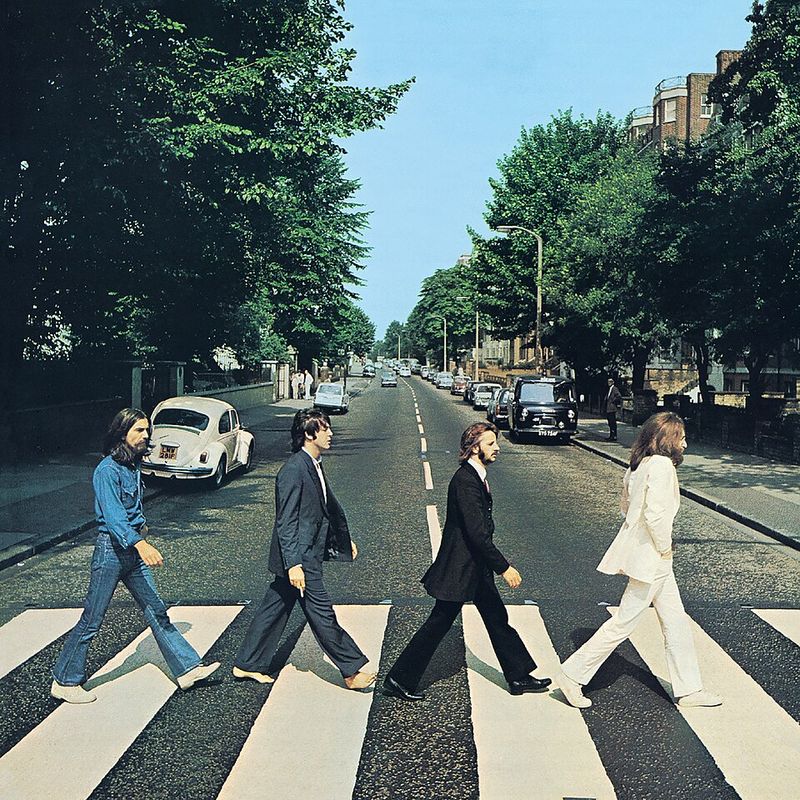
Clocking in at just 23 seconds, this tiny unlisted track sits at the very end of one of rock history’s most celebrated albums. It was never supposed to be there at all.
Paul McCartney originally recorded it as part of the album’s long medley sequence, then asked engineer John Kurlander to cut it out. Kurlander, following studio protocol, placed it at the end of the tape rather than deleting it entirely.
When the master was assembled, the fragment accidentally ended up after “The End,” separated by a brief gap of silence. McCartney reportedly decided to leave it in as a surprise.
The debate has never fully settled. Some fans consider it a charming, very Beatles-style joke.
Others feel it undercuts the emotional weight of “The End,” which already functions as a near-perfect farewell. More than 50 years later, that 23-second clip still divides listeners every single time the record plays through.
2. Train in Vain – The Clash (London Calling, 1979)
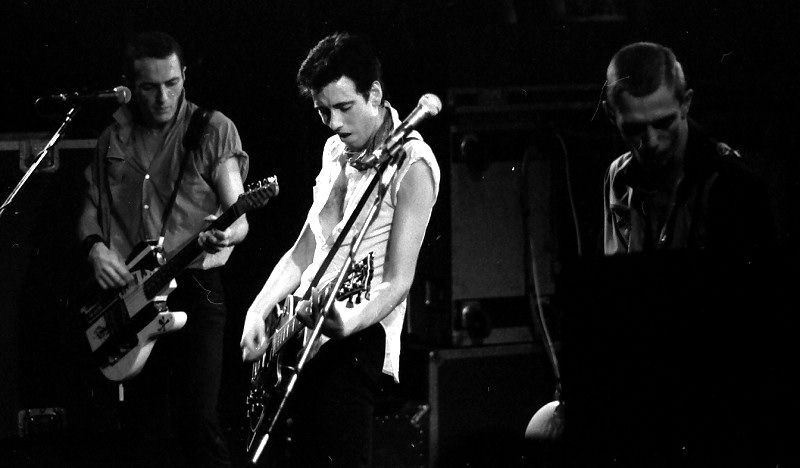
Most fans know “Train in Vain” as a Clash classic, but fewer realize it was added so late in the production of London Calling that it did not appear on the original album sleeve at all. The song was recorded after the track listing had already been printed, making it an unofficial hidden track before hidden tracks were even a recognized concept.
Its upbeat, almost pop-influenced sound contrasts sharply with the sprawling political and social commentary that defines the rest of the double album. That contrast is exactly what fuels the debate.
Supporters argue the song provides a welcome emotional release after 19 tracks of dense, genre-bending material. Critics maintain that “Revolution Rock,” the track immediately before it, would have been a far more cohesive and culturally fitting conclusion.
The question of whether an accidental closer can also be the right closer keeps this argument running decades later.
3. Eclipse – Pink Floyd (The Dark Side of the Moon, 1973)
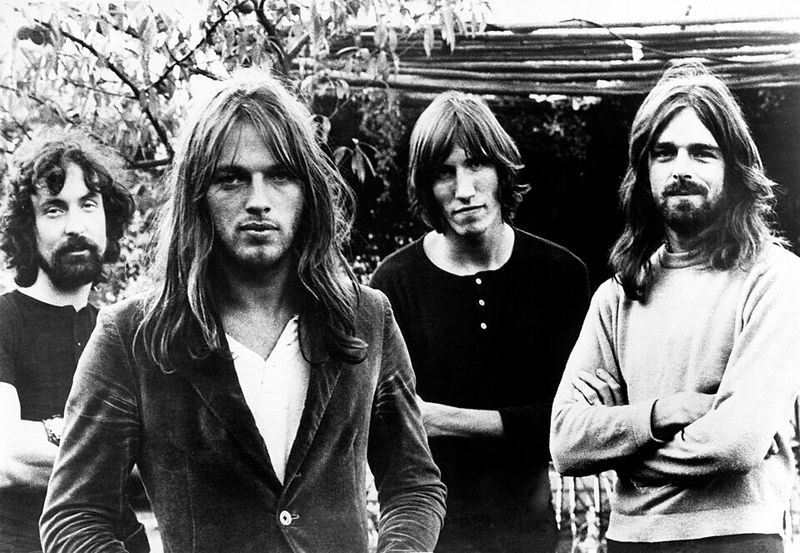
Fewer than two minutes long, “Eclipse” closes one of the best-selling albums in recorded history. Its brevity is part of what makes it so debated.
The song follows “Brain Damage” so directly and continuously that many listeners treat the two as a single piece, which raises a real question: can “Eclipse” even stand on its own as a closing track?
The final spoken line, “There is no dark side of the moon, really. Matter of fact, it’s all dark,” was recorded by a Abbey Road doorman named Gerry O’Driscoll and not by any band member.
That detail alone has generated years of discussion about authorship and intent.
Supporters call it a philosophically complete ending that perfectly resolves the album’s central themes. Skeptics feel it functions only as a coda to “Brain Damage” and lacks independent weight.
The fact that the album itself is so precisely constructed makes every structural choice feel enormously significant.
4. Hurt – Nine Inch Nails (The Downward Spiral, 1994)
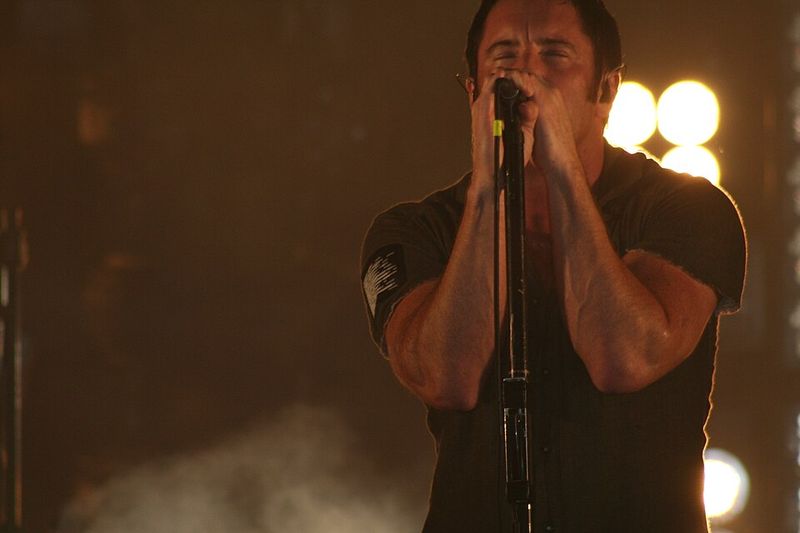
Trent Reznor wrote “Hurt” as the final chapter of a concept album documenting psychological collapse, addiction, and self-destruction. When it was released in 1994, the song was already generating serious debate about whether its closing message signaled any kind of resolution or simply confirmed total defeat.
Then Johnny Cash recorded a cover version in 2002, and the conversation shifted entirely. Cash’s version, directed by Mark Romanek, became one of the most praised music videos in history.
Suddenly, a song about a young man’s internal unraveling was being widely interpreted through the lens of an aging country legend reflecting on a long life.
Reznor himself publicly stated that Cash’s version had made the song feel like it no longer belonged to him, which is a remarkable thing for a songwriter to admit. The two versions now exist in parallel, each carrying a different emotional argument, and fans have been choosing sides ever since.
5. Street Spirit (Fade Out) – Radiohead (The Bends, 1995)
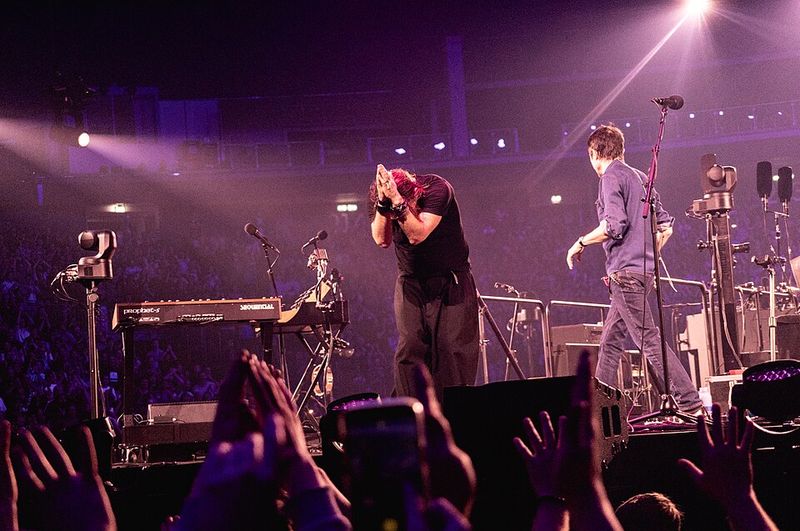
Radiohead closed their second album with what Thom Yorke later described as one of the darkest pieces he had ever written. “Street Spirit (Fade Out)” builds slowly over a repeated guitar arpeggio, eventually arriving at a conclusion that offers no comfort and no resolution whatsoever.
The debate around it centers on a straightforward but persistent question: does ending an album on that level of sustained despair serve the listener, or does it simply leave them without anywhere to go emotionally? Supporters argue the song achieves a rare kind of catharsis through its unflinching honesty.
Critics feel the album deserved a closing track that acknowledged some light after extended darkness.
Yorke’s own comments about the song have added weight to the conversation. He once said the band never fully understood what they had created, which is either a sign of artistic depth or an admission that the track resists clear meaning.
Fans have been interpreting it ever since.
6. Champagne Supernova – Oasis ((What’s the Story) Morning Glory?, 1995)
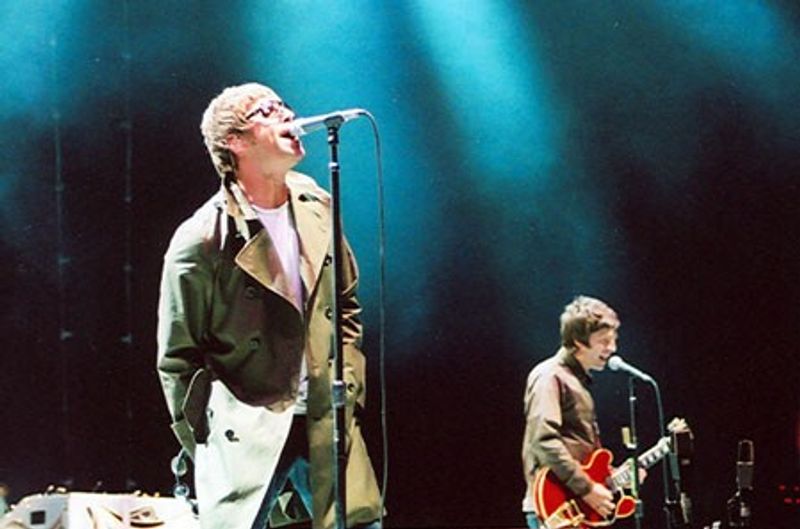
At over seven minutes long, “Champagne Supernova” is the most ambitious track on an album that was otherwise built around tight, radio-ready anthems. Noel Gallagher has never offered a definitive explanation for the lyrics, once suggesting they were intentionally abstract and meant to mean whatever the listener needed them to mean.
That lack of clarity is central to the debate. Some fans embrace the song’s open-ended imagery and sweeping scale as a bold artistic choice, a deliberate refusal to wrap things up neatly.
Others find the runtime self-indulgent and feel the album loses momentum in its final stretch.
The song reached number one in the UK despite, or perhaps because of, its cryptic content. Its commercial success has never resolved the artistic argument.
Fans who want a definitive closing statement feel cheated. Fans who prefer ambiguity consider it one of the best album endings of the decade.
Both groups are still making their case.
7. Good Night – The Beatles (The White Album, 1968)
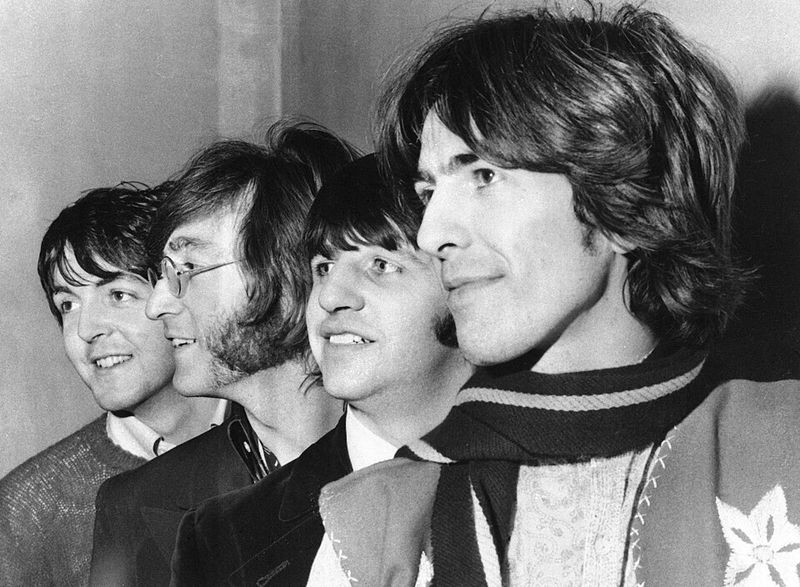
The White Album is one of the most unpredictable records ever released, covering everything from hard rock to avant-garde noise experiments across its 30 tracks. Closing that sprawling collection with a gentle orchestral lullaby sung by Ringo Starr is either a masterstroke of contrast or a complete tonal mismatch, depending on who you ask.
John Lennon wrote “Good Night” specifically for his young son Julian, and the production was deliberately lush and sentimental. George Martin arranged a full orchestral backing that sounds closer to a 1940s film score than anything else on the record.
The case for it: the song provides a calm, almost surreal endpoint after hours of musical chaos, and the contrast itself becomes the statement. The case against it: the album’s unpredictable energy deserved a more fitting conclusion, and the sweetness of “Good Night” feels like it belongs on a completely different record.
The argument has persisted for over five decades.
8. The End – The Doors (The Doors, 1967)
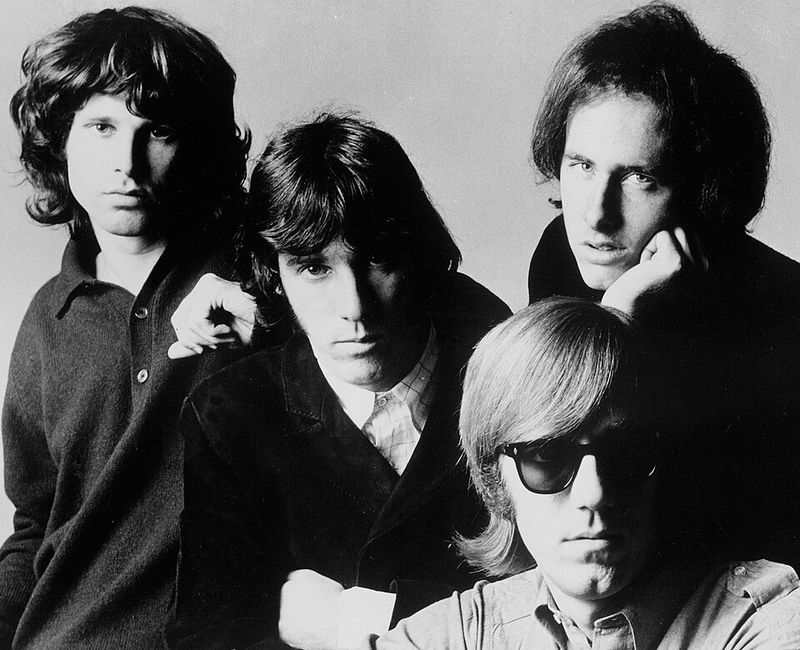
Running just under twelve minutes, “The End” closes The Doors’ debut album with an extended, largely improvised piece that references Greek mythology, features a spoken-word Oedipal sequence, and builds through several distinct sections before arriving at a final repeated chant. It was a genuinely unusual choice for a commercial debut album in 1967.
The debate has two clear sides. Supporters argue the song represents a bold artistic statement that pushed rock music into literary and psychological territory it had rarely explored.
Critics maintain that the track’s length and theatrical structure overwhelm the rest of the album, making the debut feel unbalanced.
The song’s live performances were often even more extended and experimental than the studio version. Francis Ford Coppola famously used it in the opening sequence of Apocalypse Now in 1979, which introduced the track to an entirely new generation.
That cultural crossover only deepened the conversation about what the song actually means and whether it works as an album closer.
9. Purple Rain – Prince (Purple Rain, 1984)
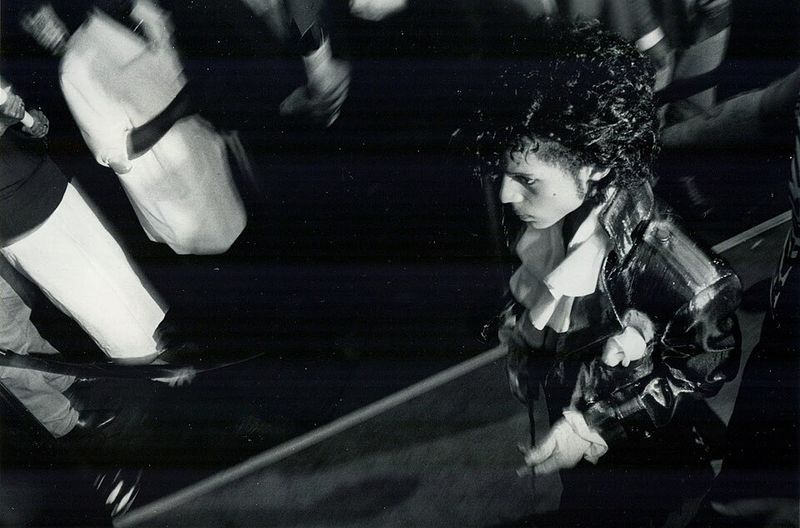
Prince closed the Purple Rain soundtrack with its title track, an eight-minute guitar ballad that became one of the defining songs of the 1980s. The song’s commercial and cultural success was so overwhelming that debating its placement as a closer might seem unnecessary.
Yet a small but persistent group of fans has consistently argued that “Baby I’m a Star” would have made a more energetic and celebratory finale.
The argument is not really about quality. Almost no one disputes that “Purple Rain” is a great song.
The debate is about function: should a closing track send the audience out on a high-energy wave, or is it more powerful to leave them with something slower and more emotionally resonant?
The Purple Rain film ends with the song performed live, which arguably shapes how listeners hear the album version. Prince himself never publicly second-guessed the sequencing.
That silence has left the debate entirely in the hands of the fans, where it has stayed ever since.
10. Rocket Queen – Guns N’ Roses (Appetite for Destruction, 1987)

Appetite for Destruction is widely considered one of the strongest debut albums in hard rock history, and its sequencing has been analyzed almost as much as its songwriting. “Rocket Queen” closes the record with a track that shifts dramatically mid-song, moving from aggressive, driving rock into a slower, more vulnerable second half.
That structural shift is what keeps the debate alive. Supporters say the emotional range of “Rocket Queen” makes it the perfect closer, demonstrating the band’s depth beyond pure aggression.
Critics argue that the album peaked earlier, with tracks like “Welcome to the Jungle” and “Paradise City” carrying more energy and impact than anything that follows them.
The question of whether an album’s closer needs to be its strongest track, or simply its most fitting one, runs through every discussion of this song. Guns N’ Roses never resequenced the record, and the debate over whether they made the right call has followed the album for nearly four decades.
11. Would? – Alice in Chains (Dirt, 1992)
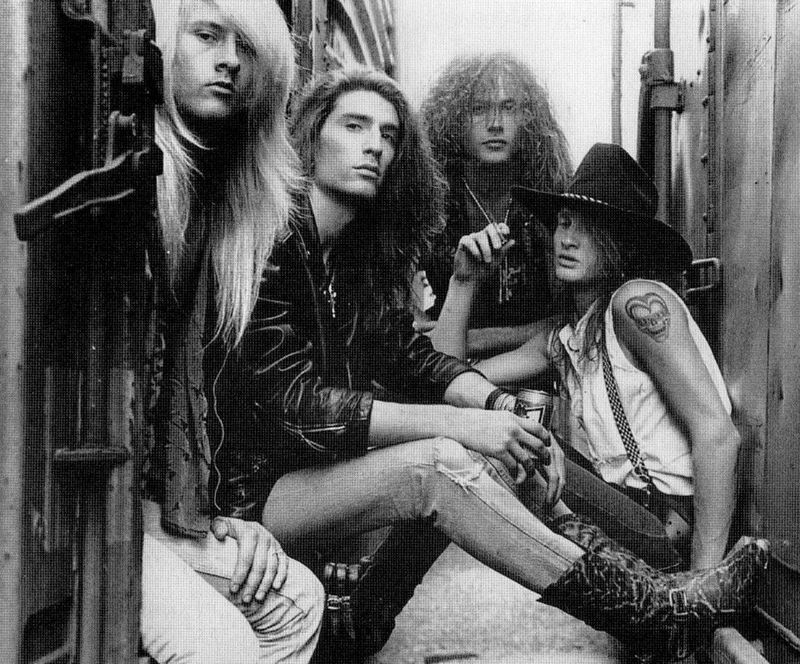
“Would?” closes Dirt with a track that was written as a tribute to Andrew Wood, the vocalist of Mother Love Bone who passed away in 1990. Wood’s influence on the Seattle music scene was significant, and his presence shaped many of the musicians who would define grunge in the early 1990s.
The song’s lyrics are deliberately ambiguous, and that ambiguity has fueled ongoing debate about its emotional direction. Some listeners hear genuine compassion and a search for understanding.
Others interpret the track as a continuation of the album’s unflinching examination of addiction and grief, with no resolution offered.
Alice in Chains later used “Would?” as the opening track of their 1992 EP Sap and as a concert staple, which only complicated its identity as a closer. Hearing it in different contexts shifts its meaning considerably.
Fans continue to debate whether it closes Dirt with hope, despair, or something that genuinely cannot be categorized as either.
12. Desolation Row – Bob Dylan (Highway 61 Revisited, 1965)
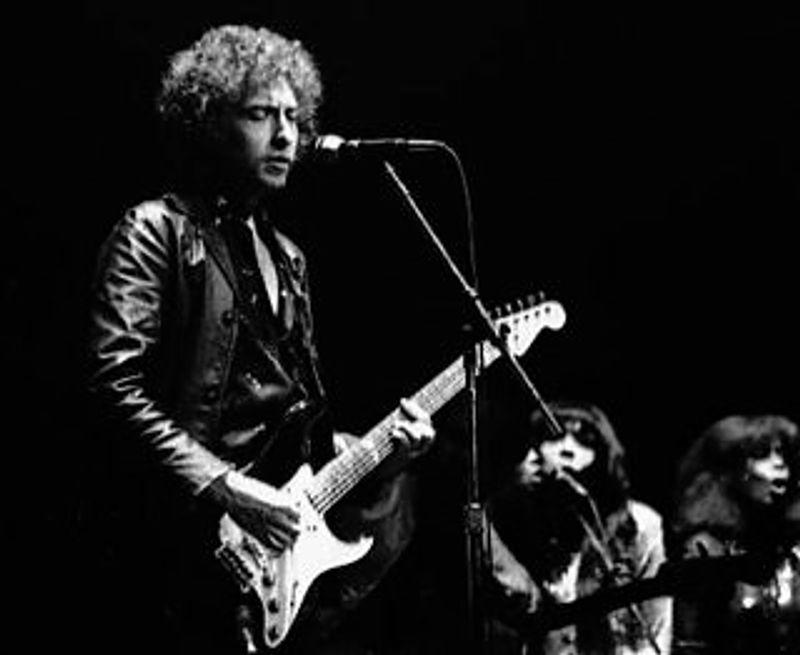
At just over eleven minutes, “Desolation Row” closes Highway 61 Revisited with a sprawling, surrealist narrative that references figures including T.S. Eliot, Ezra Pound, Einstein, and Cinderella, among many others.
Dylan recorded it with just acoustic guitar and bass, making it one of the sparest tracks on an otherwise electric album.
The contrast between the electric rock energy of the earlier tracks and the stripped-down folk structure of “Desolation Row” has divided critics since 1965. Supporters consider it Dylan’s most ambitious lyrical achievement and a fitting, expansive conclusion to a landmark record.
Critics, including some longtime Dylan fans, find the eleven-minute runtime and relentless surreal imagery exhausting as a closer, arguing that the album loses momentum rather than building to something conclusive. Highway 61 Revisited is approaching its 60th anniversary, and the debate about whether “Desolation Row” earns its place as the final statement remains as active as ever in Dylan scholarship and fan communities.
13. Only in Dreams – Weezer (Weezer Blue Album, 1994)
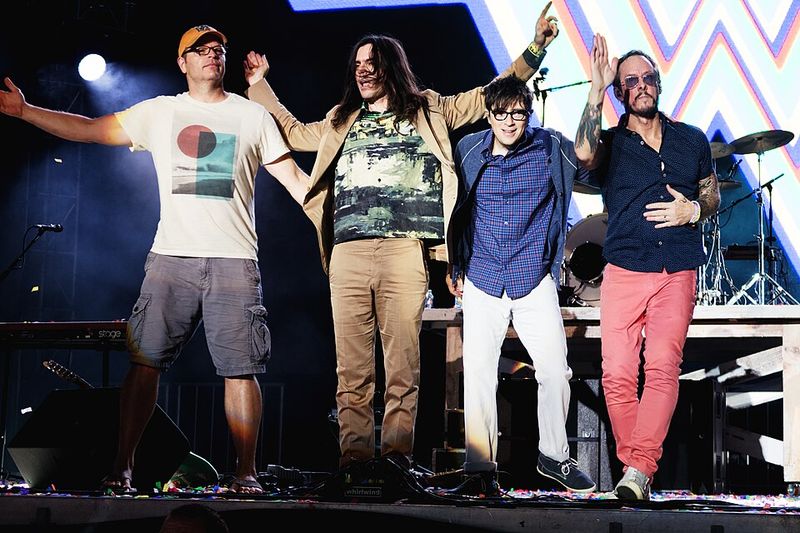
Rivers Cuomo and producer Ric Ocasek made a deliberate structural choice when they placed “Only in Dreams” at the end of the Blue Album. The track spends its first four minutes building slowly before releasing into a long, layered instrumental climax that lasts another four minutes.
For a pop-rock album filled with concise, hook-driven songs, it is a genuinely unexpected way to close.
The debate breaks along predictable lines. Fans who connect with the song’s gradual payoff consider it one of alternative rock’s great album-ending moments, a patient and emotionally satisfying conclusion to a record about longing and adolescent frustration.
Those who prefer the album’s shorter, more immediate tracks sometimes feel the eight-minute runtime is more indulgent than earned. The Blue Album’s reputation has grown considerably since its release, and “Only in Dreams” has benefited from that reassessment.
Still, the question of whether patience is a virtue in a pop album closer keeps the conversation going.
Share this story