In Flint, a former vacant lot has grown into one of Michigan’s most impactful community projects. Edible Flint Educational Farm helps residents learn how to grow their own food through gardening classes, youth programs, neighborhood mentoring, and practical support that makes urban gardening feel accessible instead of overwhelming.
What makes the farm stand out is how deeply connected it is to the surrounding community. Residents can receive garden starter kits, attend hands-on workshops, get soil testing support, and even join neighborhood garden tours that showcase what local growers have built together.
The farm also donates thousands of pounds of fresh produce to families and food pantries, turning community effort into something tangible that directly feeds people across Flint.
Where It All Began: The Story Behind the Farm
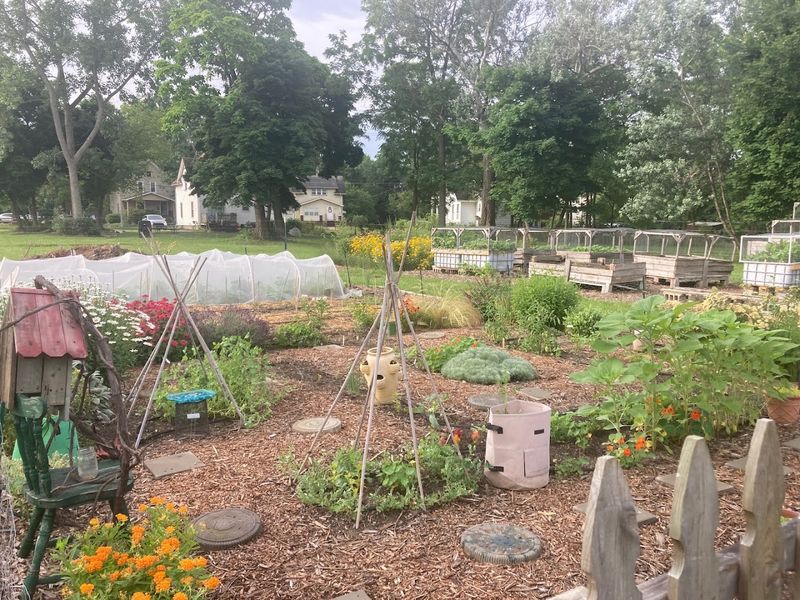
Back in 2009, Flint, Michigan was facing a familiar but painful reality: too many residents did not have reliable access to fresh, healthy food. A group of determined community members decided that the answer was not to wait for someone else to fix it.
They founded Edible Flint Educational Farm at 1628 Beach Street, Flint, MI 48503, transforming neglected land into a working urban farm. The mission was clear from day one: empower residents to grow and access healthy food while reconnecting with the land and each other.
What started as a grassroots response to food insecurity grew into a fully organized non-profit with structured programs, trained volunteers, and deep neighborhood roots. The farm now serves as a model for what community-led food solutions can look like.
You can reach them at (810) 244-8547 or visit edibleflint.org to learn more about their work and how to get involved.
The Land Itself: What the Farm Actually Looks Like
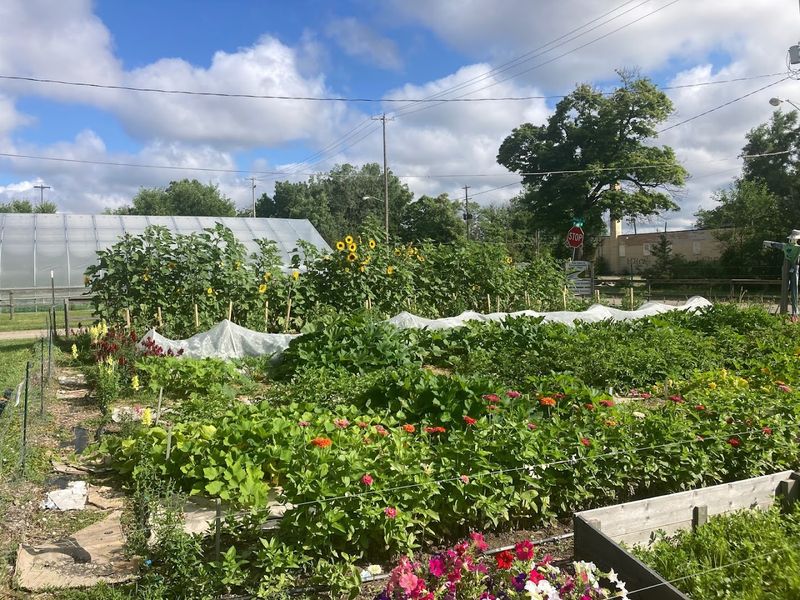
The first thing that strikes you about this farm is how deliberately it has been designed. This is not a wild, overgrown patch of city land.
Every bed, every path, and every growing station seems to have a purpose.
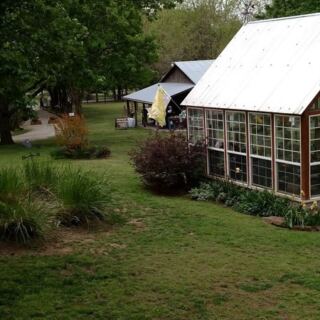
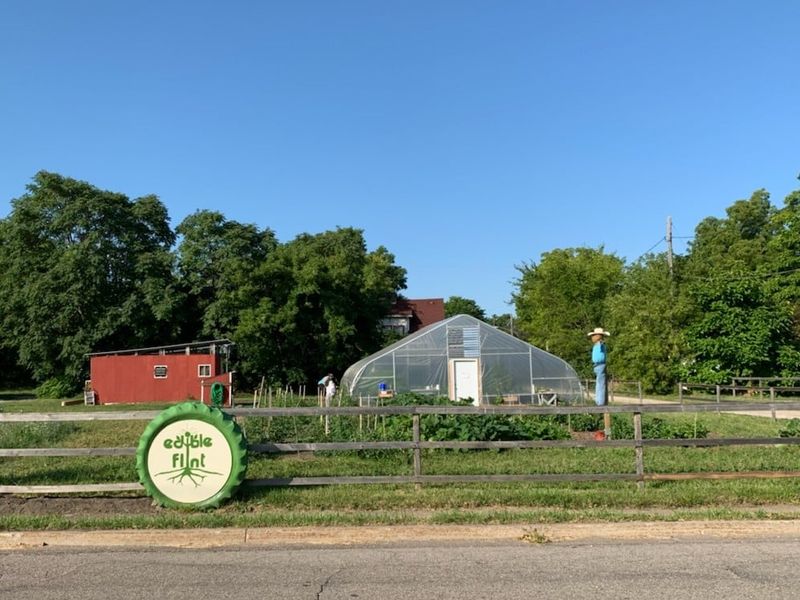
Raised beds hold a rotating mix of vegetables suited for Michigan’s growing season. Fruit trees line parts of the property, and the overall layout is open enough to welcome visitors while still feeling like a working farm rather than a park.
The farm showcases accessible and innovative gardening techniques, meaning the setup is built to teach as much as it is built to produce. Compost areas, soil testing stations, and demonstration plots are all part of the picture.
Visiting on a warm July morning, I found the whole space buzzing with quiet activity, volunteers moving between beds with purpose, and the smell of fresh earth hanging pleasantly in the air. Keep reading, because what happens inside those beds is even more interesting.
Urban Garden Basics: Learning to Grow from Scratch
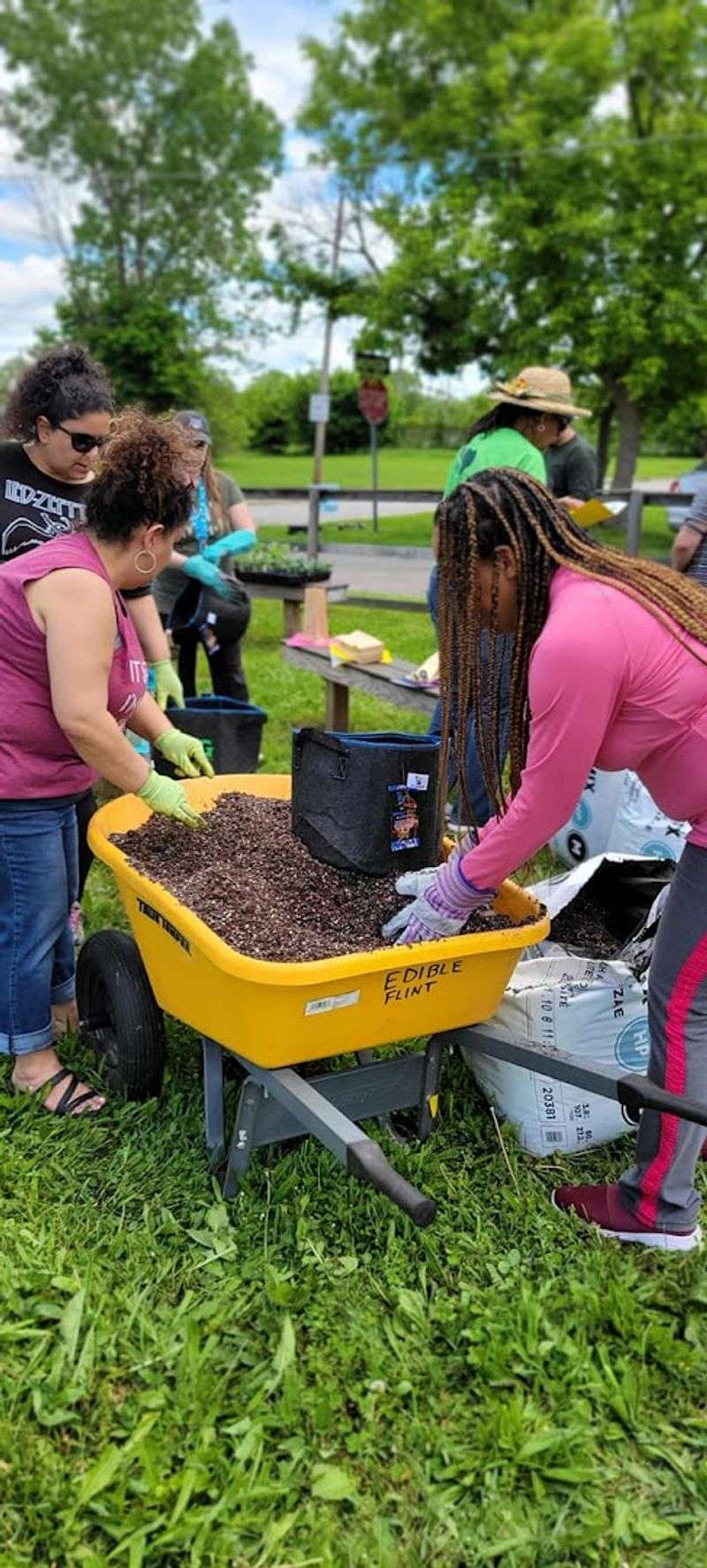
Not everyone who shows up at this farm knows the difference between a seedling and a cutting, and that is completely fine. The Urban Garden Basics Classes are designed precisely for people who are starting with zero experience and a lot of curiosity.
These sessions walk participants through every stage of running a vegetable garden in an urban setting, from choosing the right location and preparing soil, all the way through maintaining plants and actually enjoying a harvest. The classes are practical and hands-on, not just a lecture with a slideshow.
What I appreciated most was the emphasis on real-world, city-specific challenges. Growing food in an urban environment comes with unique obstacles like limited space, soil quality concerns, and sun exposure issues, and these classes address all of them directly.
By the end of a session, participants leave with actionable knowledge they can apply in their own backyards or community plots. The Garden Starters Program waiting just around the corner makes that transition even smoother.
The Garden Starters Program: A Kit That Changes Everything
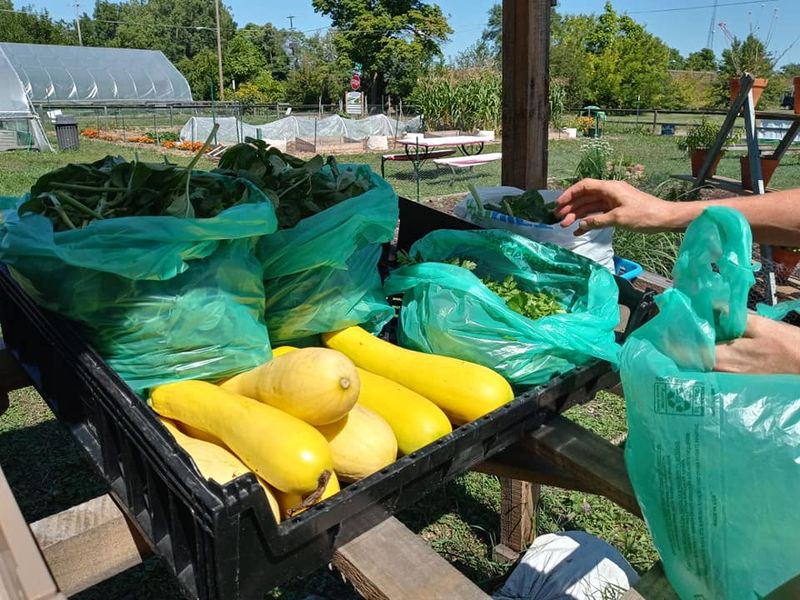
Imagine wanting to grow your own food but not knowing where to buy seeds, which transplants to trust, or how to even begin. The Garden Starters Program addresses all of that in one thoughtfully assembled package.
For a low cost, residents receive a garden kit that includes seeds, transplants, and detailed growing information, everything needed to plant a food garden capable of feeding a family throughout the summer. The kit is not just a bag of random seeds.
It is a curated starting point built around what actually grows well in Flint’s climate and what families realistically need on their tables.
The program removes one of the biggest barriers to home gardening: the overwhelming feeling of not knowing where to start. By handing people the right tools and the right information at the same time, Edible Flint gives residents a fighting chance at a real harvest.
And once those plants are in the ground, there is a whole network of support ready to help them thrive.
Fruit Tree Workshops and Seasonal Seminars
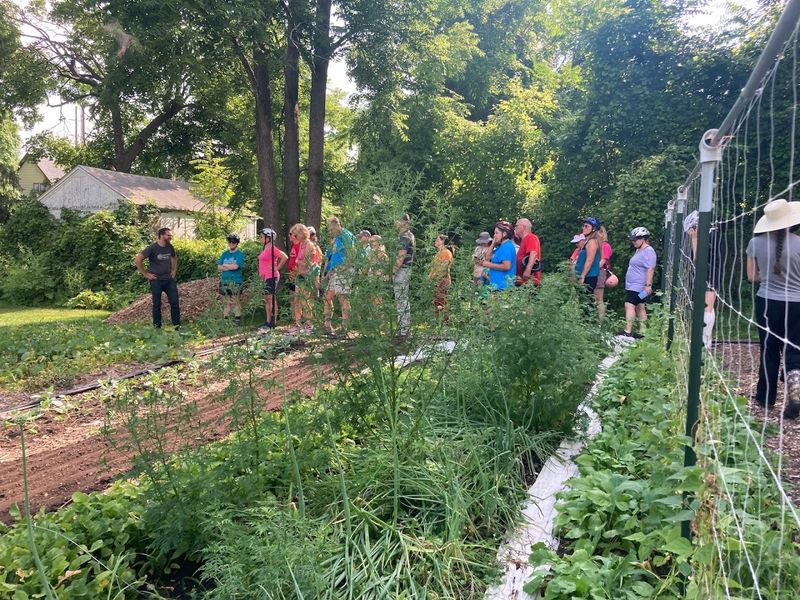
There is something deeply satisfying about learning to care for a fruit tree, something that connects you to cycles of growth that play out over years rather than weeks. Throughout the growing season, Edible Flint hosts workshops and seminars on topics that go beyond basic vegetable gardening.
Fruit tree pruning is one of the most popular sessions, and for good reason. Knowing when and how to prune can mean the difference between a tree that produces abundantly and one that struggles year after year.
These workshops are hands-on, led by people who actually know their way around an orchard, and they are designed to be accessible to beginners.
Other seasonal seminars cover topics that match the rhythm of the Michigan growing calendar, giving participants timely, relevant knowledge right when they need it most. Attending one of these sessions felt less like a class and more like a conversation between neighbors who genuinely wanted each other to succeed.
And that community spirit only gets stronger with the Neighborhood Ambassador Program.
The Neighborhood Ambassador Program: Mentors Who Show Up
Most gardening programs hand you information and then send you home to figure it out alone. The Neighborhood Ambassador Program takes a completely different approach, and it makes a noticeable difference.
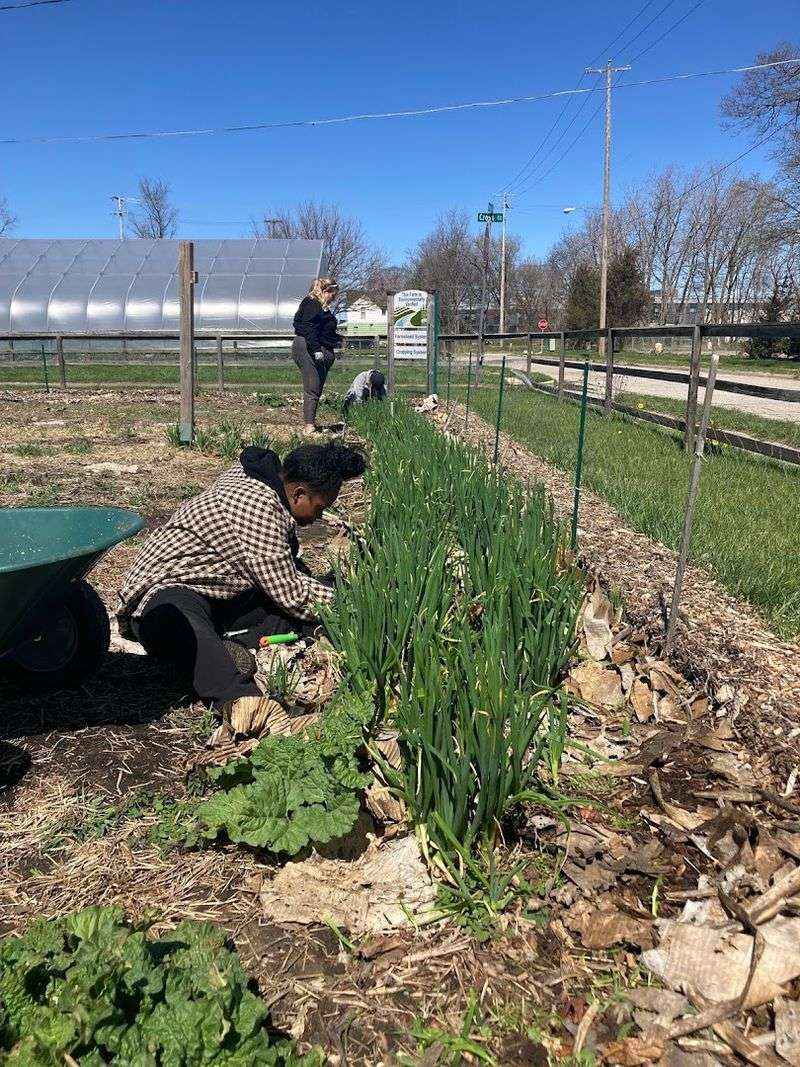
Through this initiative, trained garden mentors are mobilized to go directly into neighborhoods and assist residents in having successful growing seasons. These are not distant experts dispensing advice from behind a desk.
They are community members who have been through the learning curve themselves and are now ready to walk next-door neighbors through it.
The ambassador model works because it is built on trust and proximity. When your mentor lives a few blocks away and checks in regularly throughout the season, the chance of a failed garden drops significantly.
Problems get caught early, questions get answered quickly, and the whole experience feels supported rather than solitary. Watching an ambassador and a first-time grower work side by side on a raised bed is one of the most genuinely heartwarming things I witnessed at this farm.
Soil Services and Practical Support for Neighborhood Gardens
Growing food is not just about seeds and sunshine. The quality of your soil determines almost everything, and in an urban environment like Flint, that can be a serious concern.
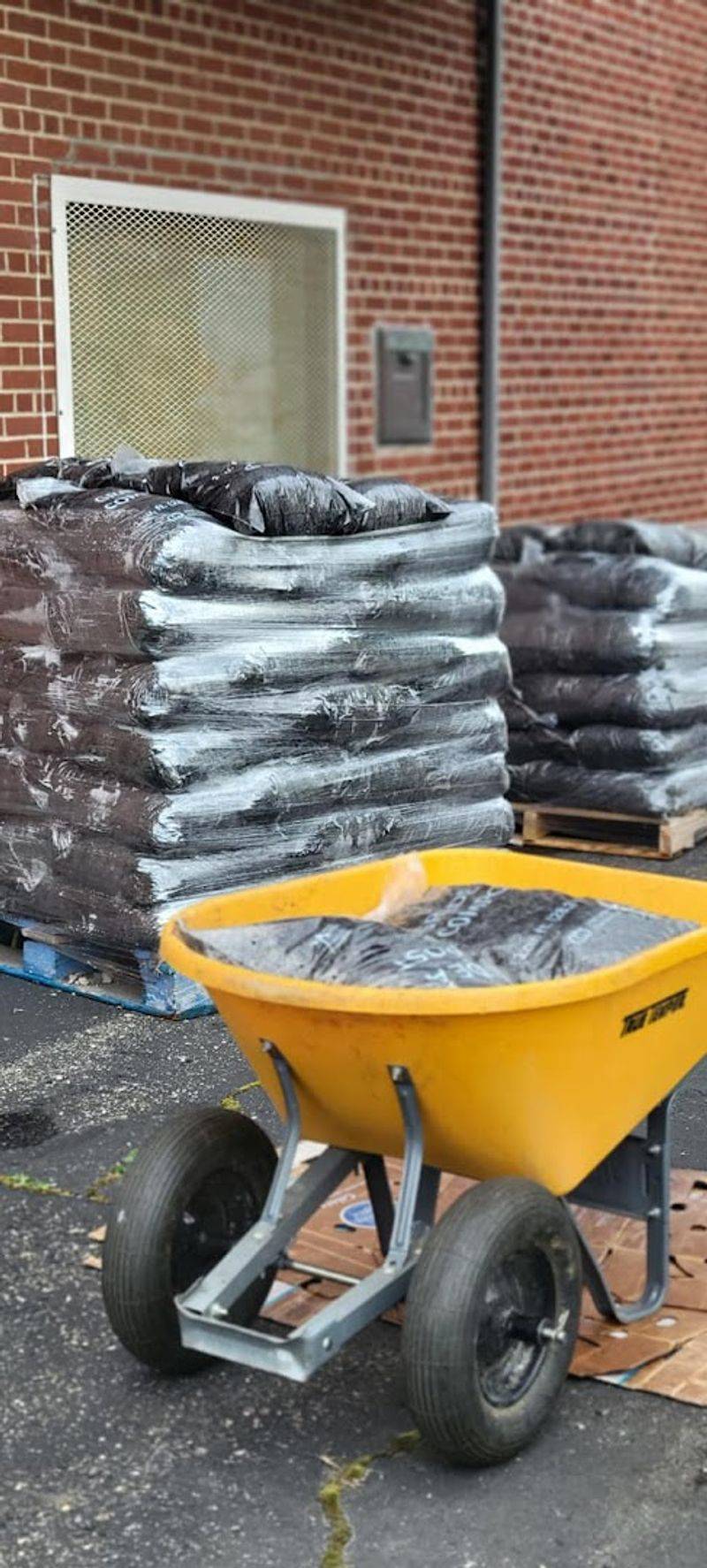
Edible Flint offers a suite of practical services specifically designed to help neighborhood gardens succeed at the ground level, literally. Tilling services, soil testing, and compost delivery are all available to support residents who are working on their own plots but need a little infrastructure help to get started or improve their results.
Soil testing is especially valuable in a city with a history of industrial activity, as it gives gardeners clear information about what they are working with before they plant a single seed. Compost delivery removes another common obstacle, the challenge of sourcing quality organic matter in an urban setting.
These services are not glamorous, but they are the kind of unglamorous support that actually makes the difference between a thriving garden and a disappointing one. The produce that results from all this effort ends up doing something remarkable.
Two Tons of Produce: The Harvest That Feeds the Neighborhood
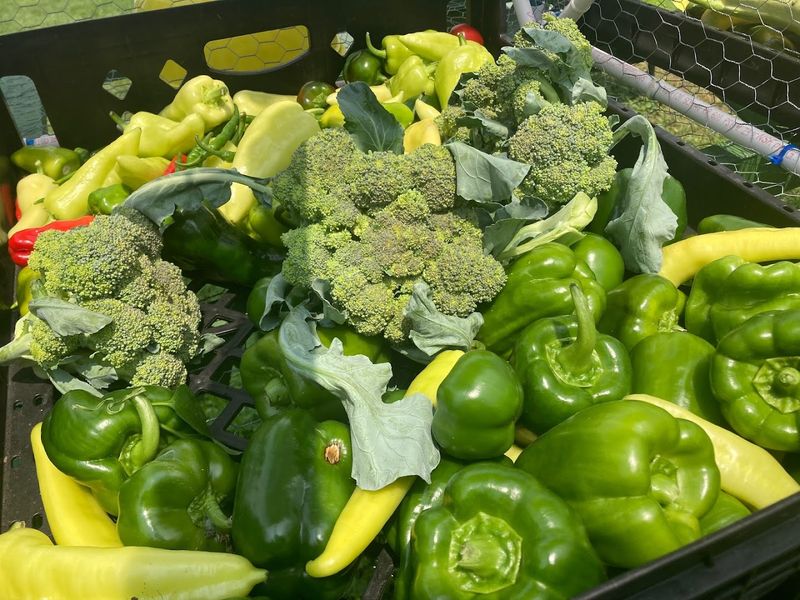
Numbers can feel abstract until you picture what they actually represent. In 2025, Edible Flint donated over two tons of produce to neighborhood residents, soup kitchens, and food pantries across Flint.
That is not a small figure. That is thousands of pounds of fresh vegetables going directly to people who need them, grown on community land by community hands, and shared without the barrier of price.
The produce flows through several channels, including a neighborhood vegetable stand where residents can pick up fresh food grown just blocks from their homes.
Volunteers who contribute their time to the farm also receive a share of the harvest, which creates a direct and meaningful reward for their effort. This model turns participation into nourishment, quite literally.
The act of showing up, planting, watering, and weeding becomes connected to the act of eating well. Few organizations make that loop as clear and tangible as Edible Flint does, and the youth programs make sure the next generation understands it too.
Children’s Days and the SPROUTS Program: Growing the Next Generation
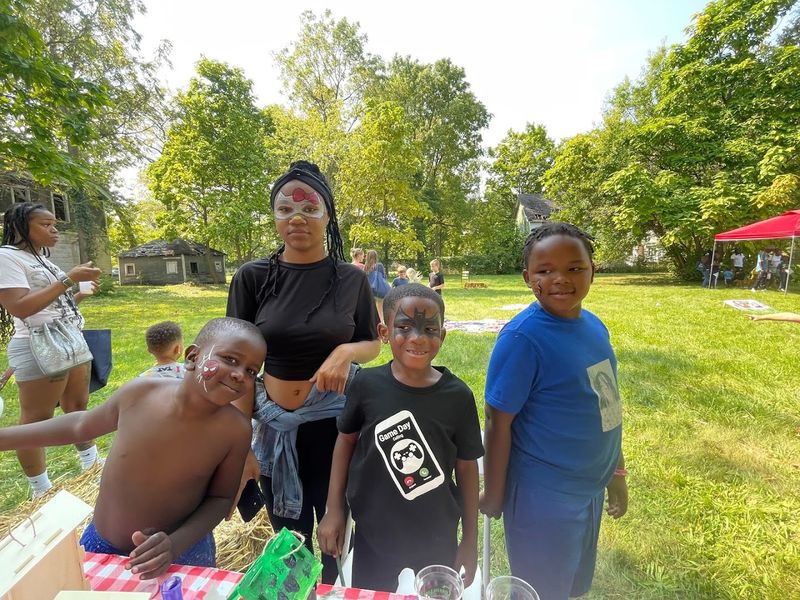
Kids and dirt are a natural combination, and at Edible Flint, that combination is turned into something genuinely educational. The farm runs dedicated youth programming that brings children and youth groups onto the property for experiences they are unlikely to find in a classroom.
Children’s Days at the Edible Flint Educational Farm offer structured visits where young people get their hands into soil, learn how plants grow, and understand where food actually comes from. The SPROUTS Program takes this further, giving youth a deeper engagement with growing food, harvesting, soil health, and developing healthy eating habits over time.
What makes these programs effective is the hands-on format. Children are not just watching a demonstration.
They are planting, harvesting, and asking the kinds of questions that stick with them long after the visit ends. A kid who has pulled a carrot from the ground and eaten it on the spot carries that experience differently than one who has only seen vegetables in a grocery store.
And there is one annual event that brings all of this energy together city-wide.
The Annual Food Garden Tour: A City-Wide Celebration in July
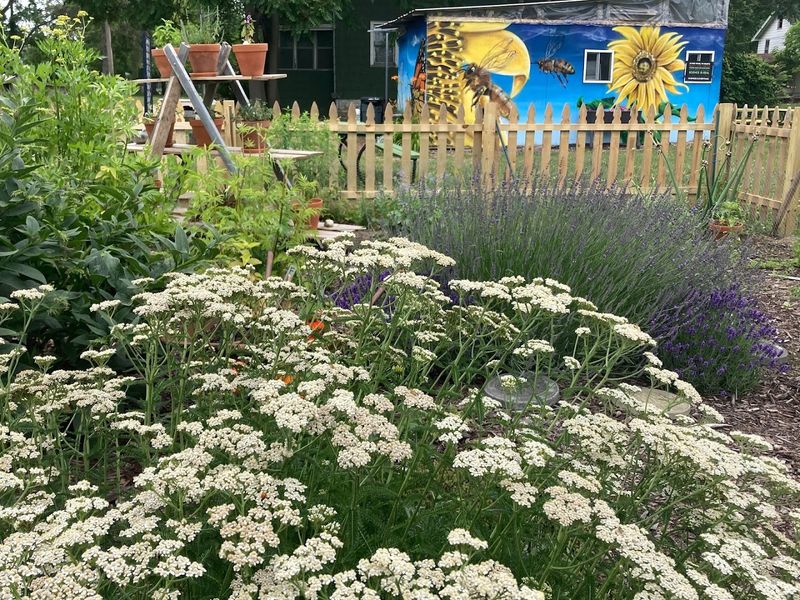
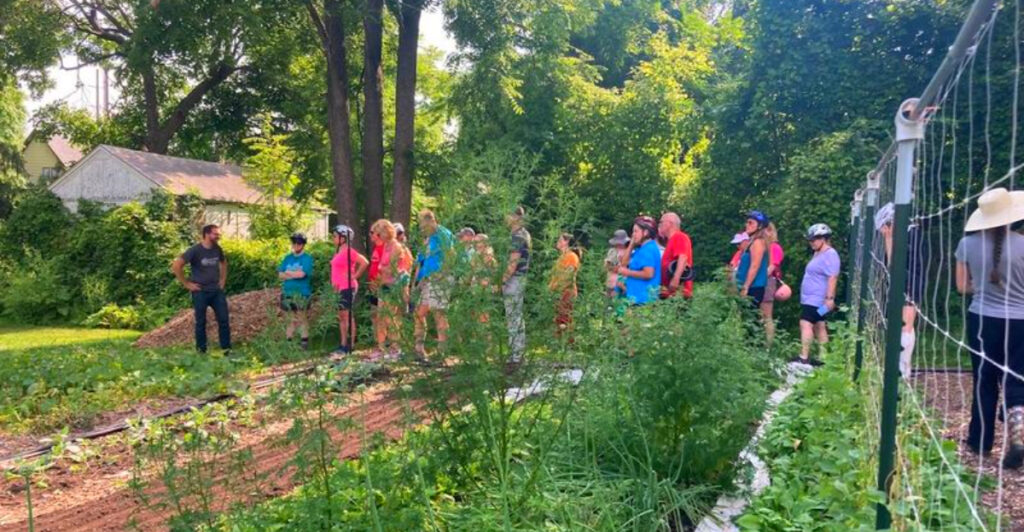
Once a year, in the height of the Michigan summer, Flint turns into a living showcase of what its residents have grown. The Annual Food Garden Tour, held each July, celebrates the work of food gardeners across the entire city.
The tour takes participants through a collection of neighborhood gardens, from small backyard plots to larger community spaces, highlighting the creativity, effort, and skill that Flint residents bring to growing their own food. It is part garden walk, part community celebration, and part education, all rolled into a single afternoon event.
Attending the tour gives you a perspective on Flint that is easy to miss if you only know the city from headlines. There is real pride in these gardens, and real skill on display.
Gardeners who have spent months tending their plots get to share their work with neighbors and strangers alike, and the atmosphere is warm, generous, and genuinely festive. The recipe book project builds on that same spirit of sharing.
Why This Farm Matters and How You Can Be Part of It
Some places exist to serve a function. This farm exists to shift something, the relationship between a community and its food, between neighbors and each other, between a city and the land it sits on.
Edible Flint Educational Farm operates as a non-profit and relies heavily on volunteers who show up season after season to keep the beds planted and the programs running. In return, those volunteers receive fresh produce, new skills, and a sense of belonging that is harder to quantify but just as real.
Whether you are a Flint resident looking to learn how to grow your first tomato, a family hoping to sign your kids up for a farm visit, or someone interested in supporting food justice work in Michigan, there is a place for you here. The farm’s website at edibleflint.org lays out all the ways to get involved.
A farm that feeds a city starts with one person deciding to show up, and at Edible Flint, that person could easily be you.
Share this story