This historic Victorian home in Flint offers a detailed look at the city’s past through original furnishings and well-preserved interiors from the 1880s. Known for its guided tours, it highlights the daily life, traditions, and influence of the family who once lived there.
Located in Genesee County, it is more than just a preserved house. The site connects directly to key moments in Flint’s development, giving visitors context that goes beyond what most local attractions provide.
What makes it worth visiting is the depth of the experience. From period customs to lesser-known historical details, it offers a focused, informative look at a pivotal era in the city’s history.
A Grand Address With a Surprising Past
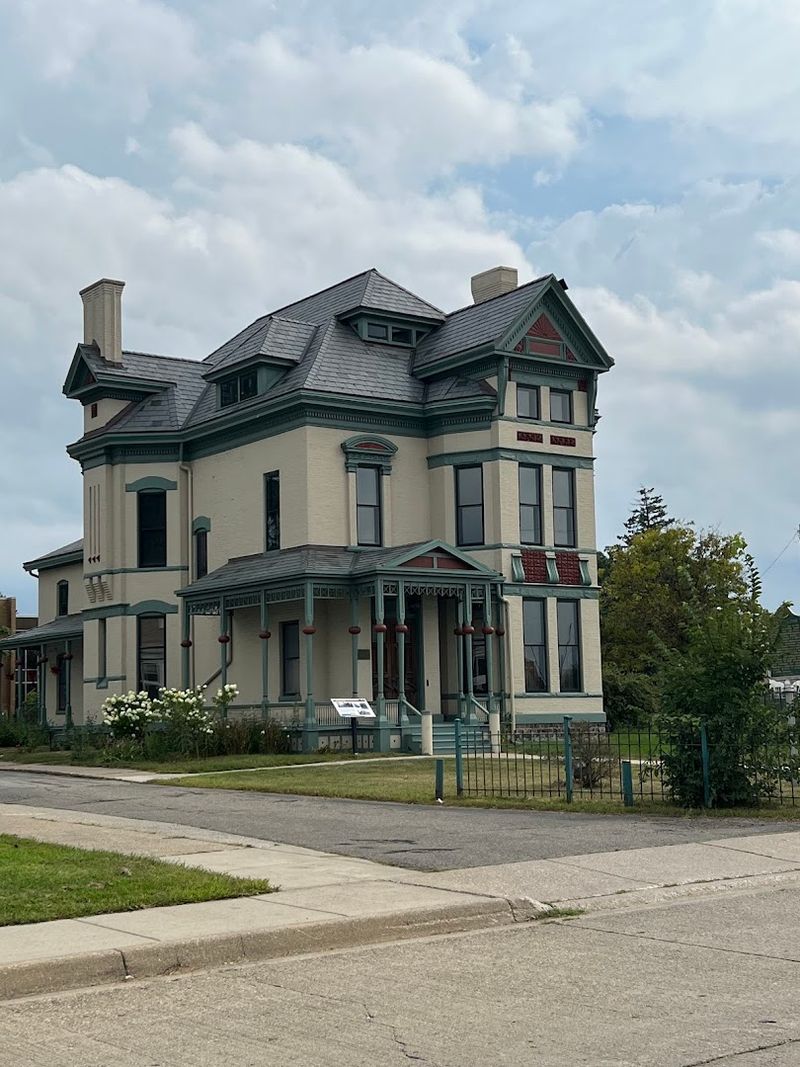
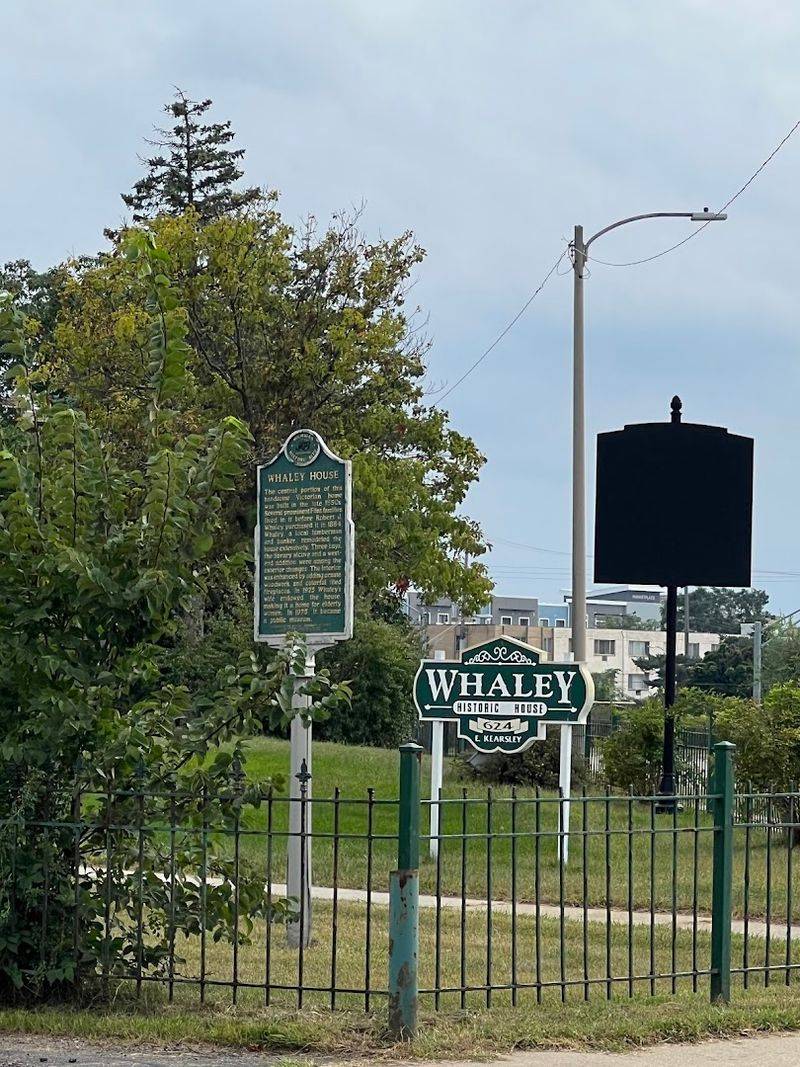
Most people drive past 624 E Kearsley St in Flint, Michigan, without a second glance, but that would be a genuine mistake. The Whaley Historic House Museum sits close to the University of Michigan-Flint campus and just off the highway, making it surprisingly easy to find for a place that feels so tucked away from the modern world.
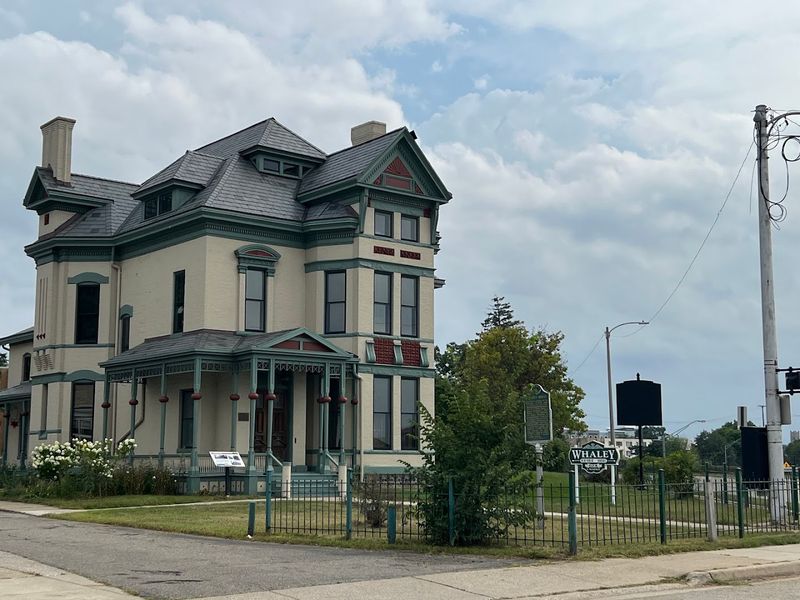
Built in the late 1800s, the home was the residence of Robert Whaley and Mary McFarland-Whaley, two figures who played a meaningful role in Flint’s social and economic development. The house is a two-and-a-half-story Late Victorian structure with ornate exterior details that immediately signal the wealth and taste of its original owners.
The Genesee County setting adds context, because Flint during this era was booming with industry and ambition. Knowing the address is one thing, but arriving there and seeing the home in person is something else entirely.
The next section reveals a family connection that links this house to a global brand.
The Whaley Family and Their Role in Flint History
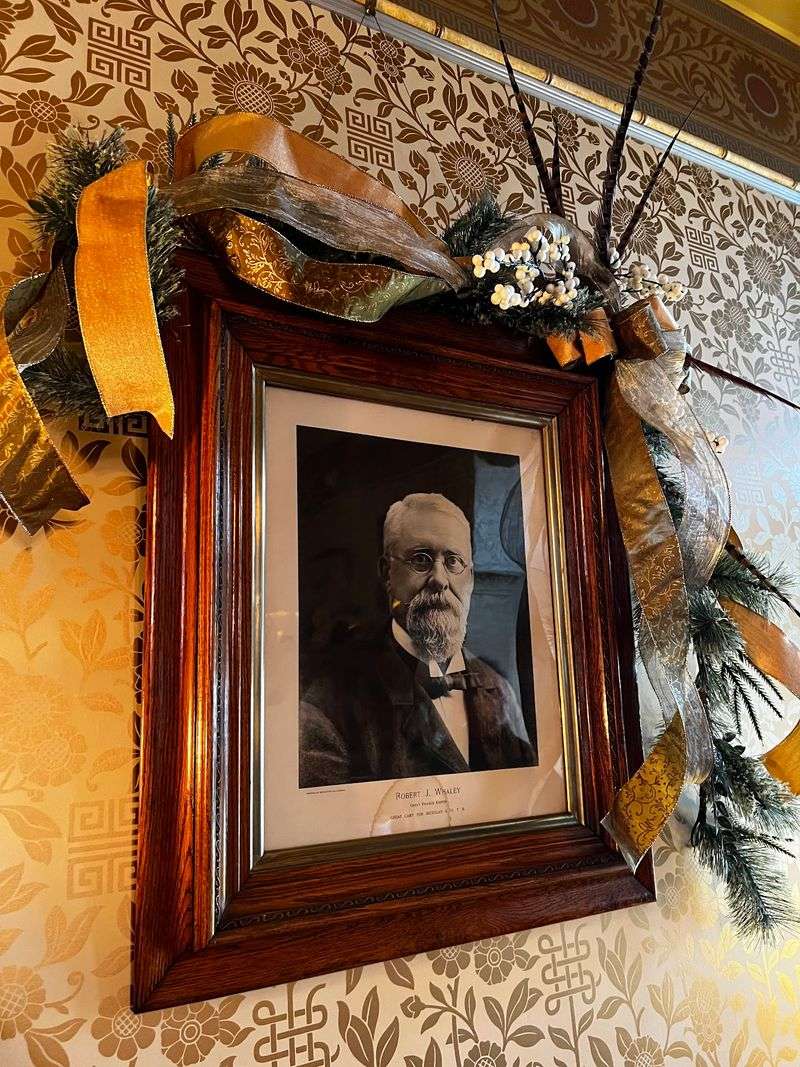
Robert Whaley was not just a wealthy homeowner. He was a prominent businessman whose financial reach extended far beyond his own front door, and one particular transaction he was involved in helped launch what would become one of the most recognized companies in the world.
Whaley reportedly wrote a check that provided early funding connected to the founding of General Motors, a fact that makes the house feel like far more than a pretty artifact. Mary McFarland-Whaley was equally significant, known for her community involvement and her role in shaping the social fabric of Flint during a time of rapid change.
Together, the couple built a home that reflected their values, their tastes, and their connections to the wider world of Gilded Age America. The family artifacts on display throughout the museum are not generic antiques sourced from estate sales.
They are actual objects that belonged to this specific family, which gives every room an authenticity that is hard to manufacture. The next section gets into what those rooms actually look like.
What the Rooms Reveal About Victorian Daily Life
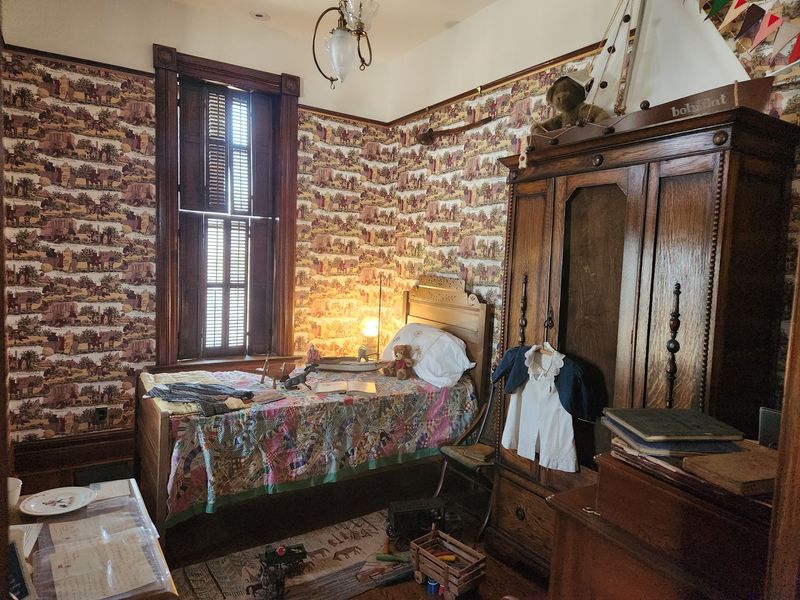
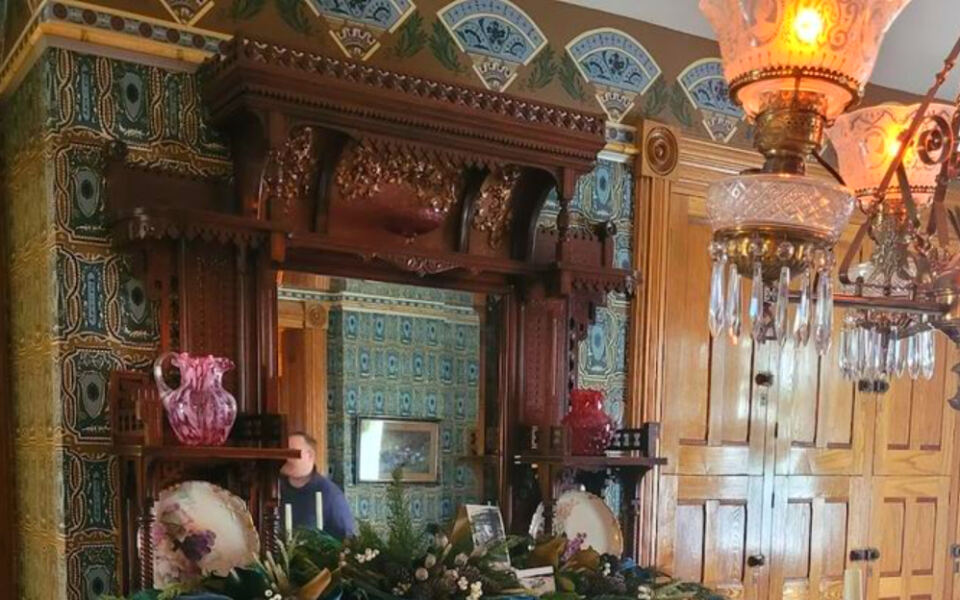
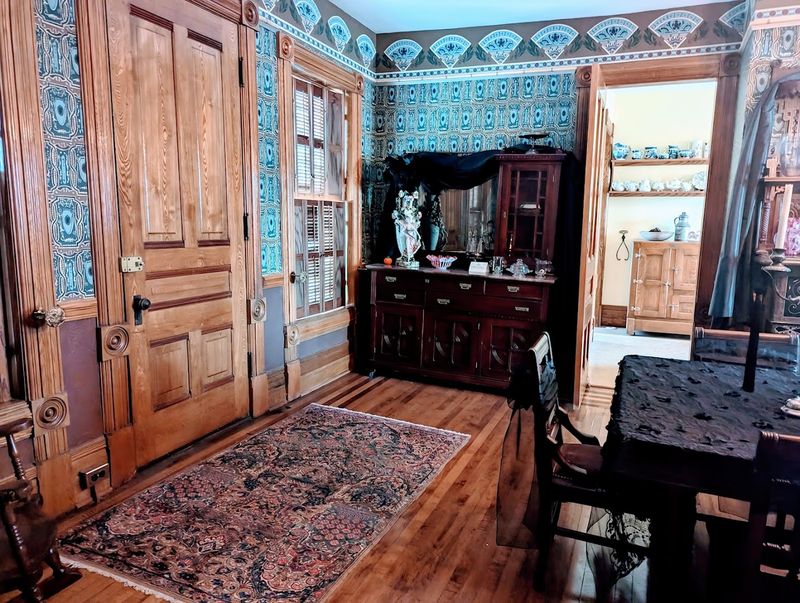
Every room in this house functions like a carefully curated chapter in a book about 19th-century life. The formal parlor is where guests were received, and it is filled with the kind of furniture that signals social standing without ever being subtle about it.
Velvet upholstery, carved woodwork, and layered textiles create a space that feels both luxurious and lived-in.
The dining room tells its own story about how meals were experienced as social rituals rather than just fuel stops. Place settings, serving pieces, and decorative objects are arranged to reflect how the Whaleys would have entertained their guests.
Moving through the home, you get a genuine sense of how different each room’s purpose was, and how much thought went into every detail.
The bedrooms upstairs offer a more private look at daily routines, with personal items that make the past feel surprisingly close. It is the kind of place where you catch yourself wondering what it actually felt like to live here, and that curiosity is exactly what the museum is designed to spark.
The Mourning Display That Stops Visitors in Their Tracks
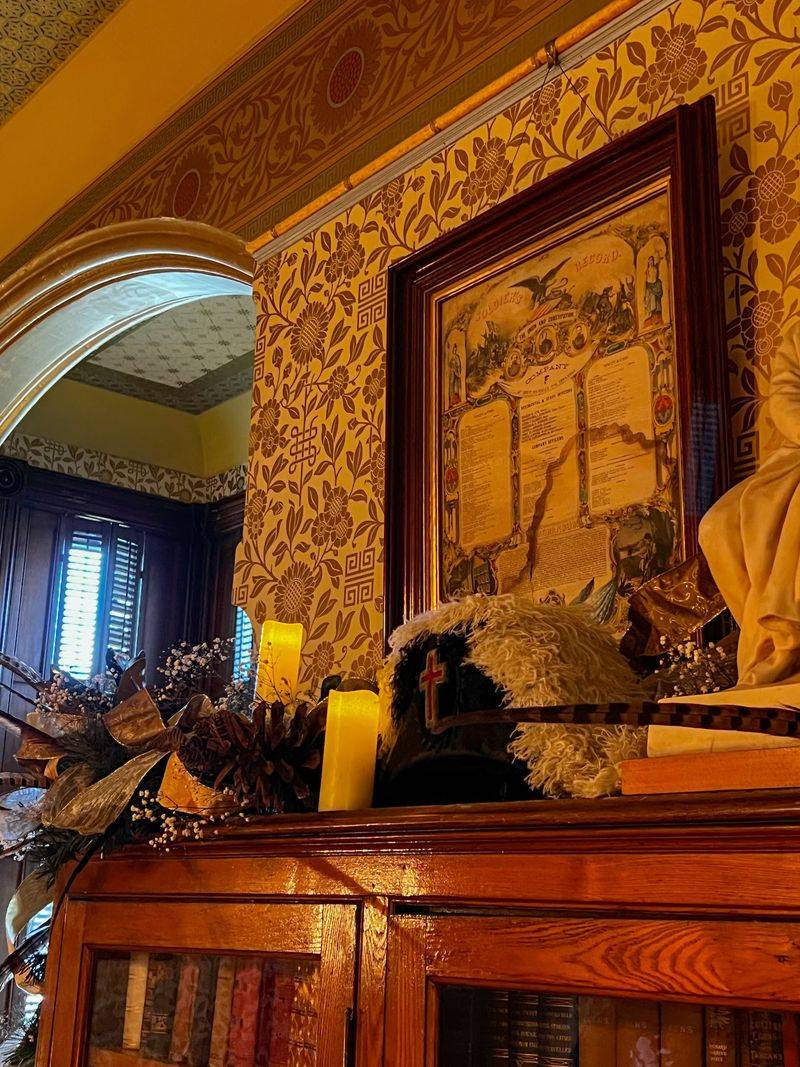
One of the most talked-about features of the museum is its mourning display, and it is the kind of exhibit that genuinely changes how you think about the past. Victorian mourning culture was elaborate, specific, and governed by strict social rules that most modern visitors have never heard of.
The display includes black mourning attire, memorial objects, and examples of the hair art that families created to remember those they had lost. Hair jewelry and woven hair portraits were common during this era, and seeing them in person is both surprising and oddly moving.
The rituals around mourning in the 19th century were not morbid for the sake of drama. They were a structured way for communities to process grief together.
Families followed detailed timelines for how long to wear black, what jewelry was appropriate, and how to display remembrance objects in the home. The Whaley museum presents this tradition with sensitivity and context, making it one of the most educational stops on the entire tour.
And if you think that is fascinating, wait until you hear about the holiday displays.
Christmas at the Whaley House Is Something Else
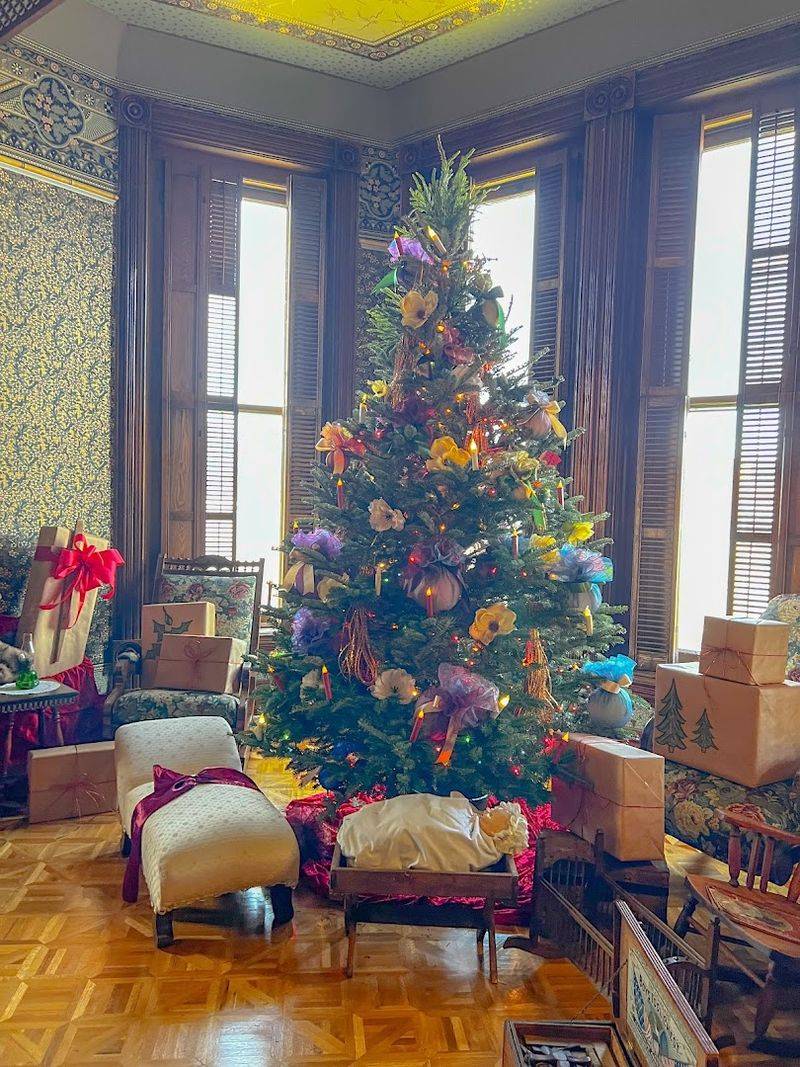
There is a reason so many visitors mention the Christmas season when they talk about this place. Each year, local florists and designers transform the Whaley House into a Victorian holiday showcase, decorating every room with period-appropriate garlands, candles, and ornamental arrangements that feel genuinely festive without looking commercial.
The holiday decor does not clash with the historic setting. Instead, it enhances it, giving visitors a sense of what a prosperous Victorian household might have looked like during the winter season.
The combination of original family artifacts and seasonal decoration creates a layered visual experience that is hard to replicate anywhere else in Genesee County.
Visiting during the Christmas period also tends to draw larger crowds, which means the energy inside the house is particularly warm and social. Groups of friends, families with children, and history enthusiasts all show up together, and the shared experience of walking through a decorated Victorian home in the middle of a Michigan winter has its own particular magic.
The events calendar around the holidays is worth checking in advance.
Tea Parties, Game Nights, and a Living Museum
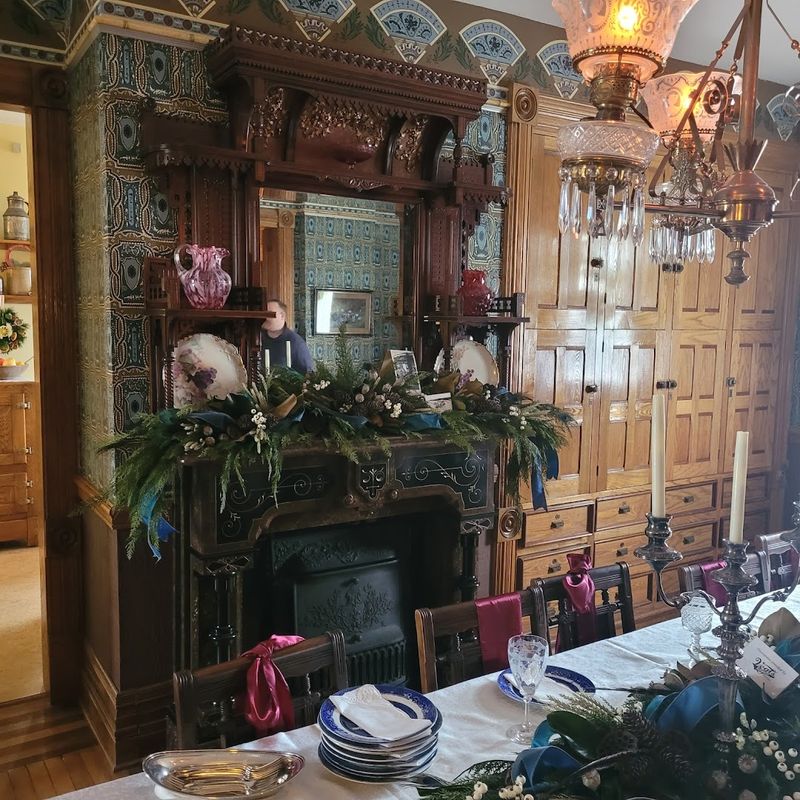
A lot of historic house museums feel frozen in amber, beautiful to look at but impossible to actually experience. The Whaley House takes a different approach by hosting a rotating calendar of events that bring the space to life in genuinely fun ways.
Victorian teas are among the most popular, and they fill up quickly for good reason.
Guests sit in the formal rooms surrounded by period furniture and original family objects while enjoying tea served in a style that nods to the 19th century. The atmosphere is warm and convivial, and the setting makes even a casual afternoon feel like a special occasion.
Board game nights are another regular offering, some of them free, which makes the museum accessible to a wider range of visitors regardless of budget.
Private event rentals are also available, and the house has hosted birthday celebrations, Galentine’s Day gatherings, and family Christmas parties. The fact that you can rent a Victorian mansion for your own event is the kind of detail that sounds too good to be true until you actually book it.
What Makes the Guided Tours So Memorable
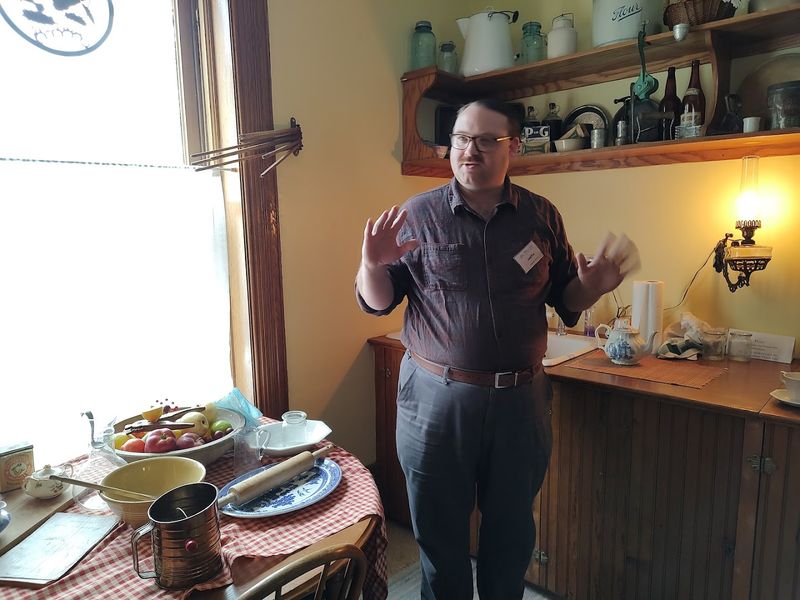
The tour experience at the Whaley House is genuinely one of the best parts of visiting, and that comes down almost entirely to the quality of the people leading them. The Executive Director brings an infectious enthusiasm to every tour, combining deep historical knowledge with a conversational style that keeps even younger visitors engaged.
Tours cover not just the Whaley family but also the broader history of Kearsley Street and the neighborhood, giving visitors a sense of the social geography of Flint during the Gilded Age. The guide does not just recite facts.
He connects the objects in each room to real stories about real people, which makes the whole experience feel less like a lecture and more like a conversation with someone who genuinely loves this place.
Private tours can be arranged by appointment, and nighttime tours have also been offered, which adds a completely different atmosphere to the experience. Groups have raved about the interactive quality of these visits, and it is clear that the passion behind the tours is not scripted.
You can feel the difference immediately when you arrive.
The Original Artifacts That Set This Museum Apart
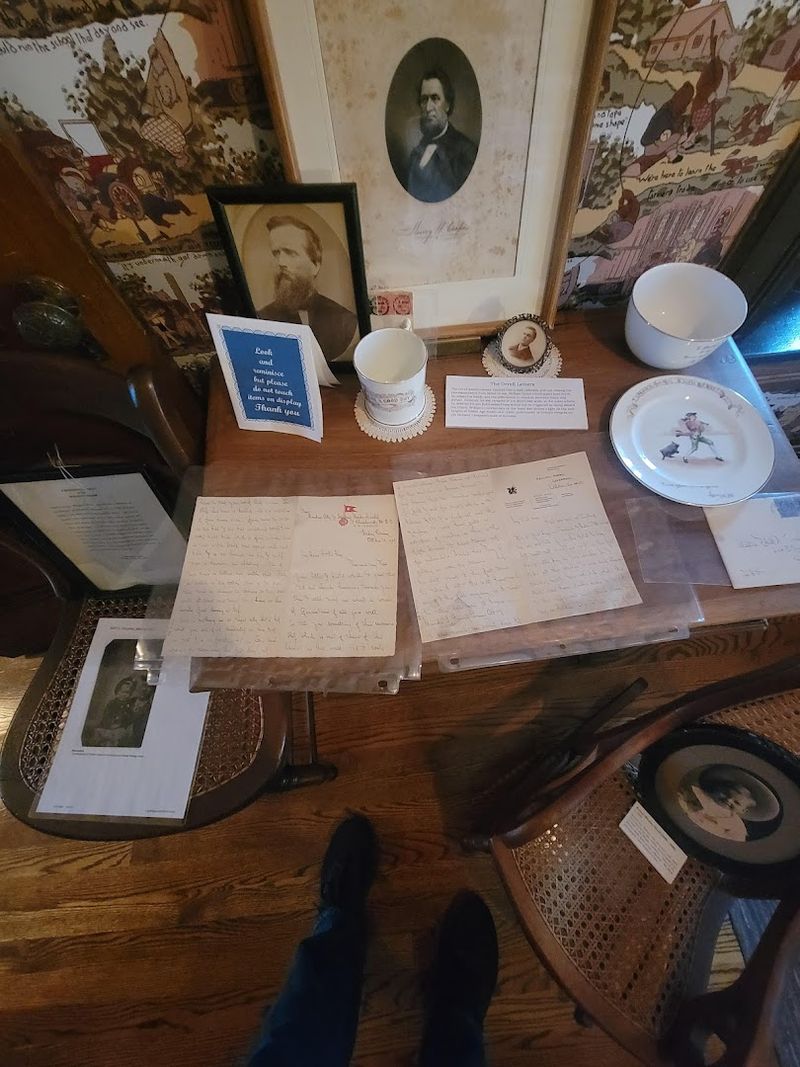
Many historic house museums source their furnishings from antique dealers and estate sales, creating a period look without a personal connection. The Whaley House is different because the objects throughout the home actually belonged to the Whaley family, which gives every display a layer of authenticity that you can genuinely feel.
Framed photographs, personal correspondence, decorative china, and hand-stitched textiles are all presented in context, meaning you understand not just what the object is but who used it and why it mattered. That specificity transforms a beautiful house into a meaningful one.
It is the difference between looking at furniture and actually understanding the people who sat in it.
The collection also includes items that reflect the family’s social connections and community role, offering a window into the networks of influence that shaped Flint during its most formative decades. Seeing these objects in the rooms where they were originally used creates a sense of continuity that no amount of careful staging can manufacture.
And the building itself adds another layer to that story.
Practical Details for Planning Your Visit
Getting the logistics right before you visit makes a real difference. The museum is open Tuesday through Friday from 11 AM to 4 PM, and on Saturdays from 11 AM to 2 PM.
It is closed on Sundays and Mondays, so planning around those hours is essential. The phone number is 810-238-7228, and the website at whaleyhouse.com has current event listings and booking information.
Reservations are recommended, especially for private tours or special events, and calling ahead ensures you get the experience you are looking for rather than showing up and finding a closed door. The museum is located near the University of Michigan-Flint campus, which makes it easy to combine with other stops in the downtown Flint area.
Bringing a packed lunch is an option if you want to eat on the premises, which is a practical touch that longer tour groups appreciate. Admission pricing and event fees vary, so checking the website before your visit is the smartest move.
The museum also accepts volunteers and members, which is worth considering if you fall in love with the place.
The Connection to General Motors That Changes Everything
There is one detail about the Whaley family that tends to stop visitors mid-sentence when they hear it on the tour. Robert Whaley is connected to the early financial history of General Motors, reportedly writing a check that helped provide funding during the company’s founding period.
For a city whose identity became so deeply tied to the auto industry, that connection feels almost mythological.
GM went on to become one of the most influential manufacturing companies in global history, and the idea that its early financial support traces back in part to a man whose home still stands on Kearsley Street is the kind of fact that reframes everything around you. Standing in the parlor where Whaley once entertained guests, knowing what he helped set in motion, gives the room a different kind of weight.
The museum does not oversell this connection, which is part of what makes it land so effectively. The guide presents it as one piece of a larger story rather than the whole point, and that restraint makes it feel more credible.
It is the kind of detail that sticks with you long after you leave.
Why This Place Deserves a Spot on Your Michigan Travel List
Some places earn their reputation through marketing, and others earn it through the experience itself. The Whaley Historic House Museum belongs firmly in the second category.
With a 4.8-star rating built on dozens of reviews, the enthusiasm visitors express is consistent and specific, which is usually a reliable sign that a place is doing something genuinely right.
The combination of original artifacts, knowledgeable guides, rotating events, and a beautifully restored building creates a visit that works for history enthusiasts, curious families, and anyone who appreciates craftsmanship and storytelling in equal measure. Children have reportedly left the tours saying how much fun they had, which is not a small achievement for a 19th-century house museum.
The museum also supports the broader Flint community by keeping local history visible and accessible, offering free and low-cost events that welcome people regardless of their budget. Adding it to your Michigan travel plans is not just a good idea for your own enjoyment.
It is a small act of support for a place that is working hard to keep something genuinely valuable alive.
Share this story