 Unearth The Voyage
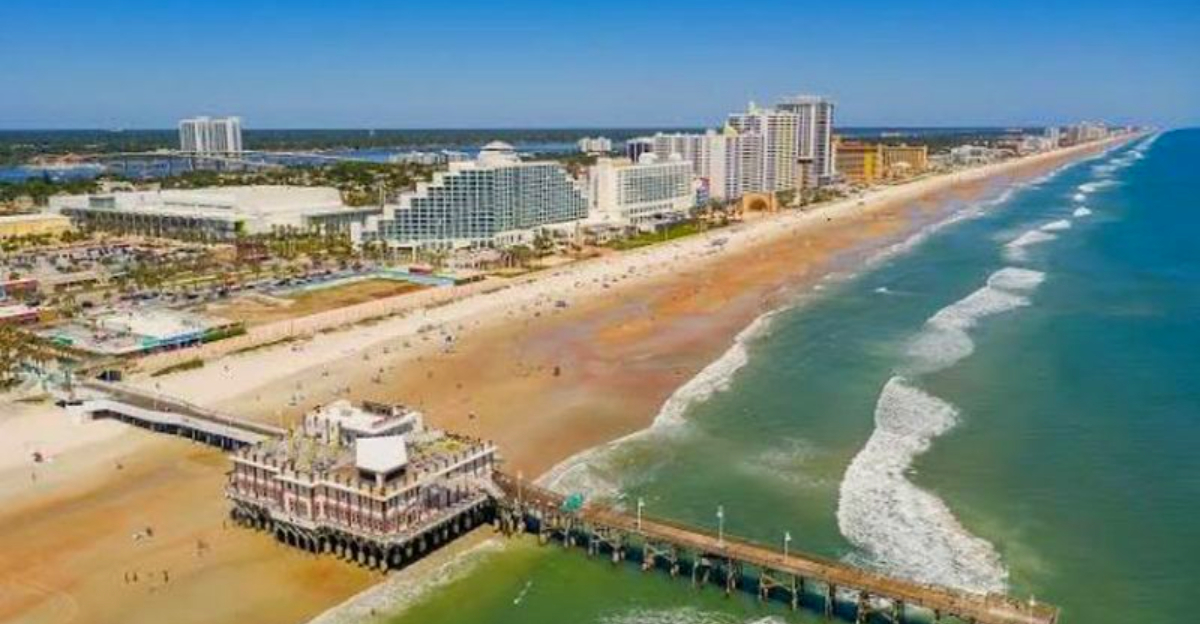
Gen Z travelers have long flocked to certain beach towns for spring break parties, late-night scenes, and Instagram-worthy sunsets. But lately, a handful of once-hot destinations are seeing fewer young visitors as local governments crack down on rowdy behavior, seaweed piles up on shorelines, and prices climb out of reach. Whether it’s tougher alcohol rules in Europe, sargassum invasions in Mexico, or curfews in Florida, these 12 beach towns are showing clear signs that Gen Z’s love affair with them is cooling off.
1. Miami Beach, Florida (South Beach)
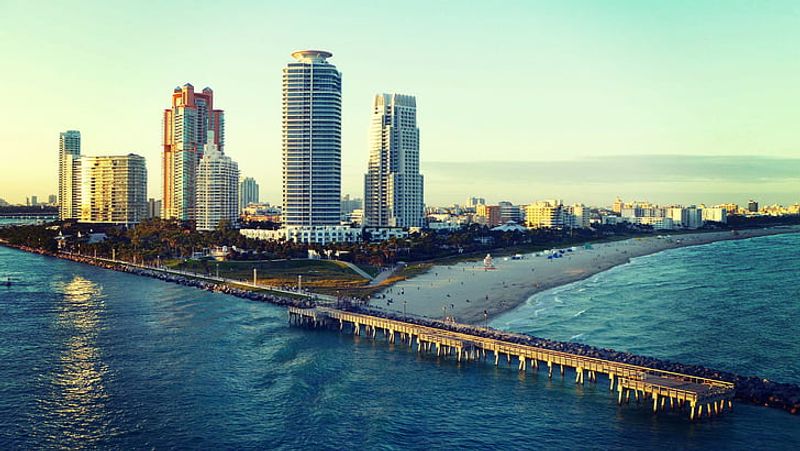
South Beach used to be the ultimate spring break playground, but city officials have pulled the plug on the party. Miami Beach rolled out strict curfews, police checkpoints, and a bold “Reality Check” campaign warning visitors that wild behavior won’t be tolerated. The message worked, maybe too well. Local bars and clubs are reporting a serious sales slump tied directly to the crackdown.
Young travelers who once packed Ocean Drive are now choosing destinations with fewer rules and less hassle. The vibe has shifted from carefree beach parties to a more controlled, family-friendly atmosphere. For Gen Z looking for spontaneous fun and late-night adventures, South Beach no longer feels like the right fit. The party crowd is moving on, and the numbers prove it.
2. Panama City Beach, Florida
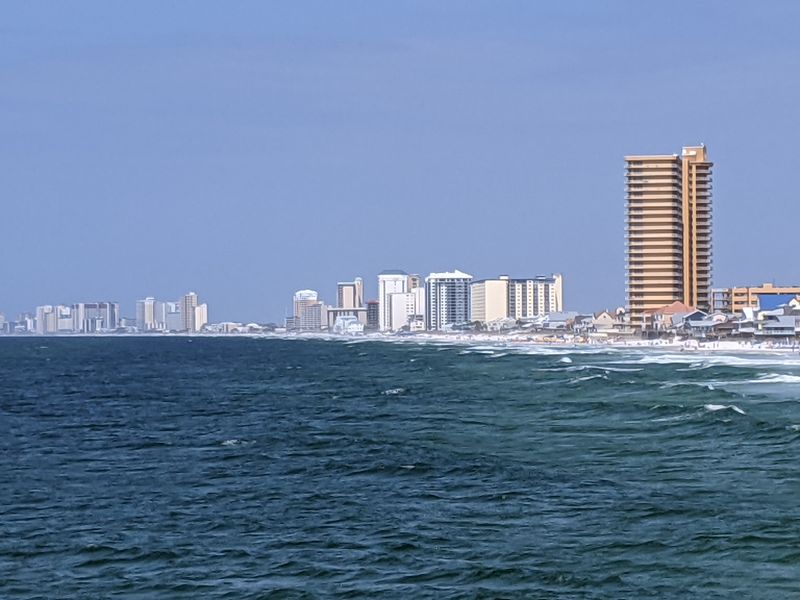
Panama City Beach earned a wild reputation as a spring break capital, but local leaders have had enough. After a string of violent incidents and hundreds of arrests, police and city officials declared that PCB is “no longer a spring break town.” New rules rolled out in 2025 make it even tougher for college crowds to gather and party like they used to. Alcohol restrictions, increased patrols, and stricter enforcement have changed the entire atmosphere.
Students who once flocked here by the thousands are now looking elsewhere for their beach getaways. The city wants families and quieter tourists instead. For Gen Z travelers seeking the classic spring break experience, Panama City Beach has closed the door. The shift is intentional, and it’s working to push the party scene out for good.
3. Myrtle Beach, South Carolina
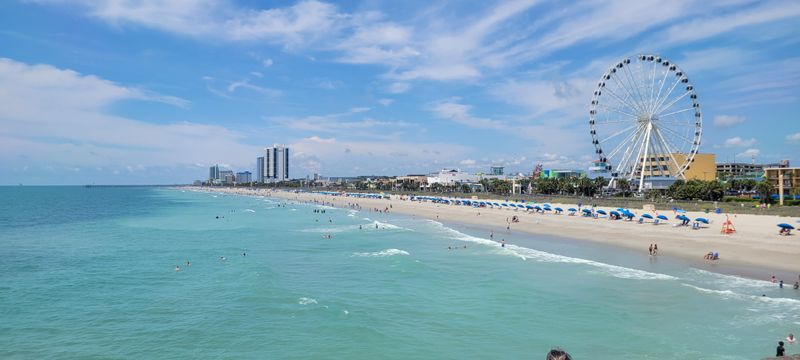
Myrtle Beach has always drawn spring breakers, but 2025 numbers tell a different story. Local news outlets reported noticeably fewer young visitors during peak break weeks, and safety concerns are playing a big role. Parents and students alike are rethinking Myrtle Beach because of growing perceptions about crime and rowdy crowds. Families still visit in decent numbers, but the college party crowd is thinning out fast.
Safety worries spread quickly on social media, and Gen Z travelers pay close attention to those warnings. When a destination starts feeling sketchy, word travels fast and bookings drop. Myrtle Beach is caught in that cycle right now. The spring break energy that once defined the town is fading, and younger travelers are choosing beaches with better reputations and fewer red flags.
4. Tulum, Mexico (Riviera Maya)

Tulum built its brand on pristine beaches and boho-chic vibes, but nature has thrown a wrench into the plan. Massive piles of sargassum seaweed have been washing ashore throughout 2025, covering stretches of sand and filling the air with a rotten smell. The seaweed surges are recurring and unpredictable, making it hard for visitors to plan trips with confidence. Beach quality has taken a visible hit, and traveler satisfaction has dropped along with it.
Gen Z tourists who expect picture-perfect beaches are disappointed when they arrive to find brown seaweed instead of turquoise water. Many are rethinking their Riviera Maya plans or choosing other destinations entirely. Tulum’s Instagram appeal is fading as the seaweed problem persists. Until the sargassum situation improves, younger travelers are likely to keep looking elsewhere.
5. Cancún/Playa del Carmen, Mexico

Cancún and Playa del Carmen have long been spring break staples, but 2025 brought what experts called the worst sargassum year on record for the Mexican Caribbean. The seaweed problem became so severe that regional authorities started exploring coordinated cleanup and prevention efforts. Beaches that used to be postcard-perfect were buried under thick mats of brown algae, and the smell kept visitors away from the water. Tourism trackers noted a clear drop in interest as the seaweed news spread online.
For Gen Z travelers who plan trips based on social media photos, seaweed-covered beaches are a dealbreaker. The once-reliable party scene and beach vibe have been overshadowed by environmental issues. Until the sargassum surges are under control, these Mexican hotspots will struggle to win back younger crowds.
6. Sant Antoni & Magaluf (Ibiza/Mallorca), Spain

Sant Antoni and Magaluf earned legendary status as Europe’s wildest party beach towns, but Spain has cracked down hard. New alcohol rules target what officials call “excess tourism” zones, with heavy fines for street drinking, limits on late-night alcohol sales, and strict controls on party boats. The goal is to rein in rowdy behavior and make these towns more family-friendly. Local protests over overtourism have added pressure on authorities to take action.
For Gen Z travelers who came for all-night ragers and cheap drinks, the new rules have sucked the fun out of the experience. The party appeal has taken a serious hit, and younger visitors are looking for destinations with fewer restrictions. Spain’s message to rowdy tourists is loud and clear, and it’s working to cool off these once-red-hot party beaches.
7. Barcelona (Barceloneta City Beaches), Spain
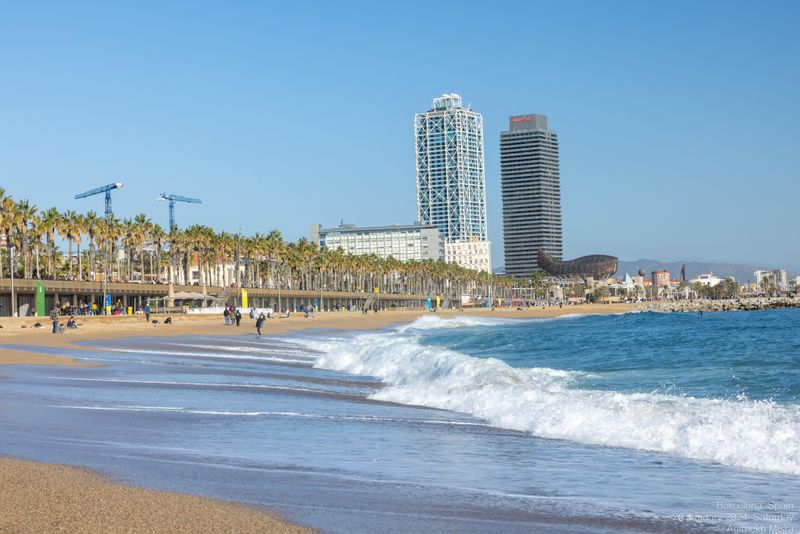
Barcelona’s Barceloneta Beach has been a magnet for young travelers, but the city is actively pushing back against party tourism. As of October 29, 2025, Barcelona banned organized bar crawls citywide, a move aimed squarely at rowdy tourist groups. On top of that, the city plans to phase out tourist apartments by 2028, making it harder and more expensive for budget travelers to stay. The message to party-seeking Gen Z visitors couldn’t be clearer: Barcelona wants a different kind of tourist.
These anti-rowdy measures are changing the vibe along Barceloneta’s beaches and nightlife strips. Young travelers who once flocked here for cheap stays and wild nights are feeling unwelcome. The crackdown is intentional, and it’s working to cool Barcelona’s appeal among the spring break and backpacker crowds looking for a good time.
8. Mykonos, Greece
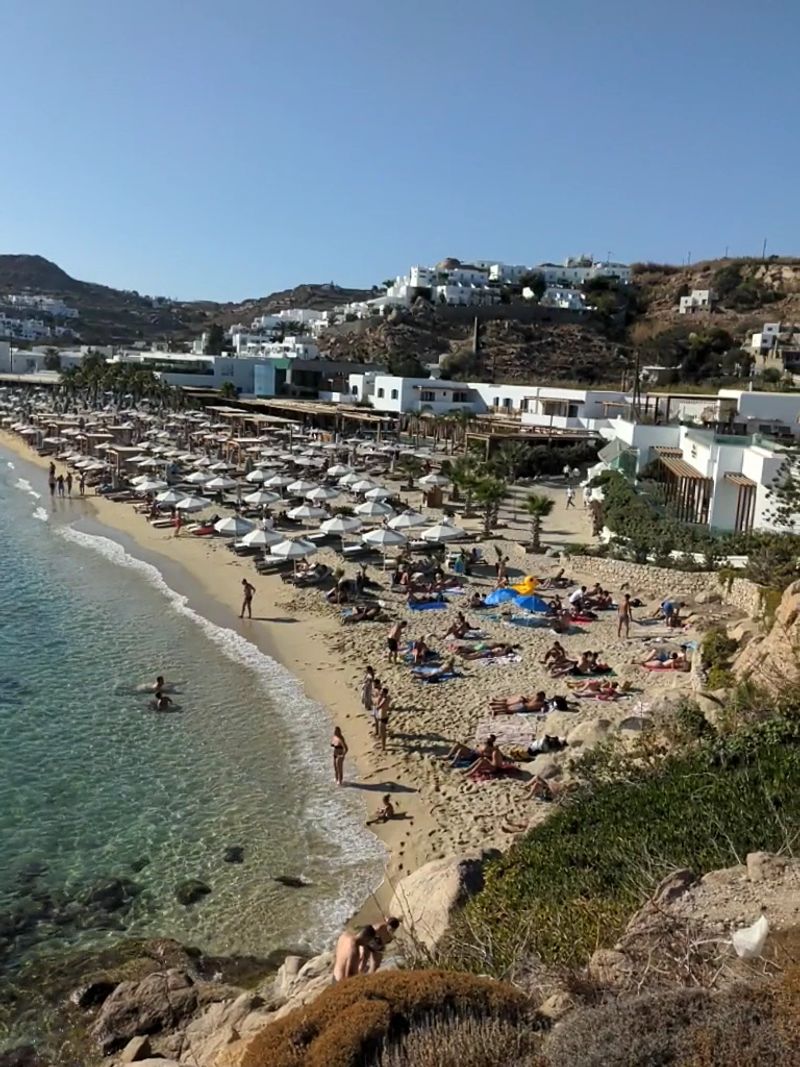
Mykonos has long been the crown jewel of Greek island party scenes, but 2025 data shows a noticeable drop in bookings. Rising costs and overcrowding have turned off many younger travelers who once dreamed of dancing at beach clubs and exploring the white-washed streets. On top of that, Greece introduced new cruise fees specifically for popular islands like Mykonos, adding extra friction for budget-conscious Gen Z visitors. The island’s reputation for being expensive has only grown stronger.
When a destination becomes too pricey and too crowded, Gen Z travelers start looking for alternatives. Mykonos is experiencing that shift right now. Younger visitors are choosing quieter, cheaper Greek islands where their money goes further and the beaches feel less like tourist traps. The party island magic is fading as costs climb and crowds grow.
9. Santorini, Greece
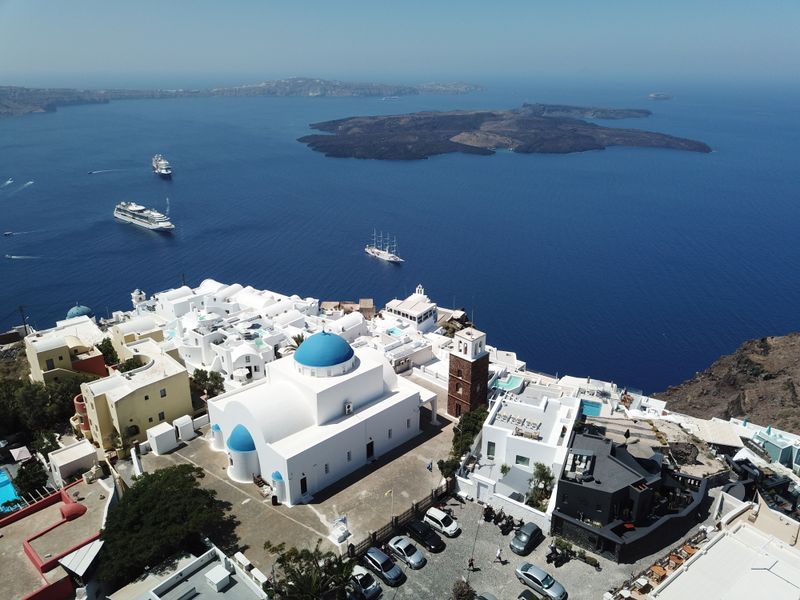
Santorini’s stunning sunsets and cliffside villages made it an Instagram favorite, but 2025 reports reveal falling demand among younger travelers. Price spikes have made the island nearly unaffordable for budget-minded Gen Z visitors, and overtourism fatigue has set in. Crowds pack the narrow streets of Oia and Fira, making it hard to enjoy the famous views without fighting through throngs of tourists. The experience no longer feels worth the high cost and hassle.
Similar to Mykonos, Santorini is losing its appeal as younger visitors seek out quieter, cheaper Greek islands. The magic of Santorini hasn’t disappeared, but it’s become inaccessible to many Gen Z travelers who can’t justify the expense. As prices rise and crowds swell, the island is cooling off as a top destination for the younger set looking for authentic experiences.
10. Patong (Phuket), Thailand
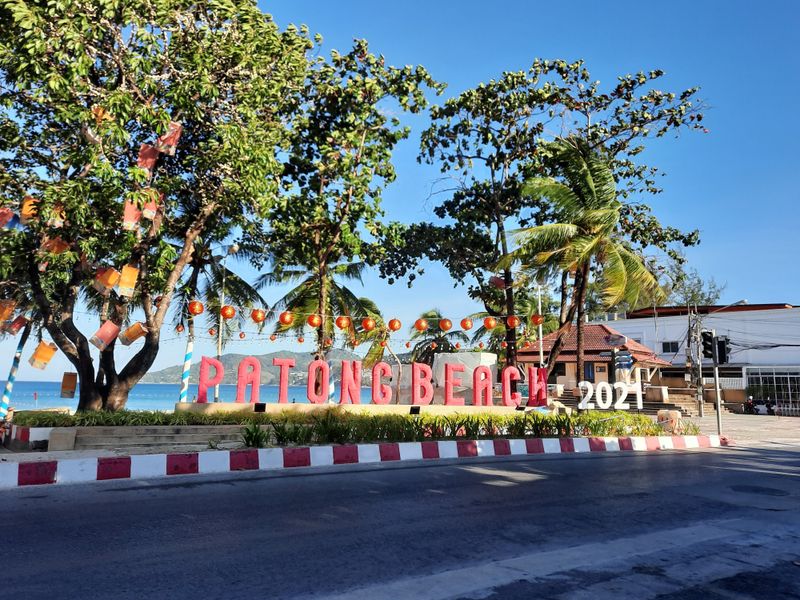
Patong Beach and its infamous Bangla Road have been a backpacker party paradise for years, but Thai authorities ran high-profile crackdowns in 2025 to curb nightlife crime and clean up the area’s reputation. Inspections and increased police presence targeted bars, clubs, and street vendors, aiming to make Patong safer and more respectable. While the intentions are good, the crackdown has changed the carefree, anything-goes vibe that once drew young travelers from around the world.
Gen Z visitors looking for wild nights and cheap thrills are finding Patong less appealing under the new enforcement. The party scene feels more controlled and less spontaneous, which takes away part of the excitement. As Phuket shifts toward a more family-friendly image, the younger backpacker crowd is starting to explore other Southeast Asian beach towns with fewer rules and more freedom.
11. Kuta/Greater Bali, Indonesia
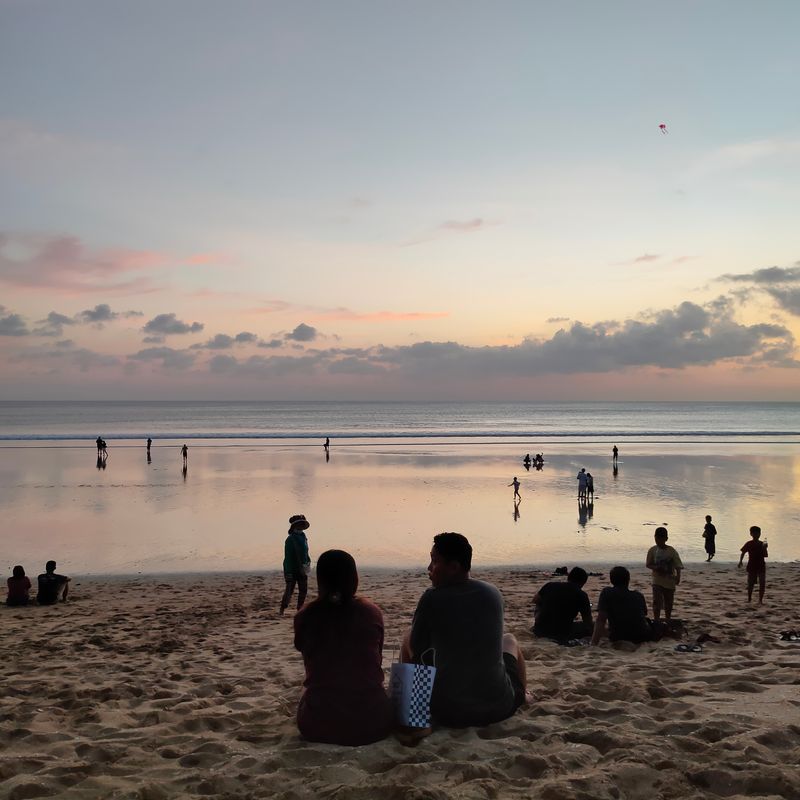
Kuta and the surrounding Bali areas have been backpacker havens for decades, but Indonesia is tightening the rules. New regulations require international driving permits for motorbike rentals, along with safety training and protective gear. These changes target the scooter-heavy backpacker crowd that once zipped freely around the island. The stricter enforcement is changing Bali’s “anything-goes” reputation, especially in legacy party zones like Kuta and Seminyak.
Tourist conduct rules are also getting tougher, with fines for disrespectful behavior and dress code violations at temples. For Gen Z travelers who loved Bali’s laid-back vibe and freedom, the new restrictions add hassle and take away some of the spontaneous adventure. The island is still beautiful, but the carefree backpacker experience is fading. Younger visitors are starting to look elsewhere in Southeast Asia for that classic freedom and flexibility.
12. Daytona Beach, Florida
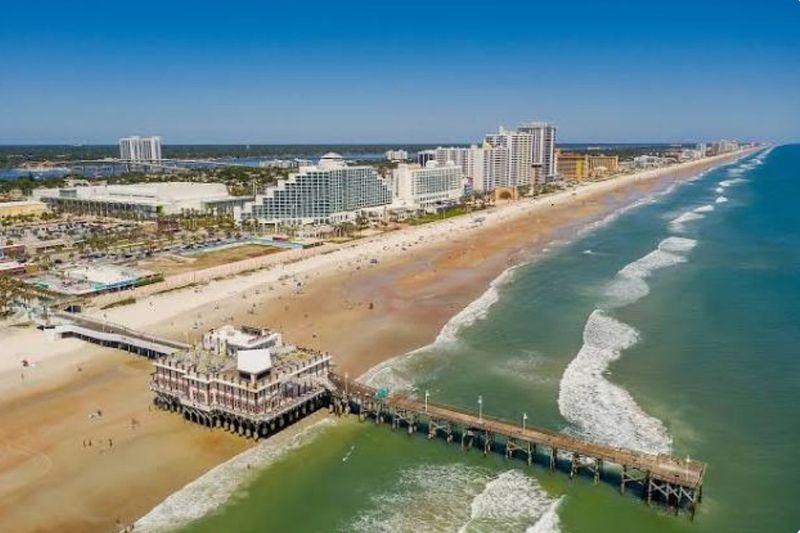
Daytona Beach once symbolized the ultimate MTV-era spring break experience, with cars on the sand and endless beach parties. But statewide enforcement escalated sharply in 2024 and 2025 after violent incidents at various Florida beaches. Daytona saw high-visibility policing, crowd-control measures, and stricter rules aimed at keeping spring break under control. The crackdown has dampened the classic spring break draw that defined Daytona for generations.
Gen Z travelers seeking that old-school party atmosphere are finding Daytona less welcoming. The heavy police presence and stricter enforcement make the beach feel less fun and more regulated. While the beach itself remains popular with families and older tourists, the younger spring break crowd is moving on. Daytona’s reputation as a party destination is cooling as Florida takes a harder line on rowdy behavior and public safety concerns.



