 Unearth The Voyage
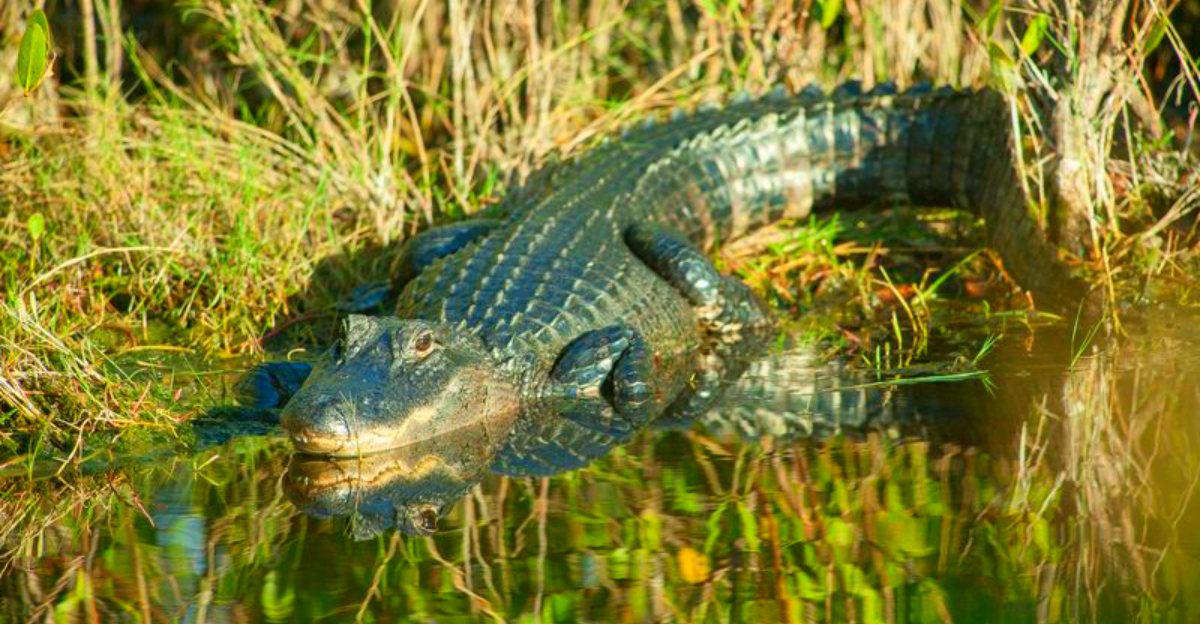
Thinking of spotting a real Florida gator without straying too far off the beaten path? You are in luck, because these wild wetlands and famous parks practically bring the encounters to you. With over a million alligators statewide, sightings are common if you know where to look and how to keep a safe distance. Use this list to plan smarter stops, snap memorable photos, and head home with great stories instead of close calls.
1. Everglades National Park – Shark Valley and Anhinga Trail
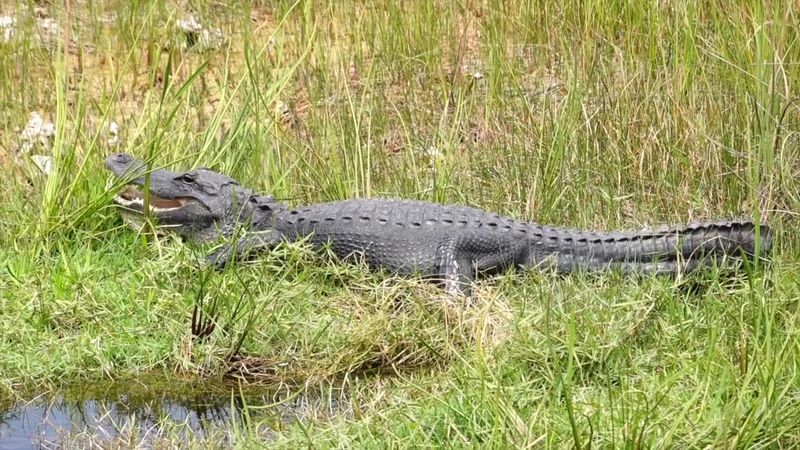
Shark Valley’s paved loop and the Anhinga Trail make gator watching almost effortless. You can stroll boardwalks where alligators bask inches below, while herons and anhingas hunt nearby. In cooler months, they line the banks like armored logs.
Stay well back from the edge and never dangle hands or cameras over water. Morning light is gorgeous for photos, and you may spot babies near vegetated shallows. If biking, give them space and avoid sudden stops.
Rangers offer updates on recent sightings. Visit during winter or early spring for peak basking and clearer views.
2. Big Cypress National Preserve

Big Cypress spreads a vast mosaic of marsh, prairie, and cypress strands where gators thrive. Drive the Tamiami Trail and watch for safe pullouts overlooking canals and sloughs. On cooler days, you will often see them hauled out on muddy banks.
Boardwalks like Kirby Storter offer safe vantage points with birds and turtles nearby. Bring binoculars and patience, because gators surface quietly, then drift away like shadows. Late afternoon can be productive.
Respect closures and do not toss food. Even a tossed snack teaches dangerous behavior. Keep pets out of water and six feet from edges.
3. Alligator Alley (I-75 Corridor)
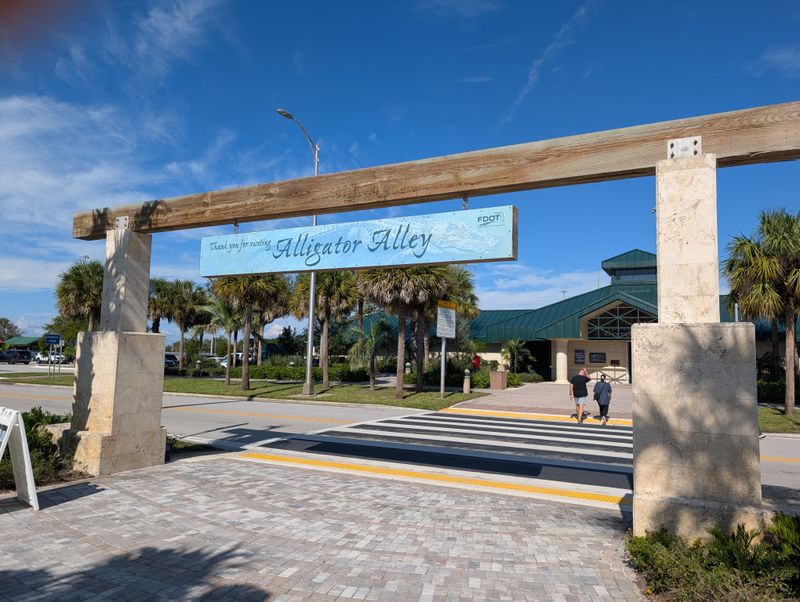
Alligator Alley is not a destination, but it is infamous for drive-by sightings. At designated rest areas, canals often hold several alligators warming on riprap or cruising in silty water. Scan the surface for snouts and eyes like glassy marbles.
Use official parking only and never stop on the shoulder. Fences and railings exist for good reason. Keep children close and avoid tempting gators with snacks.
Mornings after cool nights can bring them topside. Spotting scopes help you enjoy the scene without crowding. Quick photo, big memory, then move along safely.
4. Lake Okeechobee
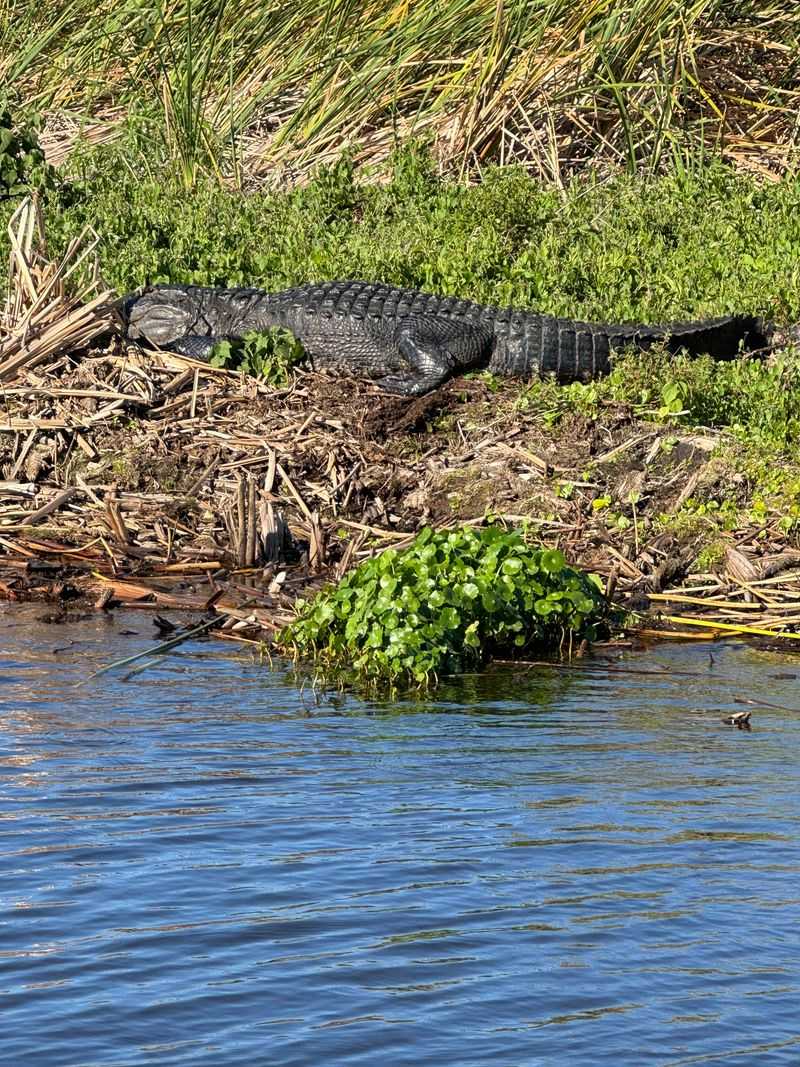
Florida’s inland sea borders endless marsh fringe where gators cruise the shallows. You can walk the Herbert Hoover Dike trail or book an airboat tour to scan reed edges for basking reptiles. Guides know the quiet pockets where they loaf undisturbed.
Windy afternoons push floating mats and may concentrate wildlife along leeward shorelines. Keep fingers, cameras, and curiosity inside boats. Feeding is illegal and dangerous.
Winter sun brings them out in numbers, while summer heat shifts activity to dawn and dusk. Birders love this lake too, so bring binoculars and patience. You will leave with unforgettable views.
5. Lake Jesup (St. Johns River Basin)
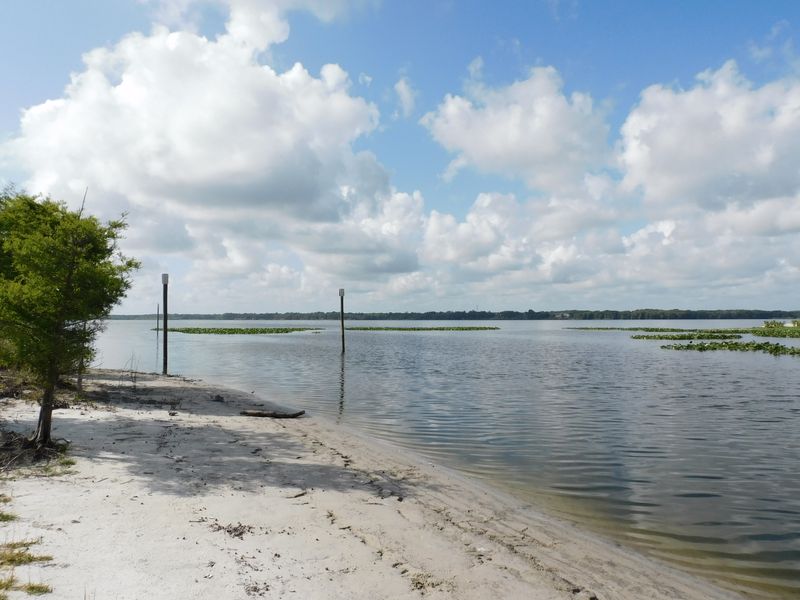
Lake Jesup is whispered about for its dense gator population. Edges brim with life, especially on calm, sunny mornings when reptiles line up like dark punctuation marks. Viewing from fishing piers and public parks keeps you a safe step back.
Listen for gentle splashes when they slip under and reappear elsewhere. You may also spot nests during late spring, so give vegetated mounds wide berth. Mothers protect fiercely.
Local tours can point out prime stretches. Follow posted signs and resist approaching for closer photos. Telephoto lenses give you intimate images without risky proximity.
6. Lake George (St. Johns River)
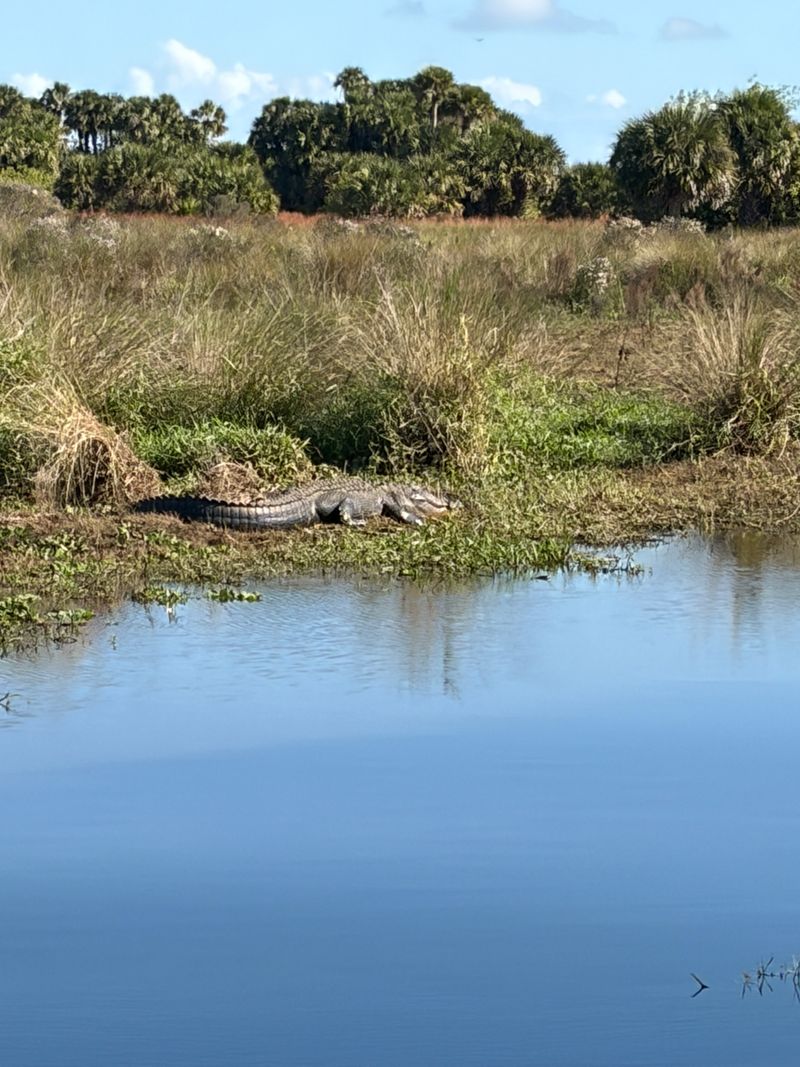
Lake George’s wide shallows and eelgrass beds draw gators to warm, feed, and loaf. Scan sunlit coves and river mouths for noses and dorsal ridges. On clear days, they drift like buoyant logs beside sandy beaches.
Anglers frequently spot them while targeting bass, so maintain respectful distance from any gator that lingers near your catch. Do not offer fish scraps. It teaches bad habits.
Public boat ramps and pullouts provide good vantage points. Mornings and late afternoons are best for movement. Bring polarized sunglasses to slice glare and reveal silhouettes under the surface.
7. Hillsborough River State Park
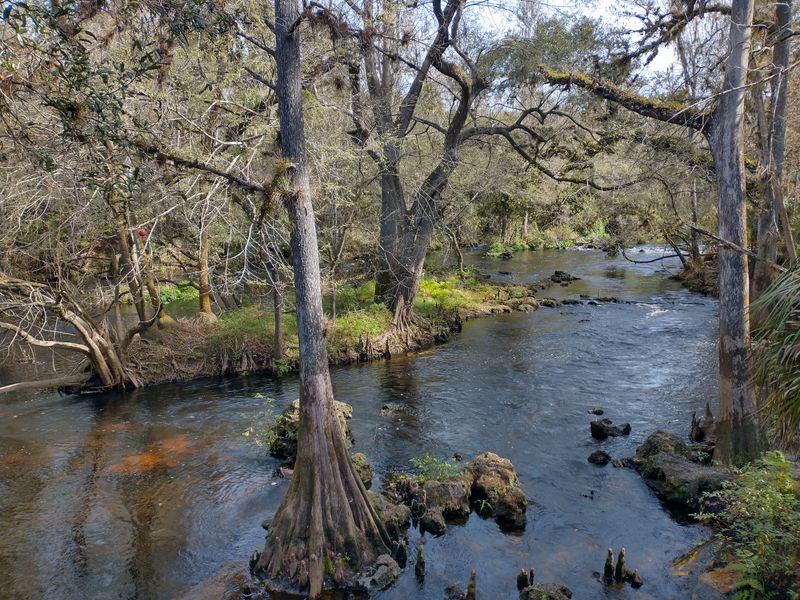
Close to Tampa, Hillsborough River State Park lets you see wild Florida without going far. Trails skirt tannin dark water where gators warm on logs and muddy bars. Boardwalks and bridges create safe, elevated viewpoints for photos.
After rain, visibility can drop, so look for bubbles, wakes, and quiet eddies where reptiles lurk. Keep dogs leashed and away from the waterline. Never toss snacks.
Cooler, sunny days bring more basking, while hot afternoons push activity into shade. Rangers post seasonal updates. With patience, you will almost certainly spot a gator here.
8. Myakka River State Park
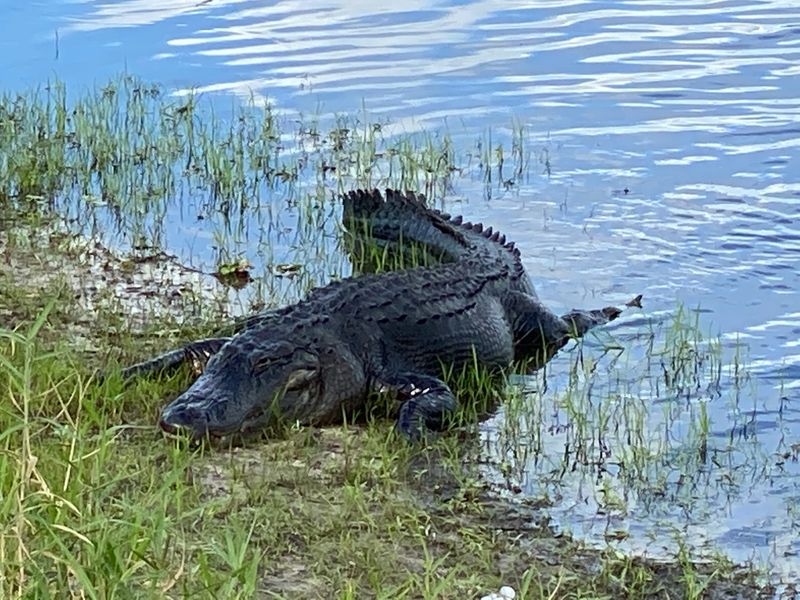
Myakka’s broad floodplain and lakes make a classic gator stage. From the Myakka River Bridge, look down for armored shapes lining the bank. Boat tours on Upper Myakka Lake glide past baskers and slow rollers near lily pads.
Dry season concentrates wildlife, revealing sunning logs packed with reptiles and birds. Stay behind railings and give them room, especially if they hiss or sink. That is your cue to back off.
Bring binoculars and a telephoto lens for respectful viewing. Early mornings offer calm reflections and dramatic steam. It is Florida wilderness made wonderfully accessible.
9. Merritt Island National Wildlife Refuge – Black Point Wildlife Drive
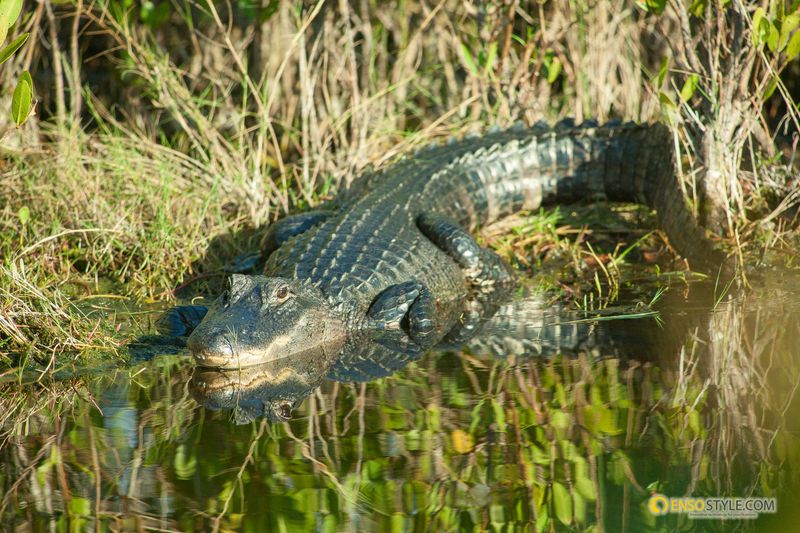
Black Point lets you spot gators from your car, which doubles as a safe blind. Cruise slowly, scanning lagoon edges for baskers and faint ripples. Pull into overlooks and use binoculars to study subtle movements along reeds.
Expect bonus sightings of spoonbills, otters, and wading birds. Respect stop zones and keep windows up if a gator is close. Never feed or call them over.
Late winter sun can stack sightings in shallow pools. If mosquitoes are fierce, the car sanctuary helps. You get close views without crowding wildlife or endangering yourself.
10. Lake Kissimmee and Kissimmee State Park

Lake Kissimmee’s marsh labyrinth is prime gator territory. Along the park’s canals and oxbows, look for sunlit backs and slow tail sweeps. Boardwalks and fishing piers offer stable, elevated perspectives for safe viewing.
Early mornings deliver calm water and crisp reflections. Tours operate seasonally and help you find undisturbed pockets. Keep hands out of the water, and stow food firmly.
Watch for nesting areas in spring and respect posted buffers. Summer storms can spark brief surges of movement afterwards. With patience, you will see multiple individuals in a single outing.
11. Ocala National Forest – Springs and Rivers
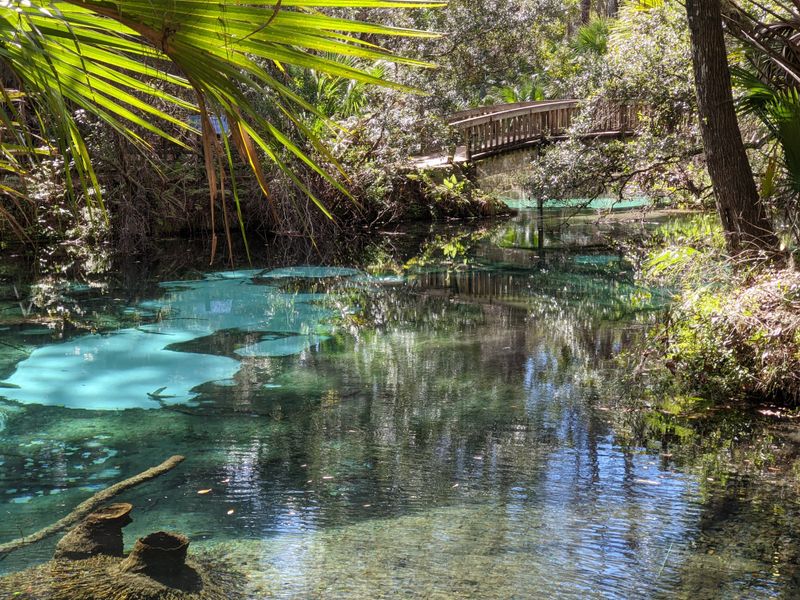
Ocala’s springs and tea colored rivers hide big gators in quiet bends. In cool seasons, they bask along sandy shoals and logjams. You might paddle past one sunning far from the main crowds.
Always give extra space in narrow runs, turning back if an alligator blocks passage. Keep dogs out of water. Swim only in designated roped areas, away from wildlife.
Polarized sunglasses help you spot submerged shapes before you drift too close. Dawn and dusk are active windows, though midday basking is common in winter. Respect the forest’s stillness and move deliberately.
12. Lake Alice (Gainesville) – University of Florida
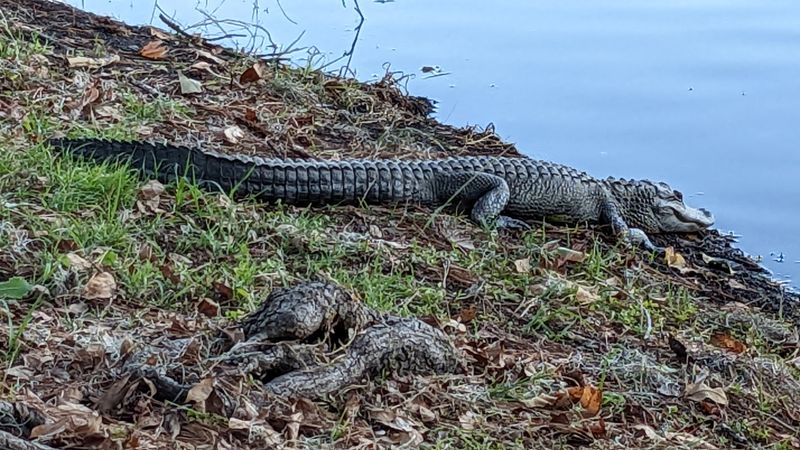
Lake Alice sits right on campus, reminding everyone that Florida is gator country. Boardwalks and overlooks let you scan lilies and shallow shelves for resting reptiles. On chilly mornings, they line sunny edges like quiet guardians.
Give them space, especially during nesting season when mothers patrol. Keep food sealed and never tempt wildlife for photos. Campus signs outline safety basics worth following.
Sunrise and late afternoon are most photogenic, with soft light on ripples and mossy cypress. You will likely spot turtles, herons, and night herons too. It is an easy, memorable stop.



