 Unearth The Voyage
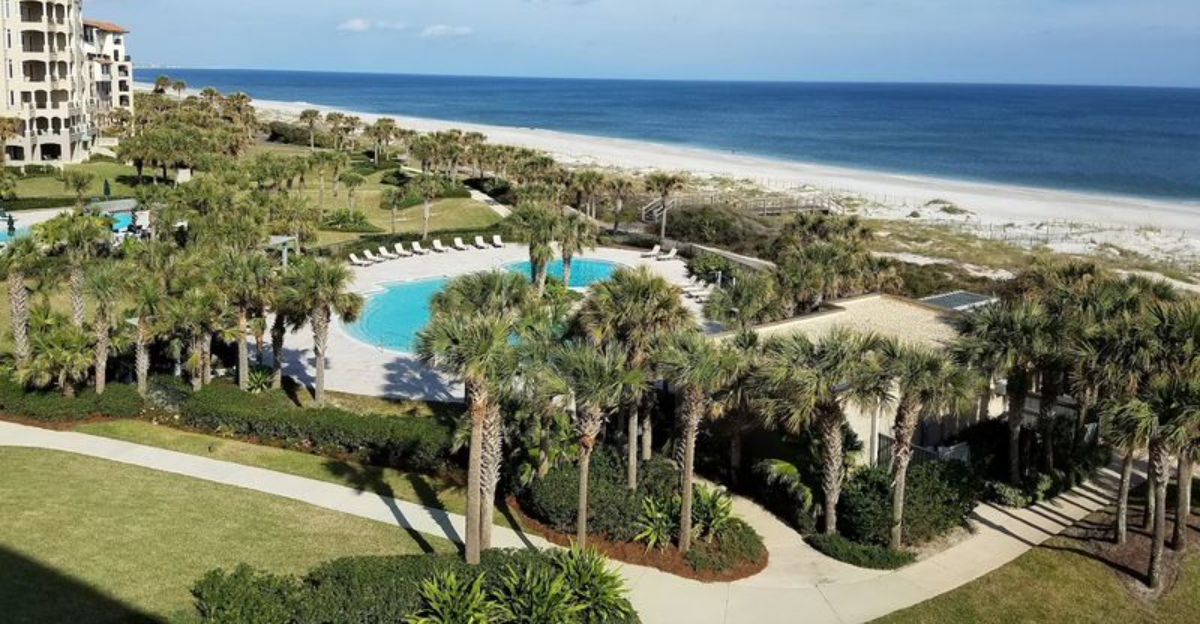
There is a small barrier island tucked into the northeastern corner of Florida that manages to feel like two places at once. The Southern hospitality is real here, the kind where strangers wave and locals genuinely point you toward their favorite spots.
The beaches are wide, clean, and surprisingly uncrowded, even during peak travel months. Add in a walkable historic downtown, some of the best shelling on the East Coast, and sunrises that will make you set your alarm an hour early, and you have a destination that earns every bit of its loyal fan base.
Amelia Island is the kind of place that gets under your skin quickly, and I am going to walk you through exactly why that happens.
Where Amelia Island Sits and What Makes It Stand Out
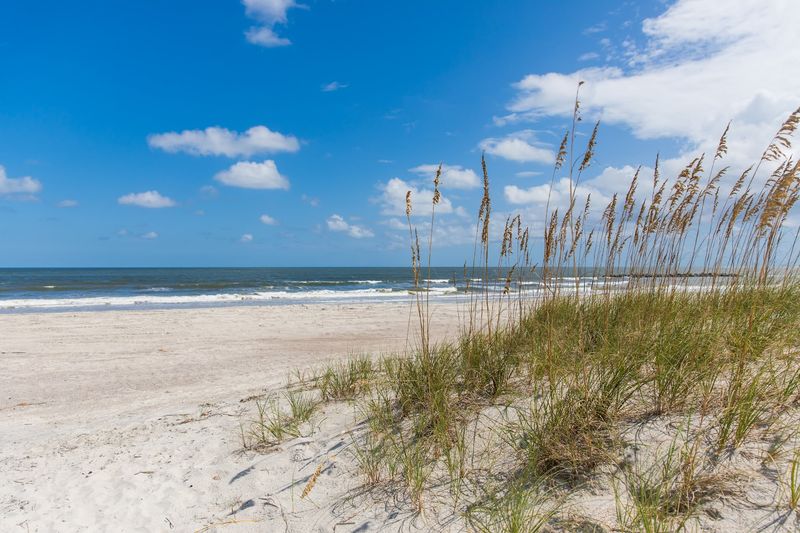
Amelia Island sits at Florida’s northeastern tip, tucked just below the Georgia border in Nassau County. It is a barrier island roughly 13 miles long and 4 miles wide, which makes it compact enough to explore thoroughly in a long weekend.
The island sits between the Atlantic Ocean to the east and the Intracoastal Waterway to the west, giving it a dual water personality that few Florida destinations can match. That geography shapes everything here, from the breezy weather to the variety of outdoor activities available.
What truly sets Amelia Island apart is the combination of preserved natural landscapes and a genuinely charming town center. There are no towering condo blocks crowding the shoreline, and the tree canopy along many roads gives the whole island a shaded, park-like feel that surprises first-time visitors every single time.
The Rich History Behind the Island’s Southern Personality
Eight different flags have flown over Amelia Island, a fact locals are genuinely proud of and happy to tell you about. French, Spanish, British, and American rule all left their marks here, and you can see that layered history in the architecture, the street names, and the museums scattered around Fernandina Beach.
The downtown area, known as Fernandina Beach’s Centre Street Historic District, is listed on the National Register of Historic Places. Walking those brick sidewalks past Victorian storefronts feels more like a stroll through a well-preserved coastal town in South Carolina than a typical Florida strip.
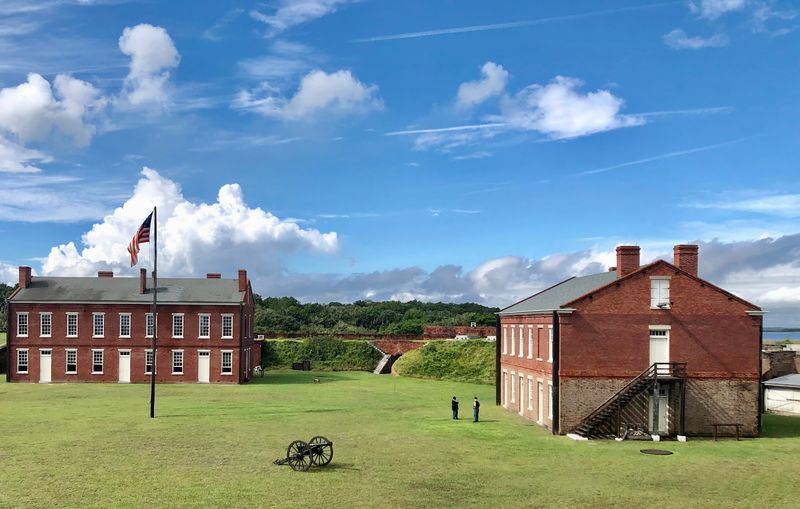
Fort Clinch State Park preserves a 19th-century brick fortification that once guarded the St. Marys River entrance. Rangers in period costumes bring the Civil War era to life during living history weekends, and the fort itself offers sweeping views of the Cumberland Sound that are worth the visit alone.
The Beaches That Keep Visitors Coming Back
The first thing you notice about the beaches here is how wide they are. At low tide, the sand stretches out so far that the water feels like a distant reward, which makes it perfect for walking, jogging, or simply spreading out without bumping elbows with your neighbors.
Main Beach Park and Peters Point Beachfront Park are two of the most accessible entry points, both offering parking, restrooms, and easy sand access. The water is warm from late spring through early fall, and the waves have enough energy to be fun without being intimidating for younger swimmers.
Some beach access points on the island allow vehicles with a Nassau County resident license, which adds a fun, old-Florida novelty for those who qualify. Lifeguards are present at staffed areas during peak season, making this a genuinely family-comfortable stretch of coastline that does not feel overcrowded even on busy weekends.
Sunrise Watching as a Morning Ritual
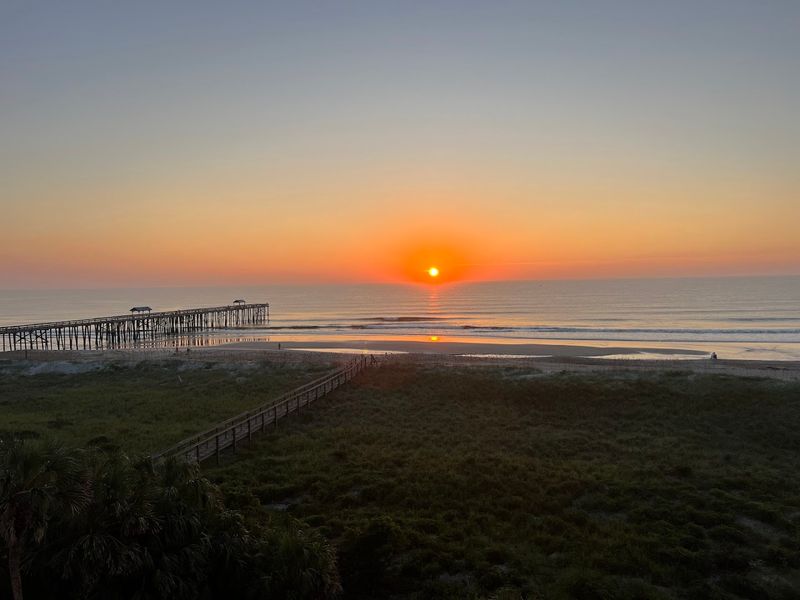
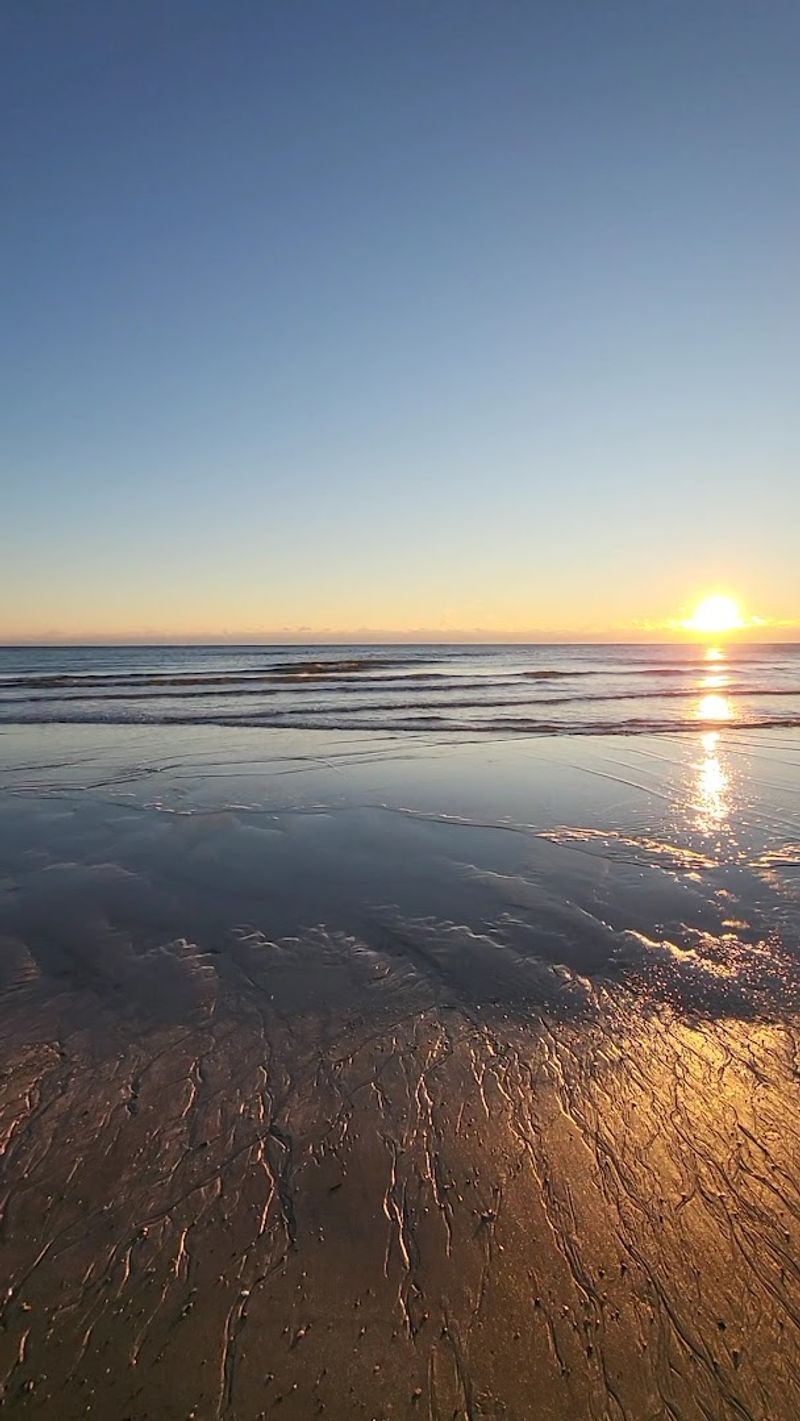
Early risers are rewarded handsomely on this island. The Atlantic-facing beaches deliver some of the most vivid sunrises on the entire East Coast, with the sky cycling through deep orange, coral pink, and pale gold in a matter of minutes.
The best strategy is to check the sunrise time the night before and get to the beach at least 20 minutes early. The pre-dawn light on the water has its own quiet magic, and you often have long stretches of sand almost entirely to yourself during those early hours.
Regulars who visit Amelia Island multiple times often say the sunrises are what pull them back season after season. There is something grounding about watching the sun lift off the horizon with nothing but open ocean in front of you.
It costs nothing, requires no reservation, and delivers every single morning without fail.
Shelling and Shark Tooth Hunting Along the Shore
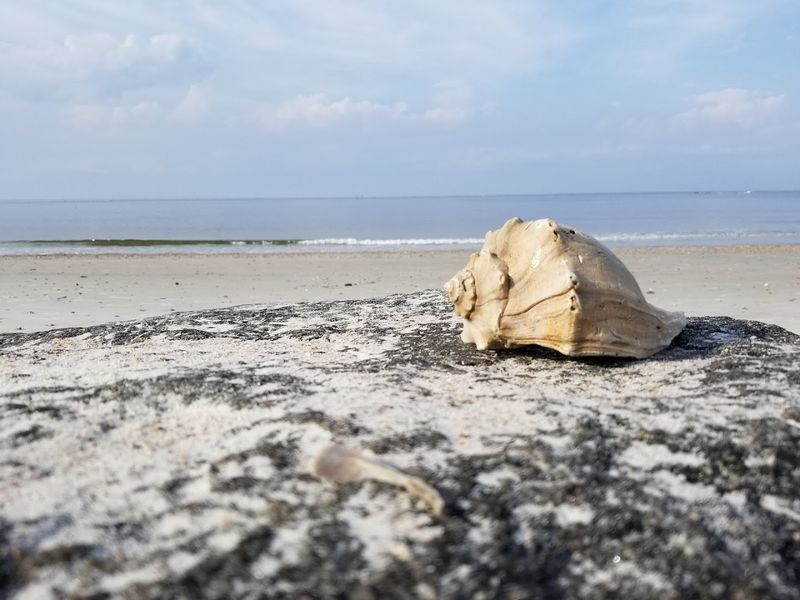
Few Florida beaches match Amelia Island for the sheer variety and quantity of shells that wash ashore. The combination of tidal patterns and the island’s position along the Atlantic flyway makes this a prime spot for beachcombers of all ages and experience levels.
Coquina clams, whelks, sand dollars, and lightning whelks are common finds. Shark teeth, though smaller than what you might find at Venice Beach further south, do turn up regularly, especially after strong wave action.
A keen eye and a slow pace are your best tools.
The best shelling tends to happen in the early morning after high tide, when fresh deposits cover the upper beach. Bringing a small mesh bag makes carrying your finds easier, and a cheap sifting scoop can speed up the process considerably.
The beach essentially becomes a low-key treasure hunt that kids and adults enjoy equally.
Fort Clinch State Park and Its Outdoor Appeal
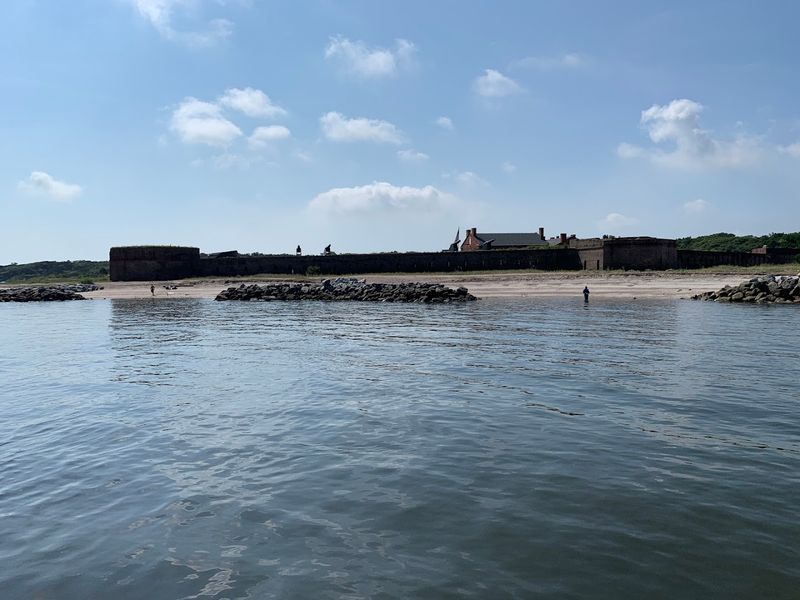
Fort Clinch State Park covers more than 1,400 acres at the northern tip of Amelia Island, and the Civil War-era brick fort is just one piece of what this park offers. The grounds include multiple ecosystems ranging from salt marshes and tidal flats to maritime hammocks dense with live oaks draped in Spanish moss.
The park has two campgrounds, fishing piers, nature trails, and a boat launch, making it a full destination rather than a quick stop. Shorebirds, sea turtles, and even the occasional gopher tortoise are regular sightings along the trails and near the dunes.
The fishing pier on the Cumberland Sound side is a local favorite, with anglers pulling in flounder, redfish, and sheepshead depending on the season. The park’s atmosphere is calm and genuinely beautiful in a way that does not require any effort to appreciate.
It earns its reputation as one of Florida’s finest state parks.
Downtown Fernandina Beach and Its Walkable Charm
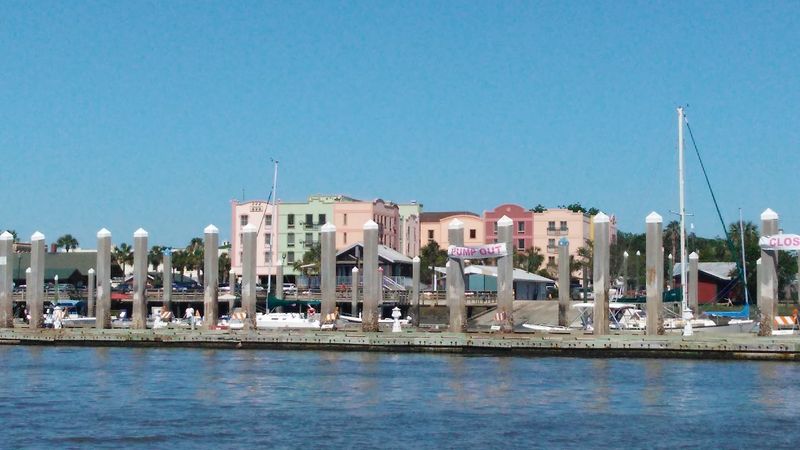
Centre Street in downtown Fernandina Beach is the kind of main street that urban planners try to recreate and rarely pull off. It is genuinely walkable, lined with independent shops, ice cream parlors, galleries, and casual restaurants that spill out onto covered sidewalks.
The storefronts have real character, a mix of Victorian and early 20th-century architecture that has been maintained rather than replaced. You can easily spend two or three hours just browsing without any particular agenda, which is the highest compliment a downtown can receive.
Local shop owners tend to be chatty and knowledgeable about the island, often pointing you toward spots that never show up in travel guides. The area has more ice cream options per block than seems strictly necessary, but nobody is complaining.
Weekend foot traffic picks up noticeably, so a weekday visit gives you a more relaxed experience without losing any of the downtown’s natural energy.
The Dining Scene That Reflects Local Flavor
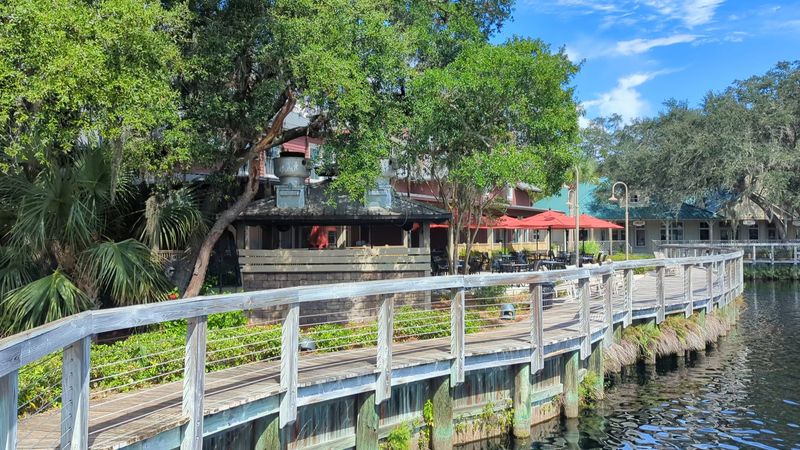
The food on Amelia Island leans heavily into fresh seafood, and the quality reflects how close the kitchens are to the source. Shrimp, oysters, crab, and local fish are mainstays on most menus, and the preparations range from casual fried baskets to more refined plated dishes.
The island has a surprising number of strong dining options given its relatively small size. You can find everything from waterfront spots with casual outdoor seating to cozy bistros tucked into historic buildings downtown.
Most places within the Fernandina Beach area are within a 10 to 15-minute drive of the main beach zones.
The local shrimping industry has deep roots here, and Fernandina Beach was once considered the birthplace of the American shrimping industry. That heritage shows up on plates across the island, and ordering the local shrimp feels less like a tourist move and more like honoring a genuine piece of regional culinary history.
Golf Courses and Luxury Lodging Options
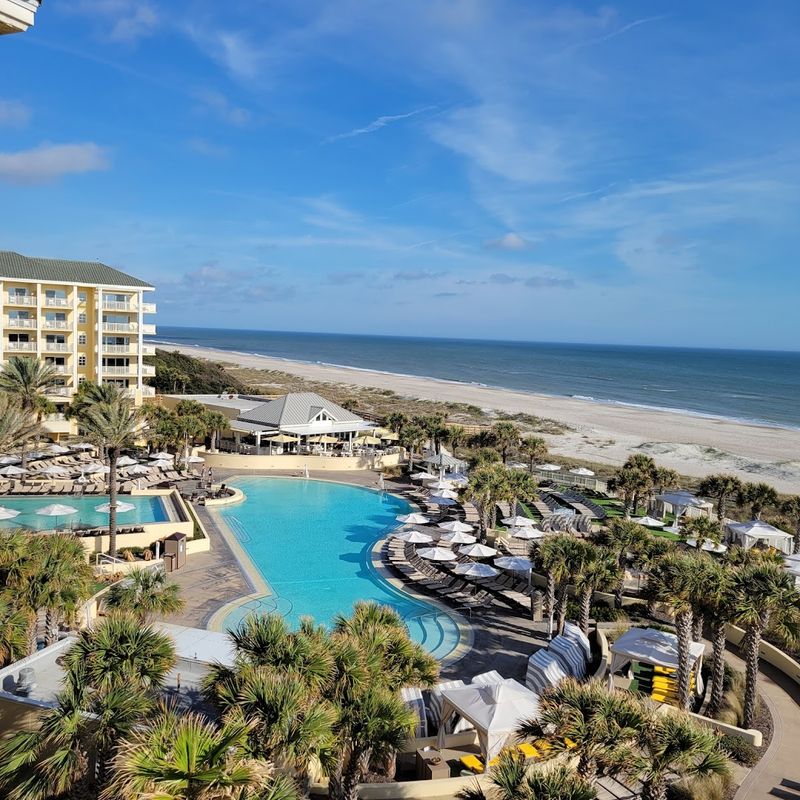
Amelia Island has built a solid reputation as a golf destination, and the courses here back that up with well-maintained fairways and layouts that take advantage of the coastal scenery. The Amelia Island Club and several resort-affiliated courses attract players who want a high-quality round without the crowds of larger Florida golf markets.
The luxury lodging side of the island is anchored by large resort properties that offer direct beach access, pools, spa services, golf packages, and even shuttle systems to nearby dining and shopping. Staying at one of these resorts essentially gives you a self-contained vacation if you prefer not to venture far.
Bed-and-breakfasts in the historic downtown area offer a completely different experience, with Victorian-era architecture, personal service, and a slower pace that suits visitors who want to soak in the island’s Southern character rather than its resort amenities. Both options have their own distinct appeal.
Wildlife and Nature Encounters Across the Island
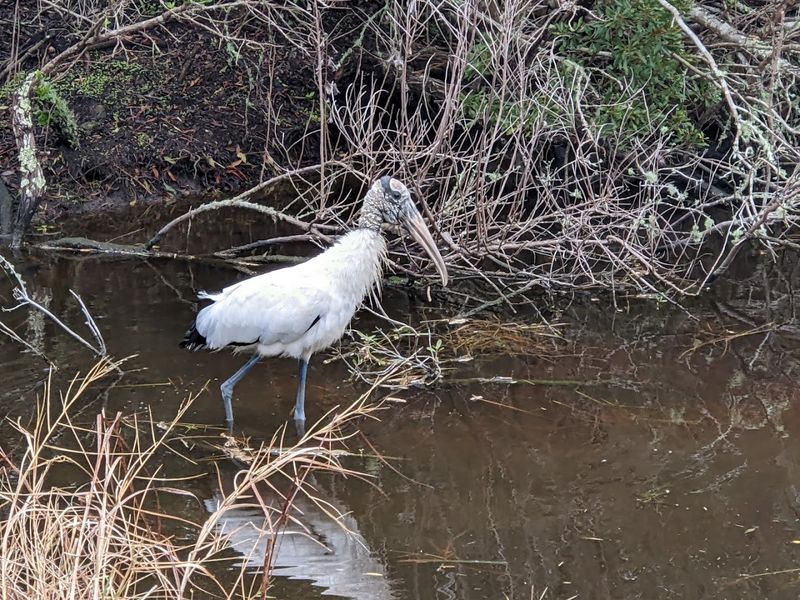
Wildlife sightings on Amelia Island are not rare, they are practically routine. Gopher tortoises are commonly spotted crossing paths in the state park and along dune edges, moving with their characteristic unhurried confidence as if they own the place, which in some ways they do.
Coastal birds are abundant year-round, with brown pelicans, great blue herons, roseate spoonbills, and various shorebirds easy to spot near the marshes, piers, and beach access points. During nesting season, sea turtles come ashore at night to lay eggs, and the island has an active sea turtle monitoring program.
The salt marshes on the western side of the island are especially rich in wildlife and deserve more attention than most visitors give them. A kayak or paddleboard puts you at eye level with the marsh grasses and the creatures that live within them, turning a simple paddle into a genuine nature experience.
Kayaking and Paddleboarding the Calm Waterways
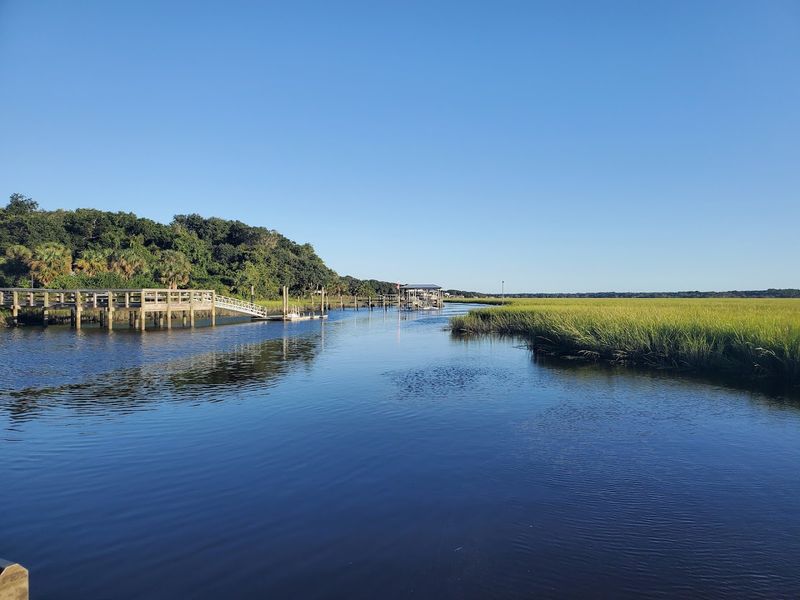
The western side of Amelia Island opens onto a network of tidal creeks, salt marshes, and the Intracoastal Waterway that is genuinely made for paddling. The water is calm, the scenery is quietly beautiful, and the pace forces you to slow down in the best possible way.
Several outfitters on the island rent kayaks and paddleboards by the hour or the half-day, and some offer guided tours that take you through the marsh channels with narration about the local ecology. A guided tour is worth it on your first visit, since the creek systems can look similar and disorienting without local knowledge.
Sunrise and early morning paddles are particularly rewarding, with the marsh lit in warm light and the bird activity at its peak. The contrast between the active Atlantic side and the hushed, mirror-flat marsh channels is one of Amelia Island’s best-kept secrets, even though it is hiding in plain sight.
Fishing Opportunities for Every Skill Level
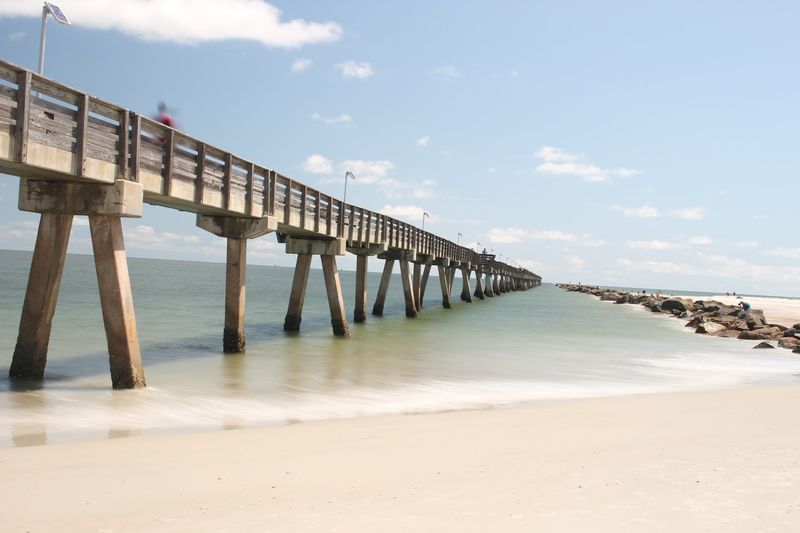
Fishing on Amelia Island covers a wide range of options, from pier fishing and surf casting to charter trips offshore and inshore guide experiences in the backwater creeks. The variety means there is a productive option regardless of your experience level or how much time you have available.
The Fort Clinch fishing pier is one of the most accessible spots, with solid action for flounder, sheepshead, and redfish depending on the season. The beach itself offers surf fishing opportunities, and the relatively light crowds mean you can often find a good stretch without competing for space.
Inshore charter fishing for redfish, speckled trout, and flounder is popular among visitors who want a guided experience in the backwater areas. Local captains know the tides and the fish behavior well, and a half-day trip often produces results even for beginners.
Fishing here feels productive rather than hopeful.
Visiting During the Off-Season for a Quieter Experience
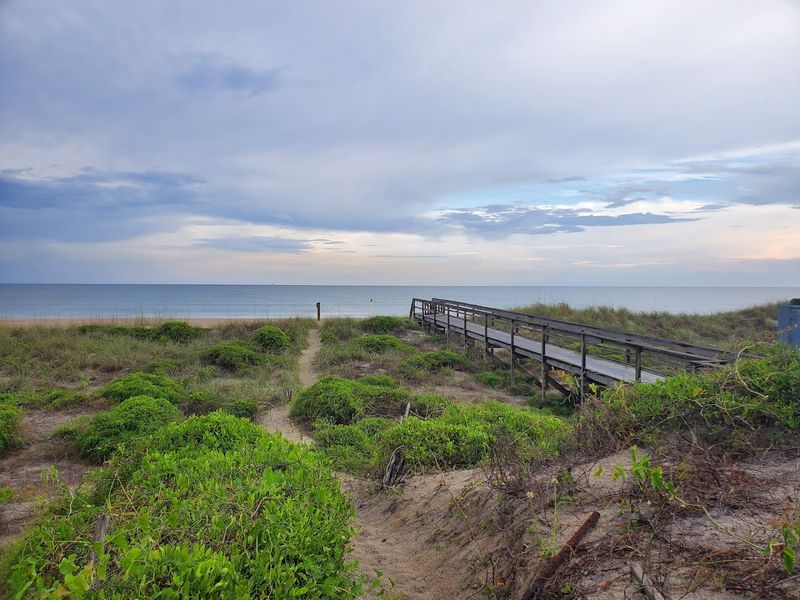
February on Amelia Island is a revelation for anyone conditioned to think of Florida beach trips as a summer-only activity. Temperatures regularly reach the low to mid-70s, the beaches are nearly empty, and the downtown restaurants have tables available without a wait.
It is the same beautiful place with a fraction of the foot traffic.
The off-season runs roughly from November through early March, and the island maintains its full personality during those months. Shops stay open, state parks operate normally, and the wildlife activity is actually more interesting in winter when migratory birds arrive and the beach is quiet enough to hear them.
Accommodation rates drop noticeably outside of peak season, which makes longer stays more financially comfortable. A four or five-night visit in January or February gives you enough time to genuinely settle into the island’s rhythm rather than rushing through a highlight reel.
The slow pace becomes the entire point.
Family-Friendly Atmosphere and Activities
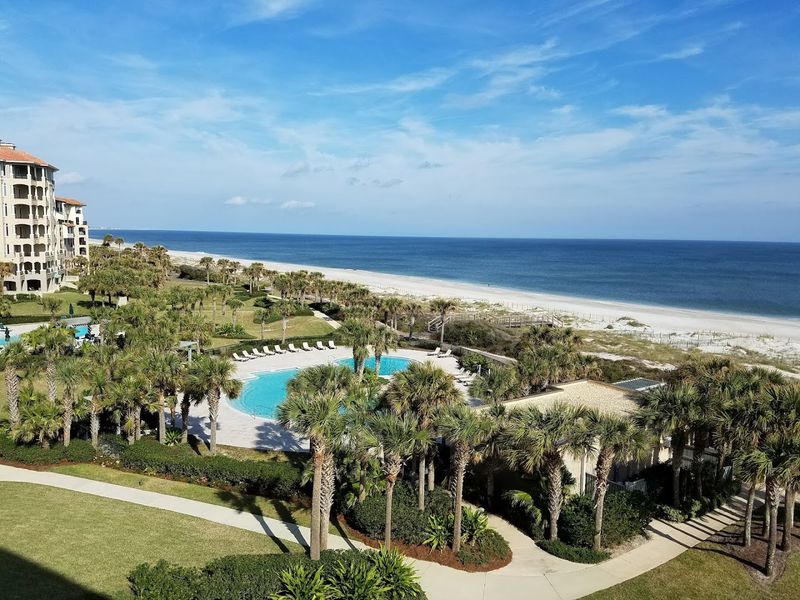
Amelia Island consistently earns high marks from families, and the reasons are practical rather than promotional. The beaches are clean, the water is manageable for kids, lifeguards are present at staffed areas, and the overall environment is calm and safe without feeling sterile or over-managed.
The shelling and shark tooth hunting alone can keep younger kids entertained for hours, turning a beach afternoon into an educational scavenger hunt. Fort Clinch State Park adds a history lesson with enough visual interest to hold a child’s attention, especially during living history events when costumed rangers interact with visitors.
The downtown area has ice cream shops, casual eateries, and small boutiques that cater to all ages without being overwhelming. Parking is generally manageable, the distances between attractions are short, and the pace of the island naturally slows everyone down.
Families tend to leave Amelia Island already planning their return trip before they have even packed the car.



