 Unearth The Voyage
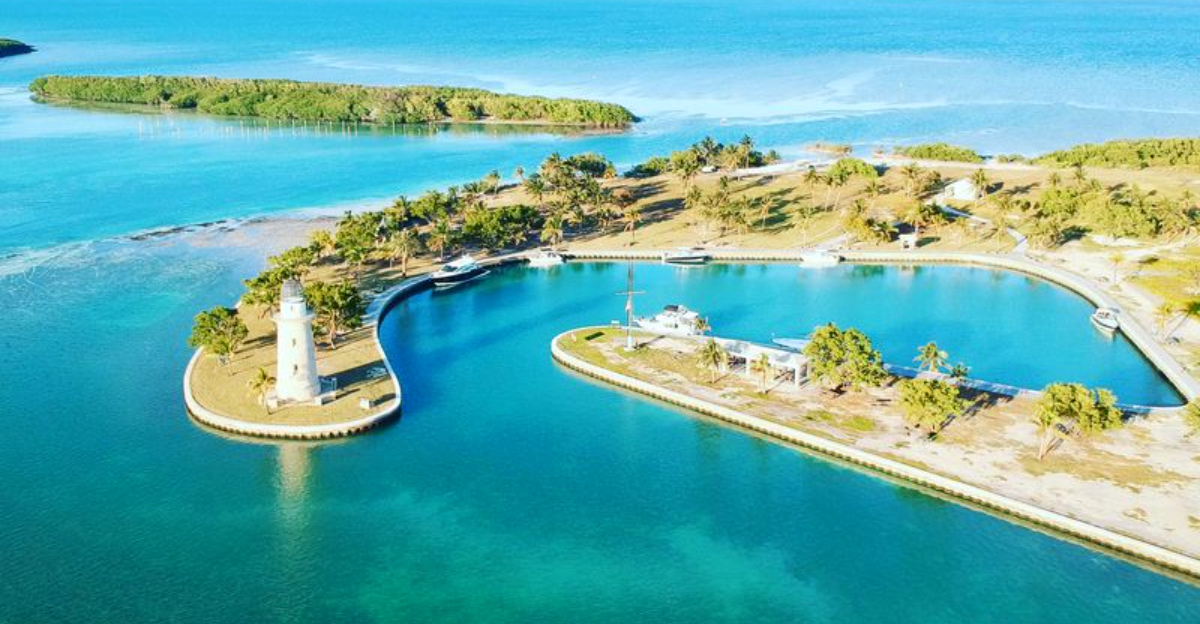
You push off from a quiet dock and, within minutes, float above a kaleidoscope of marine life as Miami’s skyline fades into the distance. Biscayne National Park flips the traditional park experience, replacing dusty trails with salt air, open water, and vibrant coral gardens.
I first came here expecting a quick stop and ended up planning my next trip before the boat even docked. If you think national parks are only about mountains and roads, prepare to be delightfully wrong.
It’s 95% Water (Yes, Really)
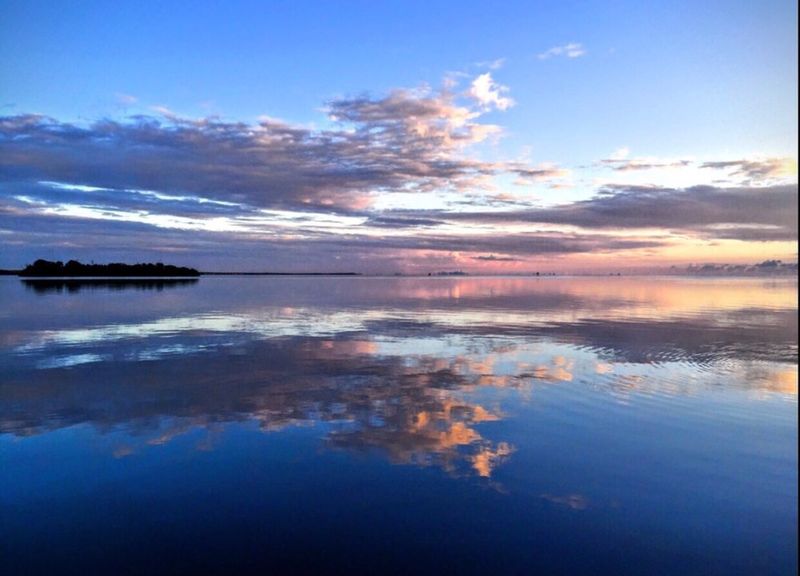
Start with this wild stat: most of Biscayne National Park is water, and the land feels like a bonus prize. The park protects a vast marine world where the show happens under the surface, not on a overlook.
Out here, your best viewpoints are a kayak bow, a snorkel mask, or the rail of a calm boat ride.
I remember drifting over a meadow of seagrass, realizing the park map made sense only once I got wet. Forget chasing trailheads.
You chase tides, visibility, and the sweet spot where sunlight turns the bay into glass.
That shift changes how you visit and how you think about parks. You move with weather, time your launch, and listen for ranger tips like they are tide charts.
If you come ready to float, Biscayne rewards you with color, movement, and silence that hums with life.
You Can See Miami… While Floating in a National Park
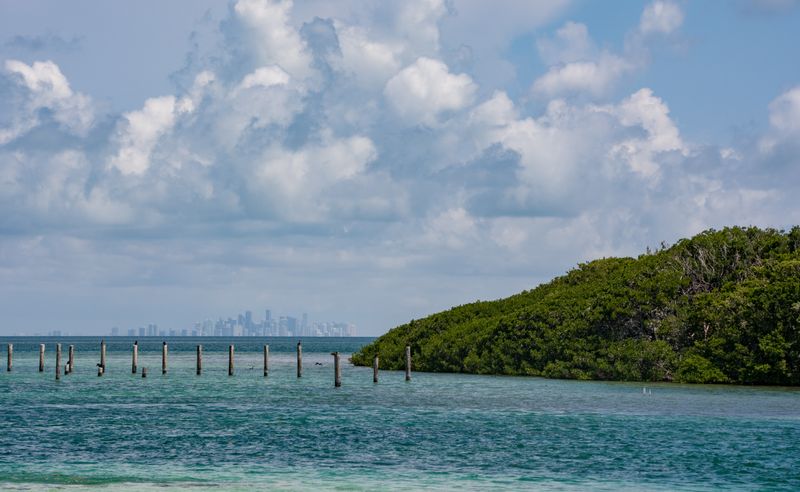
Here’s a scene that messes with your sense of place. You paddle through calm, green water, mangroves whisper at your shoulders, and Miami flickers on the horizon.
It feels like magic trick geography, a modern skyline paired with wild shallows.
That proximity is part of Biscayne’s charm. Civilization is right there, yet the water creates a soft boundary that hushes everything.
You can slip into a cove, hear only wind and birds, and still spot bright buildings miles away.
I like pausing my stroke to take it in. The contrast sharpens the value of this protected bay.
It says, this is what remains and what matters, even when a city hums behind your shoulder.
The Park Protects One of America’s Most Important Coral Reef Systems
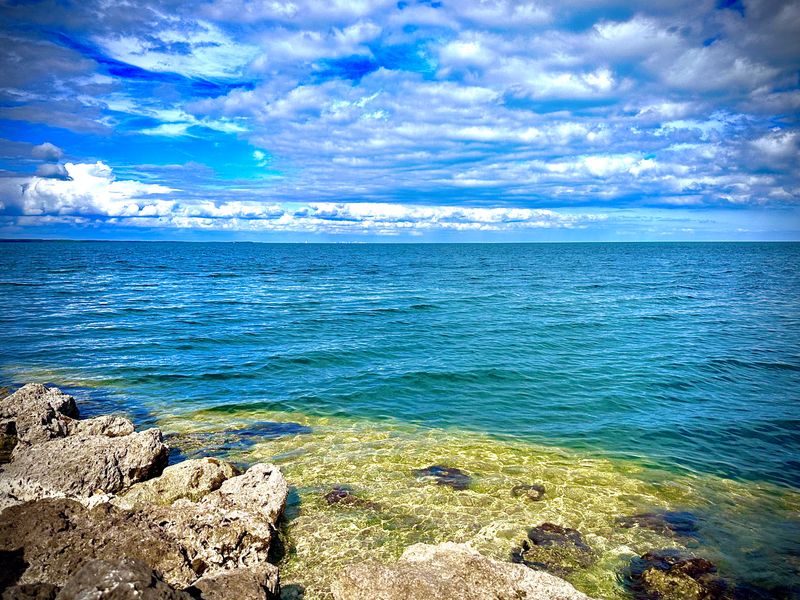
Under the waves, Biscayne shelters a slice of the Florida Reef, the continental U.S.’s only living coral barrier reef. That alone makes the park a powerhouse of biodiversity.
Corals build the stage, and fish, lobsters, rays, and occasional reef sharks fill the cast.
Snorkeling here feels intimate rather than commercial. You float quietly, watch parrotfish nibble coral, and listen to the click and crackle of reef life.
It is wild, textured, and alive in a way that newsletters cannot capture.
I remember following a turtle for a respectful minute, heart light, fins slow. The reef invites small moments, not big crowds.
If you give it time and calm water, it gives you color, movement, and the steady rhythm of a living system.
The Best Parts of the Park Are Only Accessible by Boat
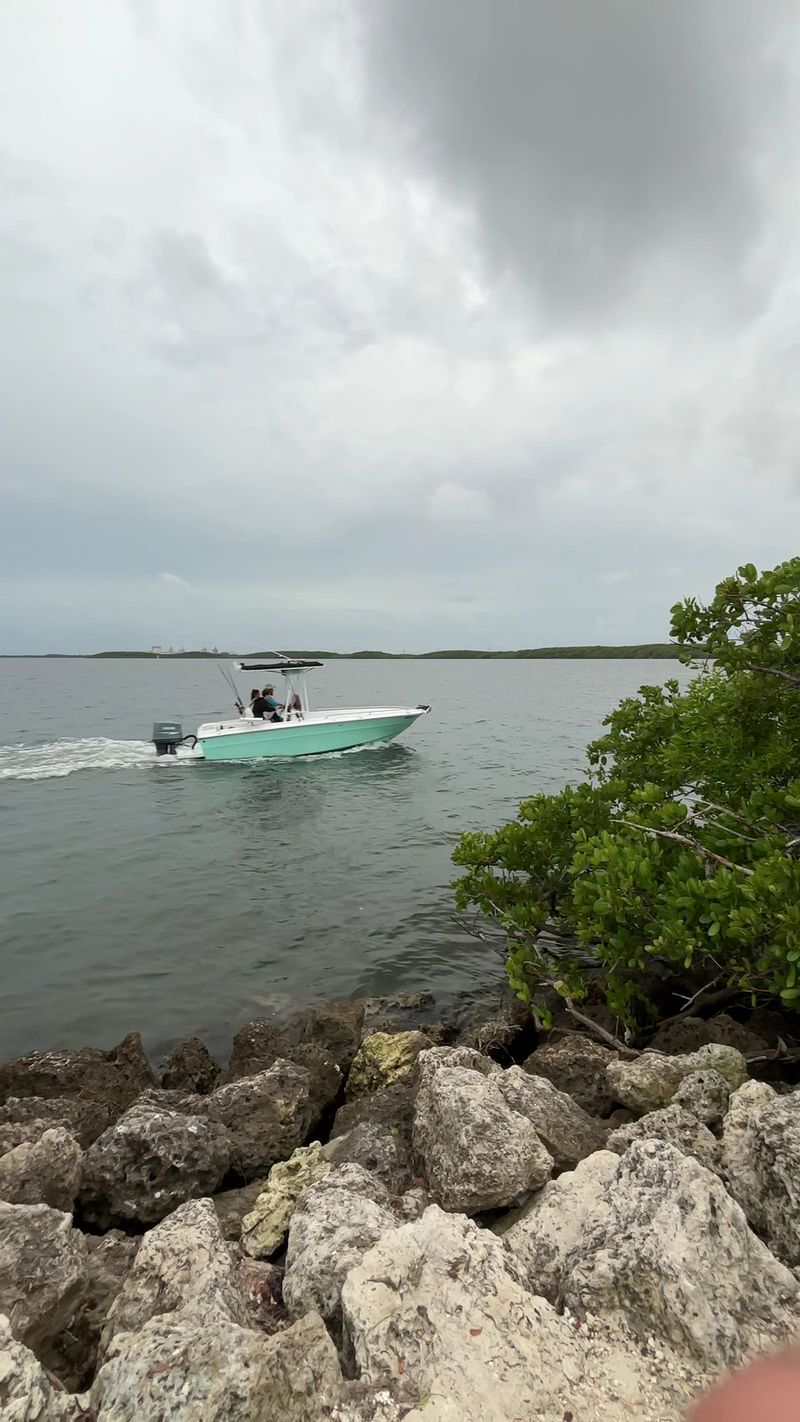
Let’s be honest: staying on the mainland gives you only a teaser. The heart of Biscayne is boat access, island docks, and open water.
There is no grand scenic road, and that scarcity keeps things unspoiled.
When I finally boarded a small park tour, the bay opened like a map I could touch. Channels braided through flats, and the captain threaded us toward keys you can’t reach by car.
Barriers become part of the adventure, not a hassle.
Bring flexibility, a hat, and patience with weather. Boats unlock Boca Chita, Elliott Key, reef moorings, and quiet surprises between.
On water, distance becomes possibility, and the park reveals the version most people miss.
Boca Chita Key Has a Lighthouse Straight Out of a Movie
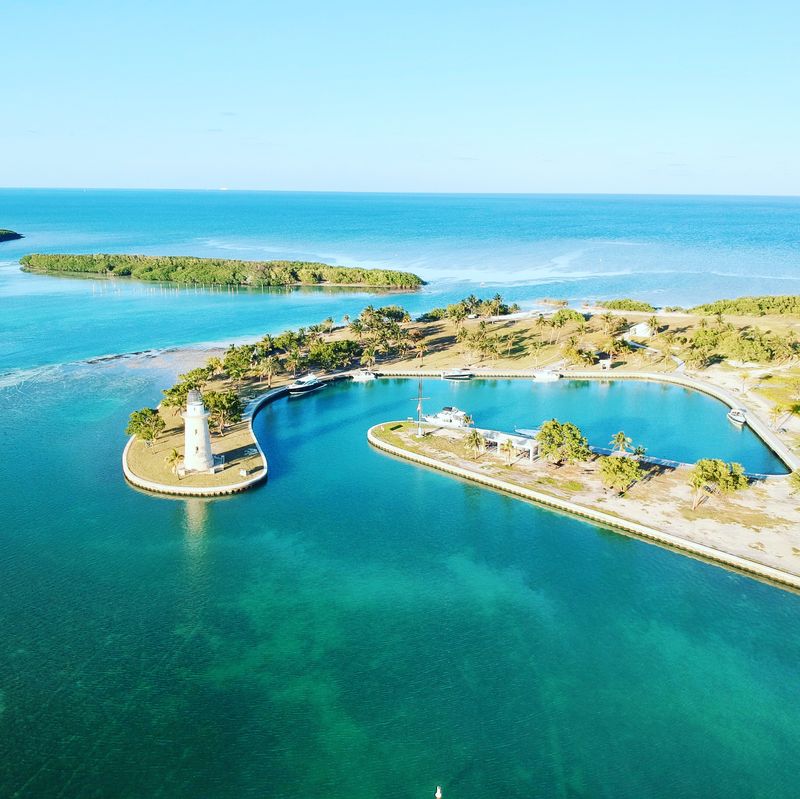
First glimpse of Boca Chita’s lighthouse and you might grin. It is compact, charming, and photogenic from every angle.
Not a towering sentinel, but a storybook spark that anchors the island’s vibe.
Climb it on open days for water views that stretch like polished glass. The island invites slow wandering, picnic benches, and breezy shade.
I snapped a few shots and then put the camera down to just look.
It is one of those I can’t believe this is a national park moments. Simple, playful, and framed by teal water.
Add a boat ride and you have an afternoon that sticks in memory.
You Can Camp on Islands That Feel Completely Untouched
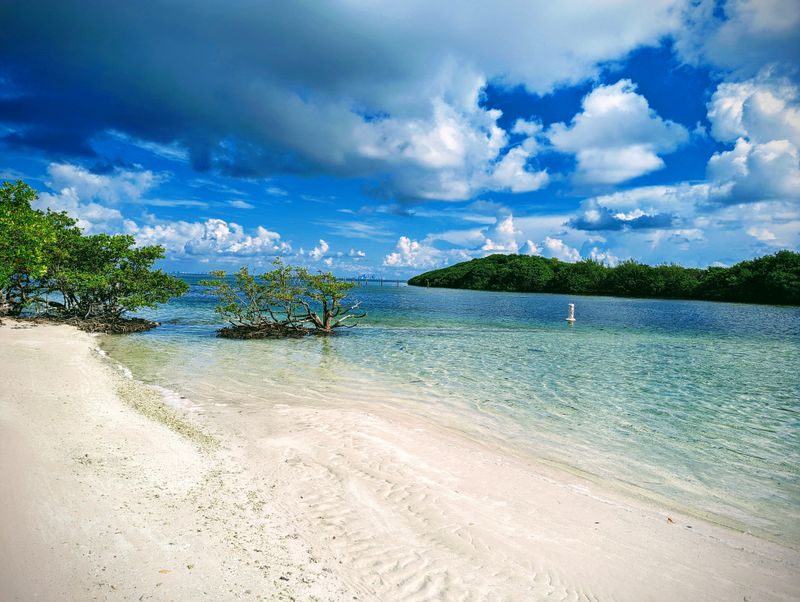
Night falls differently on Elliott Key and Boca Chita. Wind threads through palms, waves tap the shore, and city noise fades to nothing.
The camps are basic, and that simplicity is the whole point.
You bring water, plan for weather, and accept that the boat is your lifeline. I slept like driftwood after a salt-bright day, woke to a pale sunrise, and brewed coffee that somehow tasted like victory.
Out here, chores feel purposeful.
Reserve, check conditions, and pack like there is no store because there is not. The payoff is solitude you can hear, stars you can count, and a morning that starts with a horizon and a grin.
Florida has crowds, but not here.
The Water Is So Clear It Doesn’t Look Real
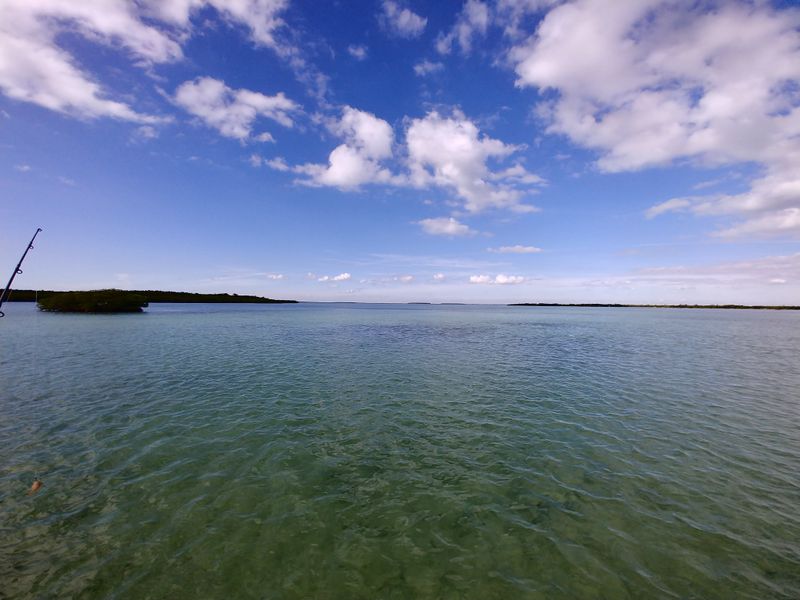
On the right day, Biscayne’s water turns transparent enough to read the bottom. Seagrass waves like a gentle flag.
Fish flash silver and vanish, then return as a swirling ribbon of light.
That clarity depends on weather and tide, so timing matters. I have floated above rays that moved like gliding shadows, barely a ripple.
The view is calm, color-saturated, and quietly thrilling.
Bring polarized sunglasses, a mask, and patience for conditions. When it clicks, you get Caribbean vibes without leaving the mainland.
It feels unreal until you realize it is just nature doing its best work.
It Has a Shipwreck Trail Underwater
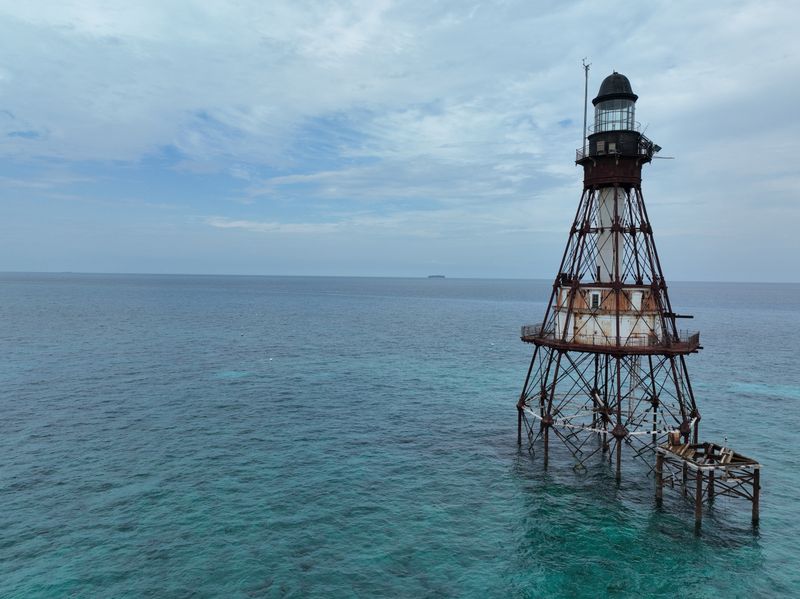
Yes, there is a Shipwreck Trail in a national park, and it is fantastic. Biscayne’s Maritime Heritage Trail links historic wrecks that tell stories of storms, trade, and navigation.
Some are shallow enough for casual snorkelers.
Dropping over a hull and seeing life reclaim metal is eerie in the best way. Fish pour through openings like commuters.
I hovered, watched blennies peek from crevices, and felt time stretch.
Respect depth, currents, and your limits. Go with guides if you are new, and leave everything as found.
The underwater museum vibe is real, only this gallery breathes and swims.
The Mangrove Forests Are a Hidden World of Their Own
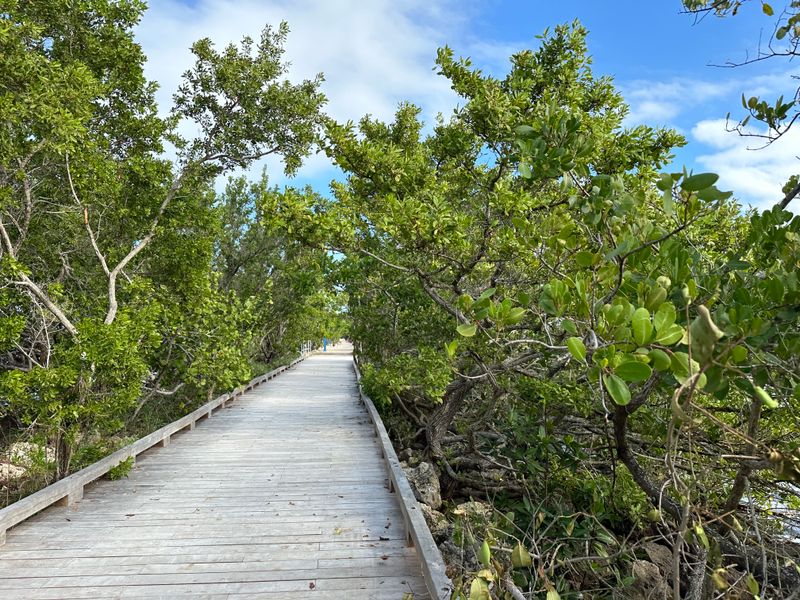
Slip into a mangrove tunnel and the sound changes. Leaves hush the wind, roots lace the water, and small splashes mark life you only glimpse.
It feels like a green room behind the main stage.
Mangroves protect shorelines, shelter young fish, and host crabs, herons, and the occasional reptile. I trailed a guide through shaded bends, learned to read the current, and breathed easier in the cool shade.
These routes are perfect for beginner paddlers on calm days. Mind tides and give wildlife space.
You exit with salt-dry shoulders and a quiet appreciation for nature’s best coastal engineers.
You Can Kayak in a National Park That Feels Like a Secret
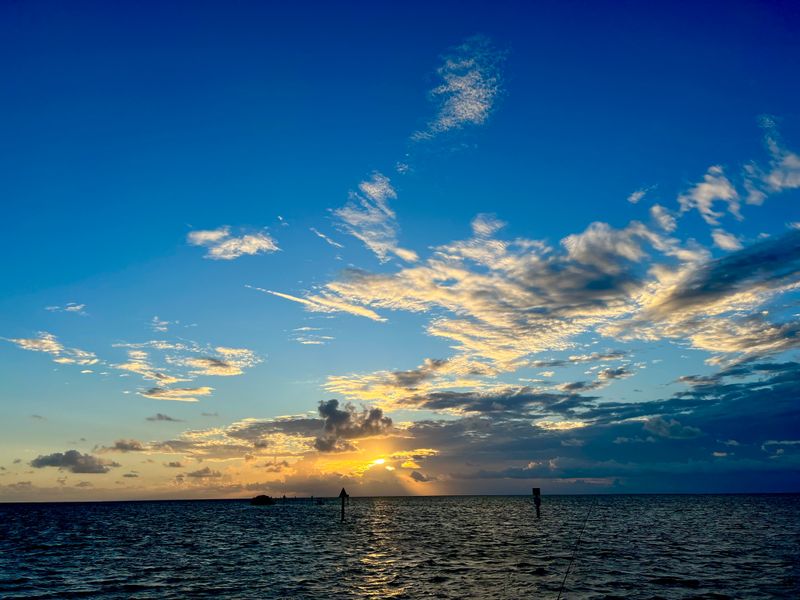
Finding solitude in South Florida sounds impossible until you launch a kayak here. The park’s under-visited corners deliver long, quiet stretches where the only company is a pelican and your paddle drip.
It is blissfully simple.
Routes weave along mangrove edges, over shallow flats, and through channels shimmering with life. I booked a guided paddle the first time to learn local wind habits, then felt ready to explore more.
Confidence grows quickly on calm mornings.
Check forecasts, carry water, and give yourself time to drift. Biscayne rewards slow travel with subtle details you miss from a speeding boat.
Secret vibes, open water, big grin.
It’s One of the Least-Visited National Parks in Florida (And That’s Wild)
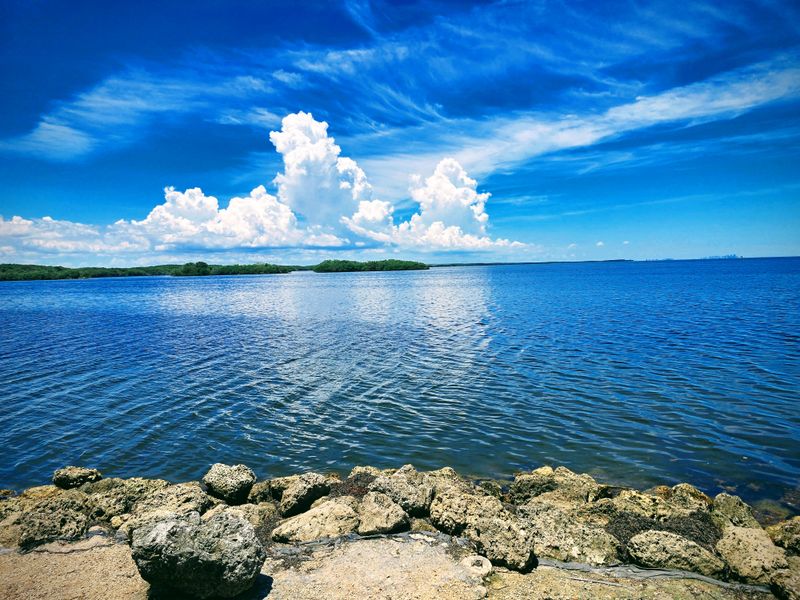
In a state packed with visitors, Biscayne stays surprisingly mellow. Many travelers skip it because it lacks a big road loop or famous overlook.
Lucky you, because that means more silence and space.
When I tally my favorite park days, low crowds always help. Rangers have time to chat, docks feel unhurried, and every encounter with wildlife feels earned.
The calm builds a deeper kind of memory.
If you crave a national park without the shuffle, this is the ticket. Plan a boat tour or paddle and lean into the water-first mindset.
You will likely leave wondering why it is not packed.
The Park Is Home to Manatees, Dolphins, and Sea Turtles
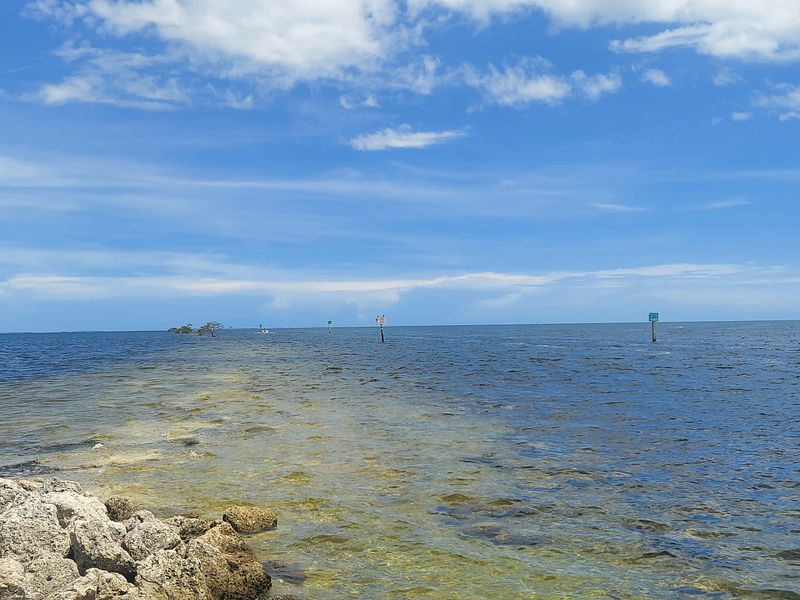
Wild encounters here feel like gifts, not scheduled shows. Manatees surface like friendly blimps near shore.
Dolphins travel in tidy pods, and sea turtles appear over reefs with perfect timing you cannot plan.
I have watched pelicans plunge like feathery spears and herons stalk the shallows with patient steps. None of it is guaranteed, which keeps your eyes scanning and your heart ready.
Respect distance and let moments unfold.
Ask rangers about recent sightings and seasonal patterns. Mornings are often best for glassy water and calm behavior.
Bring binoculars, drift slow, and say thank you with your quiet.



