 Unearth The Voyage
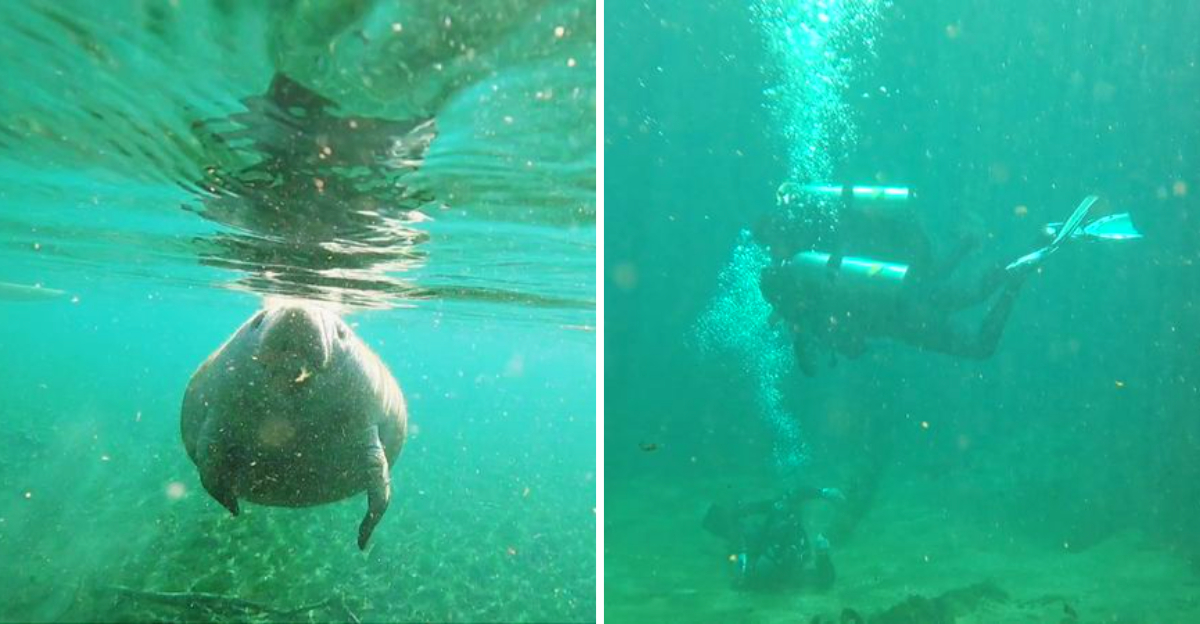
There is a place in Florida where the water runs so clear you can see straight to the bottom, and what you find down there might just surprise you. A first-person visit to this tucked-away spring reveals boardwalk trails threading through shady forest, wildlife wandering campsites at dusk, and large, slow-moving creatures floating just below the surface.
The spring itself has been flowing for thousands of years, feeding into one of the South’s most famous rivers. This is not your average day trip.
Whether you are a swimmer, a paddler, a hiker, or someone who simply needs a few hours away from a screen, this park has something real to offer, and the manatees alone are worth the drive.
Finding the Park: Address, Location, and First Impressions
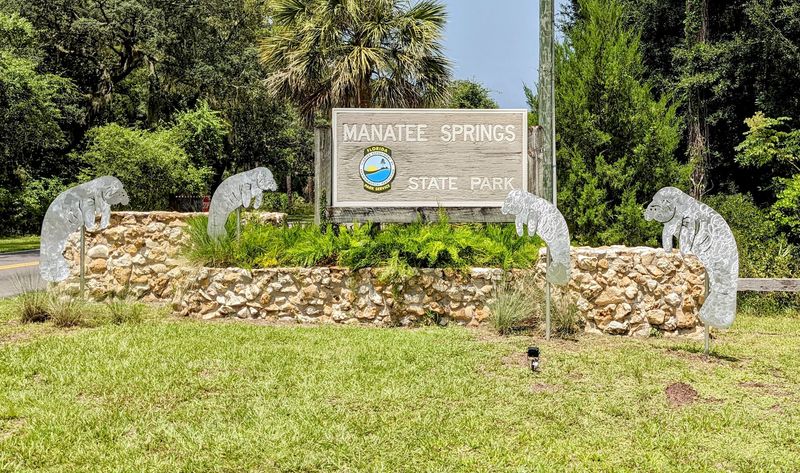
The road to Manatee Springs State Park practically delivers you to the front gate without any detours. The park sits at 11650 NW 115th St, Chiefland, FL 32626, and the street dead-ends right at the entrance, so there is no guessing involved.
Chiefland is a small town in Levy County in north-central Florida, and the park feels like the kind of place locals have quietly treasured for decades. The drive in is smooth and paved, parking is plentiful, and the rangers at the entrance are genuinely friendly.
The park is open every day from 8 AM to 5:45 PM, and admission is a modest fee per vehicle. You can also reach the park by phone at 352-493-6072 or check details at floridastateparks.org.
First impressions here feel calm, unhurried, and surprisingly refreshing for a Florida state park.
The Spring Itself: Crystal Water and a Stunning Blue Glow
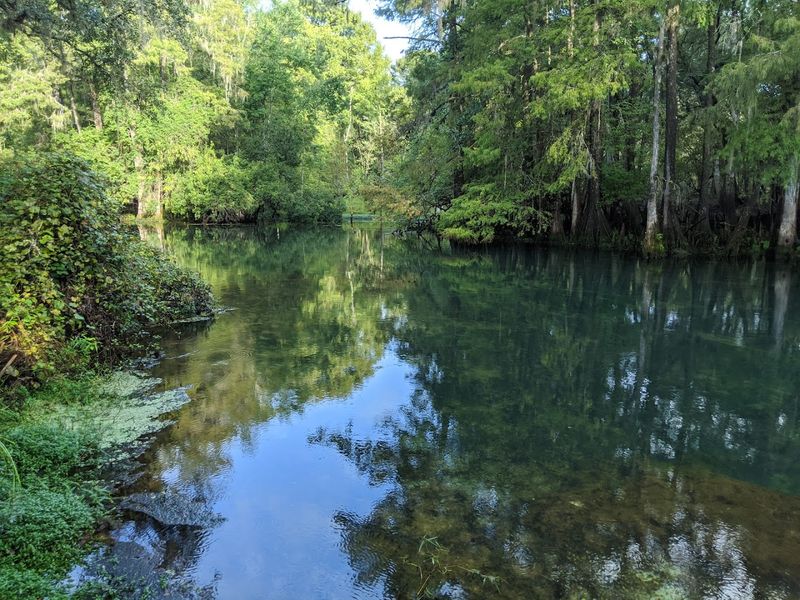
Few natural features in Florida stop you in your tracks quite like this spring. The water at Manatee Springs holds a striking blue color that catches the light in a way that feels almost unreal, and the visibility stretches down roughly 40 feet to a sandy bottom.
The spring run stays at a constant 68 degrees Fahrenheit year-round, which means it is refreshingly cold in summer and noticeably warm compared to outside air in winter. The swimming area is large enough to explore without feeling crowded, and multiple stairways make it easy to get in and out of the water.
Water shoes and goggles are smart additions to your bag, since the bottom has natural textures that bare feet will notice. Bring your own float too, because drifting in that cool blue water on a hot afternoon is one of those simple pleasures that no photograph fully captures.
The Manatees: Florida’s Most Lovable Underwater Residents
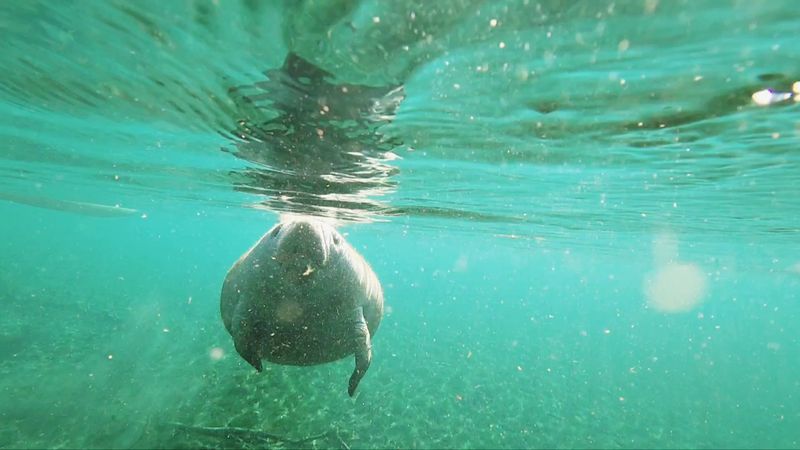
Manatees are the whole reason this park has its name, and they do not disappoint when the timing is right. West Indian manatees migrate to the warm spring water from the Suwannee River between mid-October and mid-March, seeking refuge from cooler temperatures outside.
The water is clear enough that kayakers have floated directly above resting manatees and watched them through the surface without ever getting wet. A mother and baby pair has been spotted near the mouth of the spring where it meets the river, which is genuinely one of the more moving wildlife moments you can have in this state.
Rangers and researchers are sometimes on-site monitoring individual manatees, and chatting with them adds real context to the experience. Arriving early in the morning gives you the best chance of a sighting before the day warms up and activity near the spring changes.
The Boardwalk Trail: A Walk Worth Every Step
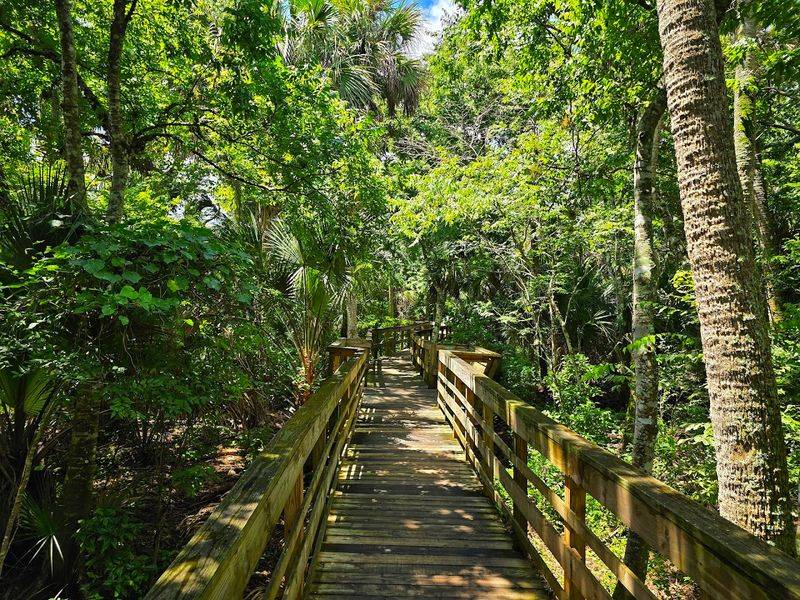
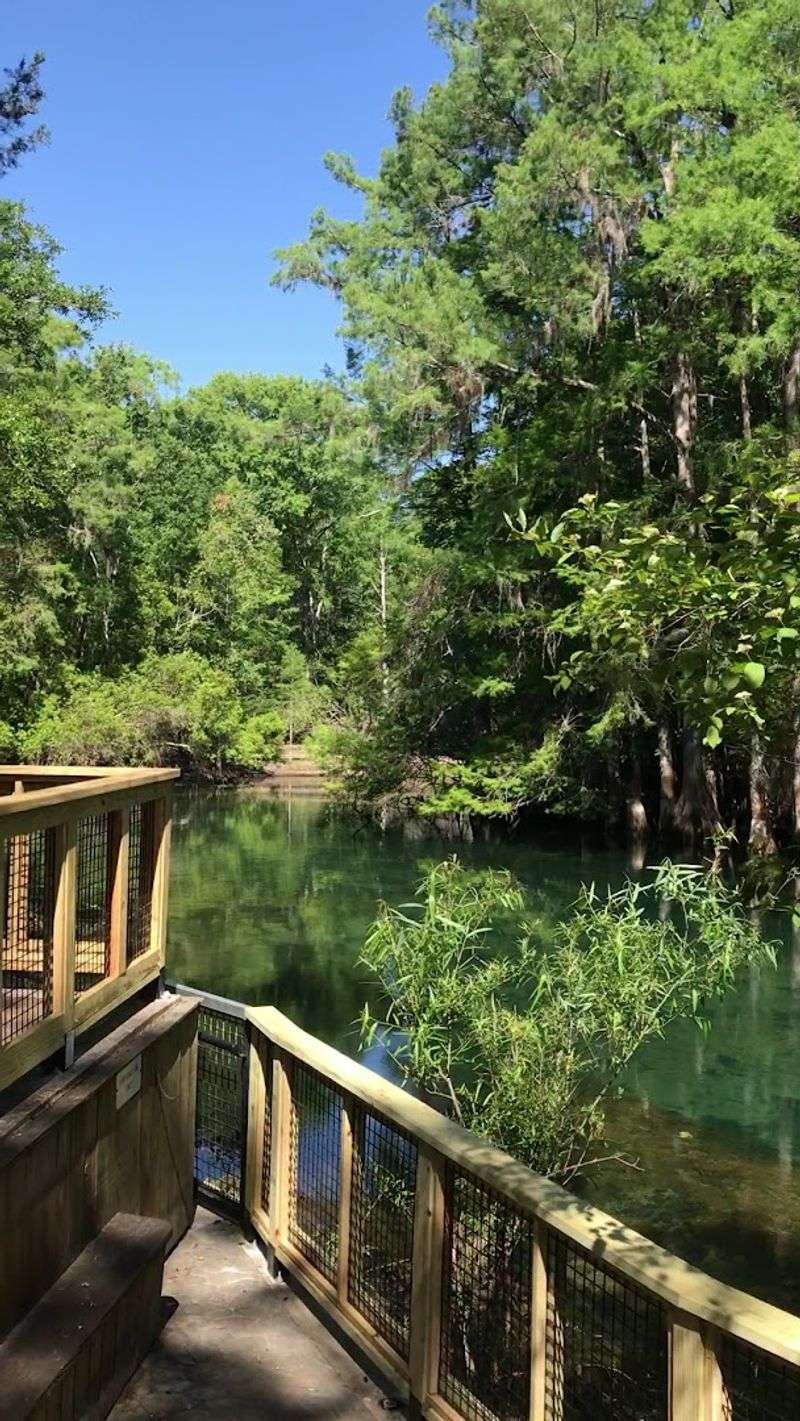
The boardwalk at this park is one of its most celebrated features, and once you walk it, the enthusiasm makes complete sense. It winds through dense subtropical forest before opening up to the Suwannee River, offering several viewing platforms along the way where you can pause and scan the water below.
Herons, turtles, and the occasional alligator have all been spotted from these platforms, turning a simple walk into a genuine wildlife tour. The boardwalk is well-built and well-maintained, wide enough to share comfortably with other visitors, and shaded for most of its length.
The whole stretch down to the river and back takes maybe 30 to 45 minutes at a relaxed pace, though most people linger longer than they planned. The spot where the spring run meets the wide, dark Suwannee is particularly striking, and the contrast between the two water colors is something you will want to photograph.
Kayaking and Canoeing: Paddling Into the Suwannee
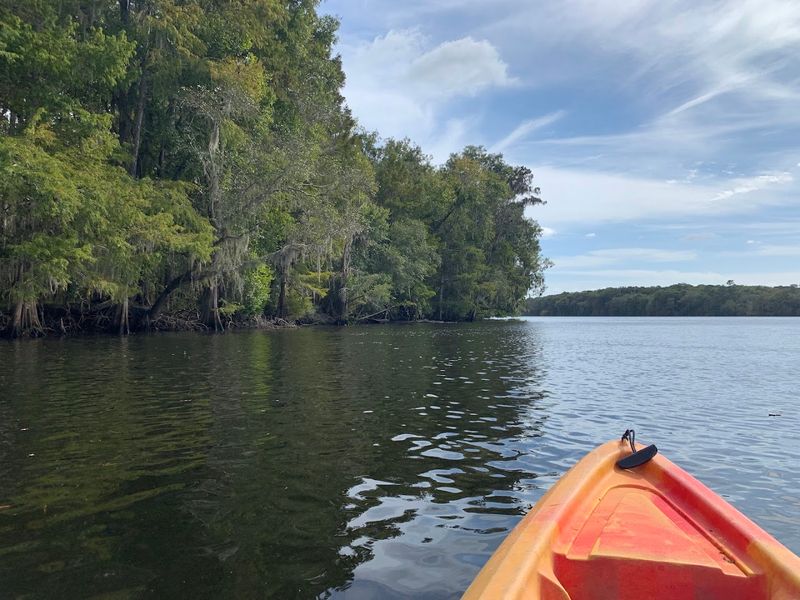
A separate boat ramp at the park makes launching a kayak or canoe straightforward, and rentals are available on-site if you did not bring your own. The spring run flows gently for a couple hundred meters before connecting with the Suwannee River, giving paddlers a natural route that shifts from glassy spring water to the broader, more powerful river current.
The Suwannee has a wild, untamed quality that feels different from the manicured spring basin, and paddling between the two environments in a single outing is a highlight of the park experience. Families with kids have rented canoes and floated above manatees, watching the animals move slowly below in the clear water.
Paddle boards are also welcome, and the calm spring run section is ideal for beginners. The park’s concession area sells basic gear like floats and goggles, so you do not need to arrive fully equipped to enjoy the water.
Scuba Diving: Going Deep in a Florida First Magnitude Spring
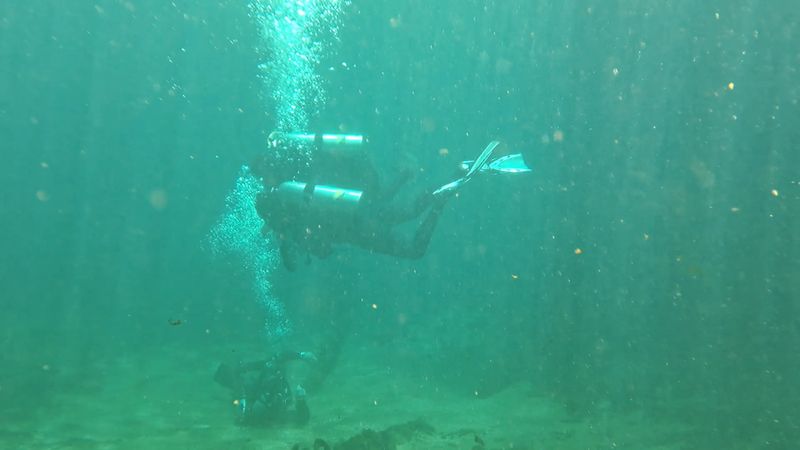
Manatee Springs is a first magnitude spring, meaning it discharges at least 100 cubic feet of water per second, and that flow rate creates underwater conditions that attract scuba divers from across the country. The main spring vent drops to around 30 feet, with a submerged cave system that certified cave divers can explore with the proper credentials.
The visibility in the spring is excellent on most days, and the combination of clear water, interesting geology, and the chance of encountering a manatee underwater makes this a genuinely exciting dive site. Open water divers without cave certification can still explore the open basin and enjoy the clear conditions.
Watching scuba divers surface near the spring vent is its own entertainment if you are just there to swim. The park is one of the more accessible dive destinations in north Florida, and the relatively uncrowded conditions compared to more popular springs add to its appeal.
Hiking and Biking Trails: Into the Flatwoods
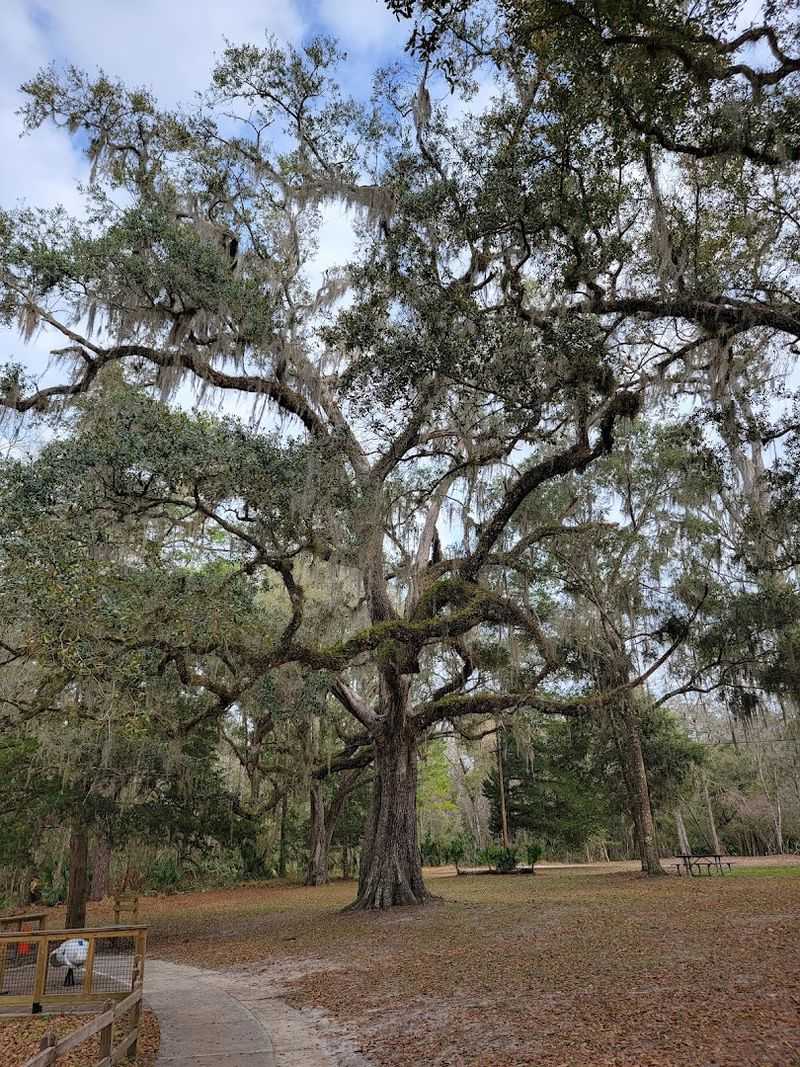
The park does not advertise its trail system aggressively, but visitors who bring bikes or hiking boots tend to come away pleasantly surprised. Several trails wind through pine flatwoods and hardwood hammocks, offering a quieter side of the park away from the spring and the boardwalk crowds.
Trail markings are minimal in some sections, so a downloaded map from the park website is a smart precaution before heading out. A recent storm knocked down a fair number of trees along the trails, and the park has largely left them in place, which creates natural habitat for mushrooms and insects and gives the forest a layered, textured feel.
Evidence of wild boar has been spotted along some of the paths, though the animals tend to avoid people. For cyclists, a paved 30-mile trail in nearby Chiefland connects to the park area, giving serious riders a longer route to enjoy beyond the park boundaries.
Wildlife Beyond the Water: Deer, Owls, and More
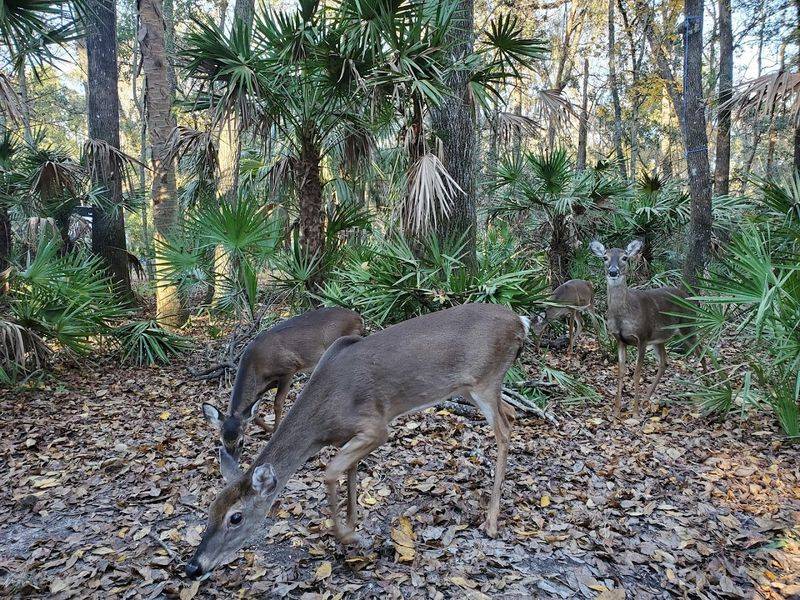
The wildlife at this park extends well beyond the manatees in the spring. Deer wander through the campground and picnic areas throughout the day, completely unbothered by visitors, and watching them graze a few feet from your picnic table is a surprisingly common experience.
At night, owls become vocal and the forest takes on a completely different character. Raccoons and armadillos have also been known to investigate campsites after dark, so securing food properly is worth the effort.
Great blue herons, anhingas, and other native birds are easy to spot near the water throughout the day.
Alligators have been seen from the boardwalk and in the river, which adds a layer of wild authenticity to the visit without feeling threatening from a safe viewing distance. The park essentially functions as a living nature documentary, and the variety of species visible in a single afternoon visit is genuinely impressive.
Camping at the Park: Staying the Night Under the Trees
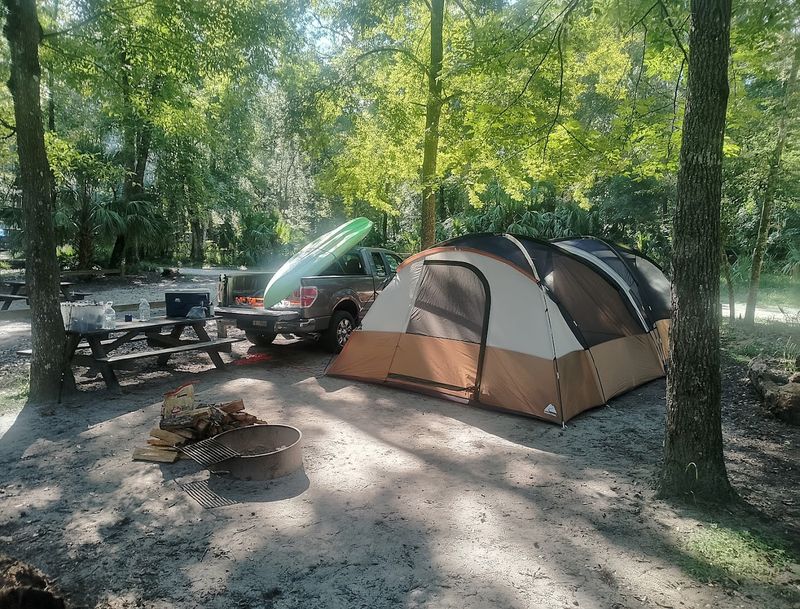
Camping at Manatee Springs costs around $20 per night, which is a remarkable value given everything the park offers. The campsites are spacious and well-maintained, with electric and water hookups, and there is enough vegetation between sites to give each one a sense of privacy.
The bathhouse is clean, though the showers take a while to warm up and the water pressure is modest. Cell service is weak and there is no WiFi, which is genuinely part of the appeal for families looking to disconnect for a few days.
Most visitors who stay multiple nights report wishing they had booked more time.
The campground sits close enough to the spring and trails that everything is walkable, and the proximity to wildlife means mornings start with birdsong and the occasional deer outside the tent. Sites accommodate both tents and RVs, with 30 and 50-amp hookups available for larger rigs.
The Concession Stand and Park Store: Small but Useful
The park store near the spring is modest in size but surprisingly practical. It stocks basic snacks, ice, floats, goggles, and even a few t-shirts, covering most of the things visitors realize they forgot to pack once they arrive.
Food options are limited but available for those who did not bring their own lunch.
The staff running the store are friendly and helpful, and the rangers throughout the park maintain that same approachable tone. Kayak and canoe rentals are also handled through this area, making it the central hub for getting set up before heading to the water.
Packing your own food is still the smarter move if you plan to spend a full day, since options at the stand are not extensive. A cooler with lunch, snacks, and cold drinks means you can stay longer without needing to leave the park mid-day.
Best Time to Visit: Seasons, Manatees, and What to Expect
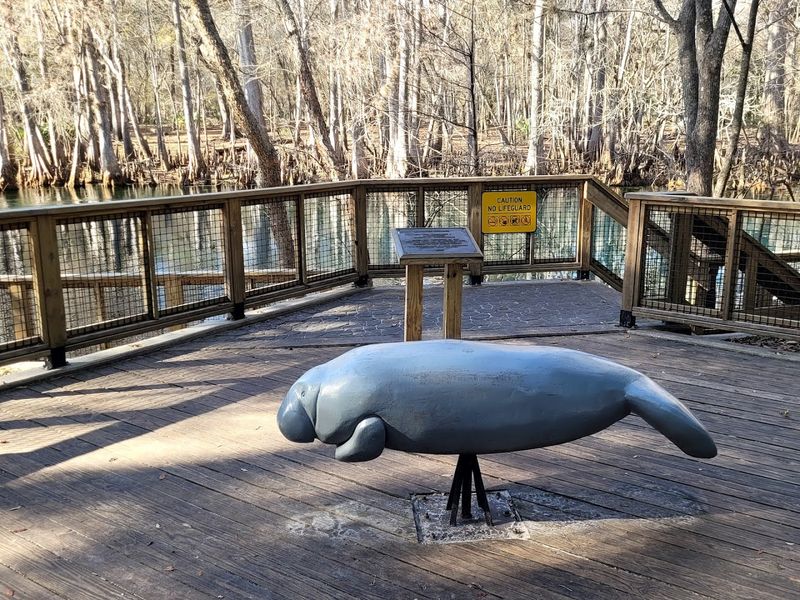
Timing your visit to Manatee Springs makes a real difference in what you experience. Mid-October through mid-March is the prime window for manatee sightings, as the animals seek out the spring’s consistent 68-degree water when river temperatures drop.
Arriving early in the morning gives you the best chance of spotting them before activity near the spring increases.
Summer visits are popular for swimming, since the cool spring water provides relief from Florida’s intense heat. The swimming area is large enough that even on busy weekends it rarely feels overwhelmed, though weekday visits are noticeably quieter.
Spring and fall offer a nice balance of comfortable temperatures and decent wildlife activity. Presidents Day and other holiday weekends sometimes include free admission, which draws bigger crowds but also a lively, communal atmosphere.
The park is open year-round from 8 AM to 5:45 PM, so there is always a reason to show up.



