 Unearth The Voyage
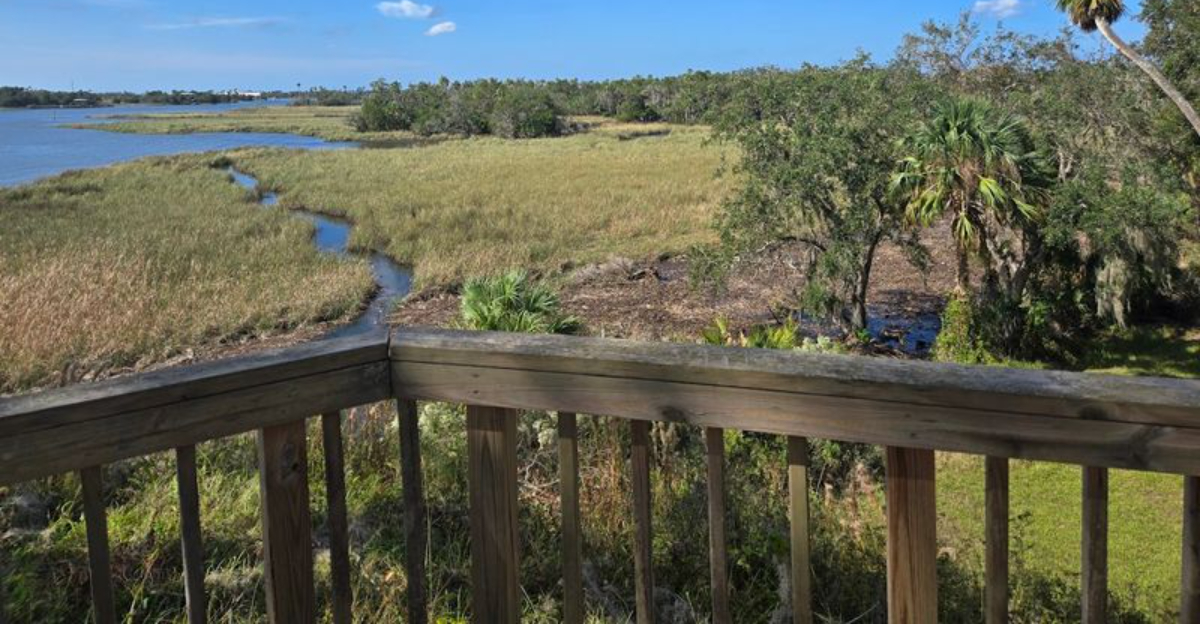
There is a short paved trail in Florida that quietly winds past burial mounds, ceremonial earthworks, and ancient shell structures built by people who called this coastline home nearly 1,600 years ago. Most visitors are surprised by how much history fits into such a compact space.
The park sits along a peaceful stretch of waterfront, and the views from the top of the main mound alone make the trip worthwhile. Add a small but genuinely fascinating museum, a $3 entry fee, and the chance to spot manatees near the shore, and you have one of the most underrated half-day stops in all of Florida.
Whether you are a history enthusiast, a curious road-tripper, or a parent looking for something educational that kids will actually enjoy, this place delivers far more than its modest size suggests.
A Living Piece of Florida History
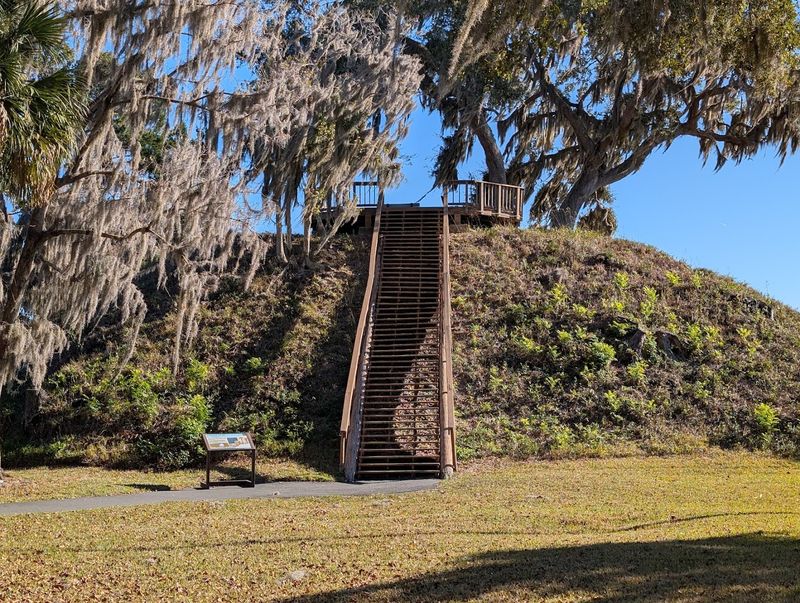
Long before Florida was a state, a thriving Native American community built ceremonial and burial mounds along the banks of the Crystal River. Crystal River Archaeological State Park, located at 3400 N Museum Point, Crystal River, preserves one of the longest continuously occupied pre-Columbian sites in Florida, used from roughly 200 BC to AD 1400.
That is an extraordinary span of human history packed into a relatively small footprint. The site served as a gathering place for indigenous groups from across the region, likely drawn here for trade, ceremony, and burial rituals tied to the seasons and the stars.
Rangers on site are genuinely knowledgeable and happy to share details that go well beyond the interpretive signs. Walking these grounds feels less like visiting a museum and more like standing inside a chapter of American history that most textbooks skip entirely.
The Ceremonial Mound You Can Actually Climb
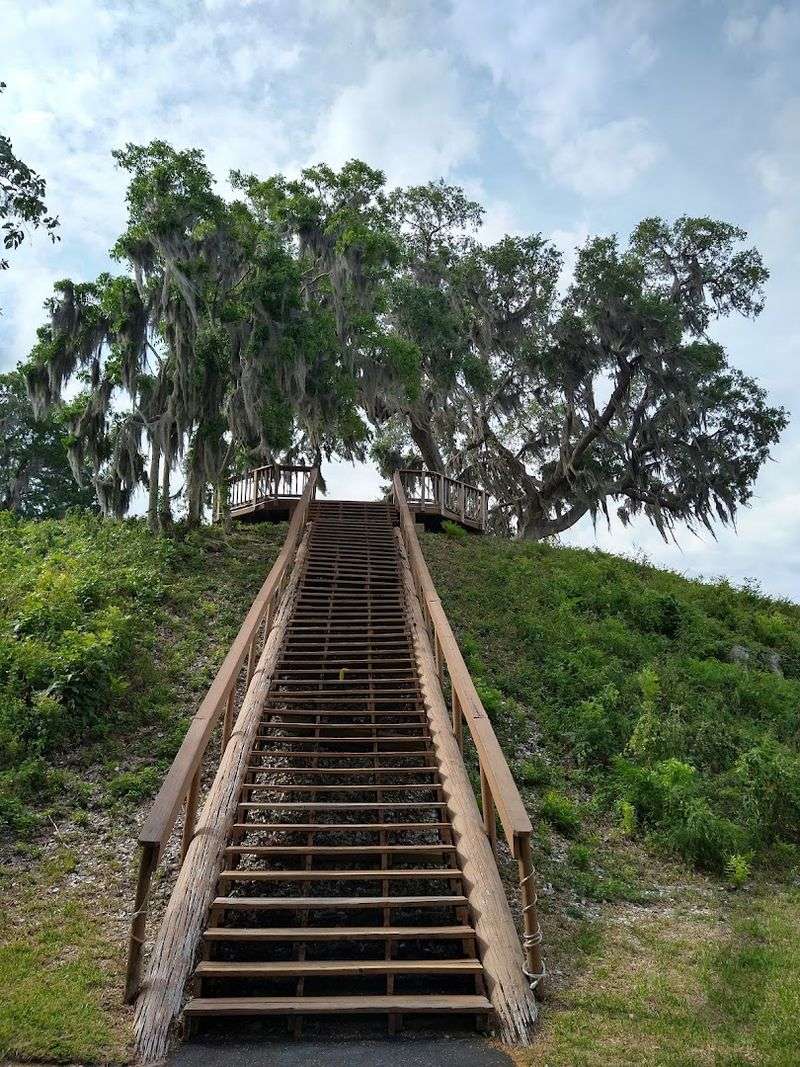
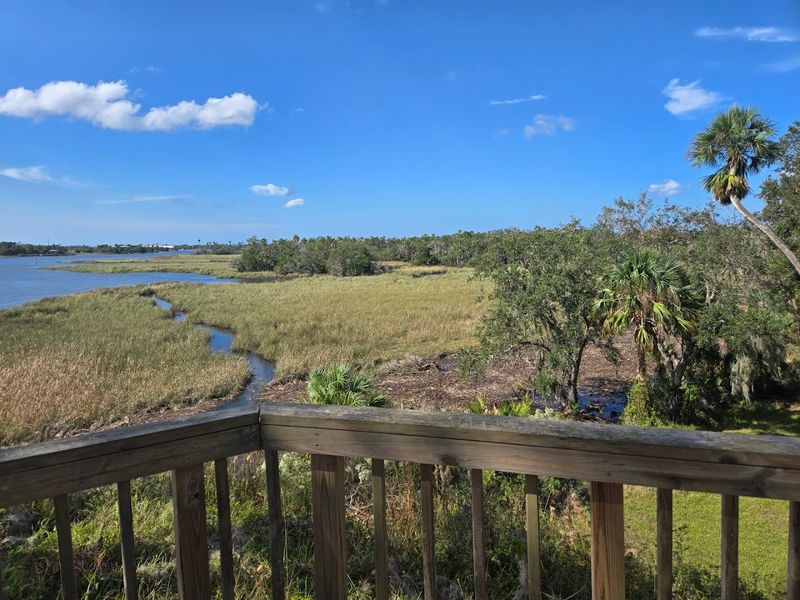
The main ceremonial mound at this park is the kind of landmark that earns its own fan base. Built primarily from compacted shell and earth by indigenous people over many generations, it rises high enough above the surrounding landscape to offer a genuinely stunning view of the Crystal River and the surrounding wetlands.
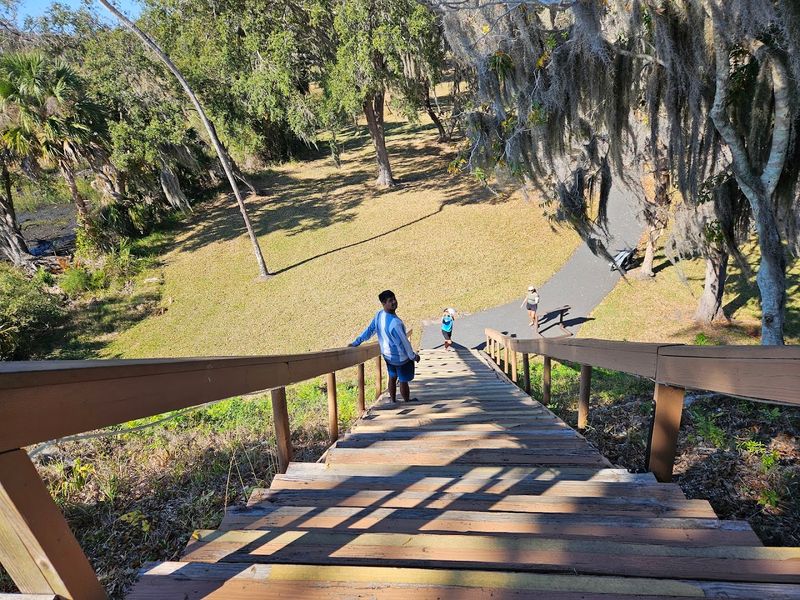
Climbing it is easy enough for most visitors, though one review noted that a banister on the right side of the staircase was in need of repair, so take the steps carefully. Once at the top, the payoff is real: a wide, peaceful panorama that stretches across the water and makes it easy to understand why this spot was so significant to the people who built it.
On a clear morning, the light off the river is something worth pausing for, and the quiet up there feels genuinely separate from the rest of the world.
Burial Mounds and What They Tell Us
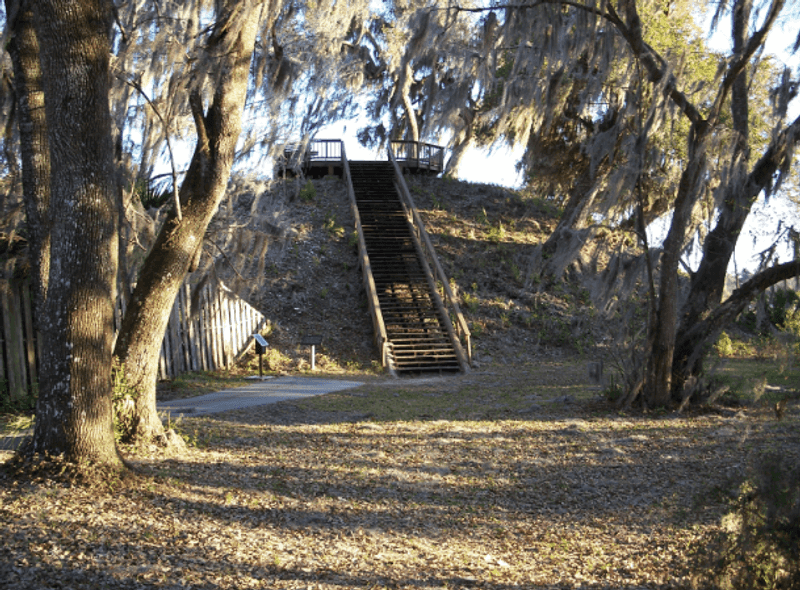
Not every mound at the park was built for ceremony. Several of the earthworks here served as burial sites, and the interpretive panels along the trail explain what archaeologists have learned from studying them.
Remains, tools, pottery, and ornamental objects found at this site have helped researchers understand trade networks that stretched across much of the eastern United States.
The burial mounds are roped off to protect them, but you walk close enough to appreciate their scale and the care that went into their construction. Each one represents not just a structure but a community’s relationship with its ancestors and the land.
Reading the outdoor panels is genuinely worthwhile, and the park does a good job of presenting the information in a respectful, educational tone rather than treating the site like a curiosity. This is a place that asks you to slow down and actually think about the people who were here first.
The Small Museum That Packs a Big Punch
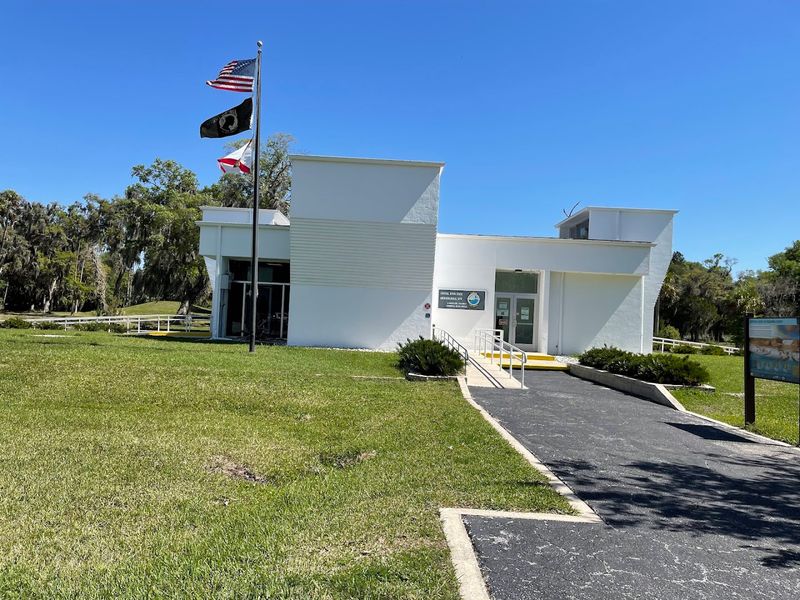
Do not let the word “small” fool you into skipping the museum building. Inside, you will find a well-curated collection of artifacts recovered from the site, including pottery, stone tools, ornaments, and items that traveled here through ancient trade routes from as far away as the Great Lakes region.
A short informative video plays regularly and gives helpful context before you head out to the mounds. There is also a touch table that younger visitors tend to love, letting kids interact with replicas of real artifacts in a hands-on way that makes the history click for them.
The museum is air-conditioned, which is a genuine bonus after walking the trail on a warm Florida afternoon. Staff inside are friendly and willing to answer questions that go beyond what the displays cover, so do not hesitate to ask if something catches your curiosity.
The Paved Trail That Makes It All Accessible
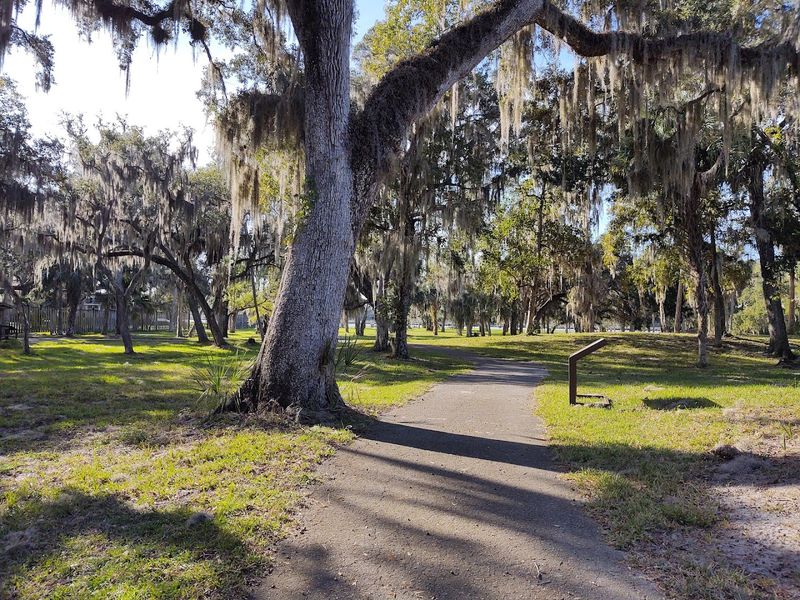
One of the most practical things about this park is that the main archaeological trail is paved with smooth asphalt, making it accessible for strollers, wheelchairs, and visitors who are not up for rugged terrain. The loop is short enough to complete comfortably in under an hour, even with frequent stops to read the signage along the way.
Kids on bikes can handle the path without any trouble, and the surface stays in good condition even after rain. The trail connects the museum to the mounds and circles around toward the waterfront, giving you a natural flow through the site without any backtracking required.
Several outdoor interpretive panels are positioned at key points along the route, each one covering a different aspect of the site’s history and archaeology. The combination of easy walking and rich information makes this trail genuinely suitable for all ages and fitness levels, which is rarer than you might expect.
Wildlife Along the Waterfront
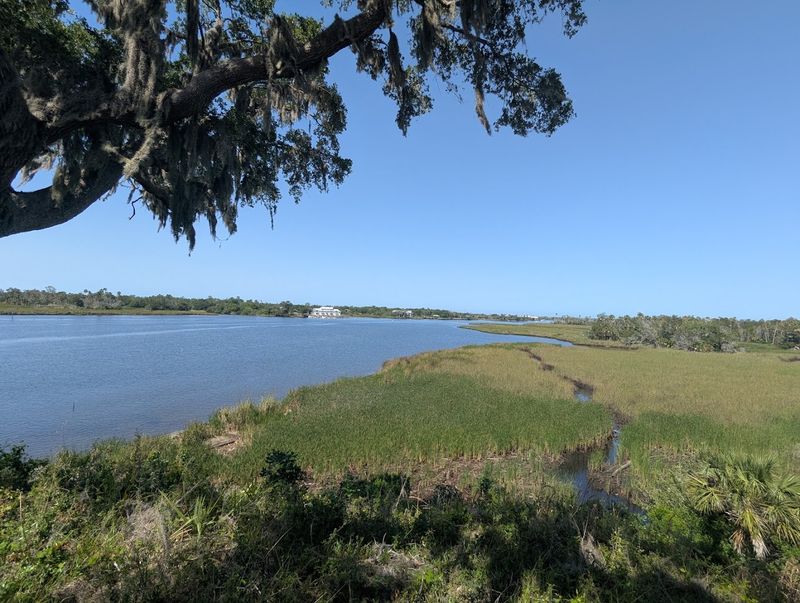
History is not the only draw here. The park sits right along the Crystal River, and the shoreline is one of those places where wildlife shows up without much warning.
Manatees have been spotted drifting near the water’s edge, and dolphins occasionally appear further out in the river channel.
Pelicans are a regular presence, along with herons, egrets, and a rotating cast of shorebirds that make the area popular with birders. The combination of ancient earthworks and active wildlife in the same spot gives the park a layered quality that is hard to find elsewhere in Florida.
The best wildlife sightings tend to happen in the cooler months when manatees move into the warmer spring-fed waters nearby. Even if the timing is not perfect, the view from the waterfront edge of the park is peaceful enough to justify a few quiet minutes just standing there and watching the river move.
Dugout Canoe Demonstration by Park Staff
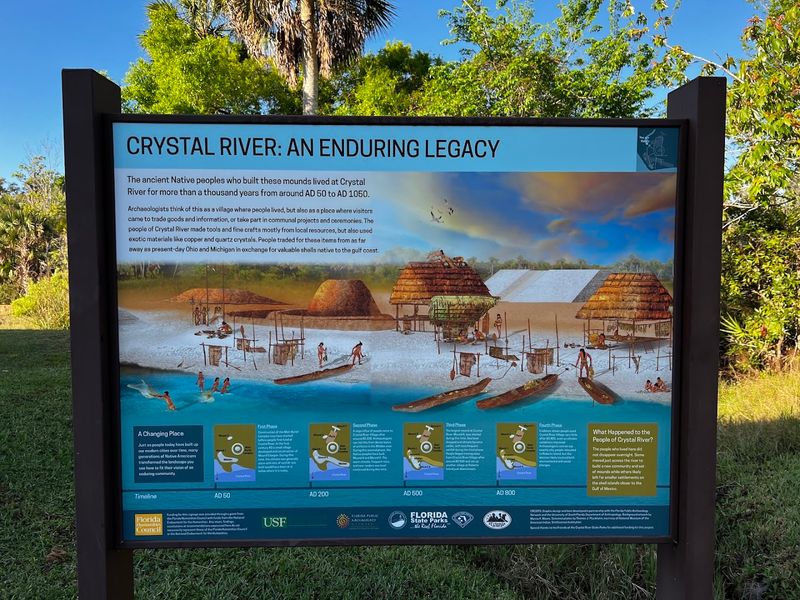
On certain visits, the park offers something you genuinely do not expect: a live demonstration of the traditional method used by indigenous people to build dugout canoes. Rangers and volunteers work on actual logs, using controlled burning and careful scraping to hollow out the wood the same way it was done centuries ago.
The process is slow and precise, and the staff explaining it are enthusiastic in a way that makes the technique feel genuinely impressive rather than just historical trivia. On one occasion, kids were even invited to try chipping away at some of the burned wood themselves, which turned a passive museum visit into something they actually participated in.
Demonstrations like this do not happen every day, so it is worth calling ahead or checking the park’s schedule if you want to catch one. When they do happen, they are easily the most memorable part of the visit for many families.
The Moons Over the Mounds Event
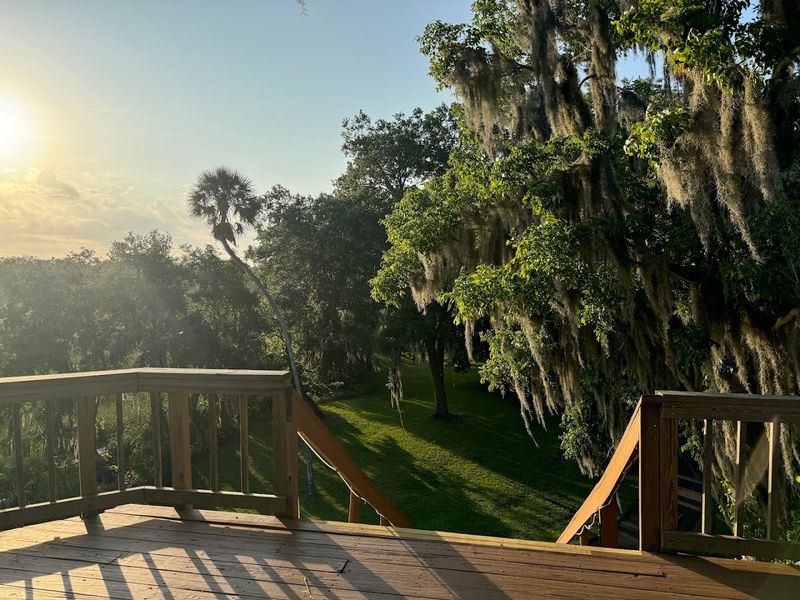
Every so often, the park hosts a special event called Moons Over the Mounds, which connects visitors to the astronomical significance that the site likely held for the people who built it. Ancient cultures across the Americas aligned their ceremonial structures with celestial events, and this park is no exception.
The event brings the site to life after dark in a way that daylight visits simply cannot replicate. The mounds take on a different character under moonlight, and the programming typically includes educational components that help visitors understand the cultural and spiritual context of the site.
It is the kind of event that turns a pleasant afternoon outing into something genuinely memorable. If the Moons Over the Mounds event is scheduled during your visit to the Crystal River area, rearranging your itinerary to attend would be a decision you are very unlikely to regret, especially for older kids and adults with an interest in archaeoastronomy.
Fishing, Birding, and Nature Trails Beyond the Mounds
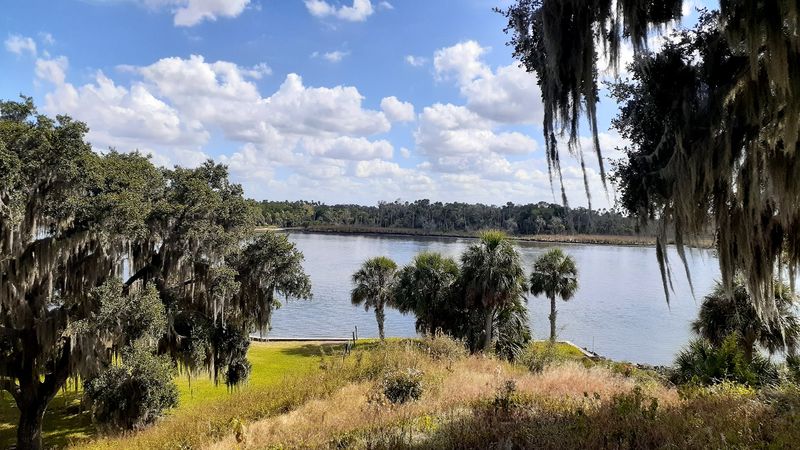
The archaeological mounds and museum get most of the attention, but the park also offers several longer nature trails that branch away from the main archaeological area. These unpaved paths are better suited to hiking boots than strollers, and they wind through native Florida habitat that is excellent for birding and general wildlife watching.
Fishing along the waterfront is another option that draws a quieter crowd of regulars who come for the calm and the catch rather than the history. The area around the park is known for its healthy fish populations, and the peaceful setting makes it easy to spend a couple of hours by the water without feeling rushed.
The combination of archaeological interest and natural recreation in a single park is part of what makes this stop so versatile. A family with mixed interests, some wanting history and others wanting nature, can both leave satisfied without anyone having to compromise too much.
Entry Fee and Practical Visiting Tips
At just $3 per vehicle, Crystal River Archaeological State Park is one of the best-value stops in the Florida state park system. Payment is handled through a self-serve envelope system at the gate, with a QR code nearby that lets you pay online if you do not have exact change or cash on hand.
The park is open every day from 8 AM to 6 PM, which gives you a reasonable window for a morning visit before the afternoon heat sets in. Arriving early on weekdays tends to mean fewer crowds and a better chance of having the mounds to yourself for a few quiet minutes.
Bug spray is worth bringing, particularly in warmer months when no-see-ums can be persistent near the water. The grounds are well maintained and clean, with restrooms available near the museum building, so the basics are well covered for a comfortable visit of any length.
Why Kids Actually Enjoy This Place
Getting kids engaged with a site that is essentially a collection of earthen mounds and museum displays sounds like a tough sell, but this park manages it better than most. The touch table in the museum lets younger visitors handle artifact replicas, which immediately makes the history feel real rather than abstract.
Climbing the ceremonial mound is an obvious hit, since kids tend to approach it as a physical challenge first and a history lesson second, and both work out fine. The short trail length also helps, since the whole loop can be done without anyone complaining about tired legs before the good parts.
Even a reluctant teenager can usually find something worth paying attention to here, whether it is the river view, the canoe demonstration, or just the oddly compelling fact that people were building complex structures on this exact spot nearly two thousand years ago.
A Quiet Spot Worth Every Minute
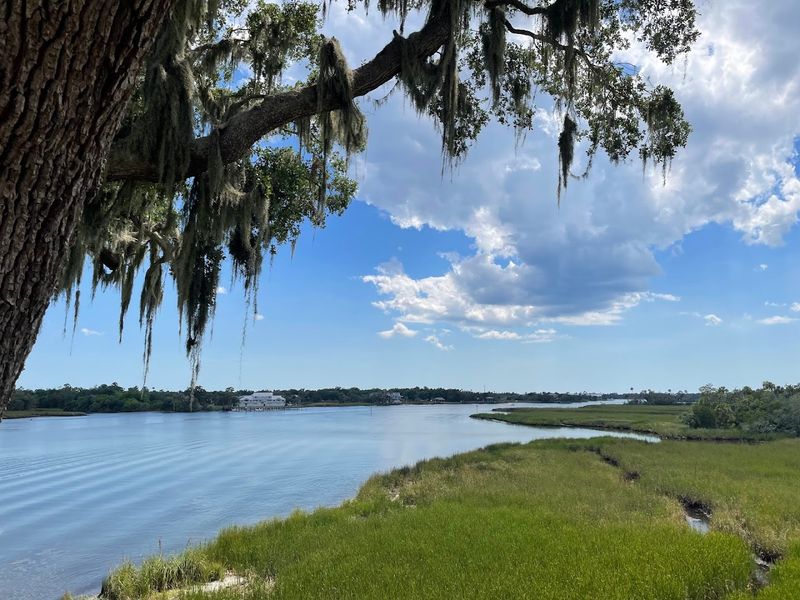
There is a particular kind of calm that settles over this park once you get past the entrance and start walking the trail. The grounds are well-kept and quiet, with no loud attractions or crowds to navigate, just a thoughtfully preserved piece of land that has been important to people for a very long time.
The view from the top of the ceremonial mound at the end of the visit has a way of putting things in perspective. You are standing above a river that people paddled in dugout canoes, looking out at a landscape that has changed less than you might expect over the past several centuries.
For anyone passing through the Crystal River area, skipping this park would be a genuine missed opportunity. The combination of accessible history, natural beauty, honest pricing, and a staff that clearly cares about the place makes it one of those rare stops that earns its rating without any effort at all.



