 Unearth The Voyage
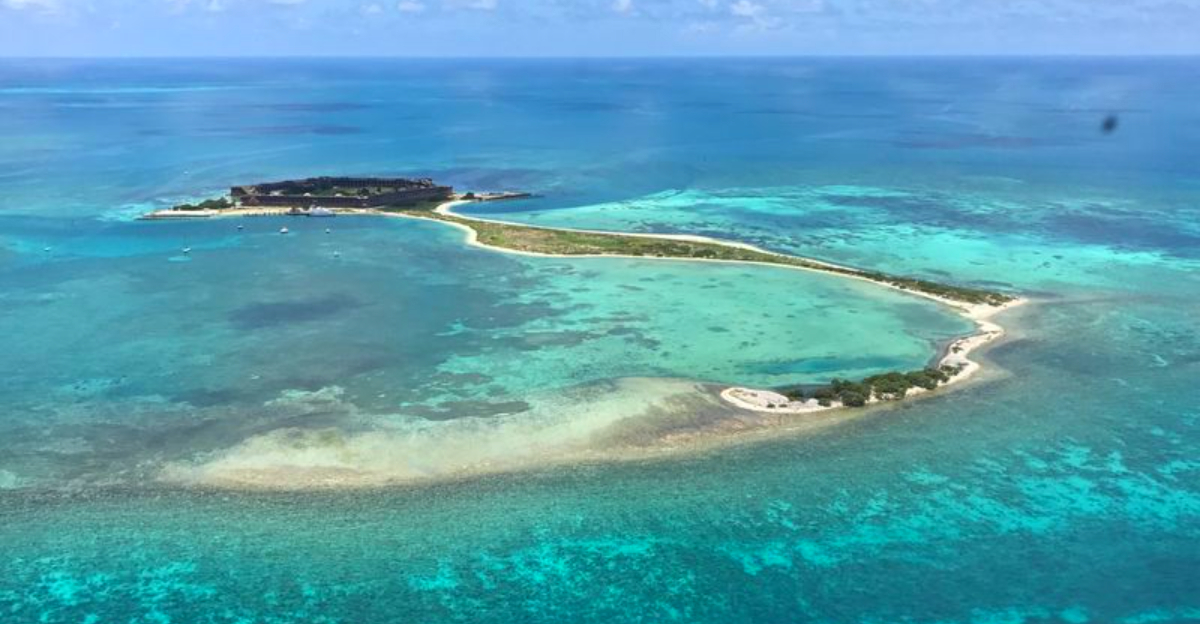
Seventy miles west of Key West, a cluster of turquoise rings rises from the Gulf like a mirage. Dry Tortugas, Florida feels untouched, where coral gardens sparkle and a Civil War fortress guards a horizon of endless blue. Getting there takes commitment, but the reward is pure, sunlit wonder and wildlife encounters you will remember for years. Ready to step into a living postcard you can only reach by boat or seaplane?
1. Fort Jefferson’s Brick Colossus
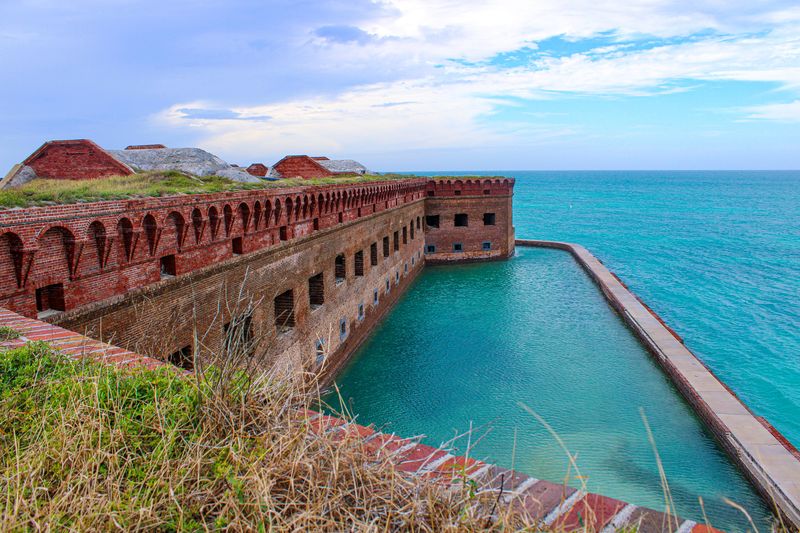
Stand atop the ramparts and the wind carries ocean salt across six million bricks, each one echoing stories of sailors and soldiers. Fort Jefferson is huge, unfinished, and unforgettable, a polygon fortress perched above water so clear you can count parrotfish from the wall. Walk the casemates as sunlight stripes the arches and frigatebirds wheel overhead.
You will feel the scale in your bones the moment your footsteps tap the brick. Cannon ports frame aquamarine frames like art, while coral rubble crunches underfoot near the moat wall. Pause at the sally port, listen, and the Gulf hums through the portal like a steady drum.
Guided ranger talks add color to the ironclad history without weighing you down. Bring water, a hat, and curiosity. The past is not dusty here, it is bright and breathing, stitched into sea breeze and rusted anchors.
2. Snorkeling the Moat Wall Gardens
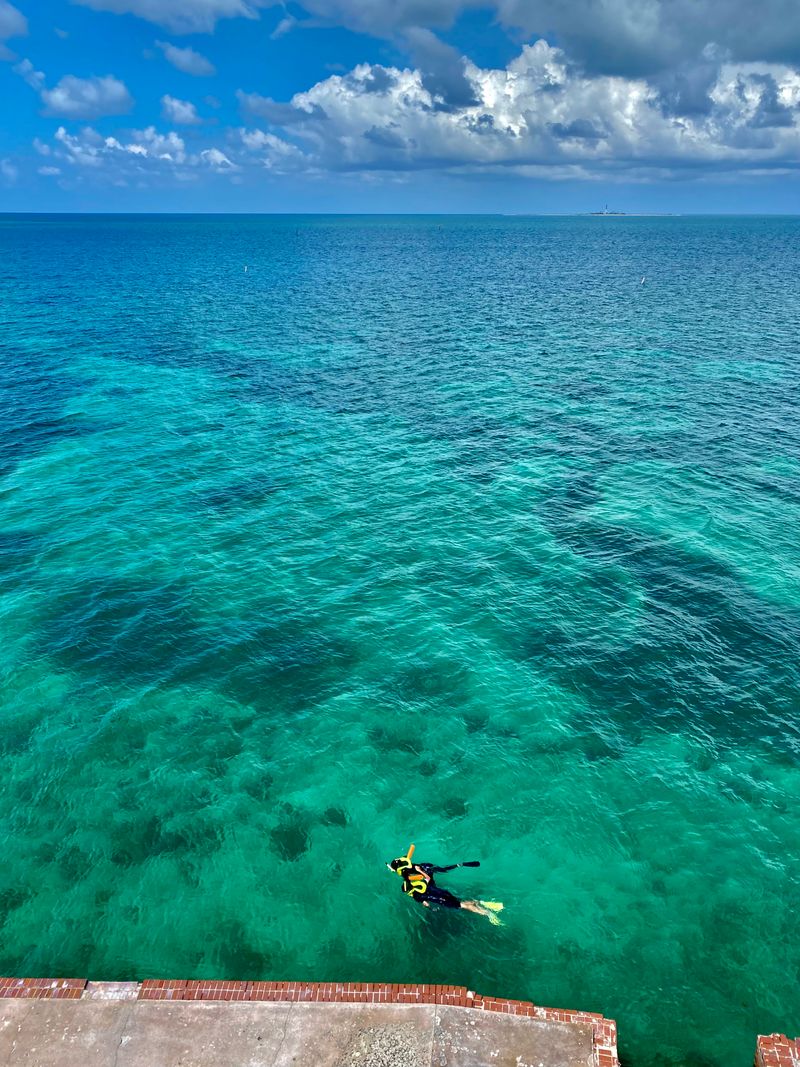
Slip into the water beside the moat wall and the island’s hidden garden opens like a curtain. Brain coral domes, waving sea fans, and schools of sergeant majors flicker in sun shafts. You float above sand channels while juvenile barracuda hover like silver needles.
The visibility can be stunning on calm days, and even beginners feel at ease along the sheltered stretches. Follow the wall’s curve and watch for Christmas tree worms, their spirals blooming when you drift close. Keep your fins light to protect fragile life below.
Bring your own mask or borrow from outfitters, but always check conditions with rangers. A rash guard helps with sun and the occasional jelly. Every push of your fins threads you deeper into blues that look unreal until you see your own hands glowing in them.
3. Bush Key Bird Sanctuary
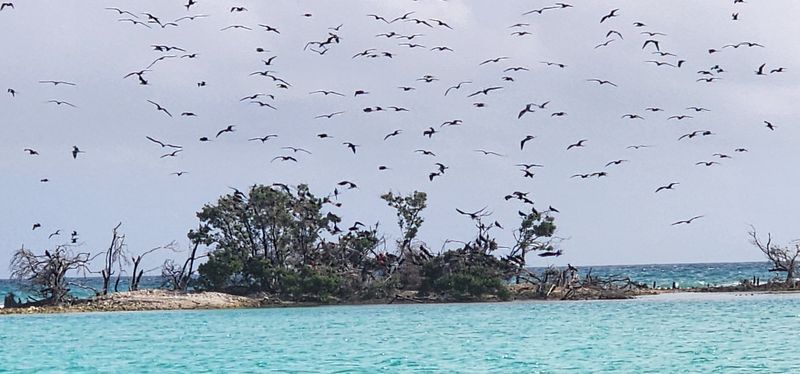
In spring, Bush Key becomes a buzzing, feathered city. Sooty terns raft offshore in dense clouds while brown noddies perch like punctuation on coral rocks. The sound is a constant chittering blanket that makes the air feel alive.
Respect closures and view from the shoreline when nesting is active. You do not need to step far to witness the spectacle, binoculars bring the swarming patterns close. Look carefully at the roost lines and you might spot a tagged bird that has crossed oceans to return here.
The sand spits are delicate, the vegetation low and salt tough. Stay on permitted areas, tread lightly, and let your camera rest between breaths so the moment lands. When the terns lift together, the sky ripples, and you feel the island breathing through wings.
4. Seaplane Arrival Over Reefs
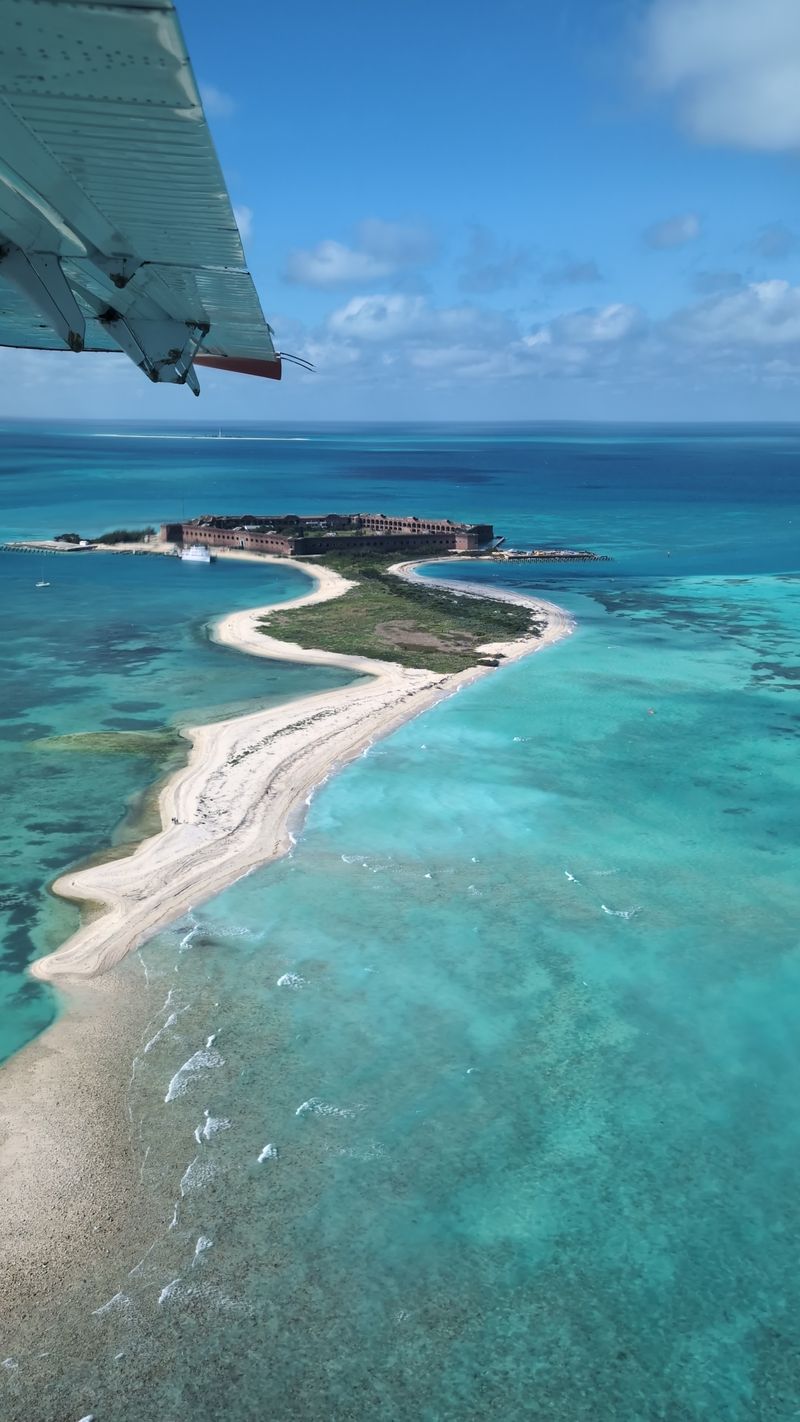
The seaplane arcs low and the water turns gem bright, reefs etched like fingerprints in shallow sapphire. You press the window and watch Fort Jefferson shape emerge, a brick star inside a turquoise halo. Landing spray splashes light across the floats and your stomach flips with joy.
This route saves time and paints orientation right on the sea. Pilots narrate history, navigation, and wildlife, pointing out turtles shadowing sand lanes. Every minute feels like an introduction written in color and motion.
Book early because seats vanish fast, especially in peak months. Pack light within weight limits and keep a camera ready for that banked turn over the moat. When the engine winds down at the beach, silence after the prop wash sounds like the island’s welcome.
5. Yankee Freedom Ferry Day Trip
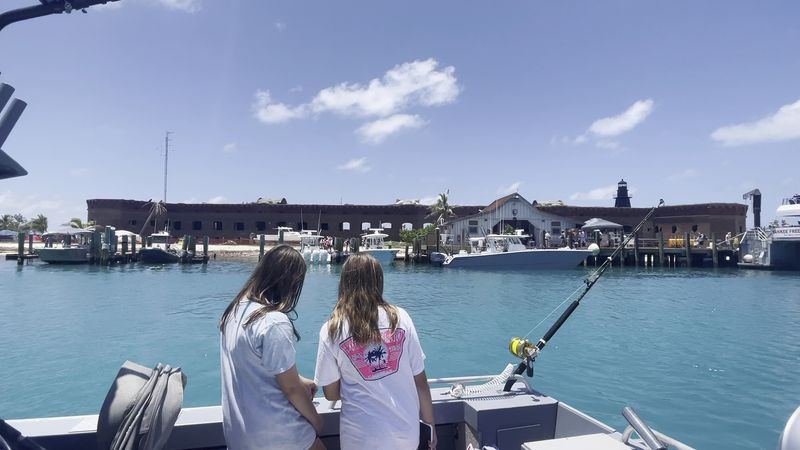
If the seaplane is the dramatic entrance, the ferry is the social heartbeat. You leave Key West before sunrise, sipping coffee as the catamaran hums toward open water. By arrival, staff brief you on snorkeling, history, and timing with friendly precision.
The ride gives you time to gear up, eat, and watch flying fish streak like skipping stones. Inside the fort, you can roam at your pace and still catch a ranger talk. The return trip often becomes a moving lounge of sun tired smiles.
Bring seasickness bands if swells look feisty and a dry bag for camera gear. The schedule is your guide, so set alarms to maximize snorkeling and wall walks. Stepping off at Key West at dusk, you will swear the horizon kept a piece of you.
6. Loggerhead Key Lighthouse Views
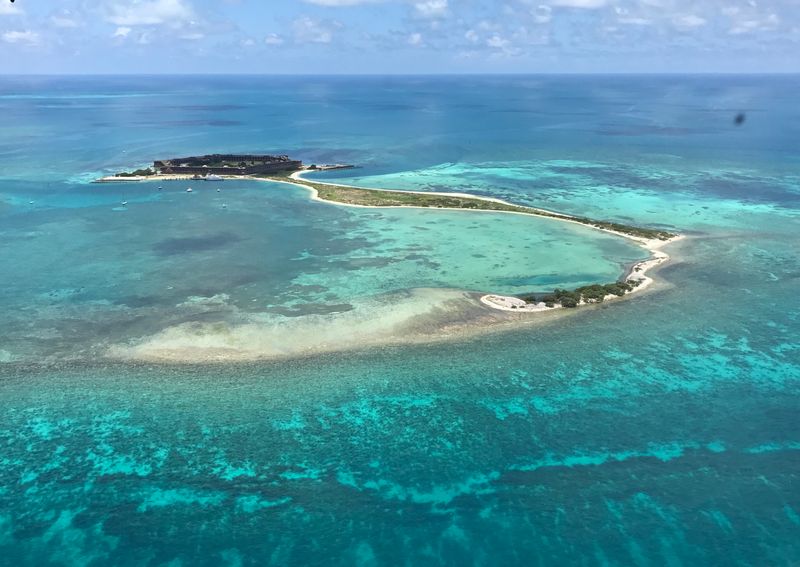
Loggerhead Key rises with a tall white lighthouse and a wilder hush. The reef flats surrounding it shimmer with shallows that feel like stained glass. When permitted access aligns, the island offers perspective and solitude different from Fort Jefferson’s bustle.
Look back toward the fort and the Gulf stretches like a silk sheet. Sea turtles give the key its name, and you might spot a green turtle lifting for breath near the drop off. Sand paths cut through low scrub, and every footstep seems to soften in the hush.
Permits, boat logistics, and safety matter here, so plan carefully. Bring extra water, sun protection, and respect for nesting seasons. The lighthouse stands like a sentinel, a steady white line telling you that wildness still thrives just beyond familiar horizons.
7. Moat Walk at Golden Hour
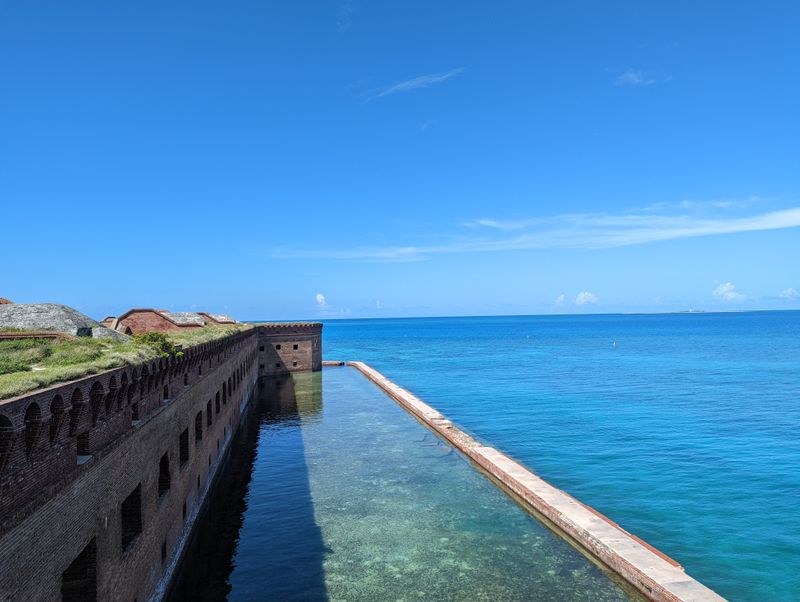
As the sun angles low, the moat walk becomes a glowing ribbon. Shadows of arches stretch across the water, and pelicans glide past like quiet ships. You circle slowly, watching light pool in the brick textures and greens flare neon beneath the surface.
This is the time for reflection and small discoveries. Crabs scuttle under ledges, and the breeze drops enough to mirror the fort perfectly. Every step frames a new postcard you cannot take fast enough.
Hold the handrail where gaps narrow and focus on footing, especially if spray wets the bricks. Tuck your phone in a strap, breathe, and linger when the sky goes cotton candy. The path leads you back to the sally port with pockets full of silence.
8. Shallow Reef Macro Safari
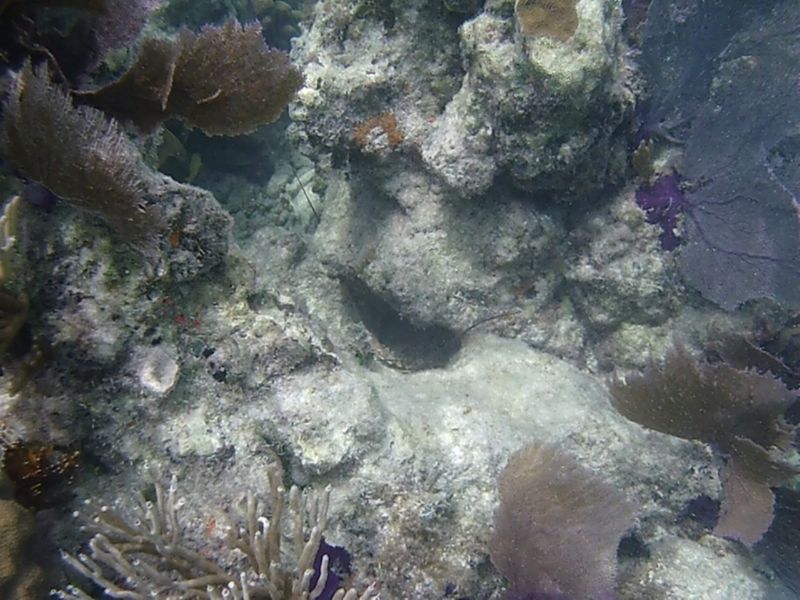
Kneel in waist deep water with a mask and you are on safari at miniature scale. Hermit crabs tiptoe across rubble, lettuce sea slugs ripple like jade ribbons, and tiny blennies peek from coral holes. The world here rewards patience more than distance.
Move slowly and let your eyes adjust to textures. Once they snap into focus, camouflage peels away and colors bloom. The thrill is noticing, not chasing, the living museum at your knees.
Use a macro setting or action cam with close focus, and never touch the reef. Even a light kick can cloud the scene, so keep your fins high. When you finally surface, your smile will be small and precise, like the creatures you met.
9. Camping Under Infinite Stars
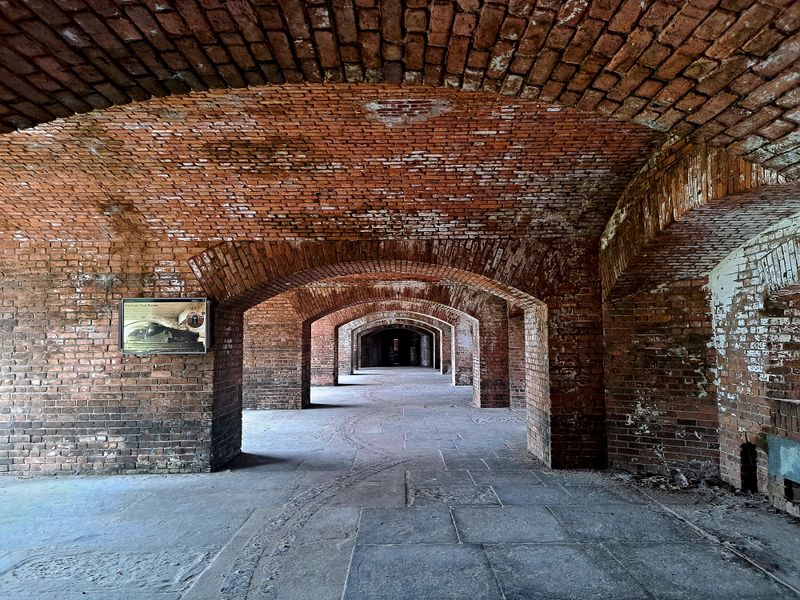
Overnight camping turns Dry Tortugas from stunning day trip to private universe. After the ferry departs, the island quiet settles like velvet and the Milky Way stitches across the sky. Waves tap the shore and you hear your own heartbeat again.
Sites are primitive, so pack water, food, and patience with wind. Tents bow and flutter, and cooking smells travel farther than you think. Night photography feels effortless when darkness is this complete.
Permits and gear weight are tightly controlled, so plan months ahead. Lock down critter proof storage and keep lights low to protect wildlife. When dawn smears pink over Fort Jefferson, you will feel like a lucky caretaker instead of a visitor.
10. History in the Casemates
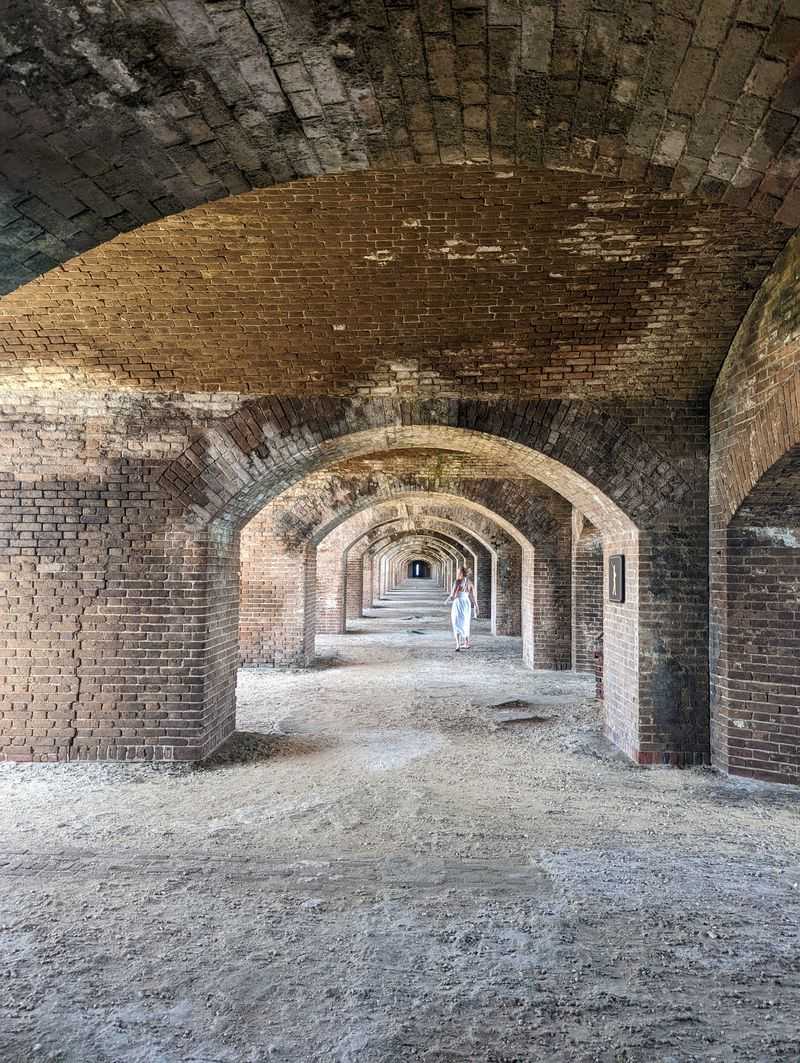
Inside the fort’s casemates, you step into brick cooled chambers where echoes linger. Interpretive signs outline construction challenges, yellow fever outbreaks, and the strategic chess of Gulf defense. Ironwork and arch shadows turn history into a tactile maze.
You can almost hear the clank of tools and distant surf as you trace mortar joints. The scale tells a story of ambition racing nature, of supply ships threading storms. Stand by the powder magazine door and feel time tighten around you.
Join a ranger walk for context that stitches facts to places. You will leave with names, dates, and the human grit behind them. The fort stops being a monument and becomes a conversation between brick, sea, and endurance.
11. Turtle Encounters in Clear Water
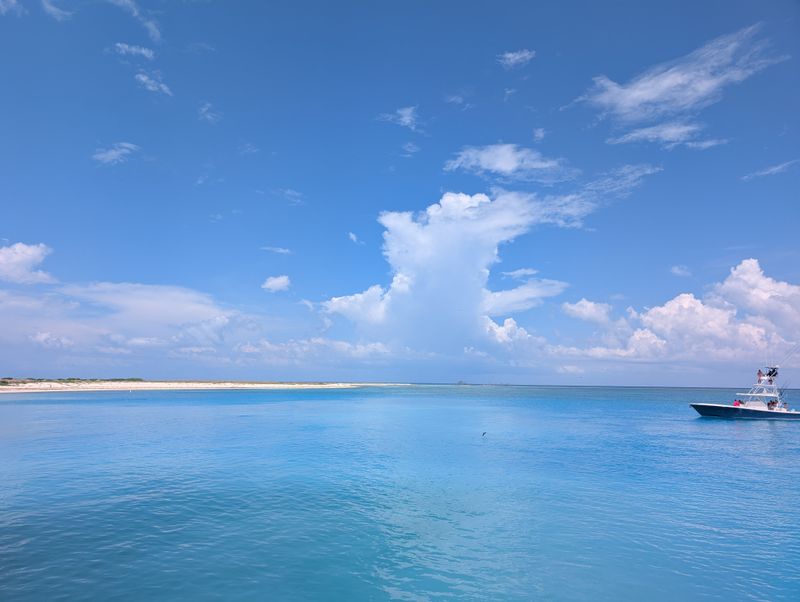
Watch the water’s surface for a soft exhale and a domed head breaking light. Green and loggerhead turtles patrol the shallows like calm submarines, unbothered if you drift respectfully. Their slow kicks write cursive in the sand.
Stay at a distance, give them right of way, and keep hands tucked. You are a guest in their kitchen, not a chase boat. If luck aligns, you will see a turtle shadow glide beneath you, ancient and effortless.
Bring polarized sunglasses to cut glare when scanning from shore. Snorkelers should keep movements small and predictable. The best souvenirs are whispered sightings shared later on the ferry, not selfies taken too close.
12. Frigatebirds and Pelican Patrols
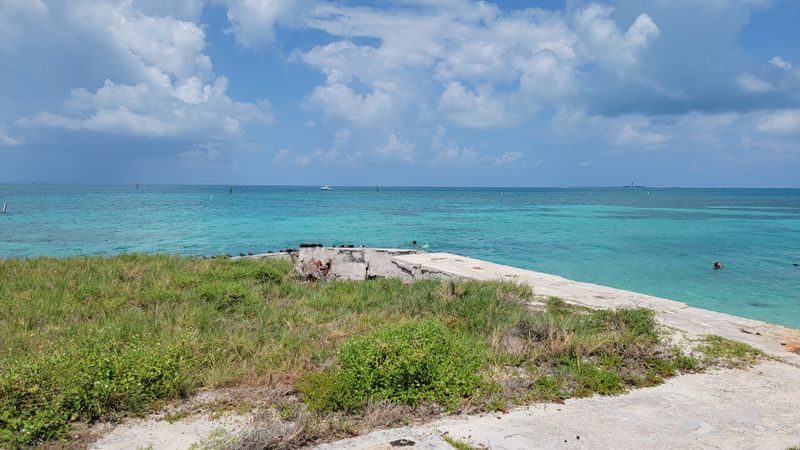
Lift your eyes and the sky becomes another reef, alive with silhouettes. Magnificent frigatebirds hang on thermals like kites, while brown pelicans cruise in formation just above the waves. Their paths sketch the island’s wind patterns for you.
Look for male frigatebirds with inflated red throat pouches in breeding seasons, even from a distance. Pelicans dive with a splash that punctuates the afternoon quiet. Bring lightweight binoculars and you will see feathers detail like brushstrokes.
Respect nesting areas and keep space around perches on the walls. Wildlife first, always. The reward is a slow unfolding of behaviors that tells you more than any sign could.
13. Daypack Essentials for Isolation
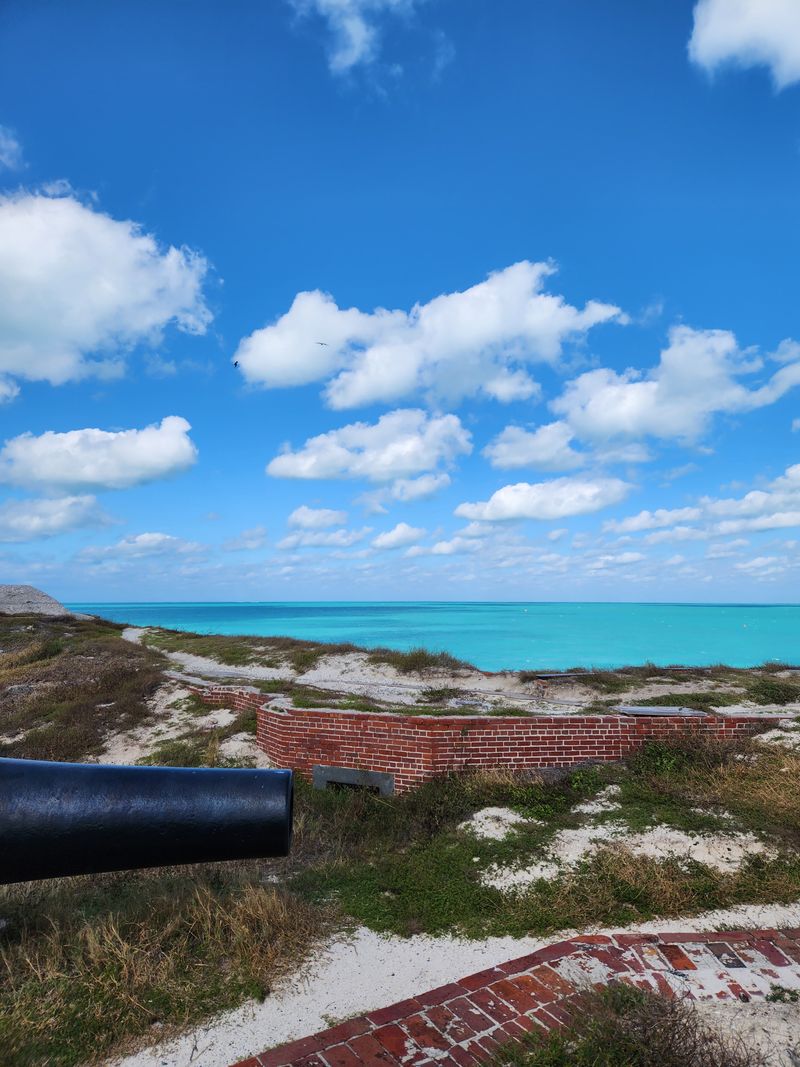
This island is stunning and very self sufficient is not. What you forget, you likely go without until the ride back. Pack smart and you turn freedom into comfort.
Water, reef safe sunscreen, hat, breathable layers, and a small first aid kit belong in your bag. Add snacks with salt, a dry bag for electronics, and spare mask straps. A lightweight towel doubles as shade, seat, and wind buffer.
Respect the Leave No Trace rhythm and carry all trash out. Even crumbs matter here. With essentials sorted, you focus on wonder instead of fixes, which is the whole point of making the crossing.
14. Photography Circles and Lines
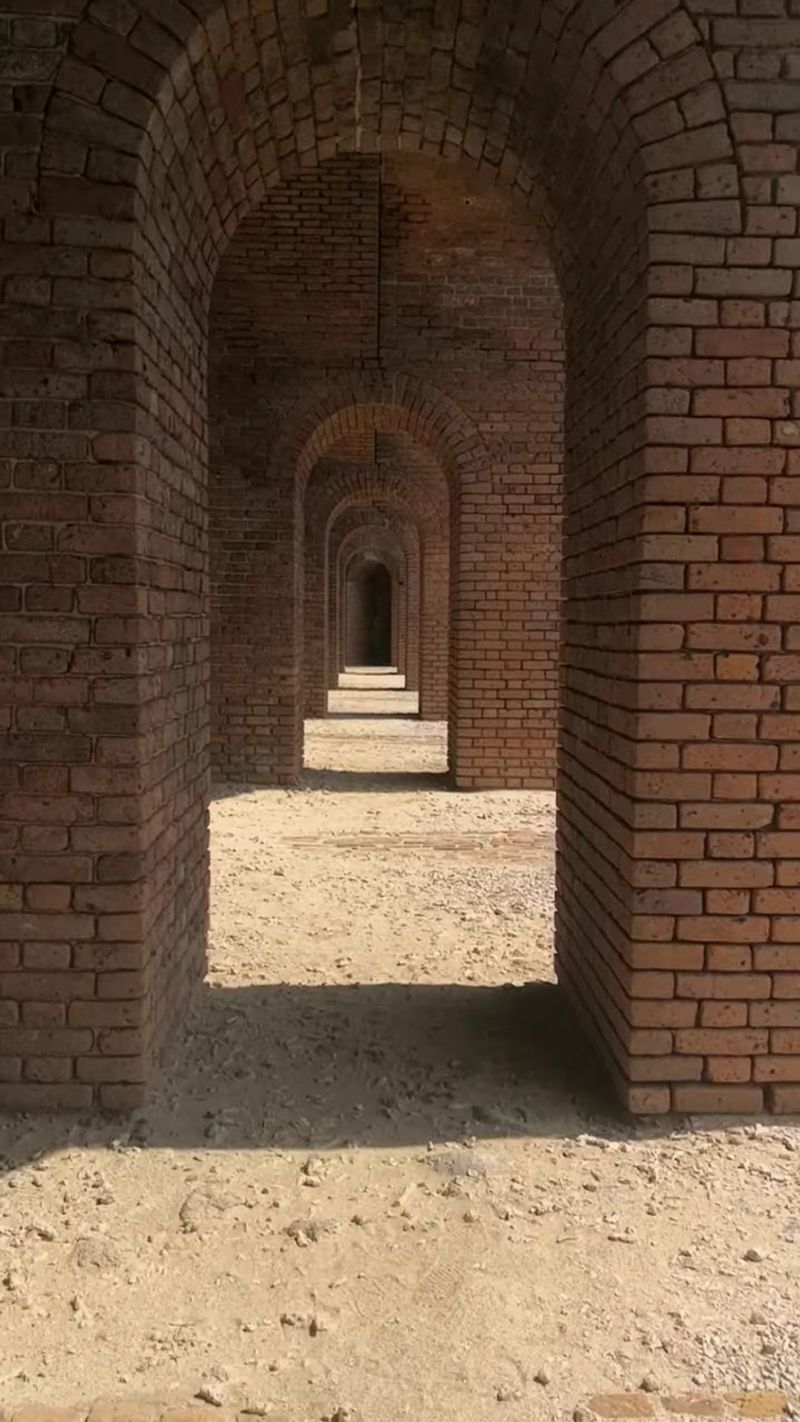
Dry Tortugas is geometry in paradise. The fort’s hexagon angles, moat curve, and repeating arches create strong compositions even for beginners. Add reef textures and you have layers that guide every frame.
Walk the parapet for leading lines and shoot low along the moat for mirror symmetry. Polarizers tame glare and saturate turquoise without overdoing it. Early and late light carve detail into brick while midday shines underwater.
Keep an eye on salt spray and wipe lenses gently, not frantically. Step back between shots to let the scene settle in your head. The best photos here feel quiet and intentional, like the island itself.
15. Quiet Corners Beyond the Crowds
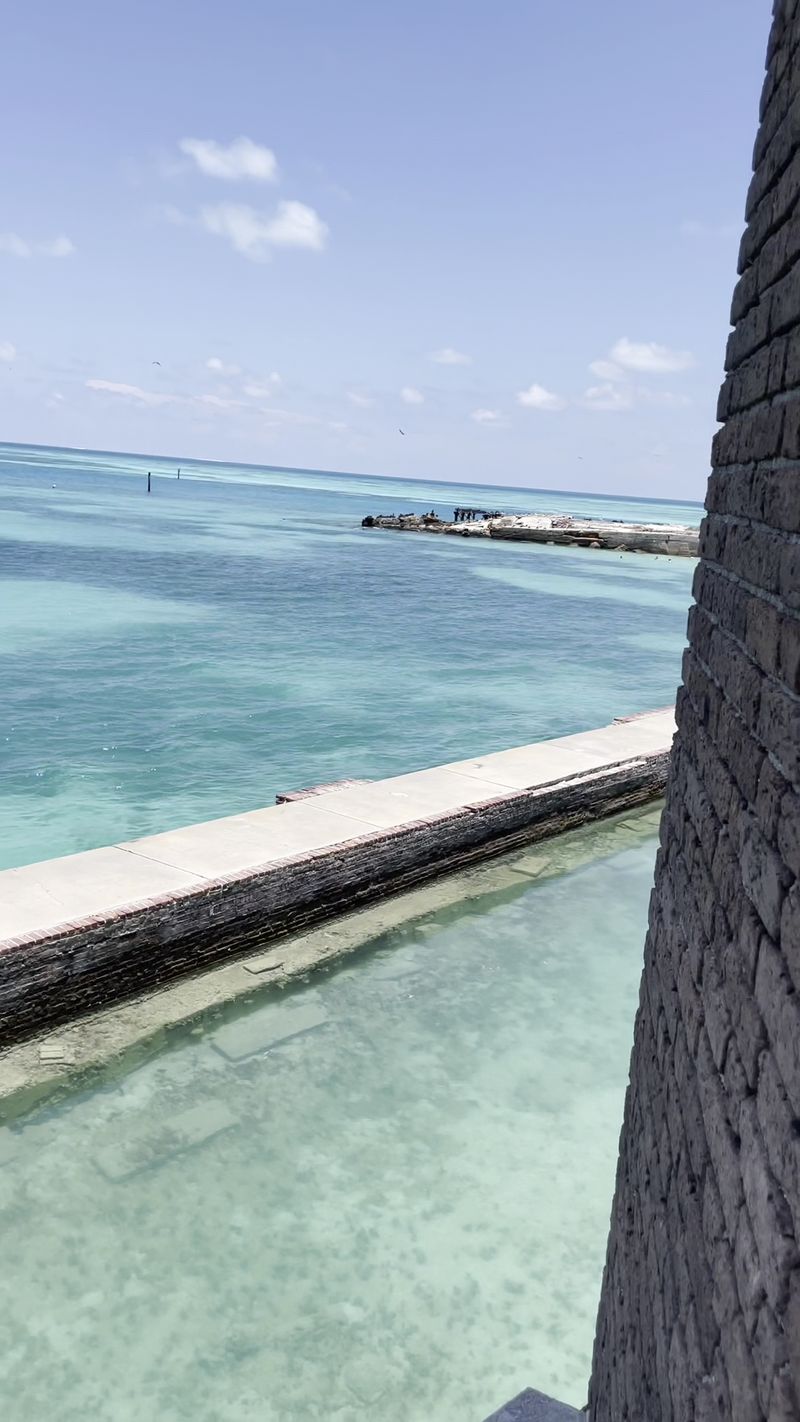
Even on busy days, Dry Tortugas holds quiet if you look. Slip behind an interior wall, find shade by a cannon port, or wander a beach edge where shells hush footsteps. Suddenly the island sounds like your own breathing again.
Time your wanderings opposite the crowd flow. When groups snorkel, explore the ramparts. When tours climb, float a cove and watch minnows turn as one.
Silence is part of the experience, so pocket your phone and let time stretch. You will board the return ride with shoulders lower and senses sharper. That stillness is why people keep chasing this far away blue dot.
16. Respecting a Fragile Paradise
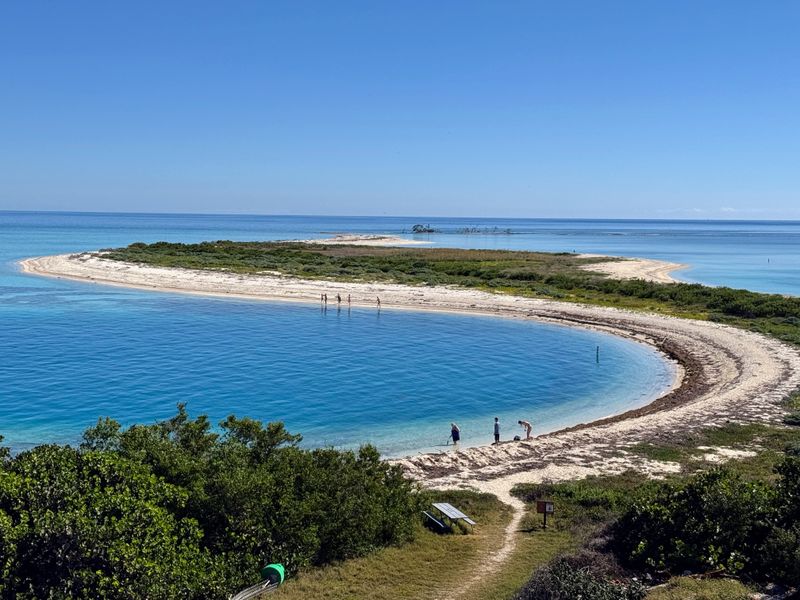
Every shell, feather, and coral branch is part of a tiny, hard working system. You keep the island healthy by staying on paths, using reef safe sunscreen, and packing out every crumb. Small choices ripple big here.
Wildlife needs space more than admiration at arm’s length. Give birds, turtles, and corals distance, and you will see natural behavior instead of fear. It feels better too, like you belong in the scene.
Check current rules with rangers and follow closures without grumbling. This is not red tape, it is life support. When you leave Dry Tortugas as pristine as you found it, the island says thank you in clear water and wheeling wings.



