 Unearth The Voyage
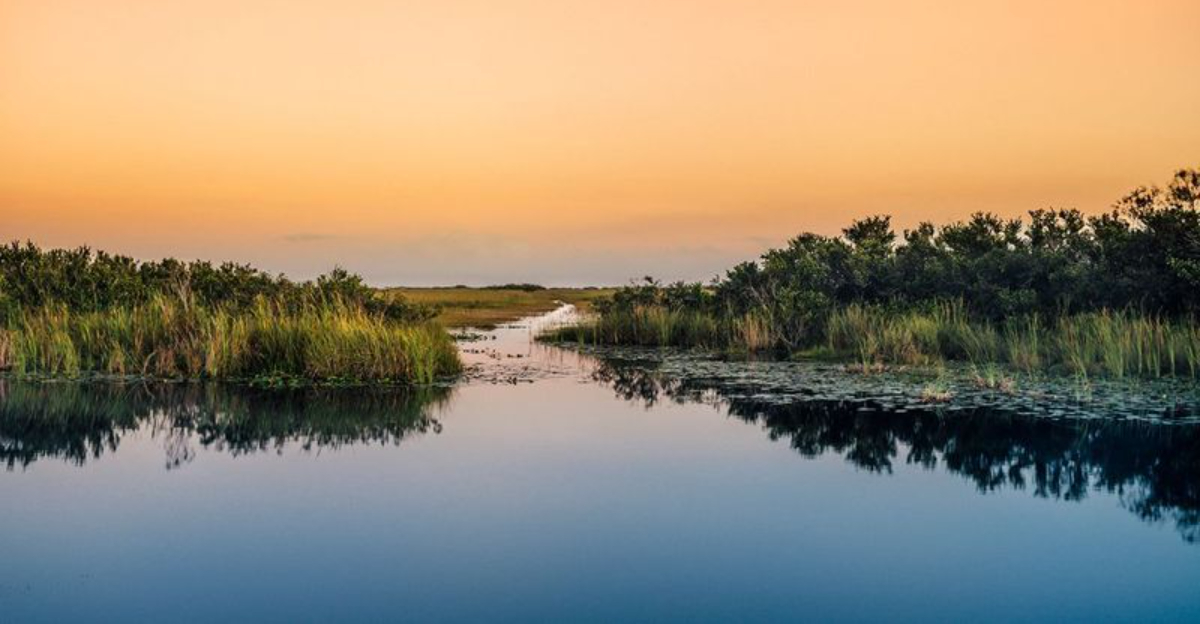
Think you know America’s wildest place? It is not the icy frontier you are picturing.
It is a shimmering web of water, grass, and quiet menace at the bottom of Florida, where the ground wiggles and the sky feels endless. Come with me into the Everglades, where subtle beats spectacular and the wild sneaks up on you until you are smiling, sweating, and a little awestruck.
It’s the Only Place on Earth Where Alligators and Crocodiles Coexist
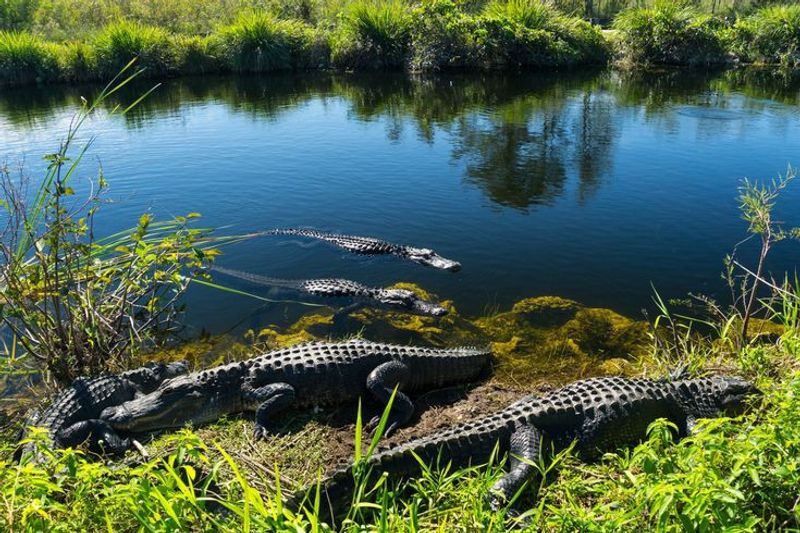
Your bragging rights start here, where gators and crocs share the same watery address. The Everglades is the only place on Earth where American alligators and American crocodiles coexist in the wild.
Freshwater slides into saltwater, and brackish zones become the ultimate roommate situation for two prehistoric neighbors. I watched a broad alligator loaf near a culvert while a crocodile ghosted along the mangroves, and nobody filed a complaint.
You can spot the rounded snout versus the pointed one if you are close enough, though please let your camera do the leaning. Rangers will remind you that distance equals wisdom, and I second that from the safety of the boardwalk.
What makes it possible is the park’s tangled hydrology. Lake Okeechobee’s flow feeds freshwater sloughs, tides nudge salt into bays, and the result is a biological overlap zone found nowhere else.
It is science wearing swamp boots. If you want a wildlife twofer, come early, move quietly, and scan the edges.
The moment you realize both species are here, your mental map of America’s wildness changes.
The Landscape Is a Slow-Moving River, Not a Swamp
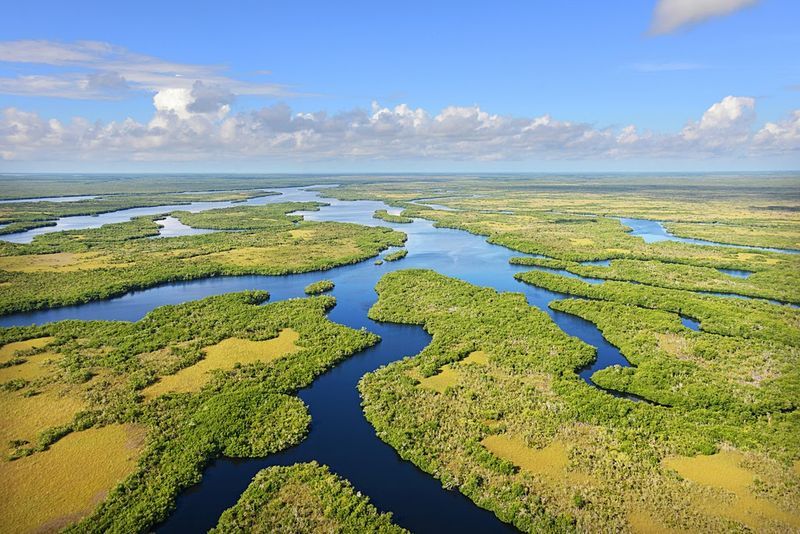
Here is the plot twist: the Everglades is a river wearing grass like a disguise. It flows so slowly you could blink and miss the motion entirely.
Locals call it the River of Grass, and once you notice the current, the whole place feels alive. Water creeps south from Lake Okeechobee, spreading a shallow sheet across prairies toward Florida Bay.
Some days it moves only a few feet, but that tiny push feeds everything from periphyton to panthers. I remember standing on a boardwalk, feeling the hush, and spotting the faint shimmer of flow around sawgrass blades.
Calling it a swamp sells it short. This river defines seasons, shapes habitats, and decides who thrives.
When water is high, fish ride highways through sloughs. When it drops, birds turn ponds into buffets.
Understand the flow and you understand the Everglades. Bring patience, bring water, and let your eyes adjust to the slow magic.
It’s One of the Largest Wilderness Areas in the Eastern United States
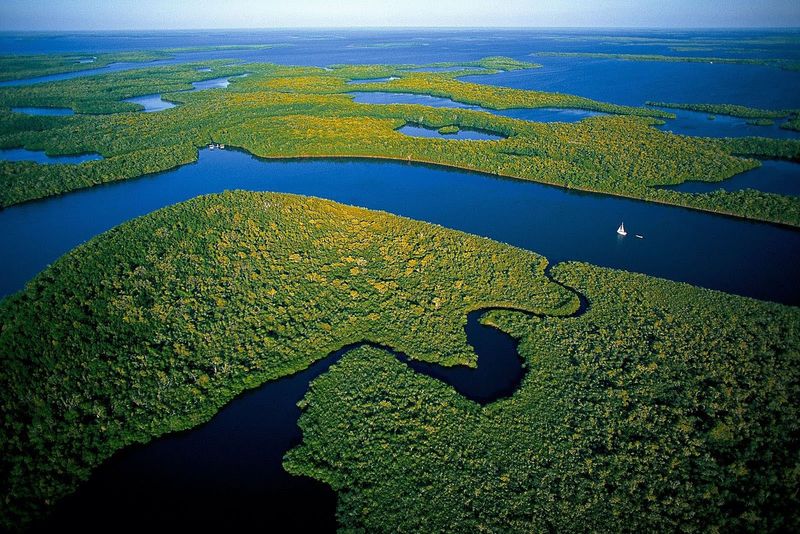
Scale sneaks up on you until it swallows the horizon. More than 1.5 million acres sprawl from prairies to mangroves, bigger than some states and wilder than your expectations.
Out there, roads fade, trails vanish, and silence becomes the loudest sound. Compared to Yellowstone, this place is flatter but not smaller in spirit.
Much of it has no infrastructure at all, which is exactly the point. You measure distance by clouds and birds.
I biked Shark Valley once and felt tiny in the best possible way, like a polite guest in someone else’s gigantic living room. It is one of the largest protected subtropical wildernesses in North America.
The scale protects migrations, nurseries, and big ecological processes that need elbow room. Come prepared for heat, bring maps, and remember that remoteness is part of the experience.
The Everglades rewards people who love space and respect limits.
The Ecosystem Depends on Both Flooding and Fire
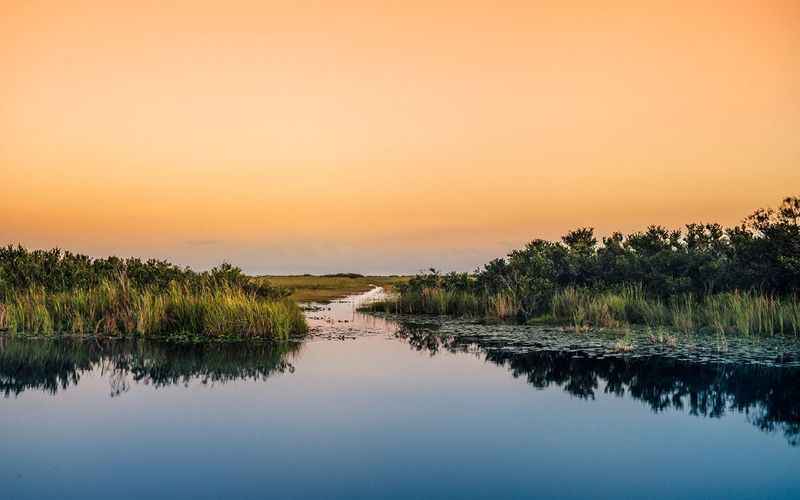
Only in the Everglades does water invite fire to the party and call it balance. Seasonal flooding spreads nutrients and reshapes habitats.
Then natural wildfires or prescribed burns reset the vegetation and spark new growth. I walked past a recent burn scar that smelled faintly of smoke and promise.
Days later, bright green shoots poked through charcoal, and butterflies showed up like critics giving five stars. Rangers explained how fire reduces woody encroachment, helps sawgrass, and keeps the system from choking itself.
Too much water without fire, and the plants smother diversity. Too much fire without floods, and soil and wildlife suffer.
The dance is delicate, but the park manages it with careful timing. When you see blackened patches beside glowing prairies, you are looking at resilience in action.
It is not destruction. It is housekeeping for a giant, watery neighborhood.
It’s One of the Most Biodiverse Places in North America
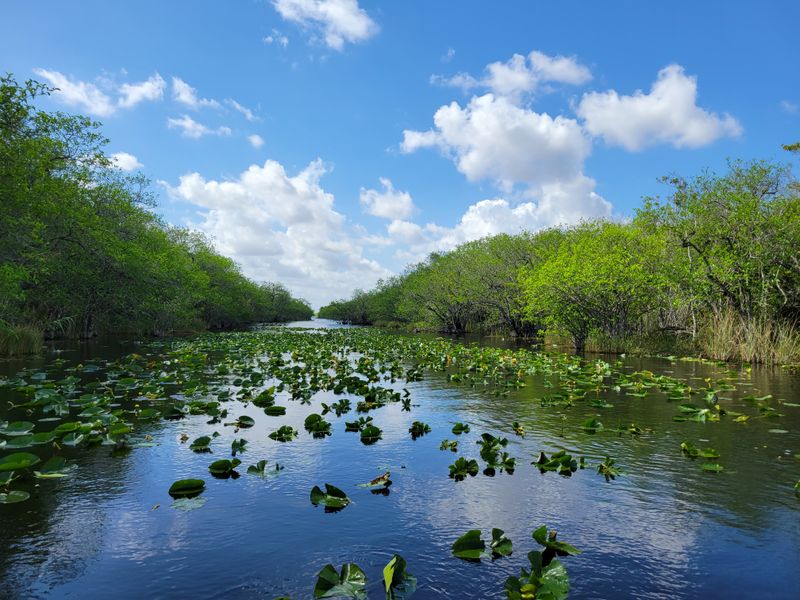
If your life list needs a boost, the Everglades is your jackpot. Over 360 bird species, hundreds of fish, reptiles, amphibians, and mammals all commute here daily.
It is a biological crossroads between North America, the Caribbean, and the tropics. On one sunrise, I tallied spoonbills, anhingas, and a heron that looked like it owned the place.
Later, I watched tarpon roll near mangroves while a turtle plopped off a log with comedic timing. You never know who will photobomb your view, and that is half the fun.
Diversity thrives because habitats stack like a buffet: freshwater sloughs, cypress domes, marl prairies, coastal mangroves, and Florida Bay. Each niche supports a different cast, and the scene changes by season.
Bring binoculars, use quiet feet, and let the wetlands do the introductions. The Everglades will make your camera battery nervous and your vocabulary expand.
The Park Is Home to the Florida Panther
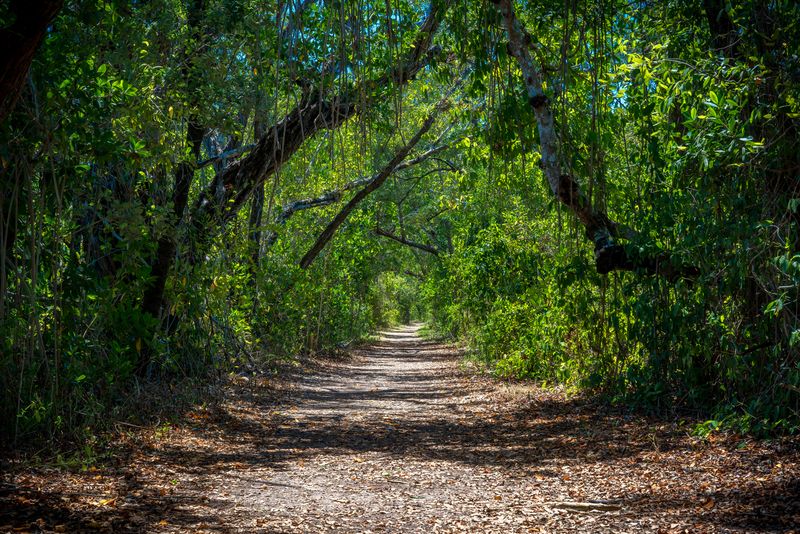
Out here, ghosts wear whiskers. The Florida panther still prowls parts of the Everglades, one of the rarest mammals in the United States.
Fewer than a few hundred remain, which makes every paw print a small headline. Seeing one is like winning a lottery you never entered.
I have only met tracks and a flash of tail in twilight, which felt thrilling and humbling. Panthers need vast connected habitat, quiet corridors, and prey that follow the water’s rhythm.
The park is critical for their survival, linking wetlands and forests across South Florida. Drive slowly, especially at night, and watch for crossings.
Report sightings to rangers. Your patience matters more than you think.
In a world that keeps shrinking wild spaces, knowing panthers still run here adds weight to the word wild.
Saltwater and Freshwater Interact Constantly
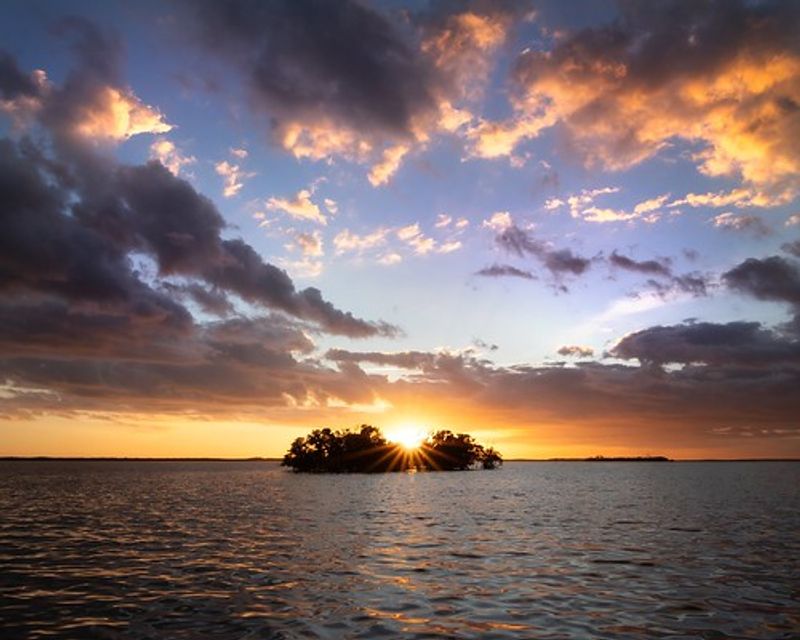
The Everglades loves mixing things up. Freshwater flows south while tides nudge saltwater inland, creating daily surprises.
Estuaries shift with wind and moon, and the whole coastline breathes like a living thing. This constant blend fuels mangrove forests, coastal fisheries, and nurseries for sharks.
I paddled a calm channel and caught a shadowy flick of a juvenile lemon shark beside schooling mullet. Manatees drifted like polite submarines near the Flamingo marina, and everything felt choreographed by tide tables.
No other U.S. park blends marine and freshwater at this scale. The result is productivity that feeds birds, fish, and people beyond the park boundary.
Respect the currents, check conditions, and keep your paddle strokes quiet. The Everglades will answer with ripples full of life.
Invasive Species Are a Daily Reality
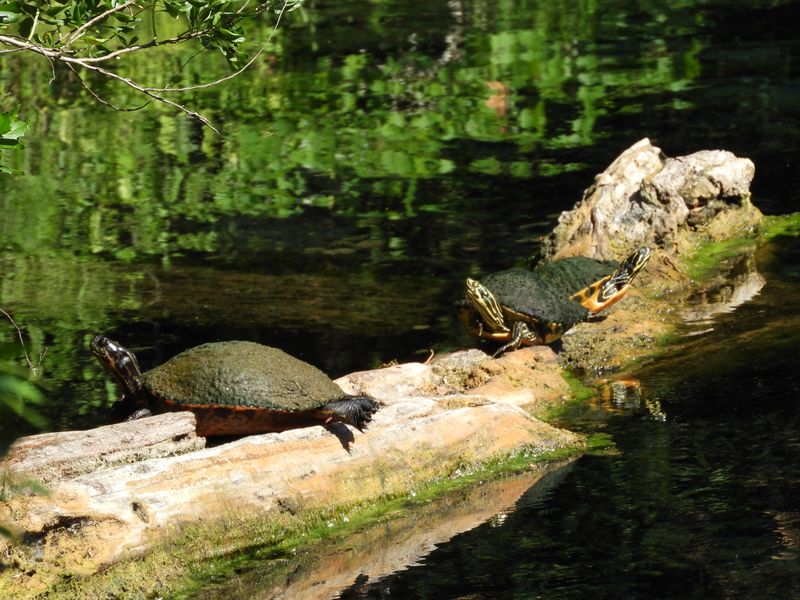
South Florida’s welcome mat accidentally invited the wrong guests. The Everglades is ground zero for invasive species, from Burmese pythons to green iguanas and Nile monitors.
These animals did not evolve here, but they settled in like they own the lease. I have seen a python track slide across marl like a bad signature.
Rangers and contracted hunters work constantly to control populations, but the problem is persistent. Some species breed fast and hide even faster in endless cover.
Invasives outcompete natives, disrupt food webs, and rewrite the rules. The best move as a visitor is simple: never release pets, clean gear, and report sightings.
Respect the park’s guidelines. The fight is daily, and every set of eyes helps.
Wild places are resilient, but they still need neighbors who care.
Burmese Pythons Have Reshaped the Food Chain
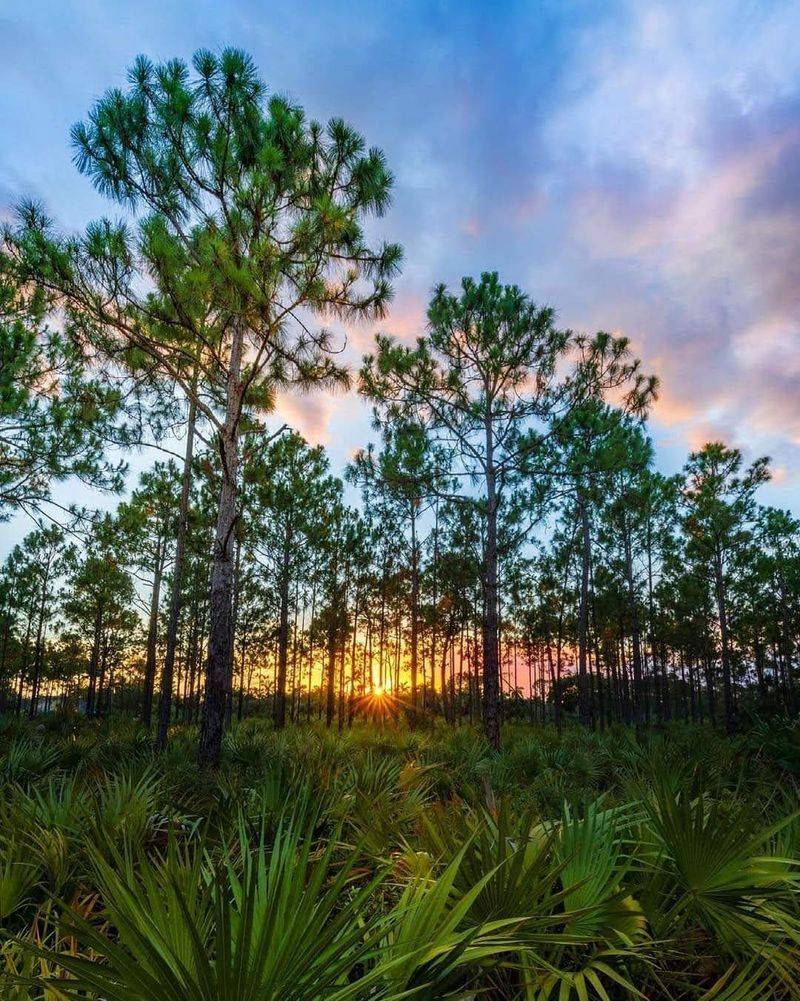
Here is the hard truth hiding in the grass. In some areas, small mammals have crashed by more than 90 percent because of python predation.
Rabbits, raccoons, and opossums vanish, and everything that relied on them feels the aftershocks. I joined a night drive once and saw a python stretched like a rope across warm asphalt.
It moved with eerie calm while the ditch chirped with frogs. The scale of disruption is rare in North America and more often tied to remote tropics, yet here it is, unrolling under the moon.
Scientists map the damage and test strategies: detection dogs, tagged prey, radio telemetry. Progress is slow, but not hopeless.
Learn the difference between native snakes and the invader, follow reporting protocols, and support research groups. The food chain is not a straight line.
It is a web, and the python tugged hard.
It’s One of the Most Dangerous National Parks to Traverse
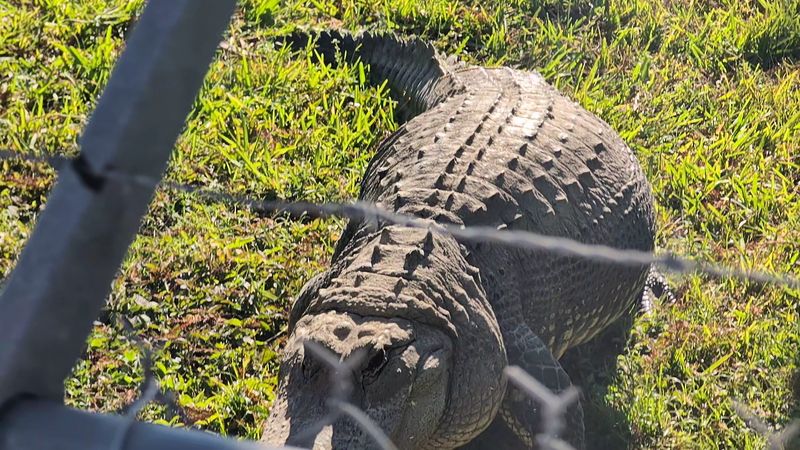
This park does not bluff. Heat and humidity tag-team you, shade is scarce, and potable water can be distant.
Add venomous snakes, bold wildlife, and flat terrain that hides distance, and you have a recipe for trouble if you are careless. Even experienced hikers underestimate it.
I have ended a midday walk early with a salt crust on my hat and zero regrets. Start early, plan conservatively, and scout water refills.
Rangers are helpful, but they cannot out-hydrate you by telepathy. Bring electrolytes, sun protection, and bug defense.
Respect closures and keep distance from animals, especially around nests or dens. The Everglades rewards careful visitors with unforgettable days.
Treat it like the wild gym it is, not a stroll through a city park, and you will leave both impressed and intact.
You Can Get Lost Without Ever Leaving Flat Ground
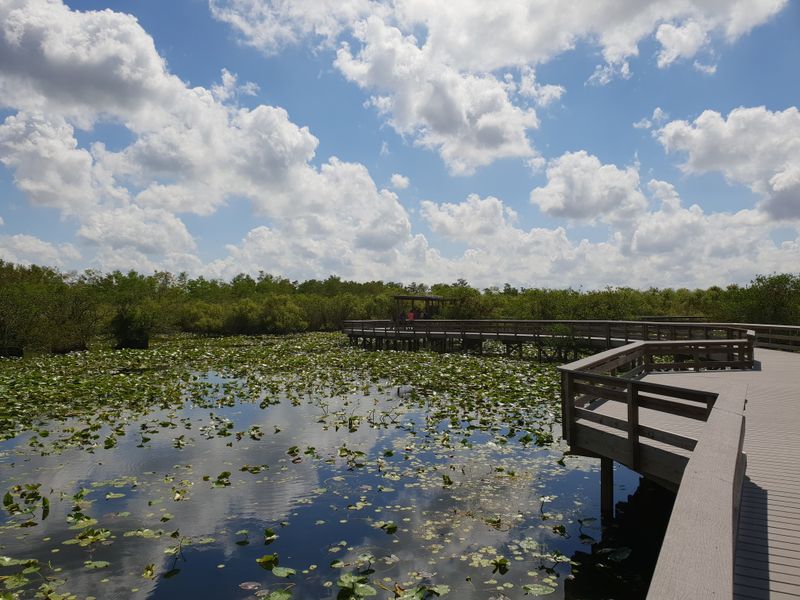
Mountains give you landmarks. The Everglades gives you horizons that all look related.
Sawgrass stretches for miles, trees cluster in deceptive domes, and your internal compass starts second guessing itself. GPS can hiccup, and trails can blur after storms or high water.
I once relied on a boardwalk like it was a lifeline and felt oddly grateful for railings. Paper maps, waypoints, and a healthy respect for distance are your best friends here.
Stick to marked routes unless you have training and a permit. Tell someone your plan.
Download offline maps before signal drops to a polite shrug. The magic of the Everglades is subtle, but so is its ability to turn you around.
Navigate with humility and enjoy the quiet confidence that follows.
The Park Is Actively Changing Due to Sea-Level Rise
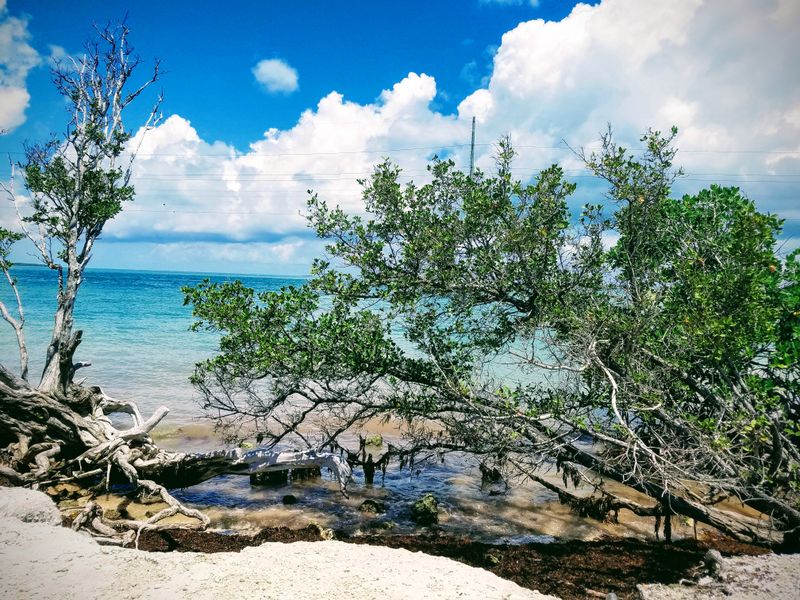
The tide is writing new lines on this map. Sea level rises a little each year, pushing saltwater further inland.
Freshwater habitats retreat, and plant communities shuffle their boundaries like musical chairs. I noticed ghost trees along a bay, pale trunks where freshwater once ruled.
Mangroves advance into places they could not reach decades ago. Wading birds adjust schedules, and salinity meters become the park’s fortune tellers.
This is climate change you can stand in. Restoration projects push more clean freshwater south to resist the salt, but the clock keeps ticking.
Visit with curiosity, not despair. Support science, vote for water, and remember that every drop moved in the right direction matters.
The Everglades is resilient, but it needs time and flow.
It’s Recognized as Globally Important
Some parks earn gold stars. The Everglades collects the full trophy case.
It is a UNESCO World Heritage Site, an International Biosphere Reserve, and a Wetland of International Importance. Those labels are not just shiny stickers.
They reflect unique biodiversity, critical hydrology, and global value. Walk a mile here and you will understand why scientists, birders, and romantics all agree for once.
International attention helps drive funding, research, and long-term stewardship. Take a ranger tour, read the signs, and let the designations sink in while the air hums around you.
When a place is this important, you feel it in the quiet. The Everglades is not just Florida’s backyard.
It is the world’s living lesson in water and patience.
Human Control Has Never Fully Succeeded Here
Canals were dug, levees raised, and switches flipped. The Everglades nodded politely and kept being itself.
Floods, fires, storms, and invaders remind everyone that control here is temporary at best. I have watched rain erase a week of planning in an afternoon, water climbing where maps said it should not.
Restoration is massive and ongoing, and it is working piece by piece. But the park still writes the last draft.
That humility is healthy. We learn, adapt, and give water room to move the way it wants.
Support projects that reconnect flow and remove barriers. This is not about domination.
It is about partnership with a landscape that outlasts quick fixes.
It Feels Wild in a Way That’s Hard to Define — Until You’re There
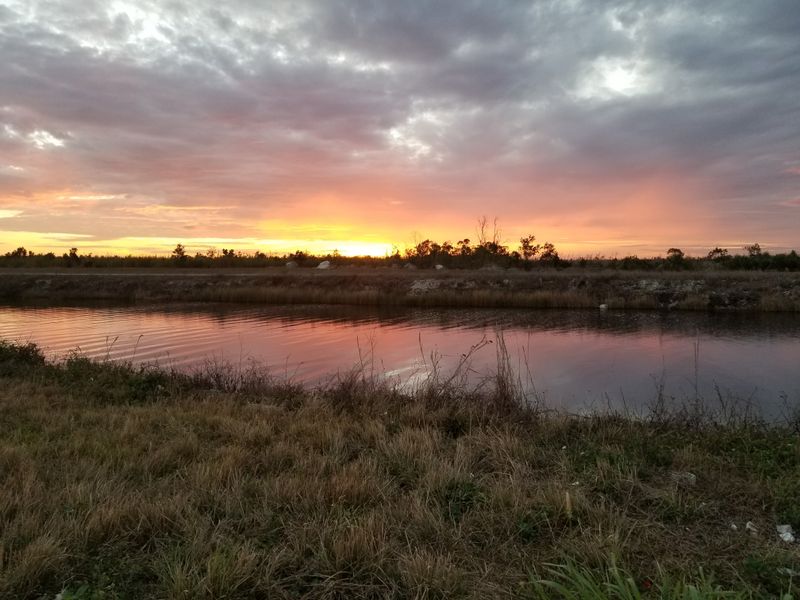
Wild here is not loud. It is steady and intimate, a hush broken by wingbeats and wind in grass.
The Everglades takes its time revealing itself, then refuses to leave your head. I stood at dawn listening to insects tune up while a heron stitched the horizon.
For a full minute, I forgot about emails, headlines, and everything that is not water. The place is subtle, but it gets under your skin.
There are corners where nature runs on its own schedule and humans feel temporary. Sit quietly and the soundtrack edits itself to essentials.
When you finally leave, the silence comes with you like a souvenir you cannot pack. That is the wild everyone underestimates, and the reason this region surprises people more than mountains ever could.
Practical Magic: Visiting Without Becoming Mosquito Breakfast
Let us talk comfort, because the bugs certainly will. Mosquitoes and gnats love dawn and dusk, and humidity turns you into a buffet.
Choose the dry season for fewer bites, or armor up with repellent, long sleeves, and a head net that doubles as a fashion statement. Plan early starts and shady breaks.
Carry water like it is treasure, and stash electrolytes. I once tried a campfire at T-Loop and surrendered to the swarm, laughing while sprinting for the screen of the tent.
Lesson learned. Download offline maps, book Shark Valley tram slots ahead, and go slow on the bike loop.
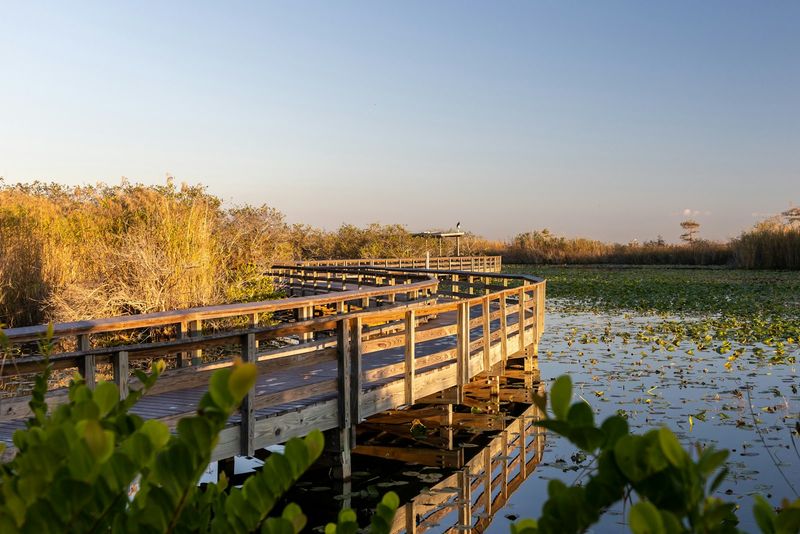
Airboats run outside park boundaries if you want the wind-in-teeth thing. Inside, trails like Anhinga deliver wildlife at walking speed.
Comfort does not cancel wildness here. It lets you enjoy it longer, with fewer itchy souvenirs.
Shark Valley: Pedals, Towers, And Alligator Side-Eye
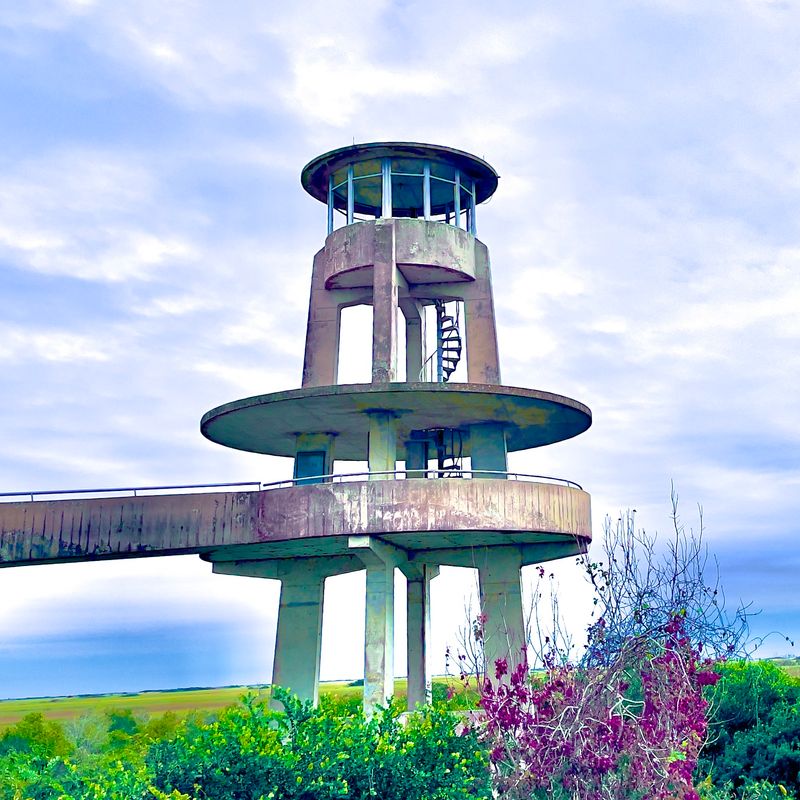
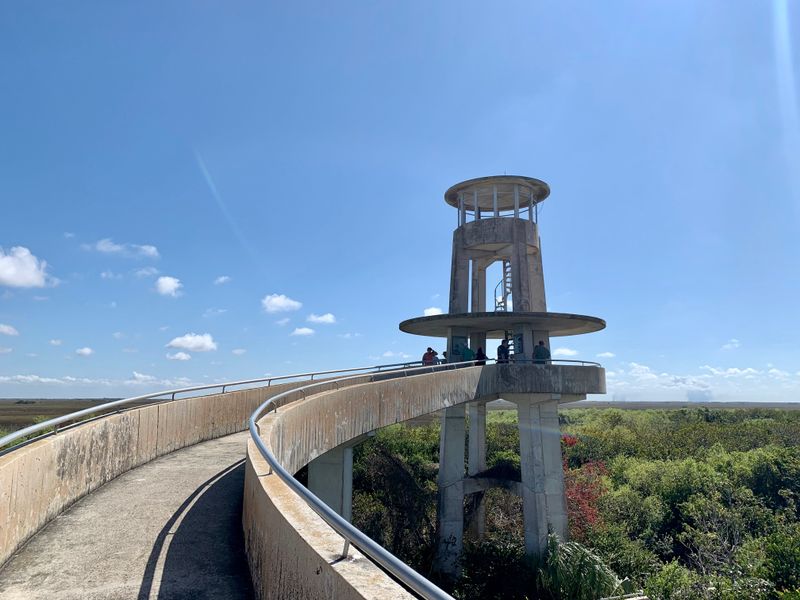
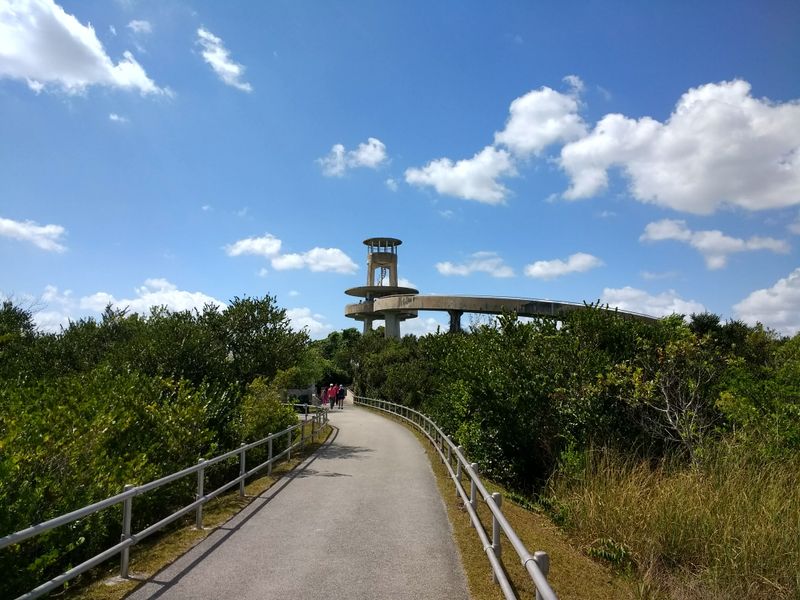
If you like your scenery with a side of cardio, Shark Valley is your stage. A 15-mile loop leads to an observation tower that serves big views with zero altitude drama.
Gators sun along the canal like they are judging your cadence. Rent a bike or hop the tram if time is short.
I chose pedals and collected moments: purple gallinule struts, turtle plops, and wind that tasted like summer. Parking fills fast, so arrive early and stash water like you mean it.
At the tower, the landscape spreads like a green atlas. Birds stitch patterns across the air and the horizon behaves like infinity.
Keep distance from wildlife and stay alert. The path is flat, but the experience climbs straight into your memory.



