 Unearth The Voyage
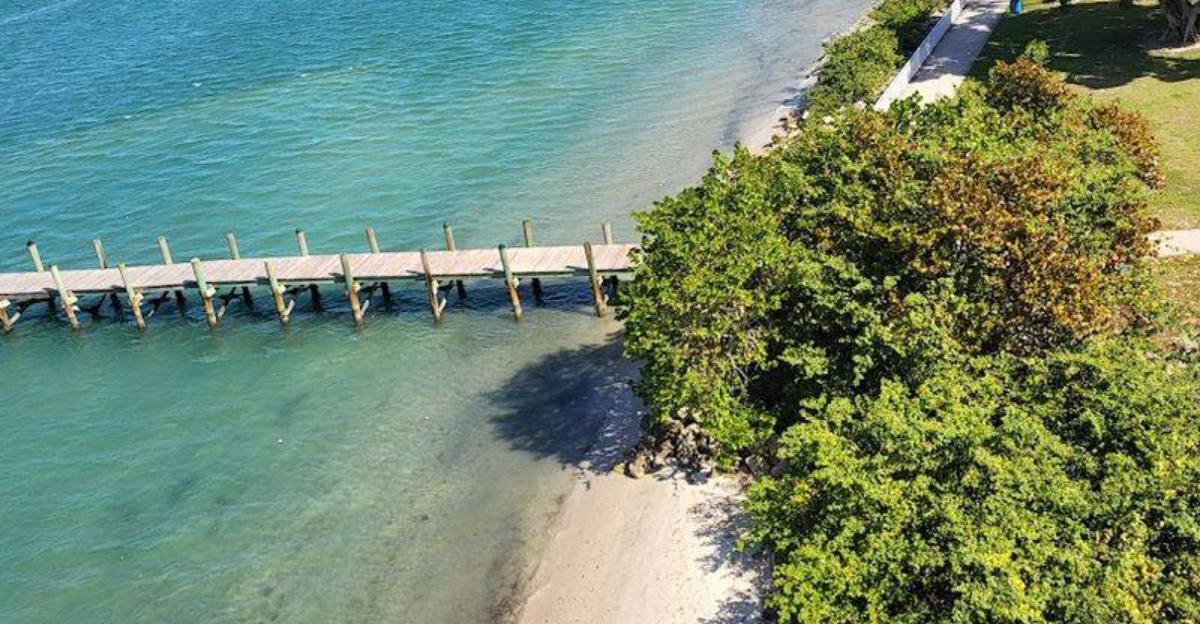
There is a small city on Florida’s Treasure Coast where the Atlantic Ocean meets wide, unspoiled beaches, and the streets feel like they belong in a different era. The sunsets here turn the water shades of orange and gold that no filter could improve.
Local artists have called this place home for generations, and the history runs as deep as the inlet that cuts through the coastline. Fort Pierce is the kind of town that earns your loyalty fast, and once you visit, you will understand exactly why people keep coming back year after year.
A City Rooted in History and Coastal Charm
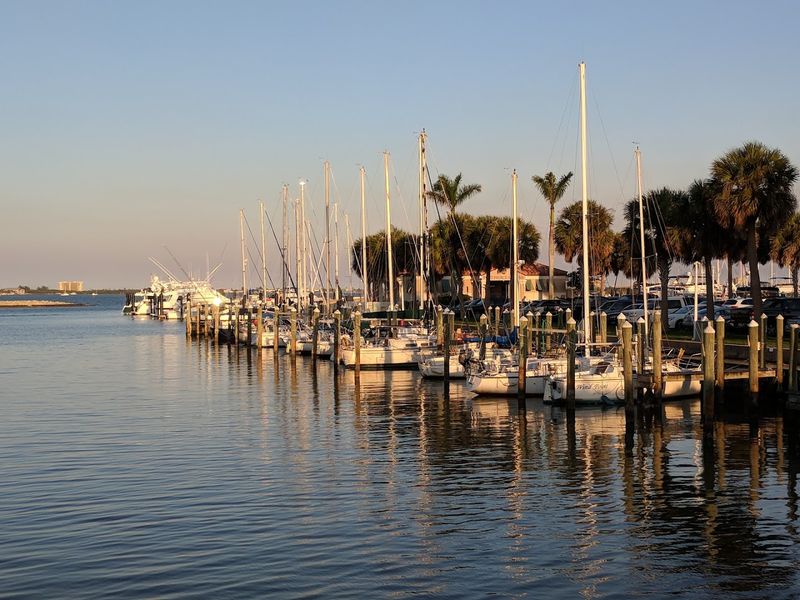
Fort Pierce sits on the east coast of Florida. The city carries a rich past that stretches back to the Second Seminole War, when a military fort was established here in 1838, giving the city its distinctive name.
Over the decades, it grew from a small frontier outpost into a lively coastal community with a real identity. The downtown area still holds onto its old-school Florida character, with low-rise buildings, local storefronts, and wide sidewalks that invite slow, unhurried walks.
Fort Pierce is not trying to be Miami or Orlando, and that is exactly its appeal. It has stayed true to its roots while welcoming new visitors who want something genuine, something that feels more like real Florida life than a theme park version of it.
The National Navy SEAL Museum
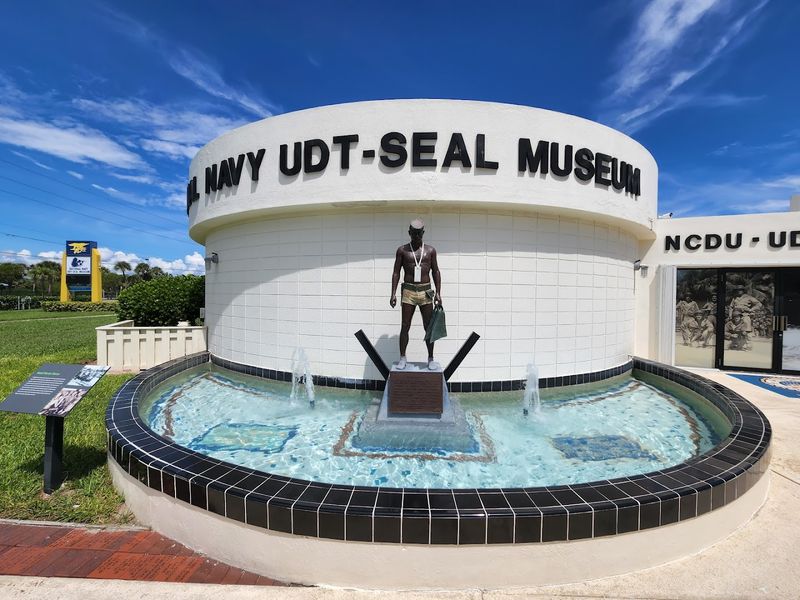
Few places in the country tell the story of America’s elite naval warriors quite like this museum, and the fact that it sits right here in Fort Pierce is something locals wear with serious pride. The National Navy SEAL Museum is located at 3300 North A1A, Fort Pierce, right along the oceanfront.
The museum sits on the very beach where the original Underwater Demolition Teams trained during World War II, which gives the whole experience a powerful sense of place. Inside, you will find weapons, submarines, military vehicles, and detailed exhibits that walk you through the history and evolution of the Navy SEALs.
The outdoor exhibits are especially impressive, with helicopters, boats, and tactical gear displayed across a well-maintained grounds. Whether you have a military connection or simply appreciate American history, this museum delivers a genuinely moving and educational experience that stays with you long after you leave.
Fort Pierce Inlet State Park and Its Stunning Beach
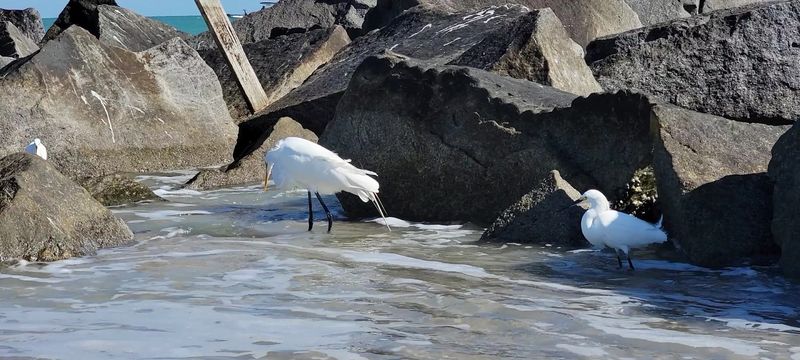
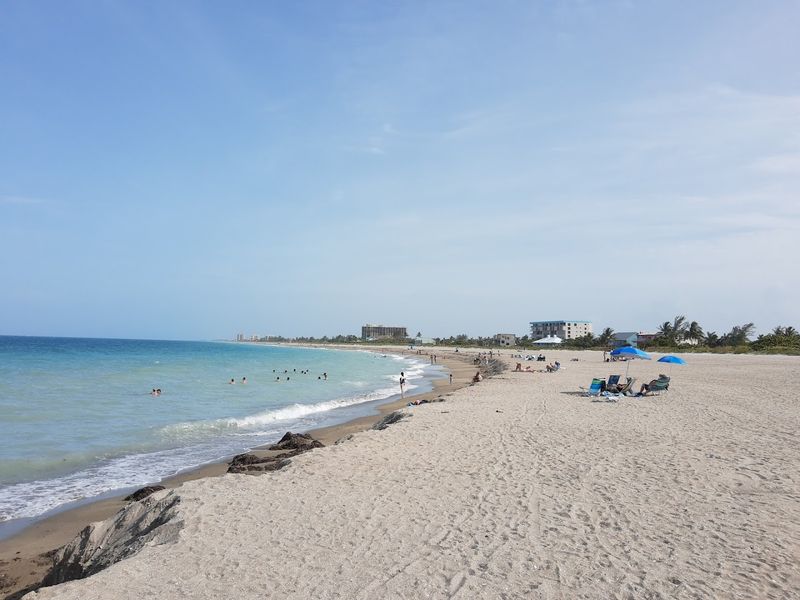
Surfers have known about this stretch of coastline for years, and it is easy to see why. Fort Pierce Inlet State Park offers one of the best natural beach experiences on the entire Treasure Coast, with a long, wide shoreline that faces the open Atlantic and catches consistent swells.
The park is not just for surfers, though. Swimmers, shell collectors, and people who simply want to stretch out on clean sand with a good book will all find exactly what they are looking for here.
The inlet itself creates a dynamic environment where you can watch boats pass and spot dolphins and manatees with surprising regularity.
The park also features nature trails through coastal scrub habitat, where you might spot gopher tortoises or a variety of shorebirds going about their day. It is the kind of outdoor space that reminds you why Florida’s natural coastline deserves to be protected and celebrated.
The A.E. Backus Museum and Gallery
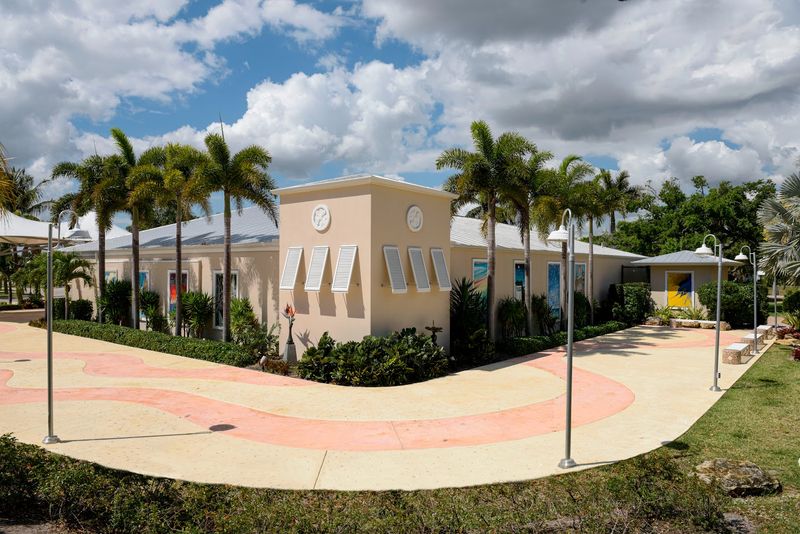
Albert Ernest Backus was born in Fort Pierce in 1906, and he spent much of his life painting the landscapes that surrounded him, the flatlands, the waterways, the dramatic Florida skies. His work is vivid, honest, and deeply tied to this region in a way that makes viewing it feel like looking at the land through a local’s eyes.
The A.E. Backus Museum and Gallery on Indian River Drive preserves and celebrates his legacy while also showcasing the work of other Florida artists.
The building itself is modest and welcoming, the kind of gallery where you feel comfortable taking your time without any pressure.
Backus was also a mentor to the group of self-taught African American artists known as the Highwaymen, who went on to become celebrated figures in Florida art history. Visiting this museum connects you to a whole artistic tradition that grew right here in Fort Pierce.
Heathcote Botanical Gardens and the Bonsai Collection
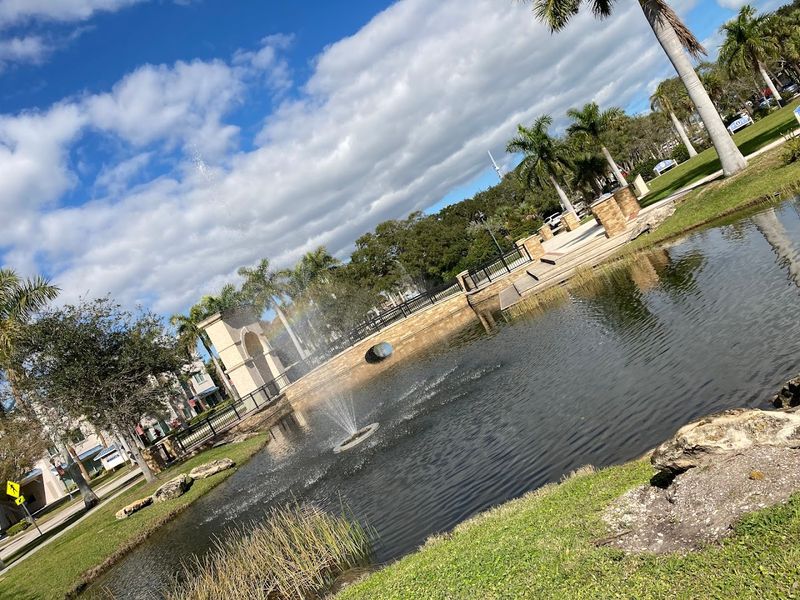
Not many botanical gardens can claim one of the largest tropical bonsai collections in the United States, but Heathcote Botanical Gardens in Fort Pierce can. The garden covers about 3.5 acres and manages to pack in an impressive variety of plant life, from towering palms to delicate orchids.
The bonsai collection is genuinely extraordinary. These are not small novelty plants but carefully cultivated works of living art, some of which have been shaped over many decades.
Walking through the Japanese garden section feels calm and meditative in a way that is hard to describe but easy to feel.
The gardens also feature a native plant section, a subtropical garden, and a sensory garden that is designed to be accessible and engaging for visitors of all abilities. Heathcote is the kind of place where an hour can quietly turn into three, and you will leave feeling genuinely refreshed.
The Sunrise Theatre and the Downtown Arts Scene
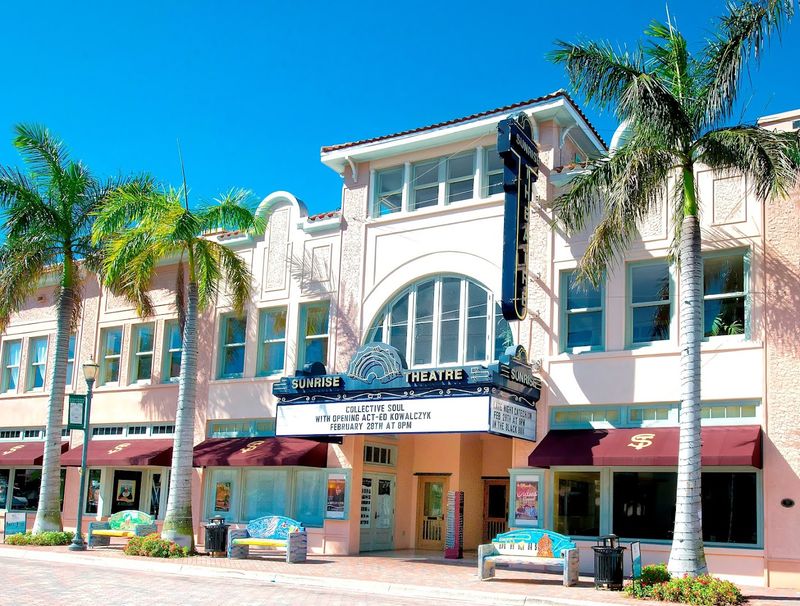
Built in 1923 and fully restored to its original Art Deco glory, the Sunrise Theatre is the cultural heartbeat of downtown Fort Pierce. It hosts live performances ranging from Broadway touring shows to local productions, concerts, and comedy nights throughout the year.
The surrounding blocks have grown into a genuine arts district, with galleries, studios, and creative businesses that give the downtown area real energy. Second Saturday Art Walks are a popular local tradition, when galleries stay open late and the streets fill with people browsing art and chatting with the artists who made it.
Fort Pierce has cultivated a creative community that punches well above its weight for a city of its size. The combination of the Sunrise Theatre and the independent galleries nearby makes downtown feel alive and worth exploring on any given weekend, not just during special events.
The Indian River Lagoon and Water Activities
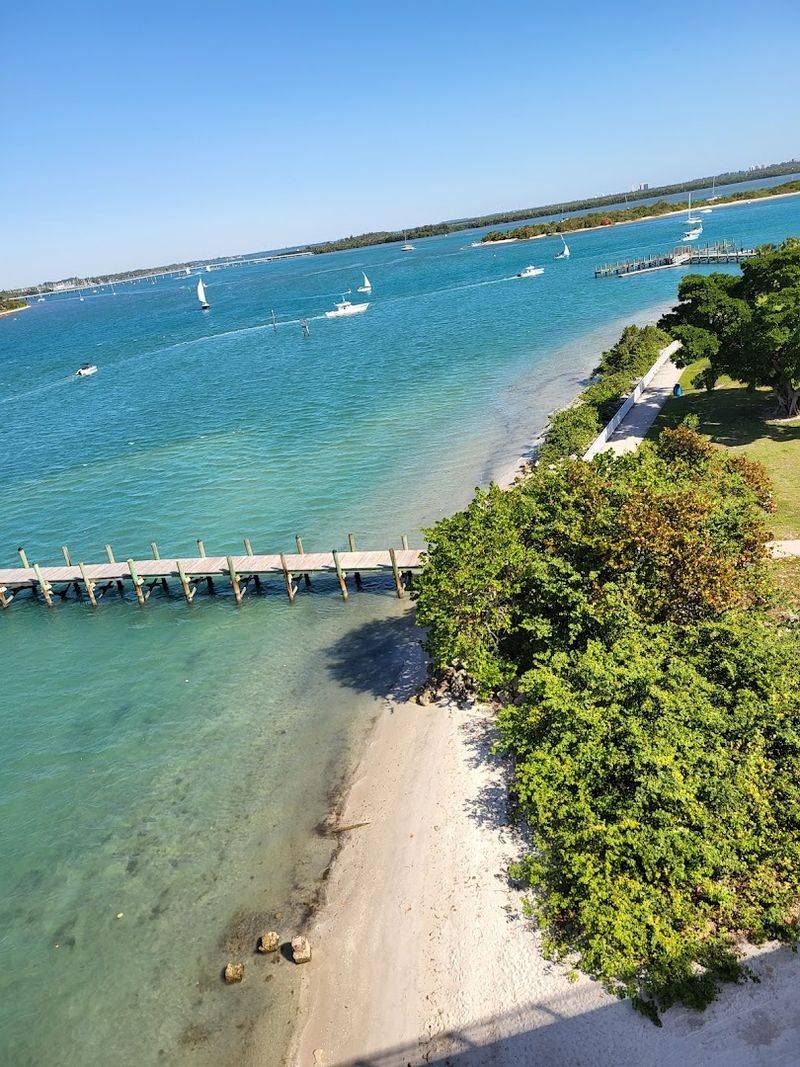
The Indian River Lagoon runs along the western side of Fort Pierce, and it is one of the most biodiverse estuaries in North America. The lagoon supports over 4,000 species of plants and animals, including manatees, dolphins, sea turtles, and hundreds of bird species.
Kayaking and paddleboarding on the lagoon are among the best ways to experience this natural treasure up close. The water is calm compared to the ocean side, which makes it accessible for beginners, and the wildlife sightings are frequent enough that you rarely come back without a story to tell.
Fishing is another major draw, with redfish, snook, and tarpon all present in the lagoon’s waters. Several local outfitters offer guided tours and rentals, so you do not need to own any gear to get out on the water and experience the lagoon the way it deserves to be experienced.
The Highwaymen and Their Living Art Legacy
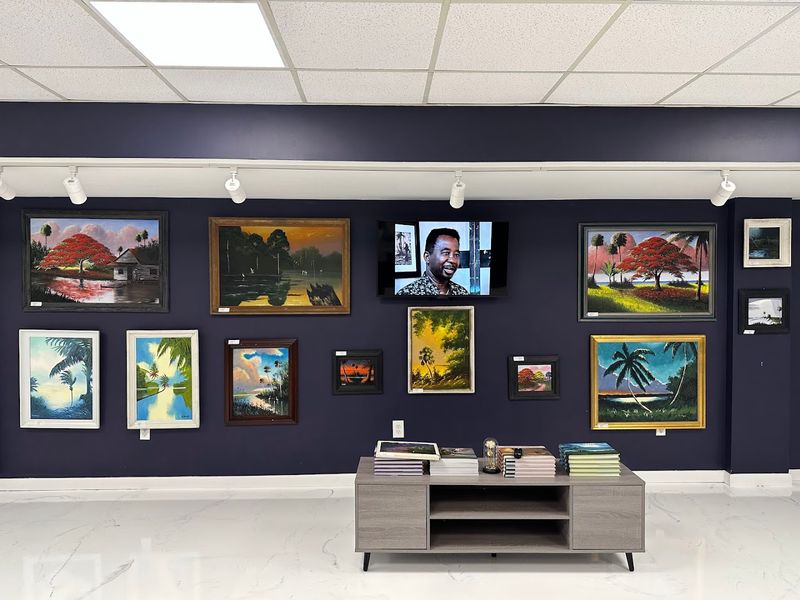
The Highwaymen are one of the most remarkable chapters in Florida’s cultural history, and Fort Pierce is where their story began. This group of 26 African American artists, most of them from Fort Pierce, painted Florida landscapes in the 1950s and 1960s during the era of racial segregation.
Unable to access traditional gallery spaces, they sold their work directly from car trunks along Florida’s highways, hence the name. Their paintings, full of vivid color and emotional energy, captured a Florida that was rapidly disappearing even as they painted it.
Today, original Highwaymen paintings are collector’s items, and their story is recognized in the Florida Artists Hall of Fame. A.E.
Backus, whose museum sits in Fort Pierce, mentored many of them and played a key role in shaping their artistic vision. Their legacy is a reminder that great art can come from anywhere, including a car trunk on a Florida highway.
Fresh Seafood and Local Dining Worth Seeking Out
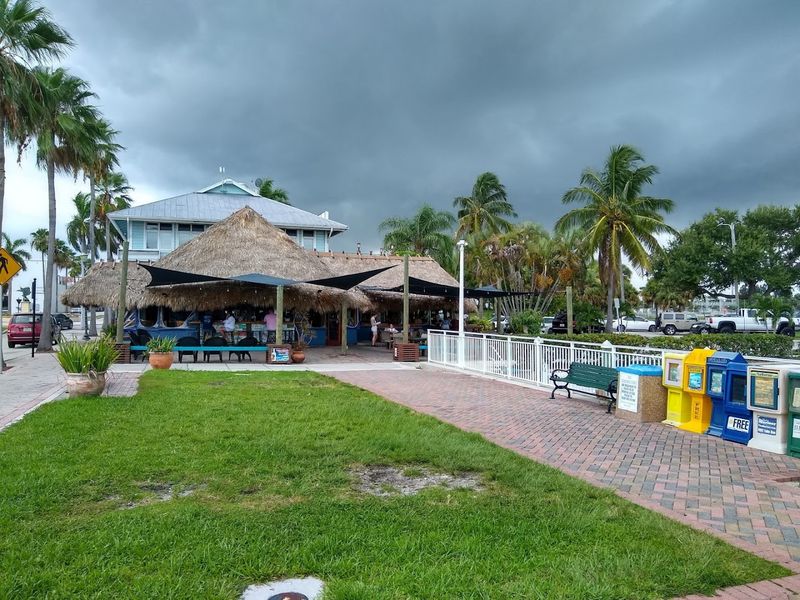
Fort Pierce takes its seafood seriously, and the proximity to both the Atlantic Ocean and the Indian River Lagoon means that what lands on your plate is genuinely fresh. Local restaurants serve grouper, snapper, shrimp, and stone crab in preparations that range from simple and classic to inventive and bold.
The waterfront dining scene along the marina and Indian River Drive is especially enjoyable in the evening, when the light on the water turns golden and the breeze off the river makes everything feel a little more relaxed. Several casual spots offer outdoor seating that faces the water directly.
Farmers markets and roadside produce stands are also part of the food culture here, with fresh citrus, tomatoes, and tropical fruit available throughout the growing season. Fort Pierce sits in the heart of St. Lucie County, which has a strong agricultural tradition, and that freshness shows up in the food.
The Historic Downtown District and Its Architecture
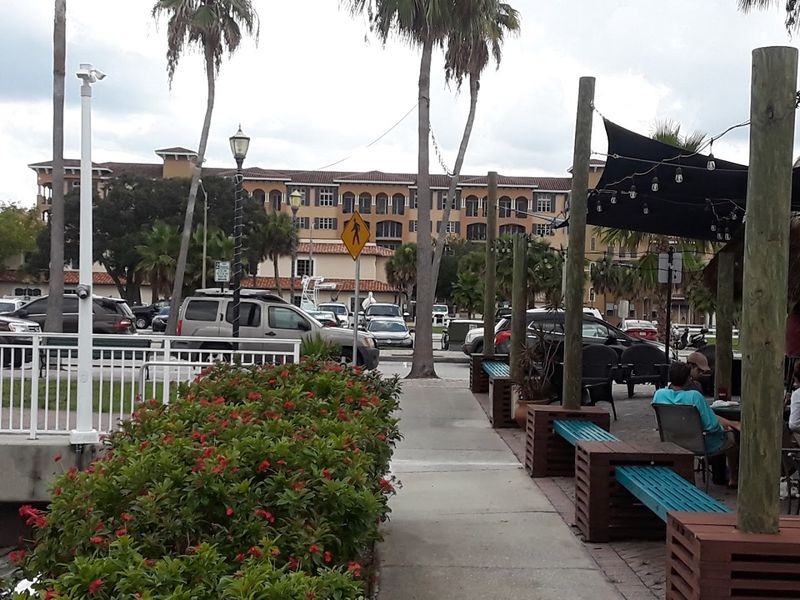
There is something genuinely satisfying about walking through a downtown that has not been scrubbed clean of its history and replaced with chain stores and parking garages. Fort Pierce’s historic district has held onto its original bones, with buildings from the early 20th century still standing and still in use.
Orange Avenue is the main commercial spine, lined with small businesses, cafes, and local shops that give the street a lived-in, community feel. The architecture mixes Mission Revival, Art Deco, and vernacular Florida commercial styles in a way that tells the story of the city’s growth over several decades.
Murals have become a significant part of the visual landscape as well, with large-scale works painted on building exteriors throughout the district. These pieces range from historical tributes to abstract designs, and they add color and personality to streets that already have plenty of both.
Jetty Park and Watching the Boats Come Through
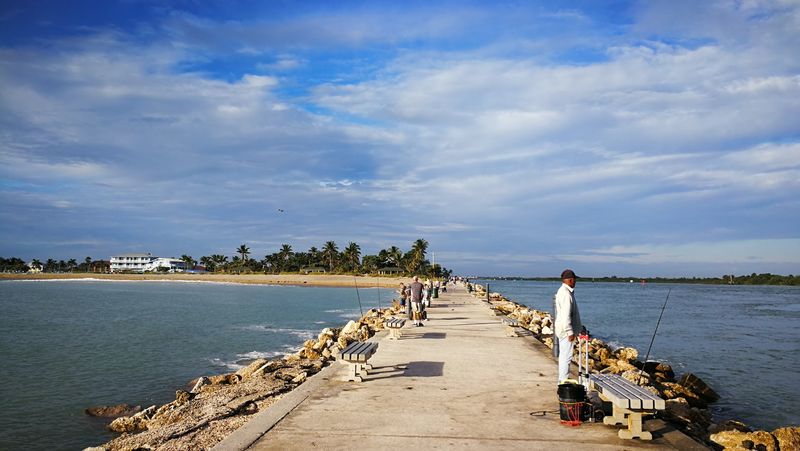
There is a particular pleasure in sitting at the end of a jetty and watching boats move in and out of an inlet, and Fort Pierce’s jetty offers exactly that experience in a setting that is hard to beat. The jetty extends into the water at the Fort Pierce Inlet, where the Indian River Lagoon meets the Atlantic Ocean.
Anglers line the jetty rails on most days, casting lines into the swift-moving current that flows through the inlet. The fishing here is productive, with a variety of species moving through depending on the season, and the regulars are usually happy to chat and share what is biting.
The views from the jetty are expansive in every direction, with the ocean stretching out to the east and the lagoon spreading wide to the west. At sunrise, the colors reflect off both bodies of water simultaneously, creating a scene that genuinely earns the postcard comparison.
The Manatee Observation and Education Center
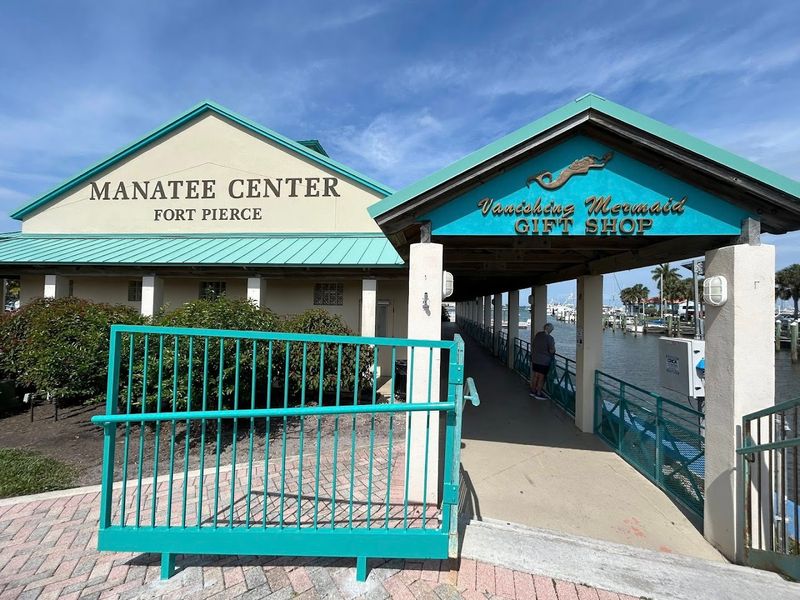
Manatees are one of Florida’s most beloved residents, and Fort Pierce has set aside a dedicated space for people to learn about them and see them in their natural habitat. The Manatee Observation and Education Center sits along the North Fork of the St. Lucie River, where warm water discharge from a nearby power plant attracts manatees during cooler months.
The center offers free admission, which makes it one of the most accessible wildlife experiences in the region. An observation deck extends over the water, giving visitors a clear view of the manatees as they surface, rest, and move through the shallows below.
Inside, educational exhibits explain manatee biology, behavior, and the conservation challenges they face. Staff and volunteers are present to answer questions and share information.
For families with children, this is one of the most memorable stops in Fort Pierce, combining genuine wildlife encounters with meaningful environmental education.
Outdoors at Savannas Preserve State Park
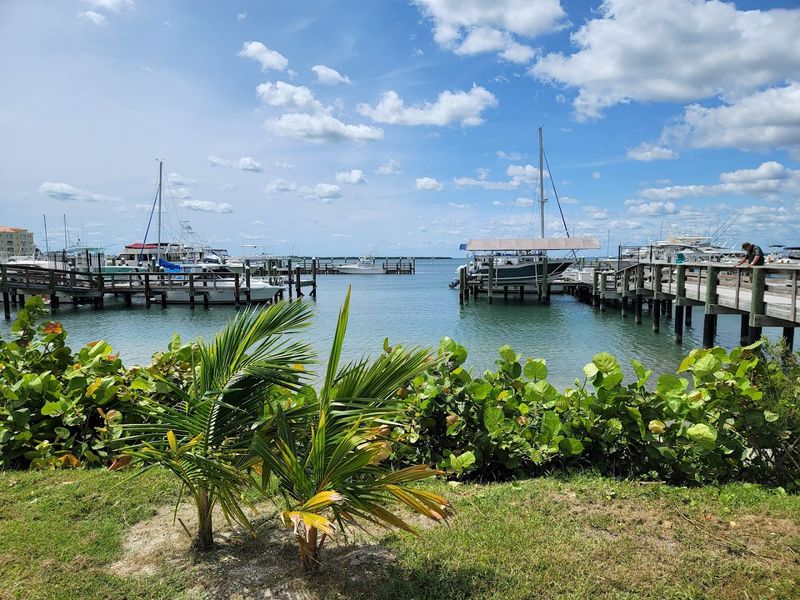
Just west of Fort Pierce, the Savannas Preserve State Park protects one of the largest remnants of Florida’s interior scrub and flatwoods habitat. The park stretches across St. Lucie and Indian River counties, covering more than 6,000 acres of rare and ecologically significant landscape.
Hiking and paddling are the two main activities here, with trails winding through open scrub dotted with saw palmettos and longleaf pines, and canoe trails threading through the shallow, blackwater savannas. The paddling routes in particular offer an otherworldly experience, with cypress trees rising from dark water and wading birds standing motionless in the shallows.
Wildlife is abundant throughout the park, including black bears, river otters, sandhill cranes, and a wide variety of native wildflowers that bloom across the open flatwoods in spring. The Savannas Preserve is the kind of wild, unhurried space that reminds you how much natural Florida still exists if you know where to look.
The Best Time to Visit and Practical Travel Tips
Fort Pierce is a year-round destination, but the window between November and April is widely considered the sweet spot. Temperatures during these months are comfortable, typically ranging from the mid-60s to the low 80s Fahrenheit, the humidity is lower than summer, and the crowds are manageable without being overwhelming.
Summer brings higher heat and humidity along with the possibility of afternoon thunderstorms, which is typical for all of South Florida. That said, summer also brings warmer ocean water and a more local, laid-back atmosphere in town.
Fort Pierce is served by Palm Beach International Airport, about 45 miles to the south, and by Vero Beach Regional Airport to the north. Driving is the most practical way to get around once you arrive, as the city’s attractions are spread across different areas.
Parking is generally easy to find, and the overall pace of life here rewards visitors who are willing to slow down and take their time.



