 Unearth The Voyage
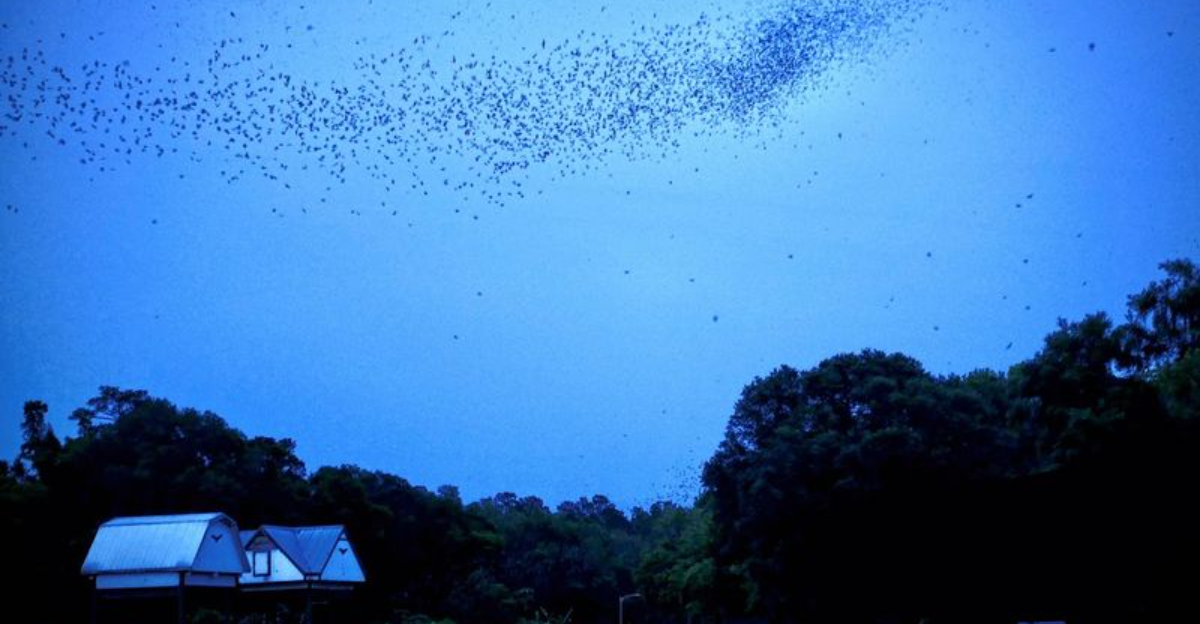
Every evening in Gainesville, Florida, something truly wild happens just as the sun dips below the horizon. Hundreds of thousands of bats pour out of two wooden structures on the University of Florida campus, filling the sky in a swirling, living river of wings.
It sounds like something out of a nature documentary, but it plays out right in the middle of a college campus, free of charge, every single night. The UF Bat Houses have become one of the most talked-about natural spectacles in the state, drawing curious students, families, and wildlife fans who gather on the sidewalk with wide eyes and ready cameras.
Whether you have lived in Gainesville for years or are just passing through, this is the kind of experience that sticks with you long after the last bat disappears into the dark sky.
Where It All Happens: Address and Location
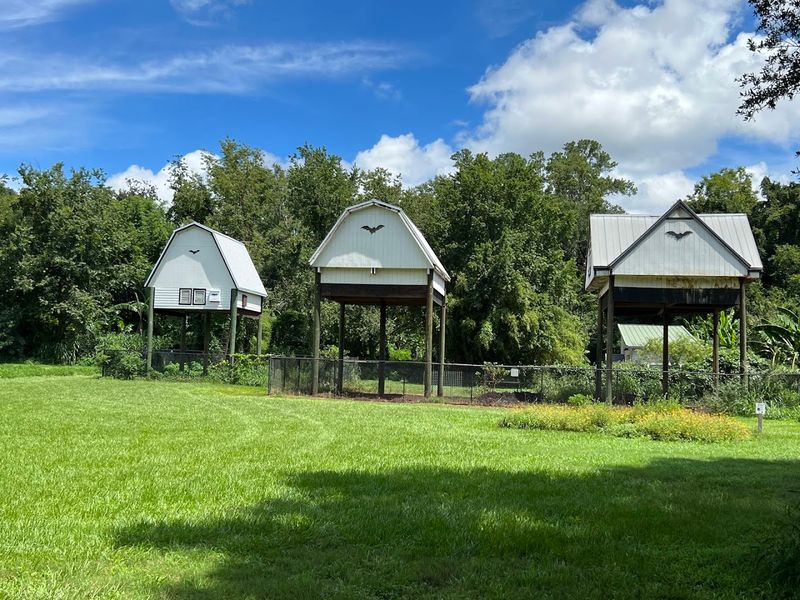
Right on Museum Road at the University of Florida campus, the UF Bat Houses sit at one of the most surprisingly dramatic addresses in Florida. The full address is Museum Rd, Gainesville, and the spot is easy to find thanks to free parking right next to the structures.
The bat houses stand near Lake Alice, a peaceful body of water that adds a beautiful backdrop to the whole experience. On a warm evening, the combination of the lake view, blooming campus landscaping, and the electric anticipation of the crowd makes the setting feel almost cinematic.
Benches and a well-maintained sidewalk line the area, so you can sit comfortably while you wait. The site is open every evening from 6 PM to 9 PM, seven days a week, giving visitors plenty of chances to catch the spectacle no matter which night works best for them.
The Bat Houses Themselves: A Closer Look at the Structures
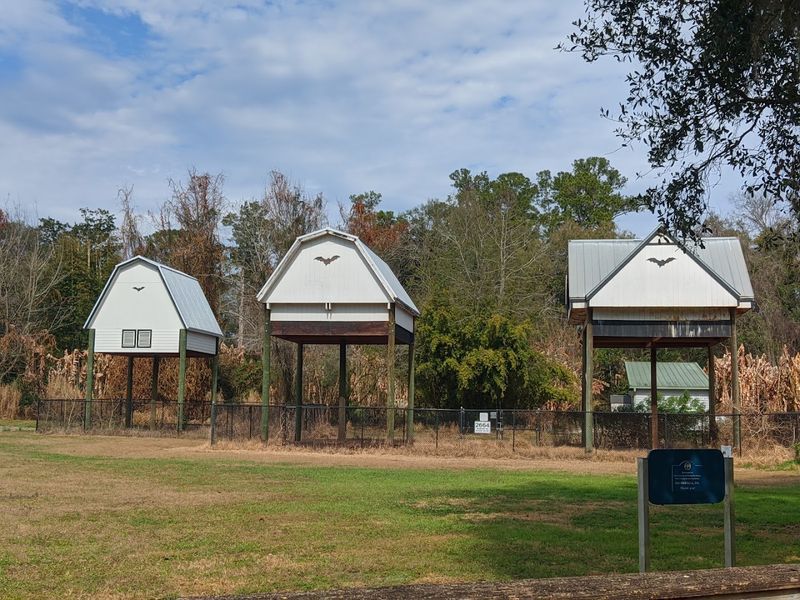
Not many wildlife attractions look like a pair of oversized wooden sheds, but these two structures are genuinely fascinating once you understand what is inside. The UF Bat Houses were purpose-built to house the Brazilian free-tailed bats and southeastern bats that were displaced from Ben Hill Griffin Stadium during renovations years ago.
Each house is tall, narrow, and designed with tight interior crevices that mimic the cave-like conditions bats prefer for roosting. During the day, if you walk quietly close enough, you can actually hear the rustling and high-pitched sounds of hundreds of thousands of bats packed inside.
The structures are maintained as part of the University of Florida’s commitment to conservation and biodiversity education. Their design is a practical, eco-friendly solution to urban bat displacement, and they have become one of the most successful artificial bat roosts in the entire United States.
Half a Million Bats: The Scale of the Colony
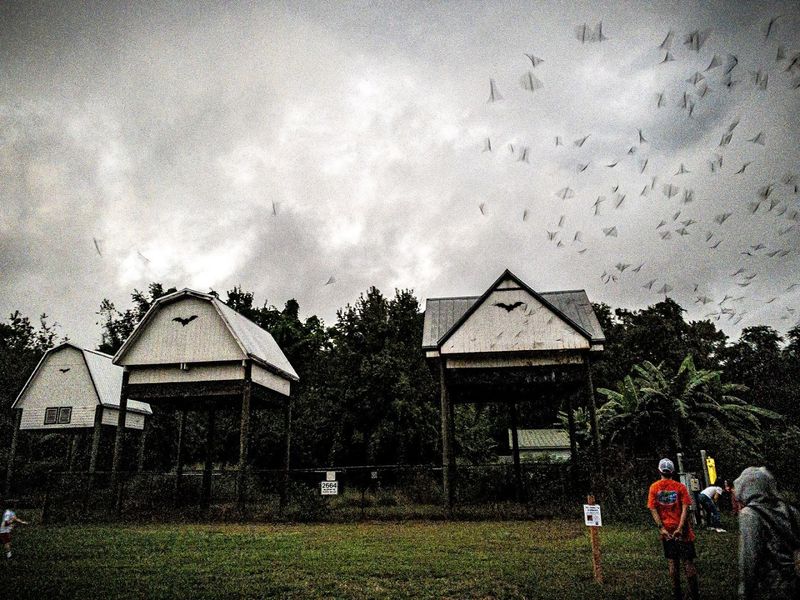
The number that stops most people mid-sentence is this: up to 500,000 bats live in those two wooden houses. That is not a typo or an exaggeration.
On a warm evening, nearly half a million bats pour into the sky within just a few minutes, creating a spectacle that is hard to fully process in real time.
The colony is made up mostly of Brazilian free-tailed bats, with a smaller population of southeastern bats sharing the space. Together, they collectively consume around 2.5 billion insects, or roughly 2,500 pounds of bugs, every single night.
That is an enormous contribution to natural pest control in the region.
The sheer volume of bats in flight overhead creates a sound and visual experience unlike anything else in Florida. Seeing that many animals move together in one coordinated wave is the kind of thing that genuinely leaves you speechless for a moment.
Two Species, One Show: Brazilian Free-Tailed Bats and Southeastern Bats
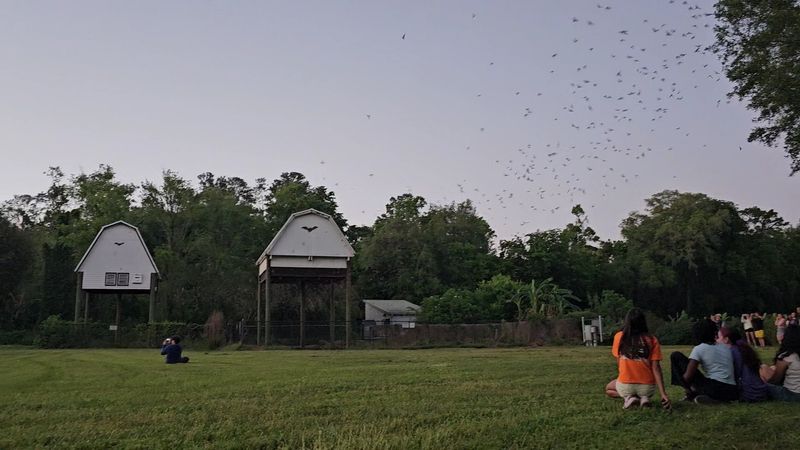
Two distinct bat species share the UF Bat Houses, and knowing the difference actually makes watching the emergence more interesting. The southeastern bats tend to come out first, slipping out in small groups of just a few at a time, almost like scouts testing the evening air.
Then comes the main event. The Brazilian free-tailed bats burst out in a massive, dense swarm all at once, flowing from the house in two distinct channels that spiral upward into the sky.
The contrast between the quiet trickle of the first species and the explosive rush of the second is genuinely dramatic.
Brazilian free-tailed bats are known for their speed and long-distance foraging flights, sometimes traveling miles from the roost in a single night. The southeastern bat, by comparison, tends to forage closer to home, often skimming low over water surfaces like the nearby Lake Alice to catch insects.
The Best Time to Watch: Timing Your Visit Right
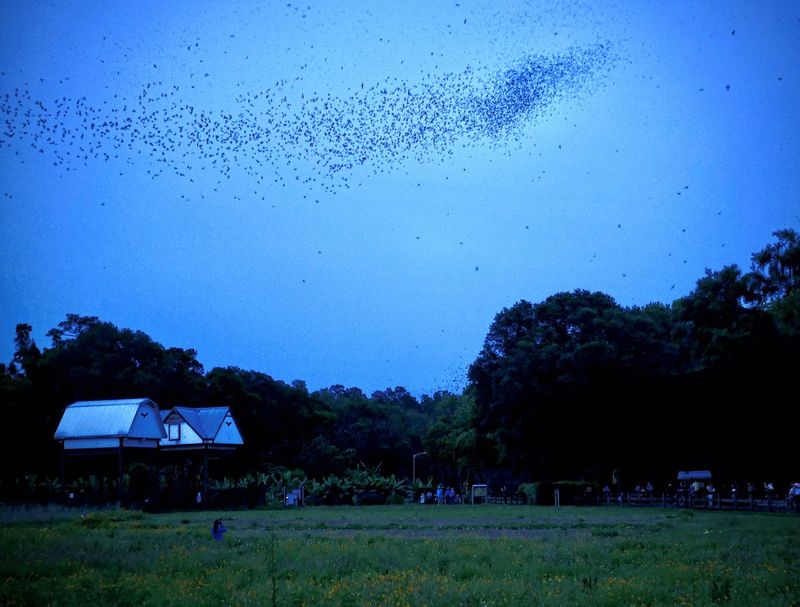
Timing really does make or break this experience. The bats do not follow a strict clock, but they consistently emerge about 10 to 15 minutes after sunset, so checking the local sunset time before you go is genuinely useful advice.
In September, for example, sunset falls around 7:40 PM, which means the main emergence usually kicks off close to 7:50 or 8:00 PM. Arriving 20 to 30 minutes before sunset gives you enough time to find a good spot on the sidewalk and settle in before the crowd fills in around you.
Cold weather is the one real variable to watch. When temperatures drop below around 54 degrees Fahrenheit, the bats tend to stay inside and skip the evening flight entirely.
Warm nights from spring through early fall offer the most reliable and impressive shows, with summer evenings often producing the largest and most dramatic emergences.
Lake Alice: The Scenic Bonus Right Across the Street
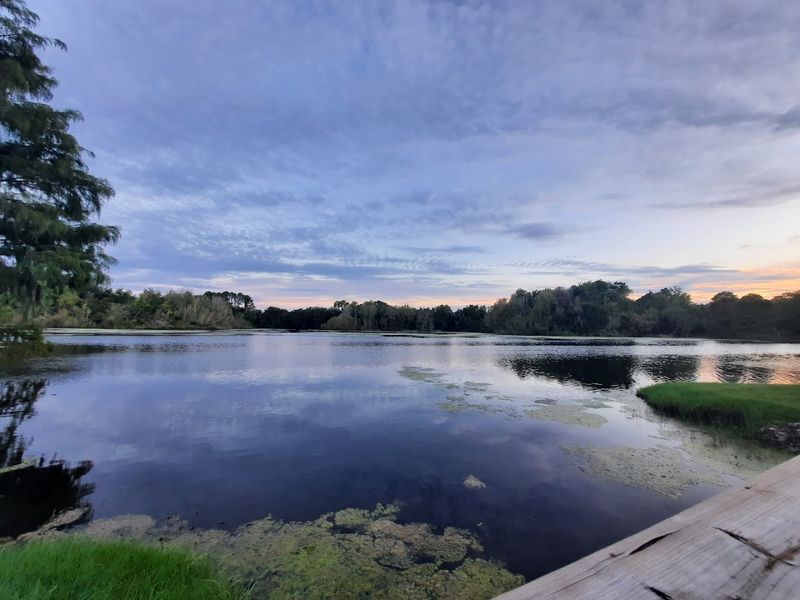
Directly across the road from the bat houses sits Lake Alice, and it deserves its own moment of appreciation. The lake is a designated wildlife sanctuary on the UF campus, home to alligators, dozens of bird species, turtles, and a rich variety of aquatic life that makes it one of the most biodiverse spots in all of Gainesville.
On an evening visit, you might spot a great blue heron standing motionless at the water’s edge, or catch the slow, patient movement of an alligator cruising near the bank as the sky changes color behind it. The lake has a genuinely serene quality that pairs perfectly with the pre-bat waiting period.
The combination of Lake Alice’s wildlife and the bat emergence creates an evening that feels more like a nature documentary than a casual campus stroll. Many visitors spend time exploring the lake path before and after the bats take flight, making the whole outing last a satisfying couple of hours.
The Community Atmosphere: What It Feels Like to Be There
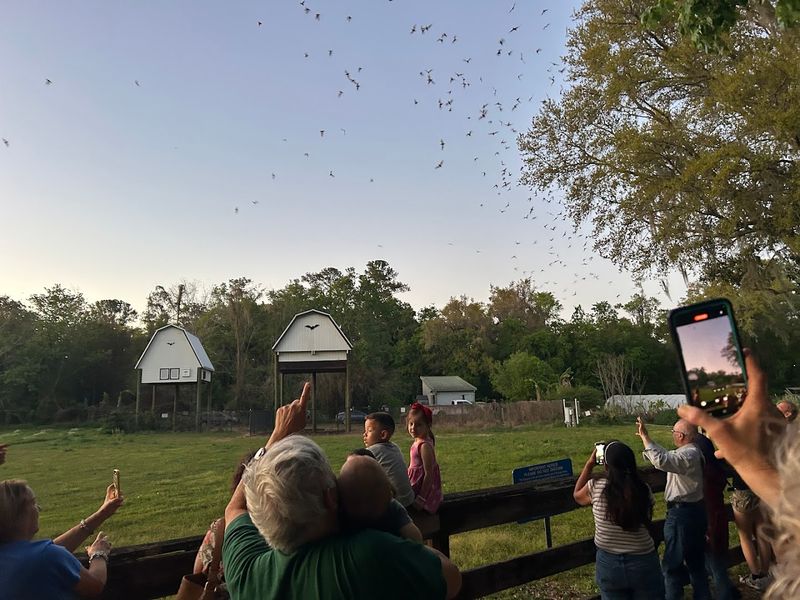
There is something quietly special about the way strangers gather at this spot each evening. As dusk settles in, people start arriving in small groups, some carrying folding chairs, others just standing with their phones ready.
A shared sense of anticipation builds in the air that feels both relaxed and genuinely exciting at the same time.
UF students make up a big part of the regular crowd, but families with kids, tourists, and longtime Gainesville residents all show up too. The mood is unhurried and friendly, with people chatting quietly while they wait and pointing out the first bats to anyone who might have missed them.
That sense of community around a natural event is part of what makes the bat houses feel meaningful rather than just visually impressive. It is one of those rare public spaces where people of all backgrounds end up sharing the same moment of genuine wonder together.
Wildlife Photography Opportunities: Tips for Getting the Shot
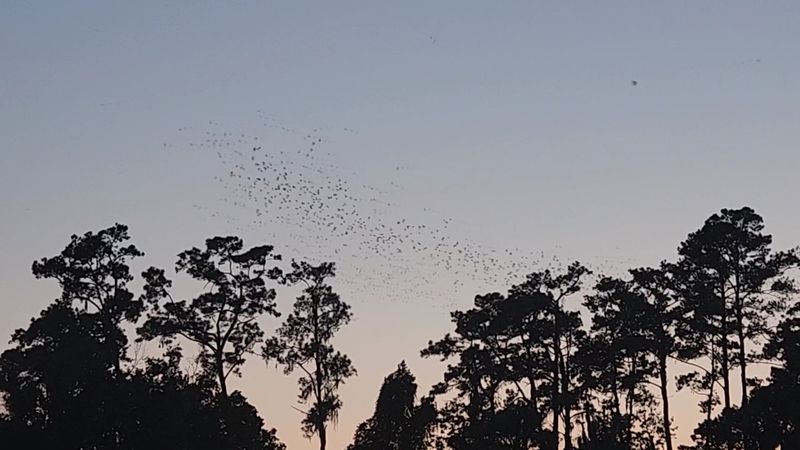
Photographing hundreds of thousands of bats in low light is genuinely challenging, but the rewards are worth the effort. The key is to set your camera or phone to a high ISO and use a fast shutter speed to freeze the motion of the bats in flight without ending up with a blurry mess of dark shapes.
Positioning yourself facing the bat houses rather than the lake gives you the best angle for capturing the emergence directly. The bats flow out in two visible channels, which creates a natural compositional element that looks striking in photos when the timing is right.
Smartphone cameras with a night mode or portrait mode can actually capture decent shots if you hold steady and shoot in burst mode. The soft orange and purple tones of the sky right after sunset provide a natural backdrop that makes even a simple phone photo look far more dramatic than you might expect.
Practical Visitor Information: What to Know Before You Go
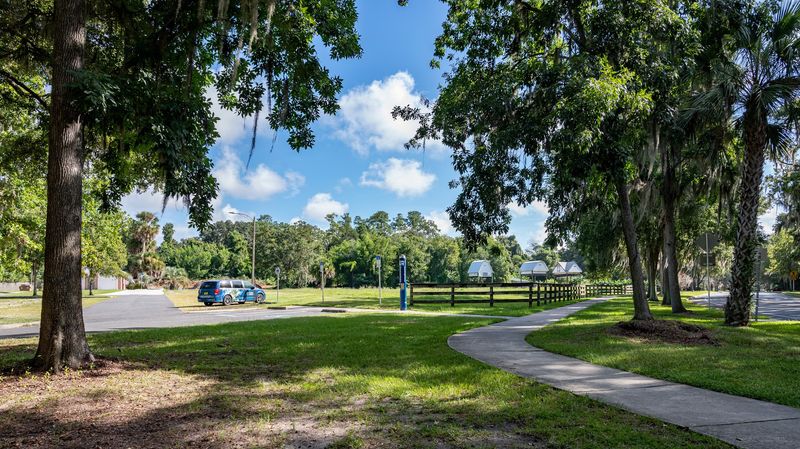
A few practical details make visiting the bat houses much smoother. Free parking is available right next to the site, which is a genuine convenience given how popular the evening emergence has become.
Arriving early on busy nights, especially weekends, helps you secure a spot close to the houses.
Restrooms are located nearby, and the sidewalk area features benches for comfortable seating while you wait. The site is well-maintained and accessible, making it a solid option for visitors of all ages and mobility levels.
The official website at floridamuseum.ufl.edu/bats offers updates on bat activity, seasonal notes, and educational information about the colony. Hours run from 6 PM to 9 PM every day of the week, and admission is completely free.
Bringing a light jacket on cooler evenings and checking the sunset time in advance are the two small preparations that make the biggest difference in the quality of your visit.
The History Behind the Bat Houses: From Stadium to Sanctuary
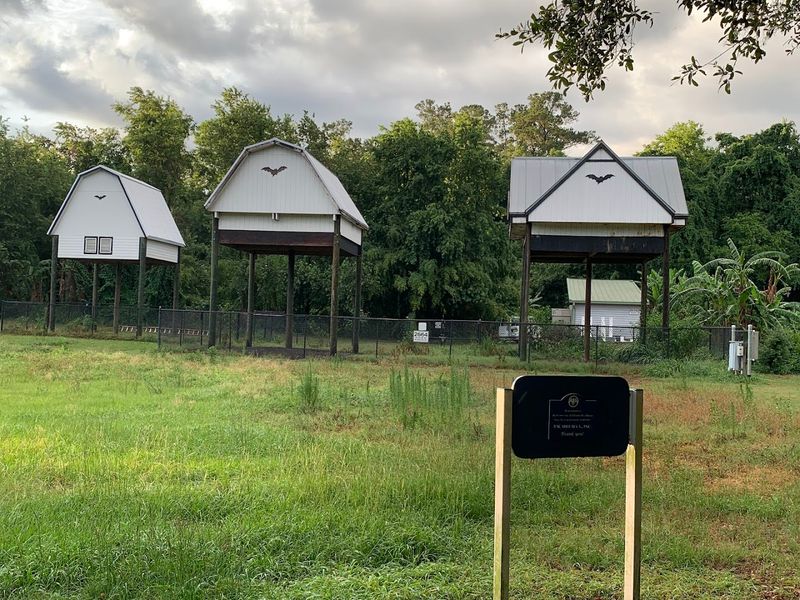
The story of how the bat houses came to exist is actually a great example of creative problem-solving in conservation. When the University of Florida undertook renovations at Ben Hill Griffin Stadium, the bats that had been roosting inside needed a new home.
Rather than simply removing them, the university chose to build dedicated structures designed specifically to accommodate the colony.
The bat houses were constructed to replicate the tight, warm crevice conditions that the bats preferred inside the stadium. Over time, the colony grew significantly, eventually reaching the staggering population of up to half a million individuals that visitors see today.
That origin story gives the bat houses a layer of meaning beyond just a cool natural spectacle. They represent a deliberate choice to coexist with wildlife rather than displace it, and that decision has turned into one of the most visited free attractions in all of Gainesville, drawing well over a thousand reviews with a near-perfect rating.
Morning Visits: Watching the Bats Return at Dawn
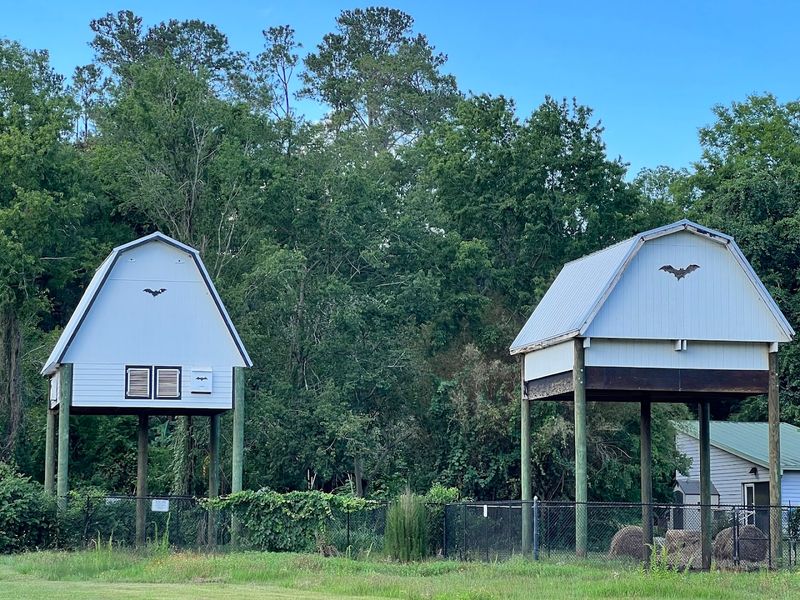
Most people know the bat houses for the sunset emergence, but the early morning return is a completely different kind of experience worth seeking out. As daylight begins to brighten, bats start streaming back to the houses from multiple directions, funneling in with the same organized energy they showed leaving the night before.
The morning return tends to be quieter in terms of crowd size, which actually makes it easier to observe the behavior up close. Watching hundreds of bats converge on the houses from different angles and slip inside in what looks like a coordinated, orderly flow is both calming and fascinating.
The light at dawn also creates a softer, more atmospheric visual compared to the dramatic dusk emergence. For anyone who enjoys wildlife observation without the evening crowd, arriving just before first light and watching the bats settle back into their roost is a genuinely rewarding and peaceful way to start a morning in Gainesville.
Why the Bat Houses Matter: Conservation and Education
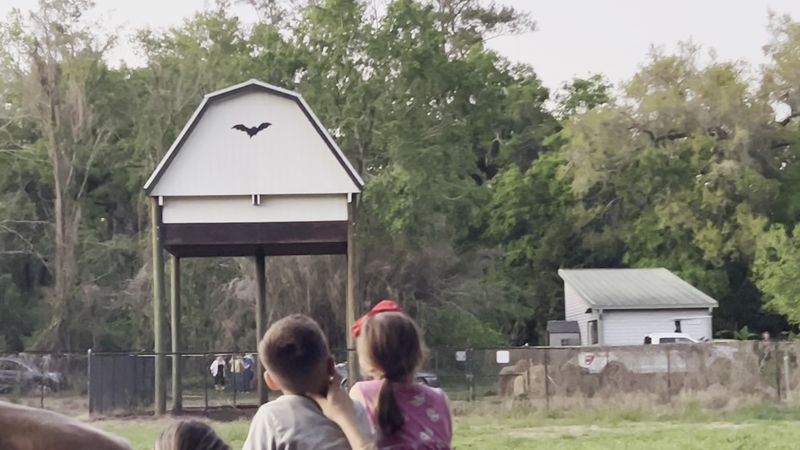
Beyond the spectacle, the UF Bat Houses serve a genuine scientific and educational purpose. The Florida Museum of Natural History at the University of Florida uses the colony as a living research and outreach resource, helping students, researchers, and the general public understand the ecological role that bats play in Florida’s environment.
Bats are often misunderstood animals, associated more with fear than with the enormous environmental benefits they provide. A colony of this size consuming 2,500 pounds of insects every night is a powerful, concrete demonstration of how vital these creatures are to natural pest management across the region.
The bat houses also serve as a model for bat conservation efforts nationwide, showing that large urban bat colonies can thrive in purpose-built structures when conditions are designed thoughtfully. For anyone with even a passing interest in wildlife or ecology, a visit to the UF Bat Houses is as educational as it is entertaining, and the two things are rarely this well-balanced in one free outdoor experience.



