 Unearth The Voyage
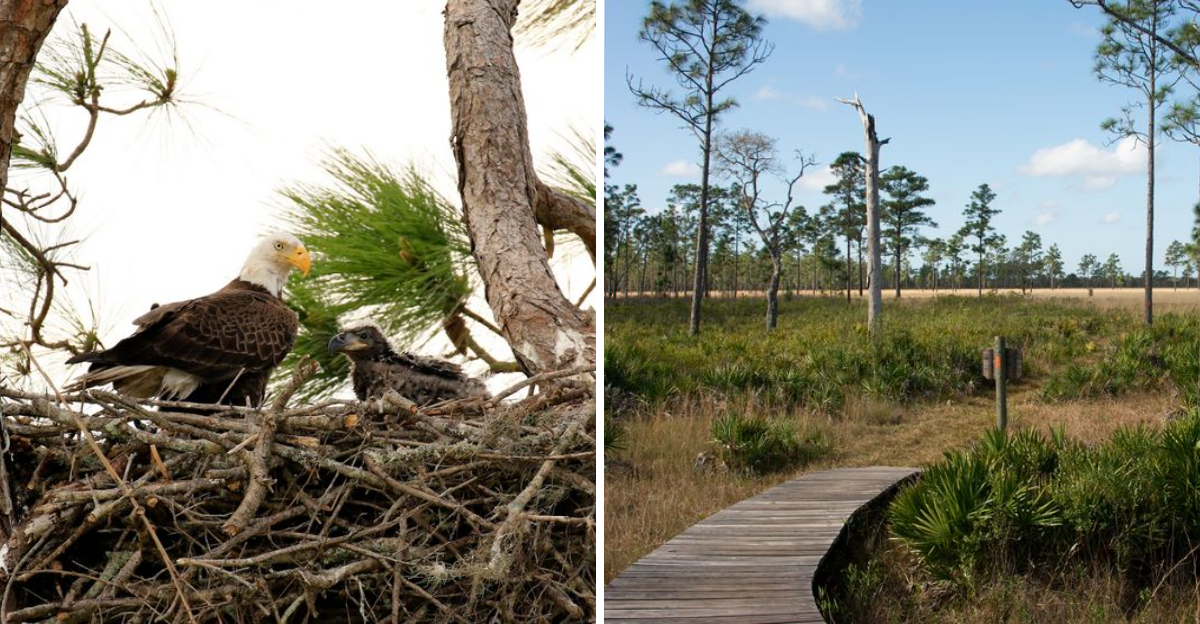
Deep in the heart of Central Florida, far from the theme parks and beach crowds, there is a stretch of wild land so vast and so alive that it feels like a different world entirely. Over 63,000 acres of prairies, pine forests, oak hammocks, and shimmering lakes spread across a landscape that most Florida visitors never even know exists.
Sandhill cranes wade through open grasslands, red-cockaded woodpeckers tap at longleaf pines, and bald eagles circle high overhead on thermal currents. This place has earned a loyal following among hikers, birders, hunters, anglers, and campers who keep coming back year after year, and once you read what is waiting out there, you will understand exactly why they do.
Finding the Place: Location and Access
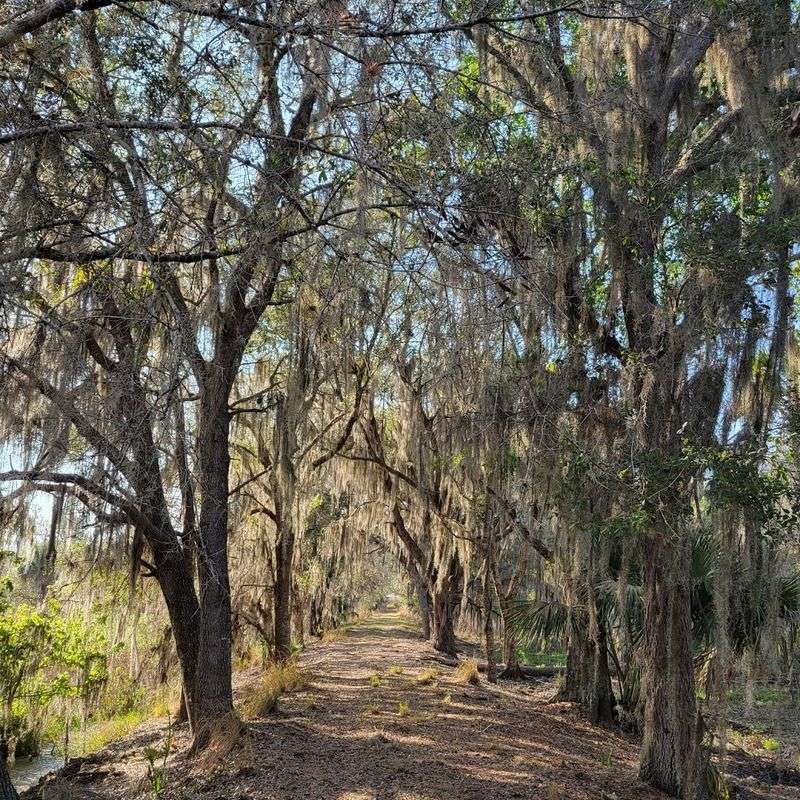
The address that gets you here is 1702-1672 Prairie Lakes Rd, Kenansville, tucked in Osceola County about an hour south of Orlando along US-441.
The drive down 441 itself is a preview of what is ahead: open cattle country, wide skies, and the kind of rural Florida that feels refreshingly unhurried.
There is a self-service iron ranger at the entrance where individuals pay a small three-dollar access fee. You fill out both forms and note any applicable licensure numbers before heading in.
The internal roads are packed sand and clay, and most are navigable in a standard passenger car. Compact cars handle the main roads without trouble, though some narrower tracks call for more clearance.
Google Maps navigates the area reasonably well, though road signage inside the property can be sparse, so downloading an offline map before your visit is a smart move.
The Scale of the Land
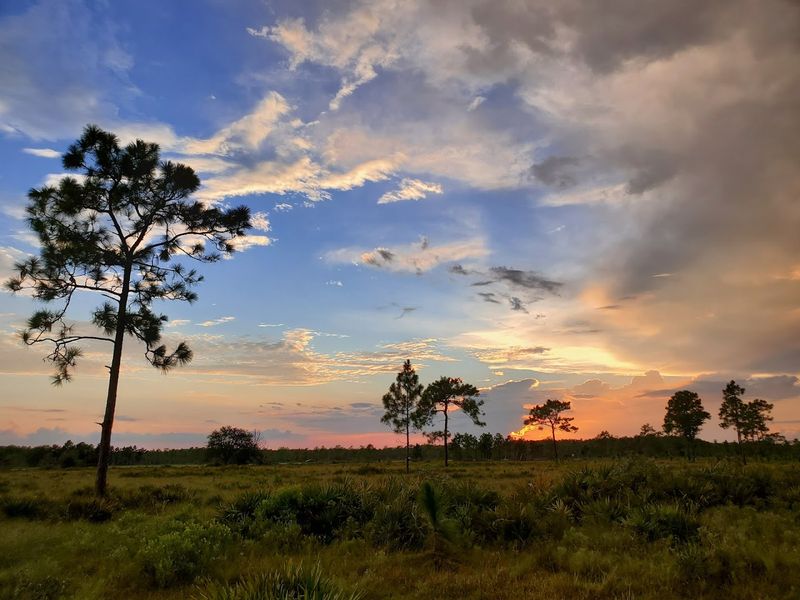
More than 63,000 acres of former cattle ranching land now serve as one of Florida’s most expansive conservation areas, and the sheer size of the place hits you the moment you drive through the gate.
The landscape shifts constantly as you move through it. One moment you are crossing wide open dry prairie that stretches to the horizon, and the next you are threading through narrow corridors of longleaf pine flatwoods or brushing past the edges of cypress heads.
Oak hammocks appear like green islands rising out of the grasslands, dense and shady and full of birdsong. Cabbage palm forests line the banks of lakes and wetlands throughout the property.
This mosaic of ecosystems is exactly what makes Three Lakes so biologically rich. Few places in Florida pack this many habitat types into a single contiguous block of protected land, and the wildlife reflects that diversity generously.
The Wildlife You Can Expect to See
The wildlife list here reads like a Florida naturalist’s wish list. Sandhill cranes stalk through the open prairie with their distinctive prehistoric calls, and wild turkeys appear along roadsides more often than you might expect.
Scissor-tailed kites cut through the sky in swooping arcs, while caracaras strut along roadsides with an almost territorial confidence. Osprey nests sit high in snags near the lakes, often with both adults visible from a distance.
Eastern bluebirds flash brilliant color from fence posts and low branches throughout the property. Deer are present but tend to be shy, showing themselves most reliably in the cooler evening hours when activity picks up across the whole area.
Racer snakes, large bass, tilapia, and even the endangered red-cockaded woodpecker round out a wildlife roster that rewards patient visitors who slow down and pay attention to the details around them.
Birding at Its Best
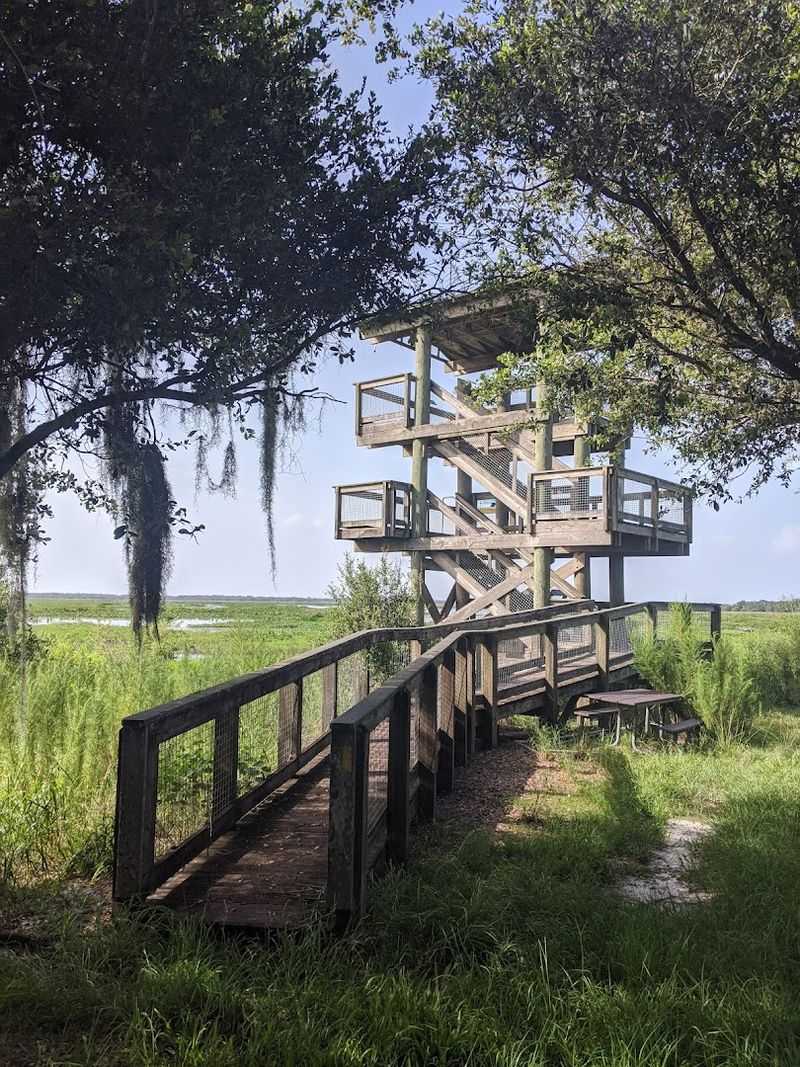
Serious birders treat this place with a kind of reverence that is easy to understand once you have spent a morning here with binoculars. The red-cockaded woodpecker, a federally endangered species, nests in the longleaf pine flatwoods and can be spotted by those who know where to look.
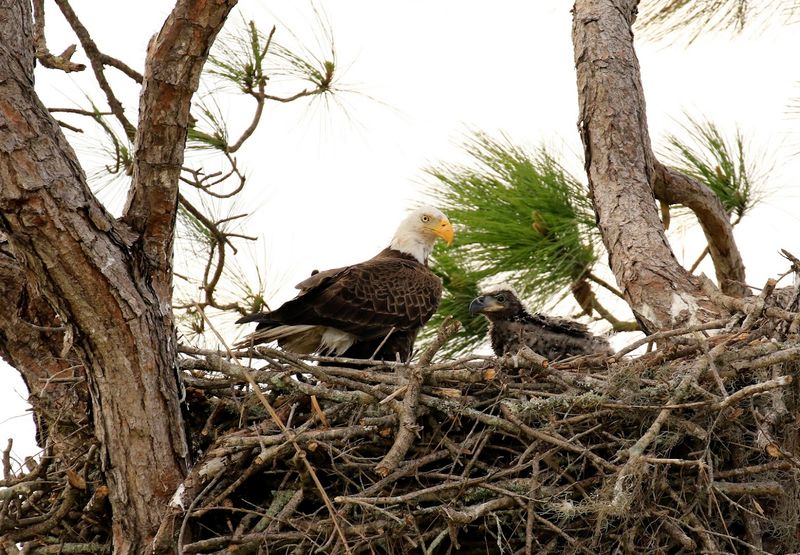
Bald eagles are another draw, soaring high on thermals above the open prairie in a way that makes you stop the car and just stare. Large flocks of vultures circle lazily overhead, while quail call from the brush in a sound that feels deeply tied to old Florida.
The bird diversity across the property spans raptors, wading birds, songbirds, and ground-dwelling species, making every habitat zone worth exploring separately. Early morning visits produce the most activity, with the golden light adding an extra layer of beauty to an already spectacular show.
Hiking the Trails
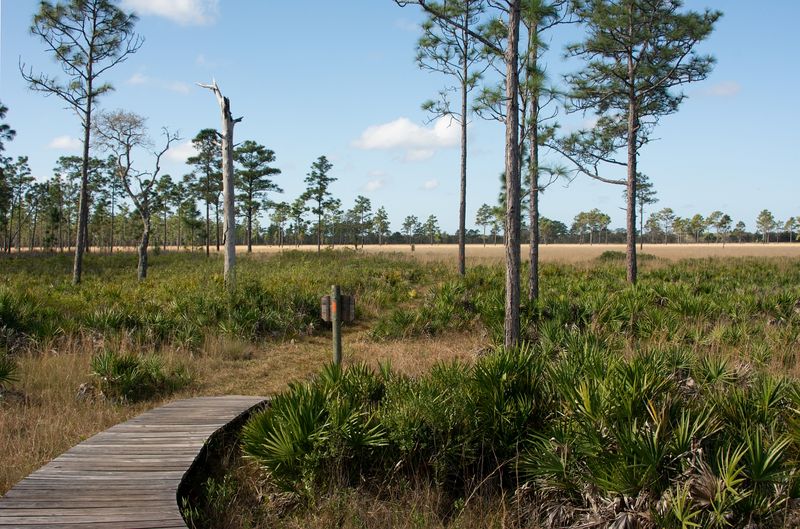
Two main hiking loops anchor the trail system here, and together they offer a satisfying range of terrain and scenery. The south loop covers about 5.5 miles and winds through huge oak and palm hammocks that provide welcome shade and a real sense of wilderness depth.
The north loop runs approximately 5.7 miles and opens up into broader prairie views, with a cypress swamp boardwalk that is one of the most memorable sections of trail on the entire property. Both loops share a middle section and connect into a figure-eight route that experienced hikers complete in a single long day.
The Florida Trail also runs through the property, adding more mileage options for those who want to extend their adventure. One hiker completed the south loop plus a stretch from the Lake Jackson tower for a total of about nine miles, a satisfying full-day effort in any season.
Camping Under the Stars
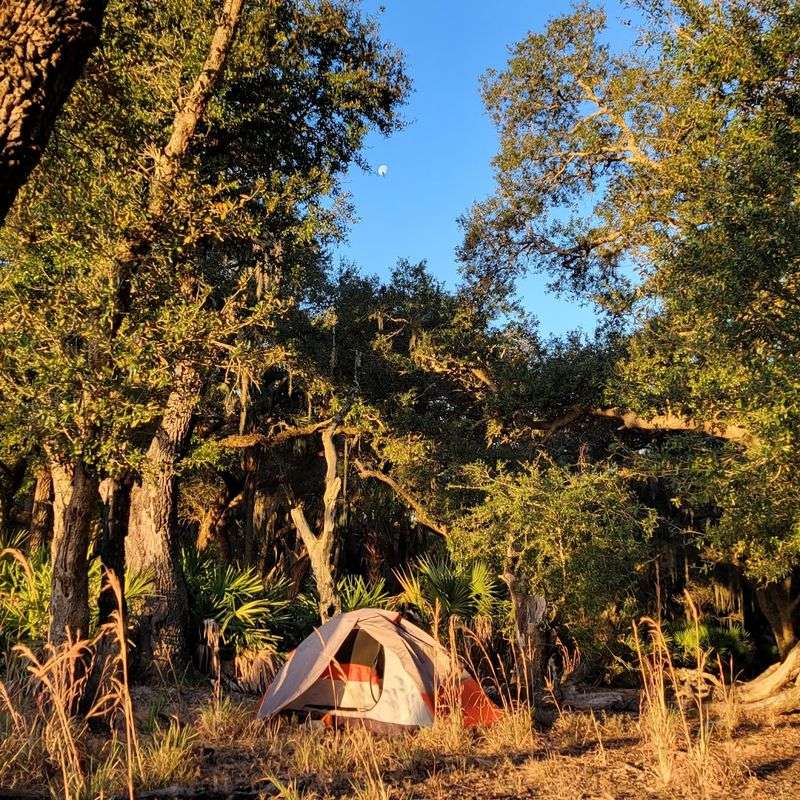
Few camping experiences in Florida match the quality of a night spent at Three Lakes, and the options here cover a range of styles and group sizes. The property offers both primitive backcountry camping and designated group sites that accommodate larger parties planning multi-day trips.
Group Site B has hosted backpackers who tackled both the north and south loops on back-to-back days, logging around 18 miles over two days and using the campsite as a comfortable base. The setting makes that kind of ambitious itinerary feel completely natural.
Sleeping out here means waking up to bird calls before the sun is fully up, with no traffic noise, no city glow on the horizon, and no crowds pressing in from every direction. The peace of a morning at camp in this landscape is something that stays with you long after you have packed up and driven home.
Fishing the Lakes
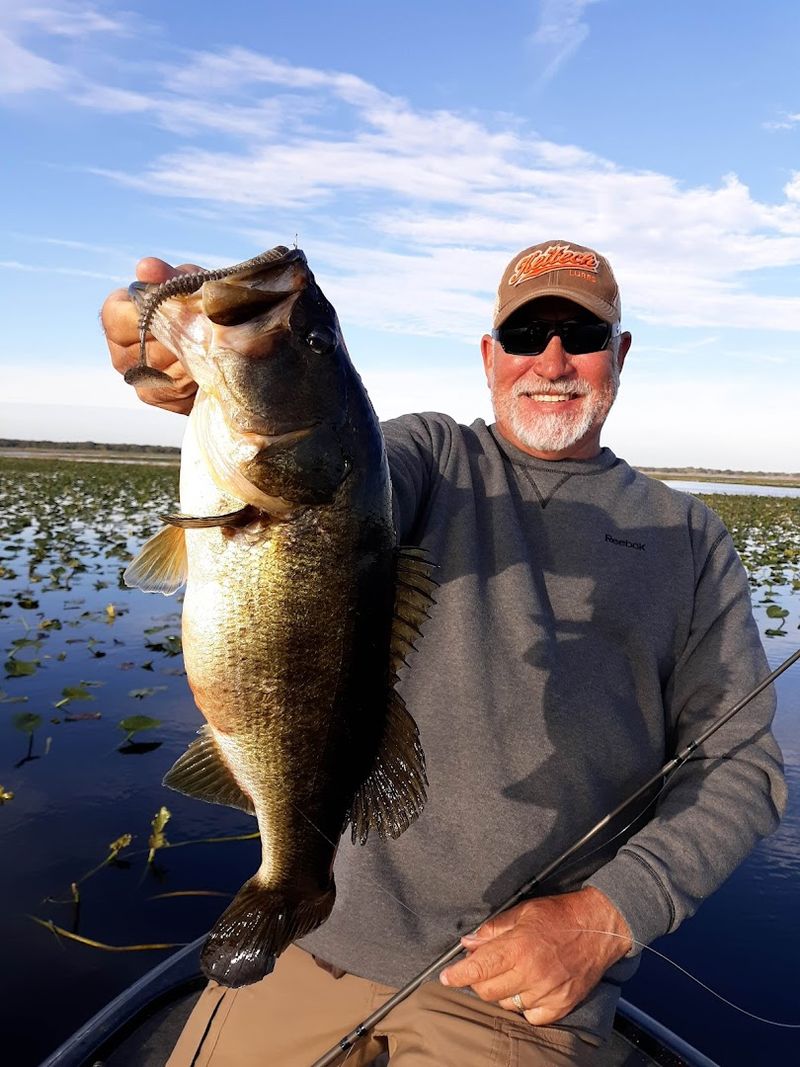
The lakes scattered across this property have earned a reputation among local anglers for producing solid catches, particularly largemouth bass. Big bass pulls from these waters are not uncommon, and the relative lack of fishing pressure compared to more publicized spots keeps the fishing quality high.
Tilapia have also been caught here in impressive sizes, adding variety to what the lakes offer. The boat ramp area is one of the few spots on the property with restroom facilities, making it a logical staging point for a day on the water.
Evening fishing is particularly productive, as the cooler temperatures bring more activity across the water’s surface and along the shoreline vegetation. Bringing your own snacks and drinks is essential since there are no concessions or services inside the management area, and a full day on the water passes faster than you expect.
Cycling Through the Prairie
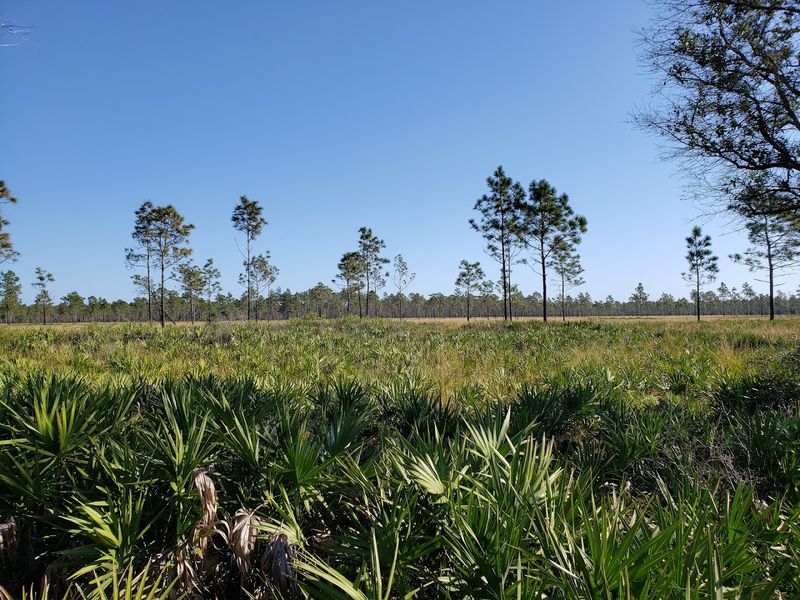
The packed sand and clay roads that run throughout the property also serve as cycling routes, and the experience of pedaling through open prairie with nothing but sky above you is genuinely hard to replicate anywhere else in the state.
Hybrid bikes handle the main roads without major difficulty, though the washboard texture of some sections makes the ride noticeably bumpy. A mountain bike with wider tires and better suspension turns those same roads into a much more comfortable and enjoyable ride.
The lack of shade across the open prairie sections means sun protection is non-negotiable on a cycling trip. Sunscreen, a hat, and plenty of water should go into your pack before you set off, especially in the warmer months when the Florida sun reflects off the pale sand roads with real intensity.
The reward for that preparation is miles of quiet, car-free riding through one of the most striking landscapes in Central Florida.
Hunting Season and How It Shapes Your Visit

Three Lakes has a long history as a hunting destination, and the management calendar is organized around multiple seasons covering deer, turkey, hog, and small game. The property sees noticeably more visitors during active hunting periods, and the character of the place shifts accordingly.
Non-hunters who visit during these windows still find good spots to hike and explore, but checking the Florida Fish and Wildlife Conservation Commission schedule before your trip is worth the few minutes it takes. Wearing bright colors during hunting season is a common-sense precaution for anyone on foot.
Outside of hunting season, particularly in the spring months, the area becomes noticeably quieter and more relaxed. May visits reportedly feel uncrowded and peaceful, with roads open all year for those who simply want to drive through and absorb the landscape without any competitive pressure for access or parking.
The Longleaf Pine Ecosystem
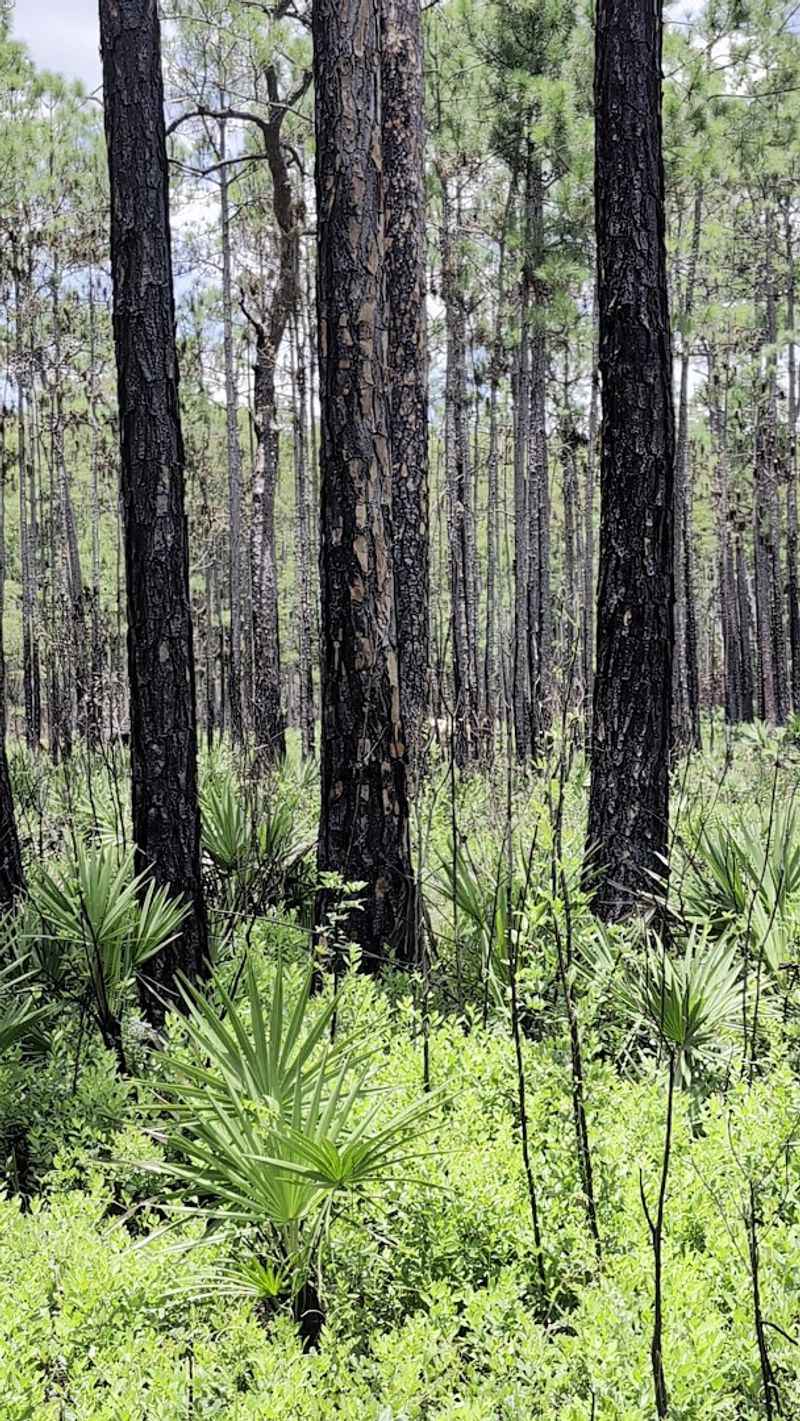
The longleaf pine flatwoods at Three Lakes represent one of the most ecologically significant habitat types in the American Southeast, and the management team here works actively to maintain them. Fire management plays a central role in keeping the wiregrass understory healthy and the canopy open enough for light to reach the forest floor.
This habitat is where the red-cockaded woodpecker does its nesting, and the birds’ presence here is a direct result of the ongoing conservation work. Walking through a well-managed longleaf pine stand has a cathedral-like quality, with the tall straight trunks rising from a clean, grassy floor.
The pinelands at Three Lakes are described by regular visitors as being well-maintained, which reflects the sustained effort that goes into keeping this ecosystem functional. It is a reminder that the wilderness you enjoy here does not manage itself; it takes consistent, science-based stewardship to keep it this healthy.
Wetlands, Cypress Heads, and Water Features
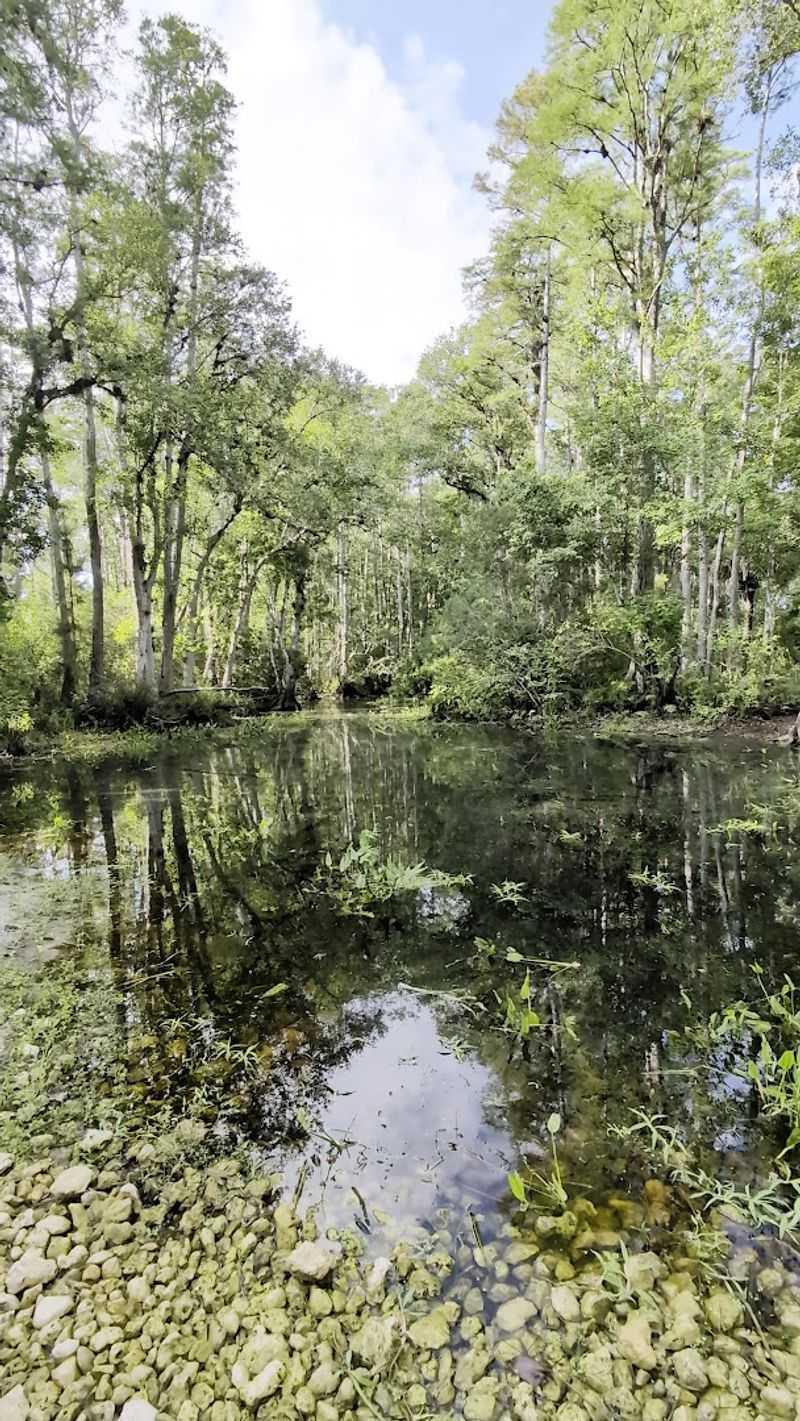
Water defines large sections of this property, and the variety of aquatic habitats here adds a completely different dimension to the landscape. Cypress heads rise out of low-lying areas with their knobby roots and Spanish moss, creating the kind of moody, atmospheric scenery that photographers chase across the entire state.
The cypress swamp boardwalk on the north loop trail is one of the most talked-about features of the entire trail system. It puts you directly over still, tannin-dark water where the reflections of the trees create an almost mirror-image world below your feet.
Wetland edges and shallow lake margins attract wading birds throughout the year, and the transition zones between dry upland habitats and wet lowlands are often the most productive spots for wildlife observation. Bringing waterproof boots for any trail that passes through these wetter sections is a practical decision you will not regret making.
Practical Tips for First-Time Visitors
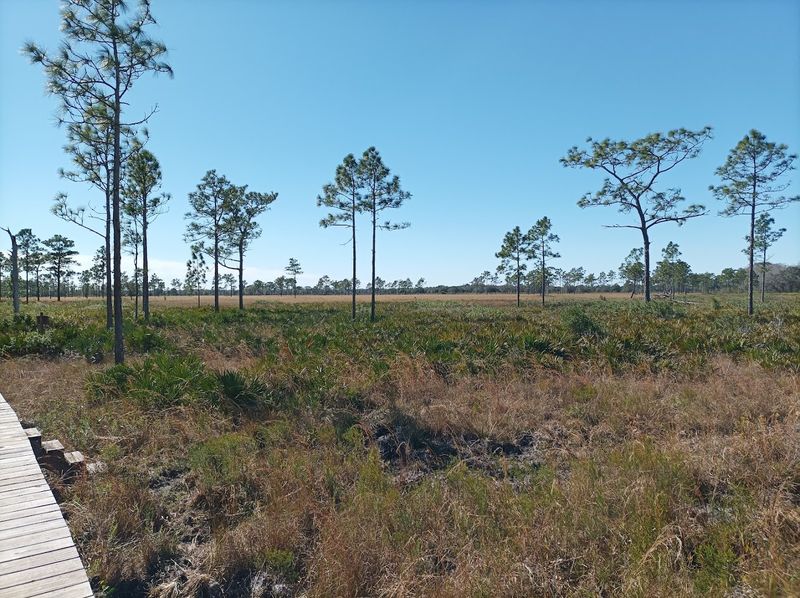
A few straightforward preparations make the difference between a frustrating first visit and a great one. Bringing more water than you think you need ranks at the top of the list, since the open prairie sections offer no shade and no water sources, and a full day out here passes quickly when you are engaged with the landscape.
Snacks and a packed lunch are equally important since there are no food vendors or services anywhere on the property. Bug spray and sunscreen are both essential, particularly during warmer months when the insects are active and the sun is relentless on the open sand roads.
Boots are strongly recommended over sneakers for anyone planning to hike, especially near the wetter habitat zones. The only restrooms on the property are located near the boat ramp and the group camping areas, so planning your route with those locations in mind saves unnecessary discomfort during a long day out.
Wildlife Photography Opportunities

Photographers who visit Three Lakes with a camera instead of a rifle find the place equally rewarding, though the experience calls for patience and a willingness to move slowly through the landscape. The open prairie sections offer long sight lines that work well for spotting and photographing raptors in flight.
Early morning light is the most flattering for landscape shots, and it also coincides with peak wildlife activity, making the first two hours after sunrise the most productive window of the day. A telephoto lens is helpful for birds that stay at a distance, and the caracara and osprey in particular tend to allow closer approaches than many other species.
The property would benefit from clearer information for camera-focused visitors, as trail markers and interpretive signage are limited. That said, the raw photographic material here is so strong that even a casual photographer with a smartphone comes home with images worth sharing.
A Living Piece of Florida’s Cattle Country Heritage
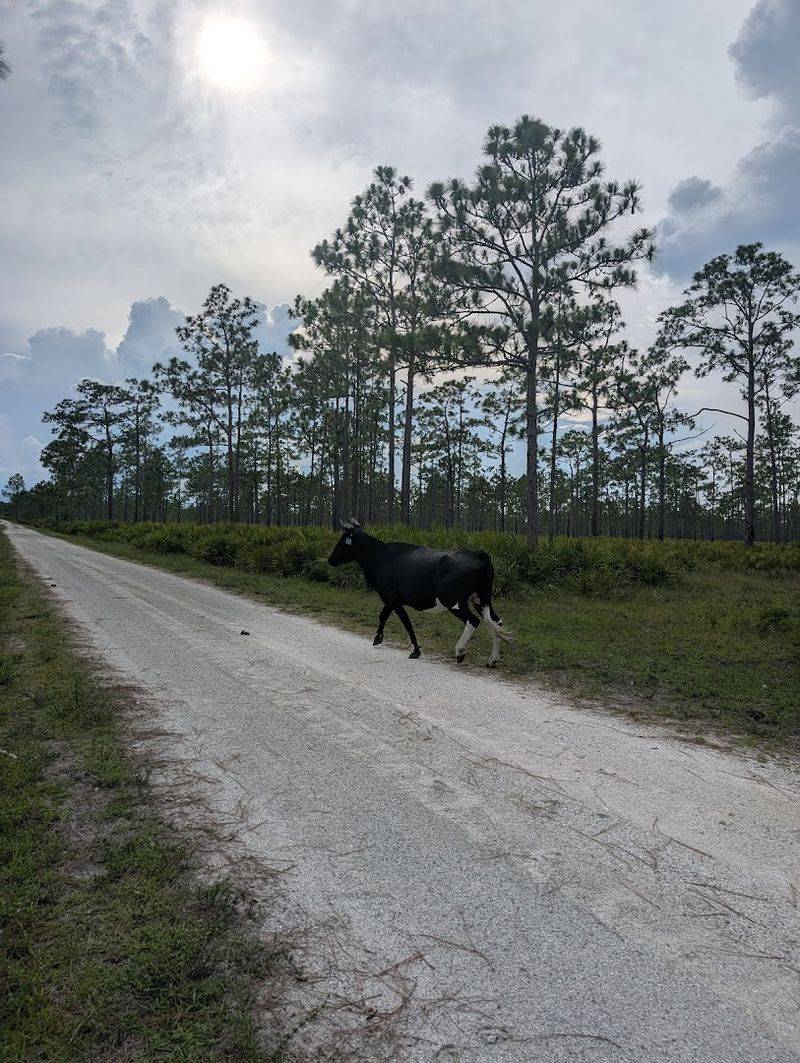
Before Three Lakes became a protected wildlife area, this land was working cattle country, and that heritage is still visible in the landscape today. The wide, flat prairies that make such dramatic scenery were shaped in part by decades of grazing, and cattle are still present on the property as part of the ongoing land management approach.
The drive down US-441 to reach the area passes through ranches and small towns that feel genuinely connected to old Florida, a reminder that the state’s identity runs much deeper than its coastline resorts and urban sprawl. Fence lines, old cattle pens, and the occasional weathered structure along the roads add texture to the experience of arriving here.
This layered history, where ranching and conservation overlap rather than conflict, gives Three Lakes a character that purely natural areas sometimes lack. The land carries its past lightly and wears it well.



