 Unearth The Voyage

There is a place in Florida where the park does not end at the shoreline. It keeps going, straight down into the Atlantic Ocean, through coral gardens and schools of neon-colored fish, past ancient reef structures and the occasional nurse shark napping on the sandy bottom.
John Pennekamp Coral Reef State Park in Key Largo holds the distinction of being the first underwater state park in the United States, and it covers roughly 70 nautical square miles of protected ocean. Whether you are a seasoned scuba diver or someone who has never worn a pair of fins in their life, this park has something genuinely spectacular waiting for you below the surface.
Keep reading, because this place is even better than it sounds.
The First Underwater State Park in the U.S.

Back in 1963, a bold idea became reality when Florida officially designated this stretch of ocean as protected land, making it the first underwater state park in the entire United States. The park is named after John D.
Pennekamp, a Miami Herald editor who championed conservation efforts in the Florida Keys during the mid-20th century.
The park sits at MM 102.5 on the Overseas Highway, Key Largo. It protects approximately 70 nautical square miles of coral reef, seagrass beds, and mangrove swamps, making it one of the most ecologically significant marine preserves in North America.
The coral reef here is part of the Florida Reef Tract, the only living barrier reef in the continental United States. That alone is reason enough to make the trip.
The park draws visitors from around the world, and once you see what lies beneath those clear green-blue waters, the reason becomes obvious.
Snorkeling Tours That Welcome Total Beginners
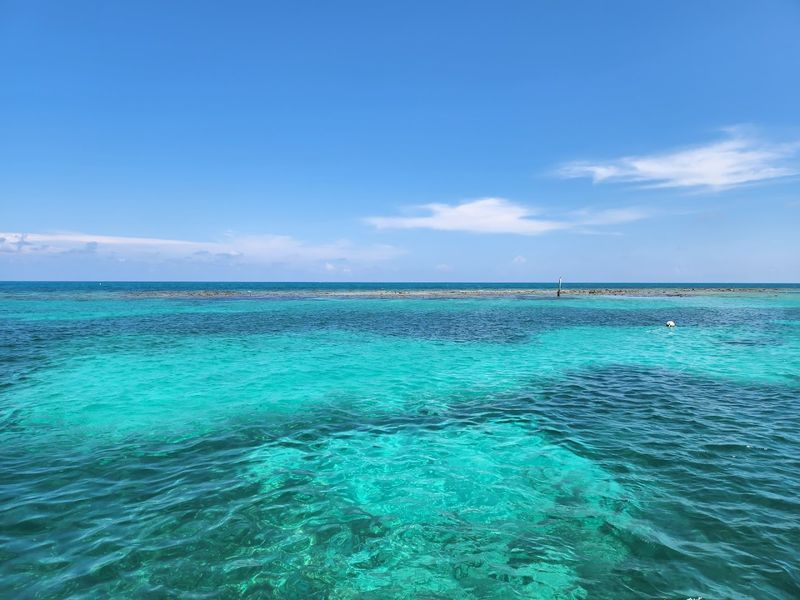
Not everyone who visits this park has spent years in the water, and that is completely fine. The snorkeling tours here are designed with first-timers in mind, and the guides are genuinely patient and skilled at helping nervous newcomers feel comfortable before the boat even reaches the reef.
Tours typically run about two and a half hours and head out to sites like Grecian Rocks, where the water depth is often around ten feet, making it manageable and non-intimidating for beginners. Colorful parrotfish, queen conch shells, sergeant majors, and stingrays are common sights on a good day.
You can rent all the gear you need right at the park, including masks, fins, snorkels, and wetsuits, so there is no need to haul equipment from home. The staff also provides a quick orientation before you enter the water, covering breathing techniques and basic safety.
Families with kids regularly rave about this experience, calling it a top-ten life moment, and honestly, after floating above that reef, it is easy to understand why.
The Christ of the Abyss Statue

Few underwater sights anywhere in the world carry the same quiet, otherworldly impact as the Christ of the Abyss statue. This nine-foot bronze figure stands on the ocean floor in about twenty-five feet of water, arms raised toward the surface, coral slowly claiming the base, and fish weaving around it like a living curtain.
The statue is a cast of the original created by Italian sculptor Guido Galletti, which was placed in the Mediterranean Sea off the coast of Italy in 1954. The Key Largo version was donated to the Underwater Society of America in 1961 and has been a centerpiece of the park ever since.
Reaching it requires either a scuba diving certification or a guided snorkel trip when water conditions allow, since the depth can be a stretch for surface snorkelers. On days when the current is calm and visibility is high, the experience of hovering above that statue is genuinely unforgettable.
It is one of those rare travel moments that stays with you long after the saltwater dries.
Glass-Bottom Boat Tours for Non-Swimmers

Not everyone wants to get wet, and the glass-bottom boat tour makes sure those visitors still leave with a genuine sense of wonder. The boat carries guests out over the reef, and the viewing windows built into the hull reveal a living underwater world just below the surface, no mask or fins required.
The tours cover some of the most visually striking sections of the reef, and on lucky days, dolphins have been spotted swimming alongside the vessel. The narration provided on board gives context to what you are seeing, explaining the different coral species, the fish behavior, and the ecological importance of the reef system.
This option is especially popular with older visitors, families with very young children, and anyone with a physical condition that makes water activities difficult. The tour lasts roughly an hour and a half, and it offers a surprisingly clear view of the reef from above.
Even seasoned snorkelers often book a glass-bottom tour on the same trip because seeing the reef from two different perspectives adds a whole new layer to the experience.
Kayaking and Paddleboarding Through the Mangroves

The mangrove trails at this park offer a completely different kind of adventure from the open-water reef experience, and they are worth every minute. Rental kayaks and paddleboards are available right at the park, and even first-time paddlers can navigate the marked routes without getting lost or frustrated.
The waterways wind through dense mangrove tunnels where the canopy closes overhead and the light filters through in thin green beams. It is quiet in there, in a way that feels almost deliberate, like the mangroves are muffling the outside world on purpose.
Stingrays glide through the shallow water below, and wading birds stand motionless in the shallows, watching you drift past.
One trail leads to a spot where mango, avocado, and lime trees grow near the end of the path, which is a small and unexpected treat. Watching the sun dip toward the horizon from the water, with the mangroves silhouetted on either side, is the kind of quiet moment that makes you put your phone away and just exist in the scene.
Bring sunscreen and mosquito repellent, because both earn their keep out there.
Scuba Diving the Reef and Shipwrecks

Key Largo has earned the nickname Diving Capital of the World, and a visit to this park makes it easy to understand why that title sticks. The reef system here offers dives for every certification level, from shallow beginner-friendly sites to deeper structures that challenge experienced divers.
Molasses Reef is one of the most visited dive sites in the park, known for its dramatic coral formations, moray eels tucked into crevices, sea turtles cruising overhead, and dense schools of fish that part around you like a living curtain. The visibility on a good day can stretch to sixty feet or more, which makes every descent feel cinematic.
The park also provides access to the USS Spiegel Grove, a 510-foot Navy landing ship intentionally sunk in 2002 to create an artificial reef. It now sits upright on the ocean floor in about 130 feet of water and hosts an astonishing variety of marine life.
Divers who make the trip to that wreck describe it as one of the most impressive underwater structures in the entire Atlantic. The park’s dive shop can set you up with gear, tanks, and guided trips.
The Park’s Beaches and Swimming Areas
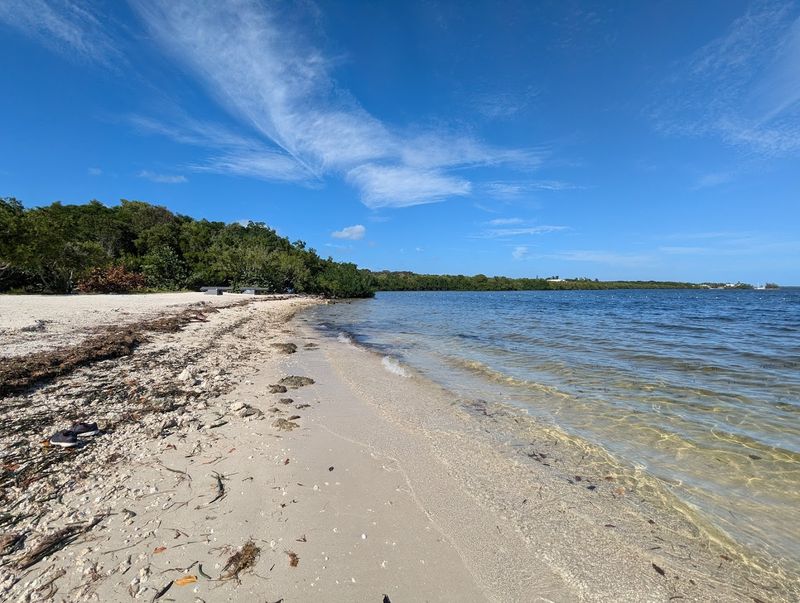
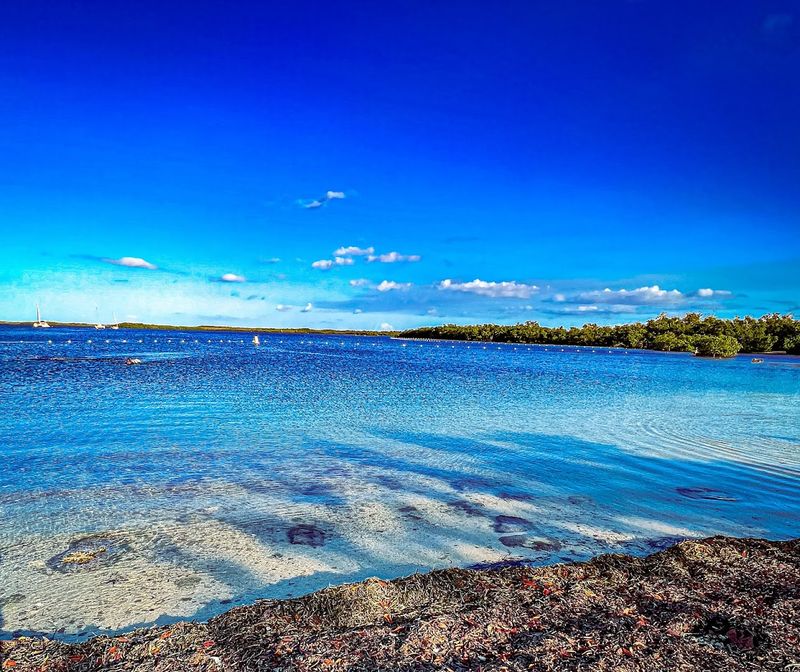
The beaches here are small by Florida standards, but what they lack in size they more than make up for in character. The water is clear and calm on most days, and the bottom transitions from soft sand to scattered seagrass, which is a sign of a healthy marine ecosystem rather than a flaw in the scenery.
Swimming areas are designated and watched over by park staff, and the water is generally shallow enough for kids to splash around comfortably. On days when marine life advisories are in effect, like jellyfish or stinging creatures passing through, the park posts notices and keeps swimmers informed, which is a thoughtful touch that keeps the experience safe.
The beaches also serve as a launching point for snorkelers who want to explore the nearshore reef structures without booking a boat tour. There is a simulated shipwreck feature in the swimming area that draws fish and makes for a fun, low-effort snorkeling experience.
Iguanas frequently lounge near the docks at midday, completely unbothered by human activity, and watching them is its own small entertainment. The park has bathrooms, showers, and changing facilities nearby.
The Visitor Center and Aquarium

Before heading out on the water, a stop at the visitor center gives you a useful preview of what you are about to see below the surface. The aquarium inside the center houses a variety of fish species native to the Florida Keys coral reef, displayed in tanks that let you get close enough to appreciate the detail of their colors and behavior.
The exhibits also cover the ecology of the reef system, the history of the park, and the conservation efforts that keep this underwater world functioning. It is a compact space, so do not expect a full-scale aquarium experience, but as an orientation tool and a rainy-day backup plan, it works well.
Kids especially enjoy the aquarium section because it brings the reef within arm’s reach before they ever put on a mask. The visitor center staff are knowledgeable and happy to answer questions about tour schedules, current water conditions, and which sites are worth visiting on any given day.
Your park entrance ticket is valid all day, so you can visit the center in the morning, head out on the water, and circle back in the afternoon without paying again.
The Mangrove Boardwalk Trail
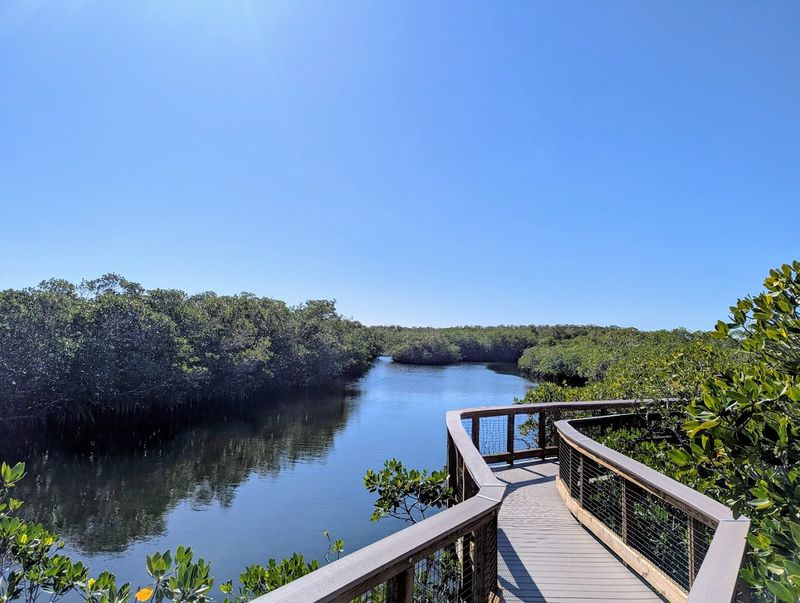
Even visitors who have zero interest in getting on a boat or in the water will find something genuinely rewarding along the mangrove boardwalk. The trail winds through a dense coastal forest where red and black mangroves grow in tangled formations above the water, their root systems creating a habitat for juvenile fish, crabs, and birds.
The walk itself is short and accessible, making it a good option for families with strollers or anyone who prefers a gentler pace. The canopy provides shade, which is a welcome relief during Florida’s warmer months, and the trail is well-maintained with clear signage throughout.
Wildlife sightings are common along the boardwalk. Great blue herons, anhingas, and various shorebirds are regular residents, and the occasional raccoon makes a cameo near the water’s edge.
The boardwalk can be reached by foot from the main park area or by driving to a separate parking spot, depending on your preference. At sunset, the light that filters through the mangrove canopy turns everything golden, and the reflection on the still water below is the kind of scene that earns a permanent spot in your camera roll.
Camping at the Park

Spending a night or two at this park changes the experience entirely. The campground sits within the park boundaries, which means you wake up to the sound of water and birdsong instead of traffic, and the reef is just minutes away whenever you are ready to explore it.
The campsites accommodate tents, pop-up campers, and some RVs, though the spaces can feel snug for larger motorhomes. Full hookup sites are available, along with restrooms, showers, and a camp store where you can pick up basic supplies if you forgot anything at home.
Camping here puts you in the park before the day-trippers arrive, which means you can claim a prime spot on the beach or be first in line for a morning snorkel tour without rushing. The night sky over the Keys is remarkably clear on calm evenings, and the absence of heavy light pollution makes stargazing a worthwhile activity after dark.
Reservations fill up fast, especially during winter months when snowbirds descend on the Keys in full force, so booking well in advance is not just a suggestion but a genuine necessity.
Wildlife You Can Expect to See
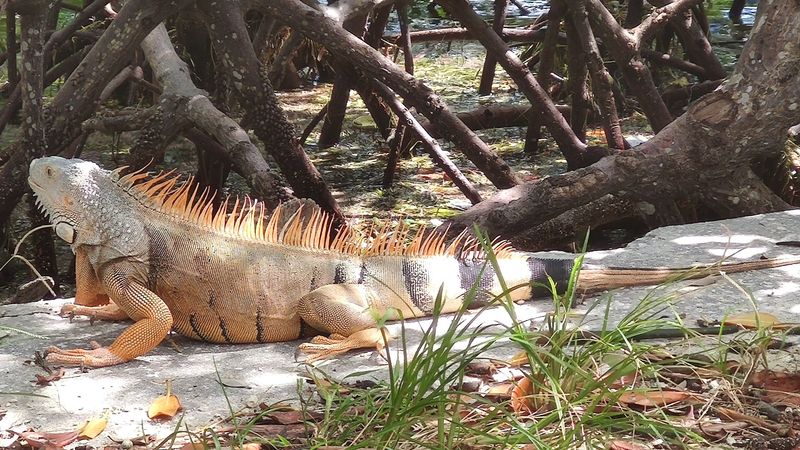
The variety of wildlife at this park is one of its most compelling features, and it shows up in places you might not expect. Above the water, osprey and pelicans dive for fish while iguanas bask on sun-warmed rocks near the dock, completely indifferent to the humans walking past them.
Below the surface, the reef supports an extraordinary cast of characters. Parrotfish crunch on coral with a sound you can actually hear underwater.
Queen angelfish drift through the formations in slow, deliberate arcs. Nurse sharks rest motionless on the sandy bottom, and green sea turtles glide overhead with a kind of calm authority that makes you feel like you are the guest in their world, not the other way around.
Stingrays are frequently spotted both in the shallow swimming areas and on snorkel tours, and they tend to be relaxed around swimmers who keep a respectful distance. Moray eels peer out from reef crevices, and schools of blue tang move together in synchronized bursts.
The biodiversity here reflects decades of active conservation, and spending even an hour in the water makes that effort feel deeply worthwhile.
Gear Rentals and What to Bring
One of the most practical things about this park is how well it handles visitors who show up without their own equipment. The rental shop carries masks, fins, snorkels, wetsuits, and paddleboards, so there is genuinely no need to travel with a full gear bag unless you prefer your own kit.
Wetsuits are worth renting even in warmer months if you plan to spend extended time in the water, since they add comfort and a layer of protection against jellyfish and sunburn. The shop also stocks basic swimwear, sunscreen, dry bags, and waterproof phone holders, which covers the most common things people forget to pack.
A few things the shop does not cover: towels and drinking water. Bring your own supply of both, because you will go through more water than you expect in the Florida heat, and a dry towel after a snorkel session feels like a small luxury.
The Blue Heron food truck operates on-site and serves solid food and refreshments, so you will not go hungry between activities. Arriving early is consistently the best strategy, especially on weekends when the park fills up quickly.
Best Time of Year to Visit

The Florida Keys enjoy warm weather year-round, but the timing of your visit makes a real difference in what you get out of the park. Winter months, roughly November through April, bring the most comfortable temperatures, calmer seas, and better underwater visibility, which is why the park sees its heaviest traffic during that stretch.
Summer visits come with higher heat and humidity, afternoon thunderstorms that can cut water activities short, and the possibility of more marine life advisories due to jellyfish or other stinging creatures moving through the area. That said, summer also brings lush, vivid colors to the landscape and slightly less competition for campsites and trail space on weekday mornings.
Spring break is predictably busy, and holiday weekends in any season tend to fill the parking areas early. Arriving at opening time, which is typically 8:00 a.m., gives you the best chance of a relaxed experience before the crowds build.
Weekday visits in January or February offer the sweet spot of good weather, calm water, and a pace that lets you actually absorb the place rather than navigate around other people’s selfie sticks.
Picnic Areas and Family-Friendly Amenities

Families who want a full day out without the stress of finding food, facilities, or shade will find that this park handles the basics thoughtfully. Covered picnic shelters are spread throughout the park, clean and well-maintained, and positioned close enough to the water to make lunch feel like part of the adventure rather than a break from it.
The shelters fill up on busy days, so arriving early gives you the best pick of locations. Some spots sit right at the edge of the mangroves, where the breeze comes off the water and the shade is dense enough to make the Florida heat genuinely manageable.
Restrooms, showers, and a bathhouse are available on-site, which matters a lot after a morning in saltwater. The park also has a boat ramp for visitors who bring their own watercraft, and the combination of beach access, trails, rental equipment, food, and facilities means a family can spend an entire day here without needing to leave for anything.
The iguanas wandering near the dock at midday have become an unofficial mascot situation, and watching them is free entertainment that kids consistently love.



