 Unearth The Voyage
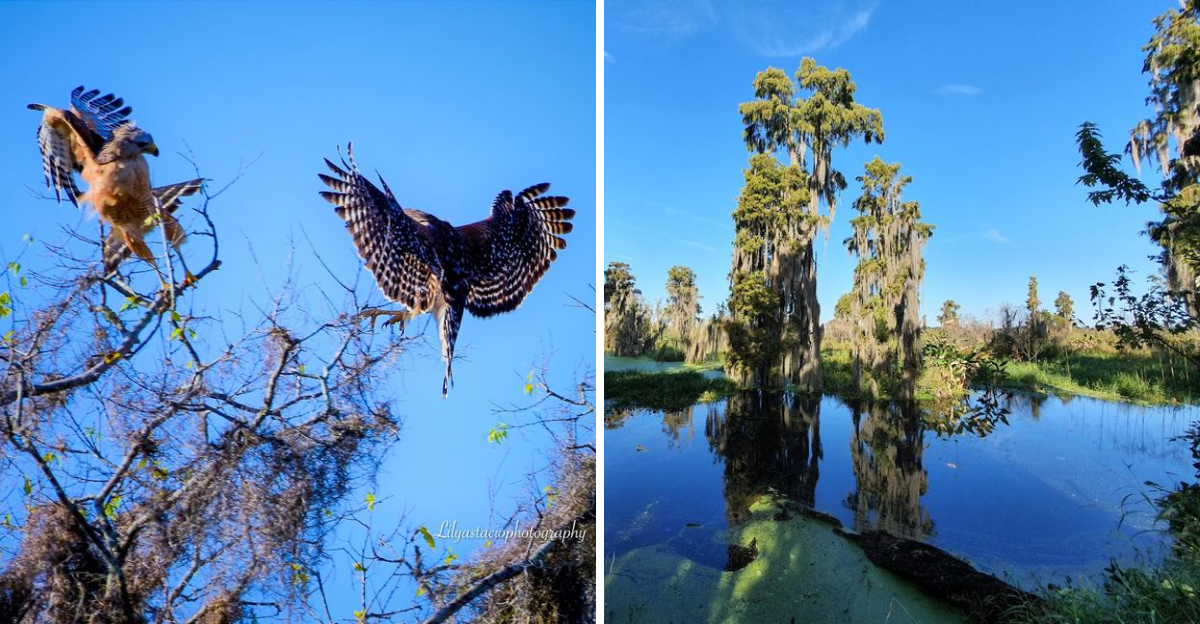
Florida has a place where the trails whisper, the water shimmers, and the wildlife does not need a stage manager. You step out of the car, hear a red shouldered hawk, and suddenly your plans for a quick walk turn into hours.
The paths here serve up gators, eagles, river views, and a cast of creatures that seems to rotate every few minutes. Keep reading, because this reserve rewards curiosity with moments that feel both cinematic and deeply personal.
Getting There and First Impressions
Navigation guides me to 4399 Winter Lake Rd, Lakeland, FL 33803, and the scene shifts from suburban to wild in a single turn. The parking lots feel straightforward, the welcome board sets the tone, and the hush of the marsh immediately dials down the day.
I check the posted hours and trail notices, then set out with water and a plan.
Lake Hancock glints through the trees, and the air carries a sweet tea blend of tannins, salt free breeze, and sun warmed vegetation. Trails are well packed, leveled, and clearly signed, which simplifies choices when the map looks like spaghetti.
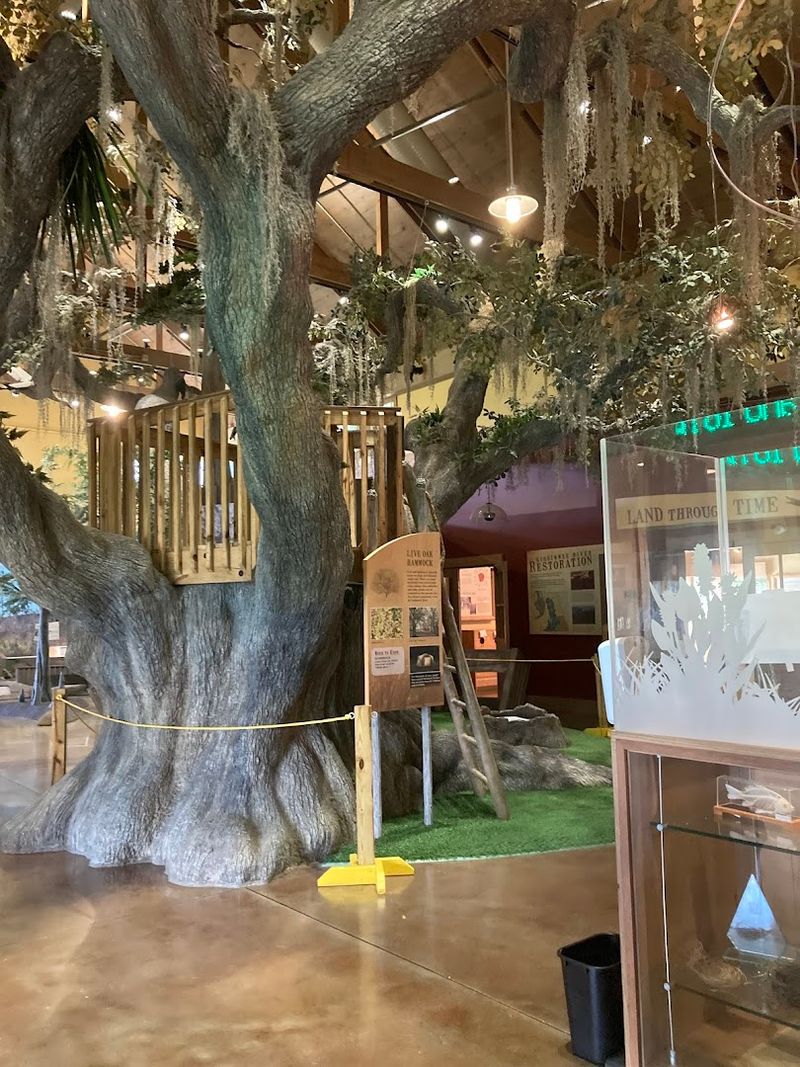
A quick stop at the Discovery Center frames the visit with exhibits that make the birds and plants feel like neighbors.
First steps on the path reveal what this reserve does best. It slows time, sharpens focus, and invites a second lap before the first one ends.
Alligator Alley Highlights
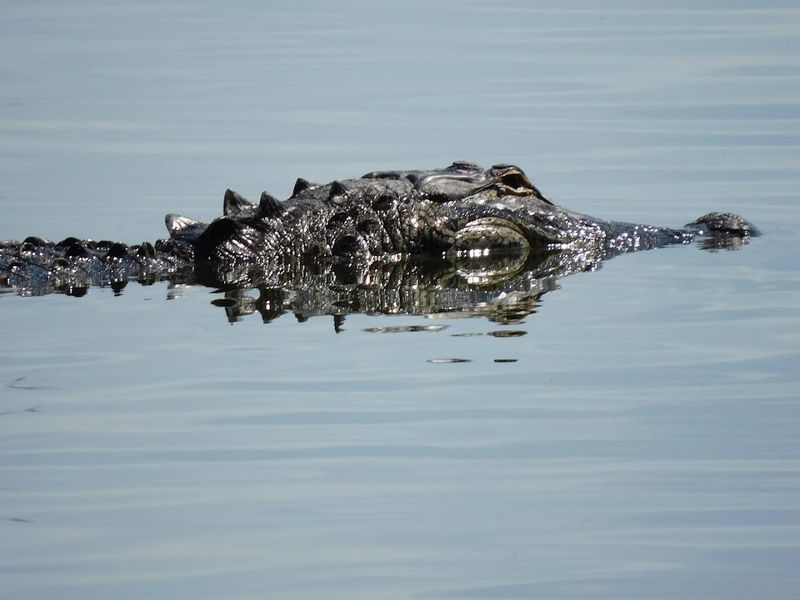
Alligator Alley lives up to the name without theatrics. The levee edges between water on both sides, and the surface sometimes ripples with a casual tail flick.
I keep a respectful distance, give right of way, and let the camera do the leaning.
Winter and spring bring cooler air and clearer views, but the midday sun still warms the backs of basking reptiles. Waders lift off like slow motion umbrellas, and turtles stack on logs as if saving seats.
During mating season the trail may close for safety, so a quick call ahead saves a detour.
Every bend offers a new cameo, from green herons to red bellied sliders to the occasional otter. Step lightly, speak softly, and the wild keeps working as if no one is watching.
When the breeze hits the sawgrass just right, the entire corridor hums with quiet energy.
Bald Eagles and Ospreys Overhead
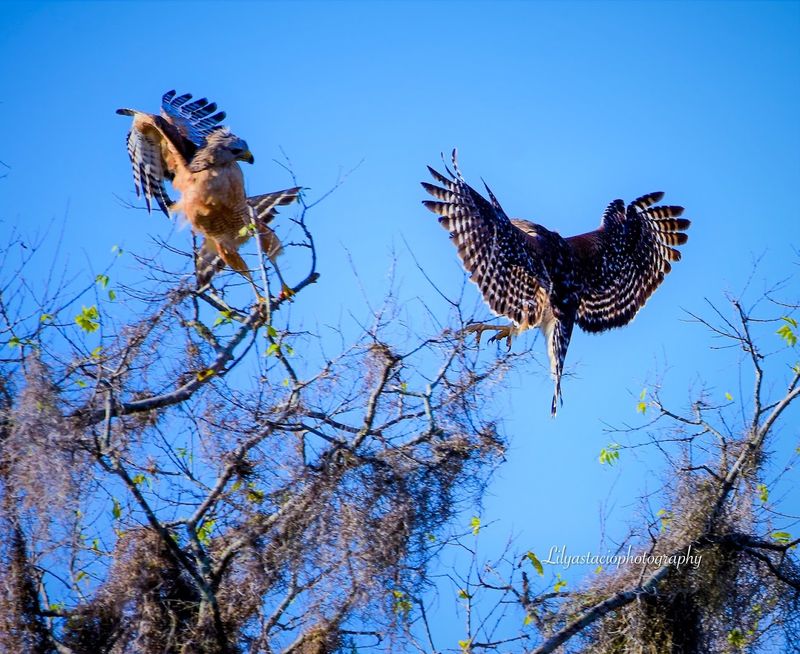
Eyes up, and the sky becomes a field guide. Ospreys patrol like kites with purpose, then fold and drop with a splash that ends in a glittering fish lift.
Bald eagles sometimes chase, sometimes guard a favorite perch, and always command attention.
Mornings deliver the best flight shows, with rising thermals and good backlighting along Lake Hancock. Bring binoculars, not just a camera, because tracking a spiral ascent feels better than scrolling later.
On breezy days, the glide paths flatten and the silhouettes sharpen against white cloud anvils.
Sometimes the action erupts right above the parking lot, which makes early arrival doubly worth it. Stand still, listen for high whistles, and the raptors usually reveal themselves.
When talons meet water and beadlets fly, you understand why this reserve turns casual walkers into bird people by lunchtime.
Marsh Rabbit Run and Quiet Corners

Marsh Rabbit Run trades spectacle for subtlety. The trail narrows, grass brushes calves, and the soundtrack switches to rustles and chirps.
A small brown blur pauses just long enough to reveal dark ears and a quick heartbeat.
This route works for mid morning shade and measured steps when the sun climbs. Benches appear at welcome intervals, perfect for water breaks and quiet stares across lily pads.
Dragonflies patrol in straight lines, and every stump looks like a stage for an anhinga.
Foot traffic feels lighter here, which makes patience pay off. Look for bobcat prints after rain, though sightings remain rare gifts.
Even on busy weekends, this loop gives space to exhale, reset, and find a small story happening under knee level grass.
Shady Oaks and Spanish Moss
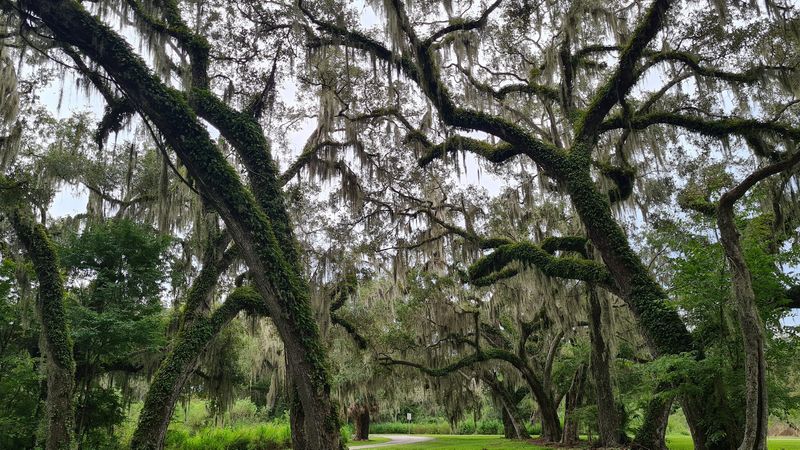
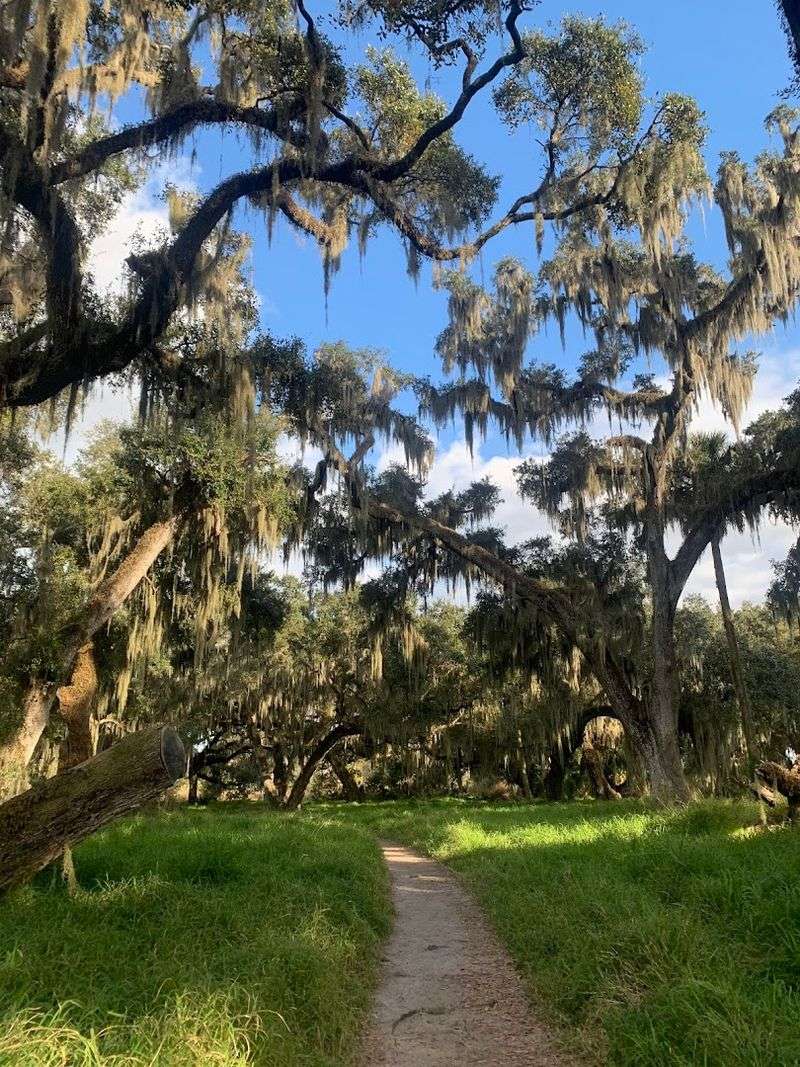
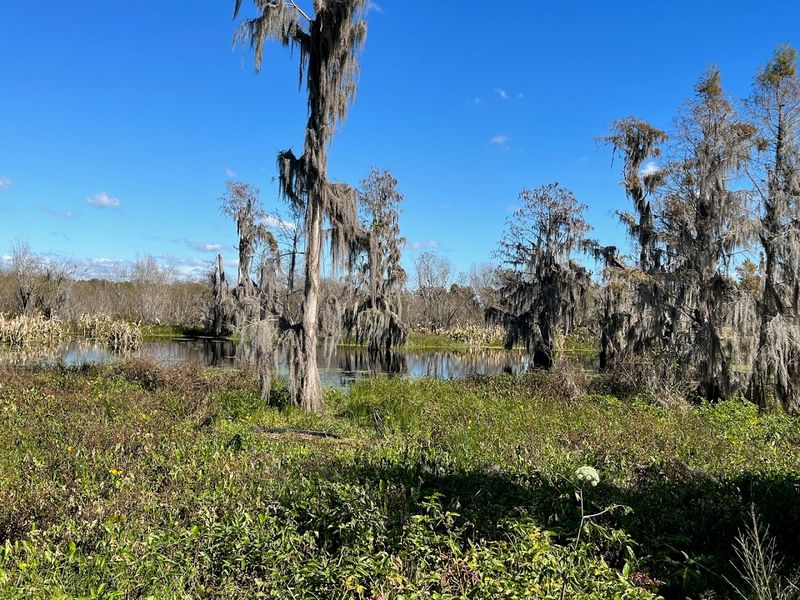
Not every step hugs open water, and the oak corridors deliver a welcome cool down. Branches knit together like a low ceiling, Spanish moss sways, and the light turns watercolor soft.
Footfall noise tucks into the leaf litter and stays there.
These shaded stretches connect the headline trails and keep energy steady for a longer loop. Warblers love this cover, so slow the pace and scan horizontal branches.
A pocket breeze funnels through and turns a humid day into something manageable.
Families appreciate the break from sun as much as photographers who chase soft contrast. The canopy frames portraits and close up shots without harsh glare.
By the time the trail opens back onto a levee, the eyes feel rested and ready for the next big view.
Lake Hancock Vistas
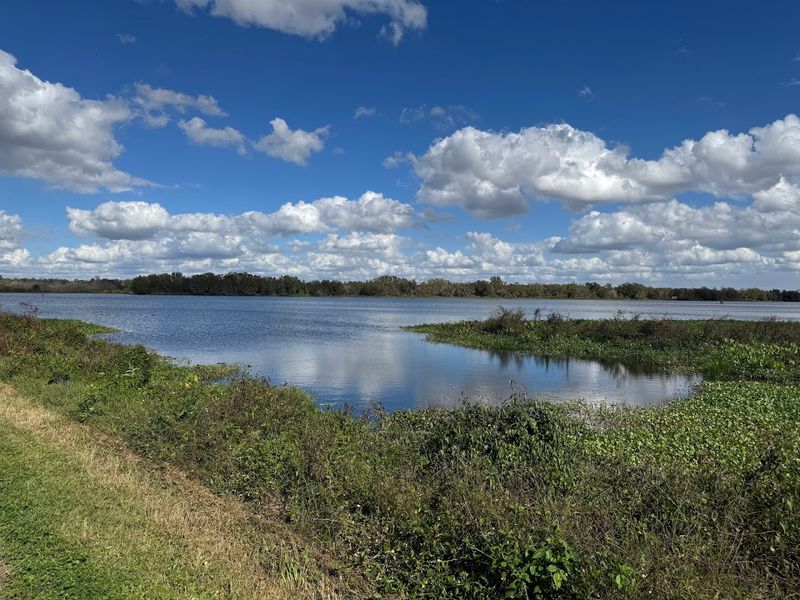
Lake Hancock sits like a quiet amphitheater at the edge of the reserve. The water carries clouds across its face, and the shoreline stages a steady roll call of herons.
A slight ripple turns reflections into brushstrokes.
Sunrise sits in the sweet spot for color and cooler air. Evenings work too, with warm light flattening waves and pulling detail from reeds.
Tripods feel at home here, though a stable railing makes a decent stand in.
The lake’s stillness contrasts with the chatter of trails, which makes this pause feel earned. Scan far for dot sized ducks, then swing close for a stalking egret.
When a fisher bird nails the landing on a dead snag, the whole scene tightens into a tidy memory.
Wild Pigs, Hogs, and Respectful Distance
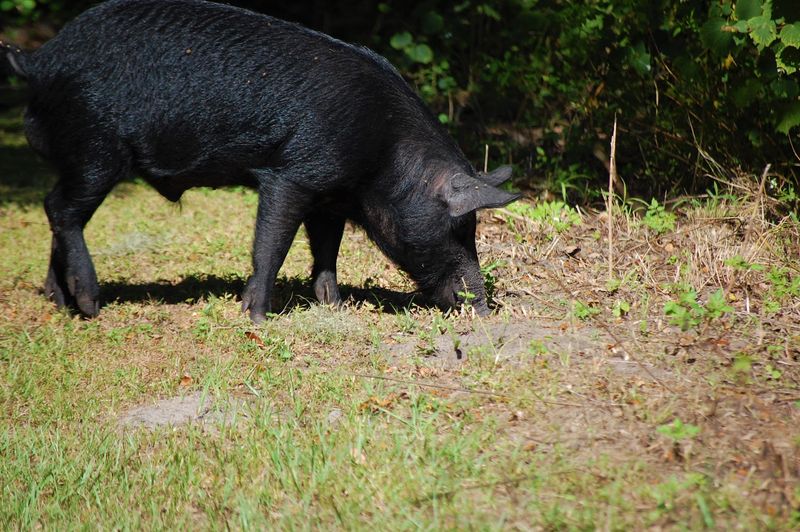
Yes, wild pigs live here, and the surprise never quite fades. Most keep to themselves, snuffling like tiny tractors through palmetto fans.
I step wide, keep space, and let them move first.
Early and late hours raise the odds of a sighting, especially near quieter side paths. Rangers remind visitors to stay alert, and that advice holds up across seasons.
A calm stance and slow retreat solve most encounters before they become stories.
Seeing hogs while eagles cruise above and turtles plop nearby captures this reserve’s real rhythm. It is a working ecosystem, not a petting zoo, and the guidelines protect everyone.
With a respectful buffer and a steady heart rate, the moment settles into a vivid, safe memory.
Seasonal Strategies and Weather
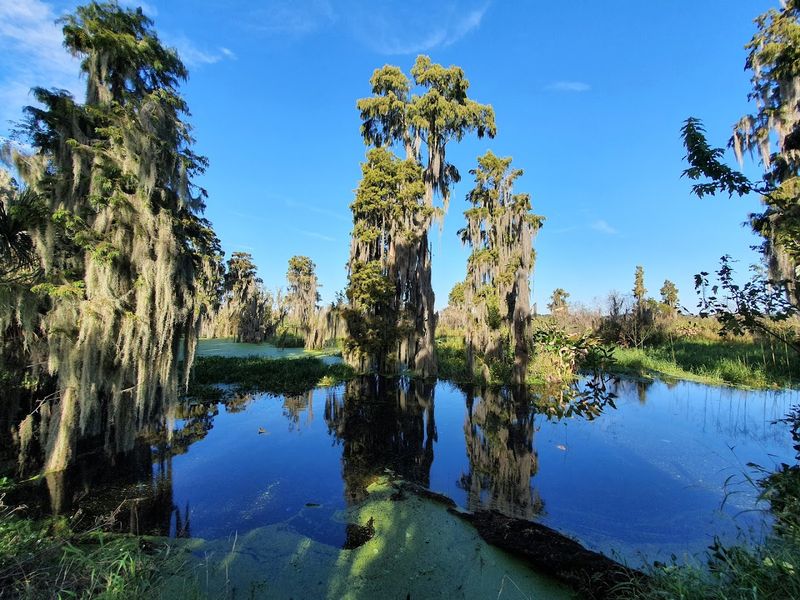
Timing shapes what you see and how it feels. Winter and early spring bring crisp mornings, big bird counts, and forgiving humidity.
Summer turns the dial to hot, so shade breaks and extra water become non negotiable.
Afternoon storms build fast on sultry days, and the rumble carries across the marsh. Trails drain well, but puddles linger, so shoes with grip help.
Mosquito levels rise with heat, and a light repellent keeps focus on wildlife instead of ankles.
Weekdays feel calmer than weekends, and early starts beat both crowds and glare. Golden hours hug the best color and cooler temps, no surprise there.
When the breeze freshens after a cloudburst, the smells pop and the birds get talkative again.
Discovery Center and Helpful Staff
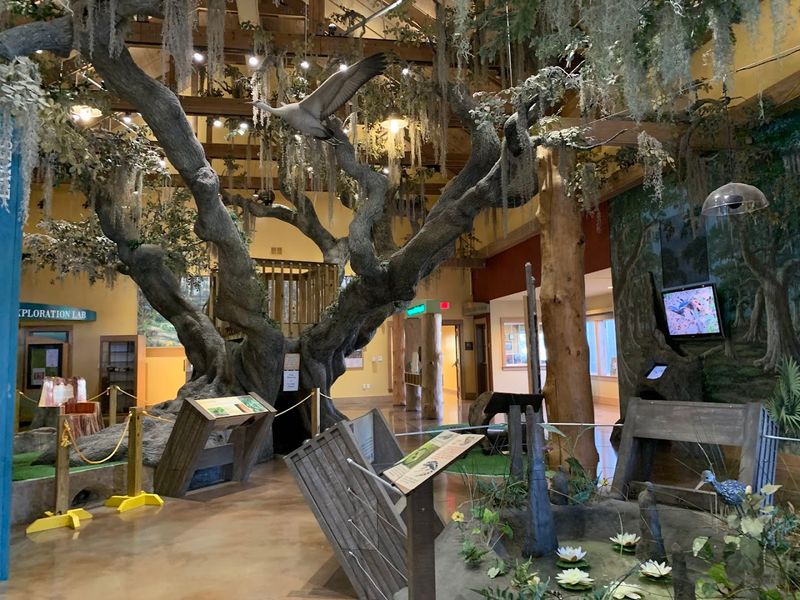
The Discovery Center sets you up for success without feeling like homework. Exhibits explain habitats, trail etiquette, and residents with clean, hands on clarity.
Staff answer questions with local depth that only comes from miles on these paths.
When the center is open, I grab a printed map and check for trail closures. Nature programs pop up seasonally, and families drift out smiling with new trivia.
Even if doors are shut for a holiday break, the posted boards outside cover essentials.
This stop tightens the whole day by aligning expectations with reality. Knowing which loop offers shade or which outlook holds recent eagle action makes every step feel wiser.
Walk out the door and the map in your head finally lines up with the ground.
Photography Tips Without Fuss
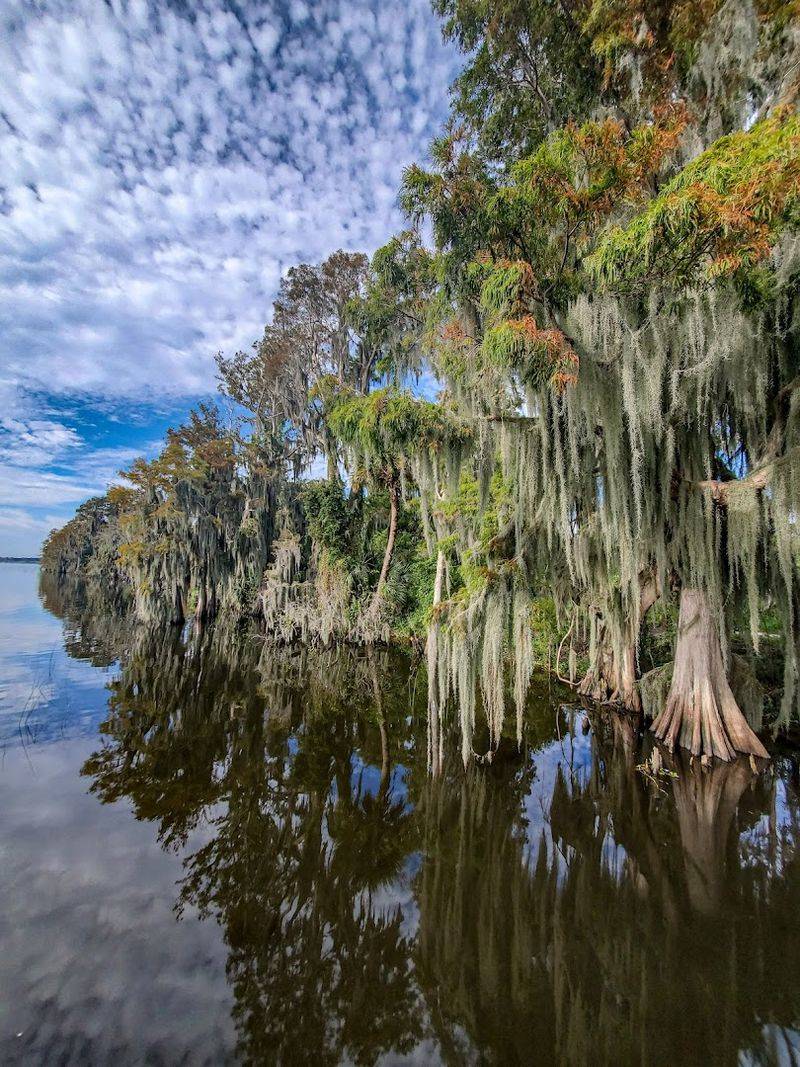
Good photos here come from patience more than gear. A mid range zoom handles landscapes and closer birds, while a longer lens covers skittish raptors.
Keep shutter speeds brisk for flight, and let ISO rise rather than miss the moment.
Ethics matter more than pixels. Stay off the vegetation, give animals room, and pass spots to others after you get the shot.
Polarizers help on water glare, and a small towel rescues lenses from sudden mist.
Backlit wings over Lake Hancock sing with detail in the first hour after sunrise. Side light on Alligator Alley turns scales into texture without harsh shadows.
Pocket the phone for quick videos, then switch back to eyes only to enjoy the show.
Family Friendly Planning
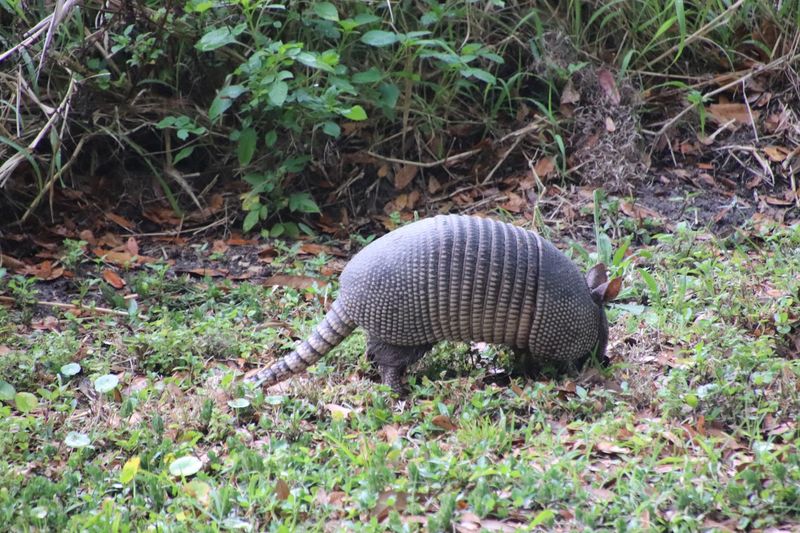
Bringing kids shifts the pace in a good way. Short loops near the main lot deliver quick wins, birds at eye level, and frequent benches.
Restrooms stay clean, and shaded segments lower the chance of cranky afternoons.
Pack snacks, water, hats, and simple binoculars so everyone can share a sighting. Point out trail markers and make a game of spotting turtles or cardinals.
Bikes roll smoothly on many paths, though common courtesy keeps speeds in check around walkers.
Wildlife feels close without being risky if you stick to levees and rules. Teach the no feeding, no touching mantra early and watch confidence grow.
By the time nap hour nears, the day already holds a highlight reel.
Biking the Reserve
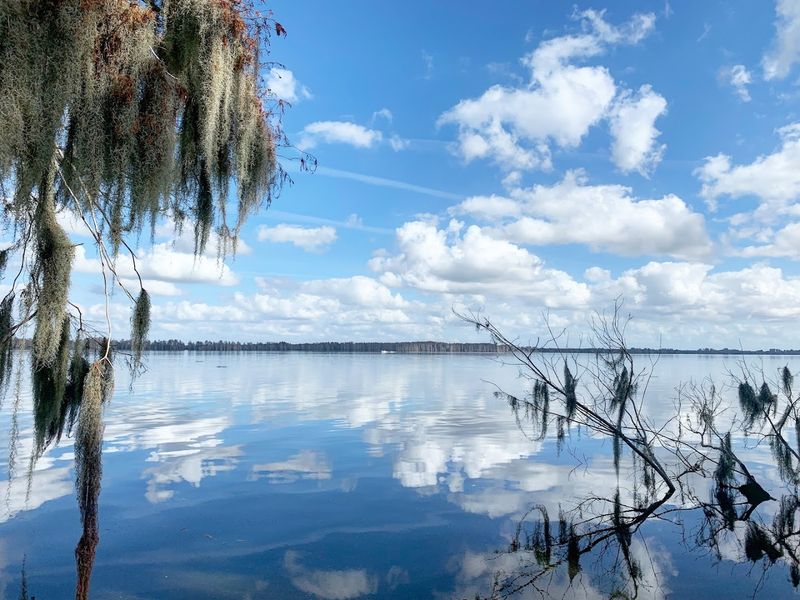
Two wheels change the rhythm and expand the map. The packed dirt rolls fast when dry, and wider levees handle passing with neighborly ease.
I ring a bell on blind corners and slow to walking speed near clusters of birders.
E bikes glide fine where bikes are permitted, and low assist preserves battery while keeping the ride mellow. Wildlife still steals the spotlight, with gators and turtles lounging like mile markers.
A small handlebar bag carries water, repellent, and a lightweight lock.
After rain, the surface softens and traction drops, so patience beats skids. Midweek mornings keep traffic light and views clear.
Park the bike for short spur walks to overlooks, then roll on with a fresh breeze.
Trail Etiquette and Safety Basics
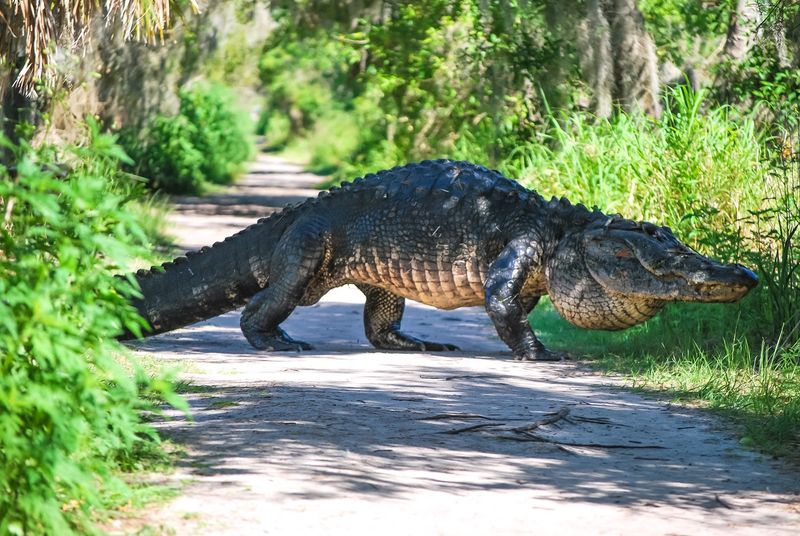
Common sense builds the best day out here. Stay on marked trails, yield with a smile, and keep voices low around active wildlife.
Distance is your friend when animals cross or bask near the edge.
Water, sun protection, and closed toed shoes turn long loops into comfortable strolls. Check the board for closures and respect seasonal restrictions without grumbling.
Trash goes out with you, and snacks stay in your pack until a bench presents itself.
Phone service varies by pocket, so a downloaded map helps. Share big sightings, not locations of sensitive nests, and everyone wins.
With a little courtesy, the reserve runs like a well tuned orchestra you get to sit inside.
Birding Beyond the Headliners
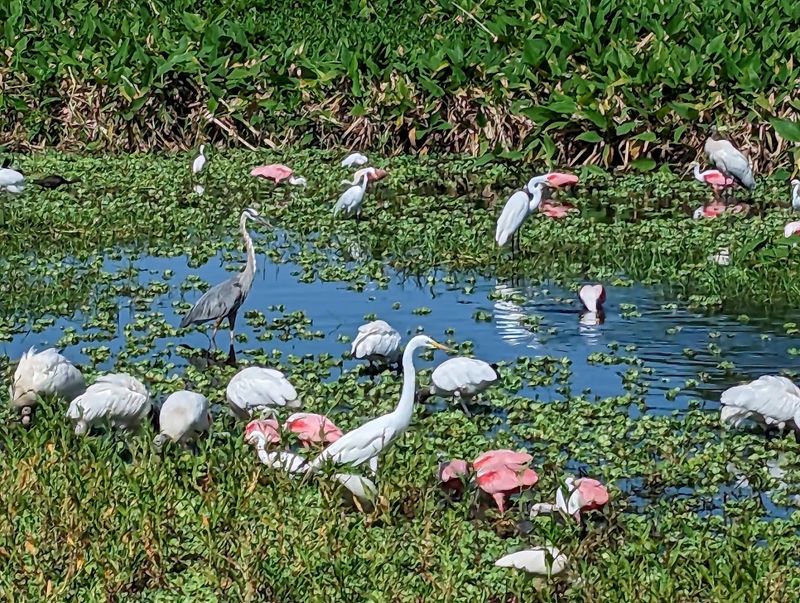
The marquee species get the posters, but the supporting cast steals scenes all day. Limpkins wail like opera students and pry snails with slow ceremony.
Sandhill cranes stroll with a calm stride that makes traffic stop on its own.
Great blue herons pose like statues until a sudden jab flips the script. Tricolored herons pick edges, snowy egrets go bright against dark water, and moorhens chug past like tiny tugboats.
Each bird holds court in a micro territory you can learn with repeat visits.
Bring a small notebook or use voice notes to track habits and spots. Patterns emerge, and your second trip feels like a reunion.
By afternoon, the field guide on your phone starts to look like a trusted friend.
Facilities, Parking, and Hours
Logistics stay refreshingly simple here. Parking is free, lots are well marked, and spaces turn over frequently after the morning rush.
Restrooms and picnic areas keep the day grounded between loops.
Posted hours typically run 5:30 AM to 8 PM, and the gates reflect that schedule. I aim to arrive near opening for cooler air and open trails.
When crowds build, the reserve’s miles still absorb people better than expected.
Grab a photo of the map at the kiosk in case phone service dips. Note any temporary closures and pivot your route without fuss.
The less time spent figuring things out, the more time spent watching a heron miss, then nail, the second attempt.
Best Routes for Short Visits
Short on time does not mean short on payoff. A compact loop linking the main lot boardwalk, an Alligator Alley segment if open, and a lakeside overlook fits into an hour.
Wildlife density stays high close to parking, so you can still collect great moments.
For a 90 minute visit, add Marsh Rabbit Run for shade and variety. Keep the pace steady, skip long detours, and pause only when the view insists.
Ending near the Discovery Center tightens the story with context.
These bite sized routes turn a casual stop into a highlight of a Lakeland day. You leave with photos, a new bird on your list, and a plan to come back.
The calendar fills fast once a place proves it respects your time.
A Slow Farewell
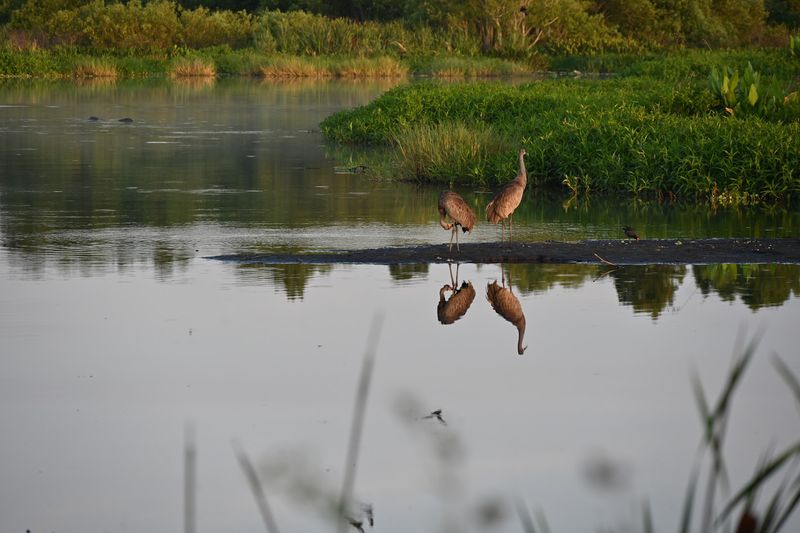
On the walk back, the light softens and the sounds turn low. Feet feel pleasantly used, pockets hold a few grainy photos, and the mind plays back tiny scenes.
The day stretched without strain.
Circle B Bar Reserve in Lakeland, Florida earns return trips by making every visit feel new. Trails stay familiar while the cast rotates, and that balance keeps curiosity primed.
Doors close at 8 PM, but the story keeps running long after the gate clicks shut.
If this spot fits your travel plans, save it and plan a morning soon. Bring water, patience, and a flexible route, then let the place set the pace.
The next great sighting might be waiting one bend ahead.



