 Unearth The Voyage
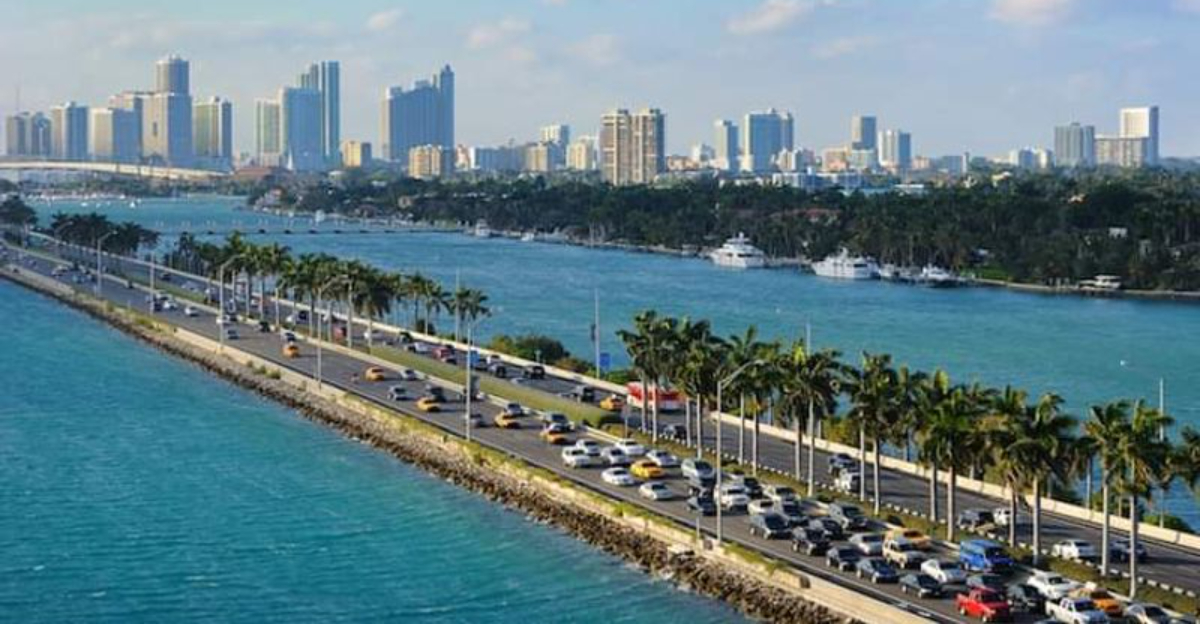
Florida has a way of making every outsider think they know exactly what it’s like to live there. The palm trees, the beaches, the year-round warmth – it all looks like one long holiday.
But talk to anyone who actually calls this state home, and you’ll hear a very different story. From surprise weather events to wildlife showing up in the most unexpected places, everyday life in Florida is a mix of beauty, quirk, and genuine challenge that no travel brochure ever covers.
This article pulls back the curtain on what it truly means to live in the Sunshine State, going beyond the tourist highlights to explore the real rhythms, realities, and rewards of Florida life.
Where Florida Actually Sits on the Map
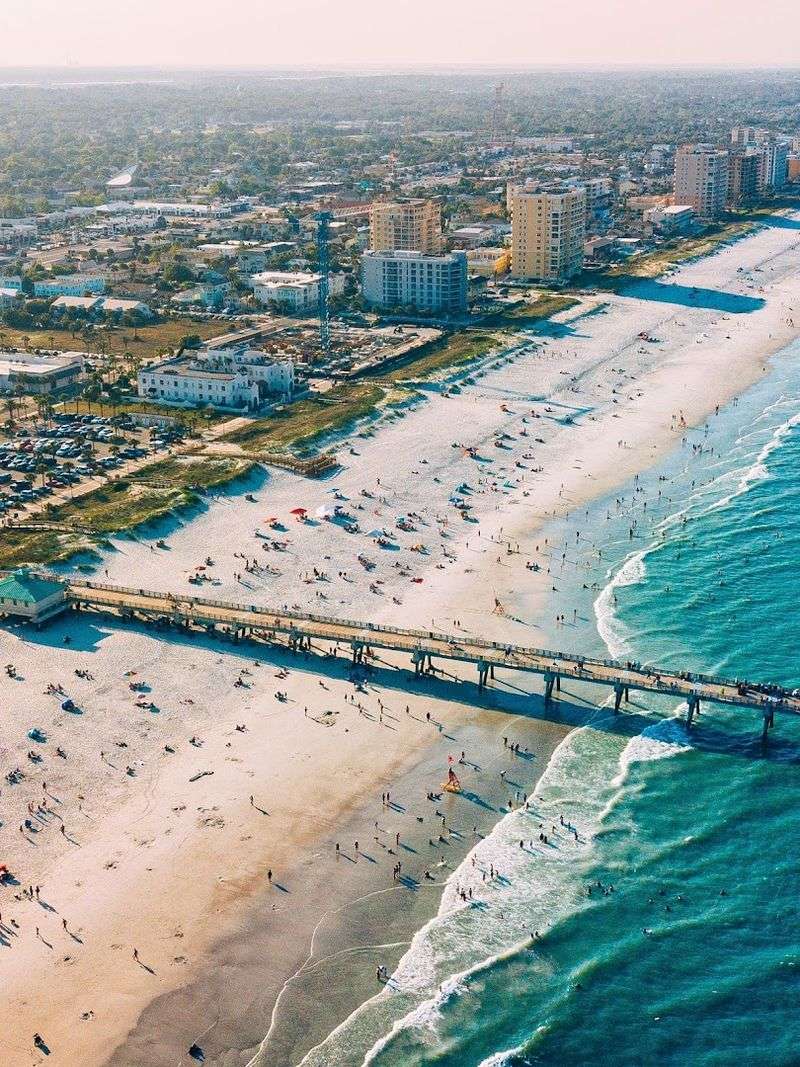
Florida occupies the southeastern tip of the United States, jutting southward like a long thumb between the Atlantic Ocean to the east and the Gulf of Mexico to the west. The state’s official website is myflorida.com, and its geographic coordinates place it roughly at 27.66°N, 81.52°W, making it one of the most southerly points in the continental U.S.
That position matters more than people realize. Being so far south means Florida shares a climate closer to the Caribbean than to most of the rest of America.
Winters are mild, summers are brutal, and the humidity is a constant companion that no amount of air conditioning fully defeats.
The state covers about 65,758 square miles and is home to over 22 million residents. Geography here shapes everything, from what grows in the backyard to how people plan their daily commutes around afternoon thunderstorms.
The Weather Is Not Always a Postcard
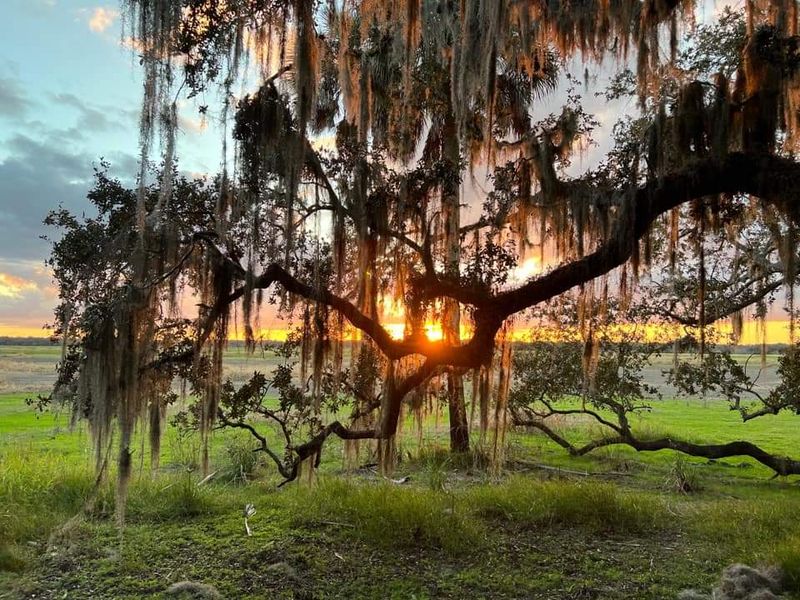
Tourists see Florida weather through a highlight reel. Residents live through the full season, including the part where a perfectly clear morning turns into a sideways rainstorm by 2 p.m. without a single warning from your weather app.
Summer in Florida is not just hot – it’s the kind of hot where stepping outside feels like opening a dishwasher mid-cycle. The humidity regularly pushes heat indexes above 105 degrees Fahrenheit, and afternoon thunderstorms roll in almost daily from June through September.
Then there’s hurricane season, which officially runs from June 1 through November 30. Long-time Floridians develop a calm, almost practiced routine around storm prep that genuinely surprises newcomers.
The flip side is that winters here are genuinely pleasant. From November through March, temperatures stay comfortable and the air loses that suffocating thickness, which is exactly when the rest of the country starts envying Florida residents all over again.
Wildlife Does Not Stay in the Wild
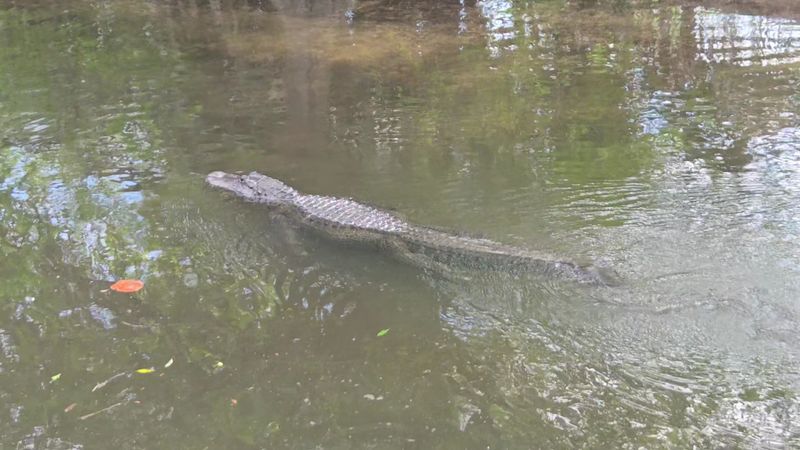
One of the first things newcomers learn is that Florida wildlife has absolutely no respect for property lines. Alligators show up in backyard ponds, swimming pools, and golf course water hazards with a frequency that locals treat as background noise.
The Florida Fish and Wildlife Conservation Commission fields tens of thousands of nuisance alligator calls every single year. Beyond gators, residents regularly encounter black bears raiding trash cans, sandhill cranes blocking traffic, and armadillos tearing up freshly planted gardens.
Snakes are another common visitor, and while most are harmless, Florida is home to several venomous species including the eastern diamondback rattlesnake and the cottonmouth. Learning to identify what’s in your yard becomes a practical life skill rather than a hobby.
The wildlife situation is genuinely one of the most uniquely Floridian parts of daily life, and it never fully stops surprising people, no matter how many years they’ve lived here.
The Real Cost of Living in the Sunshine State
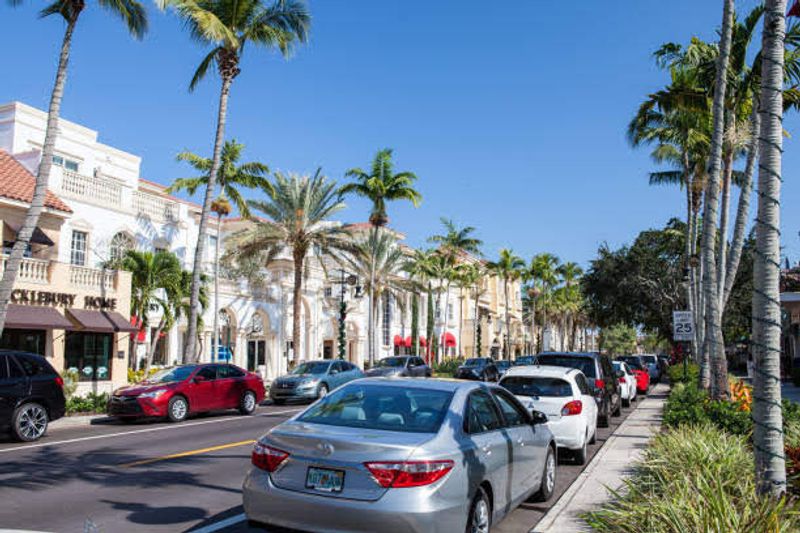
Florida has no state income tax, which sounds like a dream until you start adding up everything else. Property insurance has become one of the most talked-about financial burdens for Florida homeowners, with premiums skyrocketing in recent years due to hurricane risk and a complicated insurance market.
Home prices in many parts of the state have climbed sharply, especially since 2020, when a massive wave of out-of-state buyers pushed values up faster than local wages could keep pace. Cities like Miami, Tampa, and Orlando now rank among the least affordable housing markets in the country relative to local incomes.
Utilities also run higher than many expect, because keeping a home cool in Florida heat means air conditioning runs almost constantly for six or more months a year. Grocery and gas prices vary by region, but overall, the cost of living is noticeably higher than the national average in most major Florida metros.
Miami: Culture, Energy, and Complexity
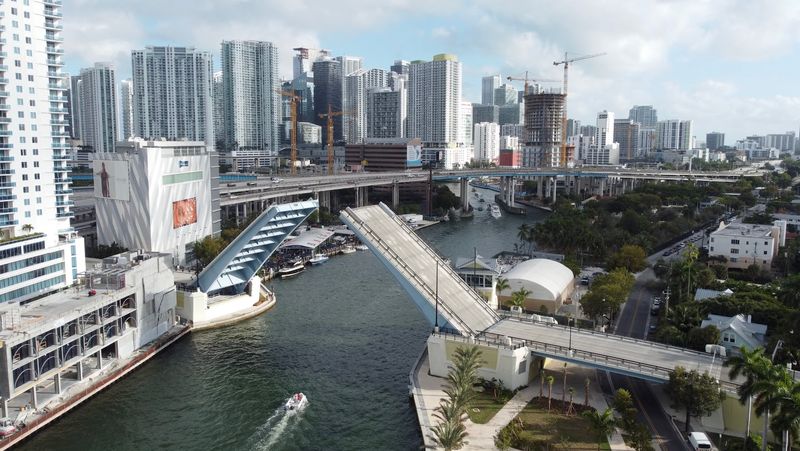
Miami is unlike any other city in the United States, and that’s not hyperbole – it’s just geography and history doing their work together. Latin American cultural influences run so deep here that Spanish is genuinely the primary language in many neighborhoods, and the food, music, and social rhythms reflect that heritage every single day.
South Beach draws visitors from around the world with its pastel Art Deco architecture, white sand beaches, and a social scene that operates on its own time zone. The arts community here is serious and internationally recognized, with Art Basel Miami Beach drawing major collectors and artists each December.
Living in Miami, though, means navigating some of the worst traffic in the country, sky-high rent, and a pace of life that can feel relentless. It rewards those who embrace its energy fully, but it has a way of wearing down people who expected the postcard version of Florida instead.
Orlando Beyond the Theme Parks
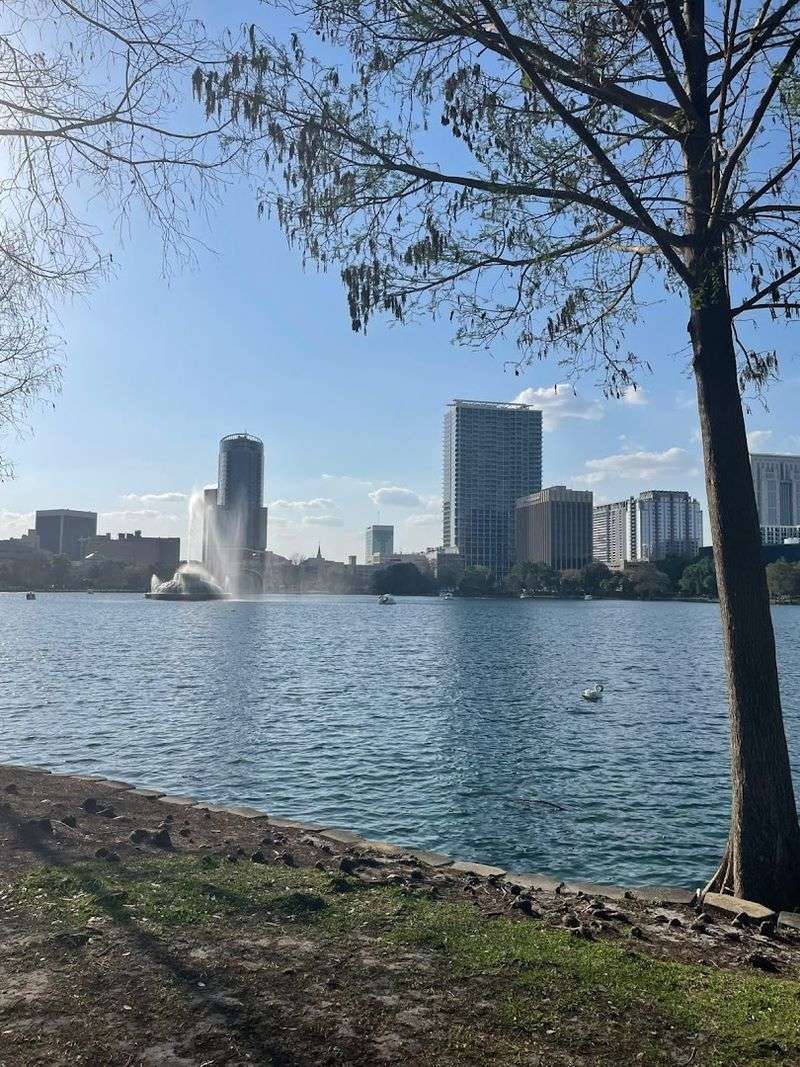
Most people think of Orlando as the theme park capital of the world, and they’re not wrong – Walt Disney World, Universal Orlando Resort, and SeaWorld are all here, drawing tens of millions of visitors every year. But the people who actually live in Orlando experience a city that has grown into something much more layered than its tourist identity suggests.
The local food scene has expanded dramatically over the past decade, with independent restaurants, food halls, and farmers markets giving residents options well beyond the resort corridor. Neighborhoods like Thornton Park, College Park, and Mills 50 have developed genuine character and community identity.
The flip side of living near the world’s most visited tourist destination is that traffic on Interstate 4 is a daily ordeal that locals accept the way other cities accept bad weather. Still, Orlando’s job market, relatively lower home prices compared to Miami, and access to both coasts make it a genuinely practical place to build a life.
The Beach Life Reality Check
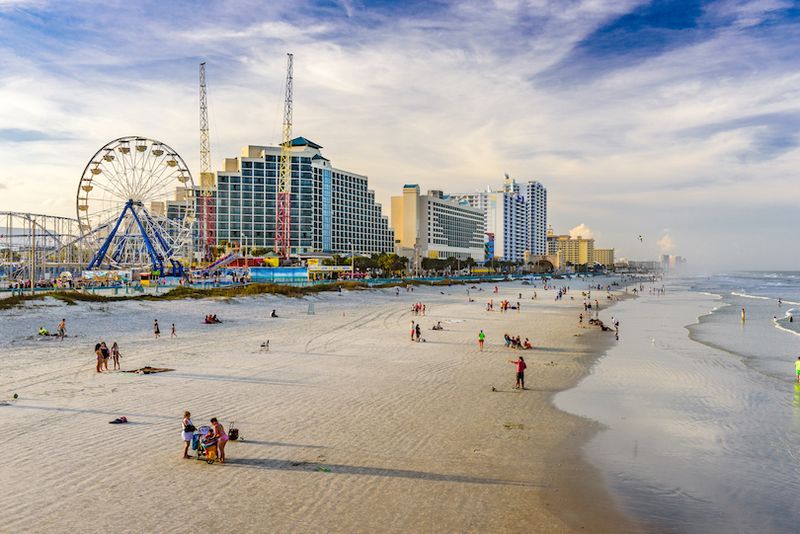
Living near a Florida beach sounds like a permanent vacation, and for about four months of the year, it genuinely feels that way. The other eight months involve heat, jellyfish, red tide events, and parking lots so full that locals often just stop trying on weekends.
Red tide, caused by a bloom of the organism Karenia brevis, is a recurring issue along Florida’s Gulf Coast. It can cause respiratory irritation on the beach, fish kills, and closures that last weeks at a time.
Residents learn to check conditions before heading out rather than assuming the coast is always clear.
That said, having the ocean or the Gulf within a short drive genuinely improves quality of life in ways that are hard to quantify. Early morning walks on an empty beach before the tourists arrive, or a quick sunset trip after work, are the kinds of small pleasures that make Florida residents fiercely loyal to their state despite everything else.
Florida’s Surprising Natural Interior
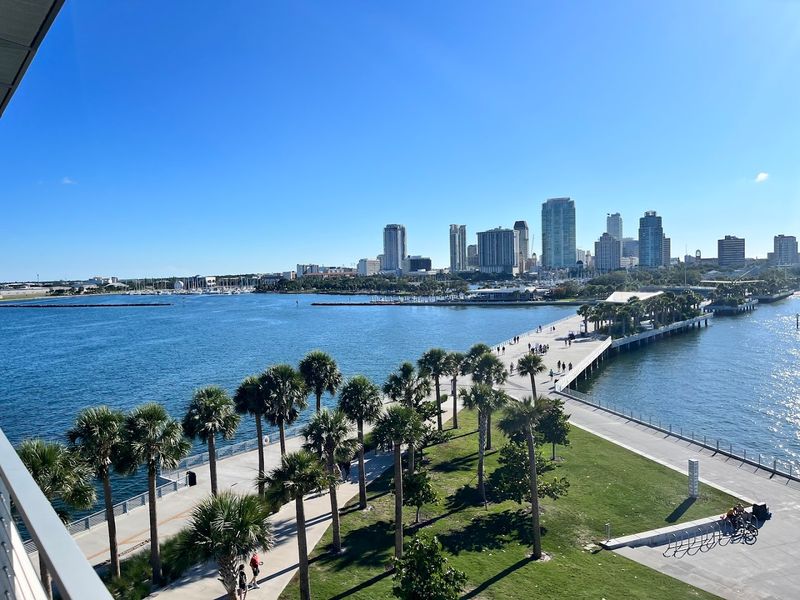
Most people’s mental image of Florida stops at the coastline, but the interior of the state holds some of its most remarkable natural spaces. Central and north Florida are home to hundreds of freshwater springs, many of which maintain a constant temperature of around 68 degrees Fahrenheit year-round, making them popular swimming and snorkeling destinations even in summer.
Places like Ichetucknee Springs State Park, Silver Springs, and Ginnie Springs attract both locals and visitors looking for a break from beach crowds. The water clarity in these springs is extraordinary, and the surrounding ecosystems support manatees, turtles, and a variety of fish species.
The Ocala National Forest covers over 600 square miles and offers camping, hiking, and off-road trails that feel genuinely remote. For residents who move to Florida expecting only sand and surf, discovering this green, spring-fed interior often becomes the detail that makes them fall in love with the state all over again.
The Traffic Situation Nobody Warns You About
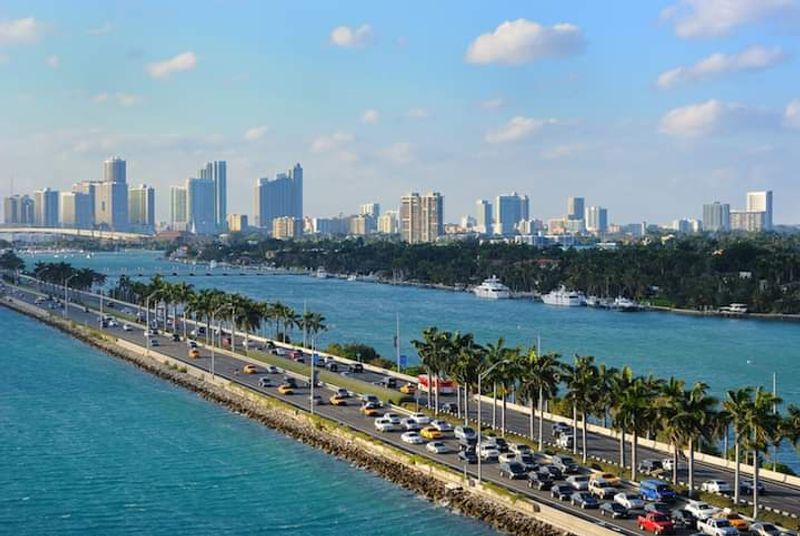
Florida’s population has grown so quickly that its road infrastructure has struggled to keep up. The state gained roughly 1,000 new residents per day at the peak of the pandemic migration wave, and most of those people brought their cars with them.
The result is traffic that surprises even people who moved from notoriously congested cities.
Interstate 4 through Orlando consistently ranks among the most dangerous highways in the country. The I-95 corridor running along the east coast from Miami to Jacksonville gets gridlocked during peak hours with a regularity that locals simply factor into their schedules.
Public transportation exists in Florida’s major cities but is limited compared to what residents of New York, Chicago, or Washington D.C. might expect. Most Floridians rely almost entirely on personal vehicles, which means that a single accident on a main road can unravel an entire afternoon’s plans with no real alternative route available.
The Snowbird Effect on Daily Life
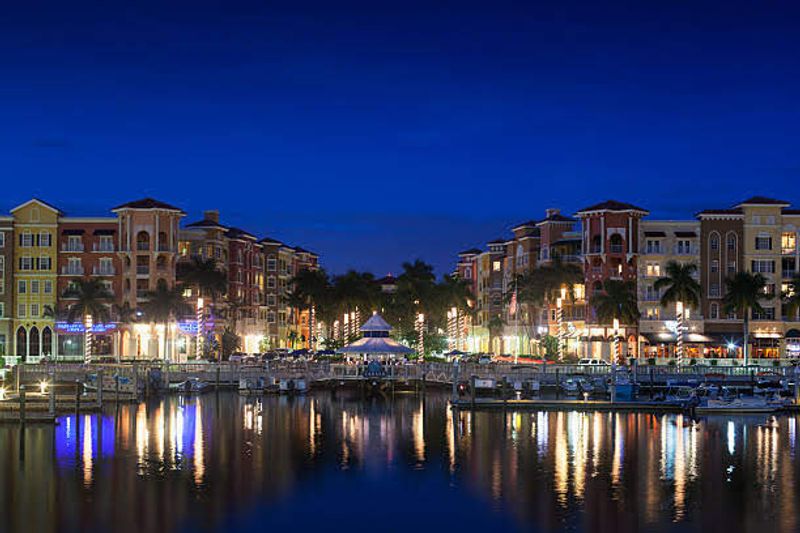
Every October, something shifts in Florida. The roads get busier, restaurant wait times stretch longer, and grocery store parking lots start filling up by 9 a.m.
The snowbirds have arrived. These are seasonal residents, mostly retirees from the Northeast and Midwest, who spend winters in Florida to escape the cold and then return home by April.
The snowbird season is a significant economic driver for many Florida communities, particularly along the Gulf Coast in areas like Naples, Sarasota, Fort Myers, and the Palm Beaches. Local businesses plan their revenue cycles around these months, and some restaurants and shops actually close or reduce hours in summer when the seasonal crowd disappears.
For year-round residents, the snowbird season brings a mix of feelings. The energy and spending are welcome, but the added congestion on roads and in stores is a real trade-off.
By late April, when the seasonal crowd heads north, locals breathe a collective sigh of relief and reclaim their favorite spots.
Sun Exposure Is a Serious Daily Consideration
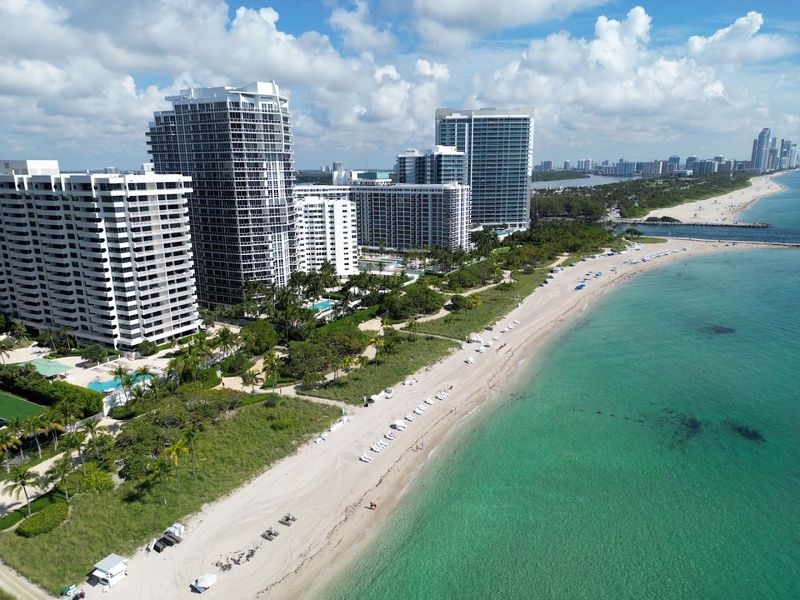
Florida sits closer to the equator than any other continental U.S. state, and the UV radiation here is genuinely intense. Dermatologists in Florida report some of the highest rates of skin cancer diagnosis in the country, and sun protection is not a seasonal concern here – it’s a year-round habit that residents build into their daily routines.
Sunscreen, hats, and UV-protective clothing become normal parts of getting dressed, even for a quick errand run. Outdoor workers, landscapers, construction crews, and anyone who spends significant time outside learns quickly that Florida sun is not forgiving.
The flip side is that the abundance of sunshine has real mental health benefits. Seasonal affective disorder is virtually unheard of in Florida, and the consistent natural light supports energy levels and outdoor activity in ways that residents from cloudier states notice almost immediately after moving here.
The sun giveth and the sun taketh away, often on the same afternoon.
The Everglades: A World Unlike Any Other
The Florida Everglades is one of the most ecologically unique places on the planet. Covering approximately 1.5 million acres in southern Florida, it is the largest subtropical wilderness in the United States and a UNESCO World Heritage Site.
Most people know it as a swamp, but scientists describe it more accurately as a slow-moving river of grass.
The ecosystem supports an extraordinary range of species, including the Florida panther, American crocodile, West Indian manatee, and hundreds of bird species. Airboat tours through the sawgrass marshes are a popular way for both residents and visitors to experience the landscape up close.
Living near the Everglades means understanding its role in the regional water supply and weather patterns. Restoration efforts have been ongoing for decades as development, agriculture, and water management have altered the natural flow.
For Floridians, the Everglades is not just a tourist attraction – it is the ecological heartbeat of the entire southern part of the state.
Food Culture That Reflects the Population

Florida’s food culture is one of the most genuinely diverse in the country, shaped by waves of immigration and the state’s own unique agricultural output. Cuban food is a cornerstone of Miami’s culinary identity, with dishes like ropa vieja, Cuban sandwiches, and croquetas available at both humble ventanitas and upscale restaurants.
Haitian, Jamaican, Colombian, Venezuelan, and Brazilian cuisines all have strong footholds in South Florida, reflecting the region’s demographics. Move north to Tampa and you find a city with a deep Spanish and Cuban heritage that shaped its food scene over a century ago, with Ybor City still serving as a living piece of that history.
Fresh seafood is abundant and genuinely excellent along both coasts, with grouper, snapper, stone crab, and Gulf shrimp appearing on menus everywhere. The combination of tropical fruit, fresh fish, and international culinary traditions gives Florida a food identity that is entirely its own and deeply satisfying to explore.
What Newcomers Learn in the First Year
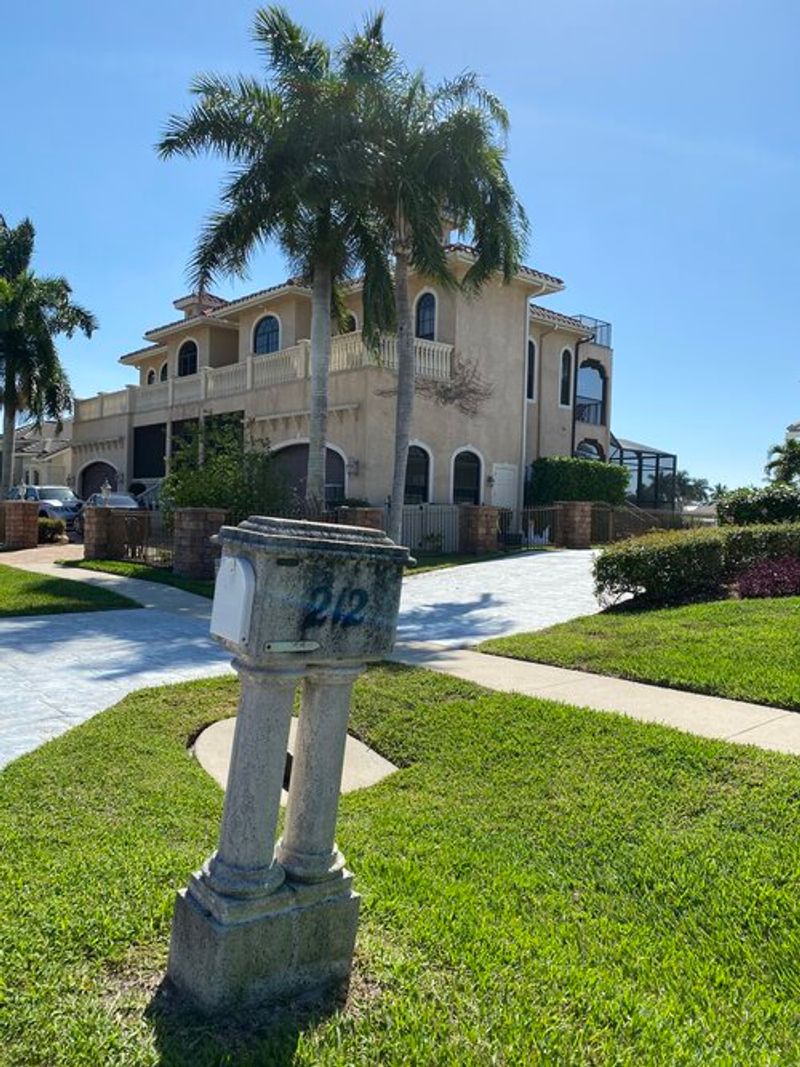
The first year of living in Florida comes with a learning curve that nobody fully prepares you for. The first lesson is usually about bugs.
Florida is home to palmetto bugs, which are essentially very large cockroaches that fly, and no amount of cleanliness fully prevents them from appearing. Pest control becomes a standard household expense rather than an emergency measure.
New residents also learn to stop using their ovens between June and September unless absolutely necessary, because cooking indoors adds to the heat load that air conditioning is already working hard to manage. Grilling outdoors, while dealing with mosquitoes, becomes the preferred cooking method.
The social culture varies dramatically by region. South Florida operates at a fast, cosmopolitan pace, while north and central Florida have a much more Southern, unhurried feel.
Newcomers who understand this early tend to settle into the right part of the state for their personality much faster than those who assume Florida is one uniform experience.
Why People Stay Despite It All

Ask a long-time Floridian why they stay, and the answer usually comes with a pause and then a slow smile. It’s not one thing.
It’s the January morning when you’re eating breakfast outside in short sleeves while your college roommate in Ohio is shoveling snow. It’s the way a Gulf Coast sunset turns the water into something that looks almost impossible.
It’s also the friendships built over years of weathering the same storms, literally and figuratively, and the shared understanding of what this place demands and what it gives back in return. Florida asks a lot of its residents, but it delivers a lifestyle that is genuinely hard to replicate anywhere else in the country.
The wildlife, the weather, the traffic, and the bugs are all real. So is the warmth, the natural beauty, the cultural richness, and the sense that life here moves at a pace that allows for real enjoyment.
That balance is why Florida keeps growing, and why most people who move here never quite manage to leave.



