 Unearth The Voyage
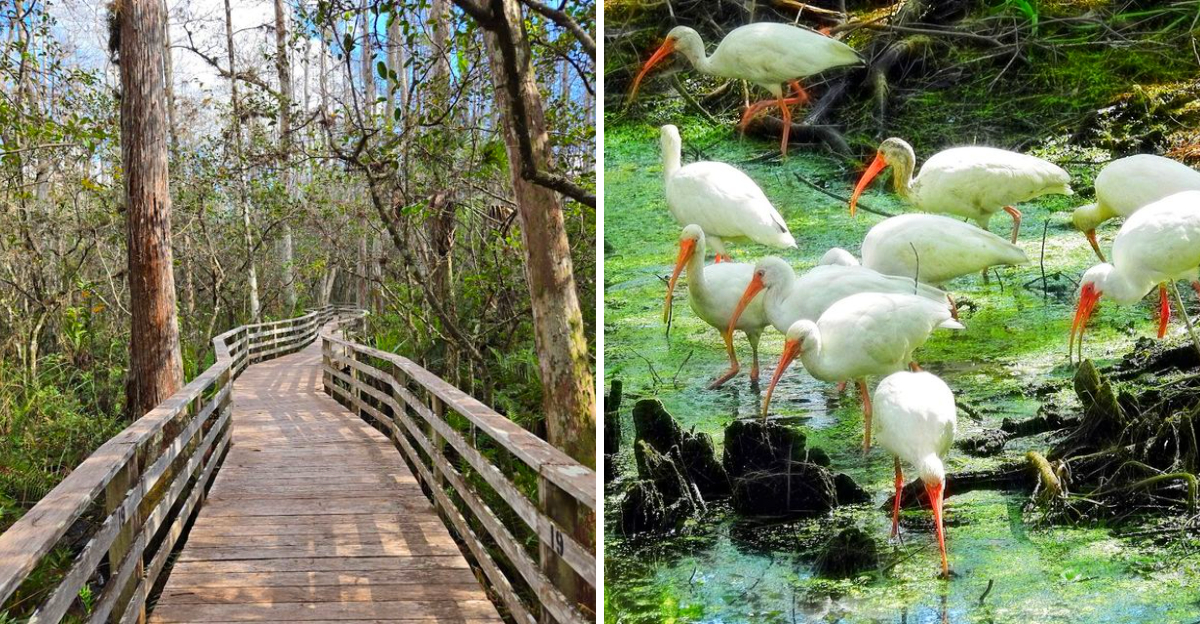
Florida’s wetlands hold secrets that most tourists never discover. Hidden away from the beach crowds and theme park lines, a wooden path winds through ancient cypress forests where nature still calls the shots.
The boardwalk stays dry while you explore a world where alligators sun themselves on logs and rare birds nest in towering trees. This isn’t a strenuous trek that leaves you exhausted.
The flat, accessible trail welcomes families, photographers, and anyone curious about what makes Southwest Florida’s wilderness so special.
Finding Your Way to 375 Sanctuary Road West
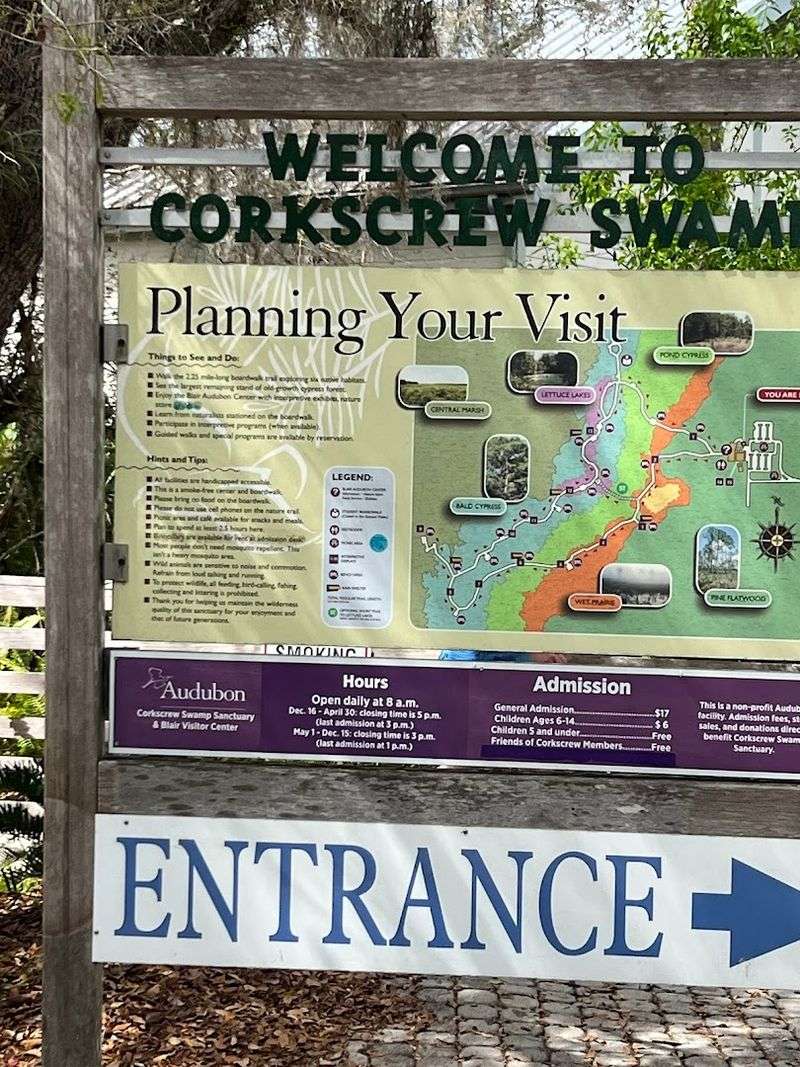
The sanctuary sits at 375 Sanctuary Road West in Naples, Florida, about 20 miles northeast of downtown. Your GPS will guide you through rural Collier County, where the landscape shifts from suburban sprawl to open farmland and then to preserved wilderness.
Admission closes at 3 PM sharp, so plan your arrival for mid-morning to enjoy the full experience. The gates open at 8 AM Thursday through Sunday, giving you seven hours to explore if you arrive early.
Parking is plentiful and free, with spaces for dozens of vehicles including accessible spots near the entrance. The welcome center greets you with clean restrooms, a small cafe serving snacks and sandwiches, and a gift shop stocked with field guides and nature-themed souvenirs.
Staff members and volunteers at the desk provide trail maps and current wildlife sighting reports. They’ll point out which areas are most active that day and suggest the best viewing spots based on recent observations.
The Boardwalk That Changes Everything
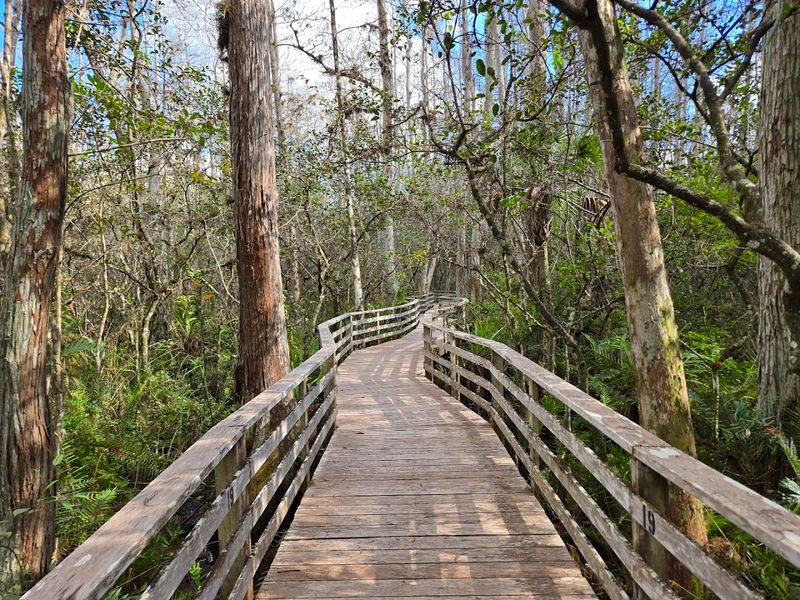
Walking on wood instead of muddy ground transforms how you experience a swamp. The 2.25-mile boardwalk keeps your feet dry while bringing you eye-level with ecosystems that would otherwise require wading boots and insect repellent by the gallon.
Every plank was positioned to minimize impact on the fragile environment below. The structure floats above the wetland floor, allowing water to flow naturally and wildlife to move freely beneath your feet.
Railings line both sides for safety, making the path suitable for wheelchairs, strollers, and anyone with mobility concerns. The surface remains level throughout, with no steep inclines or challenging terrain to navigate.
Observation platforms appear at strategic intervals, offering wider spaces where groups can gather without blocking the trail. Benches provide rest stops for those who want to sit quietly and watch for movement in the vegetation.
The entire route forms a loop, so you won’t retrace your steps or wonder if you’re heading the wrong direction.
Ancient Cypress Trees That Touch the Sky
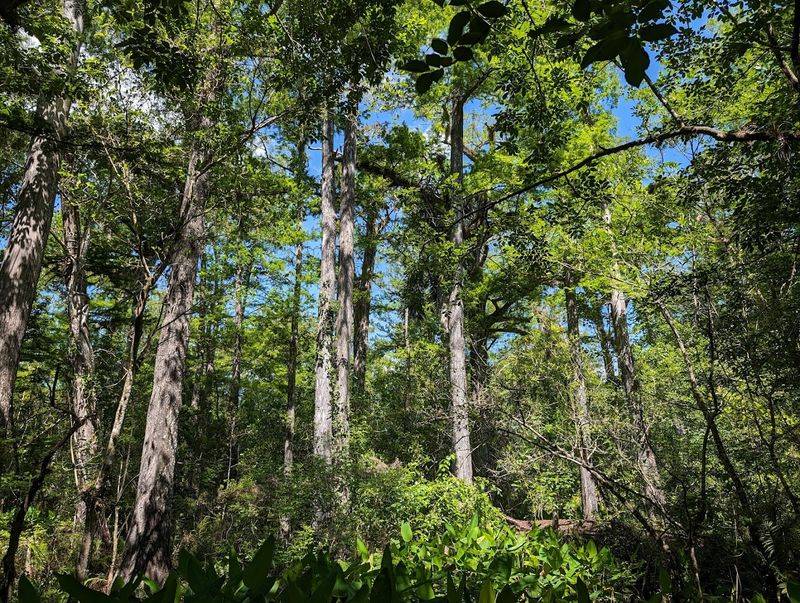
Some of the cypress trees here have been growing for over 500 years. Their massive trunks rise from the water like columns in a natural cathedral, with bark patterns that tell stories of centuries weathering Florida’s storms.
Bald cypress trees develop distinctive “knees” that poke up from the water around their bases. Scientists still debate the exact purpose of these woody projections, though they likely help with oxygen exchange in the waterlogged soil.
Spanish moss drapes from the branches in silvery curtains, creating an otherworldly atmosphere that photographers love. Despite its name, Spanish moss isn’t actually moss at all but an air plant that absorbs moisture and nutrients from the atmosphere.
The canopy overhead provides natural shade for most of the walk, keeping temperatures cooler even on hot Florida afternoons. Sunlight filters through the leaves in scattered beams that illuminate patches of the forest floor in constantly shifting patterns.
Alligators in Their Natural Habitat
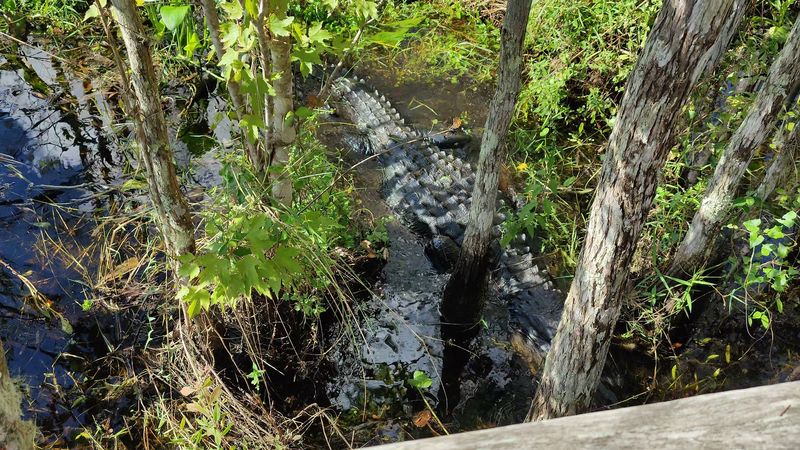
Seeing an alligator behind glass at a zoo doesn’t compare to spotting one in the wild. At Corkscrew, these prehistoric reptiles go about their daily routines just feet from the boardwalk, completely unbothered by human observers.
Most visitors encounter at least one gator during their walk. Some days you’ll see several basking on logs or gliding through the dark water with just their eyes and nostrils visible above the surface.
The boardwalk’s elevation provides a safe viewing distance while still offering excellent photo opportunities. Alligators here have grown accustomed to the presence of people on the elevated path and generally ignore visitors who stay on the designated route.
Smaller gators blend surprisingly well with their surroundings, so watch carefully along the water’s edge. The larger specimens can exceed ten feet in length, commanding respect even from a distance.
Spring brings mating season, when you might hear their deep bellowing calls echoing through the swamp.
Bird Watching Paradise for All Skill Levels
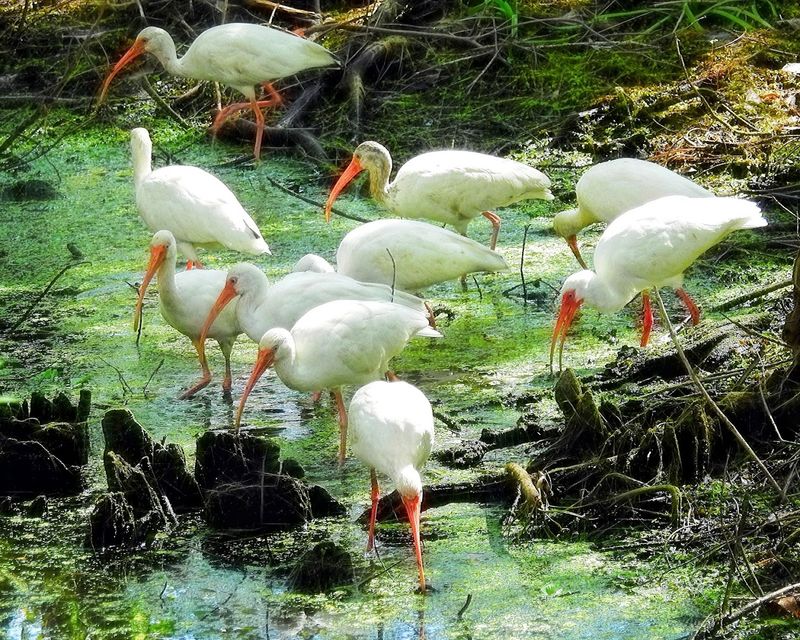
A chalkboard near the entrance tracks recent bird sightings, giving visitors a preview of what species are currently active. The list changes with the seasons, as migratory birds arrive and depart according to ancient patterns.
Great egrets stand like white statues in the shallows, their long necks poised to strike at passing fish. These elegant waders are among the most commonly spotted birds, often posing cooperatively for photographs.
Anhingas perch on branches with their wings spread wide to dry after diving for food. Their snake-like necks and spear-shaped bills make them unmistakable once you know what to look for.
Roseate spoonbills occasionally visit, their pink plumage providing a shocking splash of color against the green and brown landscape. Wood storks, ibises, herons, and hawks all make regular appearances depending on water levels and food availability.
Volunteers stationed along the trail often carry field guides and spotting scopes, happy to help identify species and point out birds you might have missed.
Multiple Ecosystems in One Walk
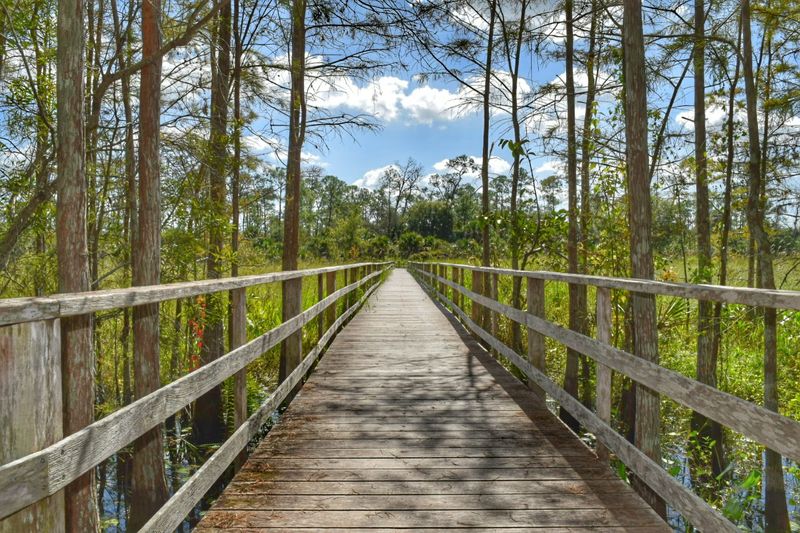
The trail doesn’t just show you one type of habitat. As you progress along the boardwalk, you’ll move through distinct ecological zones, each supporting different plant and animal communities.
Pine flatwoods open the journey with saw palmetto understory and longleaf pines adapted to periodic fires. The sandy soil here drains quickly, creating conditions completely different from the flooded areas ahead.
Wet prairie sections feature grasses and sedges that can tolerate seasonal flooding. During dry periods, these areas might look like meadows, but after heavy rains they transform into shallow marshes.
The heart of the sanctuary protects the largest old-growth bald cypress forest in North America. Water levels here remain more constant, creating permanent wetland conditions that support the most diverse wildlife populations.
Lettuce Lakes offer open water views where aquatic plants float on the surface and wading birds concentrate to feed. Each zone teaches you something new about how Florida’s natural systems function when left undisturbed.
Wildlife Beyond the Obvious
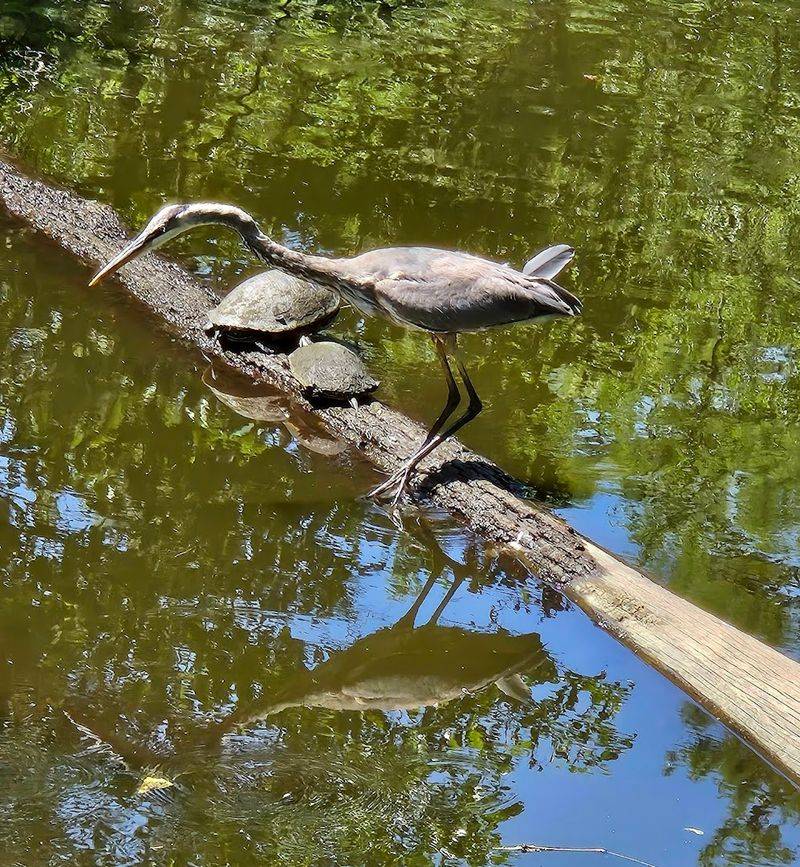
While birds and alligators steal most of the attention, patient observers discover a supporting cast of creatures that complete the ecosystem. Raccoons sometimes appear in broad daylight, their masked faces peering from tree hollows or foraging along the water’s edge.
Turtles sun themselves on logs, often stacked on top of each other in precarious-looking towers. Florida softshell turtles and peninsula cooters are among the most common species, though several others call the sanctuary home.
Snakes occasionally cross the boardwalk or drape themselves over low branches. Most are harmless water snakes, though venomous species like cottonmouths do inhabit the area and deserve respectful distance.
Barred owls roost in the cypress trees, their distinctive “who cooks for you” calls echoing through the forest. Spotting one requires looking up and scanning the branches for their camouflaged forms.
Even insects play starring roles here, from colorful dragonflies patrolling for mosquitoes to butterflies fluttering among the wildflowers in sunlit clearings.
Seasonal Changes Worth Experiencing
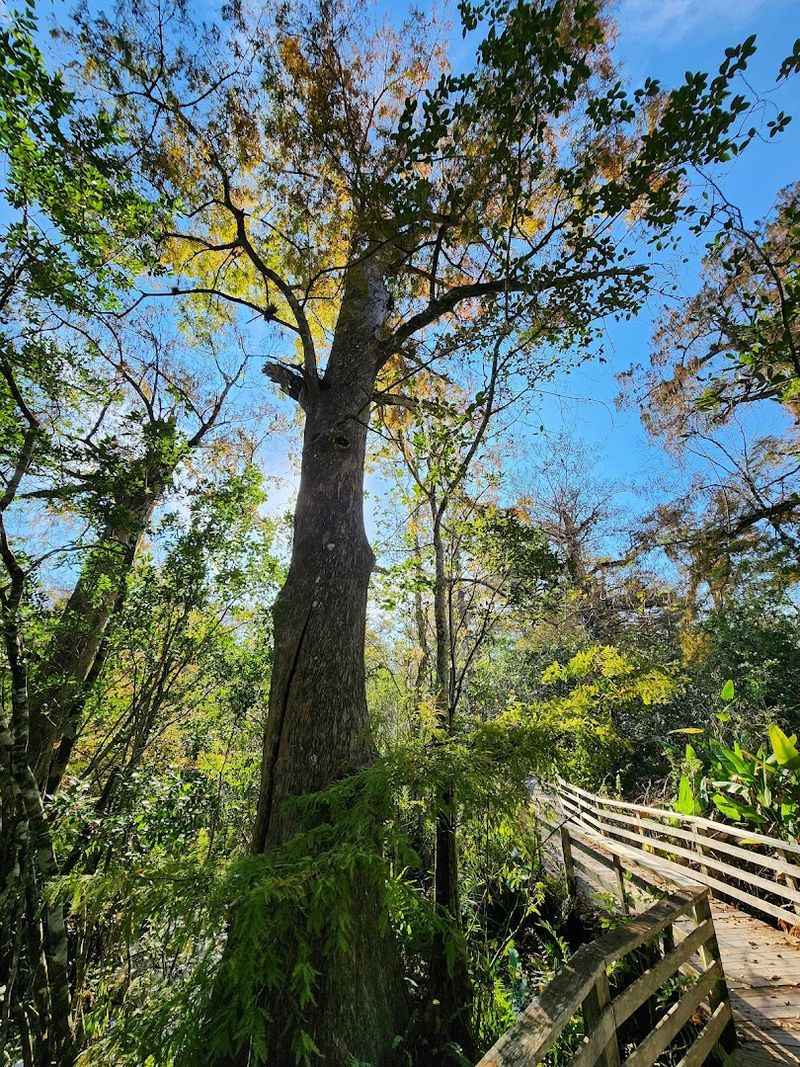
Water levels fluctuate dramatically between wet and dry seasons, completely changing what you’ll see during your visit. Winter and spring bring lower water levels that concentrate fish in smaller pools, which in turn attracts massive congregations of wading birds.
Hundreds of egrets, herons, wood storks, and other species might crowd into feeding areas during peak dry season. The spectacle draws photographers from around the world hoping to capture the phenomenon.
Summer rains refill the swamp, spreading water across the entire floodplain and dispersing wildlife over a much larger area. You’ll see fewer animals concentrated in any one spot, but the lush vegetation reaches peak greenness.
Fall migration brings transient species passing through on their way to Central and South America. The resident wildlife remains active year-round, but the mix of species shifts with the calendar.
Each season offers unique advantages, so there’s no single “best” time to visit. Return multiple times to see how the same trail can feel like completely different places.
Photography Tips and Opportunities
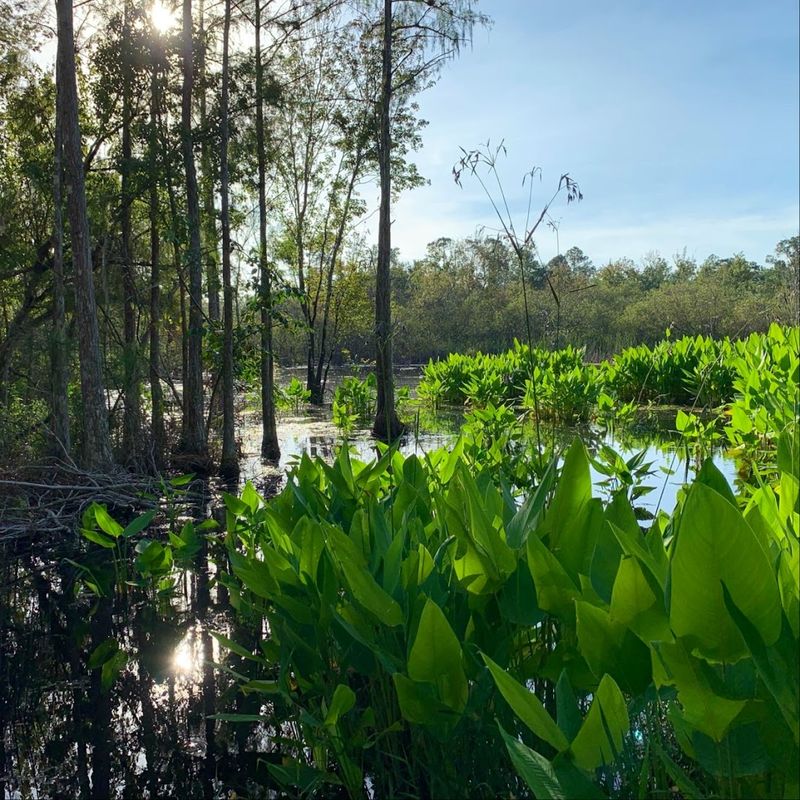
The boardwalk’s stable platform provides an excellent base for photography, eliminating the shaky footing that plagues wildlife shooters in most wetland environments. You can set up a tripod without worrying about sinking into mud or disturbing sensitive habitat.
Morning light creates the most dramatic conditions, with sun rays penetrating the cypress canopy and illuminating patches of mist rising from the water. The sanctuary opens early enough to catch these golden hours.
A telephoto lens helps capture distant birds and alligators, though you’ll also want something wider to photograph the forest architecture and sweeping landscape views. Many excellent shots are possible with just a smartphone camera.
Wildlife here tolerates human presence, but sudden movements and loud noises will send animals retreating. Move slowly, speak quietly, and you’ll be rewarded with natural behavior instead of fleeing subjects.
The observation tower provides an elevated perspective that reveals patterns in the landscape invisible from ground level. Bring extra batteries and memory cards because you’ll take more photos than you expect.
Making the Most of Your Visit
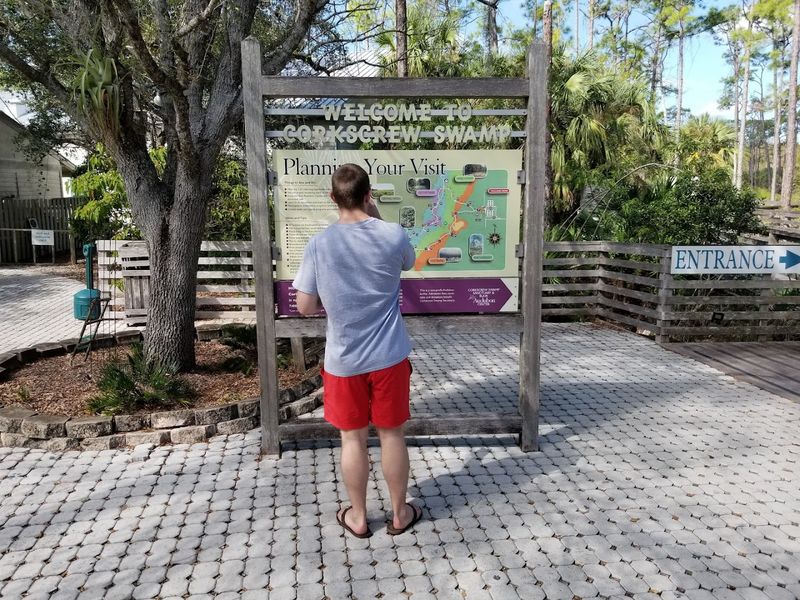
Budget at least two hours for the complete loop, though you could easily spend four or more if you’re serious about wildlife observation. The trail’s one-way design means you can’t turn back halfway without retracing your steps.
Bring water and snacks, especially during warmer months when Florida’s heat and humidity can sap your energy. The cafe at the entrance offers limited options, so pack what you need for the trail itself.
Insect repellent helps during summer, though the boardwalk elevation and constant breeze keep mosquitoes less troublesome than you might expect. Sunscreen matters too, since some sections lack overhead shade.
Wear comfortable walking shoes with good traction. The boardwalk surface can become slippery when wet, and you’ll be on your feet for at least an hour even at a leisurely pace.
Check the admission hours before you leave home, remembering that last entry is at 3 PM. The $17 admission fee supports conservation work that protects this irreplaceable ecosystem for future generations.



