 Unearth The Voyage
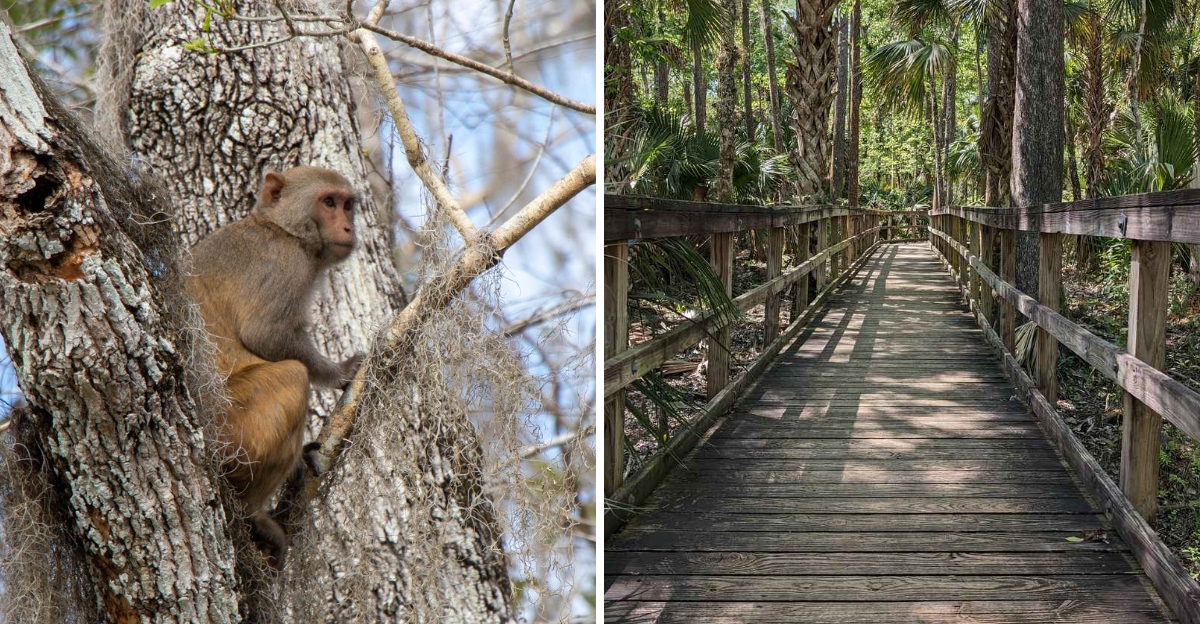
Curiosity tugged me down a shady road in Ocala where birds chatter like locals and the air smells faintly of river and pine. I came for the famous wild monkeys and stayed for a park entrance that feels like the backstage door to a whole other Florida, the calm, green, quietly thrilling kind.
Trails lace into the forest, a museum peeks into history, and the campground hums with night sounds that nudge you to slow your breathing. Keep reading, because this is the side of Silver Springs that rewards patience, good shoes, and a neck ready to look up when branches rustle.
Exact address, hours, and the lay of the land
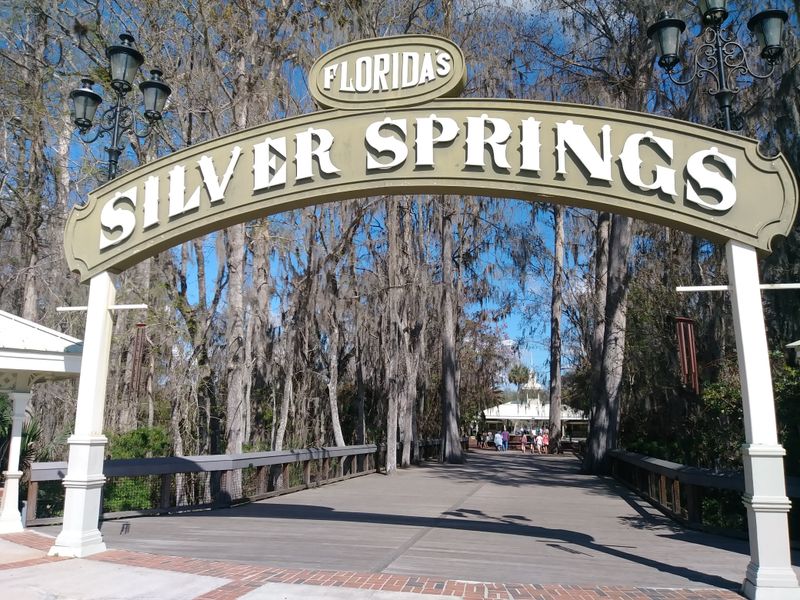
The gateway I used sits at Silver Springs State Park, Campground and Museum Entrance, 1425 NE 58th Ave, Ocala, FL 34470, United States, and it quietly sets the tone. Hours generally run 8 AM to around 5:30 PM on most days, with Friday closing at 5 PM, so planning matters.
This corner feels designed for hikers, campers, and museum goers who prefer birdsong over bus engines.
Parking is straightforward and the signage points toward the Silver River Museum, cracker village, and a web of trails that reach the water. A ranger station can answer questions about trail conditions, recent wildlife sightings, and any closures.
I like to check the map board, take a photo, and carry a paper backup in case my phone naps in the shade.
The rhythm here is slower than the glass bottom boat side, and that works in your favor. Monkeys get mentioned often, yet patience beats chasing rumors.
Keep expectations about timing flexible and your senses switched on, because this entrance rewards unhurried curiosity.
Origins of the wild rhesus macaques
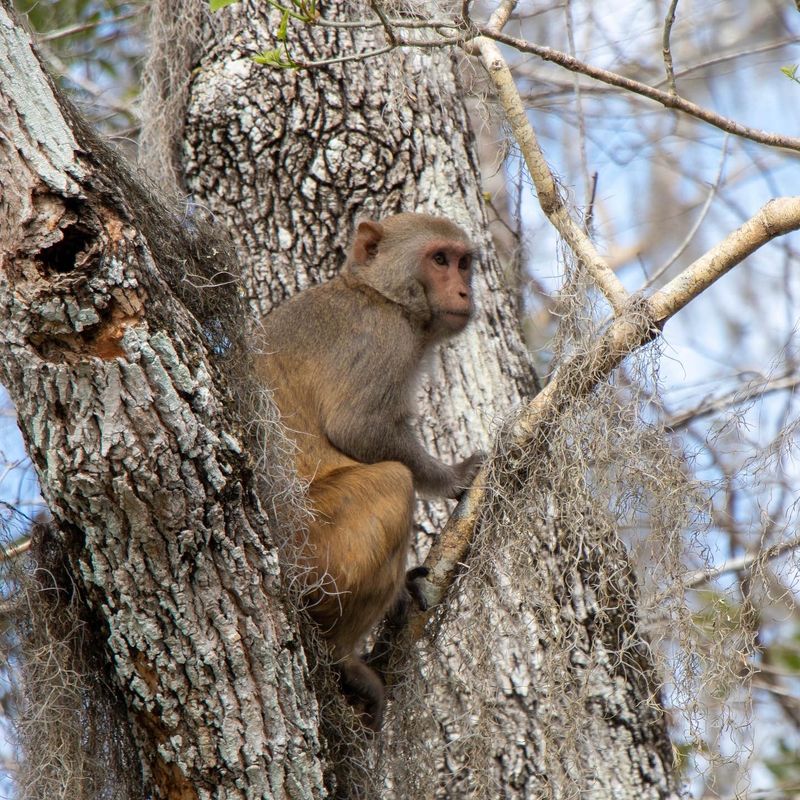
Stories float through the trees like leaves here, and the rhesus macaques are the headline. The most cited origin tale says monkeys were brought for a jungle cruise attraction decades ago and, being excellent swimmers, expanded their range.
Another thread ties them to film production lore, which locals love to debate under the oaks.
Today, small troops roam the forest and river corridor. Spotting them is thrilling, but this is a look not touch experience and distance matters.
I keep my food sealed, keep my voice low, and keep moving if they appear focused or agitated.
Florida’s rules and common sense align: never feed wildlife, and especially not primates. Feeding changes behavior and creates problems for both people and animals.
The best sightings I have had came from quiet observation along the river trail, where patience does more than snacks ever could.
Trail network and quiet corners
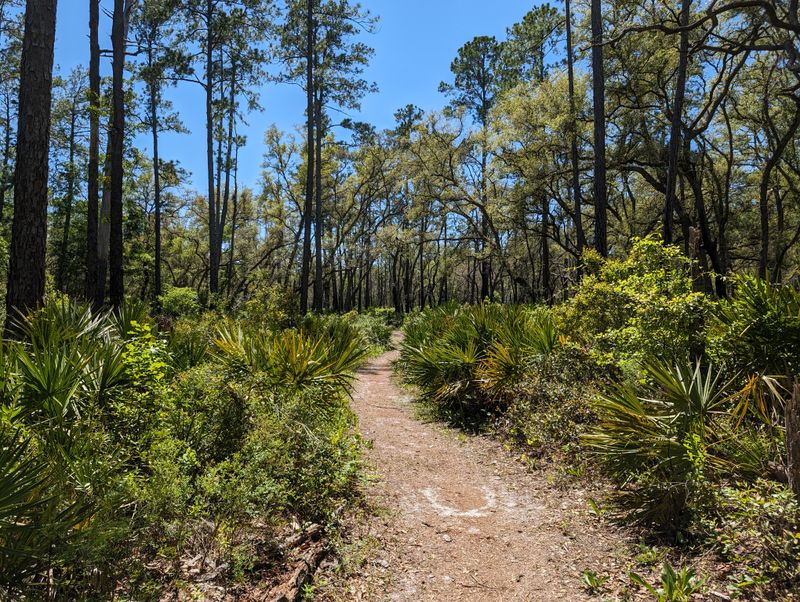
Trails braid out from this entrance like thoughtful invitations. The Swamp Trail, River Trail, and longer wilderness loops give choices for short strolls or half day rambles.
Surfaces shift between packed sand, rooty sections, and occasional soft patches.
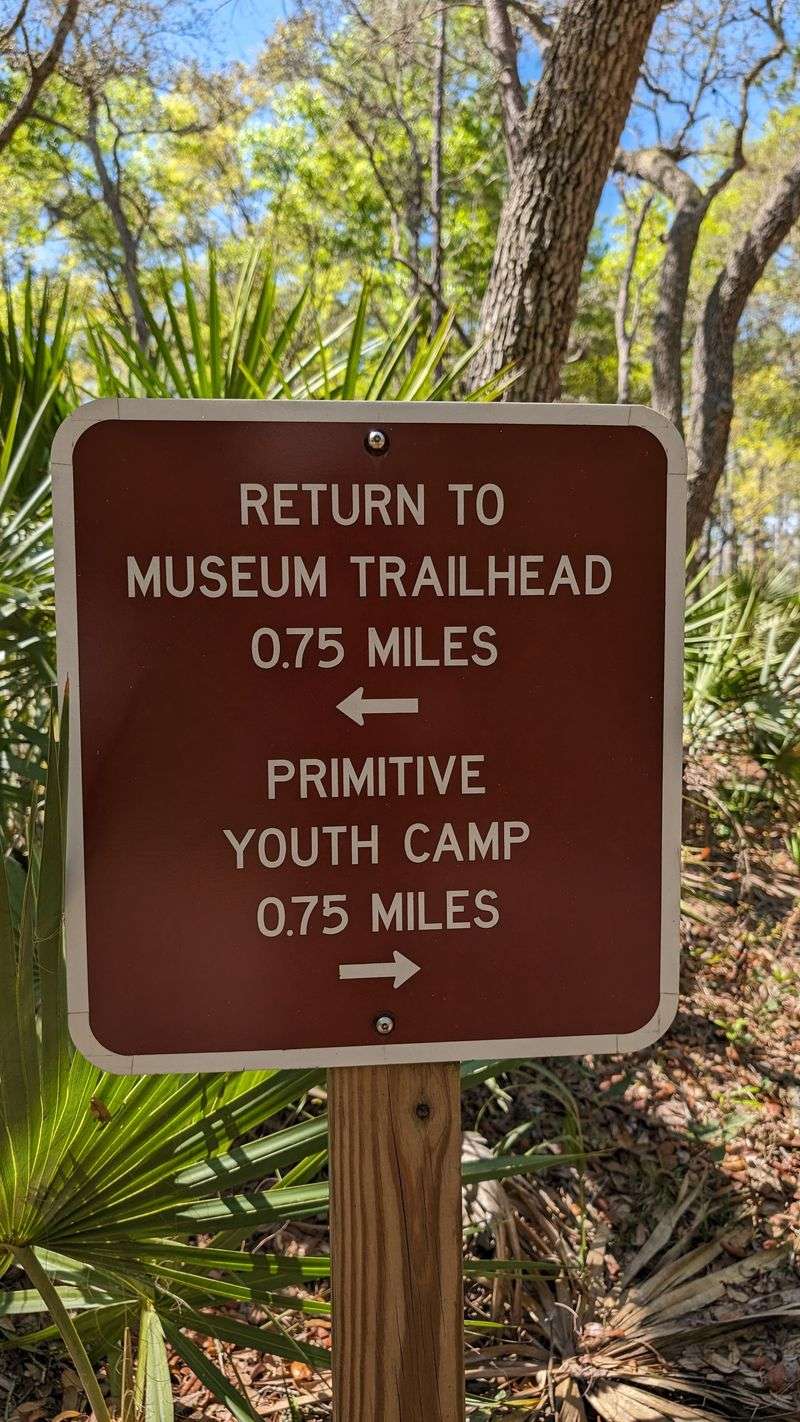
Wayfinding posts help, yet I always verify at intersections because detours tempt. Benches pop up at smart intervals, perfect for water breaks and listening to woodpeckers.
I bring bug spray, a sun hat, and shoes that forgive sand, then I pick a loop based on river access or shade.
Late morning light brings the canopy to life, while late afternoon can turn the understory golden. Florida heat still presses even in shade, so a steady pace wins.
The quieter your steps, the more the forest reveals, and that is the whole secret here.
Museum weekends and a walk into time
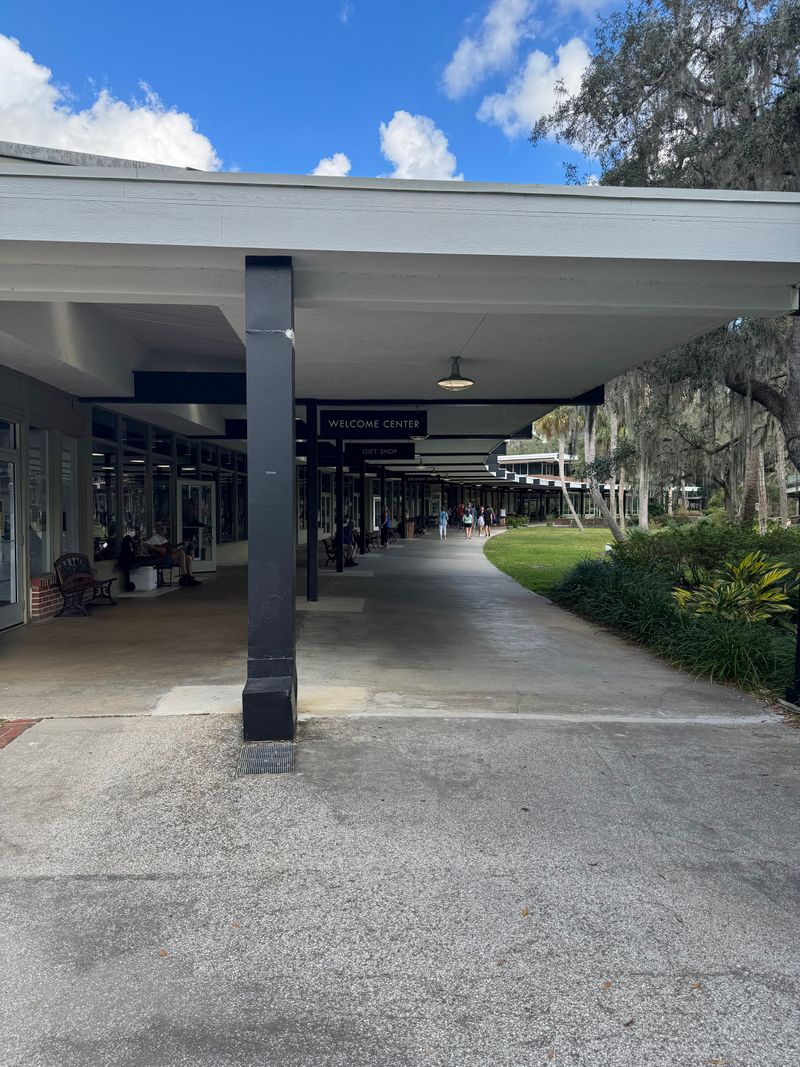
The museum near this entrance runs on a weekend rhythm, typically open 10 AM to 4 PM with a small entry fee that feels like a steal. Inside, exhibits connect fossils, river science, and human stories to what you just walked past outside.
It turns a pleasant hike into a layered experience.
Displays explain the springs, the aquifer, and the prehistoric timeline in a concise way. I leave with new respect for limestone, patience for karst, and motivation to conserve water at home.
Staff and docents answer questions without rushing you along.
Step back out and the forest reads differently, like someone just handed you the glossary. This is still a Florida playground, but now it is also a living classroom.
Pair an early hike with the museum’s midday hours, and the day clicks into a tidy arc.
Cracker village and living history season
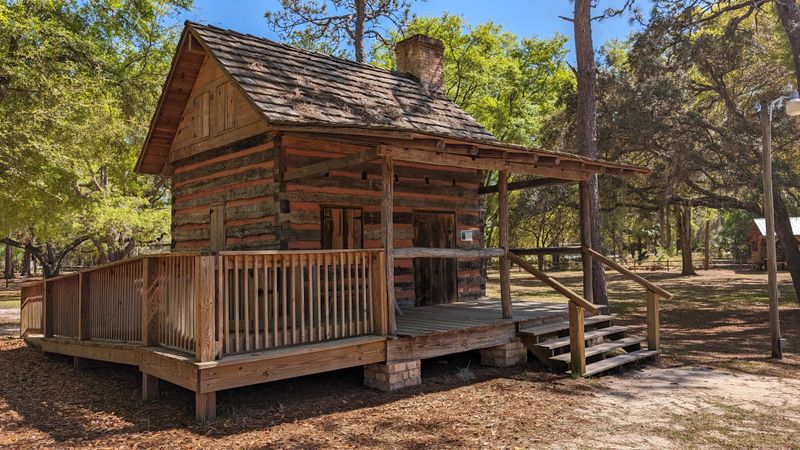
Across a small clearing, the cracker village waits with wood cabins, a one room schoolhouse, and a wood fired kiln that smells faintly of stories. It usually comes alive in the cooler months as a living history site.
When staff open the gates, the place hums with demonstrations and soft footsteps on old boards.
Even when buildings are closed, the setting speaks for itself. Hand hewn beams and practical layouts say plenty about tough seasons and careful resource use.
I like to trace the lines of a porch post and imagine the view a century ago, minus the car keys in my pocket.
This corner adds texture to a trip driven by nature. It also anchors a conversation about Florida communities and resilience.
Leave time for it on winter visits, because the slower stories deserve a slower pace.
Glancing the river without the crowds
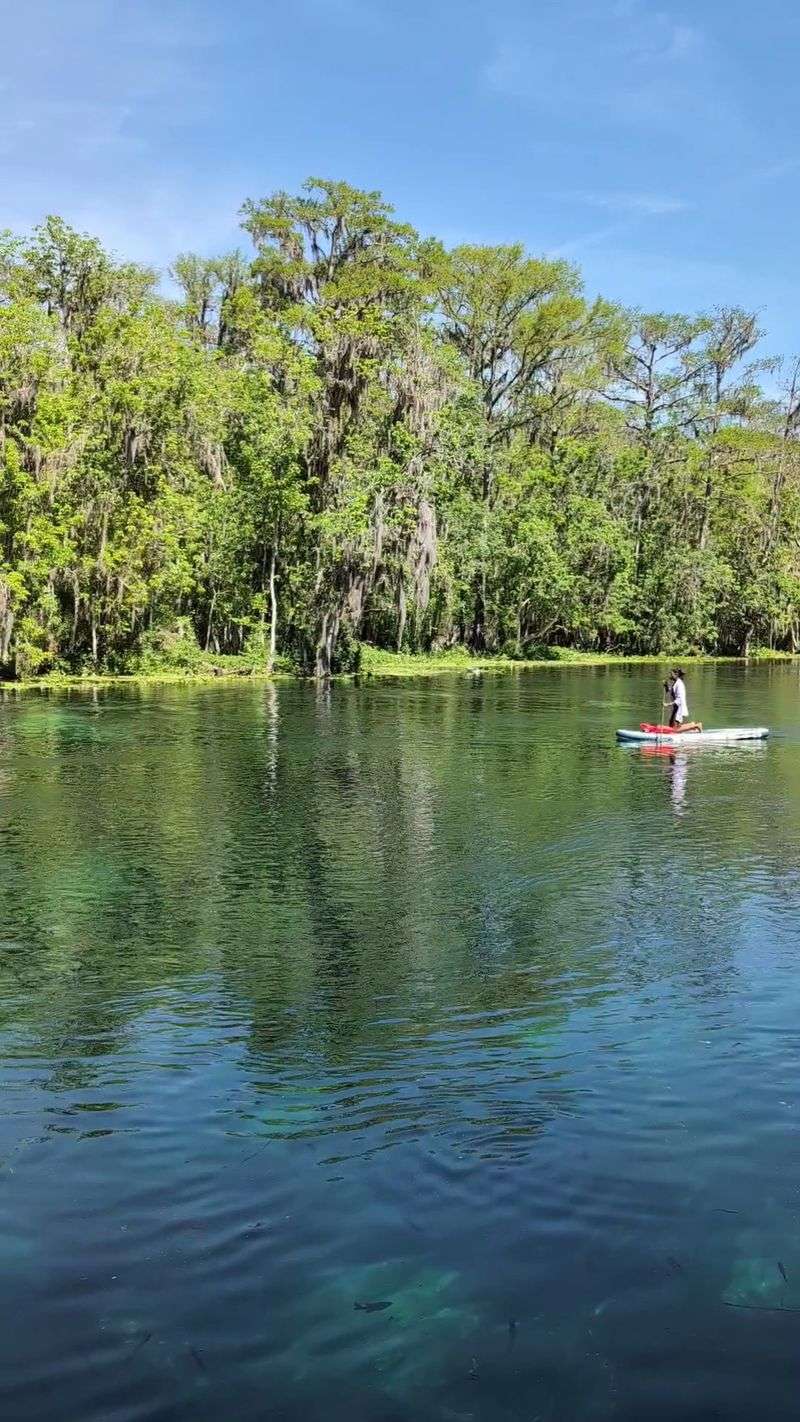
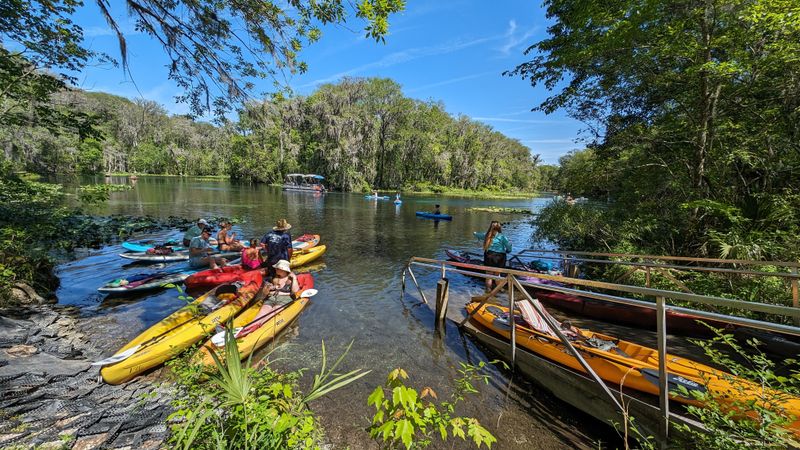
While the main entrance hosts the famous glass bottom boats, this side whispers its way to the Silver River. Trails thread to overlooks where water slides past with a clarity that feels unreal.
I find a pocket of shade, let the current write its quiet script, and listen.
Kayakers drift by sometimes, their paddles barely tapping the surface. Turtles stack on a log like they booked seats, and a heron stands as if paid to be still.
Patience brings rewards in the form of manatees during cooler spells and fish flashing like coins.
This is where the sense of Florida as water state turns literal. The river feels both delicate and steady, like it has a long memory.
Leave only footprints and a calmer pulse, then head back with lighter steps.
Campsites, cabins, and evening hush
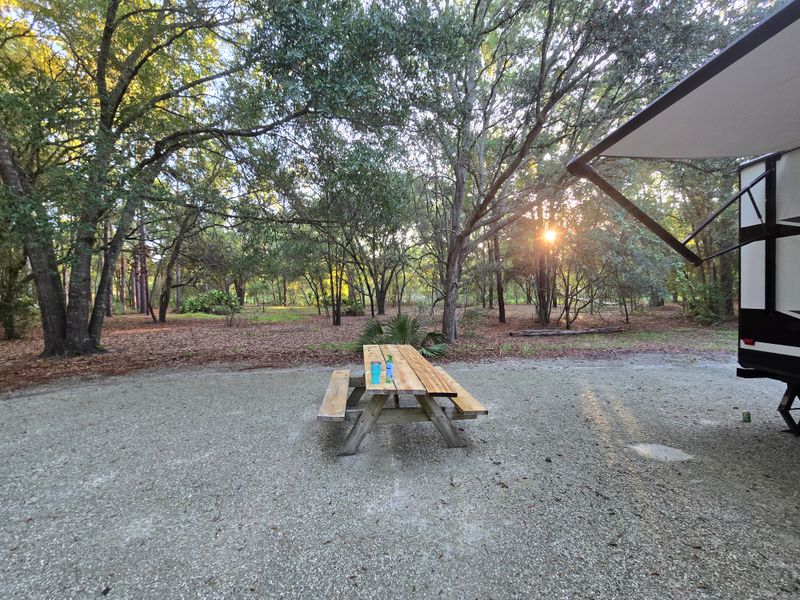
The campground linked to this entrance surprised me with space and calm. White gravel pads, generous turning room, and tidy utilities make arrivals feel friendly.
Bathhouses and outdoor sinks earn praise for cleanliness that matches the forest’s trim lines.
Cabins tilt the experience toward comfort without smothering the woods. Fans hum, porches welcome, and a quiet night can still fold in the owl chorus.
I time dinner so dusk becomes the centerpiece, with a fire ring flicker and a simple plan for tomorrow’s trail.
Rangers maintain a steady presence that feels supportive. Reservations for weekends go fast, so I plan months ahead and treat weekdays like gold.
The hush that follows lights out is the kind that makes sleep arrive on time.
Responsible wildlife watching, monkeys included
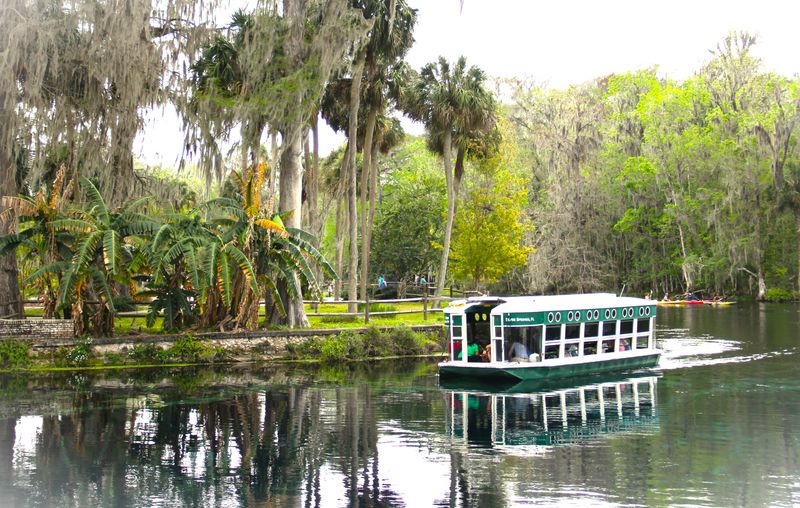
Monkeys make headlines, yet good etiquette keeps the story positive. Distance is your friend, binoculars are your ally, and sealed snacks are non negotiable.
I keep my hands to myself, my pack closed, and my camera quiet.
Feeding wildlife changes behaviors and can spark conflicts, so the rule is simple. Enjoy the view, do not offer food, and move along if attention locks on you.
This approach also highlights other treasures like woodpeckers, deer sign, and shy turtles.
Florida parks remind visitors to give space to alligators and snakes, which applies doubly in wetland cuts. I watch the ground for camouflaged coils and the water’s edge for steady eyes.
The best day here ends with photos, not close calls, and memories that age well.
Best seasons and daily timing
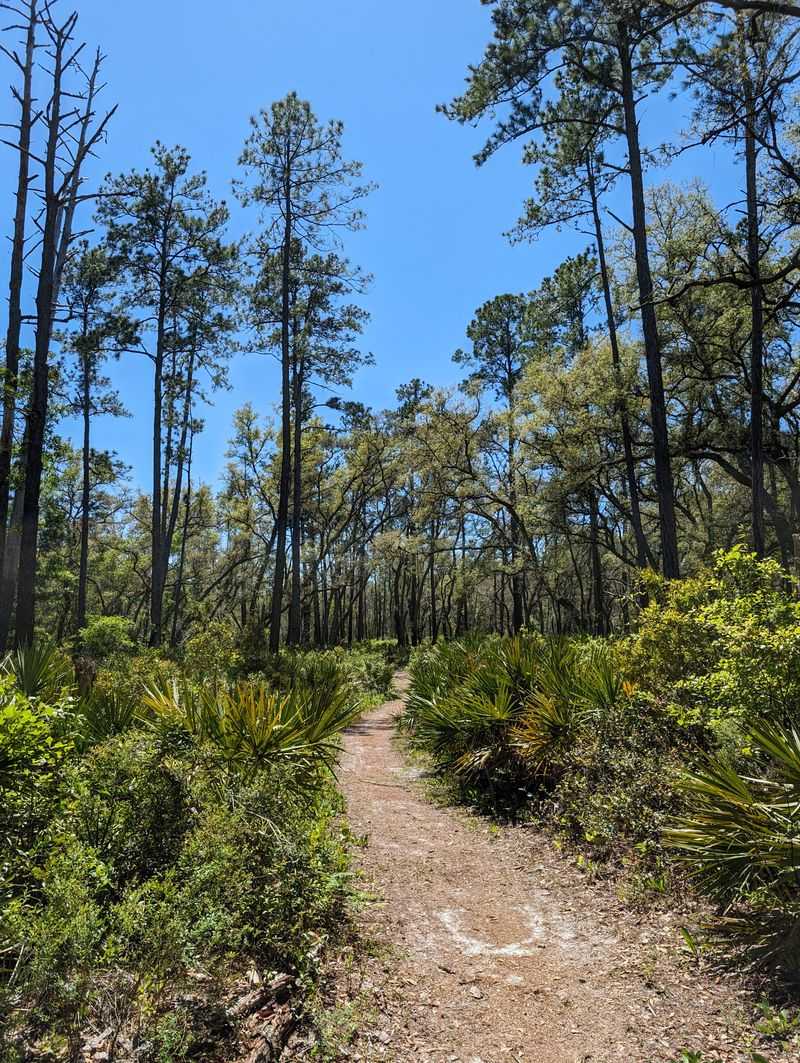
Cooler months feel like a backstage pass here, with crisp air, higher wildlife activity, and museum weekends lining up neatly. Winter and early spring balance comfortable temperatures and clearer views through the understory.
Trails stay pleasant longer into the day before heat turns the air syrupy.
Summer still works with strategy. I start early, chase shade, and retreat for a midday break before a late afternoon encore.
Late light drapes the pines in gold and sends birds into a conversational mood.
Rain pops up fast in Florida, so a packable jacket and quick dry layers earn their place. After storms, the forest smells like clean pages.
Time your visit to the park’s operating window and you will cruise rather than cram.
Gear that makes the day smoother
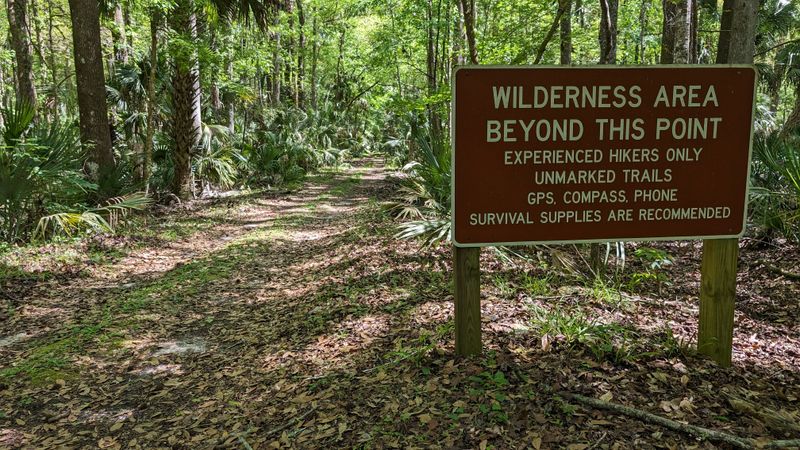
Lightweight layers and breathable fabrics rule here, especially when humidity leans heavy. A brimmed hat, sunscreen, and insect repellent create a basic shield that you will thank later.
Closed toe shoes handle sand and roots better than sandals when miles start to stack.
Binoculars upgrade wildlife sightings without closing distance. A compact first aid kit, a paper map, and a fully charged phone live in my daypack.
I include extra water and a snack that does not crumble into regret, all sealed tight.
Trails near the river can run damp, so spare socks feel like a life hack. Toss in a small trash bag and leave no trace with style.
The right kit turns minor snags into non events and keeps the focus on the forest.
Finding the monkeys without chasing them
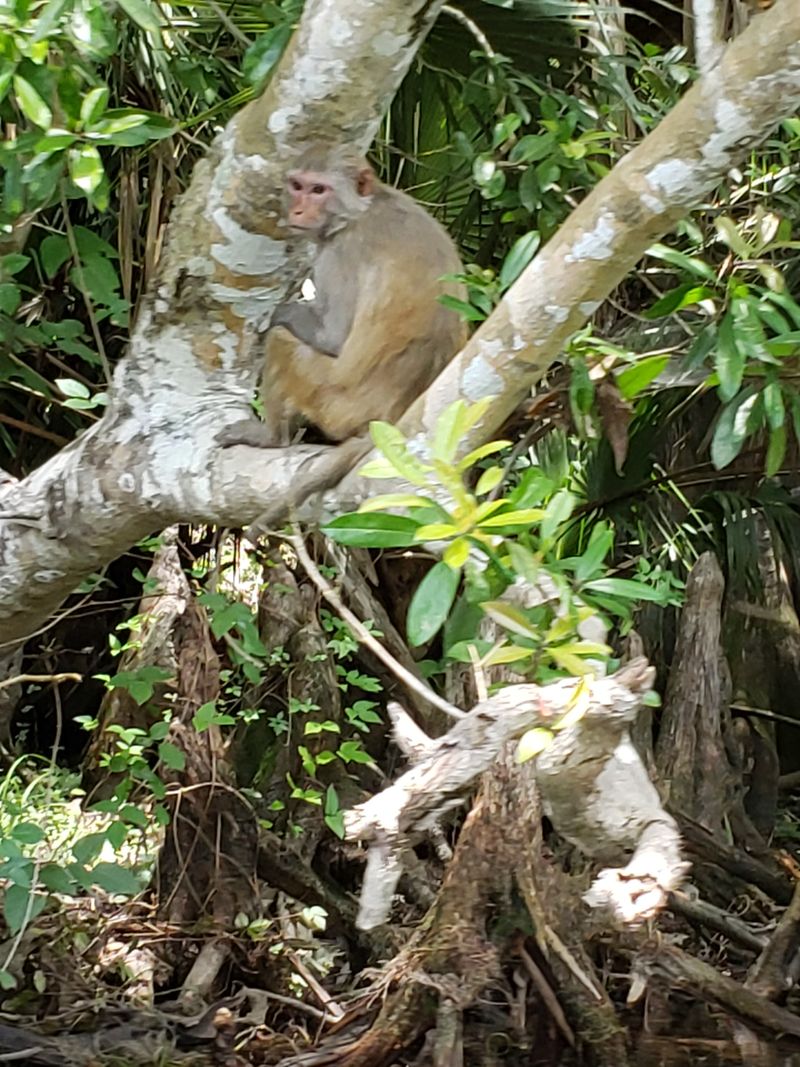
Successful sightings here hinge on listening more than looking. A cascade of branch rustles, a clipped chirp, or a sudden quiet can hint at movement.
I pause, scan the mid canopy, and let my eyes adjust before taking another step.
Troops sometimes follow the river corridor, so junctions near water become productive spots. Early morning and late afternoon feel luckier, though nothing is guaranteed.
I plan the route to intersect likely areas without doubling back too often.
When they appear, I hold still and enjoy the show like a respectful neighbor. No calls, no hand waving, no food bribes.
The thrill is real precisely because the choice was theirs, not mine.
Accessibility and pacing for all ages
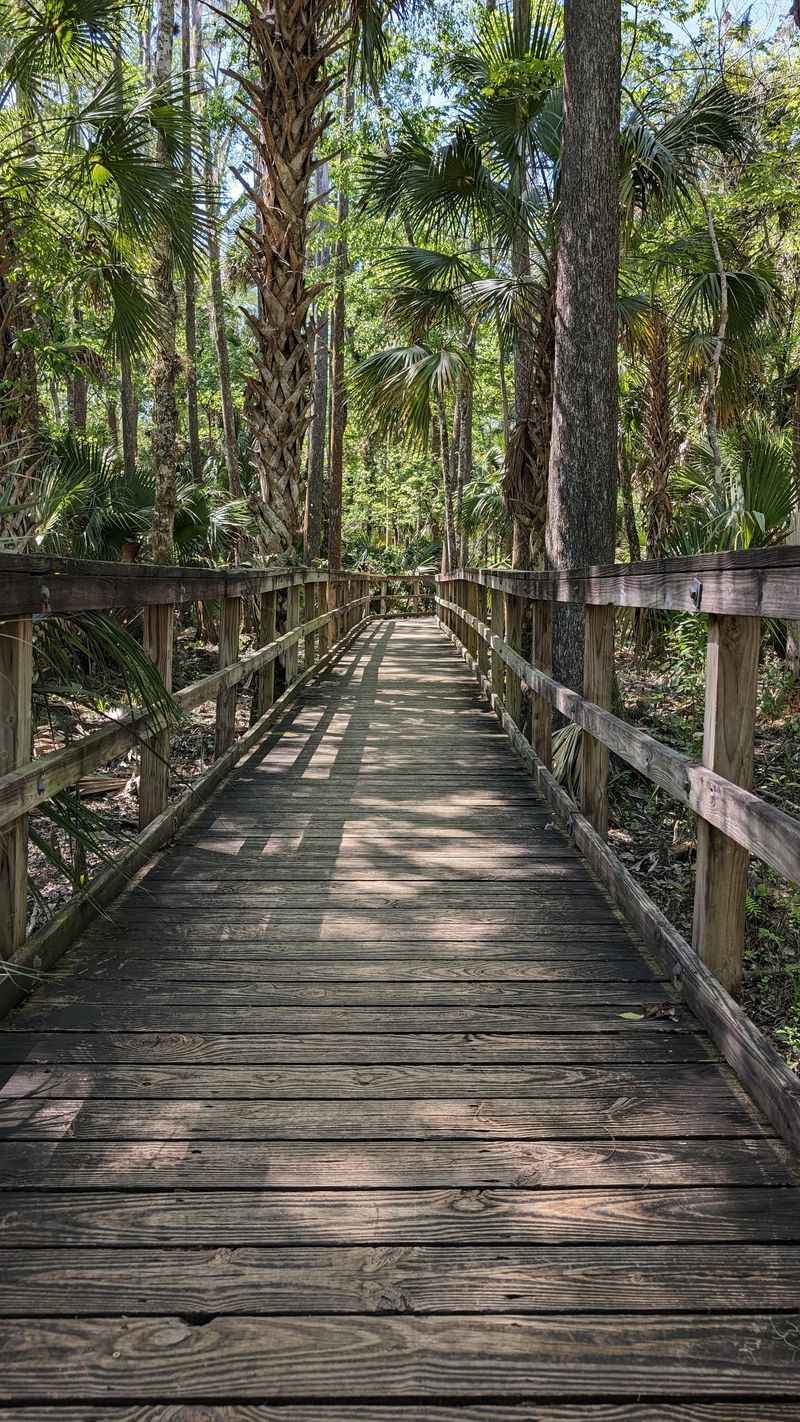
Not every trail here is a breeze, but smart choices make the day inclusive. Wider paths near the museum and education center offer gentler grades and firm footing.
Benches punctuate the walk, and shady segments help parents and grandparents keep energy in the tank.
Short loop combinations let you sample scenery without committing to long miles. I like linking a brief forest walk with museum time, then a picnic under pines.
Afternoon can be devoted to a river overlook, where the payoff outpaces the effort.
This Florida park rewards pacing. Plan breaks, sip water often, and treat shade as part of the itinerary.
Everyone ends up with a win when the route matches the group’s mood.
Etiquette on shared paths and river edges
Shared space works when everyone reads the same playbook. Hikers yield politely on narrower sections, step aside for faster movers, and keep voices near a library setting.
River overlooks stay pleasant when gear stays tidy and tripods do not block views.
Trash leaves with you, even the sneaky little corners of snack wrappers. Pets follow leash rules so wildlife can mind their business.
I keep music in my headphones and let the birds keep the playlist public.
Florida parks depend on visitors to defend the quiet. A nod, a smile, and a small step can turn any bend into a friendly one.
The loop ends smoother when courtesy sets the pace.
Logistics, fees, and contact details
An $8 per vehicle fee covers a day that feels worth more by lunchtime. Weekends can draw a bigger crowd, but this side still holds pockets of calm.
I carry a card for payment, just in case bills do not fit the moment.
For current hours and conditions, the park’s site and rangers are the reliable sources. Phone +1 352 236 7148 connects you with humans who know today’s reality.
The official web page lists operating times and museum details without guesswork.
Parking lots are well marked, and maps appear at key junctions like helpful breadcrumbs. Restrooms sit near the action, which helps with family timing.
Leave with the number saved and planning the next lap through the pines.



