 Unearth The Voyage
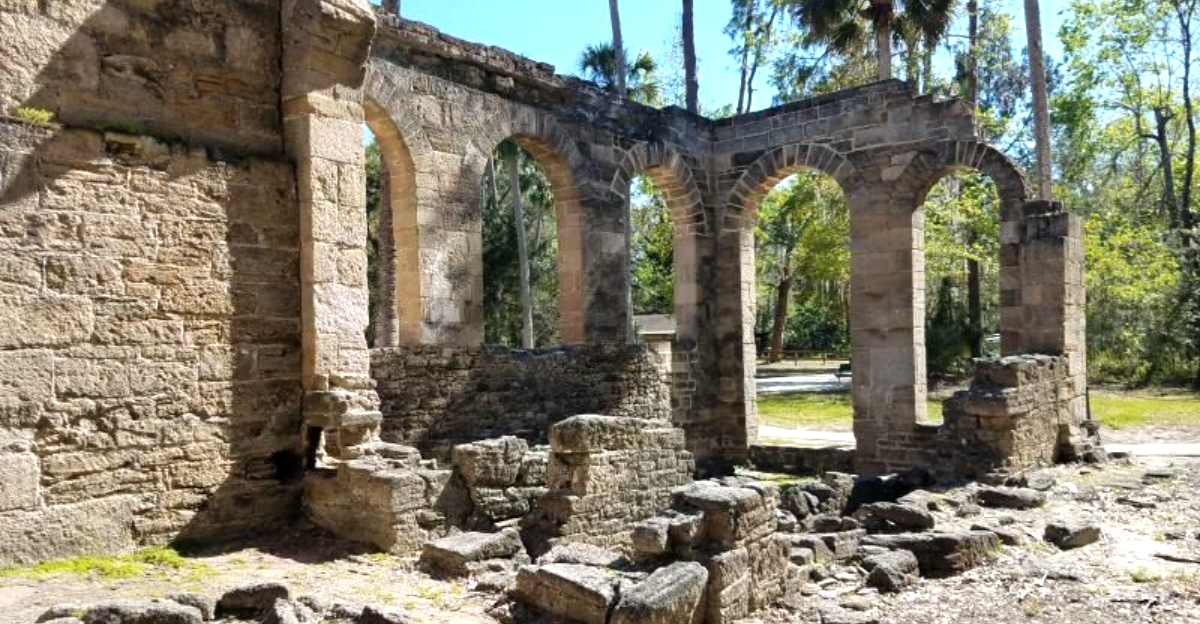
This Florida state park in Ormond Beach feels like it belongs to another century. Moss-draped oaks tower overhead, the air carries the scent of earth and creek water, and hidden among the trees stand the stone ruins of a once-thriving plantation.
This is not a staged attraction or a museum display behind glass. The ruins are real, the forest is wild, and the experience has a way of making you forget that modern highways sit just a few miles away.
The park protects one of the largest remaining stands of southern live oak forest on Florida’s east coast, along with the haunting remains of an early 1800s sugar mill. Whether you love history, wildlife, or simply quiet natural spaces, this preserved stretch of old Florida offers something increasingly rare: a landscape that still feels largely untouched.
Where Exactly You Are Going
Bulow Creek State Park sits at 3351 Old Dixie Hwy, Ormond Beach, FL 32174, tucked along a scenic stretch of road that already feels like a journey back in time before you even park the car.
The park covers nearly 5,600 acres of protected Florida wilderness, which is a surprisingly large footprint for a place that feels so quiet and off the radar. It is managed by Florida State Parks and is free to enter, which makes it one of the better-kept secrets in Volusia County.
The phone number is +1 386-676-4050 if you want to call ahead and check trail conditions. Getting here is straightforward, and once you turn off the main road and start driving toward the trailhead, the canopy closes in around you like a curtain being drawn.
The Story Behind the Ruins
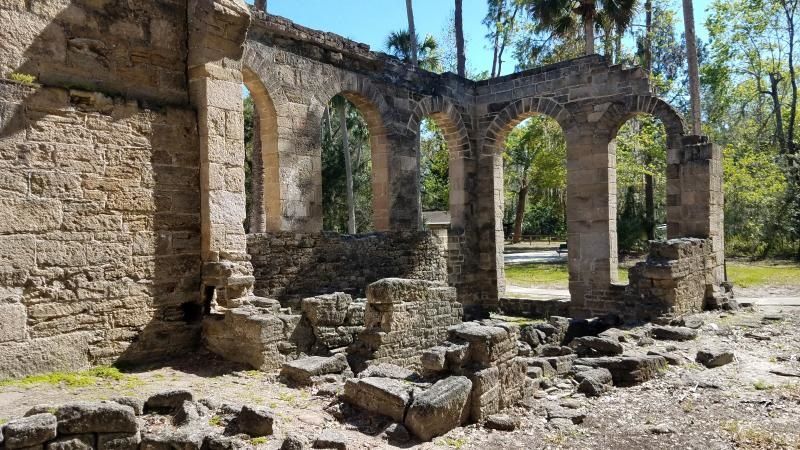
Back in the early 1800s, Major Charles Wilhelm Bulow built a thriving plantation on this land, growing sugar cane, cotton, and indigo along the banks of Bulow Creek. At its peak, the operation was one of the largest plantations in the Florida Territory, with hundreds of enslaved workers and a full sugar mill operation running at the site.
The Second Seminole War changed everything. In 1836, Seminole warriors burned the plantation to the ground, and it was never rebuilt.
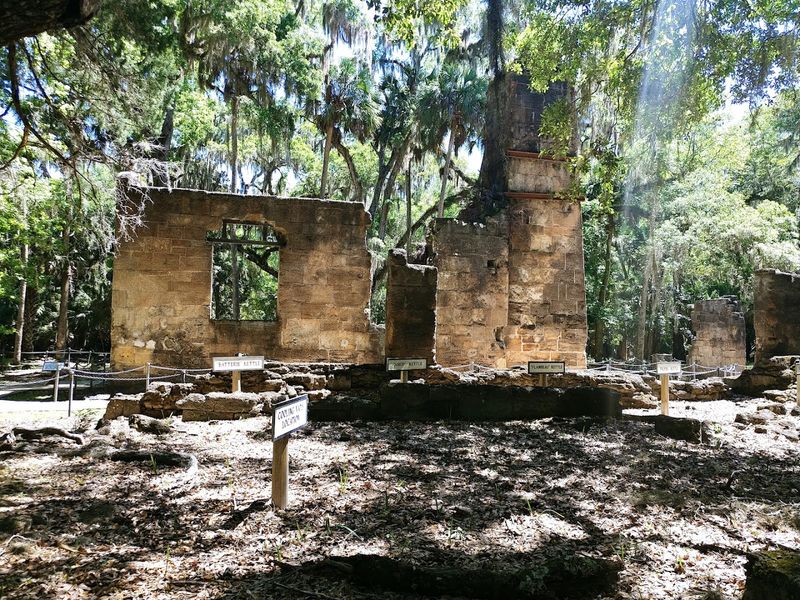
What remained were the coquina stone foundations of the sugar mill, the spring house, and a few other structures, slowly being reclaimed by the forest.
Those ruins still stand today, and hiking out to see them feels like uncovering a chapter of Florida history that most people have never read. The forest has grown up around the walls in a way that feels both haunting and oddly beautiful.
The Fairchild Oak: A Living Giant
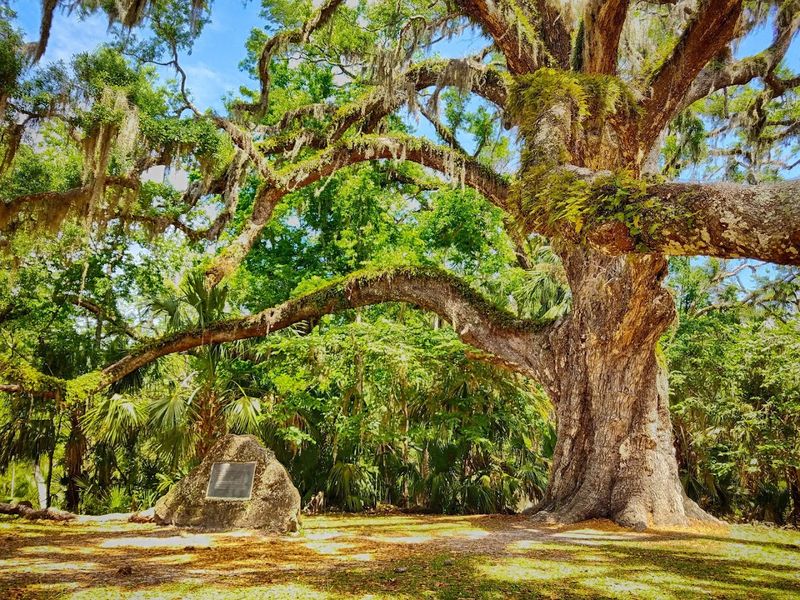
Long before the plantation existed, long before Florida was even a state, the Fairchild Oak was already growing. Confirmed to be around 400 years old, this enormous live oak is one of the most impressive trees in the entire state of Florida, and standing beneath it genuinely stops you in your tracks.
The trunk is massive, and the branches spread outward in every direction like arms reaching for the sky, draped in Spanish moss and dotted with resurrection ferns. There is a bench nearby and a small pavilion with picnic tables, making it a perfect spot to sit and just take in the scale of something that has been alive since the 1600s.
Named after botanist David Fairchild, the tree has a presence that is hard to put into words. Some visitors describe feeling a kind of quiet awe standing next to it, and honestly, that tracks completely.
The Main Trail and What to Expect
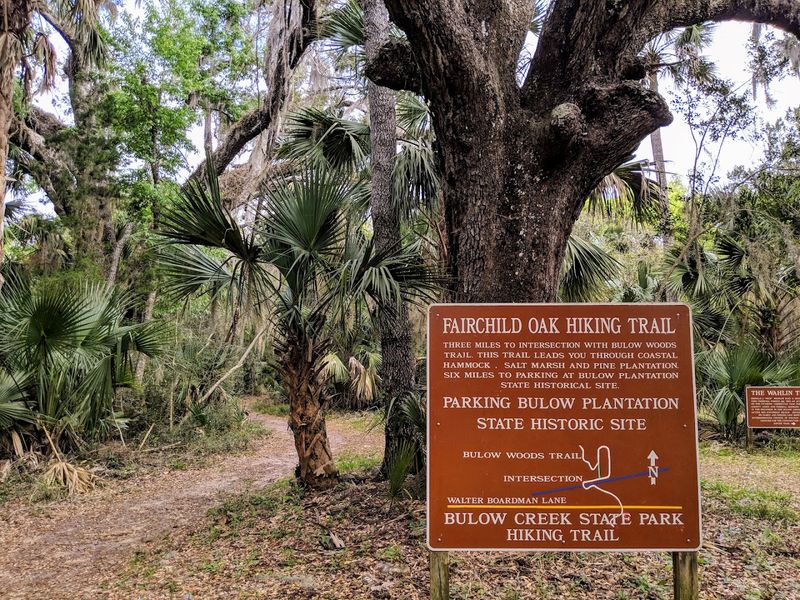
The main hiking trail at Bulow Creek State Park stretches out to roughly 4 to 4.5 miles one way if you go all the way to the plantation ruins and back, putting your round trip at close to 9 miles total. That is a solid half-day hike for most people, so plan accordingly.
The trail is generally well-maintained and fairly level, which makes it accessible for a wide range of fitness levels. There are a few muddy sections around the midpoint, especially near the creek crossings, so waterproof shoes or old sneakers are a smarter choice than anything you care about keeping clean.
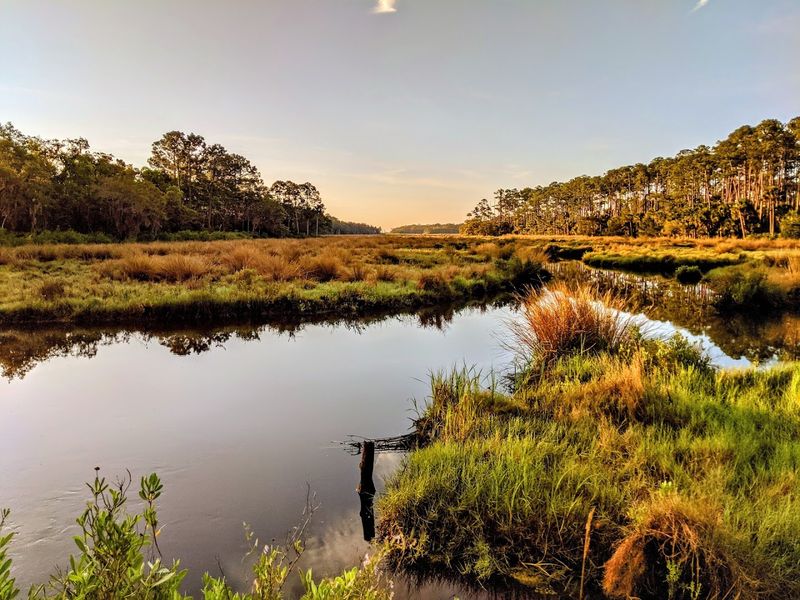
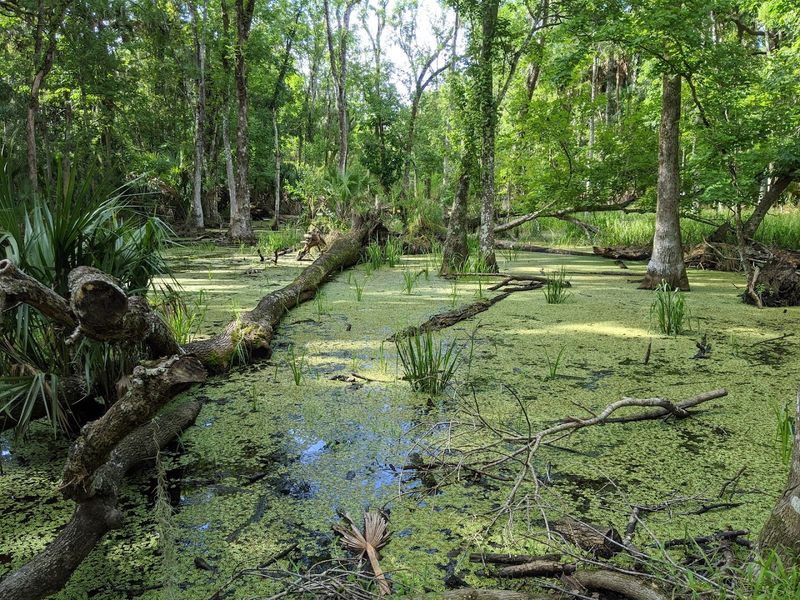
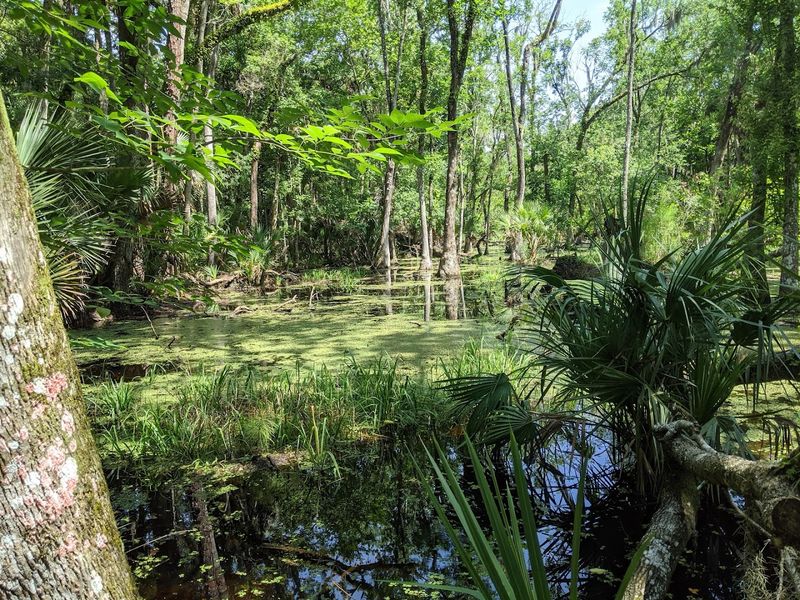
The path winds through dense forest, past submerged areas, and alongside the creek itself, giving you a constantly changing view. Bring water, snacks, and bug spray, because the trail does not have any water stations or rest facilities beyond the starting point.
Wildlife You Might Spot Along the Way
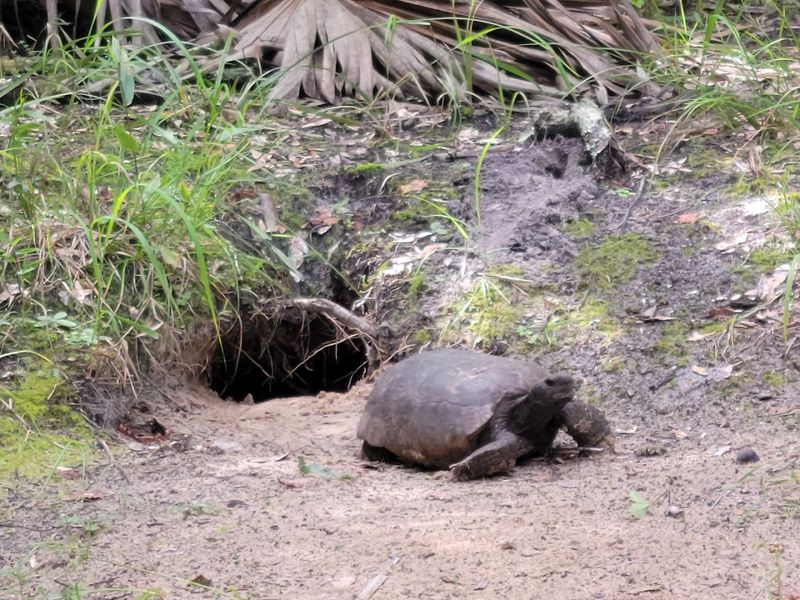
The wildlife along this trail is one of the biggest reasons people keep coming back. On a single hike, you could realistically spot white-tailed deer, raccoons, gopher tortoises, lizards, squirrels, and a surprising variety of birds including woodpeckers that drum away loudly in the upper canopy.
Alligators are present in the creek and marshy areas, so keeping a respectful distance from the water is just common sense. Snakes are also part of the ecosystem here, including the occasional pygmy rattlesnake near the northern marsh loop, so watching where you step is always a good habit.
The crabs surfacing from the moving water under the bridge mid-trail are an unexpected and oddly fascinating sight that many hikers mention. This park has a way of offering little natural surprises around every bend, and that unpredictability is a big part of what makes the hike feel genuinely exciting.
The Ancient Oak Forest Atmosphere
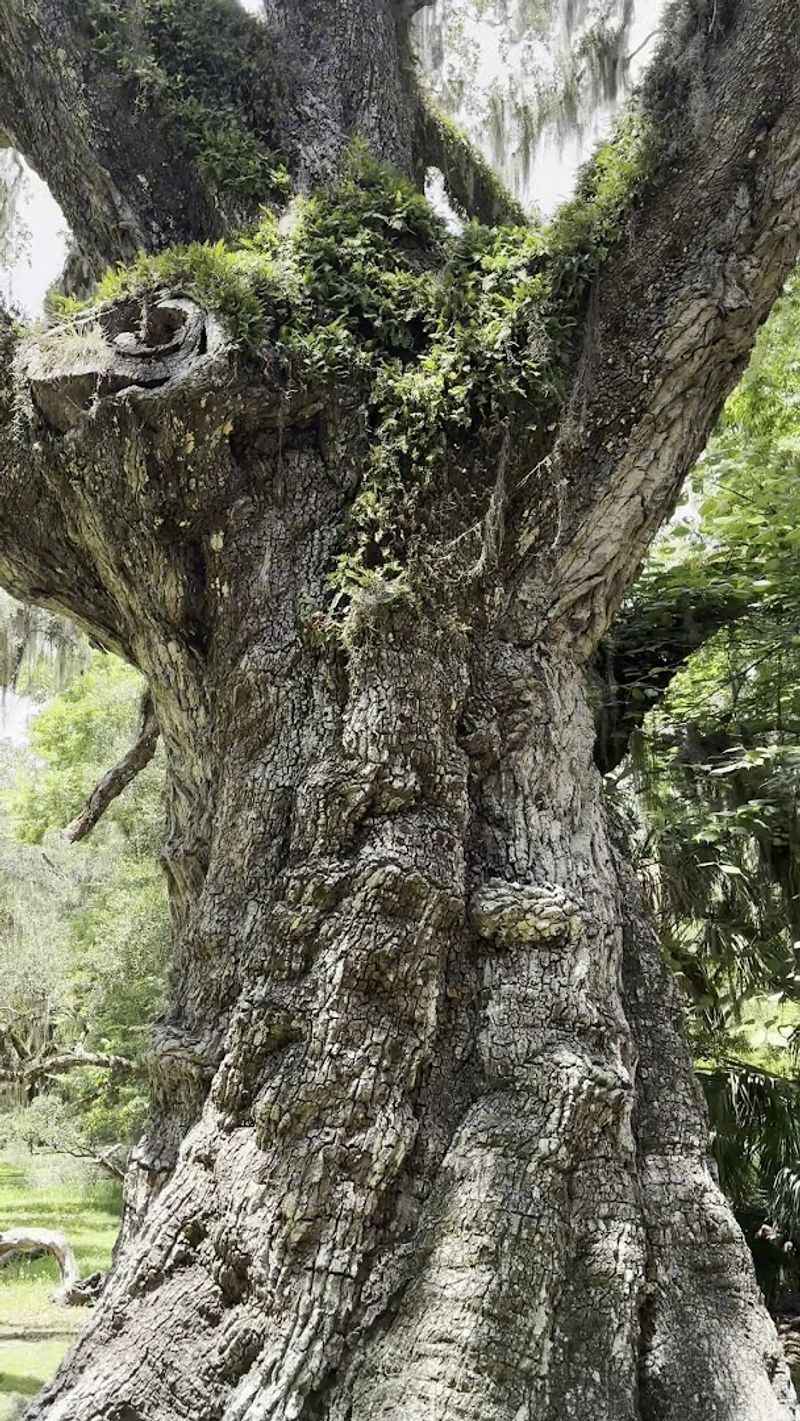
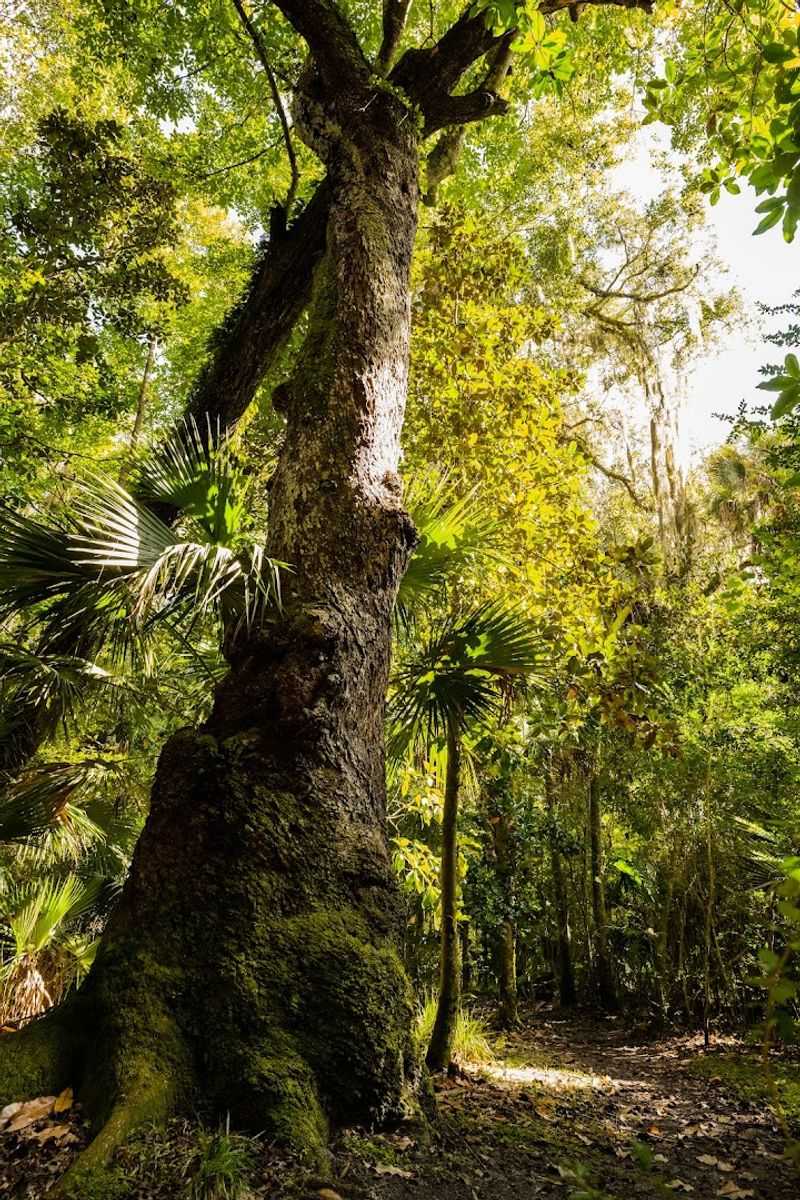
One of the first things you notice when you walk deeper into the park is how different the forest feels compared to most places in Florida. The trees here are old, genuinely old, with many of the live oaks estimated to be 200 years or more, their trunks wide and gnarled, their canopies interlocking overhead in a way that creates near-constant shade.
Spanish moss hangs from nearly every branch, and resurrection ferns coat the upper limbs, turning bright green after rain. The light that filters through is soft and green-tinged, and the whole forest has a layered, textured quality that makes it feel like a place that has been left largely undisturbed for a very long time.
That undisturbed quality is not just a feeling. The park has been protected specifically to preserve this old-growth character, and it shows in every corner of the trail.
Biking the Trails
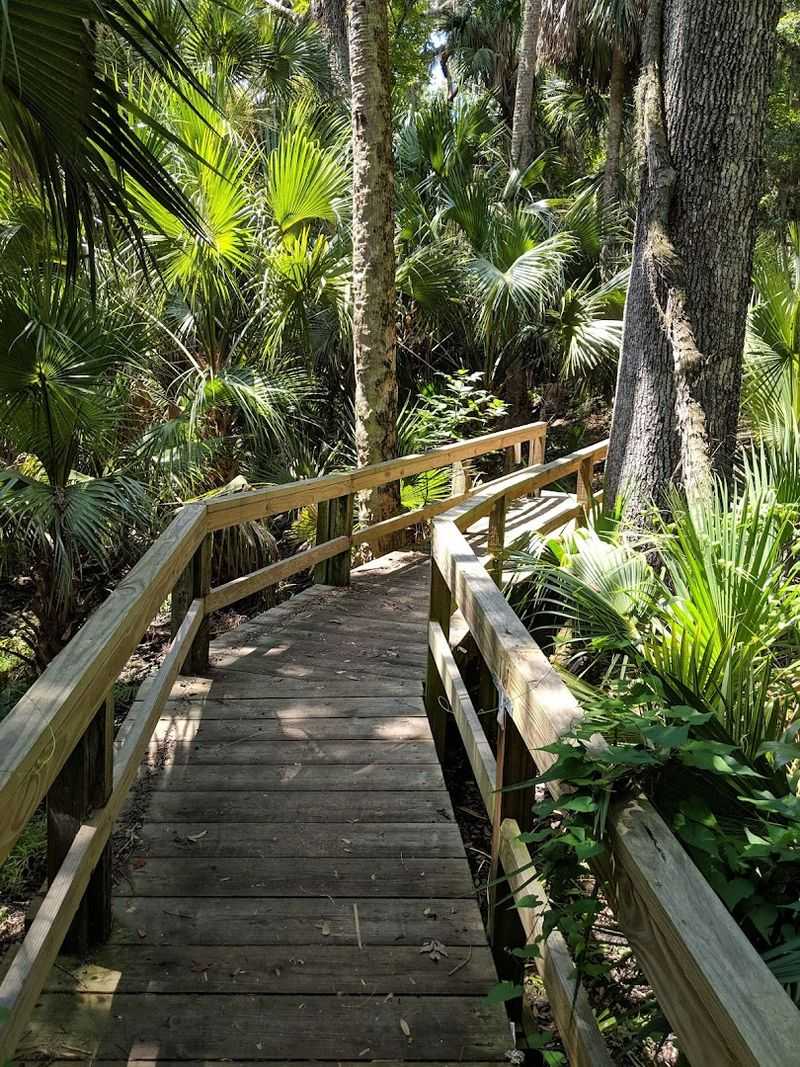
Hiking is not the only way to experience the park. The trails here are also open to cyclists, and the relatively flat terrain makes for a rewarding bike ride through some genuinely stunning scenery.
Several visitors have noted that biking through the park is one of their favorite outdoor activities in the entire Ormond Beach area.
The wide, packed-dirt trails handle a standard mountain bike well, and the shade from the oak canopy keeps the temperature noticeably cooler than the open road outside. You will want to slow down near the muddy creek sections and around the bridge, where the surface can get slippery after rain.
Biking all the way out to the plantation ruins and back is a solid workout with a historical payoff at the end. Pairing the ride with a picnic at the Fairchild Oak on the return leg turns it into a genuinely full afternoon.
Picnicking and Facilities at the Park
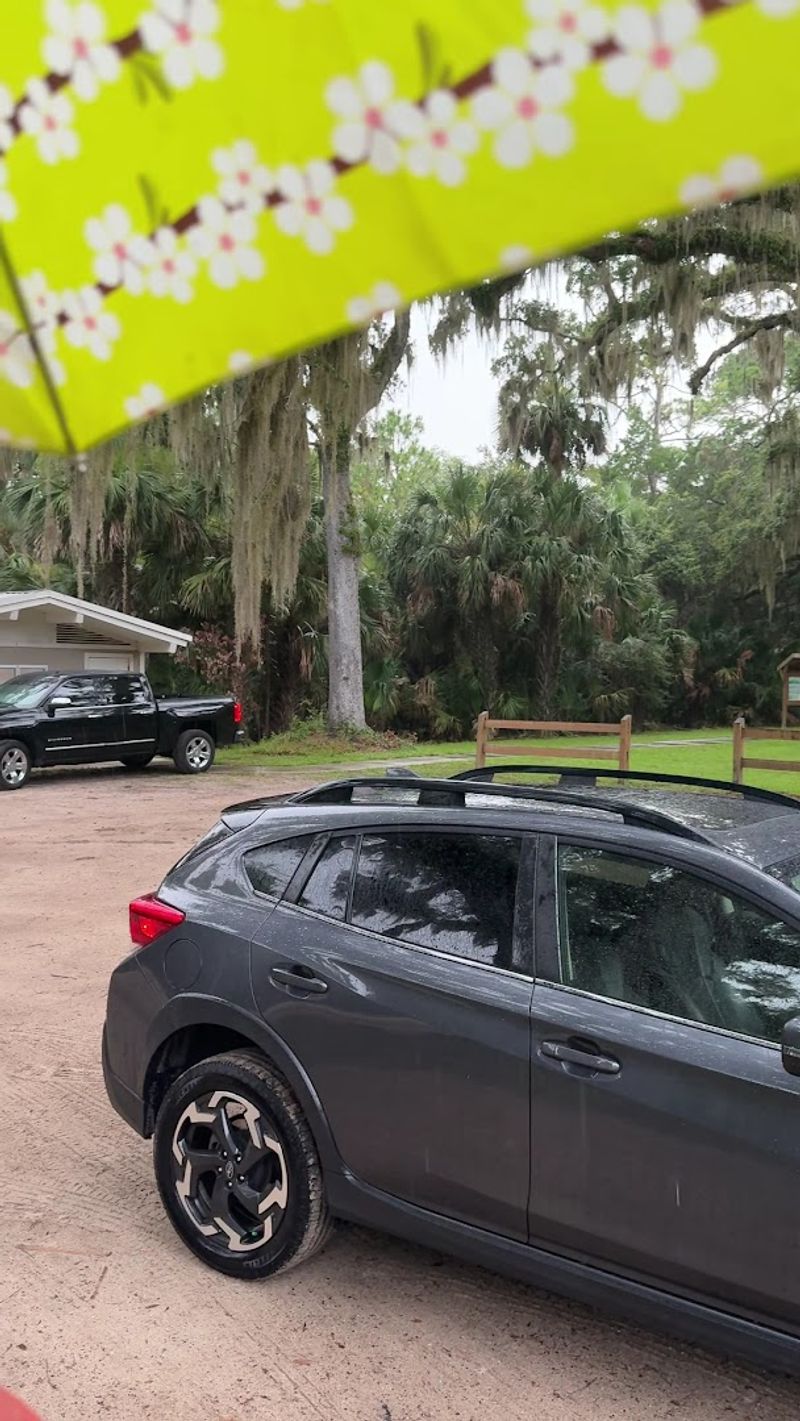
The park is set up well for a relaxed outdoor visit, even if you are not planning a long hike. Near the main parking area, there is a pavilion with picnic tables and barbecue grills, clean restrooms, and enough shade from the surrounding oaks to make a midday picnic genuinely comfortable rather than sweaty.
The facilities are simple but well-maintained. Multiple visitors have specifically mentioned the cleanliness of the restrooms, which might sound like a small thing until you have experienced the alternative at other parks.
There is no drinkable water available on the trail itself, so filling up your bottles before you head out is essential.
Parking is limited but usually sufficient for the number of visitors the park sees on a typical day. Arriving earlier in the morning on weekends is a smart move if you want a guaranteed spot and a quieter trail experience.
The Scenic Drive to Get There
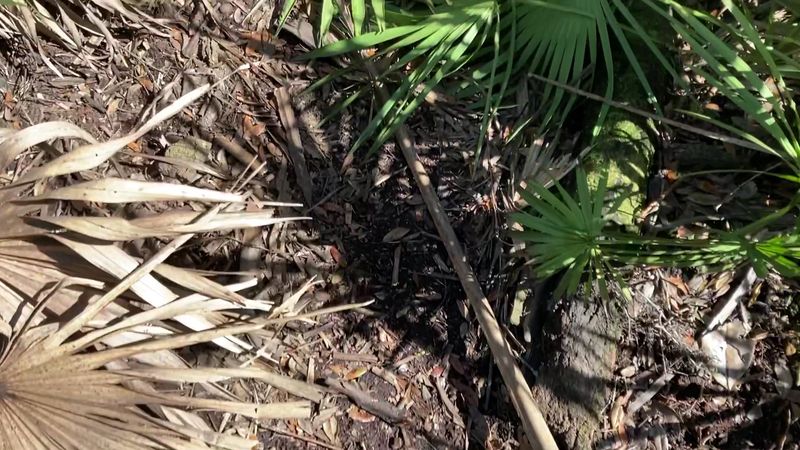
The drive to the park along Old Dixie Highway is part of the experience, and not just in a throwaway sense. The road winds through a canopy of live oaks that arch over both lanes, creating a natural tunnel effect that has made this stretch a popular route for motorcyclists and Sunday drivers for years.
The surrounding landscape shifts as you get closer to the park, with open flatlands giving way to denser forest and glimpses of wetlands through the trees. It is the kind of drive that puts you in the right mindset before you even step out of the car.
Florida has a lot of beautiful drives, but this one earns its reputation for a reason. The combination of old trees, quiet road, and the anticipation of what is waiting at the end makes the journey feel like it is already part of the adventure.
Best Time of Year to Visit
Florida is a year-round destination, but visiting Bulow Creek State Park during the cooler months from November through March is a noticeably better experience for most people. Temperatures are mild, the humidity drops significantly, and the bugs, while never completely absent in Florida, are far less aggressive than in summer.
Summer visits are absolutely doable, but the heat and humidity in June through August can make a 9-mile round-trip hike feel like a different kind of challenge. Going very early in the morning during summer months helps a lot, both for the temperature and for catching more wildlife activity before the day heats up.
Fall and early spring hit a sweet spot where the weather is comfortable, the trails are drier, and the forest has a particularly lush quality after the rainy season. That window is when the park tends to show its best side without requiring much extra effort from you.
Bug Spray Is Not Optional Here
Let me be straightforward about something that every single experienced visitor to this park will tell you: bring bug spray, and do not skip it. The mosquitoes and yellow flies at Bulow Creek are a real part of the ecosystem, and they are not shy about making their presence known, especially in the wetter months.
Yellow flies in particular are persistent and bite hard, and no amount of waving your arms around makes them lose interest. A quality DEET-based repellent applied before you hit the trail makes the difference between a pleasant hike and a miserable one.
Wearing long sleeves and pants in a lightweight fabric is another smart layer of protection, especially if you are visiting in spring or summer. Once you have the bug situation handled, the rest of the hike is genuinely enjoyable, and the wildlife and scenery more than reward the extra preparation.
Connecting With Florida’s Natural History
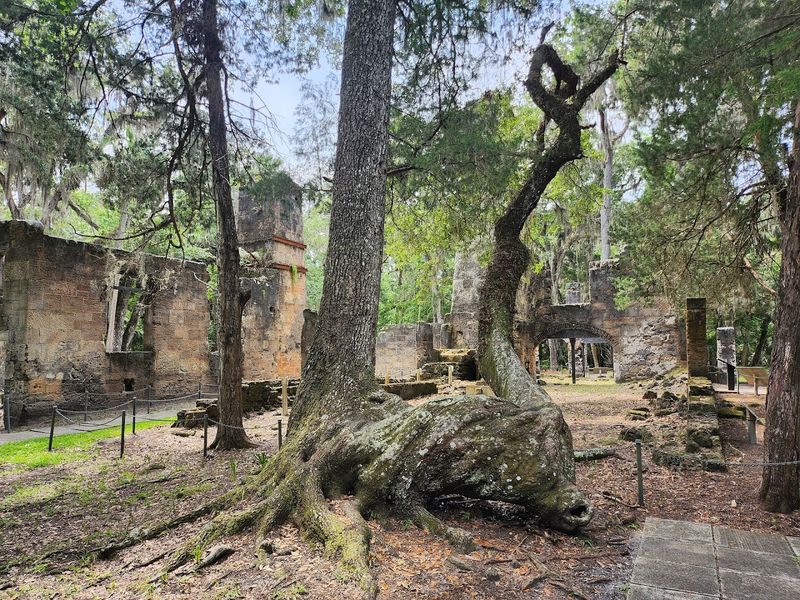
Bulow Creek State Park sits at a crossroads of Florida’s natural and human history in a way that few other parks manage. The land here tells multiple stories at once: the ancient ecological story written in the rings of the Fairchild Oak, the painful colonial history embedded in the plantation ruins, and the ongoing story of a landscape slowly returning to its wild state.
The Second Seminole War, which ended the plantation era here in 1836, is a significant chapter in Florida’s complex history. Understanding that context adds real weight to the experience of standing among those coquina walls in the forest.
Florida State Parks does a good job of providing historical context at the site, and spending a few minutes reading the informational materials before you start the trail gives the whole hike a richer meaning. History has a way of making a walk through the woods feel like something more.
What to Pack for the Hike
A hike to the plantation ruins and back covers close to 9 miles of trail, so packing smart matters more here than on a short nature walk. Water is the most critical item, as there are no refill stations once you leave the trailhead area, and Florida heat can dehydrate you faster than you expect.
Snacks with some substance, like trail mix, energy bars, or a sandwich, will keep your energy up through the longer back half of the trail. A small first aid kit is worth throwing in your pack, along with sunscreen for any open sections of trail where the canopy thins out.
Good footwear is genuinely important here. The trail has muddy patches near the creek crossings, and trail shoes or waterproof hiking boots will serve you much better than sandals or casual sneakers.
A camera or a phone with a good lens rounds out the kit nicely for all the wildlife you will want to photograph.
A Family-Friendly Adventure With Real Wild Moments
Families with kids have a genuinely good time at this park, and not in a sanitized, nothing-can-go-wrong kind of way. The trail offers real encounters with Florida wildlife, and children who are old enough to walk a few miles will find plenty to keep them engaged and curious throughout the hike.
Raccoons, deer, lizards, squirrels, and gopher tortoises have all been spotted right along the path by families hiking with young children. Even a 3-year-old can handle the shorter loop near the Fairchild Oak, while older kids can tackle the longer trail to the ruins without any trouble.
Teaching kids to watch where they step and respect the wildlife turns the hike into a real learning experience without feeling like a school trip. The plantation ruins at the end give the adventure a story to tell, and kids tend to remember that kind of thing for a long time.



