 Unearth The Voyage
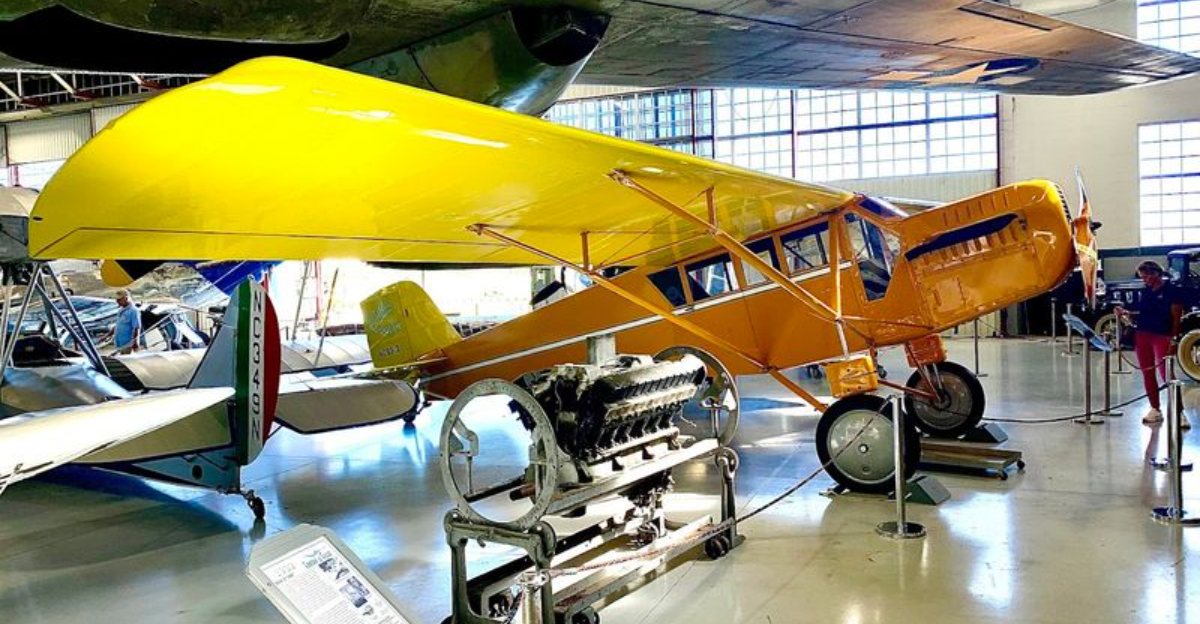
There is a place in central Florida where history has wings, and I mean that literally. Tucked away in a quiet corner of Polk County, this museum houses one of the most extraordinary collections of vintage aircraft you will ever see under one roof.
The owner has personally flown every single plane in the collection, which already tells you this is no ordinary museum. From rare warbirds to golden-age racing planes, the stories here feel alive in a way that textbooks never quite manage.
The admission price is shockingly low for what you get, the staff could talk aviation history for hours without repeating themselves, and the whole experience left me genuinely stunned. Keep reading, because this place deserves a lot more attention than it currently gets.
Where to Find This Aviation Treasure
Fantasy of Flight sits at 1400 Broadway Blvd SE, Polk City, right in the heart of central Florida, about halfway between Tampa and Orlando.
The drive takes you through quiet stretches of Polk County farmland, which makes the sudden appearance of massive aviation hangars feel surprisingly dramatic. Most people speed past this area on I-4 without knowing what is hiding just a few miles off the highway.
The museum is open Friday through Sunday from 11 AM to 3 PM and is closed Monday through Thursday, so planning ahead is essential. Parking is free, and the surrounding area has a calm, unhurried pace that makes the whole outing feel like a real getaway rather than a rushed tourist stop.
The Man Behind the Collection
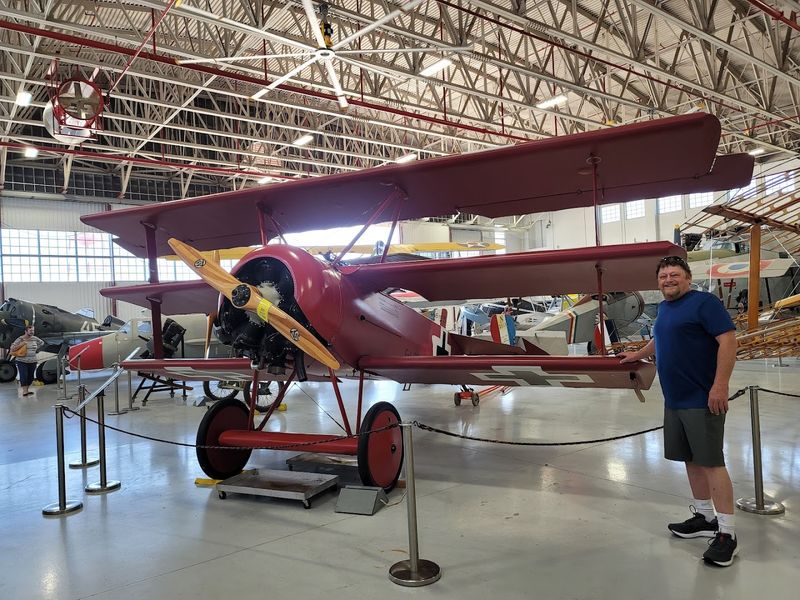
Kermit Weeks is the kind of person who makes you rethink what is actually possible in one lifetime. He is the founder, owner, curator, director of restorations, and the collector behind every single aircraft at Fantasy of Flight.
What makes his story especially remarkable is that he has personally flown every plane in the collection. That is not a marketing claim; it is a verified fact that the staff will happily confirm during your tour.
Several visitors have even had the luck of meeting Kermit in person during regular open hours, which adds a completely unexpected personal layer to the experience.
His vision has always been to preserve aviation history not just as static display pieces, but as living, flyable machines. That philosophy shapes everything about how the collection is maintained, restored, and presented to the public, making this museum unlike anything else in the country.
The Scale of the Collection
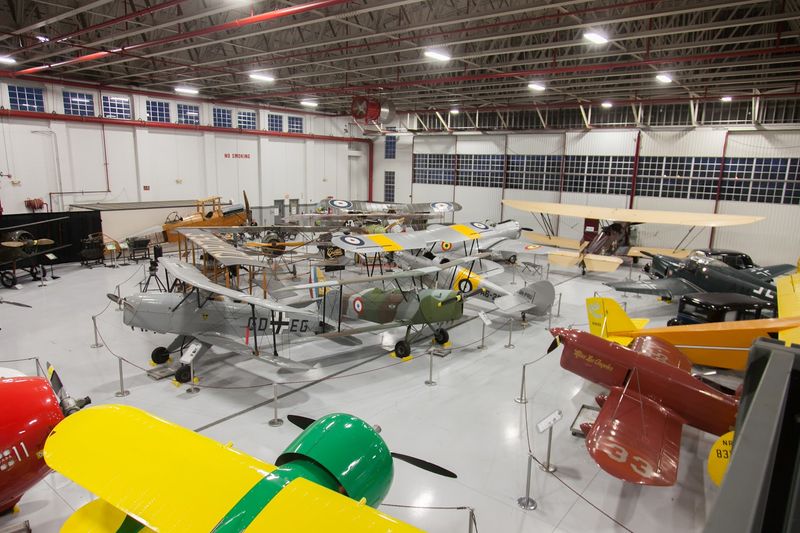
The total collection at Fantasy of Flight is reported to include over 150 vintage aircraft, making it the world’s largest privately held collection of historic planes. That number alone is staggering, but the real impact hits when you start learning the individual stories behind each machine.
Currently, one hangar is open to the public, and the aircraft on display are rotated regularly from the larger restoration hangar. On any given weekend, you might find warbirds from World War II lined up next to golden-age racing planes from the 1930s, or seaplanes parked alongside experimental designs that never made it into mass production.
The sheer variety is what keeps the experience fresh, even for repeat visitors. Annual pass holders come back specifically because the rotation means there is almost always something new to see, and the stories attached to each aircraft make every visit feel like a fresh chapter in aviation history.
Getting Up Close to the Aircraft
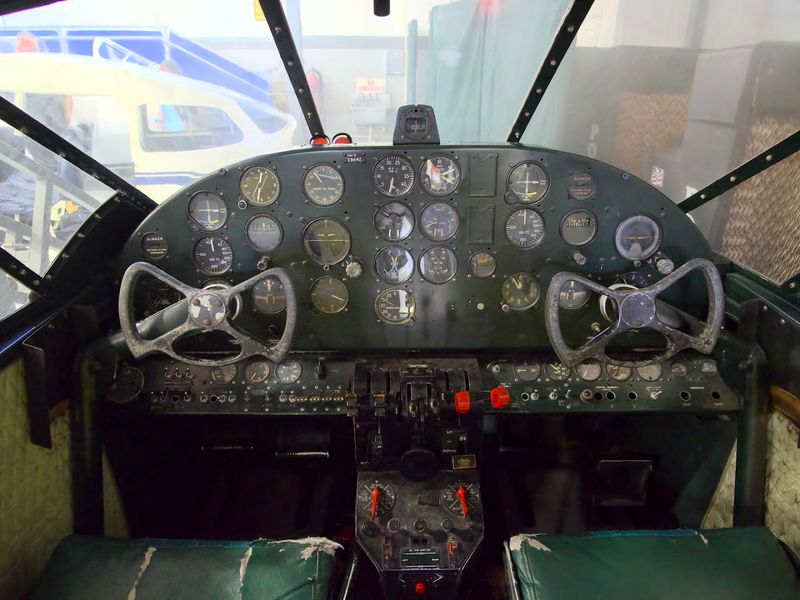
One of the first things that surprised me at Fantasy of Flight was how close you can actually get to the planes. Most aviation museums keep you behind ropes or glass, but here the aircraft are practically within arm’s reach.
The restoration work is so detailed that even the cable colors inside the cockpits match the original specifications. That level of accuracy is something you can appreciate only when you are standing right next to the machine, close enough to see the rivets and read the original markings.
Several cockpits are set up specifically for visitors to climb into, which is an experience that younger guests absolutely love. Getting to sit in the seat of a vintage fighter or bomber, even briefly, transforms abstract history into something genuinely tangible.
It is one of those rare museum moments where the exhibits feel less like artifacts and more like invitations to connect with the past.
The Guided Tour Experience
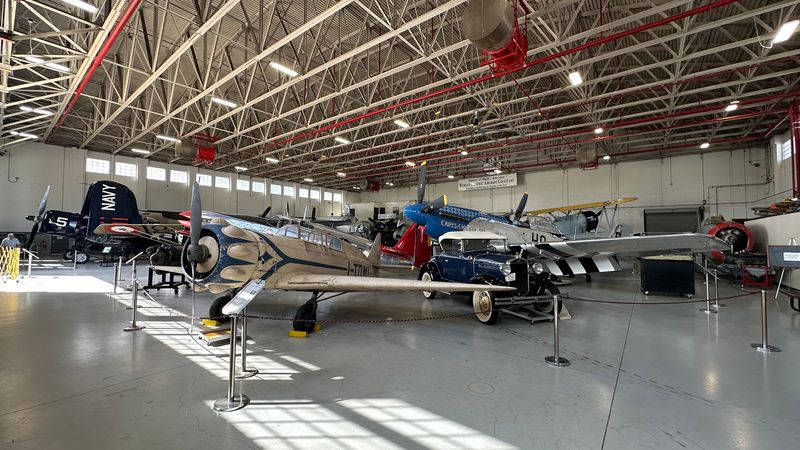
The guided tours at Fantasy of Flight are genuinely one of the highlights of any visit, and the staff here are employees rather than volunteers, which means their knowledge runs deep.
Tour guides like Bill, Bob, Eddie, Arthur, and John have come up repeatedly in visitor accounts, and each one brings a different energy to the experience. Some focus heavily on technical details like engine mechanics and airframe construction, while others lean into the personal histories of the pilots and crews who flew these machines.
The VIP tour, available by advance booking, goes even deeper and runs roughly four and a half hours for groups of five. It covers the additional hangars, the restoration workshops, and even the boneyard where future projects wait their turn.
The standard guided tour is already excellent, but if you are a serious aviation enthusiast, the VIP option is worth every penny of the added cost.
World War II Aircraft on Display
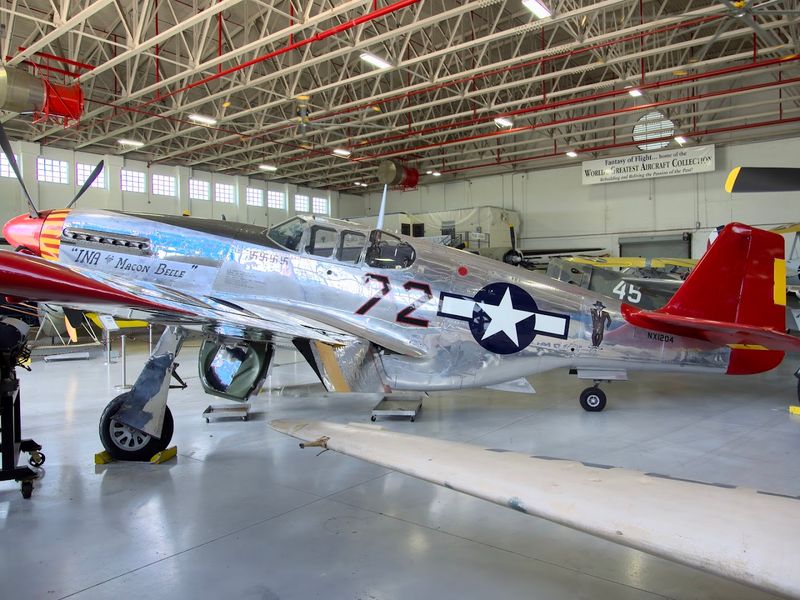
World War II aviation is at the heart of the Fantasy of Flight collection, and the aircraft from that era are among the most emotionally powerful exhibits in the hangar.
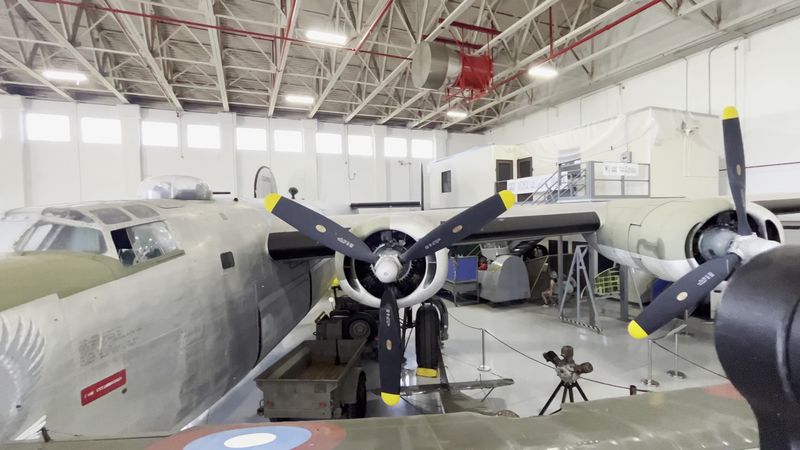
One standout is a B-24J Liberator that previously served with the Indian Air Force, a genuinely rare find that brings an international dimension to what might otherwise feel like a purely American story. The nose section of a B-29 named Fertile Myrtle is also on display, covered in signatures that connect the physical aircraft to the human beings who flew and maintained it.
The staff’s knowledge of these planes goes far beyond basic facts. One visitor brought a photograph of their father working on aircraft during his time in the Army Air Corps, and the staff were able to identify the exact type of plane in the background.
That kind of expertise transforms a museum visit into something genuinely personal and meaningful.
Racing Planes from the Golden Age
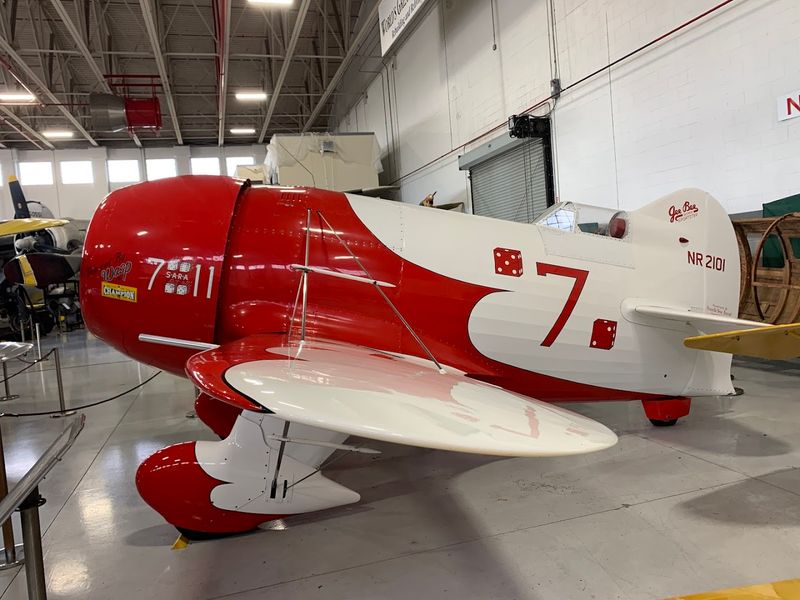
Not everything at Fantasy of Flight has a military story. Some of the most visually striking aircraft in the collection are the racing planes from the 1930s, a period when speed was pursued with a kind of fearless creativity that produced some genuinely wild-looking machines.
The Gee Bee aircraft, famous for its stubby, almost comical proportions and its brutally powerful engine, is one of the collection’s most talked-about pieces. These planes were built to go fast above all else, and their designs reflect that single-minded priority in every curve and angle.
Standing next to a Gee Bee in person is a different experience from seeing one in a photograph. The proportions feel slightly wrong in the best possible way, and the workmanship on the restored examples is extraordinary.
Aviation history fans who thought they knew these planes well often find that seeing the real thing completely reframes their understanding of what golden-age racing actually looked like.
The Restoration Workshop
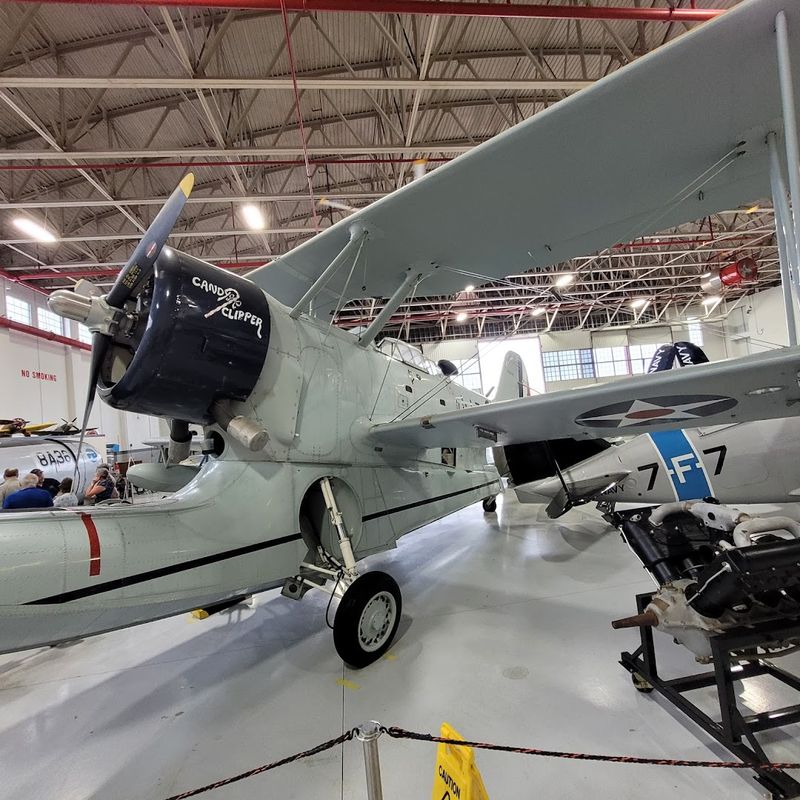
Behind the public hangar, a much larger restoration operation is constantly in progress, and getting even a glimpse of it puts the scale of the collection into proper perspective.
Many of the aircraft currently in storage or mid-restoration are visible during the VIP tour, and the level of detail involved in each project is extraordinary. Restorers work to match original cable colors, hardware specifications, and paint formulas so that the finished aircraft are as close to their original condition as possible.
Every plane in the collection is maintained with the goal of keeping it airworthy, not just display-worthy.
The mechanical and airframe restoration shops are staffed by people who clearly treat this work as a calling rather than just a job. Watching a team rebuild a seventy-year-old aircraft engine with the same care a watchmaker gives to a pocket watch puts the entire mission of Fantasy of Flight into sharp, tangible focus.
Engines and Structural Exhibits
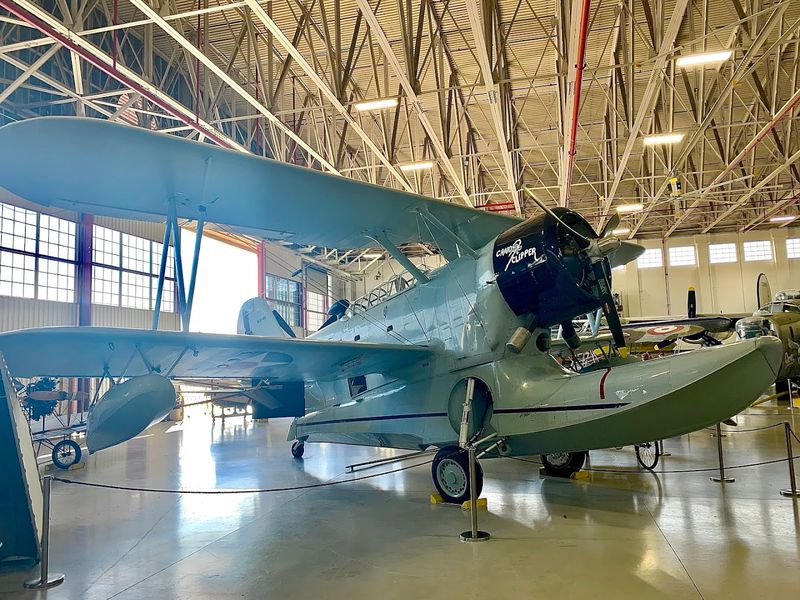
For visitors who love the mechanical side of aviation, the engine and structural exhibits at Fantasy of Flight offer a level of detail that goes well beyond what most museums provide.
Cut-away engines are displayed so that you can see exactly how the internal components fit together, which turns abstract engineering concepts into something you can follow with your eyes. Whether you already understand how a radial engine works or are learning for the first time, these exhibits make the mechanics surprisingly accessible and genuinely fascinating.
Structural cross-sections of airframes are also on display, showing how the materials and construction techniques evolved across different eras of aviation. The combination of engines, airframes, and complete aircraft in one space creates a layered educational experience that appeals to both casual visitors and serious enthusiasts.
A few visitors have described these exhibits as the kind of thing that sparks a lifelong interest in engineering, and it is easy to see why.
Admission Prices and Value
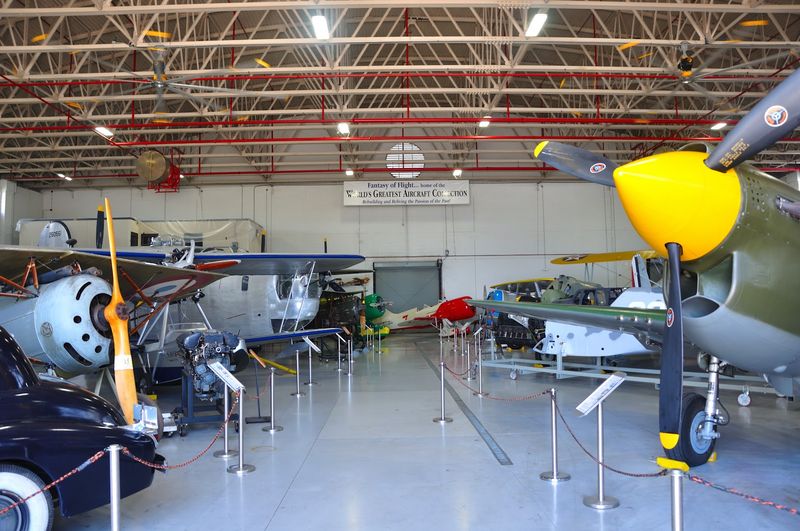
For what you get at Fantasy of Flight, the admission price is almost absurdly reasonable. General admission has historically been around $15 to $16 per person, with a slight discount for seniors, and that price includes the guided tour.
Spending two and a half hours or more inside the museum is completely normal, which works out to an exceptional value compared to most major attractions in Florida. Annual passes are also available for visitors who plan to return, and given the rotating aircraft displays, returning is genuinely worthwhile rather than just a nice idea.
The VIP tour, which covers the private hangars, restoration shops, and boneyard, is priced at around $100 per person for groups of five and runs approximately four and a half hours. That option is clearly aimed at serious enthusiasts, but even the standard admission experience delivers a level of depth and engagement that far exceeds what the ticket price might lead you to expect.
Visiting With Kids and Families
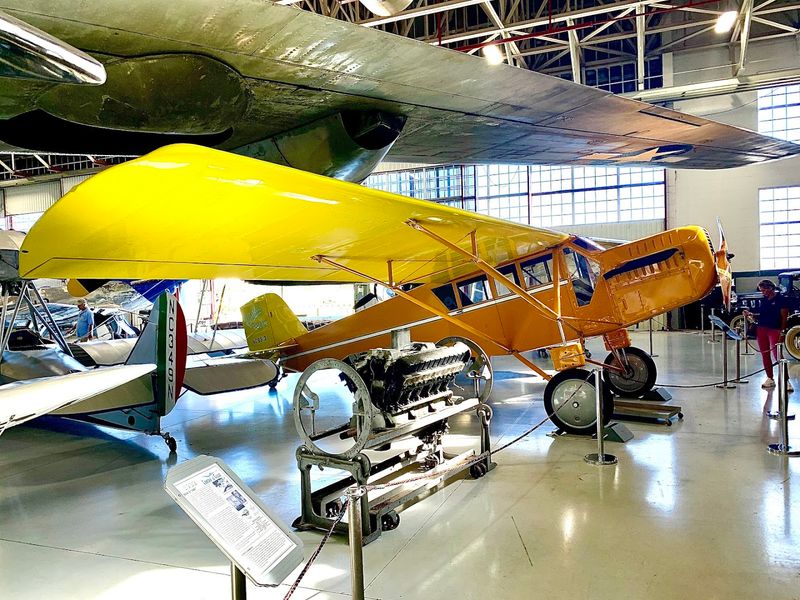
Fantasy of Flight works surprisingly well as a family outing, even for children who have no prior interest in aviation. The hands-on cockpit displays are a major draw for younger visitors, and the staff have a genuine gift for adjusting their explanations to match whatever age group they are talking to.
One family brought their nearly five-year-old grandson, and a staff member named John spent time walking the child through each cockpit display, explaining the controls in terms a preschooler could follow. That kind of personal attention is rare at any museum, let alone one with this level of historical significance.
Children tend to absorb more than adults expect in environments where they are allowed to touch, sit, and ask questions freely. The relaxed, unhurried atmosphere at Fantasy of Flight encourages exactly that kind of engagement, which makes it a genuinely educational stop rather than just a place to keep kids entertained for an afternoon.
The Gift Shop and Souvenirs
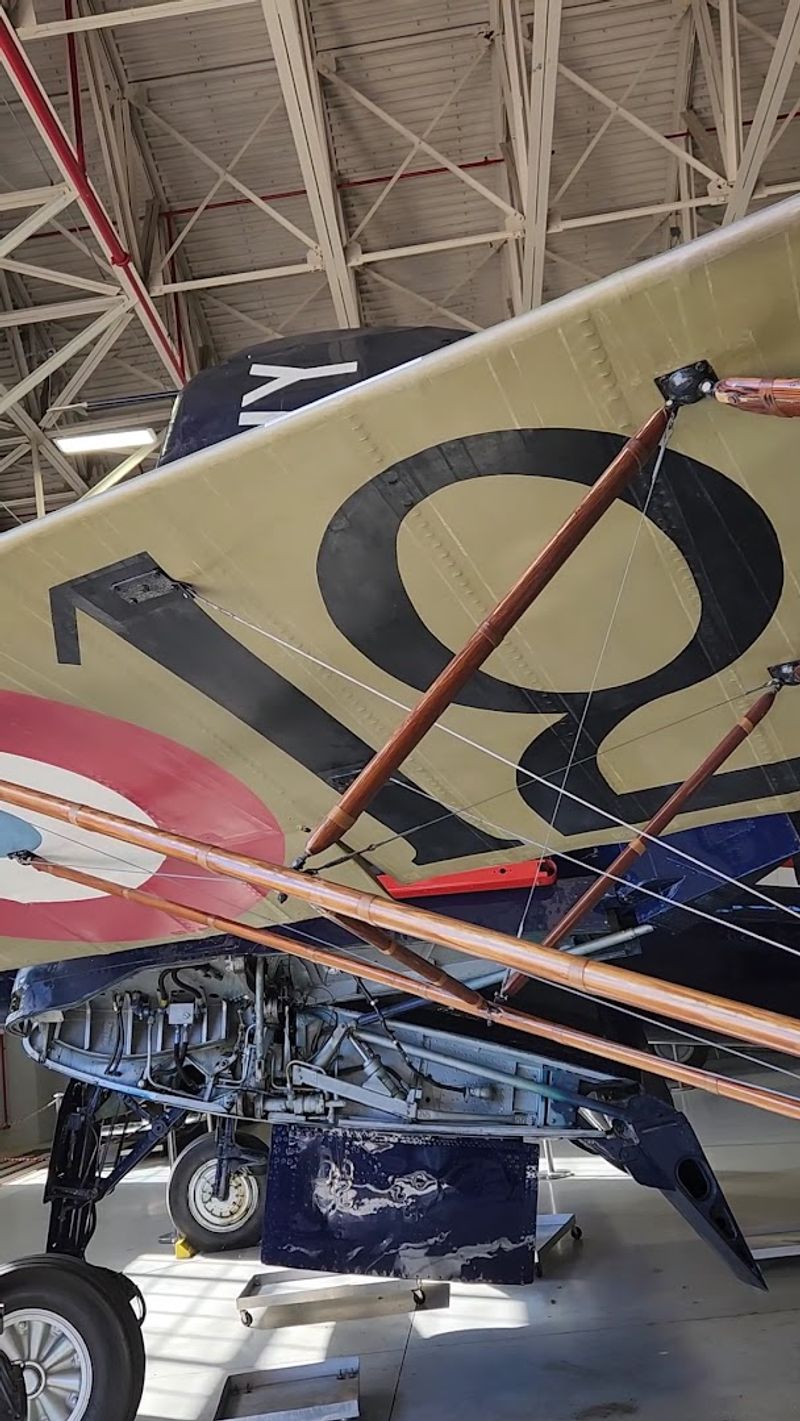
The gift shop at Fantasy of Flight is modest in size but well-stocked with items that feel genuinely connected to the collection rather than generic tourist merchandise.
Model aircraft, aviation books, branded T-shirts, and various memorabilia items are all available, and the selection leans toward quality over quantity. Picking up a T-shirt is a small way to support the museum’s ongoing restoration work, and the staff in the shop are just as friendly and knowledgeable as the tour guides on the floor.
The gift shop is also a good spot to linger after a tour, particularly if you want to ask follow-up questions or just extend the conversation with staff members who are clearly passionate about what they do. Several visitors have mentioned that the shop interaction alone felt like a natural extension of the tour rather than a separate commercial transaction tacked onto the end of the visit.
Current Hours and Visiting Tips
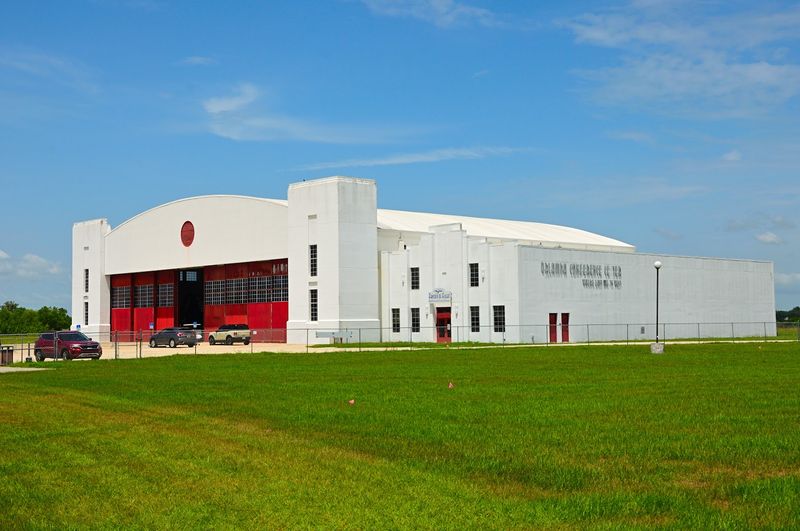
Fantasy of Flight is currently open Friday, Saturday, and Sunday from 11 AM to 3 PM, and it is closed the rest of the week. Those hours are on the shorter side, so arriving close to opening time gives you the best chance of catching a full guided tour from the start.
The museum is located in a fairly remote part of Polk County, so factoring in drive time from Tampa or Orlando is worth doing in advance. The drive from Orlando takes roughly an hour, and from Tampa it is a similar distance heading northeast on I-4 toward Polk City.
Calling ahead at 863-984-3500 or checking the website at fantasyofflight.com before your visit is always a smart move, since hours and available exhibits can change. The museum is currently in a transitional phase as expansion work continues, but even in its current form, the experience is well worth the trip.
The Atmosphere Inside the Hangar
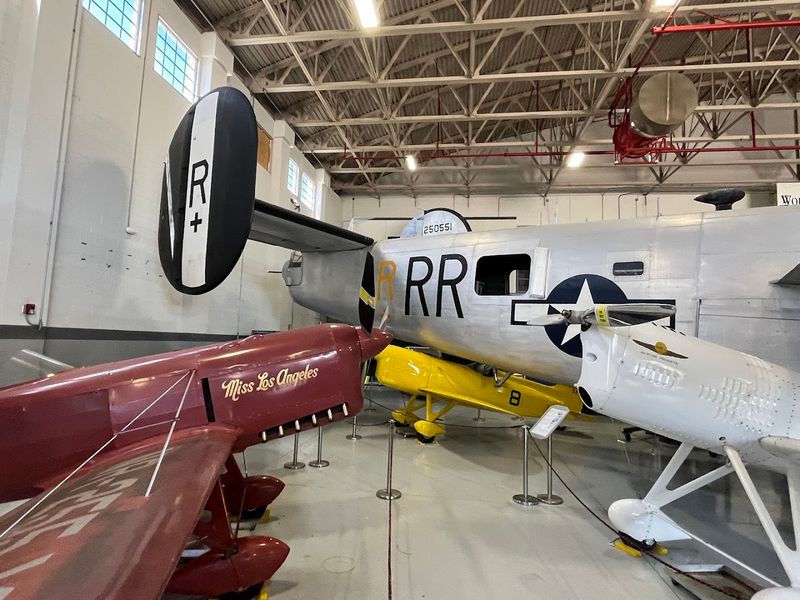
There is something about the atmosphere inside the Fantasy of Flight hangar that is hard to describe without sounding like you are overselling it. The smell of old metal and aviation fuel, the scale of the aircraft overhead, and the quiet hum of serious conversations between guides and visitors all combine into something that feels more like a living archive than a traditional museum.
The planes are not behind barriers or elevated on pedestals. They sit on the hangar floor the way they would on a flight line, which means you experience them at eye level and feel their actual size in a way that photographs never capture.
The lighting inside the hangar shifts depending on where you are standing, with natural light mixing with overhead fixtures to create a surprisingly dramatic effect. That combination of scale, proximity, and atmosphere makes the whole experience feel cinematic in the best possible way.



